Article Summary
- Then-CEO Oliver Zipse confirmed the second-generation X7 (G67) for Plant Spartanburg, with production reports pointing to the second half of 2027.
- The split headlights and large kidney grille carry over, while dealers describe a boxier, more wagon-like profile that pushes the X7 further from the new X5.
- The range keeps inline-sixes and diesel, adds a twin-turbo 4.4-liter V8 in the X7 M60 xDrive, skips the plug-in hybrid, and gains a first-ever electric iX7.
BMW has confirmed the second-generation flagship SUV for 2027. Almost everything else comes from prototypes, a dealer meeting, and insiders. The second-generation BMW X7 will be built at Plant Spartanburg in South Carolina, with production starting in the second half of 2027 and the first US cars arriving as 2028 models. Then-CEO Oliver Zipse confirmed the car during a Q&A after BMW’s annual conference in March, declined to say anything else, and that remains the only official word on the G67.
Everything below comes from camouflaged prototypes, a private dealer briefing in Nashville, and insiders with decent track records. None of it is confirmed by BMW, and some of it could change before the car reaches showrooms.
Production Date Summer 2027

Reports on the production date vary. Some claim August 2027, while we’ve heard fall of next year. Regardless of the exact month, expect the first units of the G67 BMW X7 to roll off the Spartanburg production by the end of 2027. This will also dictate the model year for certain markets. In the United States, the G67 BMW X7 will most likely get the 2028 Model Year, while the rest of the world will call it a 2027 car. If production begins Summer-Fall 2027, BMW is most likely to show us the refreshed X7 a few months before, just like it was the case with the G65 X5 this summer.
The Split Headlights Survive Another Generation

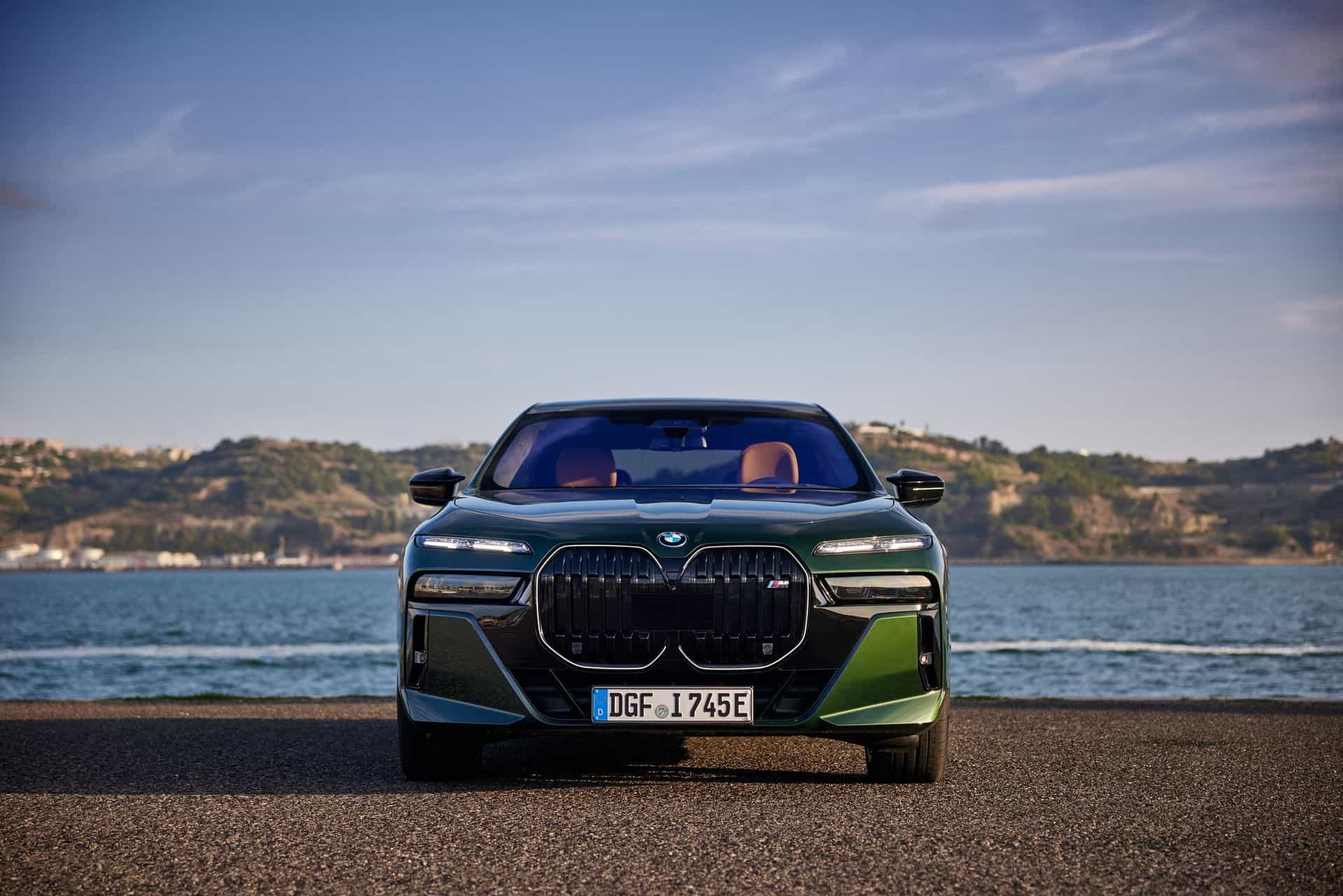
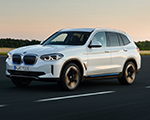
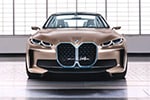
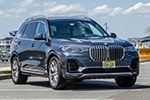
Prototypes have shown the split headlight layout from the start, and dealers who have seen the car in person confirmed it independently. The large kidney grille stays too, rather than shrinking to the iX3’s more restrained treatment. Even the the X5 has moved to a cleaner single-unit face, and in electric form the iX3 and iX5 look close enough from a distance that telling them apart takes a second look.
BMW put the same divisive face back on the 7 Series facelift after a significant redesign, which tells you it now reads as the identifier for the top of the range. Whether you like the look or not, using it to keep the flagship sedan and flagship SUV visually distinct from a converging lineup is at least a coherent plan. And BMW has often said that the X7 is the luxury “limousine” of SUVs.


Neue Klasse elements are going in around it. The taillights on every prototype so far are provisional units that should end up much wider, stretching across the tailgate and splitting in the middle for the new roundel. The rear wiper sits out in the open rather than tucked under the spoiler, the same as on the new X5.
Boxier Than Before, And Dealers Called It “Wagon-Like”

BMW showed the G67 to US retailers behind closed doors in Nashville in May. According to dealers cited by Automotive News, BMW has pushed the X7 further away from the X5, with boxier proportions and a profile one of them described as “wagon-like.”
We’d temper that. Our spy photos show an angular body with an almost flat roofline, but the overall profile still reads as an X7 rather than an XXL Touring on stilts. The squarer shape does track with where the segment has gone, since the Range Rover, Escalade, and GLS all lean vertical, and a three-row SUV gets real headroom and cargo volume out of it. Judging by the quarter glass, the G67 also grows in length over the current car, which already measures 203.9 inches on a 122.2-inch wheelbase.
The door handles are gone, replaced by electrically operated winglets integrated into the beltline. They appeared first on the Skytop and Speedtop, with the X5 G65 as the first series-production model to use them. BMW may have to rework the setup for China, where the long-wheelbase i3 and iX3 switched back to conventional handles at the last minute to meet a new safety rule.
Is The Split Tailgate Staying?

This is the open question many will carry about. Every prototype has a black horizontal band across the tailgate suggesting the two-piece design, and dealers have said it stays. BMW pulled exactly the same trick with X5 prototypes, and the G65 shipped with a conventional one-piece tailgate. We still believe that the split tailgate will stay and will become a differentiator in the SUV lineup.
The Lineup: Six-Cylinders, A V8 M60, And The First iX7
BMW’s largest SUV keeps a broad engine range, which is increasingly unusual:
- Inline-six gasoline engines carry the volume in most markets.
- Diesel continues for Europe and potentially other markets.
- The X7 M60 xDrive gets the twin-turbo 4.4-liter S68 V8. The quad exhaust on the prototypes gives it away, since BMW now reserves visible tips for M-badged cars.
- An iX7 arrives as the first fully electric X7, possibly with an M Lite derivative mirroring the iX5.
- No plug-in hybrid. The X5 sells an M60e with an inline-six PHEV setup; the X7 is rumored to skip it again, and the prototypes show no charging flap on the front fender.
A full-fat X7 M still looks unlikely. The M Performance prototype filmed at the Nürburgring in August is the top of the BMW-badged range as far as we can tell.
The iX7 is the more interesting engineering problem. It sits on the CLAR platform inherited from the combustion X7 rather than a dedicated EV architecture, so the long wheelbase gives BMW room for a big pack, but packaging compromises are unavoidable. That’s a different starting point from the Neue Klasse cars, but it also gives BMW flexibility since electric-only SUVs are not as hot as one once thought.
Inside: iDrive X, Panoramic Vision, And Maybe A Theater Screen

BMW covered the dashboard on the prototypes, but the black band at the base of the windshield gives away Panoramic Vision, the pillar-to-pillar projection that replaces the instrument cluster with three fixed tiles plus six customizable widgets. Pair that with iDrive X and a large central touchscreen, and the rotary controller is gone along with most of the remaining switchgear. Since the BMW X5 gets an optional Passenger Screen, we expect one in the X7 as well. Yet, it remains to be seen whether is optional or standard like in the 7 Series facelift.
The Theater Screen is coming. BMW has already hinted that this is a feature that customers expect in luxury cars and apparently the 7 Series’ success with the screen was enough for BMW to consider it for the X7.
Automatic Doors, Third Row, Rear Massage Seats, And Two-Tone Paint

BMW is pushing the G67 further upmarket in ways the G07 never managed. Soft-close doors reportedly become standard, with the 7 Series automatic doors on the options list. Ventilated and massaging rear seats are planned, which fixes one of the current car’s more annoying omissions for a vehicle at this price.
Two-tone paint is the one we’d actually spec. BMW already sold an X7 in Space Silver over Velvet Blue, but that car was built in Spartanburg, shipped to Japan, and resprayed there by the local branch. For the G67, the plan is to offer the split finish globally, applied at the South Carolina paint shop, with a coachline separating the two colors in Rolls-Royce fashion. BMW has been mixing colors in Dingolfing for the 7 Series G70 for years, so the process isn’t new to the company, just to this factory.
The X7 keeps its third row, unlike the X5, which dropped it for low demand. Buyers get two- and three-row layouts, the latter in six- or seven-seat configurations. The ALPINA version, codenamed G69, will have a third row as well, but with a significantly more upscale interior and redesigned front and rear fascias.
The Competition Isn’t Waiting
The G67 arrives into a segment that has moved while BMW was developing it. The Range Rover Electric and the Genesis GV90 have both already broken cover, and Audi is preparing a Q9 to enter the class for the first time. The iX7 will also show up next year, so the electric luxury SUV segment will certainly heat up.