Article Summary
- The factory has produced approximately 1.15 million 3 Series models over the past 46 years, despite some gaps between generations.
- The G50 initially launches with four- and six-cylinder gasoline engines, while a plug-in hybrid will join the lineup in 2027.
- If BMW gives the 3 Series Touring (G51) and M3 Touring (G88) the green light, both will likely be built in Dingolfing as well.
The 3 Series has been a familiar sight at the Dingolfing factory for nearly half a century. The first generation began rolling off the assembly line in Lower Bavaria in 1980, five years after the E21 debuted. Since then, the plant has played an important role in building what many consider the quintessential BMW.
BMW built some versions of the E30, E36, and E46 there, along with the oddball 3 Series Gran Turismo (F34) five-door liftback. All told, it built about 1.15 million examples of the 3er over the last 46 years, though production had gaps, as neither the E90 nor the G20 generation was assembled there.
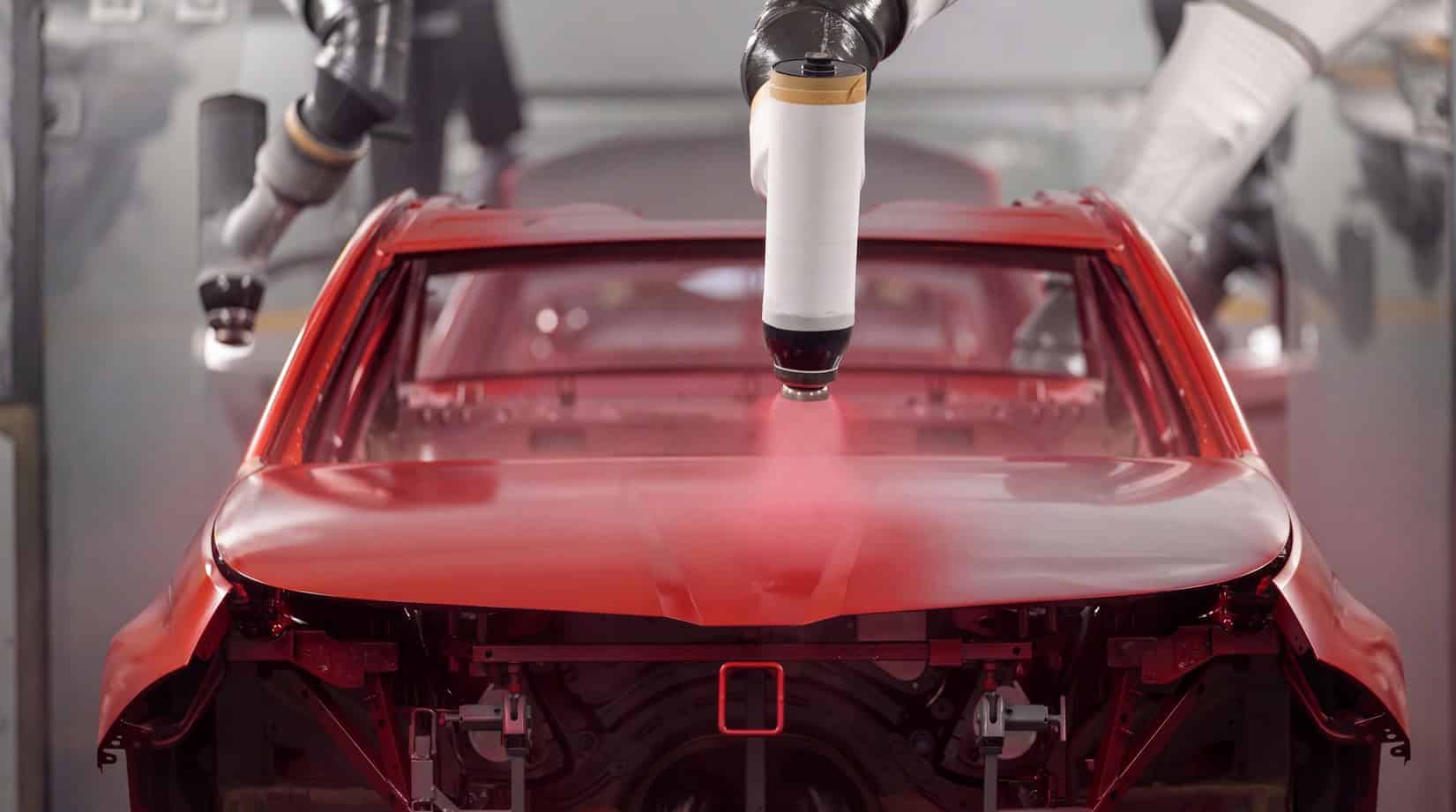
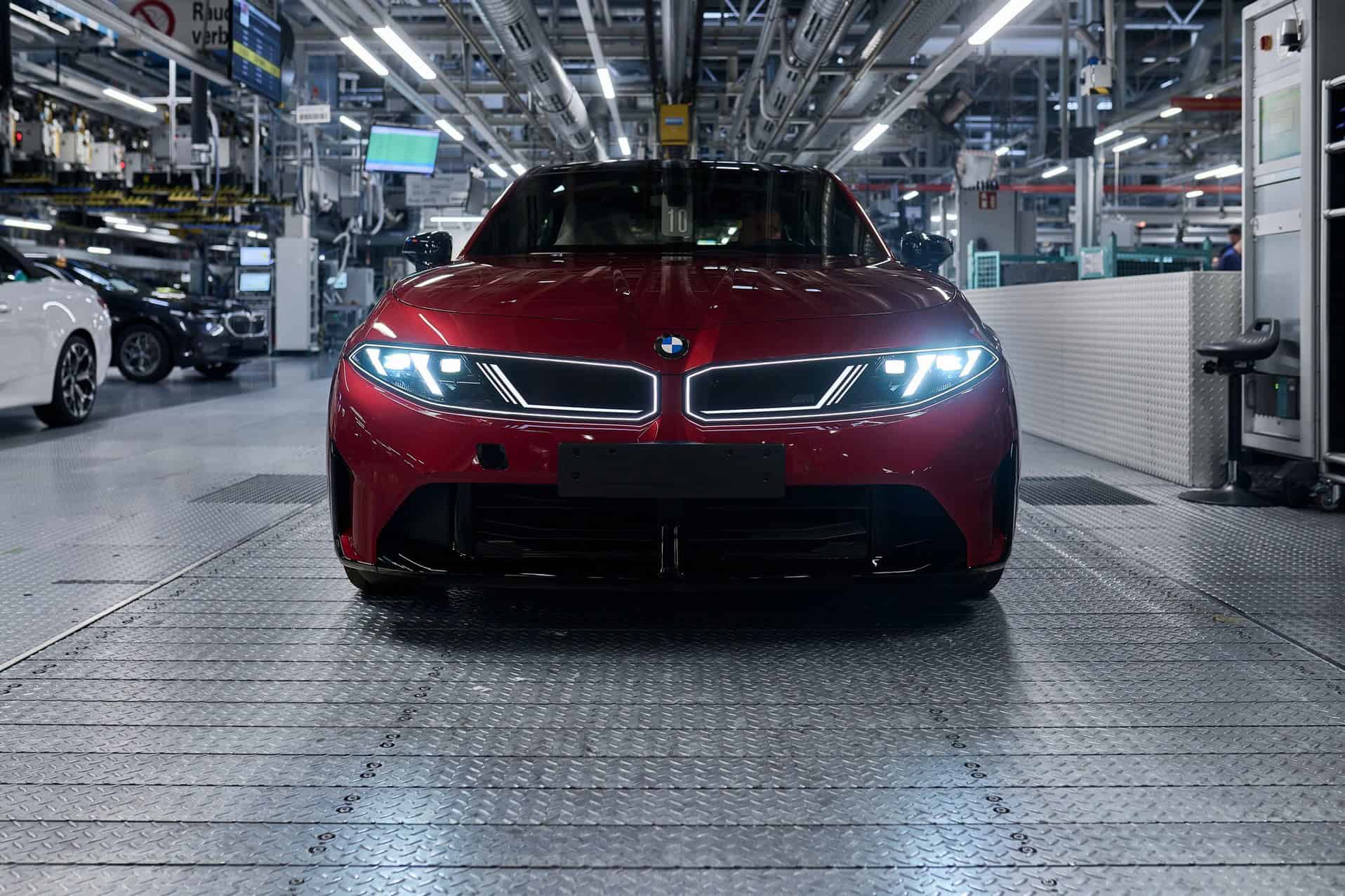
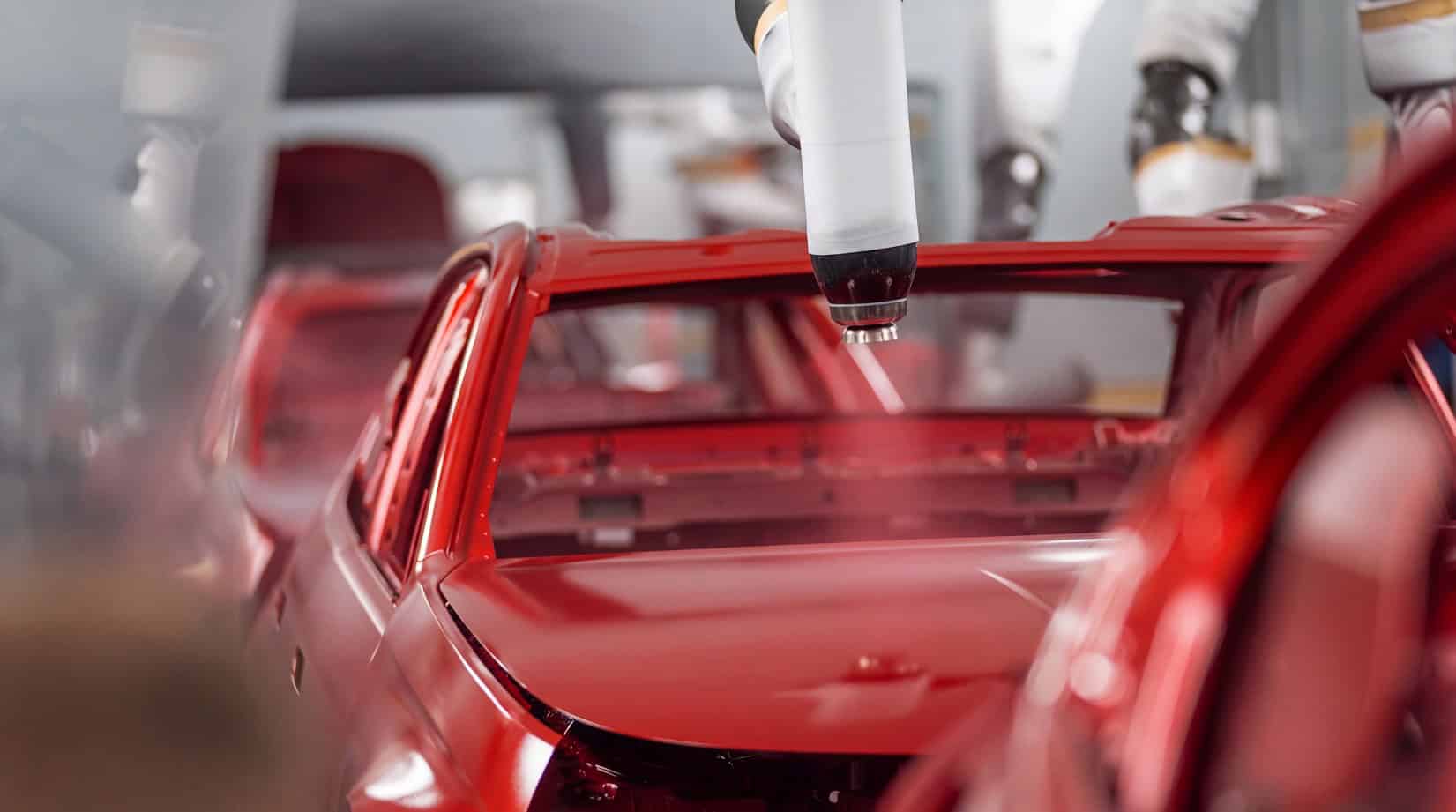
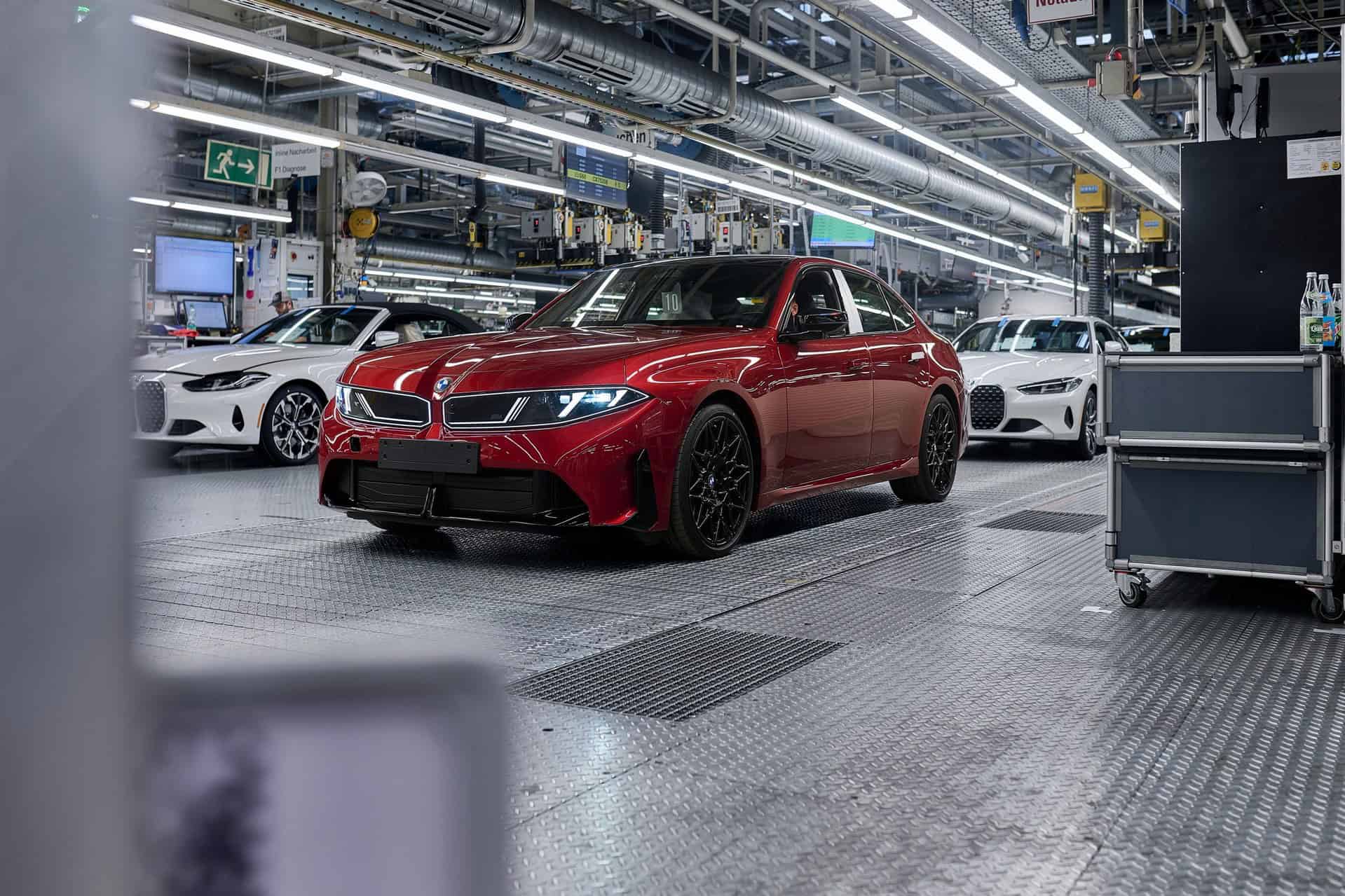
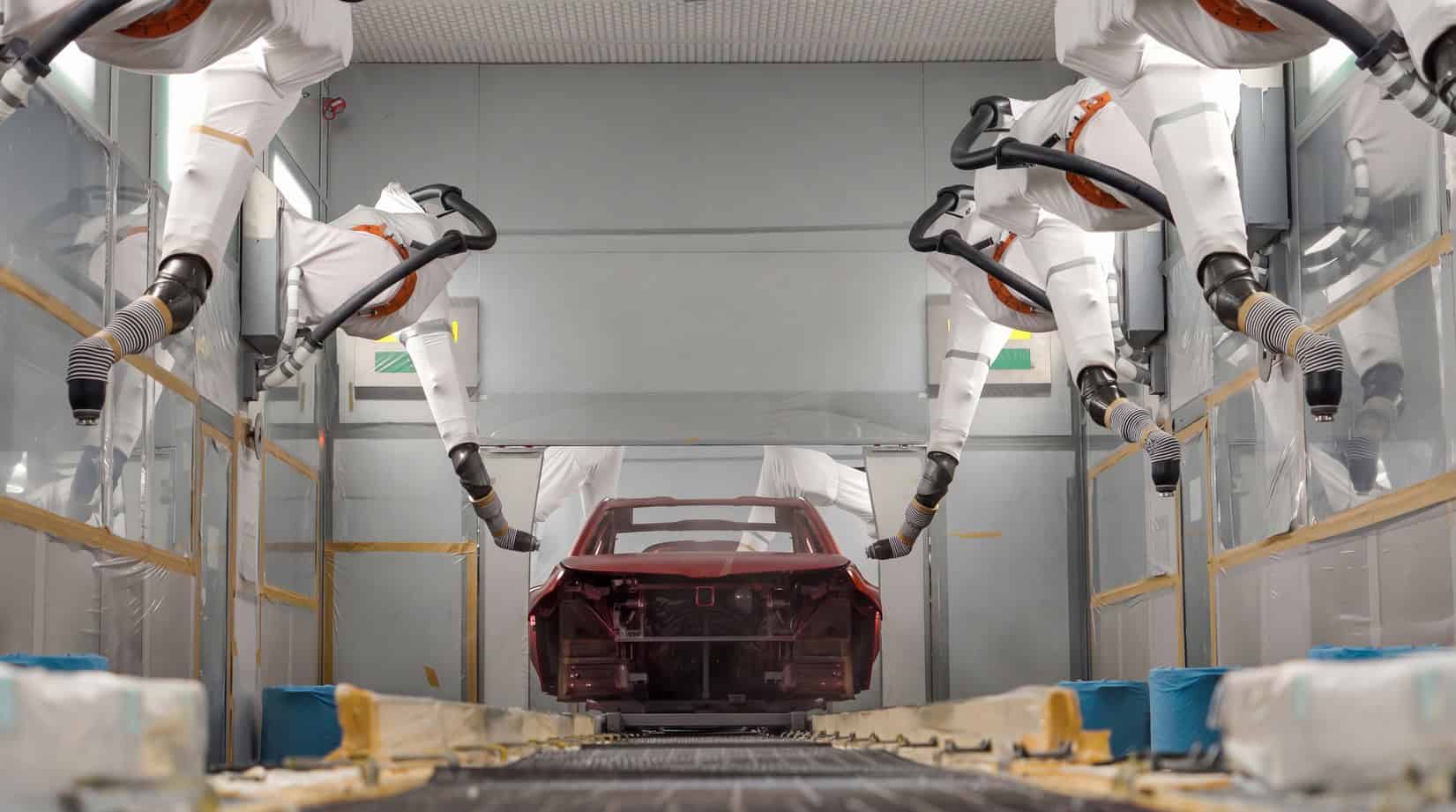
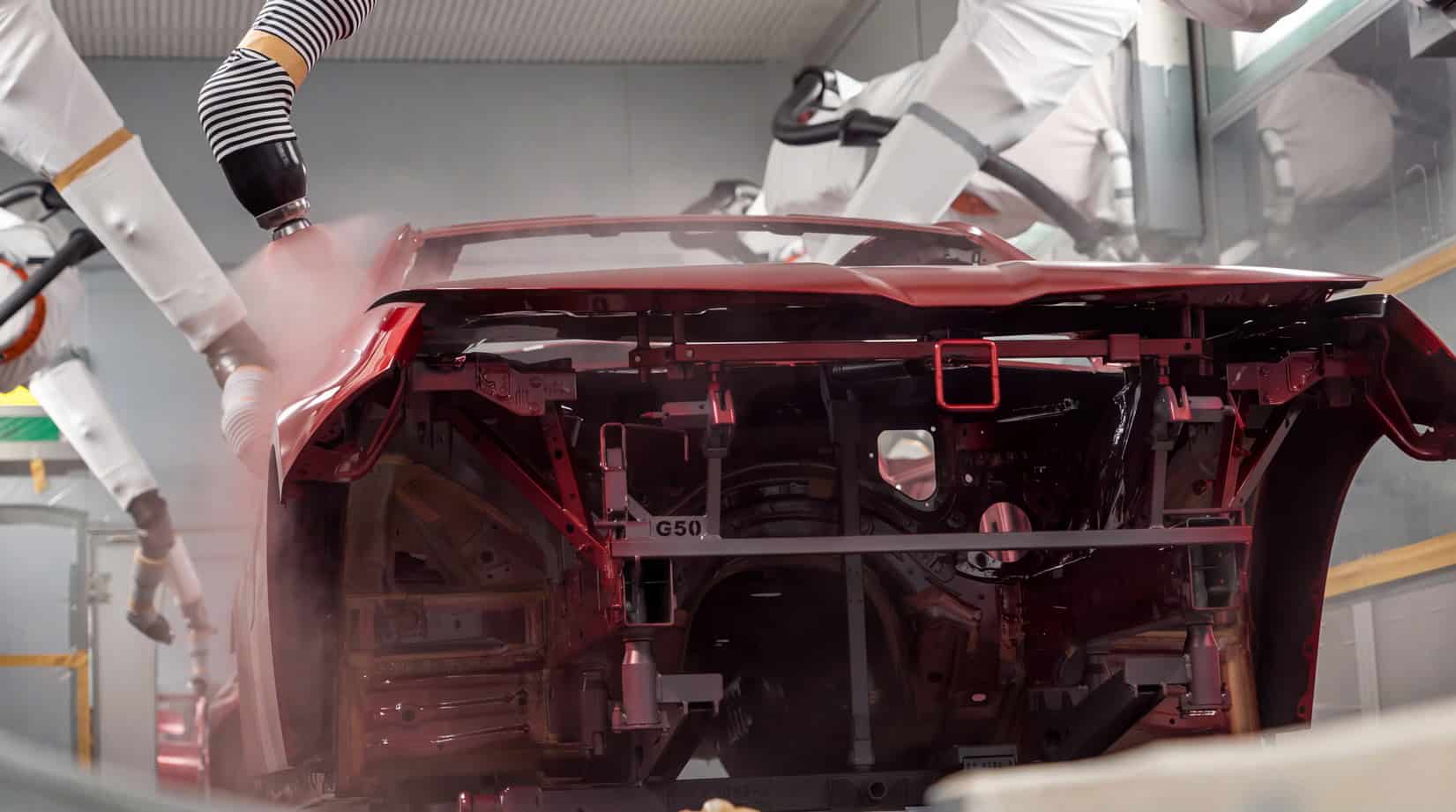
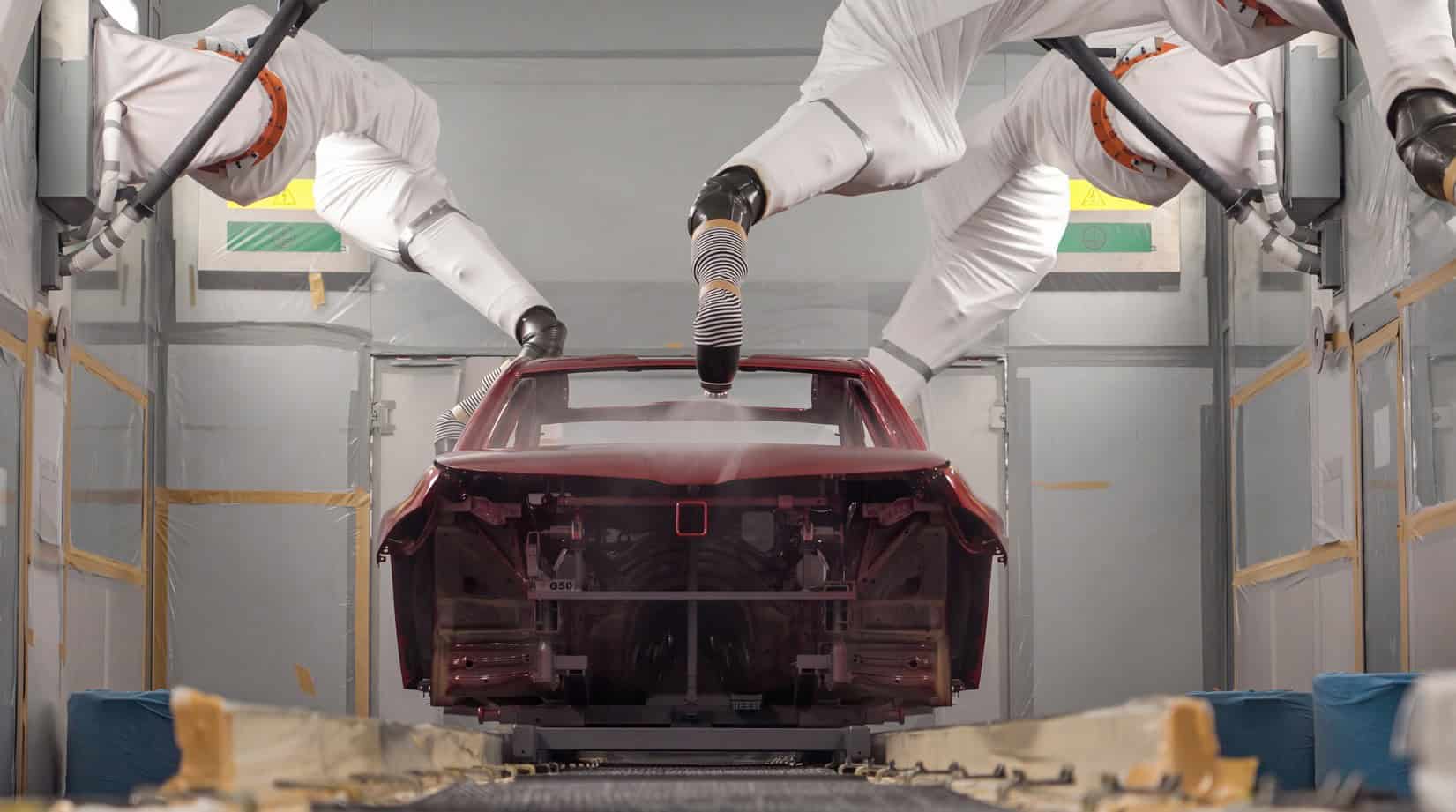
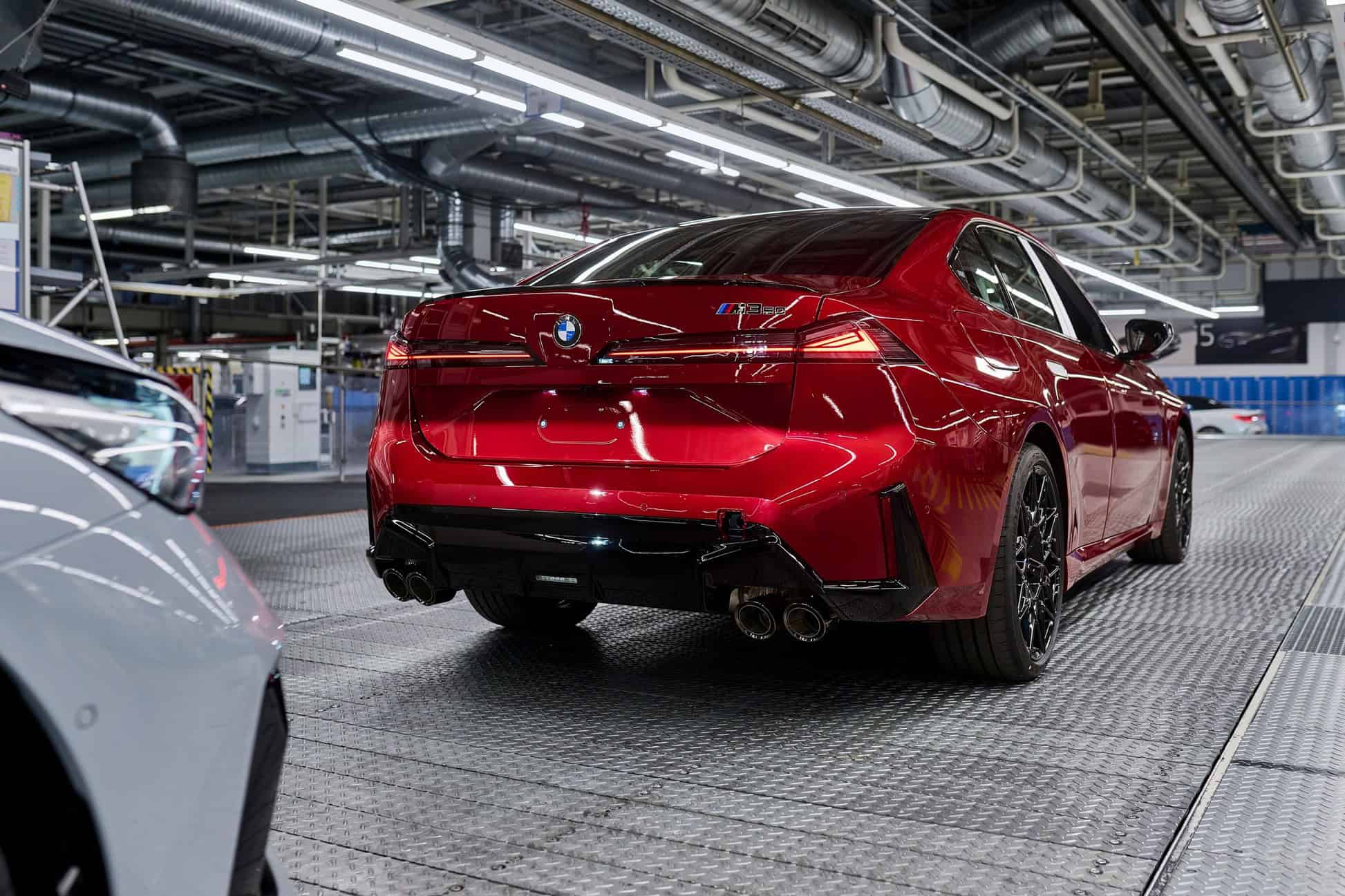
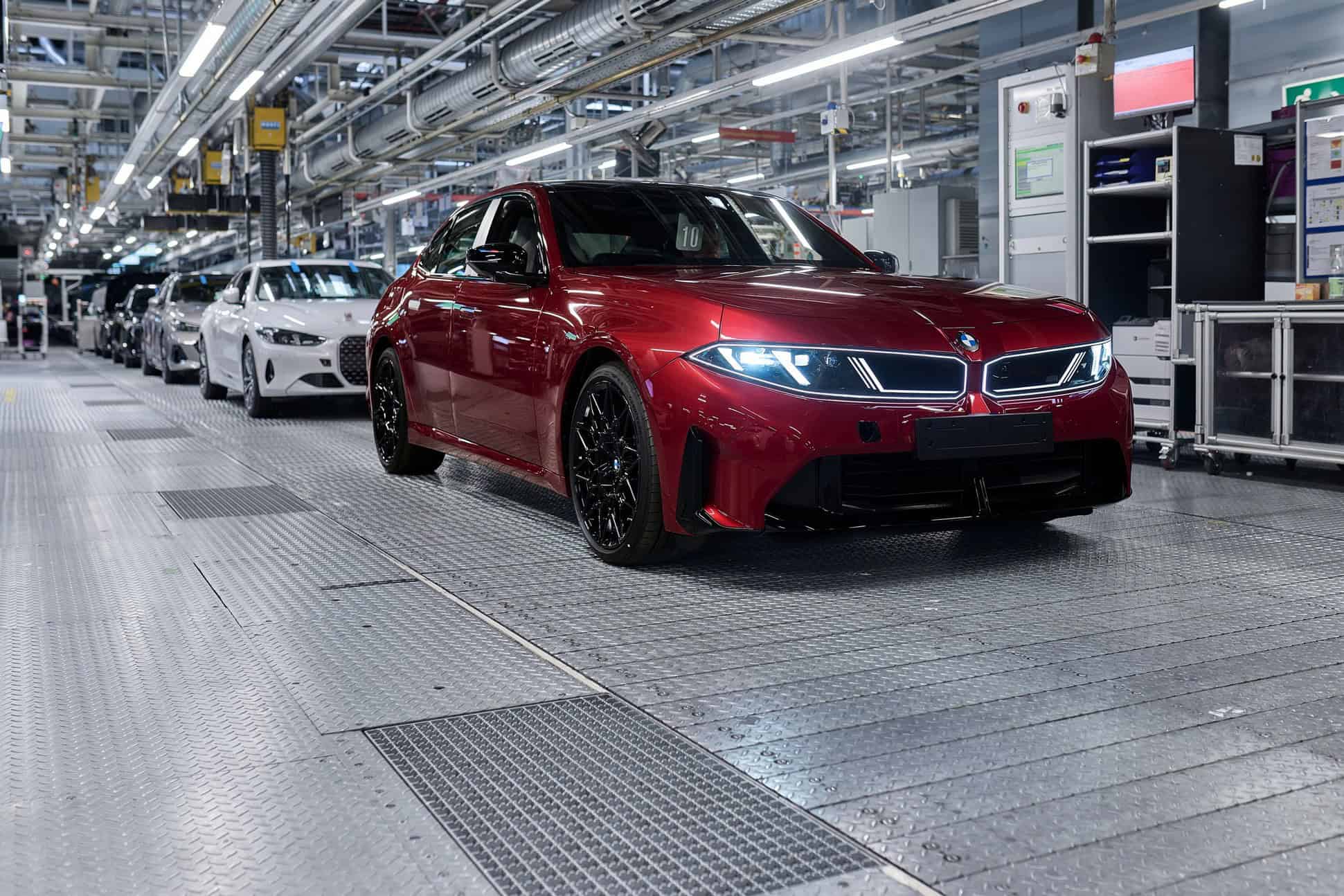
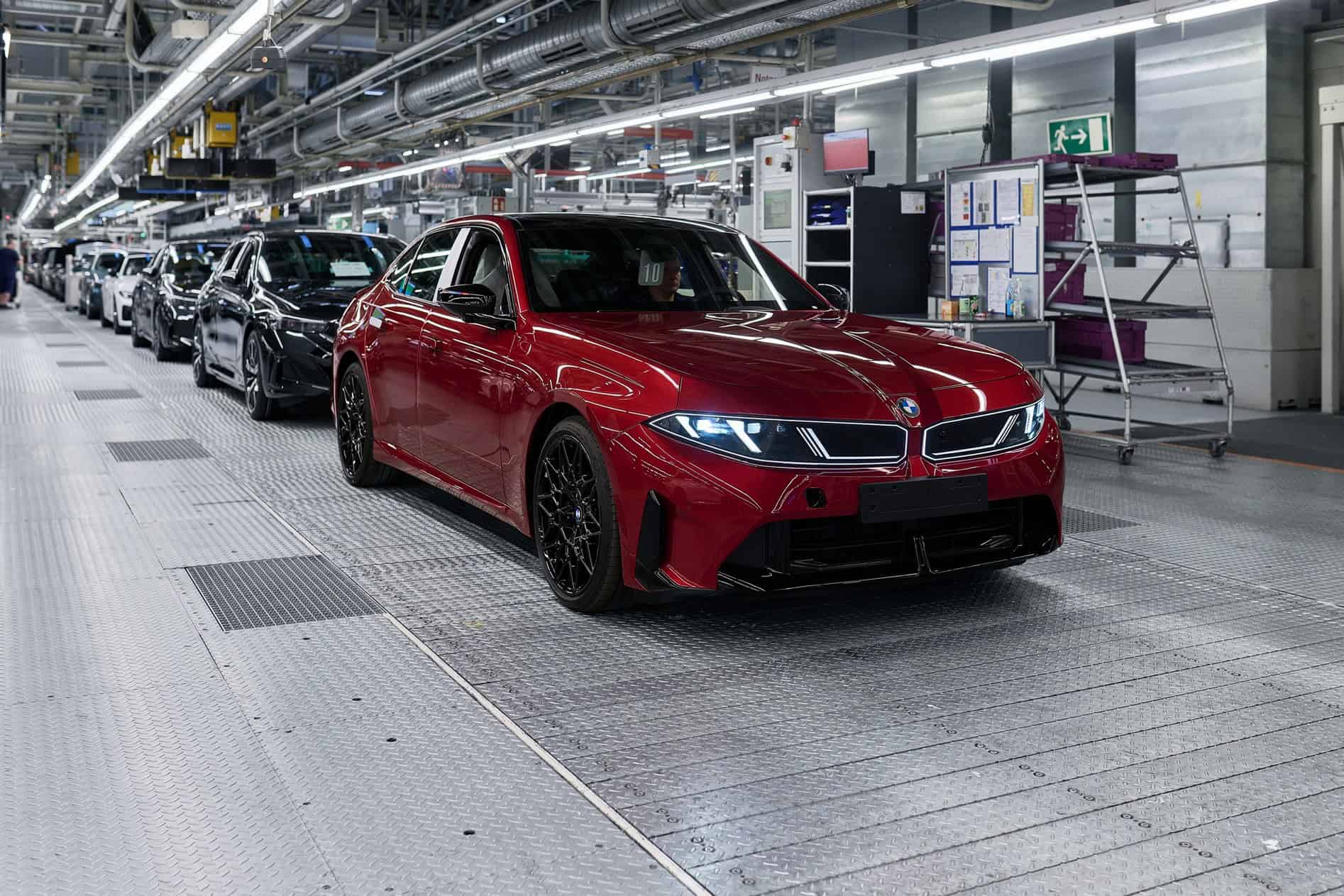
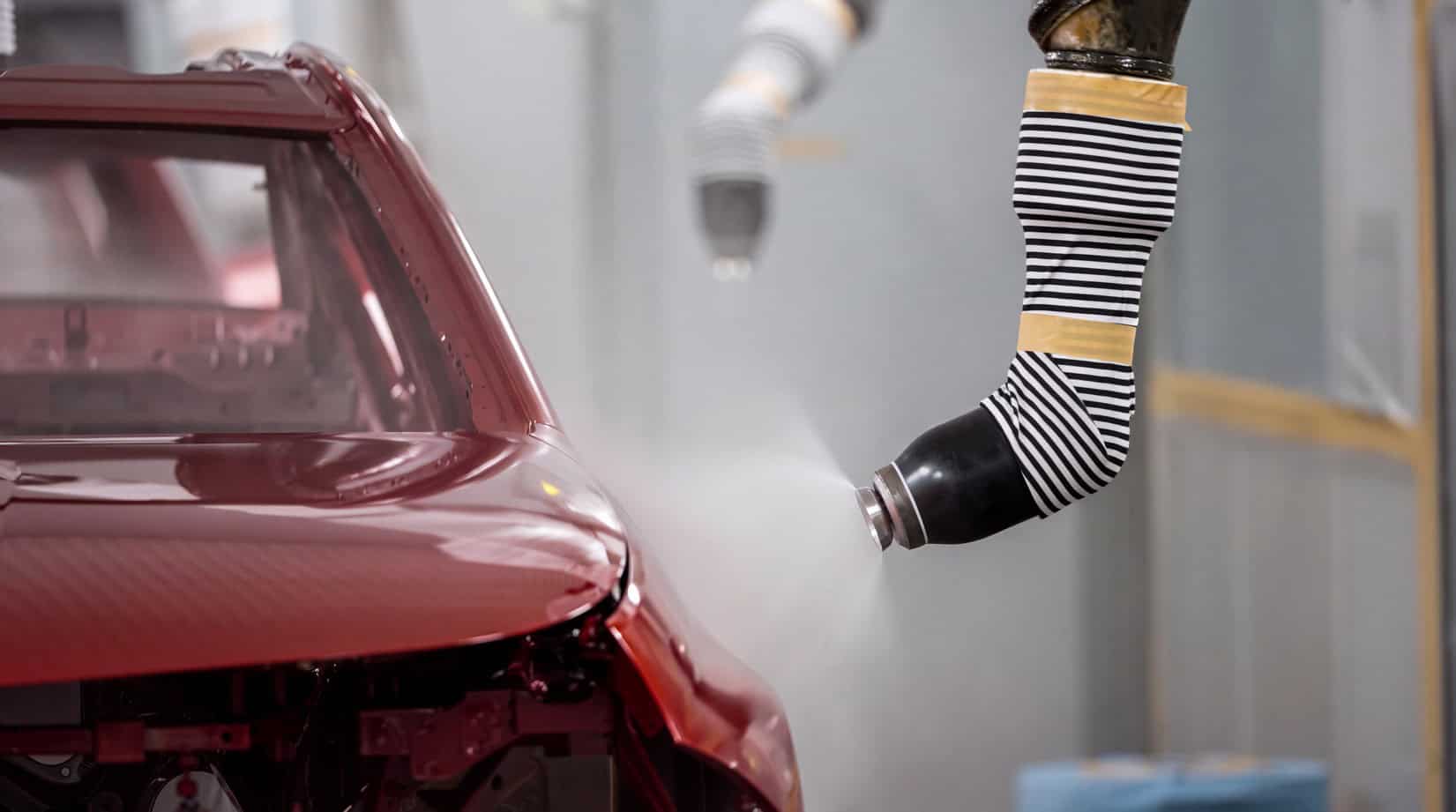
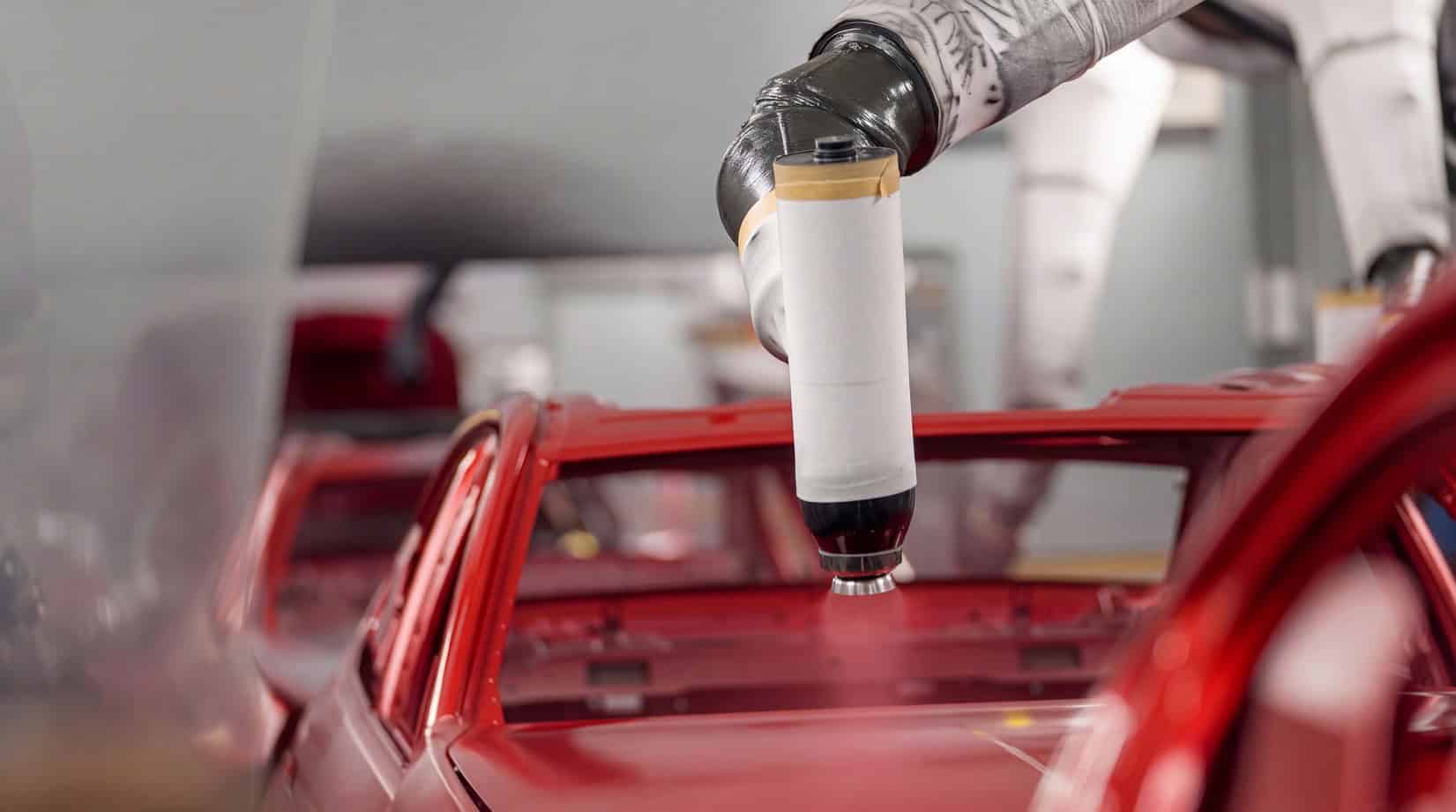
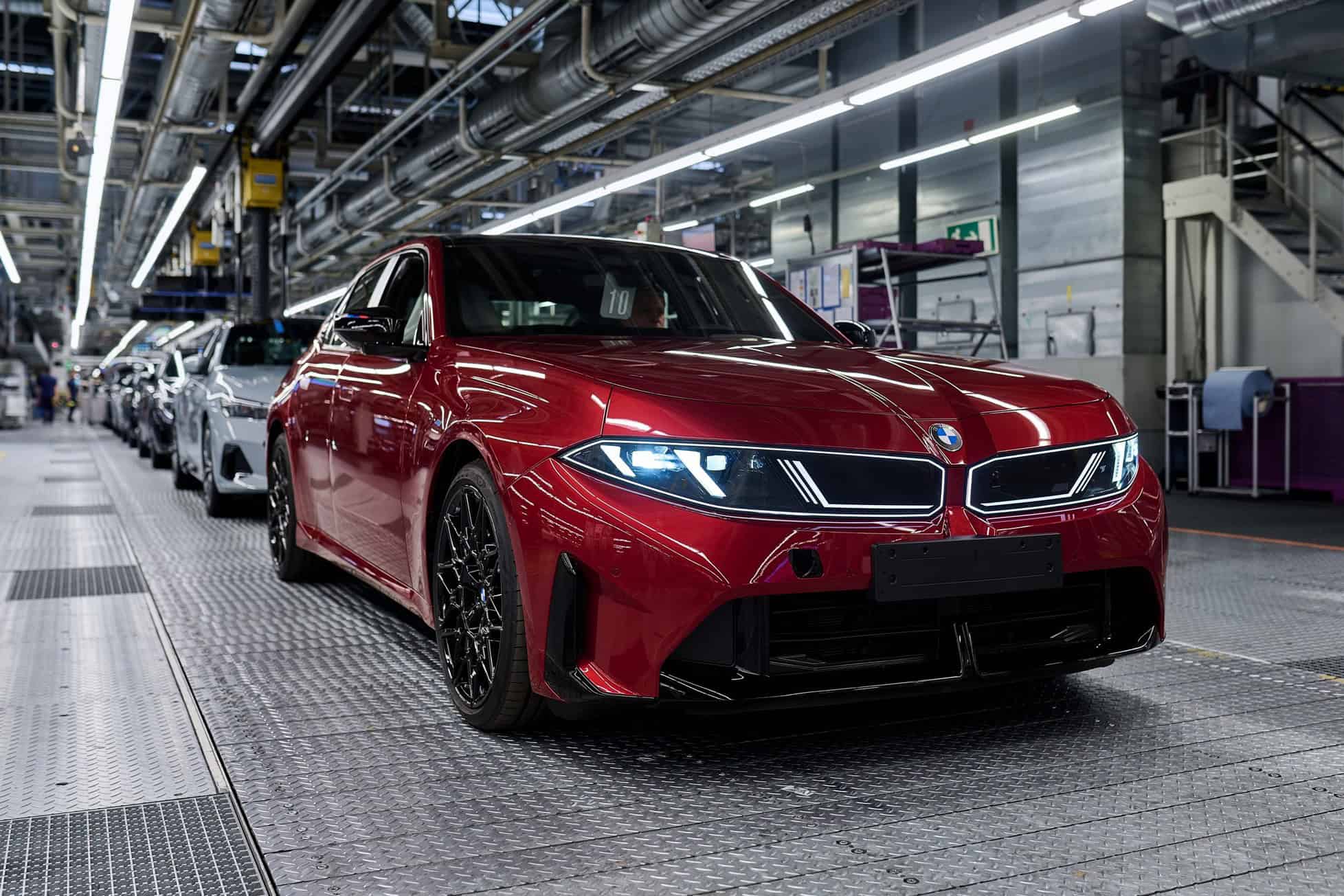
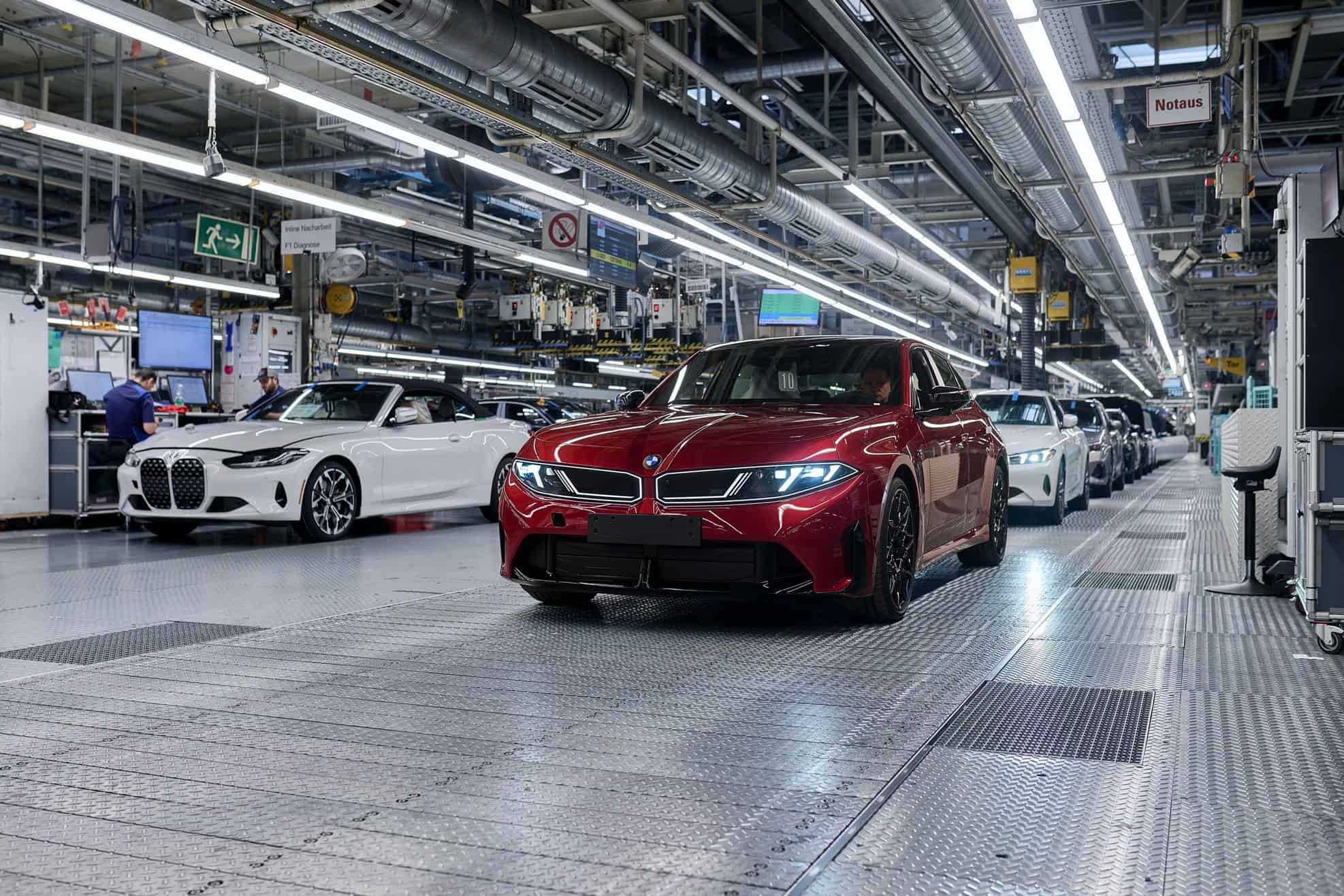
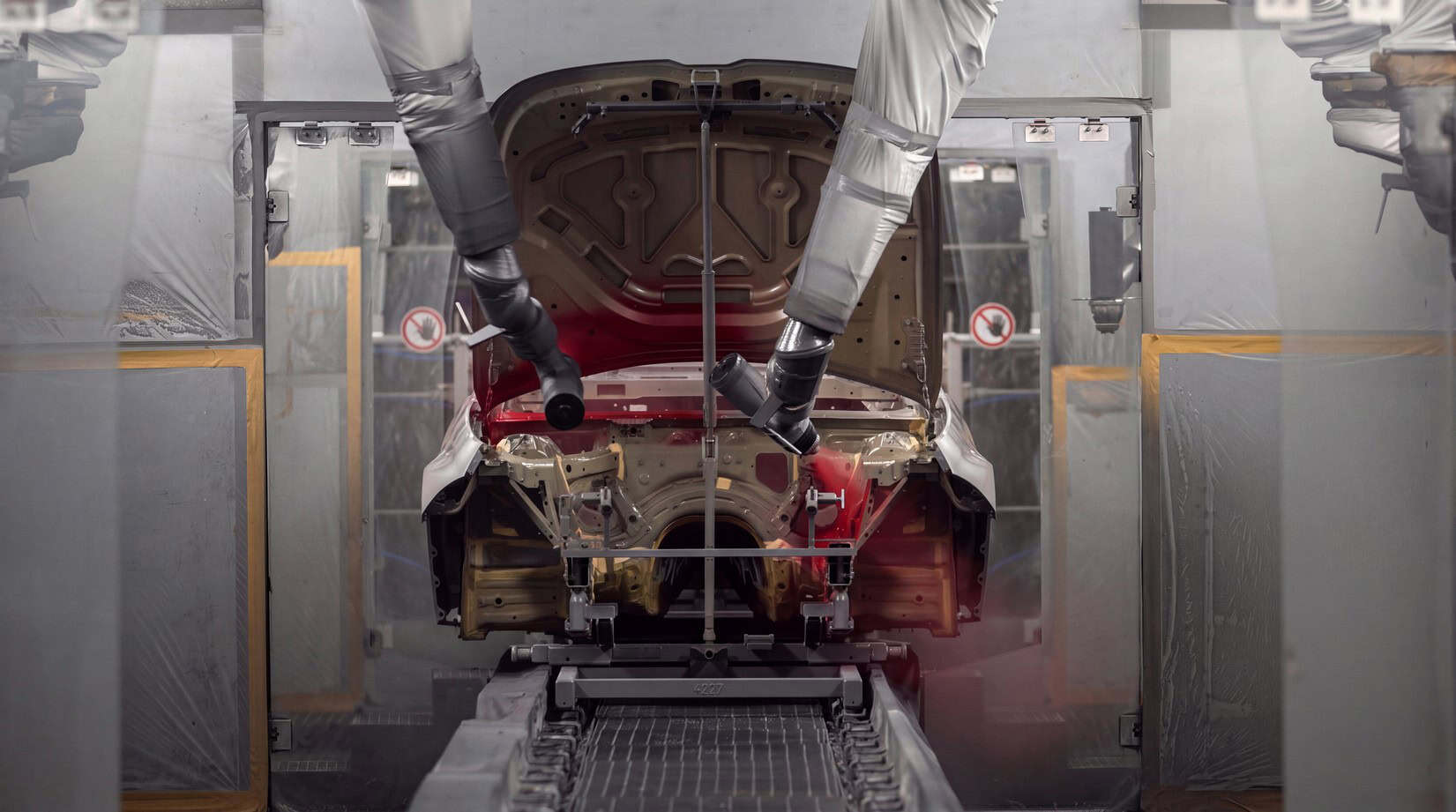
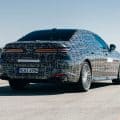
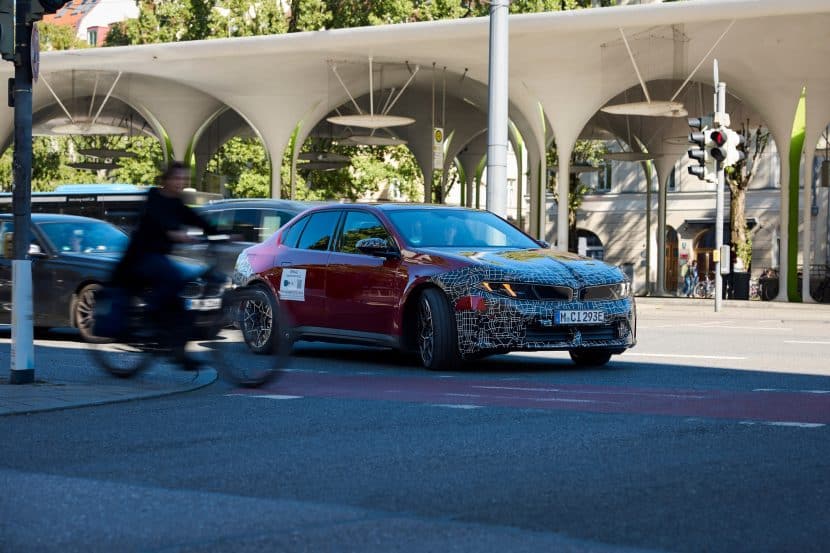
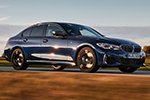
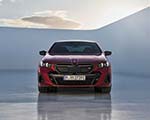
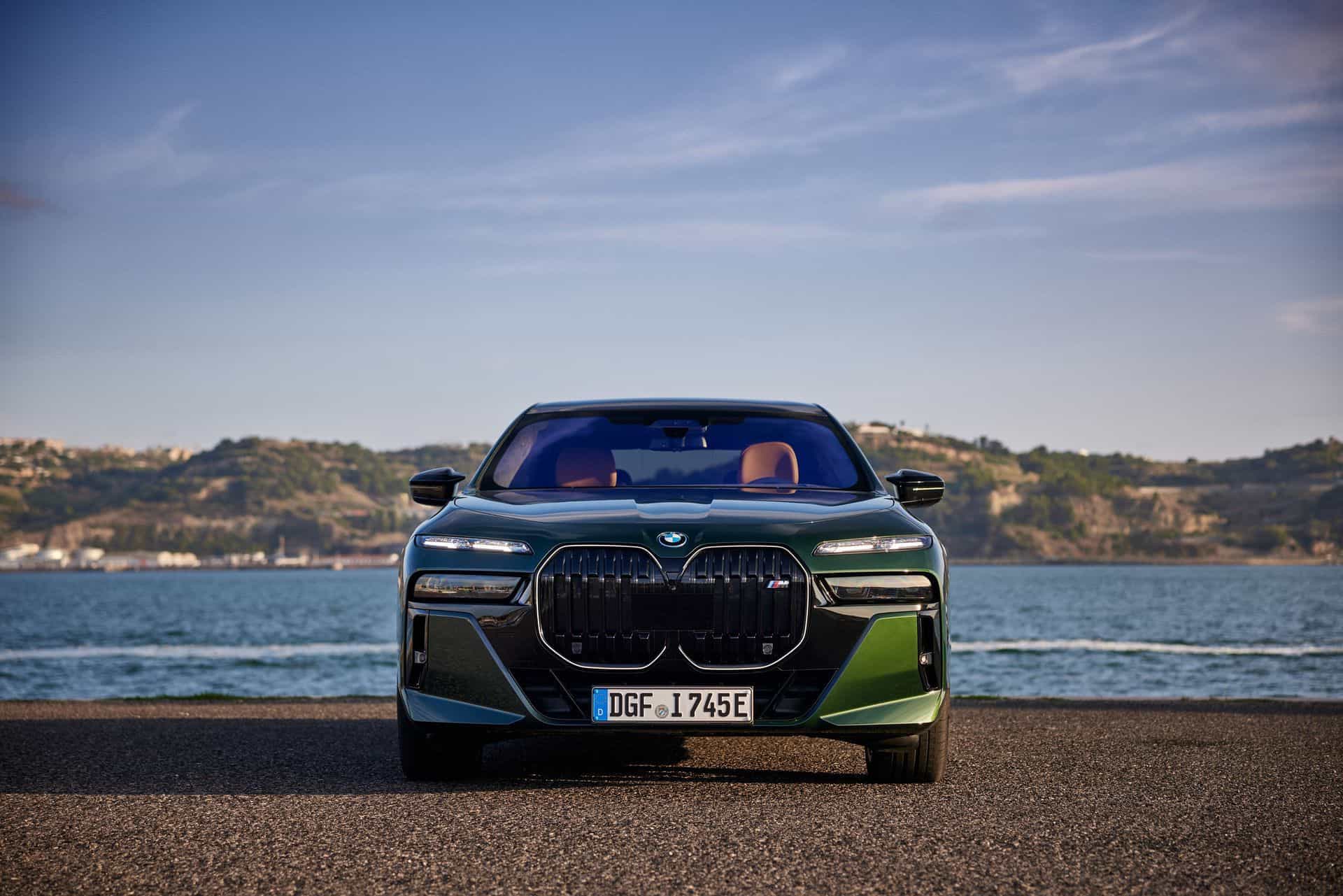
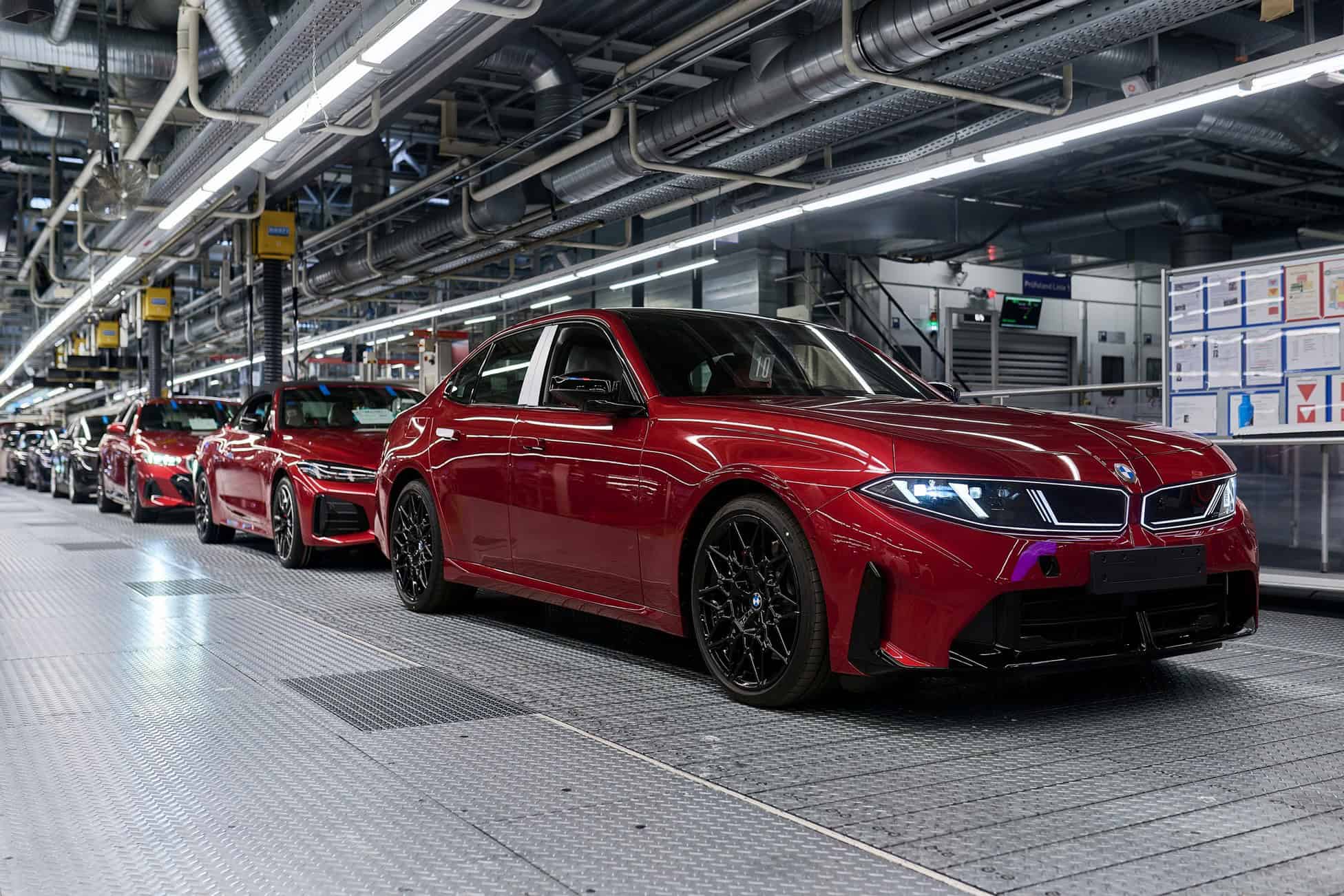
Fast-forward to 2026, and BMW has started production of the new 3 Series at Plant Dingolfing, continuing a tradition that dates back to the original. The eighth-generation model comes to life at the company’s largest European manufacturing facility, which employs approximately 18,000 people.
BMW Doesn’t Build All 3 Series Models In Dingolfing
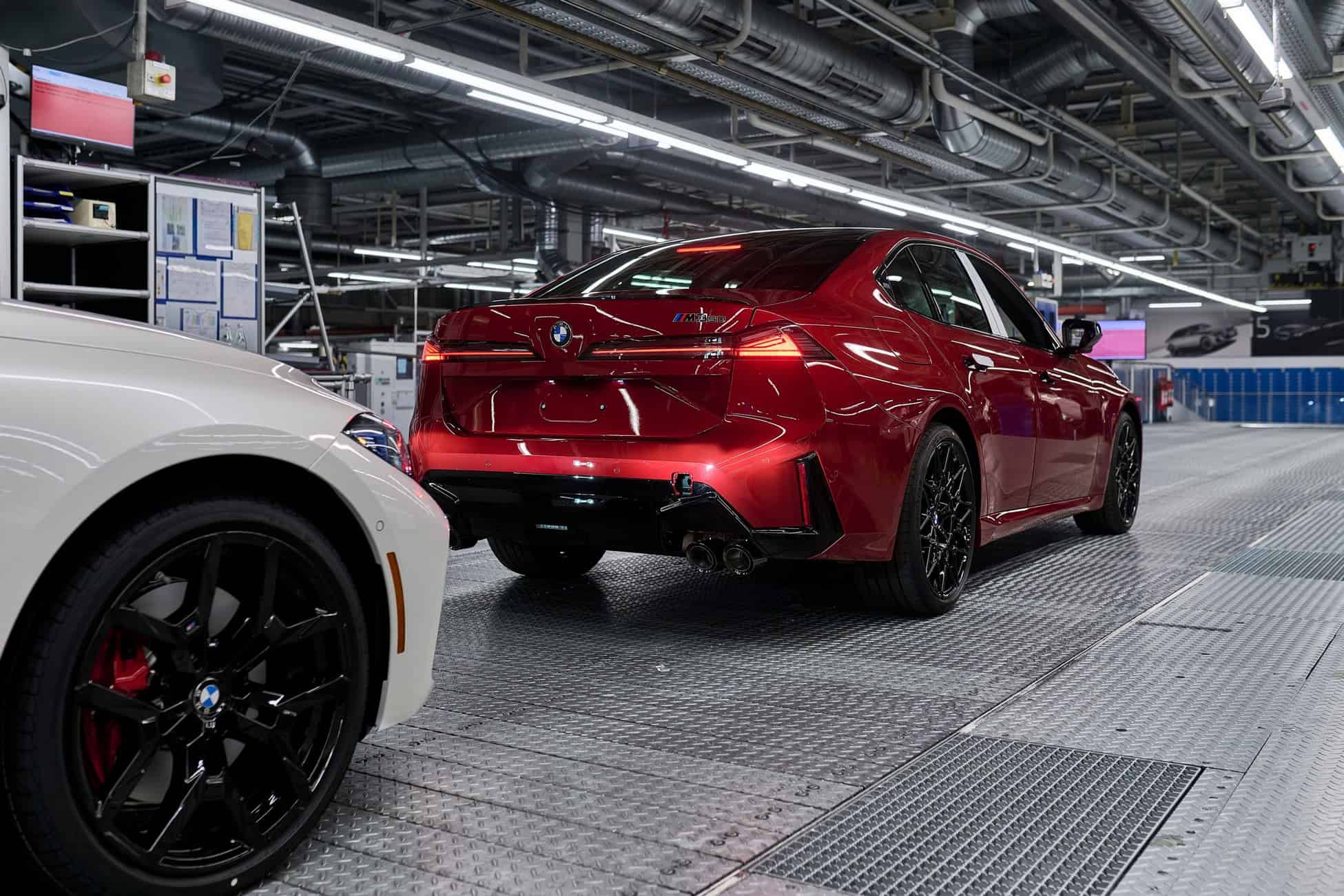
But Dingolfing won’t build every version of the new 3 Series. BMW has split production between two German locations, with the fully electric i3 assigned to the Munich plant and the combustion-powered models heading to Dingolfing.
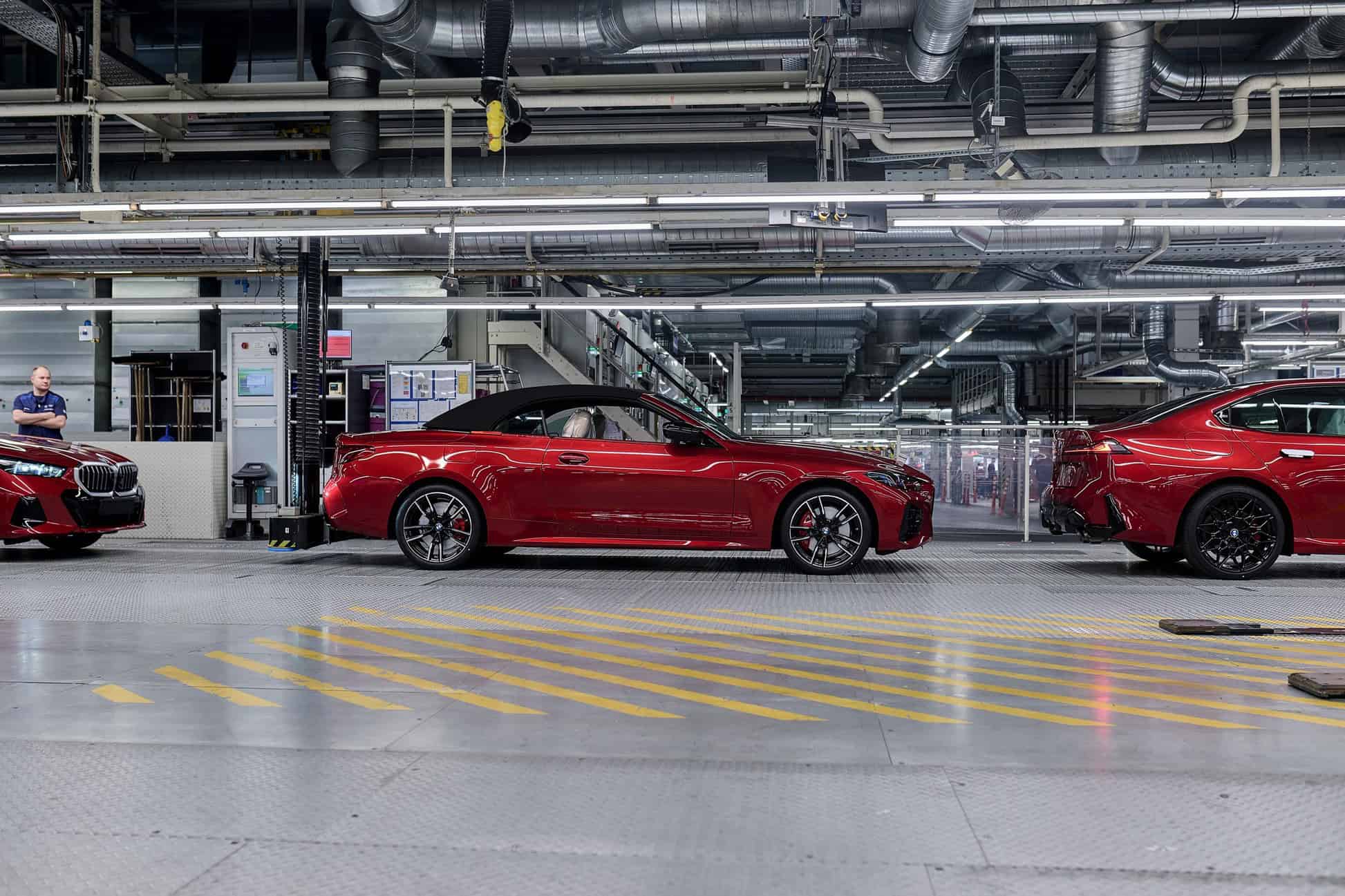
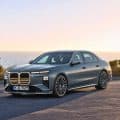
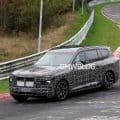
The new 3 Series will join an already extensive production lineup that includes the 4 Series, 5 Series, and 7 Series, along with their respective M variants. BMW also builds the iX at the site, but the rumor mill insists the electric SUV will bow out in 2028. Meanwhile, BMW has already retired the iX from the United States. Until a few months ago, BMW also built the 8 Series in Dingolfing.
The new 3 Series lineup initially consists of four- and six-cylinder gasoline engines. The more affordable models get four-cylinder units, while the range-topping M350 xDrive packs a larger 3.0-liter inline-six. BMW will expand the selection next year with a plug-in hybrid, but one notable omission remains: diesel.
Indeed, for the first time since 1985, BMW won’t offer an oil-burner in its iconic sports sedan. That makes the G50 only the second 3 Series generation without a diesel engine, following the original E21. The outgoing G20 could therefore go down in history as the last diesel-powered 3 Series.

The Best 3 Series Is Yet To Come
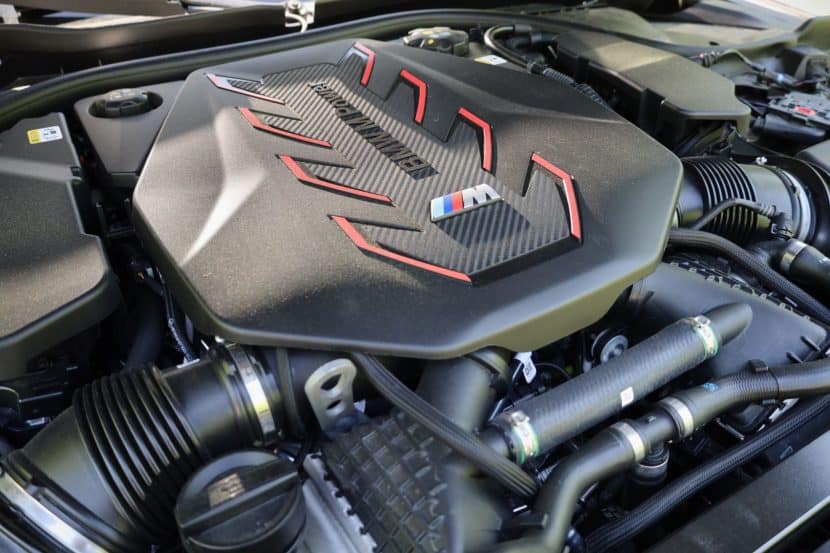
The M350 xDrive won’t be the only model getting an inline-six. BMW is already developing the next-generation M3, internally known as the G84, which should arrive in 2028. Rather than follow the M5’s lead and adopt a heavier plug-in hybrid setup, BMW is reportedly pairing an updated twin-turbocharged 3.0-liter S58 engine with 48-volt mild-hybrid technology for the sports sedan. The electrification should help the six-cylinder comply with increasingly stringent emissions regulations without adding the considerable weight of a larger battery.
That’s not all. Dingolfing is also expected to build the more practical G51 3 Series Touring, which should follow the sedan later this decade. The long-roof model will retain combustion engines, although BMW has so far only committed to building a fully electric i3 Touring in Munich. If the ICE-powered 3 Series wagon gets the green light, it could naturally be followed by another gas-fueled M3 Touring, internally known as the G88.
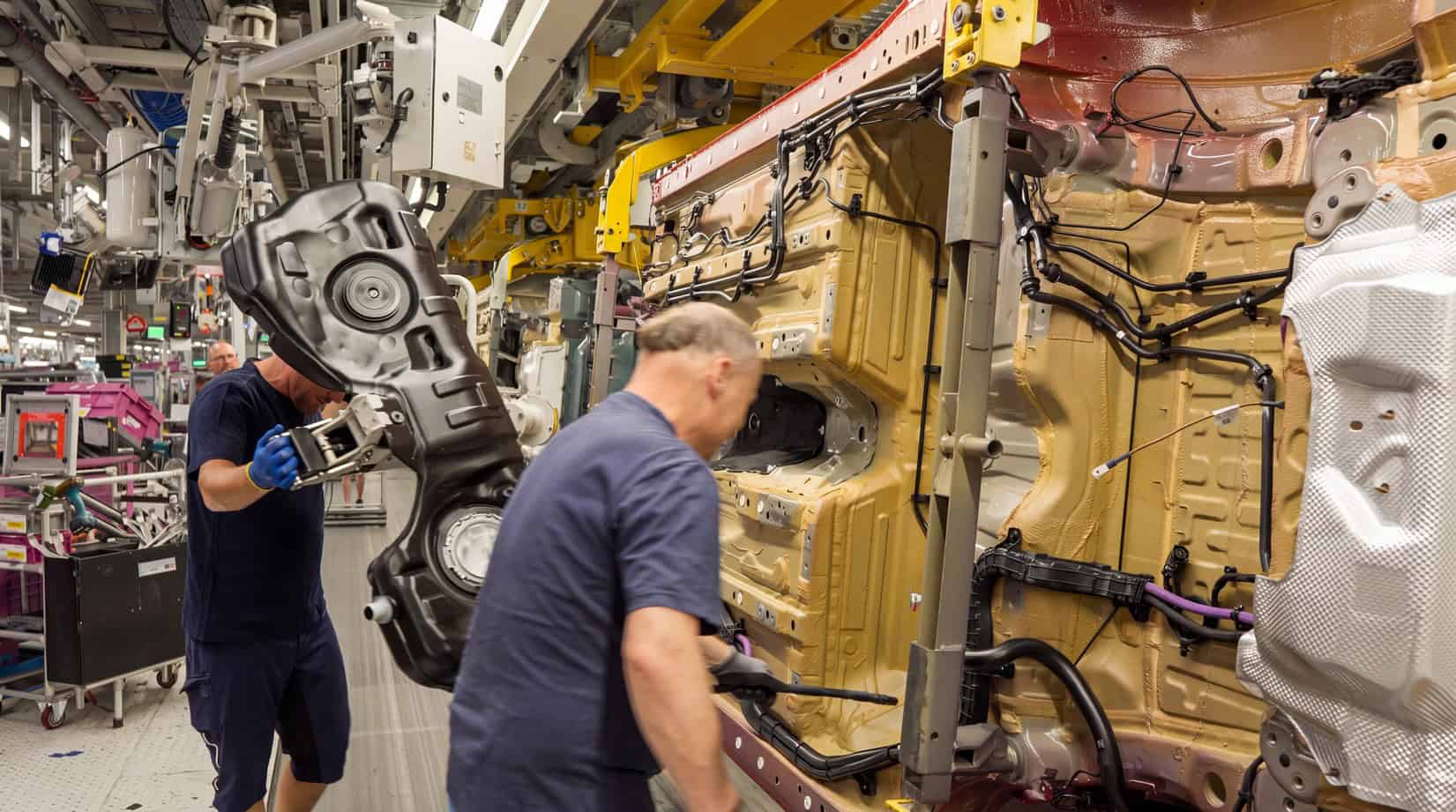
Dingolfing built 279,553 cars in 2025, down 6.1% year over year, making it BMW’s fourth-most prolific factory after Spartanburg, Dadong, and Regensburg. The plant produces approximately 1,350 vehicles each day. In addition to the models mentioned above, it also assembles the armored 7 Series Protection.