Article Summary
- Germany will get the new City Assistant functions first, with other markets following later.
- The technology remains SAE Level 2, meaning drivers must stay alert and ready to take control.
- Several BMW models already have the necessary hardware, including the iX3, iX4, 3 Series/i3, 7 Series/i7, and X5/iX5.
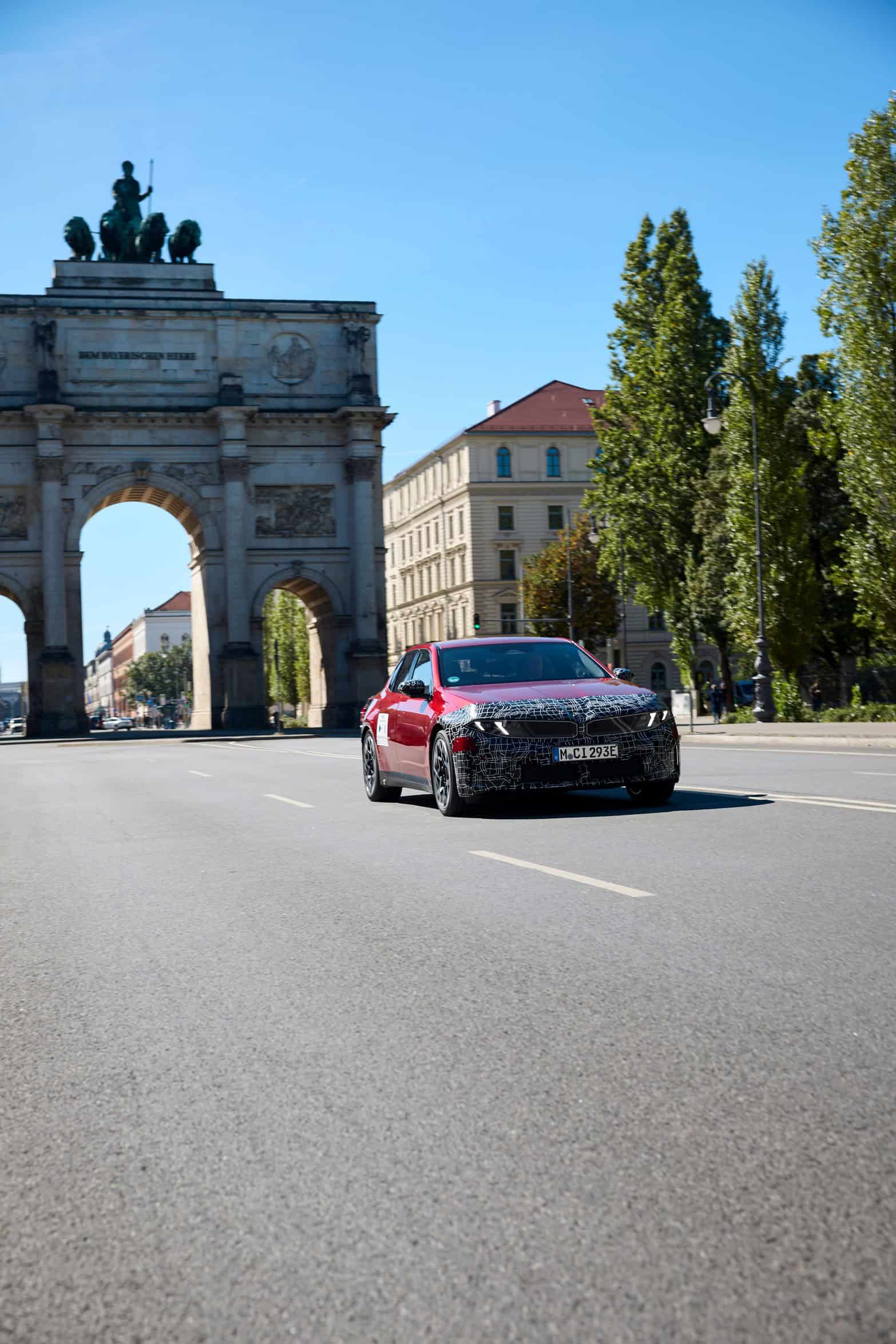
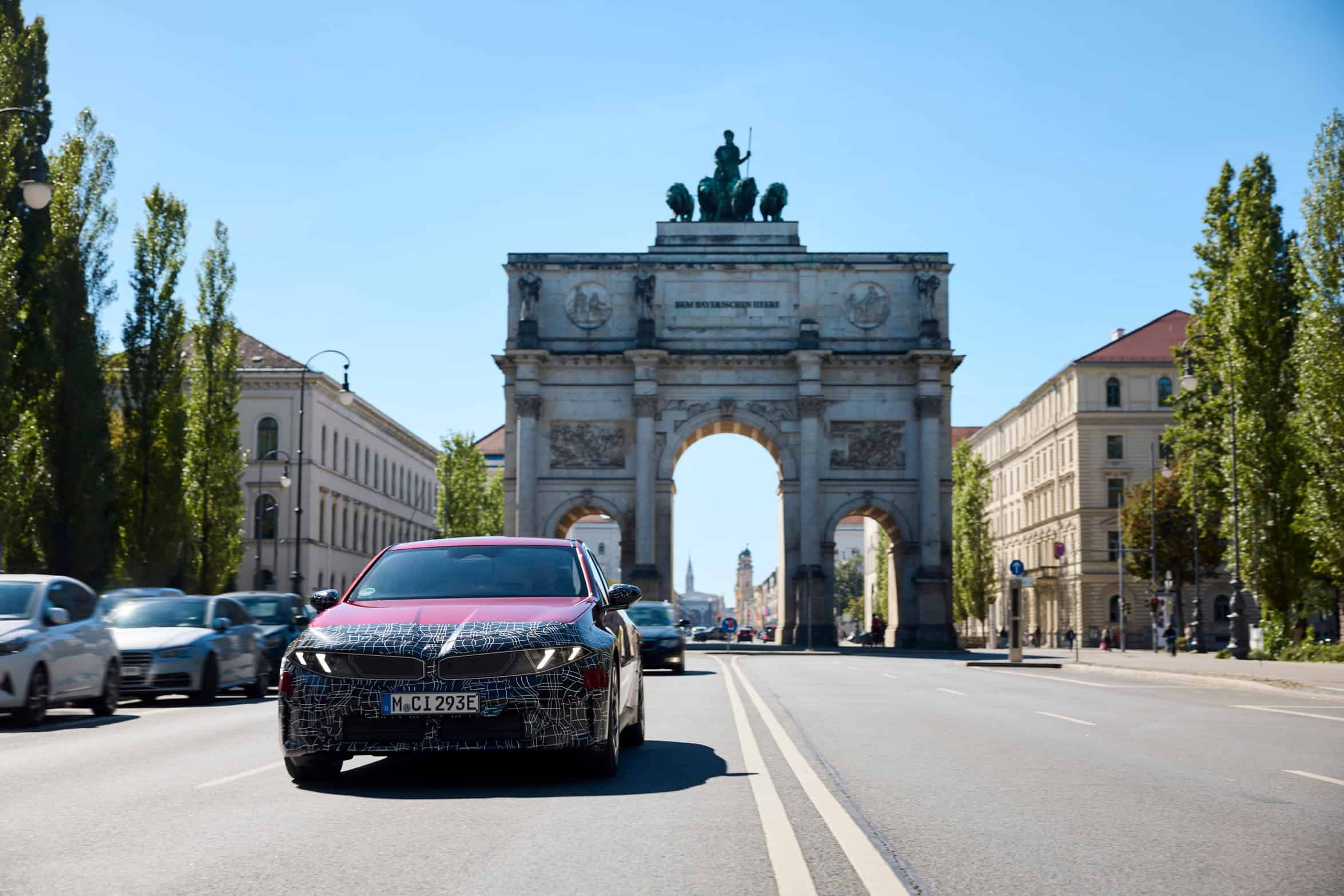
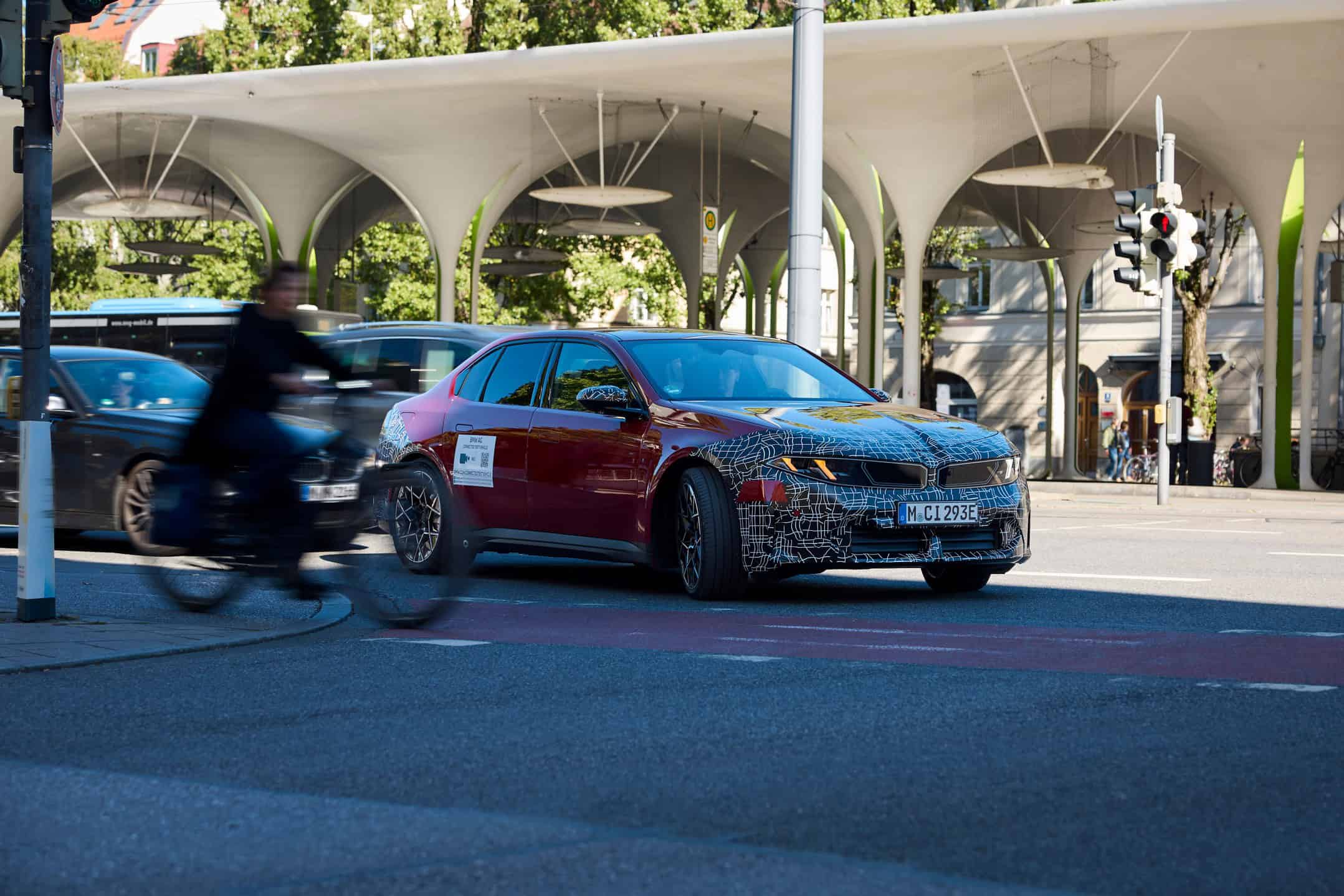
BMW is taking its driver assistance technology beyond highways. Starting next year, the luxury automaker will roll out new navigation-guided functions designed to help drivers negotiate urban traffic, including turns, lane changes, right-of-way situations, and roundabouts. Germany will get the technology first, with other markets following gradually.
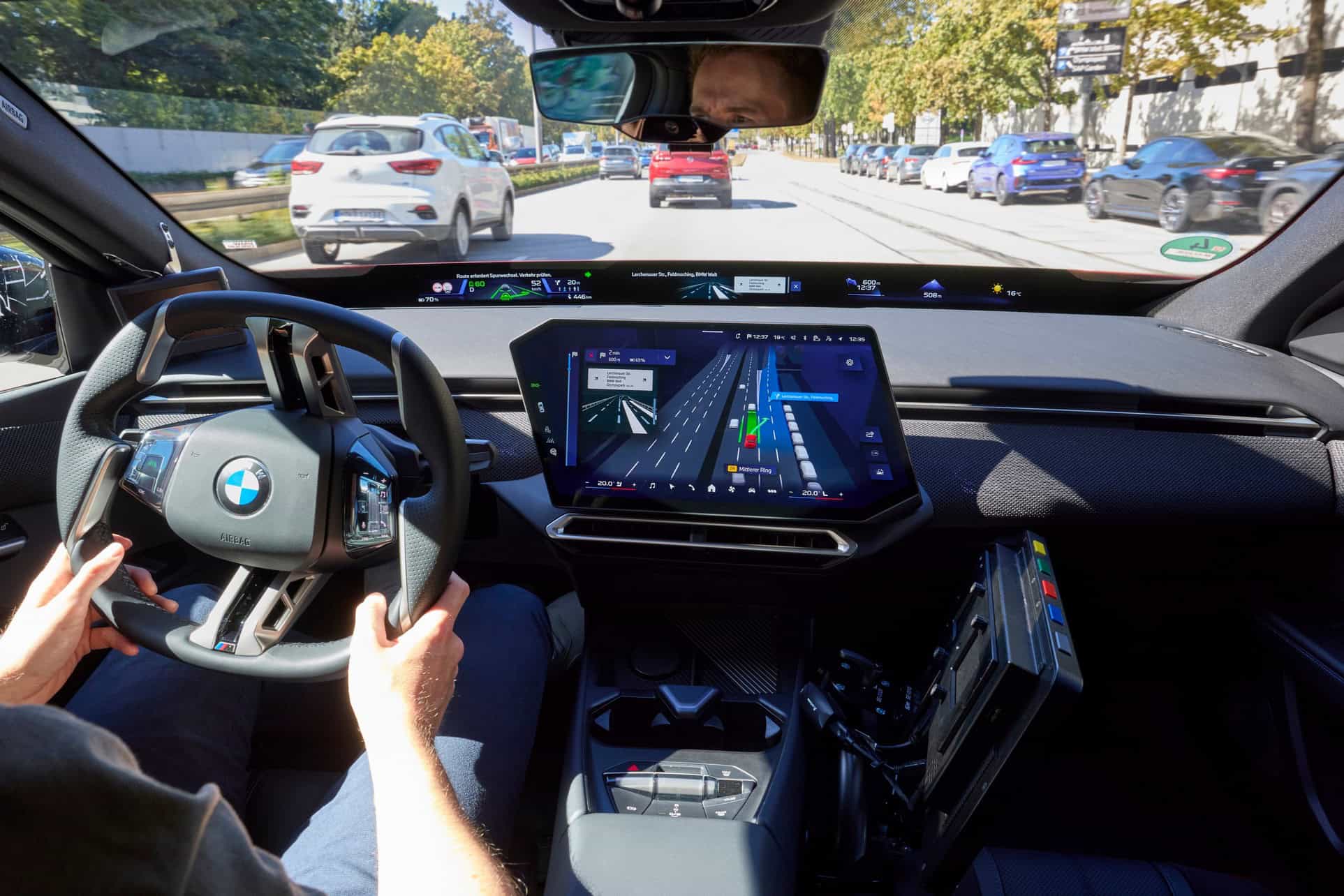
The new features will expand BMW’s existing Motorway and City Assistant, allowing partially automated driving to continue seamlessly from the highway, through country roads, and into cities. Until now, these systems have primarily focused on less complex driving environments, but BMW wants to take some of the workload out of navigating busy urban streets as well.
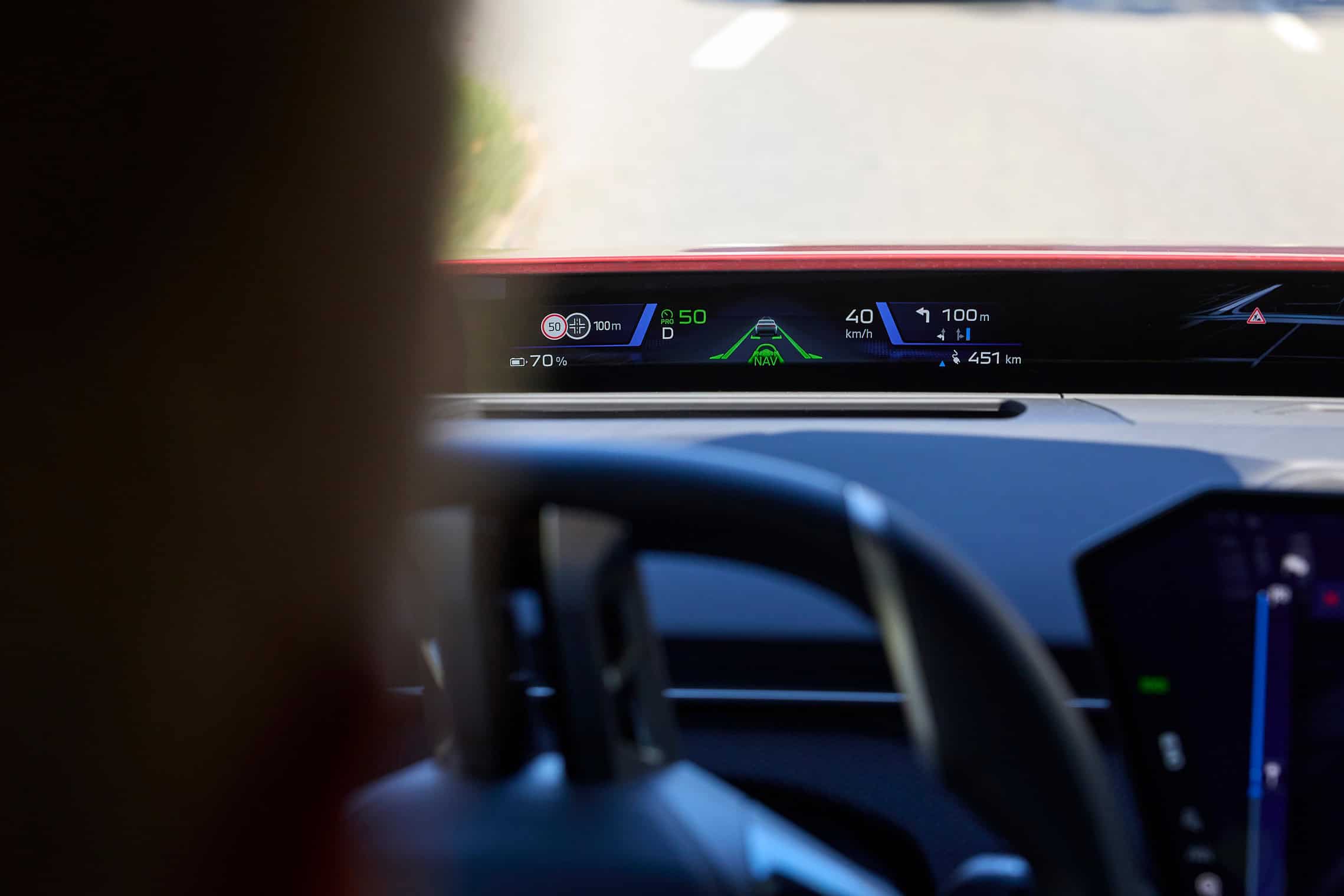
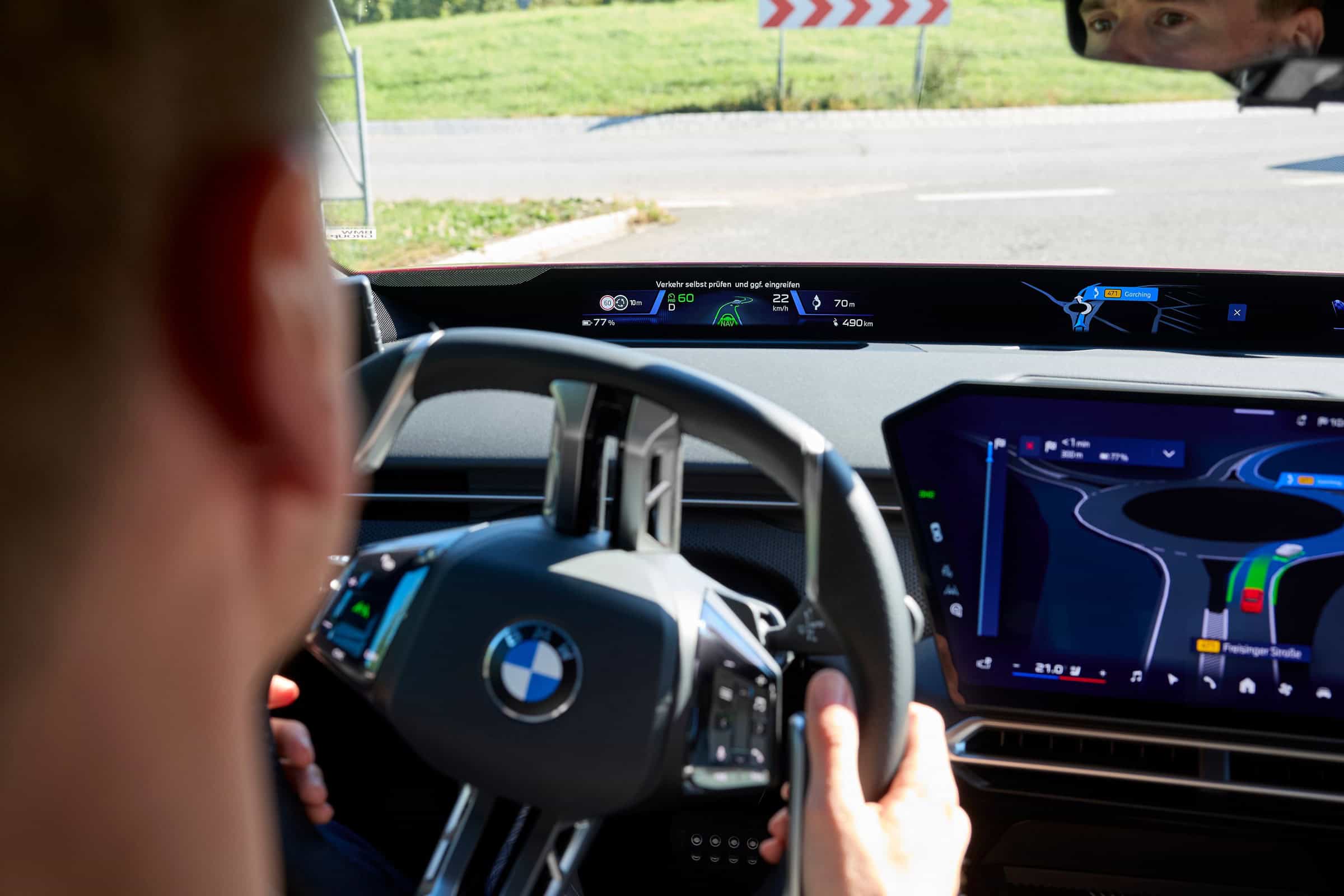
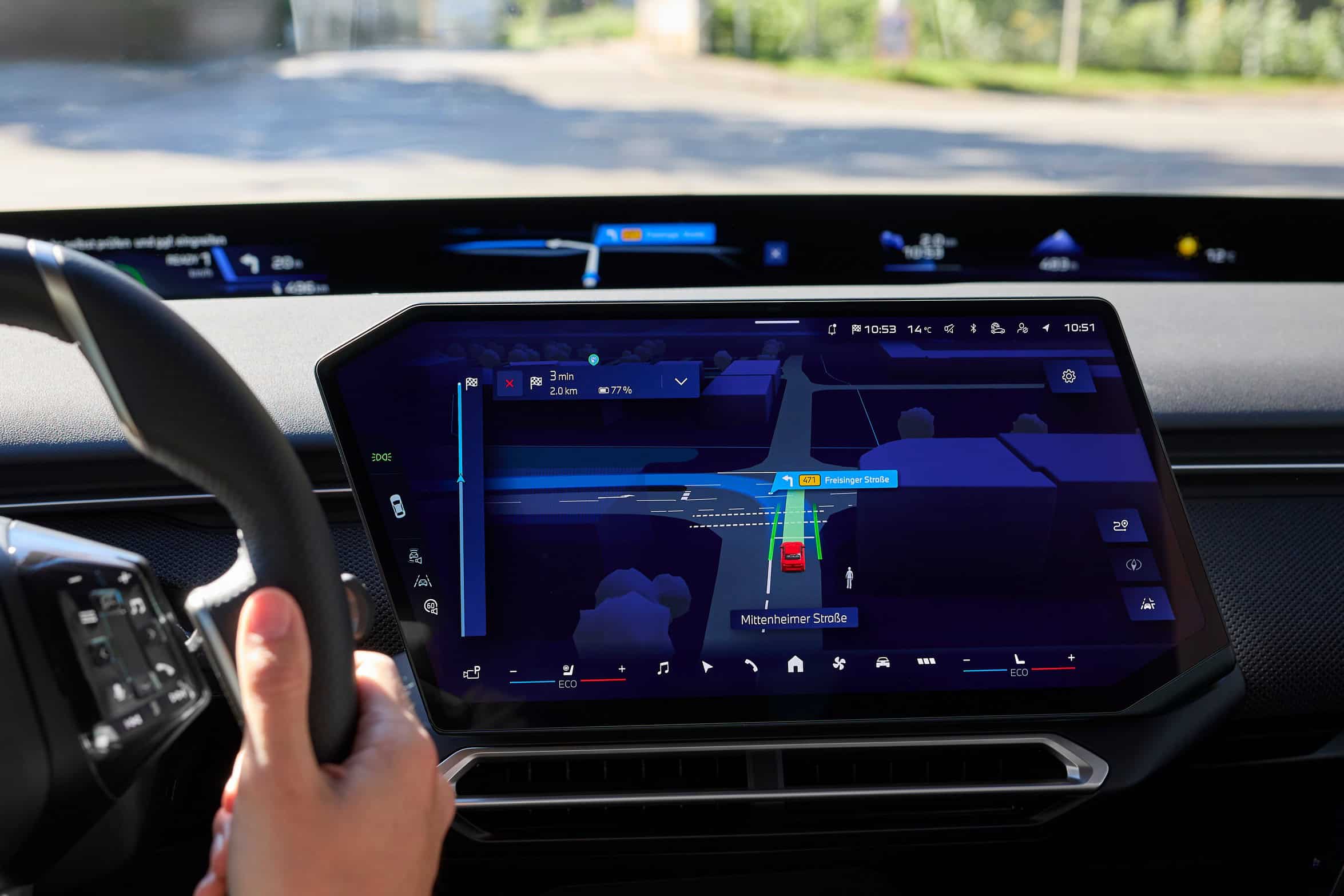
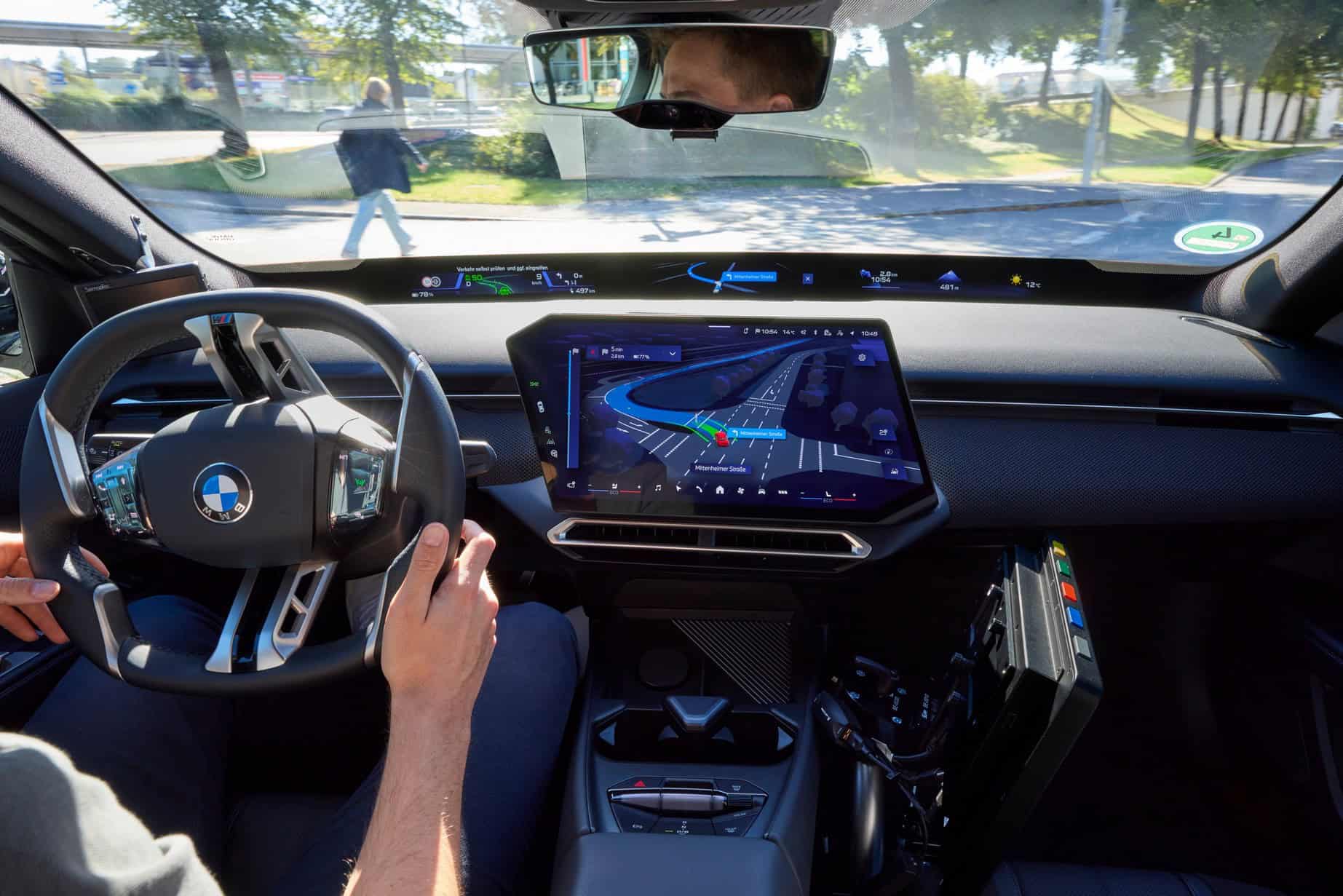
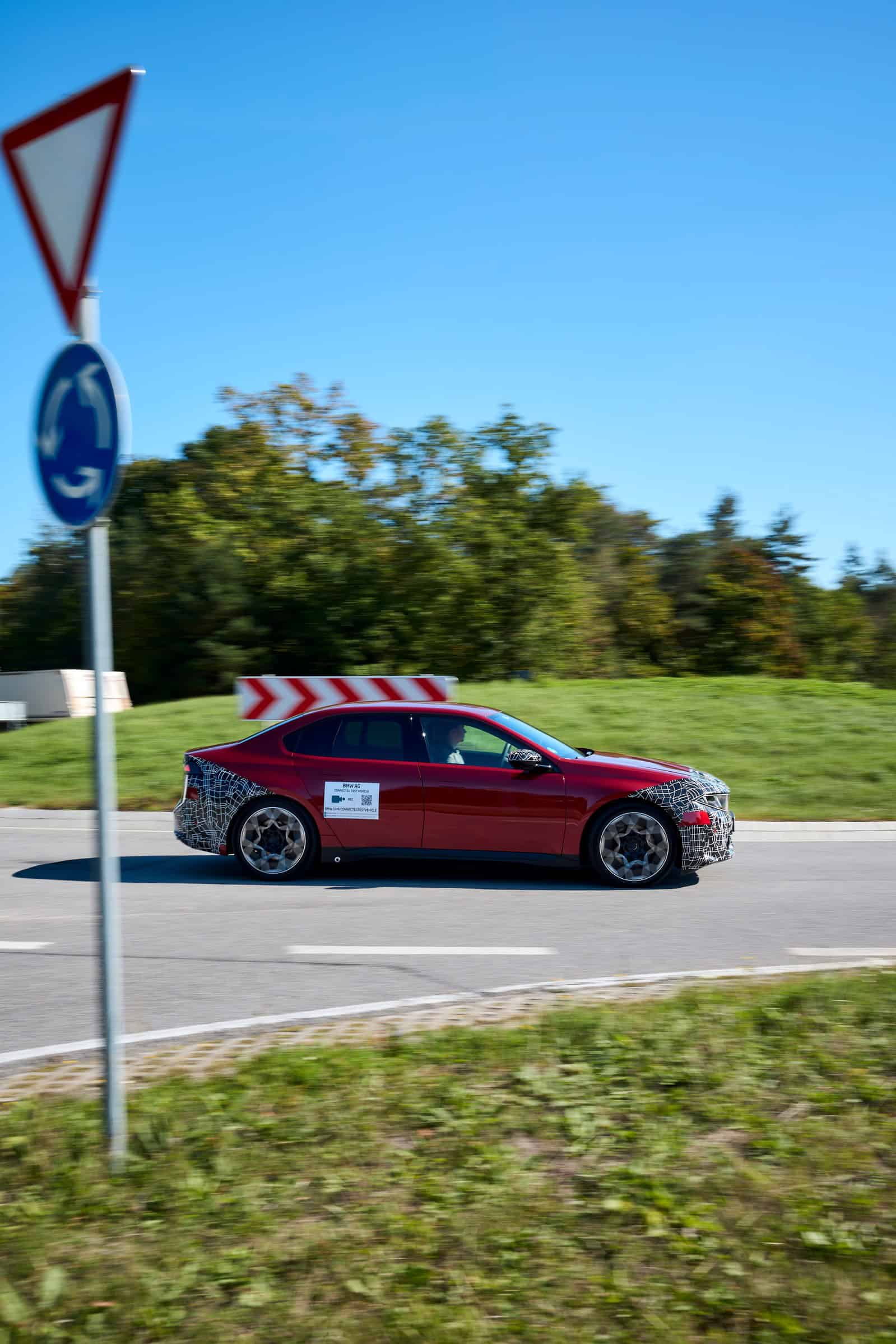
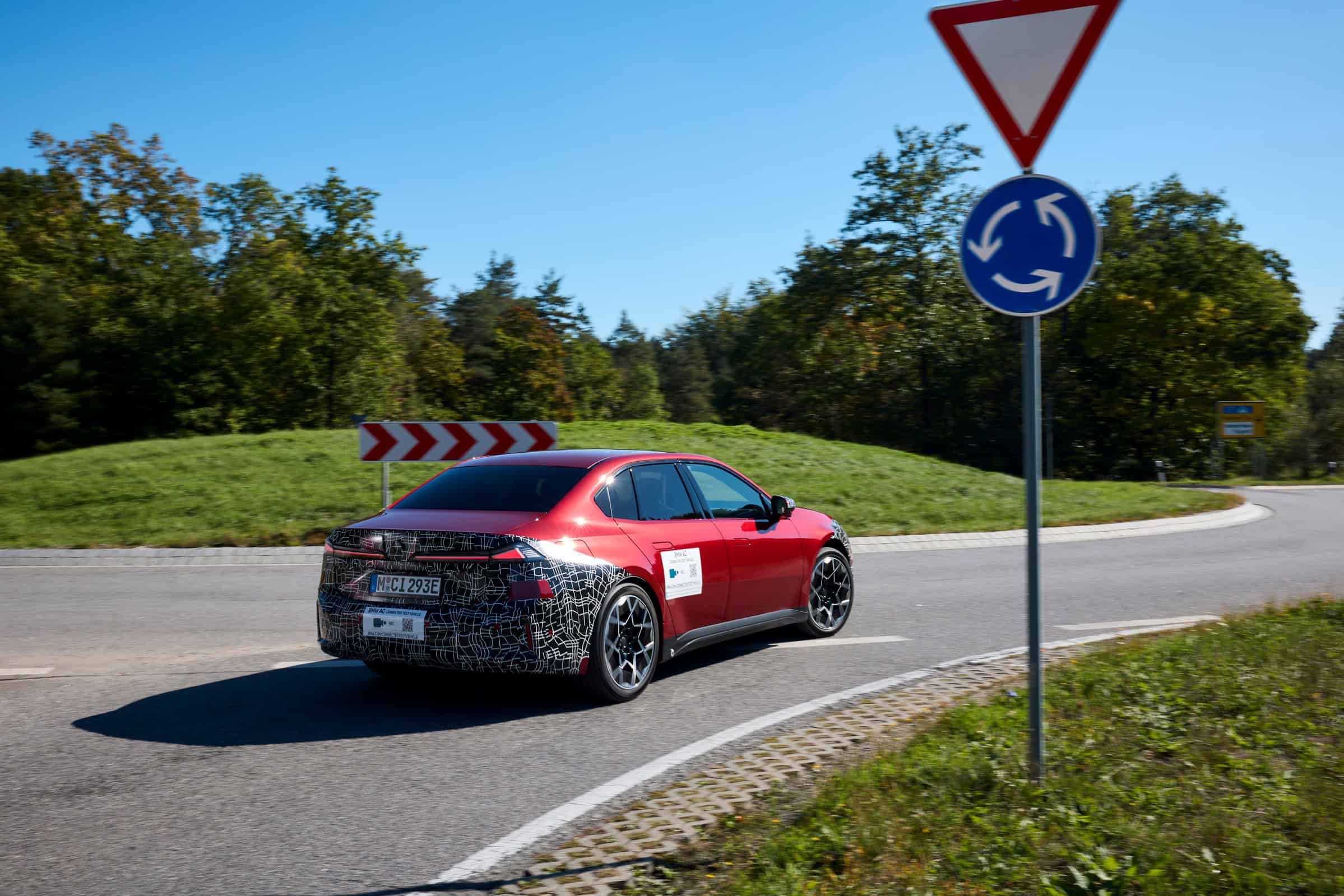
The system relies on active route guidance through BMW Maps to anticipate upcoming maneuvers. For example, when approaching an intersection, it can assist with turning, while also helping the driver change lanes in city traffic or navigate a roundabout. BMW says its existing City Assistant can already handle stopping and pulling away at traffic lights in supported markets such as Germany.
It’s Not A True Self-Driving System
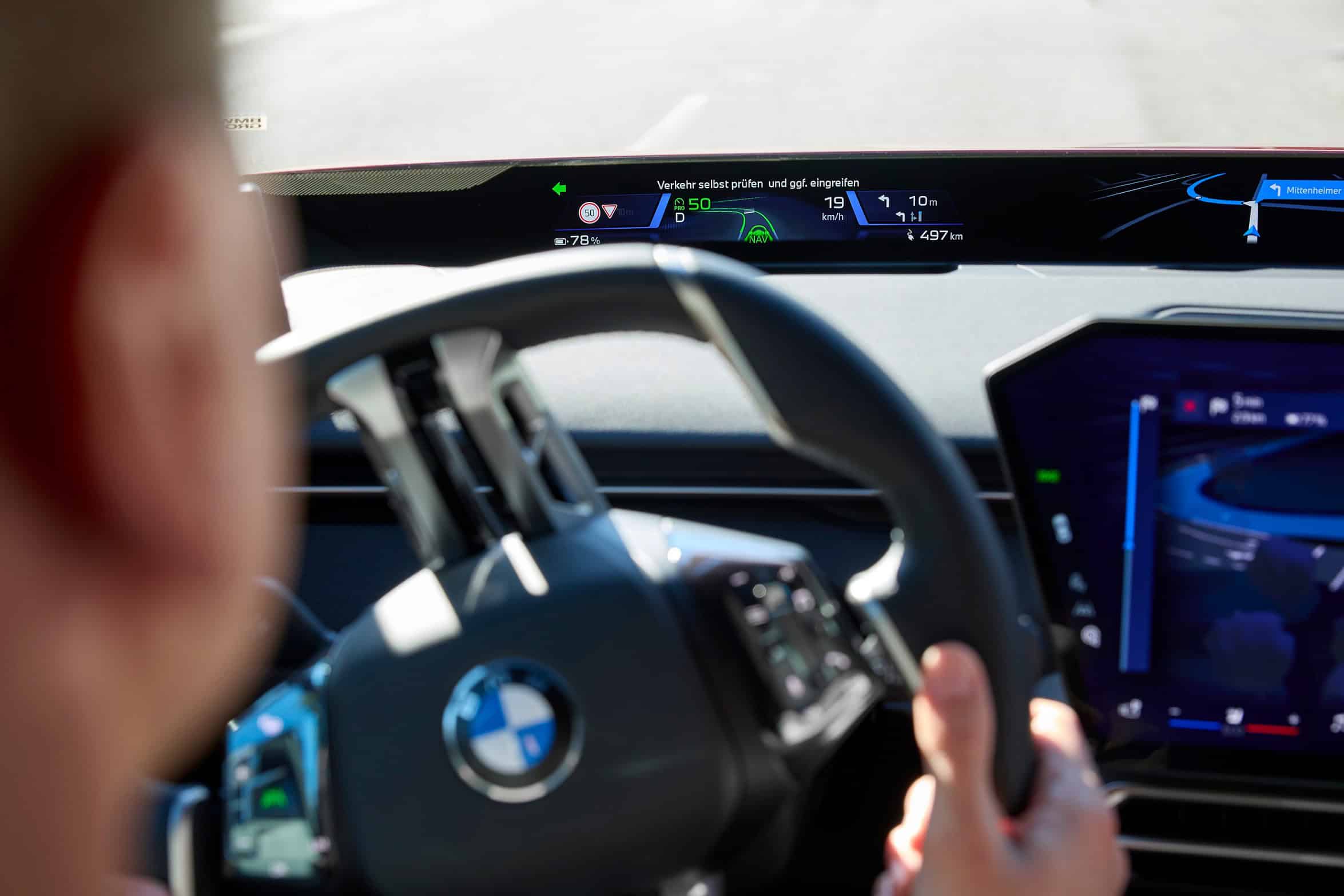
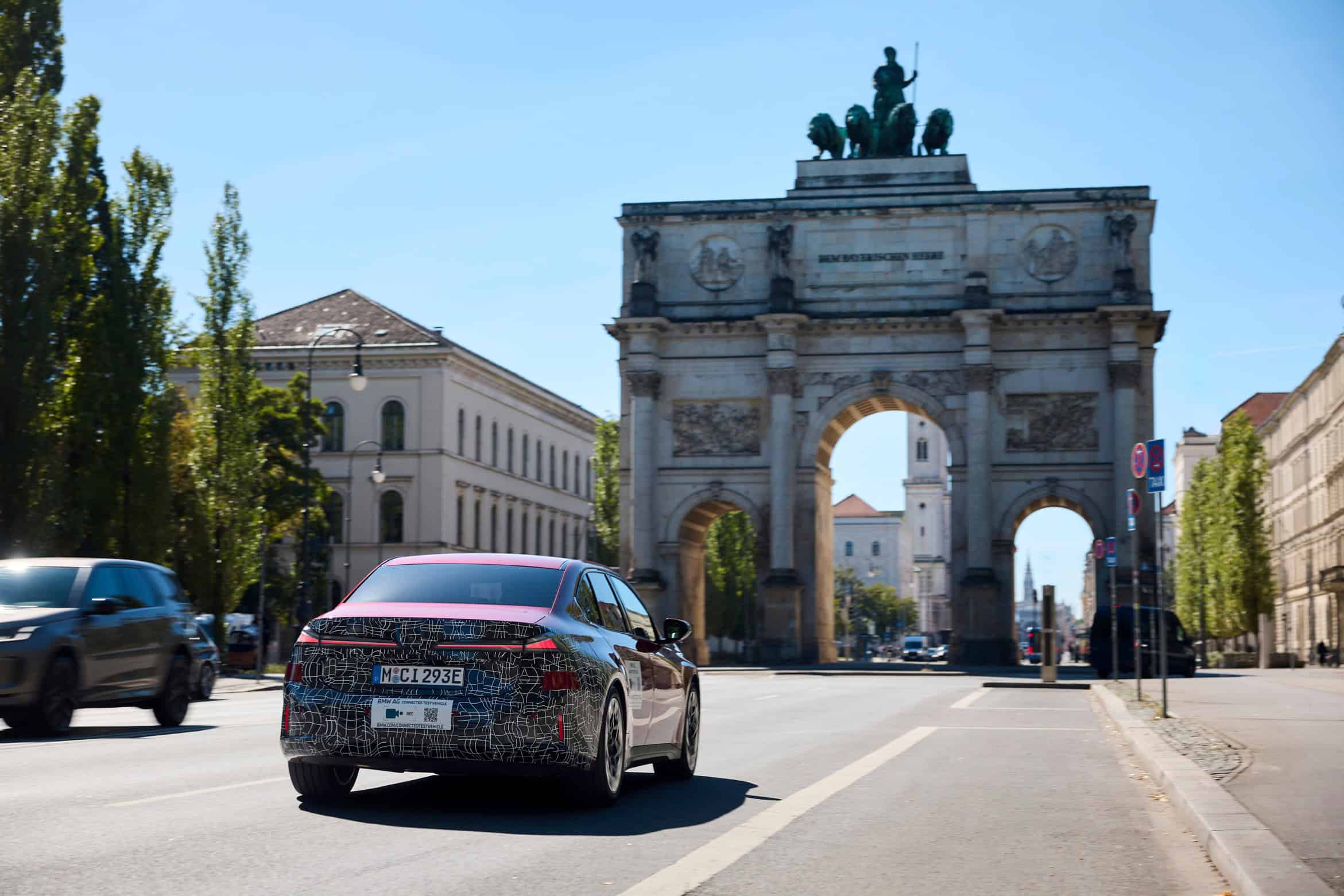
Despite the expanded capabilities, this is still SAE Level 2 assistance, not autonomous driving. Drivers must remain attentive, monitor their surroundings, and be ready to take control whenever necessary. The system continuously checks whether the driver is paying attention.
A key part of the upgraded technology is BMW’s so-called Symbiotic Drive, which lets the driver and assistance systems work together rather than having computers take over completely. Drivers can continue accelerating, braking, and steering while assistance is active, with the vehicle adapting to their inputs and preferred driving style.
BMW also wants to make the interaction more intuitive. The system uses steering behavior and gaze direction to interpret the driver’s intentions, helping avoid unnecessary interventions. For example, Lane Keeping Assist can distinguish between an intentional lane change and an unintended drift, intervening when needed rather than constantly fighting the driver’s steering inputs.
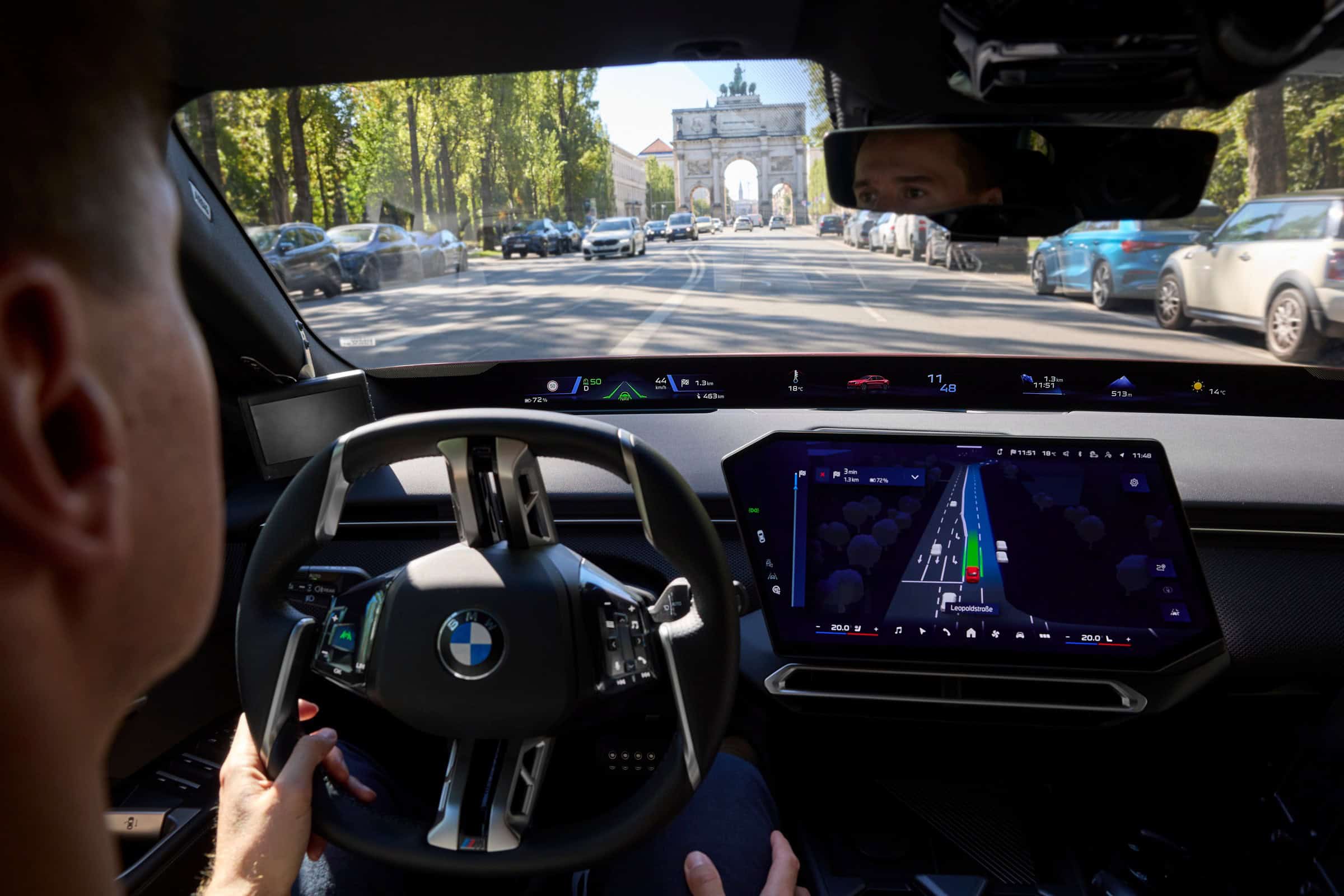
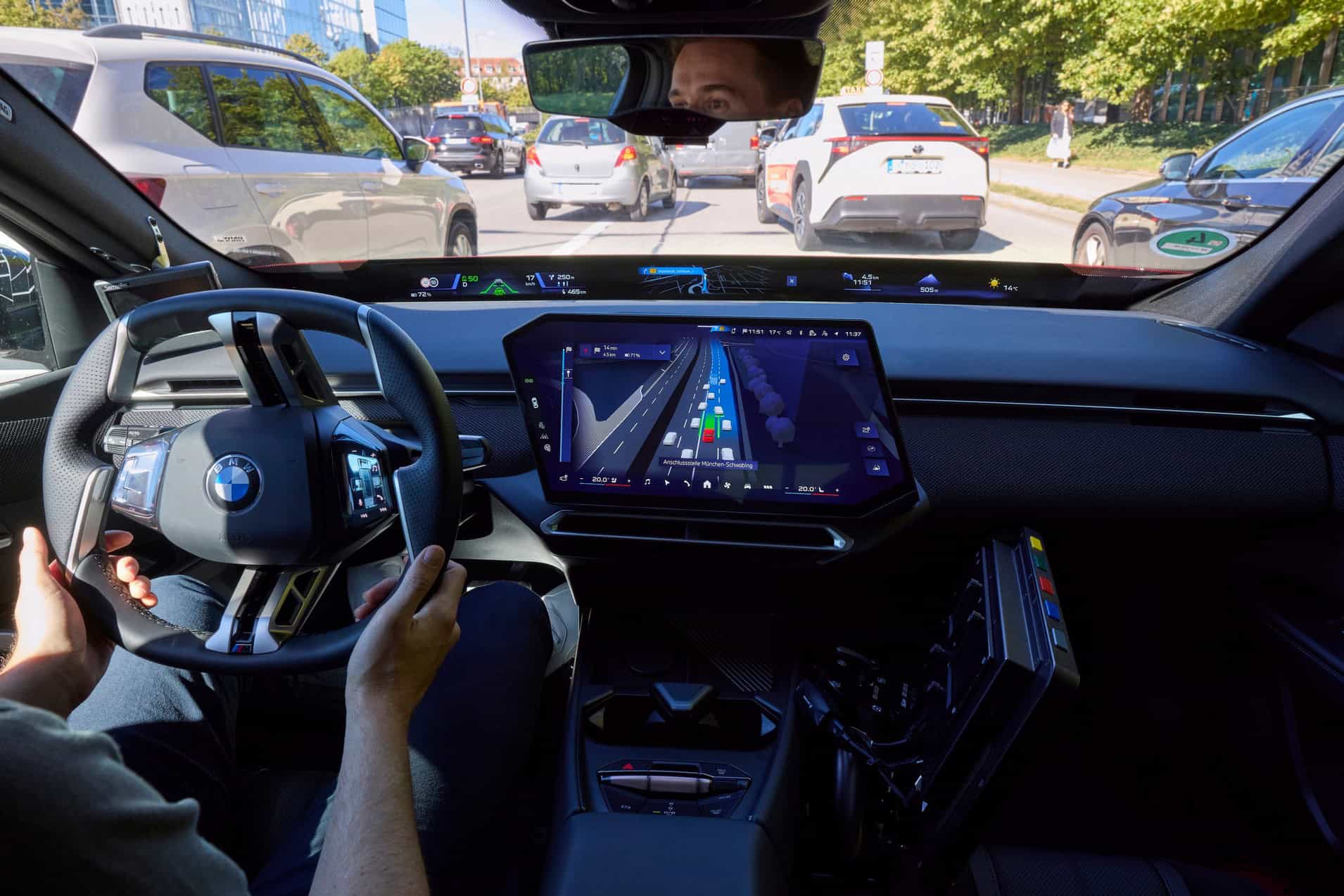
The new functions will also take advantage of Panoramic iDrive found in the newest models. Relevant information about upcoming maneuvers and the assistance systems’ current status will appear in the windshield projection, directly in the driver’s field of view.
Meanwhile, a new BMW Maps with Driver Assistance navigation view will combine route guidance, the car’s surroundings, and assistance-system information in a single 3D presentation on the central touchscreen. This should make it easier to understand what the vehicle detects and how it intends to respond to changing traffic conditions.

Several BMW Models Already Have The Necessary Hardware
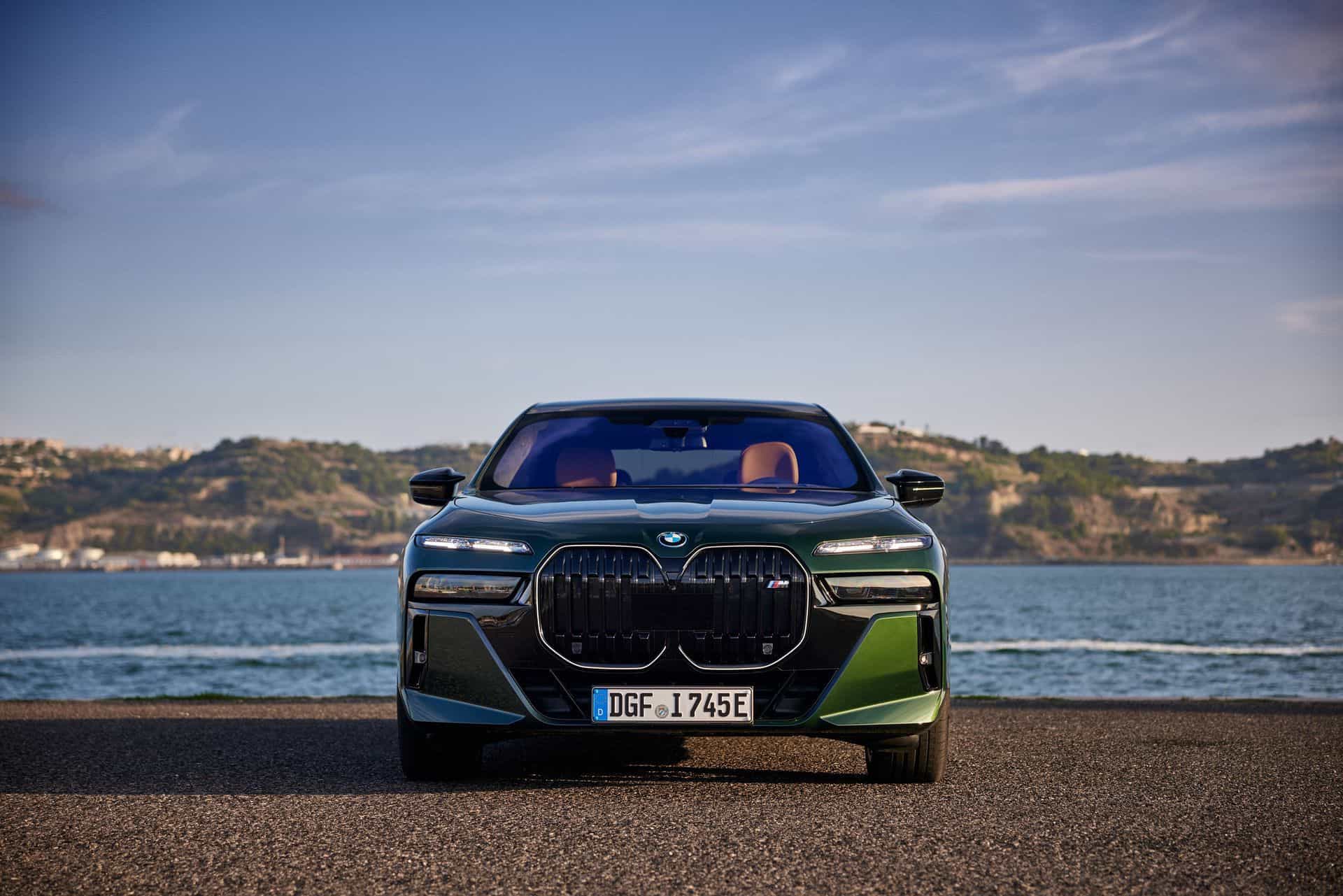
The good news for prospective buyers is that BMW won’t require customers to purchase additional hardware to access the expanded functionality. The necessary equipment is already standard on the new iX3 and iX4, as well as across the 3 Series, 7 Series, and X5 lineups. Once the software is available, owners can activate the new assistance features through an over-the-air update, even if they purchased their vehicles before the rollout begins. It’s the same story as with the Drift Moment function coming to the M350 xDrive next year via an OTA update, enabling a pure rear-wheel-drive mode for cars already built and delivered.
Meanwhile, Germany will be the first market to receive the expanded City Assistant, although BMW hasn’t announced an exact launch date. Other countries will follow, but availability will depend on local regulations.
With this expansion, BMW wants to make partially automated driving useful in more situations than just cruising down the Autobahn. It remains a Level 2 system that requires an attentive driver, but getting help with the more tedious aspects of urban driving could make everyday commuting considerably less stressful.