Every brand has a design moment that splits the fanbase, and for BMW it wasn’t a grille (at least not 25 years ago), a screen, or even the original iDrive controller that set off the loudest arguments. It was a trunk. More specifically, it was the early-2000s BMW 7 Series—E65—whose raised, stepped decklid triggered a backlash so intense that the nickname still follows BMW around today: the “Bangle Butt.”
Two decades later, it remains one of the quickest ways to light up a comment section, partly because it’s genuinely divisive and partly because it became a shorthand for a whole era of BMW design. But the part that gets lost in the meme is that the shape wasn’t simply an act of provocation or a designer waking up and choosing violence. It was a deliberate idea with real logic behind it, and it ended up influencing far more than people like to admit.
What is the “Bangle Butt”?
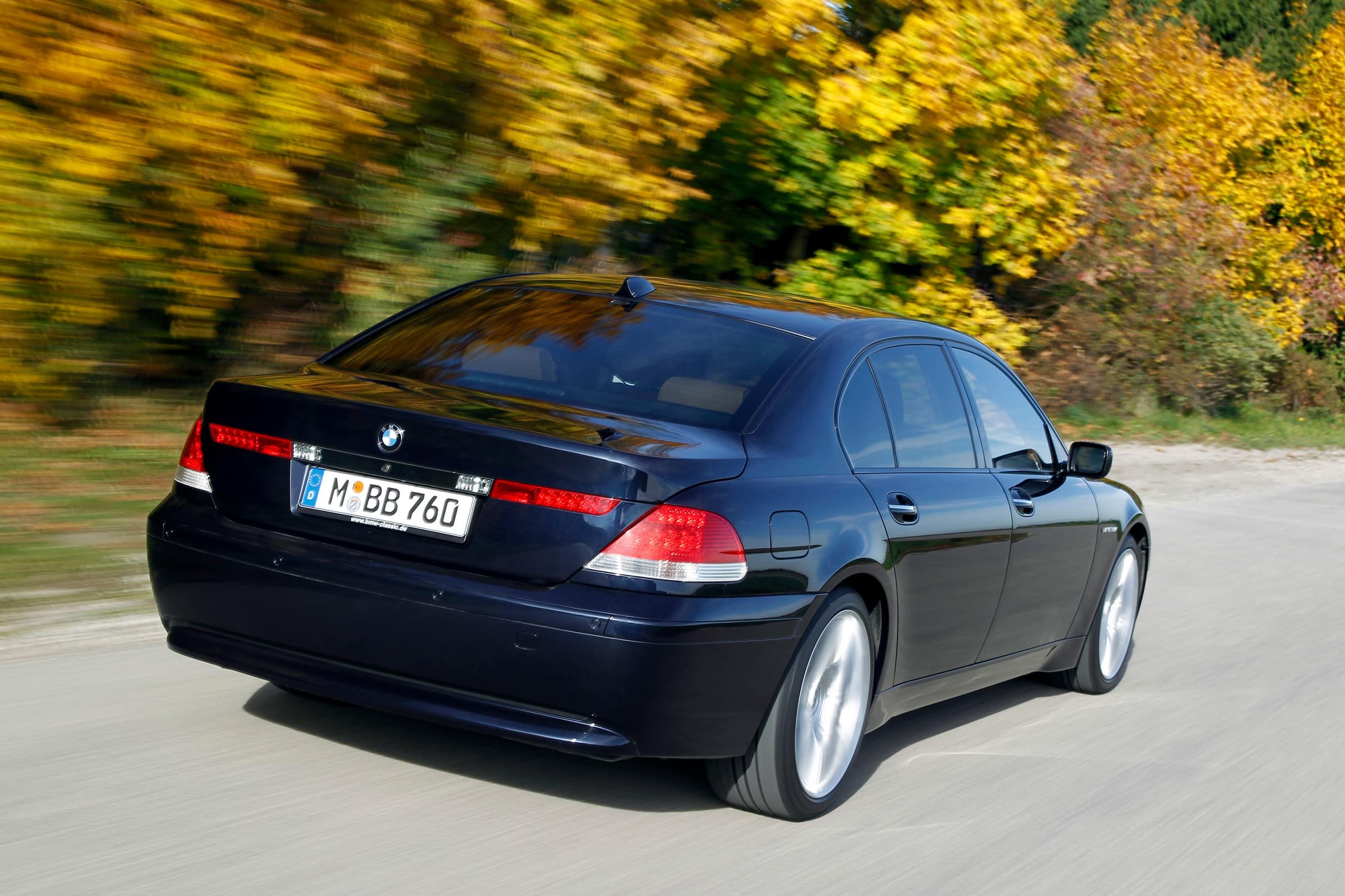
“Bangle Butt” is enthusiast slang for a BMW rear-end theme that arrived in the early 2000s—most famously on the E65/E66 7 Series—where the trunk lid sits unusually high and creates a visible “step” at the back of the car. Instead of flowing smoothly from the rear fenders into the decklid the way older BMWs tended to, the E65’s tail looks layered, almost as if a second surface was stacked on top to form a shelf-like upper deck.
From certain angles, that raised deck makes the car look heavier and taller at the rear, which is exactly why the design drew so much attention in the first place. Once the E65 became the poster child, the nickname started getting applied more broadly to other BMWs from that era with similarly pronounced high-deck proportions, because people began to see the same theme repeating across the lineup.
Why the name?
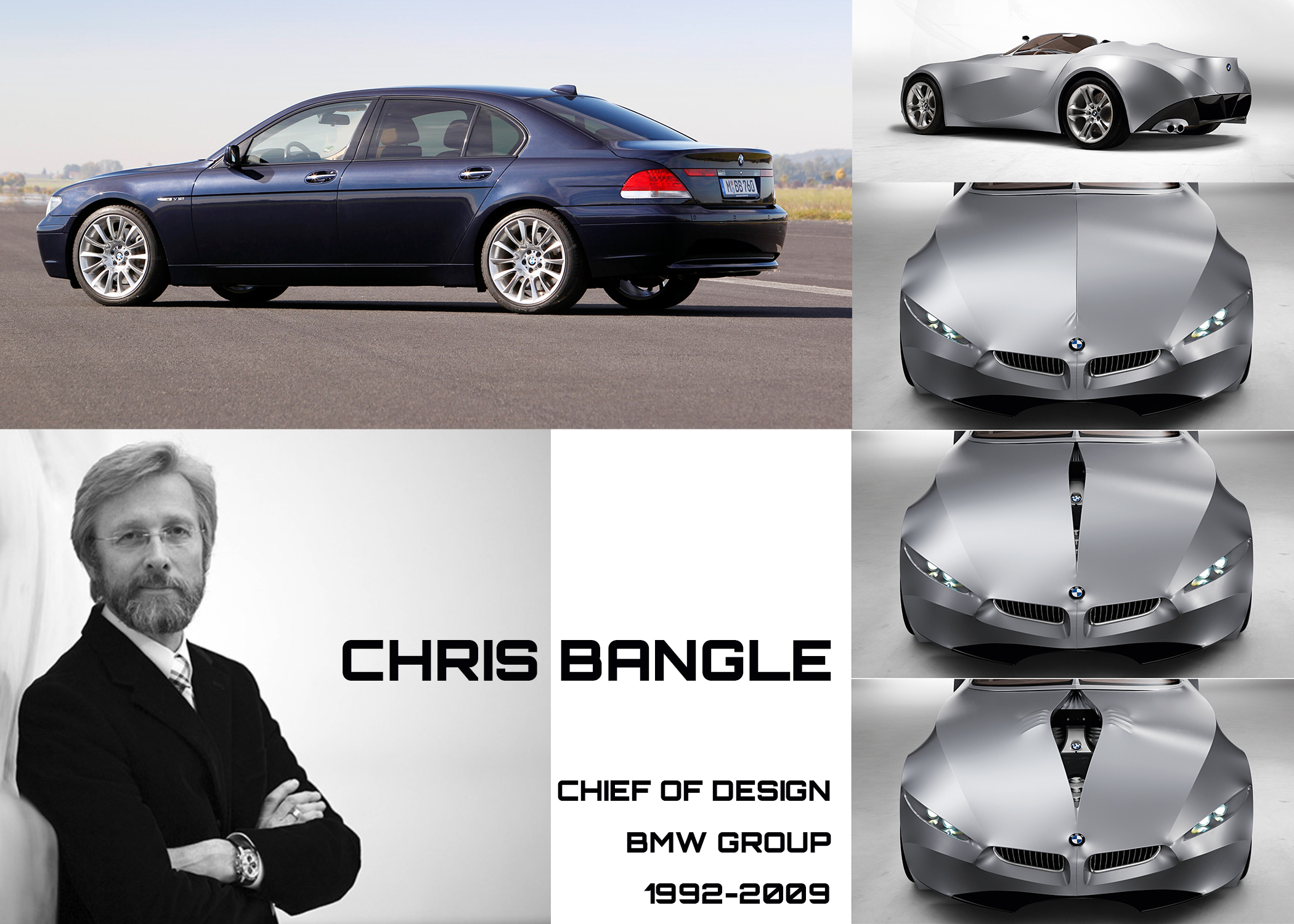
The “Bangle” part comes from Chris Bangle, the design chief during the period when BMW decided it was done playing it safe. That era wasn’t about gentle evolution or polishing the same silhouette—BMW wanted its cars to feel new in a way you could spot instantly, even if that meant irritating loyalists who preferred the familiar 1990s playbook.

The “butt” part is exactly what it sounds like: a blunt enthusiast nickname for a rear end that looked bulky, high, and (to many eyes at the time) awkwardly proportioned. It’s not refined, but it’s memorable—and once a nickname like that sticks, it tends to become the entire story.
Quick reality check: Bangle didn’t “draw the butt”
This is where the internet version of the narrative gets a bit too neat. Bangle was the design leader and the public face of BMW’s styling shift, which is why his name became attached to everything people loved and hated about that period. But the E65 7 Series design is closely associated with Adrian van Hooydonk’s team working under Bangle’s leadership, which matters because BMW design isn’t a one-person show.
Bangle set the direction, pushed the philosophy, and created an environment where a car like the E65 could make it out of the studio. The execution, however, came from the team, and that’s an important distinction if you’re trying to tell the story as more than a cheap punchline.
So what was BMW trying to do with that trunk?
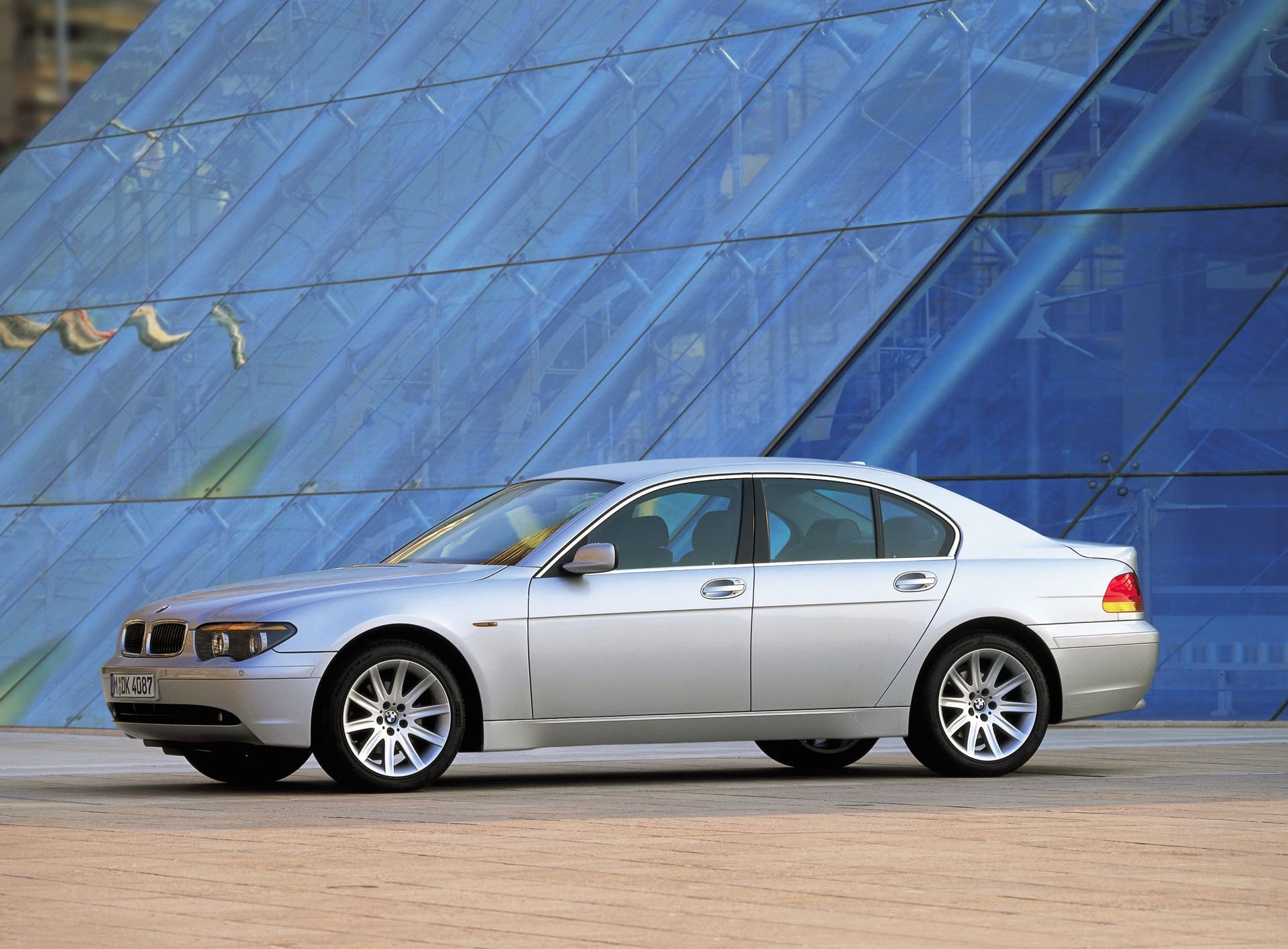
The high-deck rear wasn’t random, and it wasn’t only about being controversial. One common explanation is aerodynamic: a higher rear deck can behave like an integrated spoiler and a cleaner airflow cutoff, which can help stability at speed even if the effect isn’t something you’d notice in daily driving.
It was also about presence and proportion, because replacing the E38 7 Series—one of BMW’s most universally respected designs—was always going to be risky. The E65 didn’t aim to be a gentle update; it wanted to look modern, substantial, and unmistakably new, and a taller, more upright rear is one of the fastest ways to make a big sedan feel more imposing.
And, finally, it fit the broader design language BMW was exploring at the time. The early 2000s were when BMW leaned into more complex surfacing and stronger cut lines, so the E65’s tail wasn’t an isolated decision so much as a loud expression of a larger shift.
Why did people hate it so much?

Because BMW buyers weren’t asking for a design revolution on the 7 Series. What they wanted—whether they said it out loud or not—was the best version of an E38, and the E65 wasn’t interested in playing that game. The rear looked tall and heavy, the “step” felt abrupt, and the interaction between the trunk line and the taillamps made the whole thing feel stacked rather than sculpted.
Once the nickname took off, the design stopped being discussed on its own terms. The conversation became less about what BMW was attempting and more about whether the car was “ruined” by the trunk, which is exactly how the “Bangle Butt” turned into a cultural reference rather than a design critique.
Then something funny happened: it aged into relevance

What’s interesting is that the controversy didn’t simply vanish as the years passed; instead, it gradually shifted opinions. As the industry moved toward sharper cutoffs, higher decklids, and more aggressive surfacing, the E65 stopped looking like an alien object and started reading like an early, unfiltered version of ideas that would later become more mainstream.
At the same time, the E65 gained a genuine following—not just contrarians looking to be different, but enthusiasts who see it as a turning point when BMW chose impact over consensus and accepted that not everyone needed to approve. The E65 didn’t magically become beautiful to people who hated it, but it did become historically important, and that’s why it still gets discussed with a kind of grudging respect.
Did BMW fix the “Bangle Butt”?
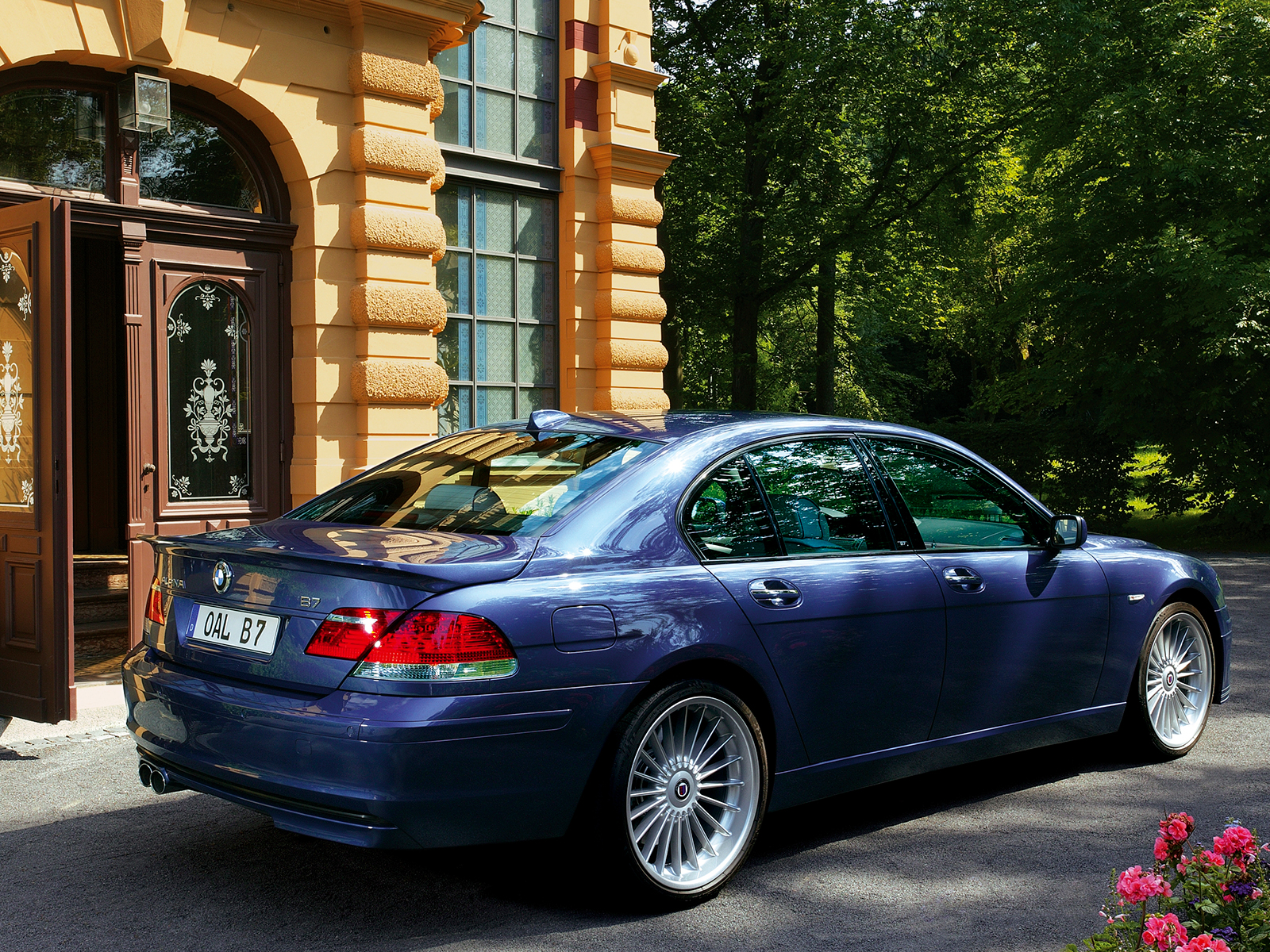
BMW did what BMW often does when a design gets too loud: it refined the execution. The E65 facelift smoothed and resolved the rear without abandoning the general high-deck idea, which is another way of saying BMW didn’t completely retreat—it simply dialed back the harshness so the overall shape felt more cohesive.
The “Bangle Butt” isn’t just a nickname for a controversial trunk; it’s a common trait of BMW design which aims to push the envelope as time passes. And we’ve seen that quite a lot in the recent years.