Article Summary
- The X4 sold 8,000–10,600 units a year in the U.S. from 2019–2022, including through the chip shortage, before BMW confirmed it had no successor.
- BMW is positioning the X2 as the replacement, but it's built on the front-wheel-drive UKL2 platform, not the rear-wheel-drive-based architecture the X4 shared with the X3.
- Audi, Mercedes, and Porsche are all still investing in the coupe SUV format the X4 pioneered, leaving a real gap until the electric-only iX4 arrives around 2027.
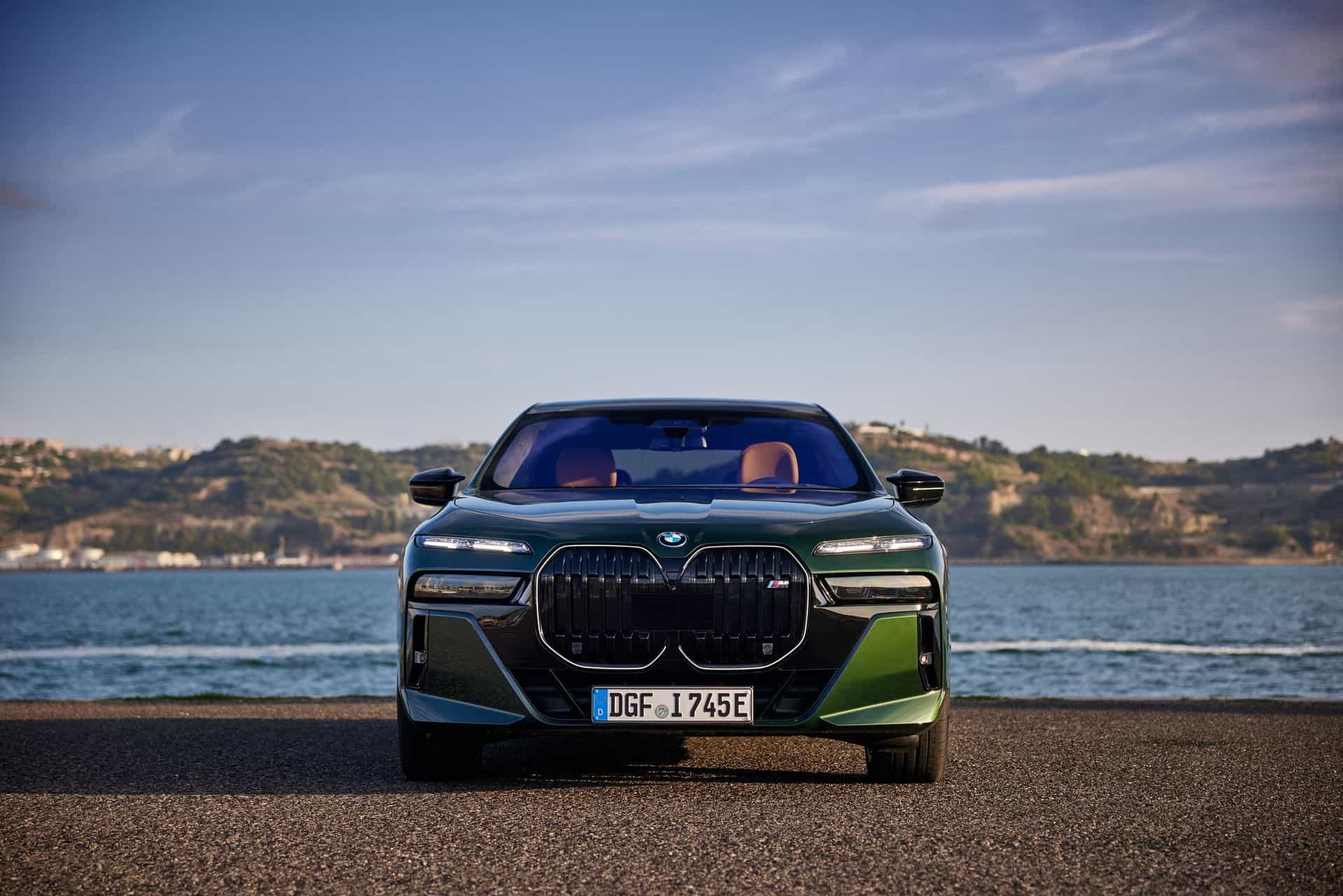
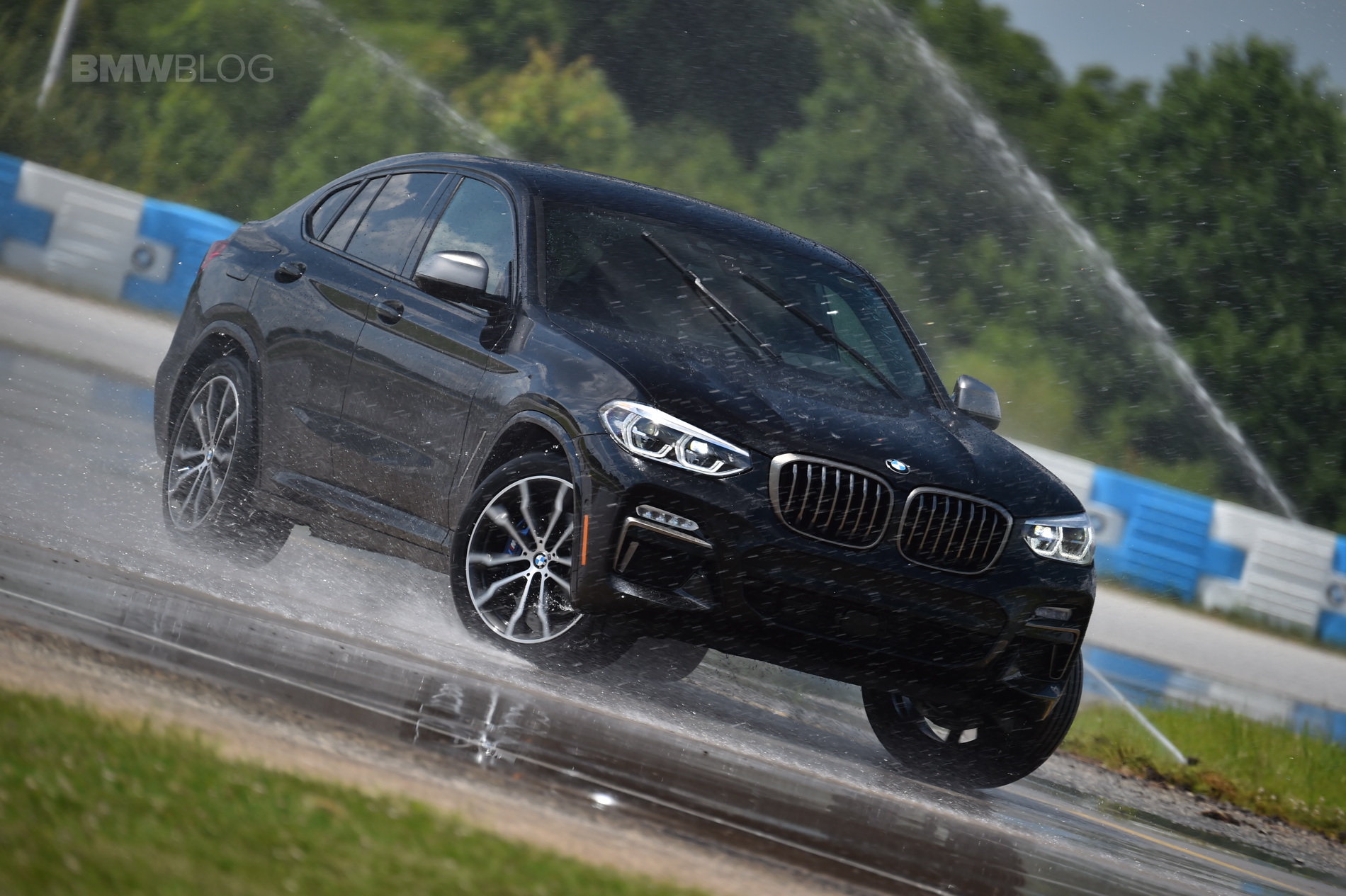
The last gasoline X4 rolled off the line at Plant Spartanburg in late 2025. No third-generation combustion successor is coming. What is coming, sometime this fall, is the iX4, an all-electric coupe SUV built on the Neue Klasse platform in Debrecen, Hungary. Between now and then, BMW’s answer for anyone who wants the sloping-roofline treatment on a compact SUV is the second-generation X2, a car that starts life on an entirely different platform than the X4 ever did.
BMW has more or less said the quiet part out loud: there’s no longer room in the lineup for the X4 as a gasoline product, and the growing, more grown-up X2 can absorb whatever demand is left. I think that reasoning has a hole in it big enough to drive an M40i through, and the sales numbers back that up more than BMW would like to admit.
What The X4 Actually Sold
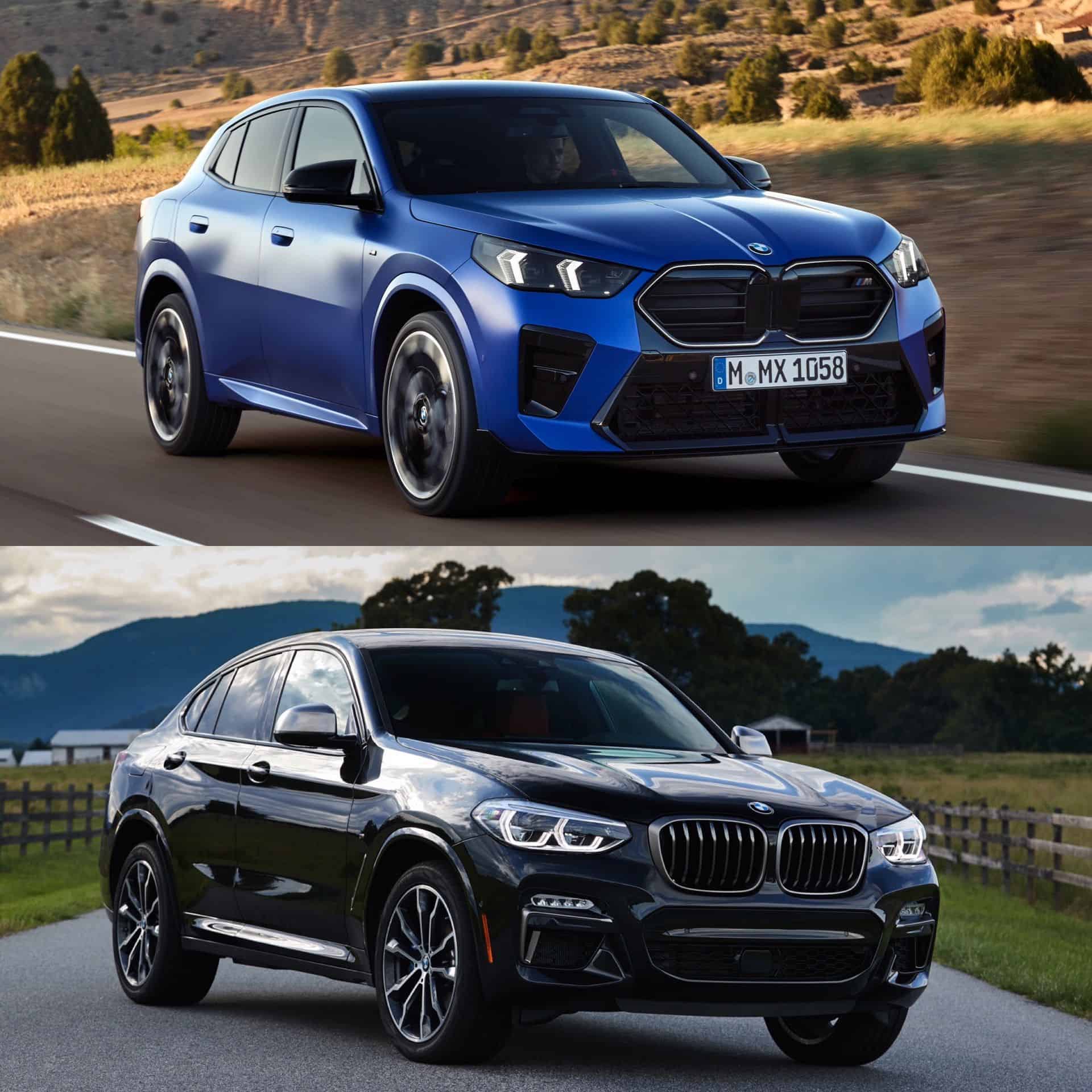
The X4 was never going to outsell the X3. Nobody expected it to. But “coupe SUV nobody wants” isn’t the story the sales charts tell, either. Here’s the U.S. annual total since the G02 generation launched in mid-2018:
- 2018 (partial year): 4,323
- 2019: 8,758
- 2020: 7,677
- 2021: 10,620
- 2022: 9,969
- 2023: 7,559
- 2024: 5,295
- 2025: roughly 4,900 to 5,900, depending on which tracker you trust
That 2021 number is worth paying attention to. In the middle of a chip shortage, with dealer lots half-empty and BMW rationing allocation across its whole lineup, the X4 still moved over 10,000 units in the U.S. alone. This was never a car BMW had to discount its way into volume because it found buyers on its own terms, in a segment BMW itself invented back in 2014. The decline after that is real, but it’s also exactly what you’d expect from a car that hadn’t been meaningfully updated since 2021 and was visibly running out the clock.
The X2 Argument Doesn’t Hold Up On The Road
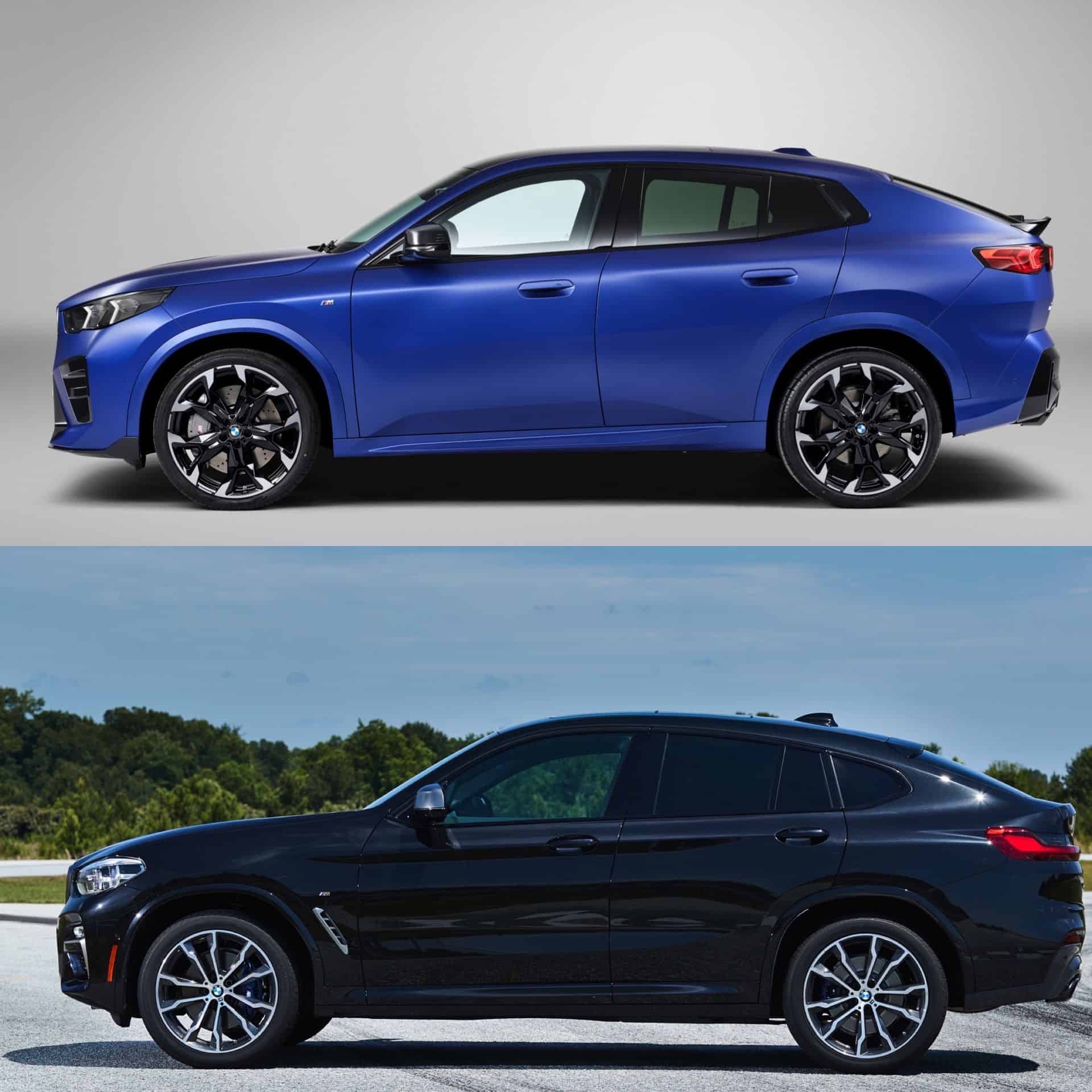
Here’s where I have a real problem with BMW’s stated logic. The reporting around the X4’s death has repeatedly floated the idea that shoppers in this niche won’t notice or care about the switch from the X4 to the X2, because both wear a coupe roofline and both say BMW on the hood.
That’s true if you only look at the silhouette. It falls apart the moment you look at what’s underneath.


The X4 was always rear-wheel-drive-based, running on the same CLAR architecture as the X3, with xDrive as the all-wheel-drive layer on top of a car engineered around sending power to the back axle first. The new U10 X2 is nothing like that. It rides on the UKL2 platform, the same front-wheel-drive-based architecture underneath the X1, the 2 Series Active Tourer, and the MINI Countryman. Even the all-wheel-drive X2 xDrive models are transverse-engine, FWD-based cars with power sent rearward only when needed, not RWD-based cars with power sent forward only when needed. So there is a big difference between a car that rotates into a corner and one that pushes.
Anyone who’s actually driven an X4 M40i back to back with an X2 M35i will feel it in the first roundabout. The X4 turns in with its weight loading the outside rear tire the way a 3 Series does. The X2, for all the work BMW’s chassis engineers put into disguising it, still has the fundamental character of a front-driven hot hatch wearing a taller body. It’s a genuinely good car. It is not the same car to drive, and treating the two as interchangeable insults the exact customer BMW is trying not to lose.
If BMW’s own reasoning is that shoppers can’t tell the difference, I’d argue BMW is underestimating the audience that made the X4 M40i and X4 M genuinely worth keeping around. That audience is precisely the group that notices.
The M40i And The X4 M Were The Point
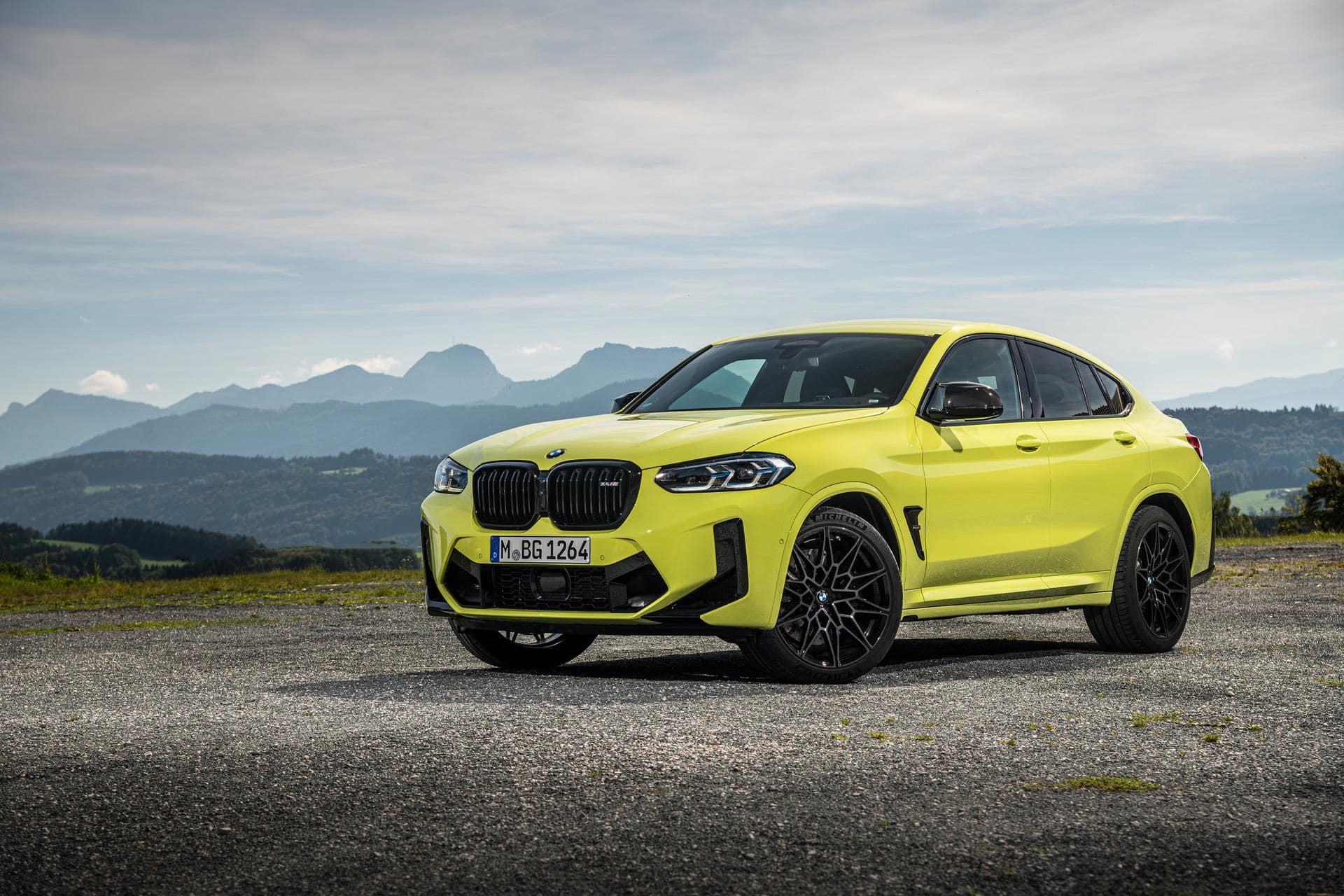
Strip away the practicality arguments and the X4 was, at its best, one of the more entertaining SUVs BMW has built. The X4 M40i paired the B58 straight-six with a chassis tuned more aggressively than the X3’s, and reviewers consistently singled out the X4 M and X4 M Competition for delivering genuine driver engagement in a segment that’s mostly about cupholders and cargo volume. Road testers who drove the X4 M Competition came away calling it tremendously fast and grippy through corners, with a limited-slip differential borrowed from the M5 doing real work rather than sitting on a spec sheet for marketing purposes. U.S. reviewers described the X4 M as a hoot to drive, entertaining the driver consistently rather than just on paper.
That’s the version of the X4 story BMW’s own messaging leaves out. The X4 wasn’t just an X3 with a worse trunk. In its M-division forms, it was one of the more legitimately fun things BMW sold with four doors and a hatch, and there’s no direct successor to that specific formula anywhere in the current lineup. The X3 M doesn’t currently exist. The X2 M35i is quick, but it’s a four-cylinder front-driven car pretending to be something else, not an inline-six RWD-based performance SUV.
A Crowded Segment That Hasn’t Given Up On The Format

BMW’s exit is also happening while the rest of the segment is still investing in the coupe SUV format, not abandoning it. Audi kept the Q5 Sportback alongside the standard Q5 through its latest redesign. Mercedes redesigned the GLC Coupe for the current generation rather than killing it. Porsche’s Macan, while now electric-only, remains the enthusiast benchmark in this exact price bracket and body style, and nobody’s accusing Porsche of misreading its buyers. If the format were genuinely played out, you’d expect BMW’s rivals to be quietly retreating from it too. Instead, BMW is the one stepping back first, and doing it nearly two years before it has anything electric to replace the car with.
Who Actually Bought This Car
The X4 skewed toward buyers who wanted the practicality of the X3’s SUV shape but were willing to trade rear headroom and cargo space for styling and a sportier driving position, and who were disproportionately likely to spend up into M40i or M territory to get it. That’s a smaller, more self-selecting audience than the X3’s, and it’s exactly the kind of buyer who cross-shops the Macan and the GLC Coupe rather than a Highlander. It’s also exactly the kind of buyer least likely to be satisfied by a front-wheel-drive-based crossover marketed as the spiritual successor, regardless of how the roofline looks in a dealership brochure.
So Does BMW Need A New X4?

So does BMW need a new X4? Yes — and not as some far-off electric-only bet, but as a real, gasoline-available model people can buy in the next couple of years. The idea that the X2 quietly covers this customer, or that the segment stopped caring, doesn’t survive contact with the sales chart or an actual test drive. The X4 was selling in five figures as recently as 2022, in a market BMW itself created and where Audi, Mercedes, and Porsche are all still competing for the same buyer. The M40i and M variants were some of the more genuinely entertaining SUVs BMW has ever put a badge on, and that character came directly from a rear-wheel-drive-based chassis the X2 doesn’t have and structurally can’t replicate.
BMW is also betting the X4’s future entirely on the iX4, at the exact moment American buyers are cooling on that bet. EV demand has softened through 2025 and 2026, plug-in and hybrid stopgaps are picking up the slack, and a growing share of shoppers who considered an EV two years ago are back to cross-shopping gasoline. Betting the only coupe SUV in the lineup on a fully electric relaunch, two years out, is a strange hedge to make right as the market it’s aimed at is hedging the other way.
The format still works, too. A coupe-roofed SUV is an easy shape to make look genuinely good, and the X4 always wore it better than the reviews of its practicality gave it credit for. That’s not a niche taste in the U.S. specifically — it’s one of the more reliable ways to sell an SUV to someone who’d otherwise be cross-shopping a sedan.