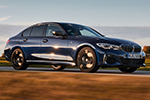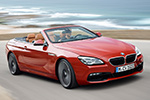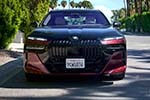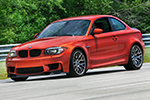
BMW has a bit of a problem in China. The rise of domestic automakers continues to erode the luxury brand’s market share. Substantially cheaper, tech-laden cars are making life increasingly tougher for legacy manufacturers. The downward trend underscores how the prestige of a badge is no longer enough, as buyers continue to flock to local products.
The sales numbers don’t lie. BMW Group sold 625,527 cars in China last year, down 12.5% from the previous year. That’s a far cry from 2021, when demand peaked at 847,900 units. To counter weakening demand, it’s slashing prices on 31 models as part of what it calls a “regular price management.”
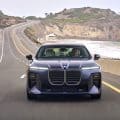
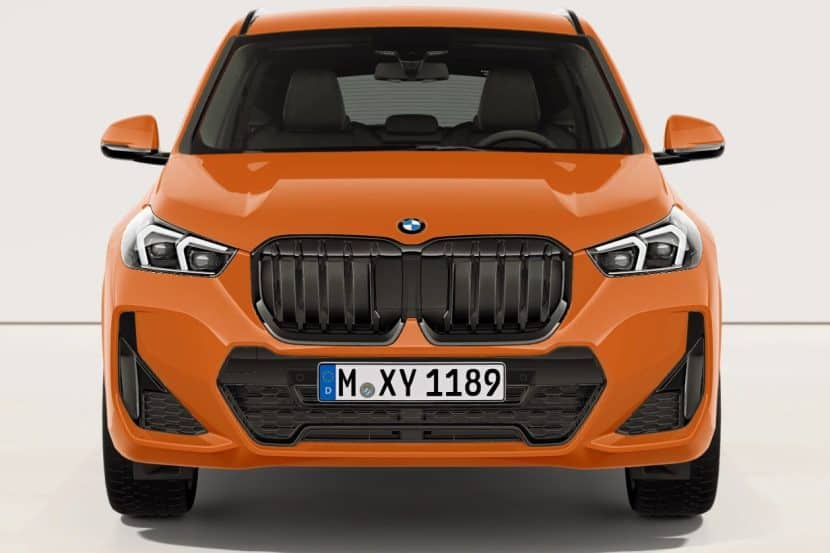
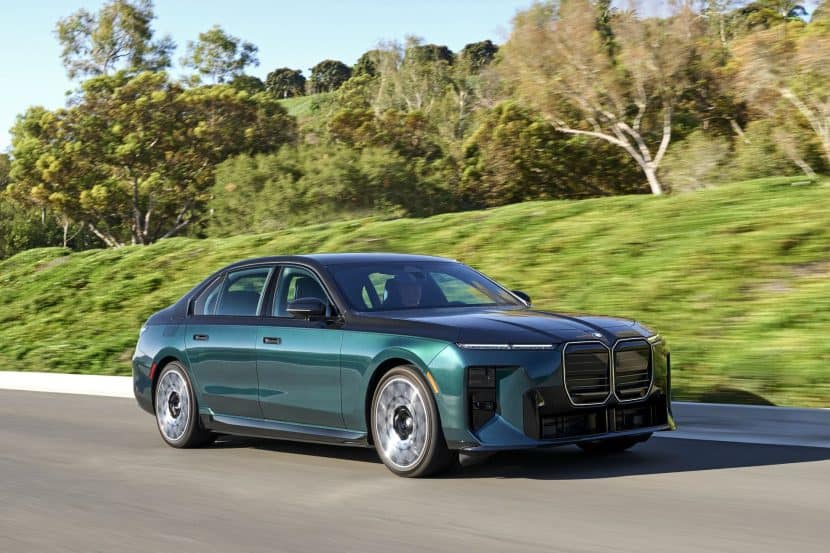
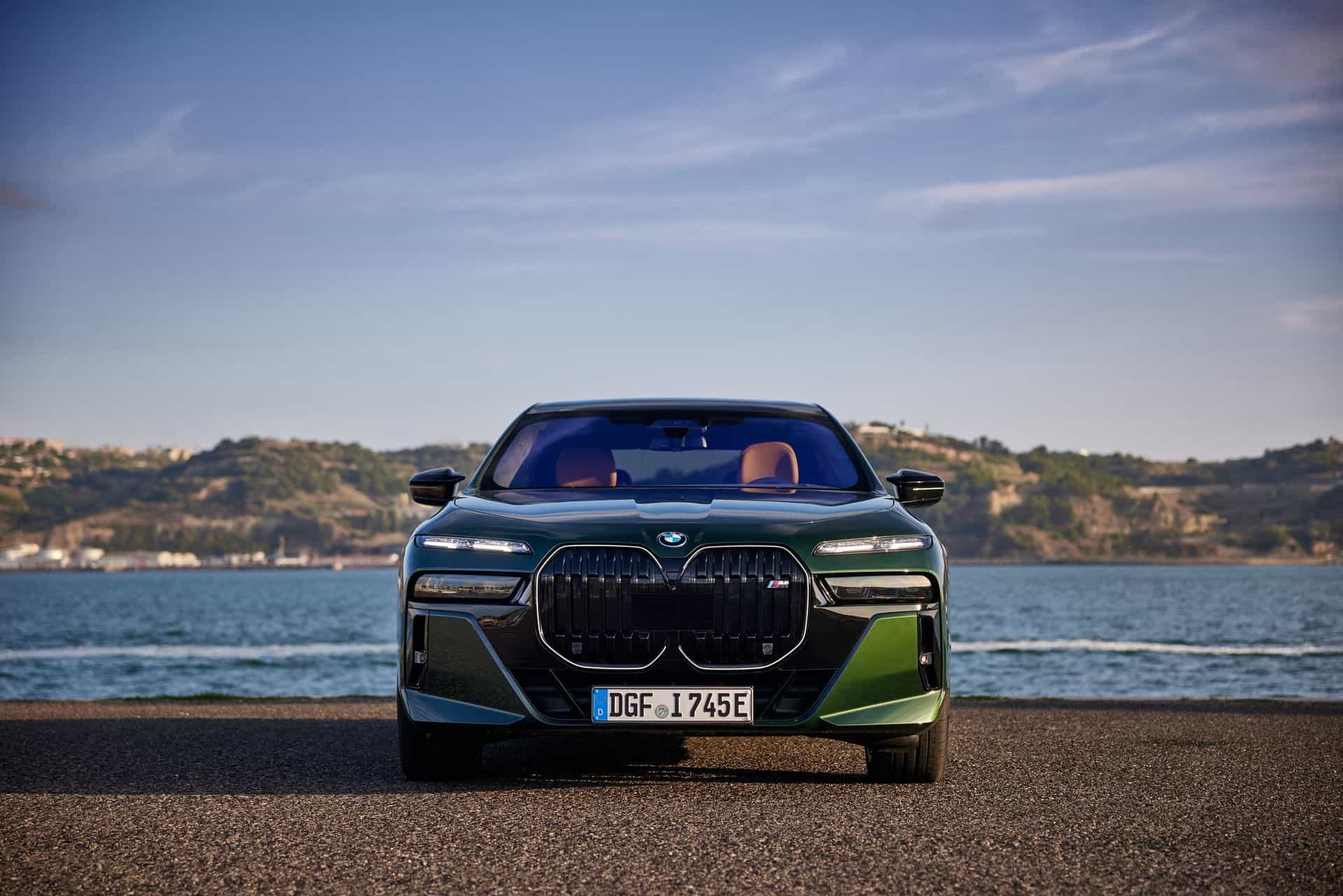
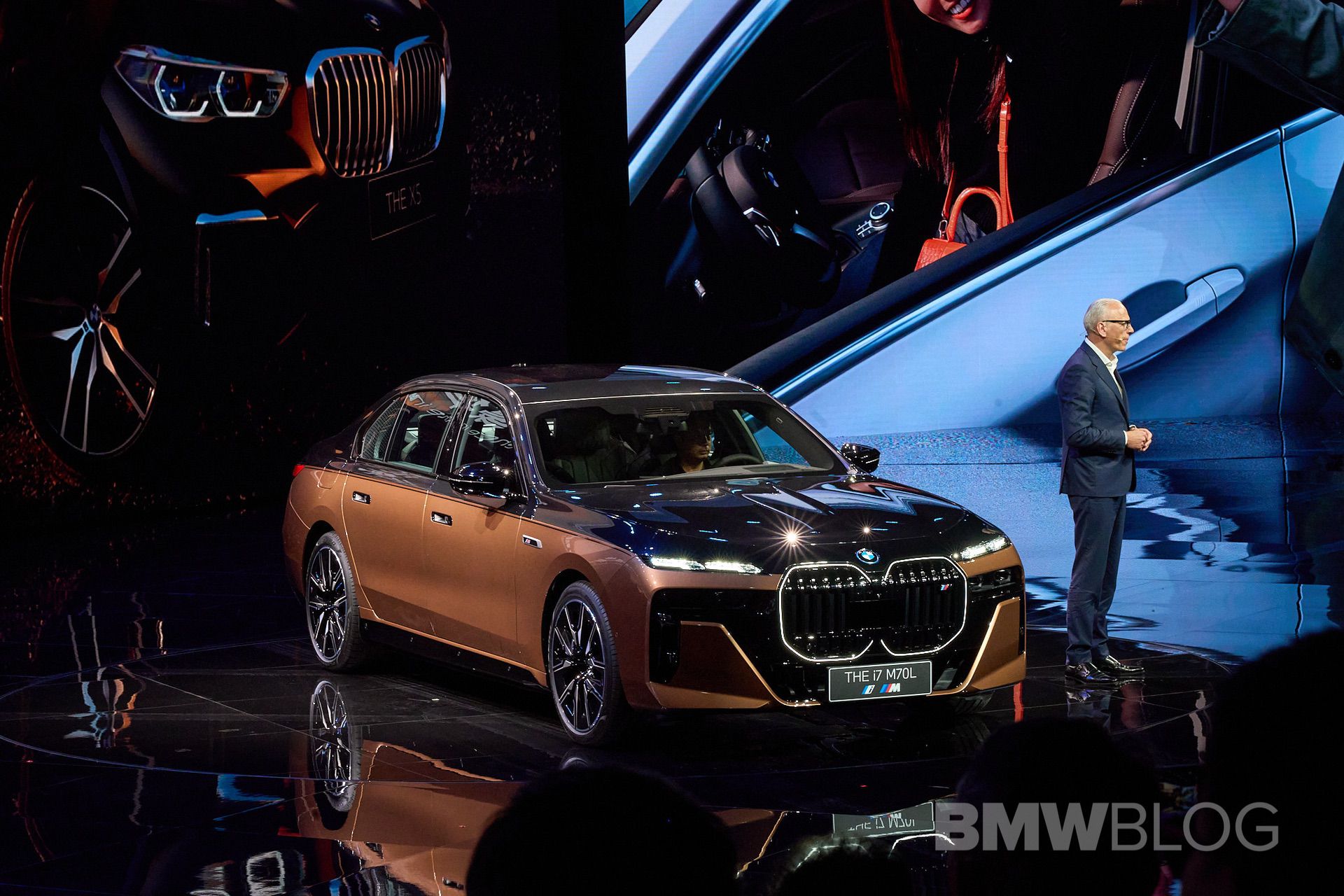
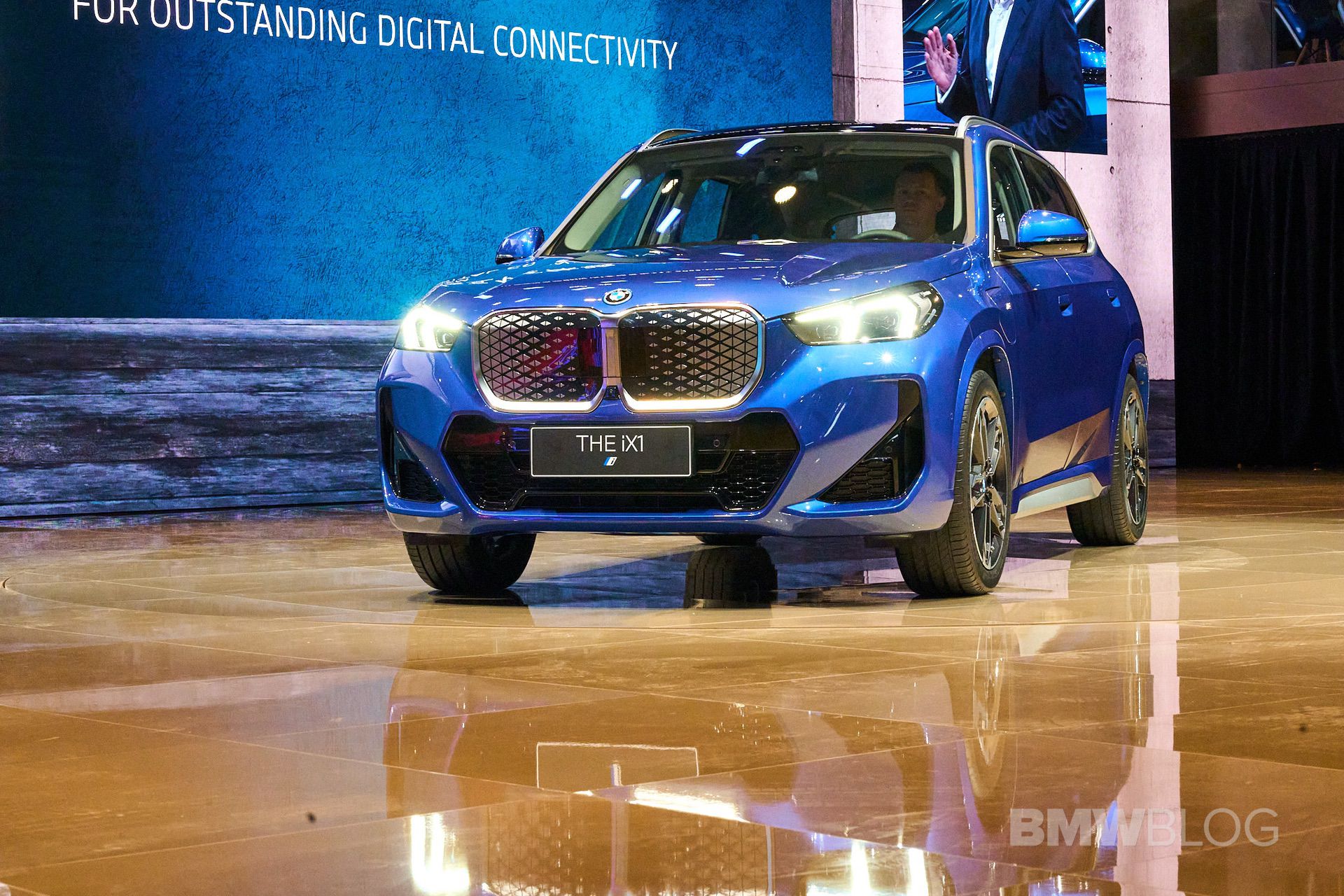
For example, the i7 M70L is now 301,000 yuan cheaper than before. At current exchange rates, that comes to just over $43,000. By percentage, the iX1 eDrive25L sees the largest discount, at 24%, bringing its price down to 228,000 yuan ($32,700). BMW also hints at even deeper discounts than the listed prices once buyers haggle at dealers’ showrooms:
“Final transaction prices are independently negotiated and determined between authorized BMW dealers and customers.”
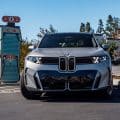
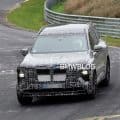
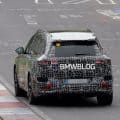
BMW hopes that locally produced and designed Neue Klasse models will help reverse the slide. Leading the way is a long-wheelbase iX3 scheduled to go on sale in the coming months. Codenamed “NA6,” it’s one of several models developed specifically for the Chinese market. For years, sedans and even SUVs from Western brands have spawned stretched versions with extra rear legroom to better suit local preferences.
While sales in China are falling, BMW has seen stronger momentum elsewhere in 2025. Demand in Europe rose by 7.3%, while sales in the Americas increased by 5.7%, including a 5% gain in the U.S. Even so, China remains the world’s largest car market and BMW’s single biggest market.
Although the glory days may be behind for BMW, Mercedes, and Audi, the German luxury trio remains firmly committed to the region in its battle with domestic brands. BMW’s factories in Dadong and Tiexi rank among the most prolific in the group’s global network. In addition, the joint-venture plant with Great Wall Motor in Zhangjiagang, which builds electric MINIs, is an important part of the company’s manufacturing footprint.
Source: Bloomberg