Article Summary
- Neue Klasse won’t kill ICE overnight, but it will change BMW’s combustion character fast — architecture, interiors, and priorities are shifting, and the traditional formula is nearing the end of its peak expression.
- Peak modern “old-school” BMW lives in the current lineup: G20/G2X balance and B58 sweetness, plus G80/G82 M3/M4 availability with RWD and a six-speed manual — a blend of capability and mechanical familiarity that may not return.
- Niche enthusiast ICE cars are becoming rarer and more time-sensitive — the M240i as a relatively attainable six-cylinder coupe, and the Z4 M40i as a B58 rear-drive roadster that’s already near the end of production, underline the “buy-now” moment.
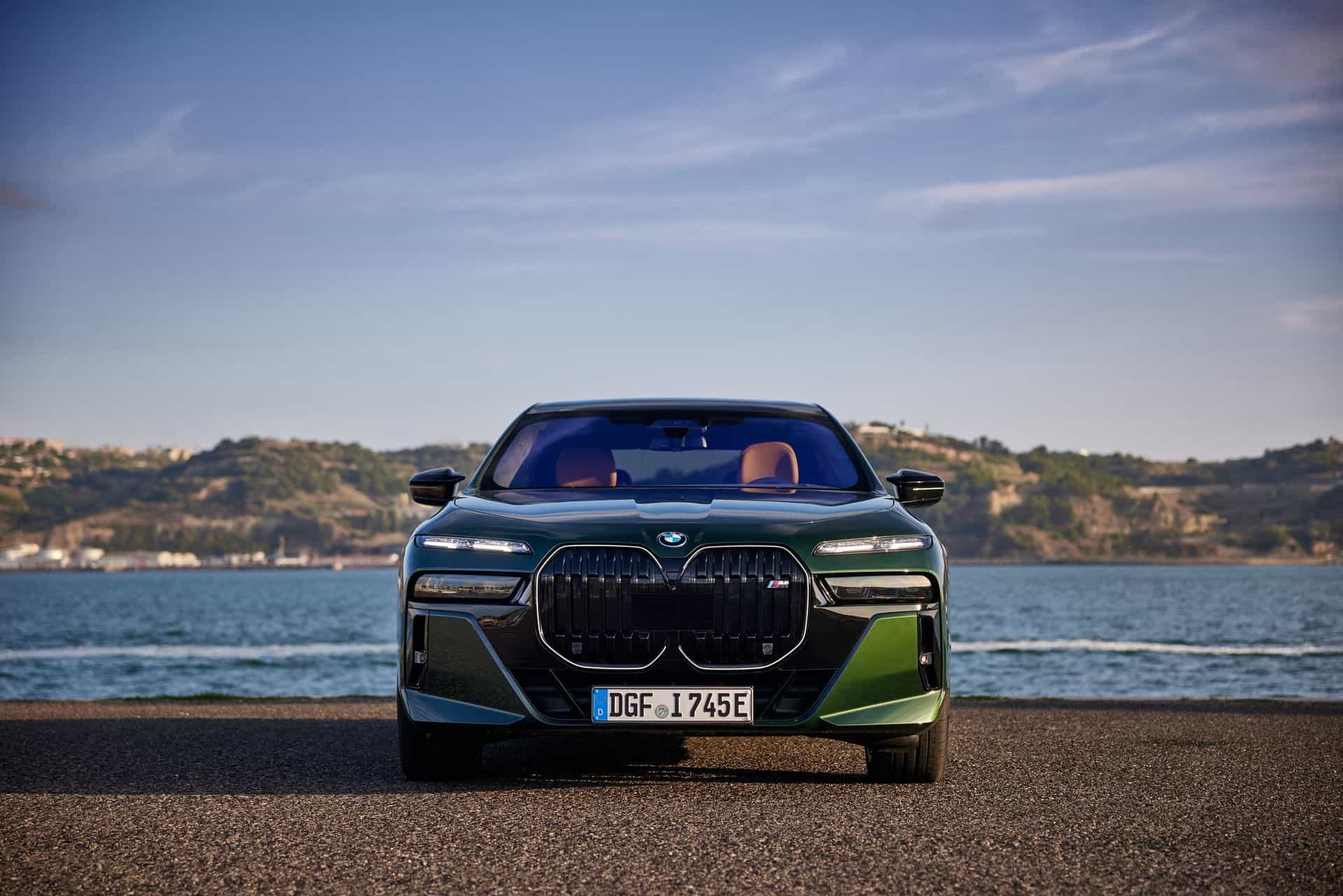
BMW is on the verge of its biggest transformation in decades. Neue Klasse cars represent a fundamental shift toward EV-first architecture, software-defined interiors, and a new design language that will ripple across the entire lineup. Thankfully, we already know internal combustion won’t vanish from the brand’s portfolio overnight. But the character of BMW’s gas-powered cars is about to change dramatically. If you value the brand’s traditional formula — or perhaps more specifically, its combustion engines — now is the time to pay attention.
The BMW 3 Series and BMW 4 Series

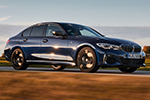
In many ways, the current BMW 3 Series and 4 Series represent the most complete expression of modern BMW engineering before Neue Klasse changes everything. The G20 3 Series lineup still rides on a rear-drive-based architecture with inline engines and familiar weight distribution. The 330i remains one of the best-balanced entry luxury sedans on sale, pairing a turbocharged four-cylinder with sharp chassis tuning.
The M340i, powered by the B58 inline-six, is arguably the sweet spot of the entire range: effortless speed, everyday usability, and an engine that has quickly become one of BMW’s modern greats for both performance and durability. Much the same can be said for the 4 Series. Whether sedan, coupe, Gran Coupe, or convertible, the G2X cars do a good job of embodying BMW’s guiding virtues in the modern era.
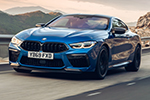
Then there’s the G80 M3 and G82 M4. Love or hate the styling, these cars may ultimately be remembered as the last “pure” M3 and M4 generation. The S58 twin-turbo inline-six delivers immense performance, but more importantly, the cars are still available with rear-wheel drive and a six-speed manual. Electrification is coming to M cars; it’s a matter of when, not if. Combustion engines aren’t going anywhere just yet. But inevitable hybrid assistance will alter weight, response, and overall character.
The current M3 and M4 strike a balance between modern capability and mechanical familiarity that may not be repeated. One more thing: the current M3 and M4 are already a bit much for public roads. The next cars will likely tower above those already high ceilings. Faster and more powerful is all fine and good, but it doesn’t always make for the most engaging streetcar. It’s subjective, but if feathering the accelerator puts you at “straight-to-jail” speeds, I’m not having fun. A pre-Neue Klasse M3 or M4 might feel balanced compared to its successor.
BMW 2 Series

The BMW 2 Series — specifically the M240i — deserves similar attention. Compact by today’s standards and powered by the B58, it offers the quintessential BMW six-cylinder coupe experience. It feels increasingly rare, since true coupe options number just two in the current BMW lineup. It’s also markedly more affordable than the M2, with a price delta of around $15,000. As BMW consolidates around scalable EV platforms, niche combustion coupes become harder to justify. The M240i could well become one of the last relatively affordable small BMWs with a traditional inline-six up front and rear-drive dynamics underneath.
BMW SUVs

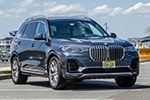
Gone are the days when enthusiasm for driving means having to buy a coupe or sedan. BMW’s SUV offerings are a perfect middle-ground for drivers that care about dynamics but also need the benefits of an SUV. Higher up the range, the X5 stands at a crossroads. Today’s model offers everything from smooth six-cylinders to V8 power in a refined, proven package. It blends performance and luxury in a way that feels mature and cohesive. Future iterations under Neue Klasse influence will lean harder into electrification and offer very different cabin interfaces. The formula will evolve dramatically. That said: the G65 X5 will at least benefit from even more options to choose from, with hydrogen, diesel, gas, and PHEV models expected to launch in some markets.
The same is true, arguably even more so, for the ALPINA XB7. With its subtle interior details and boosted V8 character, it represents a very specific kind of combustion-era excess. As BMW integrates ALPINA more tightly and transitions large SUVs toward electrified powertrains, the XB7 as we know it certain to evolve into something entirely unique after Neue Klasse. After all, nearly 900 horsepower is going to change the character of any vehicle.
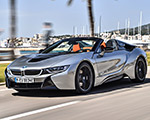
BMW Z4 M40i

Even the Z4 M40i fits the narrative. A two-seat roadster with a B58 and rear-drive balance feels increasingly like a relic of a different era. Especially when considering its reliance on (now) old-school iDrive 7. EV roadsters remain commercially uncertain, and low-volume gas sports cars face mounting regulatory pressure. Of course, the more immediate specter for the Z is, of course, ending production. It’s almost gone, with production ceasing within the next two months.
Neue Klasse will bring innovation, efficiency, and immense performance leaps. But it will also close a chapter. BMW’s reputation for engine excellence is part of what made the brand a household name. And while the brand’s electrification efforts will largely seek to continue that trend rather than break away from it, there’s absolutely no question that Neue Klasse will change everything. The last of the “old school” is here — get it while you can.