Article Summary
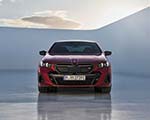
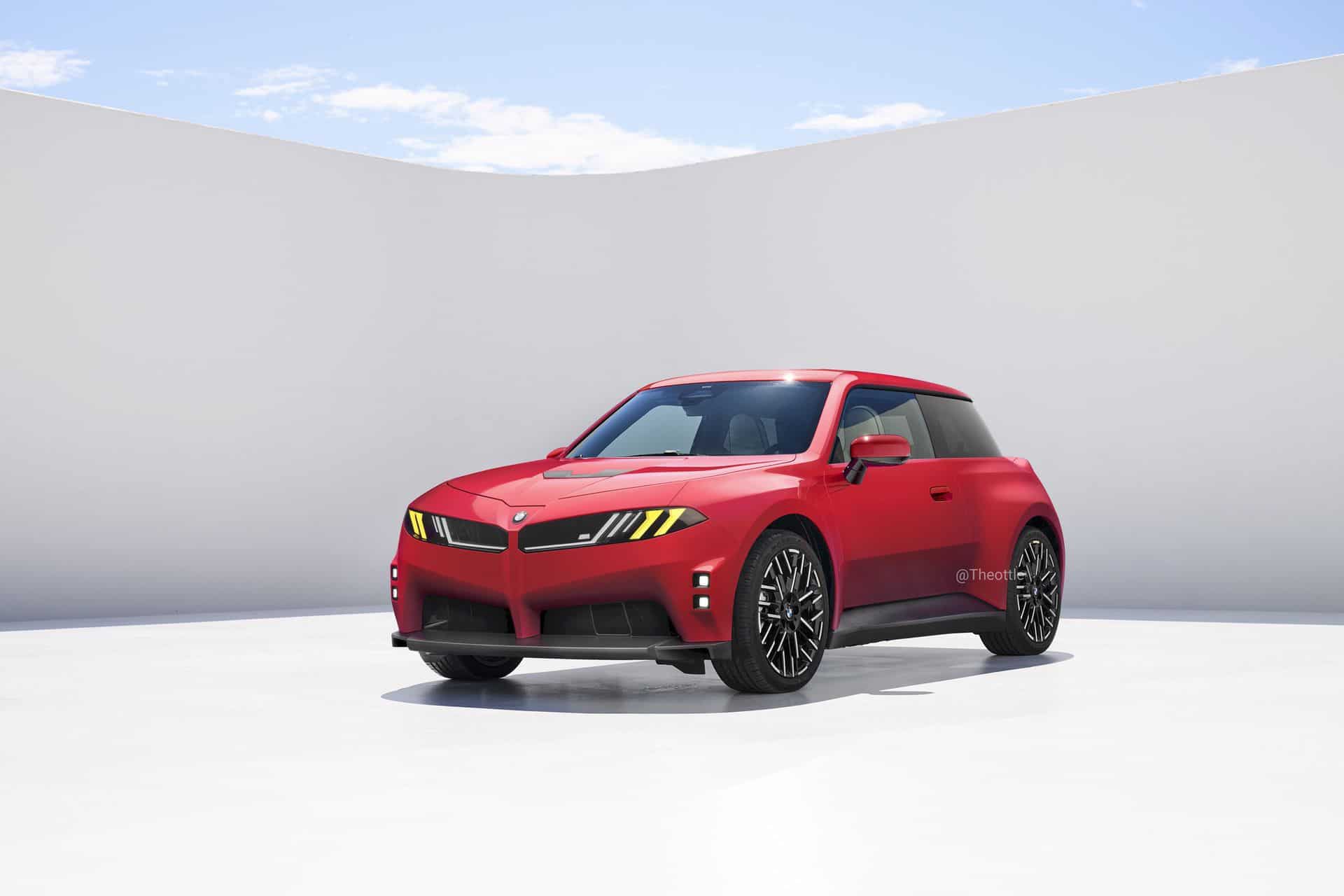
- The render keeps the M concept's shark nose and its yellow running lights, which come from BMW's M Hybrid V8 Le Mans racer, plus pods in the bumper corners that copy the concept's Track Lights.
- The i1 name is probably taken, because BMW has confirmed an entry-level Neue Klasse EV for Europe in 2028, which we expect to be the NB0 i1.
- According to our sources, MINI's future EVs move to Neue Klasse, which would make them rear-wheel drive for the first time, while gas Coopers stay front-drive.
Theophilus Chin has put the face of BMW’s electric M3 preview on a MINI, and he wants to name the result after a forgotten concept from 1991. His BMW iMINI rendering adapts the M Concept Neue Klasse’s sheetmetal to a three-door MINI hatchback, and Chin suggests an iMINI or i1 badge as a nod to the Z11, the electric city car BMW showed as the E1 at that year’s Frankfurt Motor Show.
What The iMINI Borrows From BMW’s Electric M3 Concept
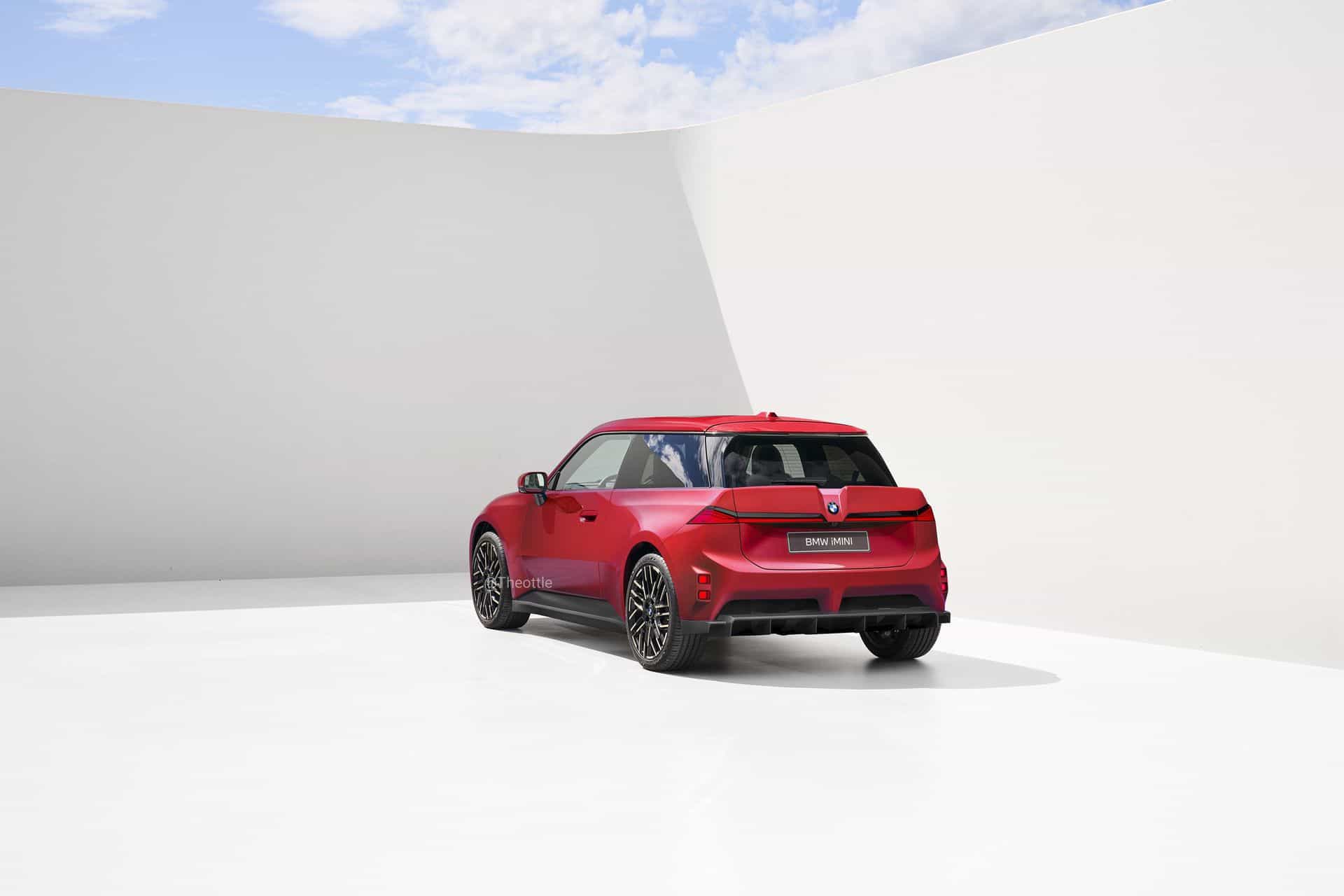
Chin kept the M concept’s shark nose, with the roundel at the tip of the hood and slim kidneys that run into the headlight band. The yellow daytime running lights, borrowed from BMW’s M Hybrid V8 Le Mans racer, sit at the outer edges, and vertical light pods in the bumper corners stand in for the concept’s new Track Lights. A dark hood vent, a front splitter and a rear diffuser finish the M treatment.
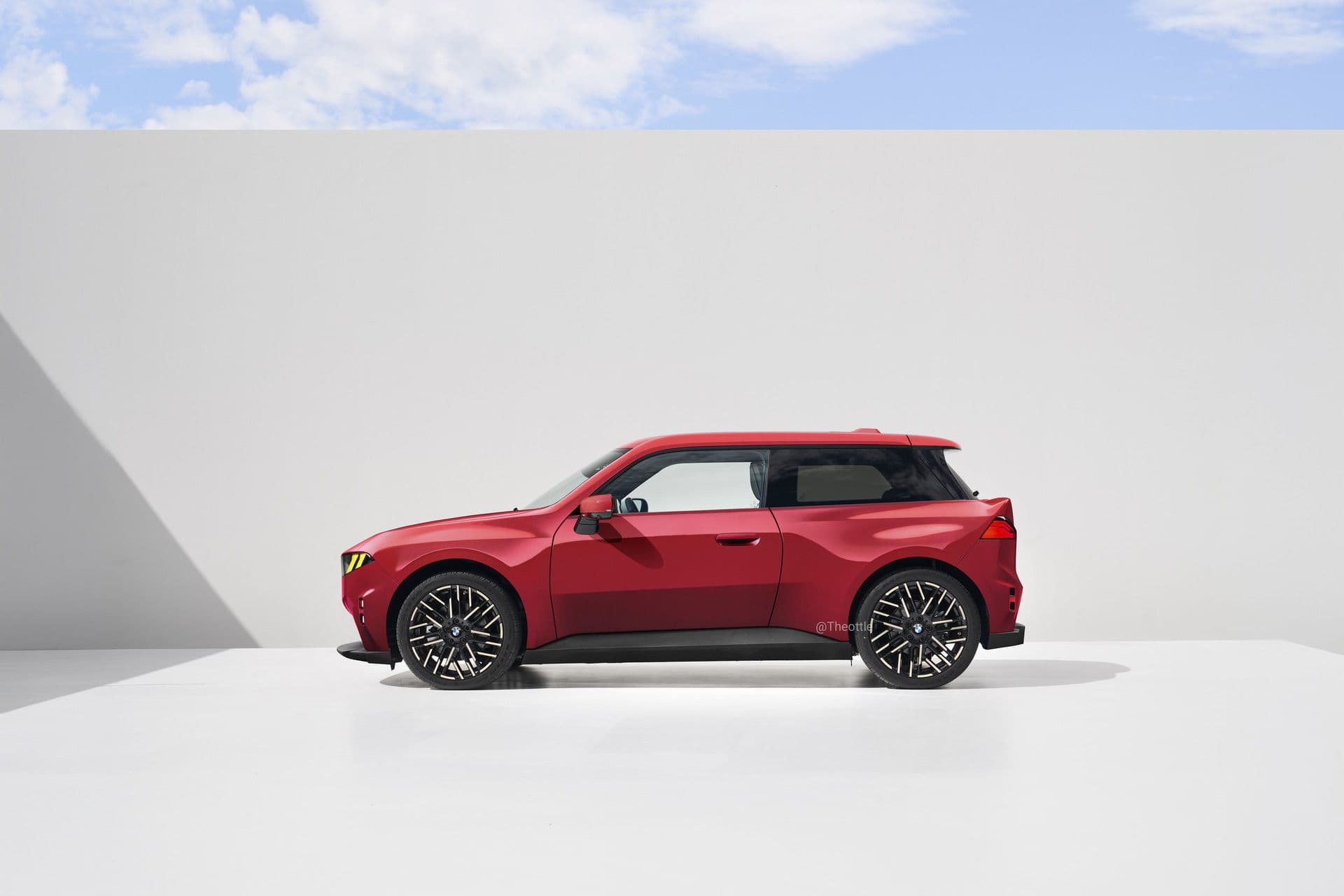
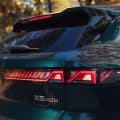
From the side, it’s still a MINI, with short overhangs, an upright glasshouse and a floating roof. Out back, a full-width light bar crosses the tailgate above a “BMW iMINI” plate. The proportions fight the face a little, though: the Neue Klasse nose was drawn for a long, low sedan, and on a car this short it makes the front end look heavy.
How A 1991 Electric City Car Inspired The Name

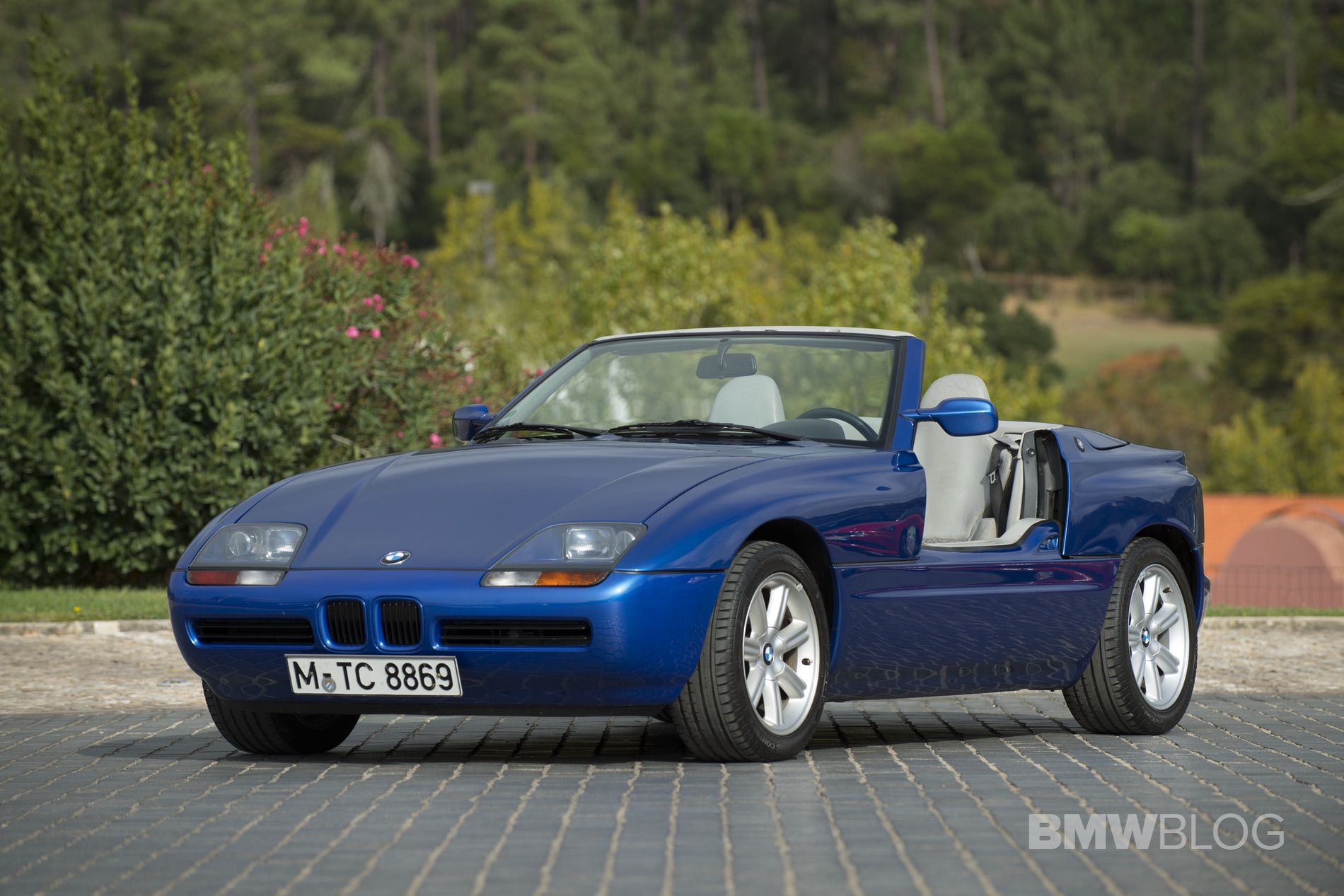
Chin said the Z11 kept coming to mind while he worked. BMW Technik developed it under that internal code and showed it as the E1, a three-door, four-seat electric city car built around an extruded aluminum spaceframe with mostly recycled plastic body panels. A 32 kW (43 hp) motor drove the rear wheels, top speed was 120 km/h (75 mph), and range was about 200 km (124 miles). It never reached production, but it’s the closest thing the 2013 i3 has to an ancestor.
As for the name, i1 is probably spoken for. BMW confirmed in September that it will add an entry-level Neue Klasse EV for Europe in 2028, and we expect that car, known internally as NB0, to wear the i1 badge. That leaves iMINI, which at least tells you exactly what you’re looking at.
Will Future MINIs Look Like Neue Klasse BMWs?
We don’t think so. MINI’s design rests on round headlights, the MINI grille, the floating roof and wheels pushed to the corners, and a BMW face would erase the first two. In our August report on the next Cooper, MINI design boss Holger Hampf made clear that its proportions and three-door body are non-negotiable. The bigger change will happen underneath. According to our sources, MINI’s future electric cars will move to BMW’s all-electric Neue Klasse architecture, something we first reported in February 2025.
The next electric Countryman is expected to make the switch, and the next electric Cooper is reportedly lined up for the same Gen6 hardware. BMW has said its Neue Klasse EVs will never use a single front motor, so those MINIs could be rear-wheel drive for the first time in the brand’s history. Gas-powered Coopers are expected to stay on the front-drive FAAR platform. Chin may have drawn the wrong face on the right car. A small electric hatchback with BMW hardware and rear-wheel drive is what the E1 was in 1991, and it’s roughly what our sources say MINI is building next, only with round headlights.