Article Summary
- BMW Australia will introduce Euro 7-compliant gasoline and diesel engines across all new combustion models launched from now on.
- The commitment means Australian customers will get the same latest-generation combustion engines offered in Europe.
- Australia hasn't announced a timeline for adopting Euro 7 emissions regulations.
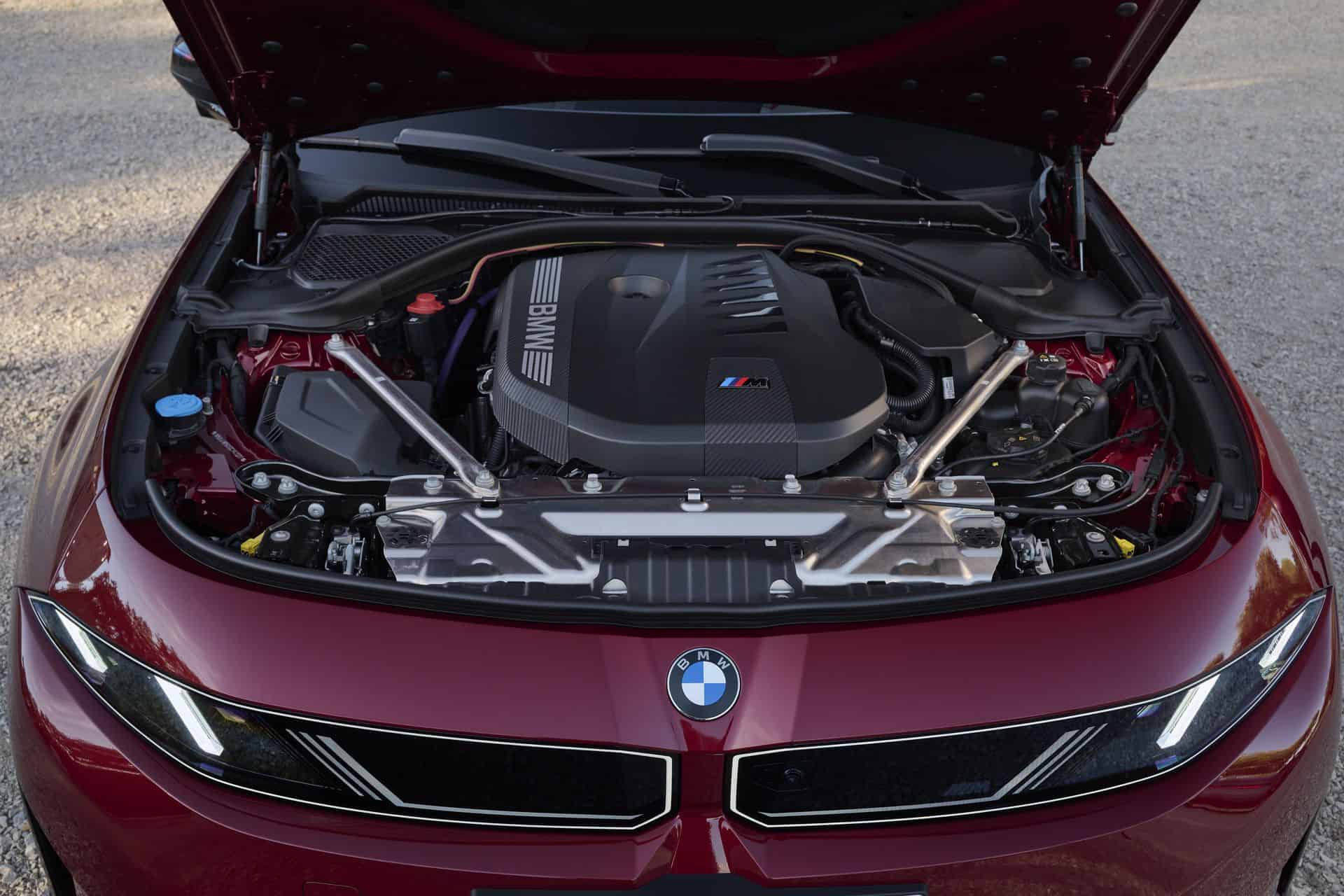
BMW isn’t waiting for Australia to catch up with Europe’s increasingly stringent emissions regulations. The German luxury automaker has confirmed that every new gasoline and diesel model it launches Down Under from now on will feature engines meeting the latest Euro 7 emissions standards.
The commitment is particularly interesting because Australia hasn’t announced a timetable for introducing Euro 7 legislation. In fact, the country is only gradually transitioning to Euro 6d-equivalent requirements, which became mandatory for newly approved light vehicle models last December.
“We’re getting the latest EU7 emission standard engines out of Munich… for all of our new internal combustion engine models that we launch from now on,” BMW Australia’s head of product, Brendan Michel, told CarExpert.
In other words, Australian customers won’t have to settle for older, less stringent engine specifications simply because local regulations allow them. BMW intends to standardize its latest combustion-engine technology across markets, regardless of when individual countries make the corresponding regulations mandatory.

Euro 7 Is About More Than Exhaust Emissions
Europe’s Euro 7 regulations will apply to newly approved cars from November 29, 2026, before extending to all new vehicles a year later. The legislation introduces tighter requirements for smaller exhaust particles, new limits on brake and tire particle emissions, longer periods of exhaust emissions compliance, and expanded monitoring of vehicle efficiency.
However, there’s an important distinction. Euro 7 doesn’t actually tighten the existing limits for major exhaust pollutants such as nitrogen oxides (NOx) and carbon monoxide (CO). That means BMW’s decision to introduce compliant engines in Australia shouldn’t automatically be interpreted as a promise of dramatically cleaner or more efficient powertrains.


BMW Isn’t Giving Up On Combustion Engines
The move also reinforces BMW’s commitment to keeping internal combustion engines around well into the next decade. Rather than betting everything on battery-electric vehicles, the company continues to develop gasoline and diesel powertrains alongside plug-in hybrids and EVs. Hydrogen fuel-cell technology is also part of the long-term strategy, with BMW planning to introduce the iX5 Hydrogen using this alternative propulsion system in select markets later this decade.
It’s a pragmatic approach at a time when several automakers have reconsidered their ambitious electrification targets from earlier this decade. BMW has repeatedly emphasized its Power of Choice philosophy, allowing customers to choose between different propulsion systems depending on their needs and local market conditions.
Australia’s New Vehicle Efficiency Standard (NVES) adds another reason for the company to improve its combustion engines. The federal government’s fleet-average CO2 targets become progressively more demanding through 2029, putting additional pressure on automakers to reduce emissions across their entire lineups. Interestingly, Australia won’t require all new light vehicles to meet the current Euro 6d-equivalent requirements until July 2028. There is still no announced timetable for Euro 7.
BMW, however, isn’t waiting around. By bringing its latest European-specification combustion engines to Australia, the company is effectively preparing its lineup for regulations that haven’t even arrived Down Under yet. And with gasoline and diesel models expected to remain part of BMW’s portfolio for years to come, that’s probably a sensible move.
Source: CarExpert