Article Summary
- BMW is accelerating the Neue Klasse production ramp-up as demand for its next-generation electric vehicles exceeds expectations.
- Faster Neue Klasse production could help BMW transition away from older electric models without leaving gaps in its EV lineup.
- Faster production growth could allow BMW to retire some existing EVs ahead of schedule.
BMW is accelerating the rollout of its Neue Klasse architecture as demand for its next-generation electric vehicles exceeds expectations. The German automaker is moving faster than planned at several manufacturing locations, with experience gained from launching the new iX3 helping shorten production ramp-up times elsewhere.
The first Neue Klasse model, built at BMW’s new factory in Debrecen, Hungary, has generated more than 100,000 orders since order books opened in September 2025. That encouraging start has given the company confidence to accelerate production at other facilities, according to Raymond Wittmann, BMW’s head of production.
“We are not only meeting our targets but, in some cases, exceeding them,” Wittmann told Automotive News. “That is why we have decided to accelerate the production ramp-up at certain locations beyond our original plans.”
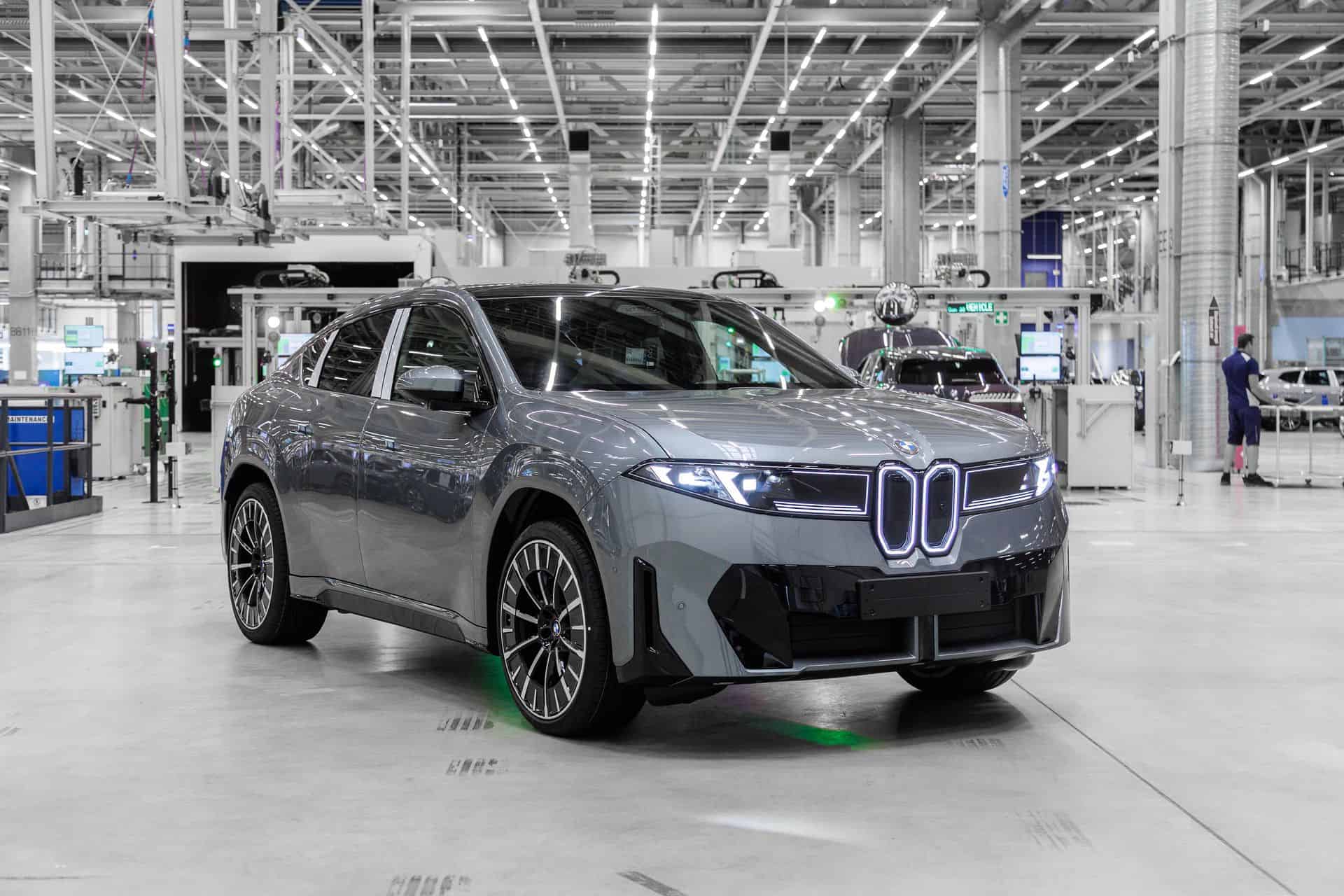
BMW Is Using Debrecen As A Blueprint For Faster Production
The Hungarian factory is proving particularly valuable because BMW can apply the lessons learned there to other locations. Launching an entirely new facility while introducing unfamiliar technologies, suppliers, and manufacturing processes was no small undertaking. However, the experience gained is now helping the company accelerate production elsewhere.
BMW has standardized approximately 90 percent of the equipment used across its Neue Klasse manufacturing sites. That allows the automaker to transfer expertise between factories much faster, rather than developing production processes from scratch at every location.
“Once we have brought a production line up to its target output, we can transfer that knowledge very quickly across our global network,” Wittmann explained.


BMW Is Retiring Older EVs Earlier To Make Way For More Profitable Models
There’s another consequence of this faster production ramp-up: BMW can start phasing out some of its current-generation electric vehicles earlier than originally planned. CEO Milan Nedeljković confirmed that the company has significantly increased Gen6 production this year, allowing it to gradually retire selected models using the older Gen5 battery technology ahead of schedule. BMW hasn’t disclosed which vehicles will be affected, but the move signals a faster transition to the Neue Klasse lineup.
The i4 could be among the first to bow out, as the new i3 effectively takes over its role. The current iX1 could also make way for an entirely different rear-wheel-drive crossover in 2027, while the iX is expected to end in 2028, by which time the larger iX7 and the iX6 should already be on sale.
There’s also a financial incentive behind the accelerated transition. Nedeljković pointed out that Neue Klasse models offer better profit margins thanks to improved cost efficiency and newer technology. In other words, BMW isn’t just building its next-generation EVs faster because customers want them. Prioritizing these models also makes better business sense.

BMW Wants To Keep Production Flexible
Despite investing heavily in dedicated electric-vehicle manufacturing facilities such as Debrecen and Munich, BMW isn’t abandoning its flexible production strategy. Spartanburg, for example, can assemble combustion-engine vehicles, plug-in hybrids, and fully electric models on the same production lines.
Dedicated EV factories make financial sense in markets where electric vehicles have reached sufficient volumes, Wittmann explained. However, facilities such as Dingolfing, Regensburg, and Leipzig will continue manufacturing vehicles with different powertrain types, allowing BMW to adjust output as customer preferences change.
This is particularly relevant given the uneven adoption of electric vehicles across global markets. BMW wants to avoid committing too much capacity to a single powertrain when demand can vary significantly by region.
Source: Automotive News