Article Summary
- The E39 M5 and Z8 share BMW’s naturally aspirated S62 V8, six-speed manual transmission, and rear-wheel drive.
- The lighter Z8 has a better power-to-weight ratio and a quicker BMW-claimed 0–60 mph time.
- The M5 offers four doors and room for five, while the Z8 is a two-seat roadster with a smaller cargo area.
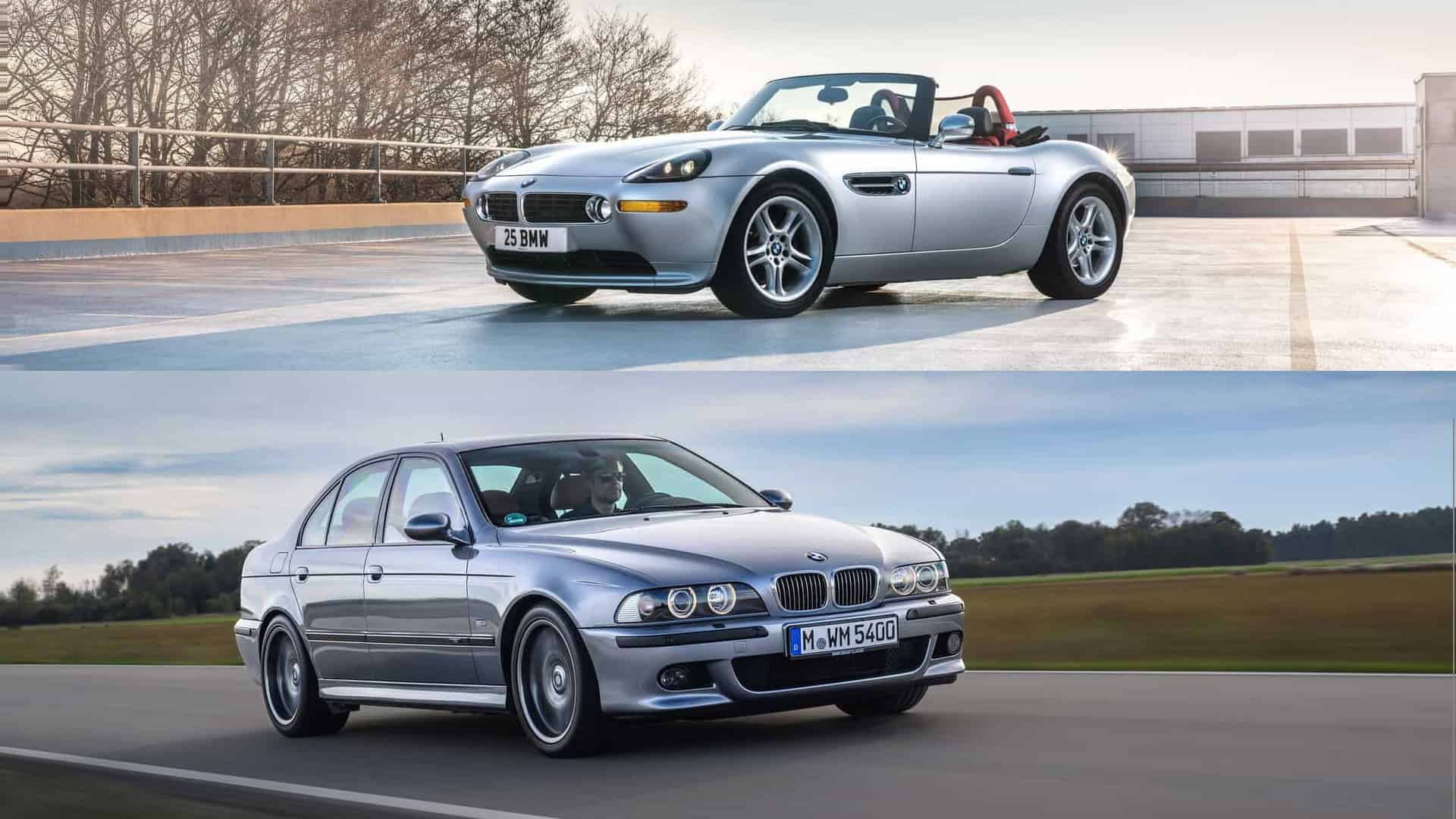
BMW didn’t need two different V8s to build two very different 394-horsepower (400 PS) cars. The E39 M5 and E52 Z8 share the same 4.9-liter S62 V8, sending and identical 369 lb-ft (500 Nm) of torque to the rear wheels through a six-speed manual transmission. But that’s where the similarities stop. One is a four-door sports sedan with room for five; the other is a two-seat roadster made almost entirely out of lightweight aluminum. So, with the same engine and output, which BMW makes better use of its numbers?
Same V8, Different Mission

The shared engine gives both cars a serious character. The S62 engine is naturally aspirated, and its peak horsepower arrives at a screaming (for a V8) 6,600 rpm. It rewards a driver who’s willing to work the six-speed gearbox. That said, it still has enough midrange pull to make either car feel quick without a downshift. After all, peak torque is available from 3,800 rpm. BMW developed the engine for the M5 before also using it in the Z8.
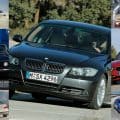
The M5’s numbers are impressive for a sedan from the turn of the century. It weighs around 3,859 pounds (1,750 kg), but BMW still claimed a 4.8-second sprint to 60 mph. It also has a limited-slip differential and a chassis tuned by BMW M, giving it the tools to put that V8 power down with composure. And when the drive is over, there are four doors and a usable back seat.

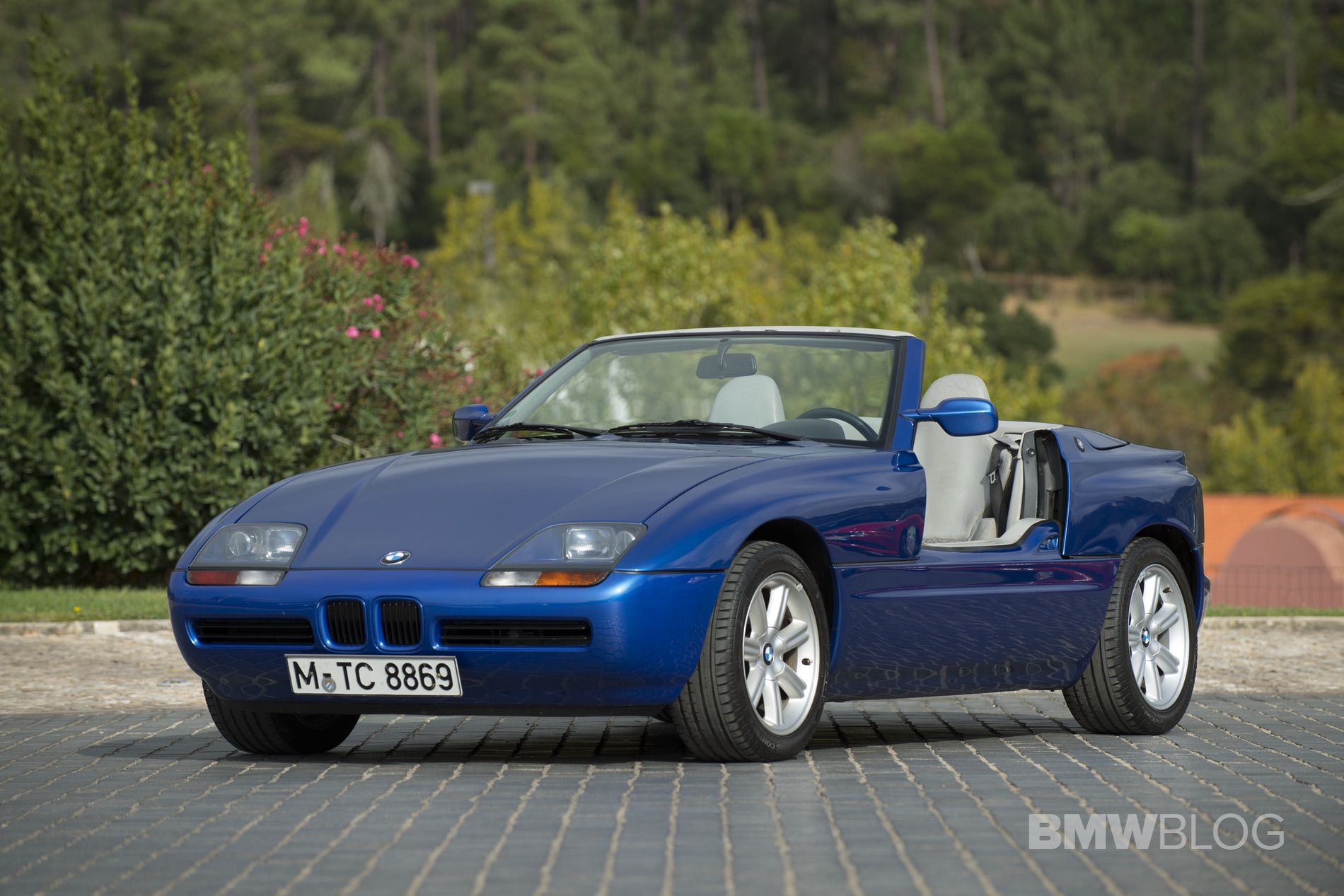
The Z8 starts with a nearly 400-pound weight advantage. Its 3,494-pound (1,585 kg) curb weight gives it a better power-to-weight ratio, and BMW’s claimed 4.5-second run to 60 mph is three-tenths quicker than the M5’s. The roadster enjoys the benefits of an aluminum body and frame, and a near-perfect 50.8/49.2 front-to-rear weight distribution. Those figures suit a car designed to feel special on a winding road, with the open-air experience adding to the occasion.
Of course, there’s trade-offs here. The Z8 asks more of its owner. It seats two, and its cargo area measures just 5.1 cubic feet. The M5 is quicker than most sedans of its era, yet it can still carry passengers and luggage. The Z8 is the more focused sports car; the M5 is the one that can handle more of everyday life without giving up the engine, transmission, or rear-wheel-drive layout.
Which One Wins?
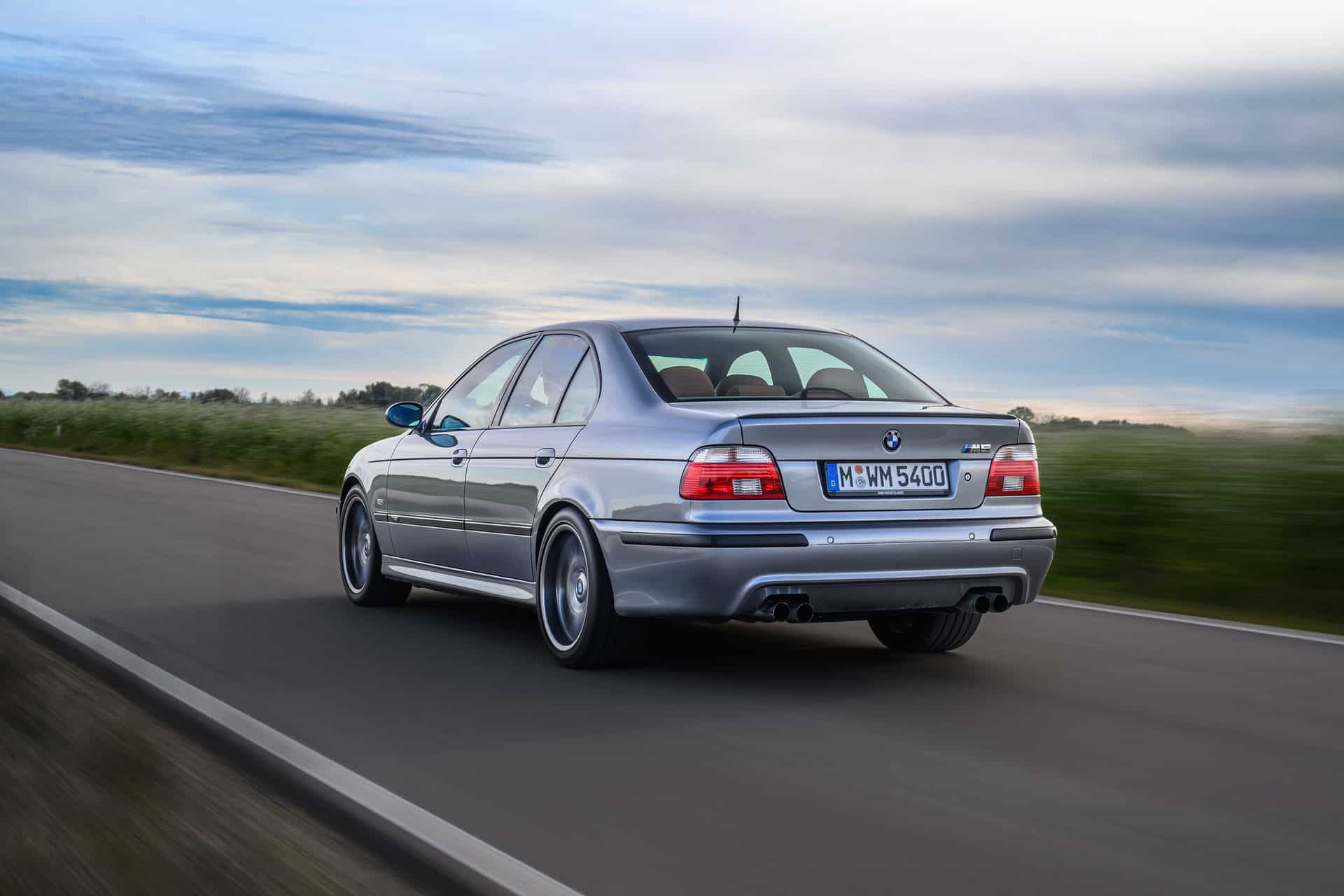
The Z8 wins on power-to-weight and BMW’s claimed acceleration, while its aluminum construction and roadster layout give it a stronger sense of occasion. It’s also considerably prettier; while the E39 is certainly no slouch, the Z8’s lines and ample unique bits (neon taillights, anyone?) give it gravity above and beyond any four-door M car. That is, however, a bit of a double-edged sword. Almost any E52 is now worth exponentially more than even the nicest E39 M5. Other than some parts sharing with the equally rare ALPINA Roadster V8, messing up anything body-wise on the Z8 could make for some very long downtime and expensive repair bills. Ultimately, the value of each car today is the number that decides the victor of today’s “By the Numbers.”
Meanwhile, the E39 M5 is a fairly realistic candidate for an every-day car even 20 years later. It gives up some speed on paper, but not much, and loses some the sense of occasion. But it also adds the space and comfort of a proper sedan. With production numbers orders of magnitude above the Z8—and many bits shared with the pedestrian 5 Series—it’s easy to drive an E39 M5 like the daily driver it was meant to be. Thanks to the same V8 and manual gearbox, the M5 delivers most of the Z8’s performance while fitting more easily into daily life. For this comparison, that balance makes the E39 M5 the winner.
| Specification | BMW E39 M5 Sedan | BMW Z8 Roadster |
|---|---|---|
| Engine | 4.9-liter naturally aspirated V8 | 4.9-liter naturally aspirated V8 |
| Horsepower | 394 hp | 394 hp |
| Torque | 368 lb-ft | 368 lb-ft |
| Transmission | Six-speed manual | Six-speed manual |
| Driven wheels | Rear | Rear |
| Curb weight | 3,859 pounds | 3,494 pounds |
| Power/weight ratio (hp/lb) | 0.1020 | 0.1127 |
| BMW-claimed 0–60 mph | 4.8 seconds | 4.5 seconds |
| Length | 188.3 inches | 173.2 inches |
| Wheelbase | 111.4 inches | 98.6 inches |
| Seats | Five | Two |