Article Summary
- The BMW XM and M5 Touring have more in common than their reputations suggest, sharing a plug-in hybrid V8 powertrain, xDrive, similar EV range, and major braking hardware.
- The XM’s issue was never really the hybrid M formula. The M5 Touring proves the concept can work when the package has clearer intent, better proportions, and more cohesive tuning.
- With a softer brief, smaller wheels, a less confrontational design, and a lower price, the XM might have landed as a compelling X8 M60e instead of a polarizing flagship M SUV.
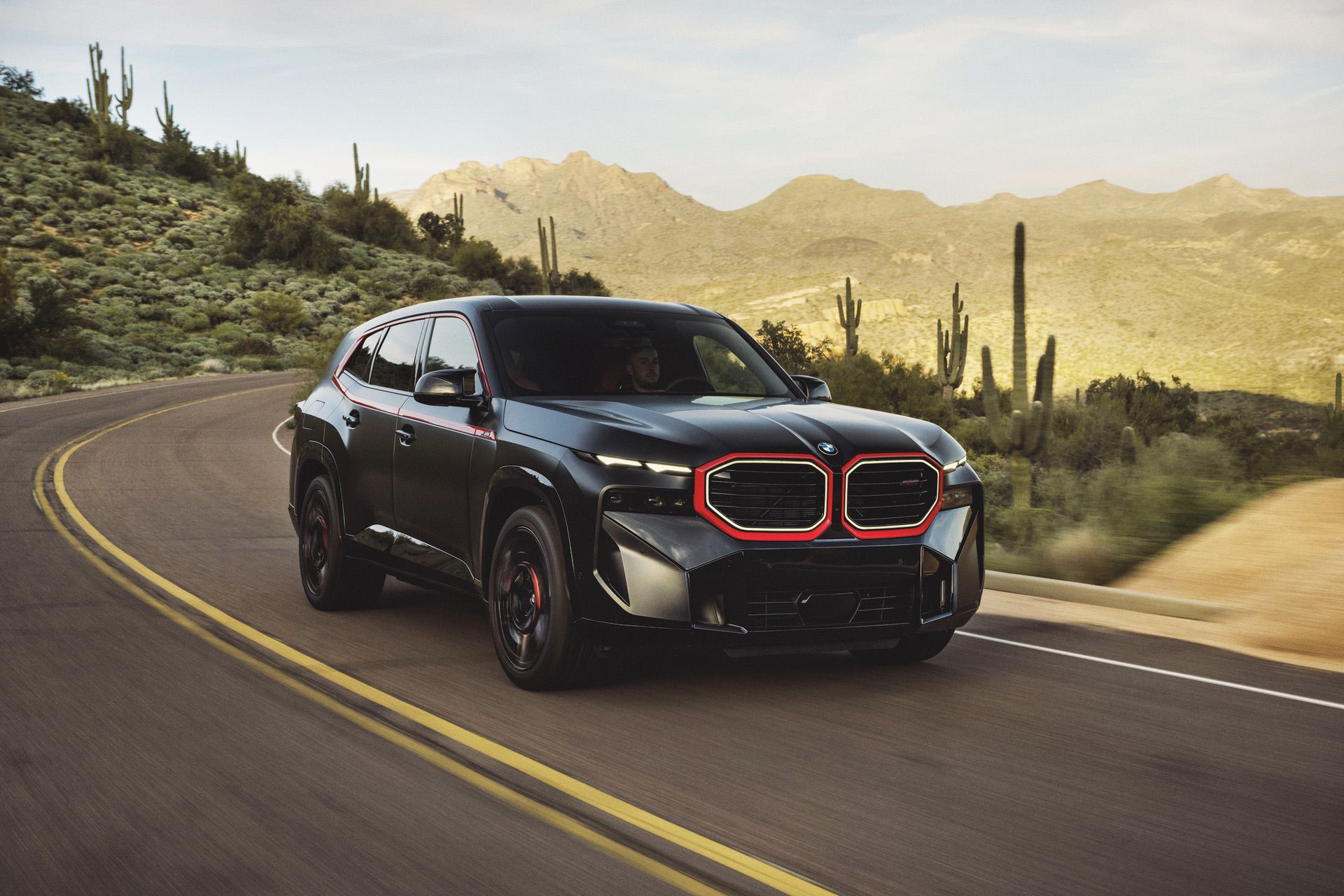
It’s a bit of a cliché, but it’s also true: the BMW XM is one of the most controversial BMWs ever produced. Narrow that down to BMW M models and it probably moves up to the number one spot — I can’t think of a more polarizing model to wear the M badge. Between its otherworldly aesthetic and hybrid powertrain, even forward-facing enthusiasts had a lot to scrutinize. For purists — at least the ones that didn’t immediately dismiss the car and/or brand’s direction immediately — it’s an even more bitter pill to swallow. It only became even more of a choking hazard when reviews and drive impressions trickled out: lo and behold, the “flagship M vehicle” was less of an M and more of an “um.”
Now, I have always been fairly lenient — even more so than my constituents — with the XM. The SUV drove pretty great, all things considered. After all, there’s only so mad you can be with 717 hp (535 kW) (738 hp / 543 kW in the Label model) under your right foot. Like most of the writers here at BMWBLOG, I think the XM’s problems stem from the car’s apparent identity crisis. It could’ve been so much more — all it took was commitment. I’m even more confident of that statement after spending a week with a car much more well-received (although still controversial) in the enthusiast community, the M5 Touring.
The M5 and XM: More Similar Than Different?

Despite their differing reputations, both the XM and M5 are built around the same core. At their core, both make do with a plug-in hybrid M powertrain pairing BMW’s 4.4-liter twin-turbo V8 with an electric motor, xDrive all-wheel drive, and an eight-speed automatic transmission. Both make around the same power and both offer around the same electric-only driving range (30 miles / 38 km or so). That complex powertrain comes with the high price of a high curb weight; both are heavy. The M5 Touring weighs in at 5,530 pounds (2,508 kg), and the XM tips the scales at 6,091 pounds (2,763 kg).
Similarities carry on elsewhere, too: when specified with carbon ceramic brakes, the M5 shares the XM’s massive 420 mm front brake discs. Dock 10 mm for the steel stoppers. Regardless of brake choice, you get six-piston fixed-caliper brakes up front and single-piston floating-caliper brakes at the rear. Rear rotor diameter is a shared 398 mm. Both cars utilize a steel suspension rather than an air suspension setup favored by rivals (Audi RS6 Avant, various AMG SUVs). The Touring and XM share almost the same length and width (510/511 cm, 197/200 cm, respectively). Decidedly more obvious, the same iDrive system controls 90-95% of the vehicle functions for both vehicles. How can two similar vehicles behave — and be viewed — so differently?
What Went Wrong?
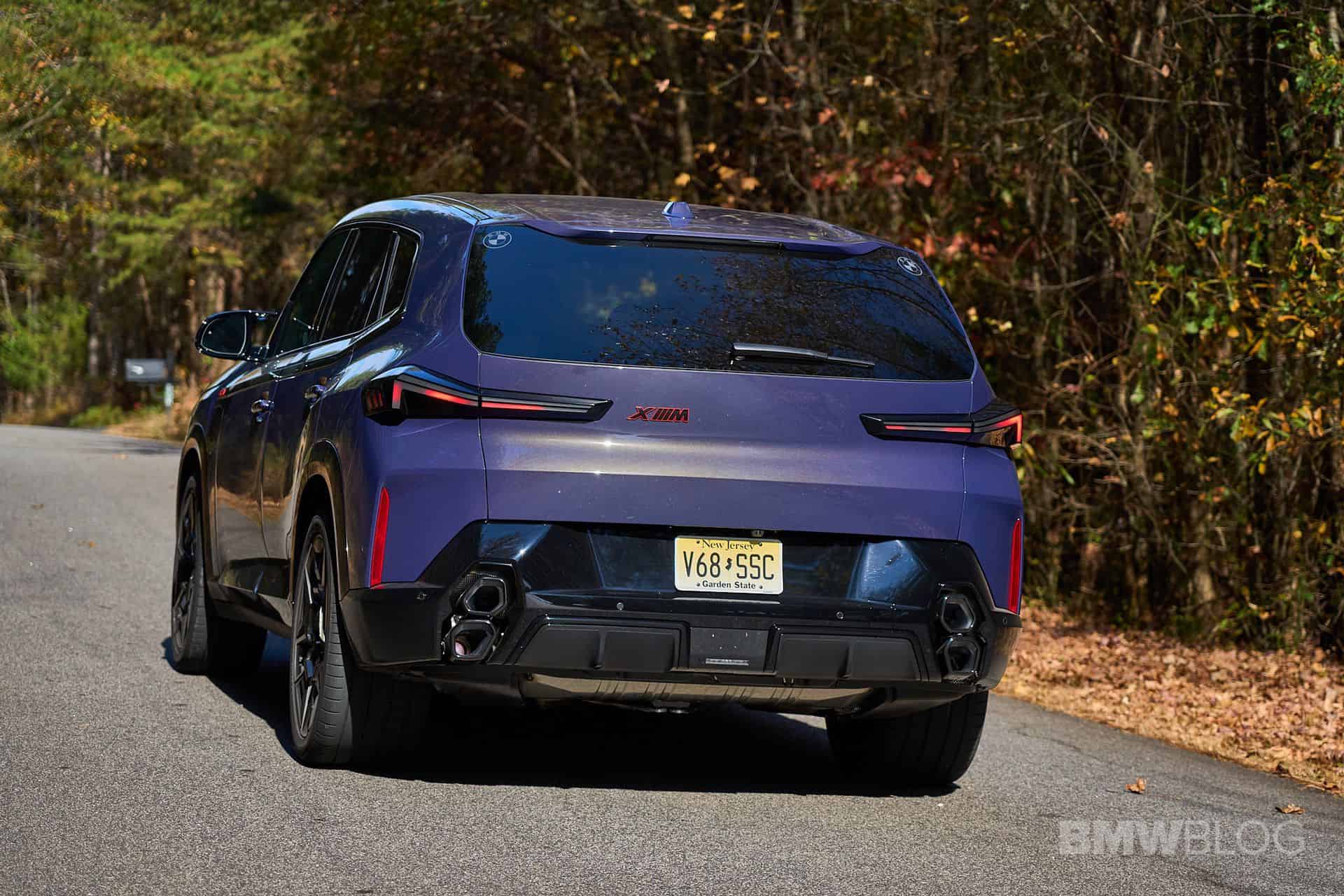
With so much in common, the XM and M5 (particularly the Touring) should drive nearly identical. But the XM’s higher center of gravity (it’s taller) and 500 extra pounds (226 kg) do no favors to it, dynamically speaking. Then there’s the ride quality, which also suffers thanks to massive 22-inch (or larger 23-inch) wheels; the M5 gets to work with a staggered 20/21-inch setup. Obviously, BMW M opted to trade “handling benefits” of larger diameter wheels for comfort. And the XM is markedly worse off for it. The M5 Touring both rides better and performs better; all while fulfilling a similar “SUV-y” goal of being wonderfully practical.
We’ve said it before, but we’re doing it again. The XM could’ve been great. Had it been dubbed the X8 M60e or something similar, its purpose becomes much clearer. Imagine smaller wheels, plusher suspension tuning, and a minor design tone-down — even just 5% or 10% less alien. While no fan of the car’s looks, as I alluded to in my BMW XM review, they’re subjective and I understand there’s a segment interested in standing out. Factor in a light price drop — maybe something mirroring the ludicrous discounts offered to U.S. customers regularly — and the car would’ve been an incredible success. The M5 Touring proved — to me and many others — that hybrid’s not a four-letter word when it comes to M and performance. But even more, it proved that the XM’s concept was sound. Execution, sadly, left so much to be desired.