Article Summary
- The BMW i3 Sedan (NA0) uses secondary materials for nearly a third of its weight.
- The wheels feature 70-percent secondary aluminum.
- Some suspension components use as much as 80 percent secondary material.
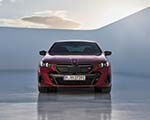
Some car industry regulators focus narrowly on tailpipe emissions. However, a more realistic approach considers CO₂ emissions from cradle to grave. BMW has embraced this all-encompassing perspective for its wave of Neue Klasse models.
Following last year’s iX3 launch, the i3 aims to further elevate BMW’s sustainability efforts. About 30% of its weight comes from secondary materials, matching its crossover counterpart. For example, this M-branded wheel in a two-tone design uses up to 80% recycled aluminum.
The proportion of secondary materials is even higher in certain suspension parts. BMW says cast aluminum components, such as the front and rear knuckles, are made with 80% recycled content. In the i3 Sedan, the rear-mounted electric motor features a housing composed of roughly 66% repurposed aluminum.

It’s not just aluminum getting a second life. About 30% of the front bumper trim is made from recycled plastic. At the end of the car’s life, 85% of that plastic can be recycled. It nearly doubles the rate of the front bumper installed on the outgoing 3 Series Sedan (G20). BMW has also cut the number of materials from 15 to just 7, excluding mounted parts.
Eco credentials continue inside the cabin. The upper fabric for the Econeer seat covers is made entirely from recycled PET and is easily removable for better dismantling at the end of the vehicle’s life. Additionally, recycled maritime plastic makes up 30% of the engine compartment cover and the storage compartment under the hood, confirming that the sedan includes a front trunk. Textiles used for the headliner, A-pillars, and parcel shelf are also made entirely from recycled yarn.

According to BMW, the 2026 i3 becomes less harmful to the environment than the 3 Series Sedan after 1–2 years of use. The automaker does note that this depends on annual mileage and the source of electricity used to recharge the battery. BMW says it has reduced supply chain CO₂e emissions by roughly a third during development.
At the Munich plant, where the i3 will be built starting in the second half of the year, all electricity comes from renewable sources. About a year after production begins, the oldest plant in BMW’s network will stop making combustion-engine vehicles entirely and switch to EVs.
After its debut on Wednesday, March 18, the new i3 Sedan will go on sale in Europe, with U.S. availability planned for next year.