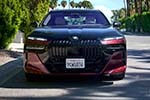
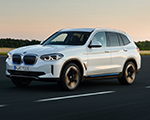
BMW of North America just confirmed the US iX3 50 xDrive gets 112.2 kWh of usable battery capacity. The European version lists 108 kWh. On the surface, the American spec looks better. But both versions use the same physical battery pack—the difference is purely how each market’s regulations and warranty standards allow BMW to manage that capacity.
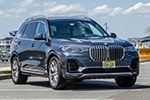
But this gets confusing with plug-in hybrids. The X5 50e presents the opposite dynamic: the US version gets 19.2 kWh usable, while Europeans get 25.7 kWh. That’s a 34 percent difference for the identical car—translating to roughly 40 miles of electric range in the US versus 60+ miles in Europe.
This inconsistency reveals something important: battery capacity specifications aren’t standardized globally. The same physical pack gets managed and reported differently depending on regional regulations, warranty requirements, and testing standards.

Additionally, Europe tests electric range under WLTP—a standard focused on city traffic, suburban cruising, lower speeds, and frequent stops. The US EPA test incorporates highway cycles because American driving patterns heavily emphasize interstate travel. This testing difference creates fundamentally different stress profiles on batteries.
Starting in 2024, the EPA modified how it tests electric vehicles. If an EV offers multiple driving modes (Eco, Comfort, Sport), manufacturers must now test either the worst-case scenario mode only, or average the best-case and worst-case modes together. Either way, the published range reflects a single driving mode, not real-world mixed driving.
The upcoming BMW iX3 (Neue Klasse) is estimated to have an EPA range of around 400 miles, though official EPA certification is pending as it launches in the U.S. in mid-2026. This estimate comes from BMW’s preliminary tests, with the 50 xDrive model. We expect to learn more about the range, pricing, packages and options in March 2026.