Article Summary
- Proved German sport sedans could beat established rivals and directly inspired "The Ultimate Driving Machine" slogan. Without it, there's no 3 Series.
- The first M car proved BMW could build supercar-level performance with comfort and reliability. Launched the entire M brand and the E30 M3.
- BMW's first sporty SUV became a sales juggernaut. Its success transformed BMW into an SUV company and funded the technological dominance we see today.
If you were to list the number of important or impactful BMWs throughout its 100 years of existence, you’d be at it for a while. BMW has important cars dating back to the 1930s, and it’s still pumping out industry-changing machines. However, if you wanted to pinpoint only cars that changed the shape of BMW forever, there are three that stand out far more than the others.
To be considered truly game-changing cars, they have to draw a line in the sand of BMW’s history, bisecting what the brand used to be and what it became afterward. There are plenty of cars that caused BMW to shift a bit, like the E28 M5 and the BMW i3. However, these three cars forever changed the course of BMW’s direction.
BMW 2002
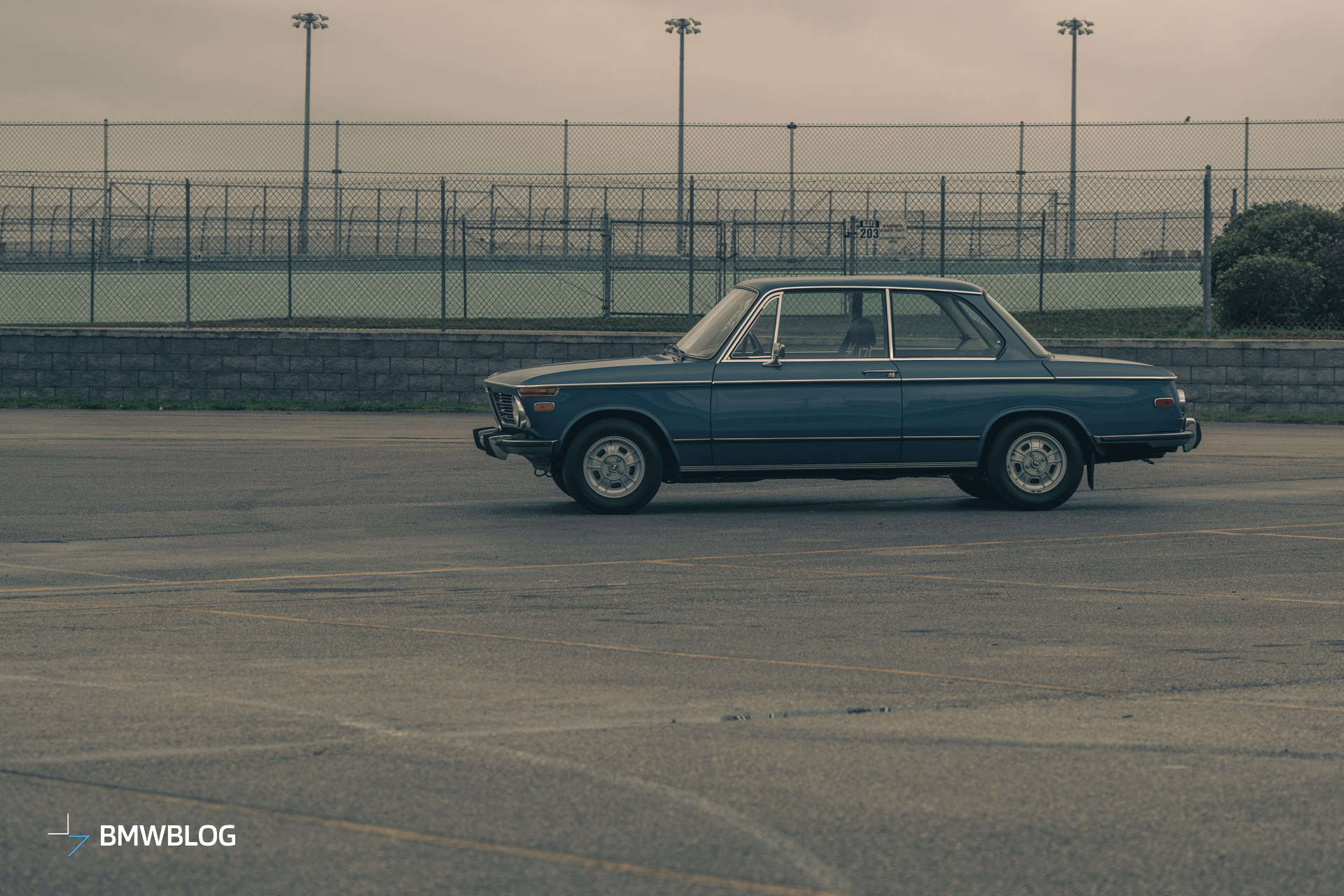
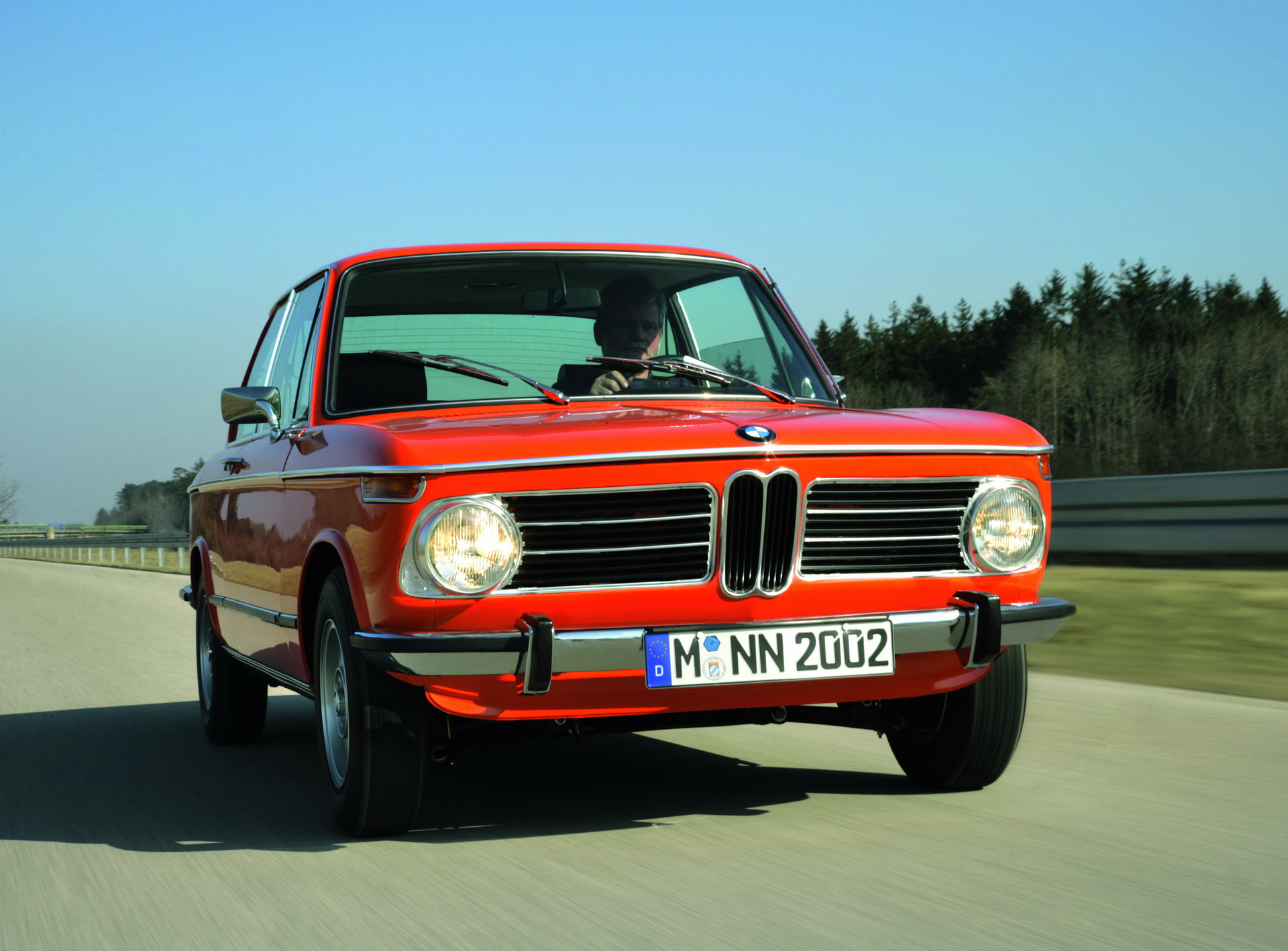
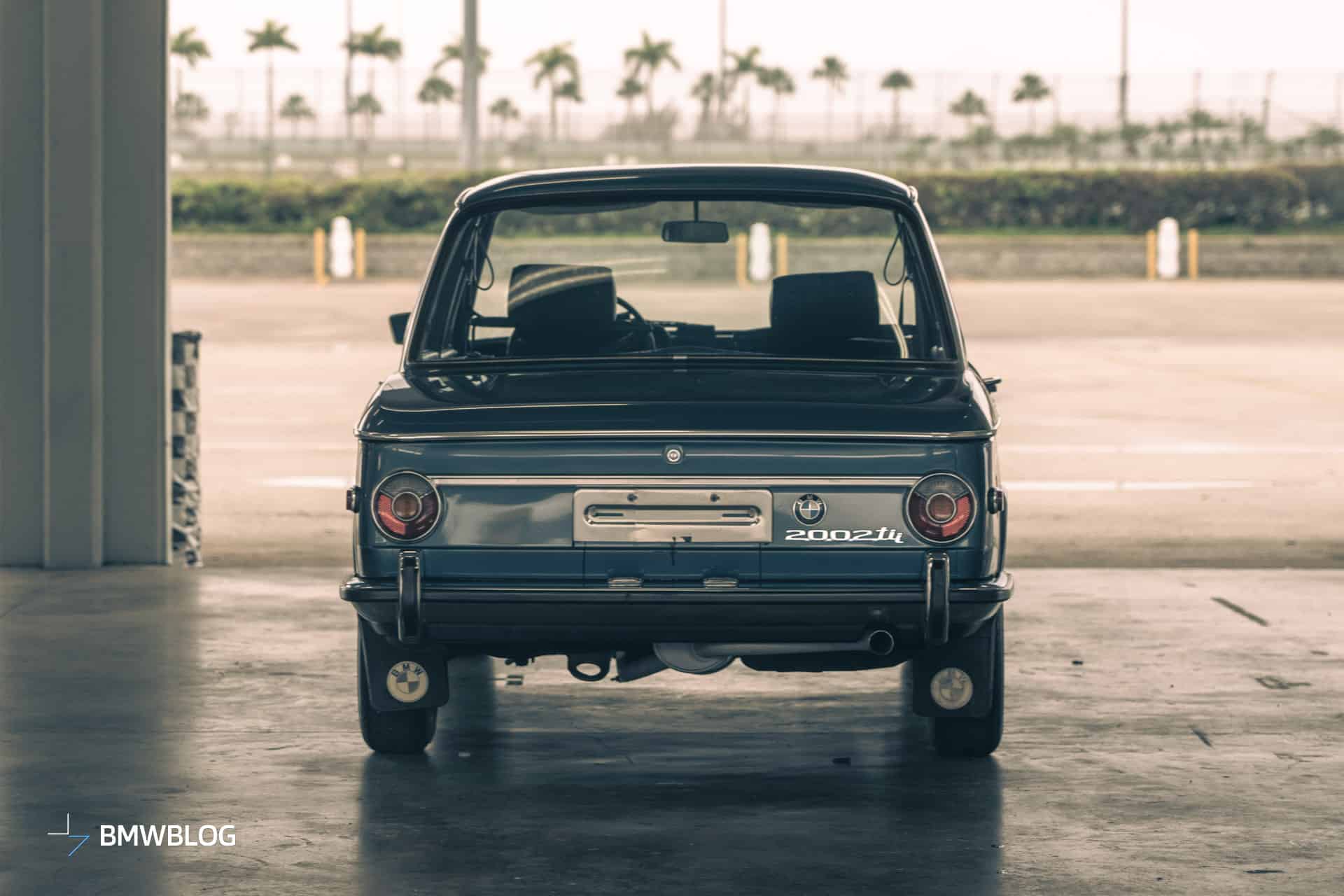
It’s impossible to start this list with anything other than the BMW 2002. Bavaria’s most important car, the BMW 3 Series, doesn’t exist without the 2002. Not only that, but BMW’s “Ultimate Driving Machine” slogan doesn’t exist without the 2002. The car review that’s often considered to be the best car review of all time, and one of the reviews that made me want to write about cars, was David E. Davis’ Car and Driver review of the BMW 2002.
Davis’ words on the 2002 helped change America’s view of German sport sedans, proving to them that lightweight, agile cars with modest power were not only fun but fast enough and capable enough to take down even far more established sports cars. This quote on what the 2002 did to more traditional sports cars, some with bigger engines, will always make me smile: “What you like to look for are Triumphs and Porsches and such. Them you can slaughter, no matter how hard they try. And they always try. They really believe all that jazz about their highly-tuned, super-sophisticated sports machines, and the first couple of drubbings at the hands of the 2002 make them think they’re off on a bad trip or something. But then they learn the awful truth, and they begin to hang back at traffic signals, pretending that they weren’t really racing and all. Ha! Grovel, Morgan. Slink home with your tail between your legs, MG-B. Hide in the garage when you see a BMW coming. If you have to race with something, pick a sick kid on an old bicycle.”
That review reached eyeballs in 1968. Six years later, in 1974, board member and iconic auto exec Bob Lutz pushed BMW to create a unified marketing vision based on performance, rather than luxury, to help set the brand apart, especially in America. When ad agency Ammirati & Puris pitched “The Ultimate Driving Machine,” Lutz and BMW knew immediately it was the one. And with BMW’s newfound car enthusiast market, thanks in no small part to Davis and the 2002, the slogan really meant something. BMW has leaned on that reputation ever since.

The 2002 was the car that first proved to the world that BMW was the real deal. It helped BMW stand out from the other German company, Mercedes-Benz. Without the 2002, there’s no 3 Series, or any of BMW’s iconic sports sedans of today. It was the defining moment for BMW, the car that gave the brand the vision of what it needed to be. It changed BMW forever.
BMW M1

You’ve undoubtedly seen countless M cars on the road, as BMW has been pumping them out in big numbers since the 1980s. However, before the M1, there were no such cars. In the 1970s, BMW’s motorsport division, whose sole responsibility was to build race cars, needed a replacement for its highly successful but aging 3.0 CSL and was going to switch to a mid-engine platform to make one. We’ve detailed the M1’s history before, but the cliffnotes version is that the M1 was created as a road car for homologation purposes, so BMW could race it in various touring car classes.
While it didn’t sell very well, because the road car project was a bit of a mess that ballooned the production costs far too high, thus making the customers’ price far too high, it still changed the brand forever. For the first time, BMW was selling a “motorsport” product, with an “M” badge in its name and the motorsport division’s colors. It was the first M car, and the world took notice.
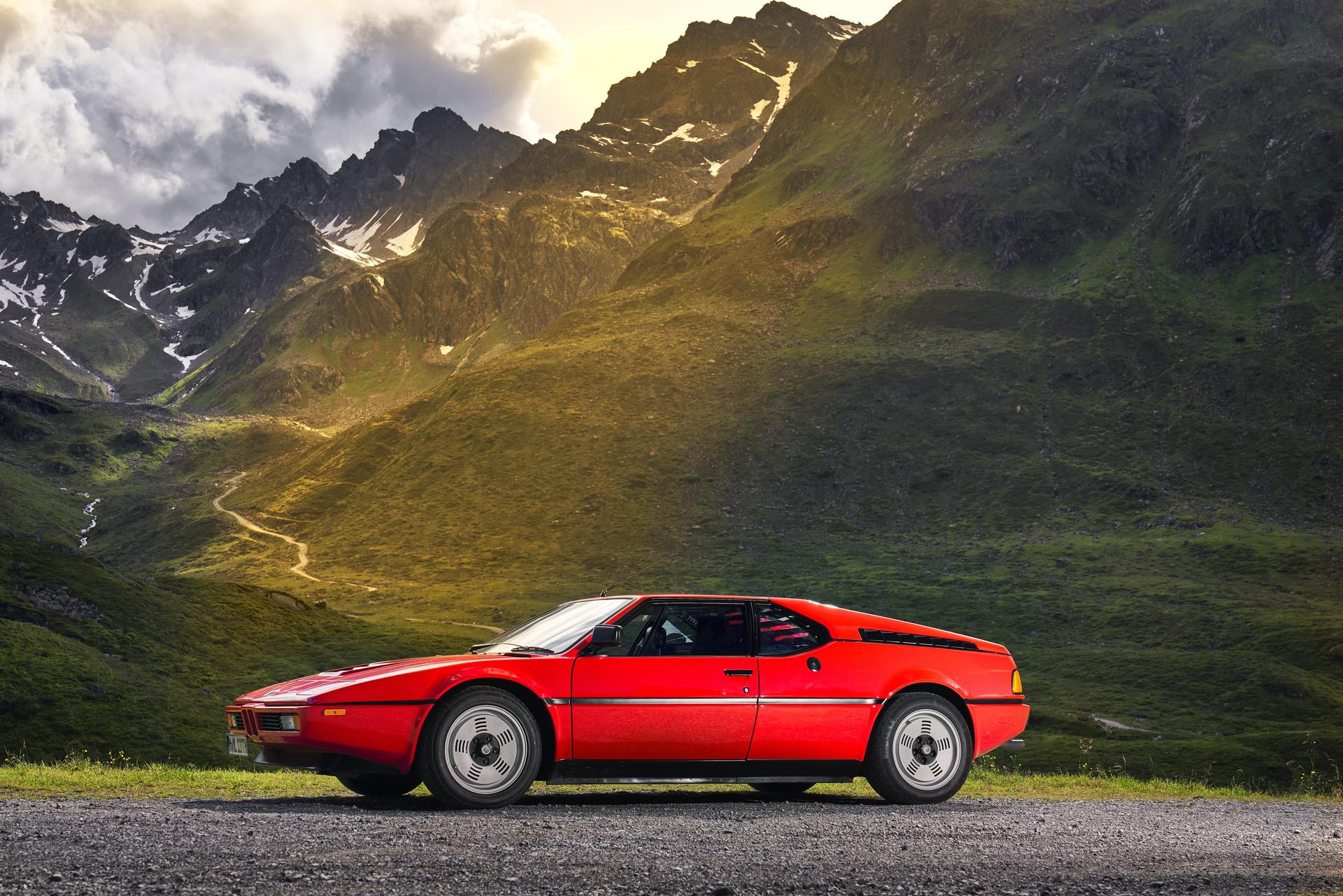
Even without the significance of its badge, the BMW M1 was a massive turning point for the brand. Despite its sales failure, the M1 was a sensational machine. Its gorgeous Giugiaro-penned wedge shape looked every bit as exotic as anything from Lamborghini or Ferrari, yet it was comfy inside and had an actual usable interior, something Italian brands couldn’t always boast. And while its 3.5-liter straight-six wasn’t as exotic on paper as Italian V12s, the power it delivered and noise it made both very much were. The BMW M1 proved that BMW could make performance machines on par with the best supercar makers in the world, while delivering a level of comfort, refinement, and reliability that wasn’t typically seen from such cars. Not only did it prove that to the world, it proved that to BMW, too.
After the M1, BMW built the first mass-produced M car, the E28 M5. Then the E30 M3. And the rest is history. But none of that would have happened, nor would the M division even exist, with the M1. And now that every BMW seems to have an “M” badge on it, whether it was built in Garching or not, it would seem that the M1 changed far more than just performance cars, but the face of the brand altogether.
BMW X5

For a brand built on its reputation for building sports cars and surprisingly nimble luxury cars, it’s odd that one of its most impactful vehicles was actually a luxury SUV. However, the original E53-generation X5 marked a radical shift in BMW’s history, one that set it on a course to become one of the biggest and most profitable automakers in the world.
In the late ’90s, BMW was smart and saw the writing on the wall. It understood that North America was, and would continue to be, its biggest market, and it saw how SUV-crazy American customers were. Cars like the Ford Explorer, Chevy Tahoe, and even the Mercedes-Benz ML-Class were dominating suburban driveways, and BMW wanted in on the market. So it set out to build its first-ever SUV, but it did so in the only way it knew how. BMW made it sporty.
With buzzy straight-six and muscly V8 engines, the BMW X5 was no ordinary people mover. It was quick and made great noises, regardless of which engine was under the hood. Furthermore, it steered and handled more like a tall sports car than a lumbering body-on-frame SUV. Despite its sportier handling and plush ride, it wasn’t bad off-road, either. It proved that SUVs needn’t be boring, a lesson that Porsche followed (and admittedly improved upon) with the first-gen Cayenne. However, the sporty SUVs of today all owe their existence to the first-gen X5.

The O.G. X5 was more than just influential, though. It was also a smashing sales success. The X5 was so successful that BMW couldn’t help but become just as much of an SUV company as it was a sports car company. The people wanted BMW SUVs, especially in America. Soon after, BMW launched the X3, and the rest is history. There’s a BMW SUV in every segment possible, and more. BMW made up SUV segments, with cars like the X6, X4, and X2, segments that would be copied by every other automaker in the world. And its massive rise in SUV models meant a massive rise in sales and profitability. The success of the first-gen X5, and its subsequent SUV siblings, gave BMW the financial means to be the automotive technological powerhouse that it is. BMW isn’t the company it is today without the first-gen X5.
Some enthusiasts might argue that’s a bad thing, that the original X5 forced BMW to stray too far from its roots in pursuit of big bags of cash. And maybe that’s true, maybe BMW would still be a small but profitable sports car maker if it never bought into the SUV craze. However, I’d argue that BMW’s recent diversion from its “Ultimate Driving Machine” ethos has more to do with the brand chasing universal customer appreciation than vehicle types. Look at Porsche. It makes SUVs, EVs, wagons, and sedans, but all of them drive like Porsches. So any frustrations with BMW’s current vehicle lineup aren’t the fault of the original X5 because that car drove like a BMW. The original X5 was a monumental achievement, one that stunned the world and changed BMW forever. It deserves its place among the all-greats.