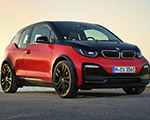
Electric vehicles used to be little more than a footnote in BMW Group’s sales charts over the past decade. It’s safe to say that a lot has changed since the oddball i3 hatchback went on sale in 2013. Demand blossomed on the back of a product onslaught across the group’s three automotive brands. The last five years, in particular, have been nothing short of spectacular, with annual deliveries rising tenfold.
Let’s look at the numbers. The BMW Group sold 44,541 cars without a combustion engine in 2020. Last year, BMW, MINI, and Rolls-Royce delivered 442,072 vehicles that were entirely electric. Unsurprisingly, the share of EVs in total sales has skyrocketed, climbing from 1.9% in 2020 to 18% last year.
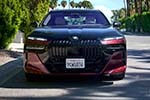
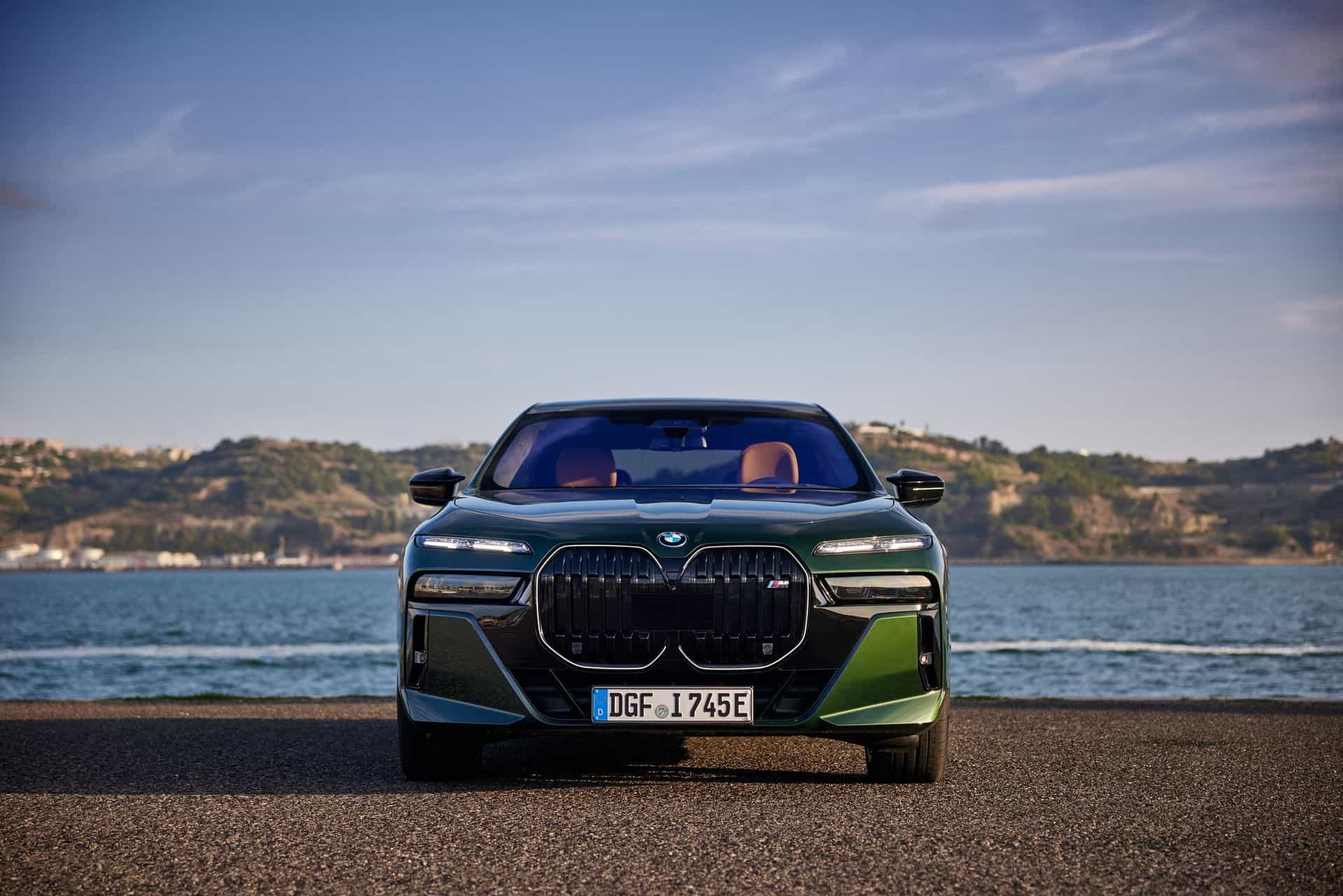
This surge comes just ahead of the arrival of what is arguably the most important electric BMW to date: the iX3. Early signs suggest the first modern Neue Klasse model will be a commercial hit, with demand in Europe already covering most of this year’s production run. The lineup will expand further in 2026 with two key models, the i3 and iX5. In addition, the i7 is set to receive a nip and tuck, complete with an ALPINA twist.

Another interesting statistic emerges once plug-in hybrids are factored in. In 2020, the combined share of PHEVs and EVs in total sales stood at just 8.3%. Last year, that figure jumped to 26%, after the BMW Group sold 642,087 vehicles pairing a combustion engine with an electric motor. In other words, more than one in four cars sold was electrified.
It’s worth noting that BMW is the only brand in the group still offering plug-in hybrids. MINI dropped the Countryman PHEV with the current generation of the crossover. As for Rolls-Royce, it has never offered one and is unlikely to do so. For the British marque, it’s V12 or electric, and nothing in between.


Looking ahead, the BMW Group is aiming for electric vehicles to account for half of its annual sales by 2030. To support that ambition, the i3 and iX5 will be followed by several additional EVs. While the i3 Touring, iX4, and iX6 have yet to be officially announced, they are expected to arrive within the next few years.
More importantly from a volume perspective, the i1 hatchback and i2 sedan are reportedly slated to launch toward the end of the decade. Once MINI models also benefit from the Neue Klasse know-how and possibly switch to rear-wheel drive, demand for the more affordable EVs should accelerate even further.