BMW of North America reported full-year 2025 sales of 388,897 vehicles, marking the brand’s third consecutive sales record and a 4.7% increase over 2024. However, the momentum stalled in the fourth quarter, with Q4 sales declining 3.4% compared to the same period last year.
The EV Slowdown Is Real

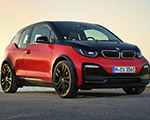
BMW’s BEV sales also tell a cautionary tale for the the industry’s electrification goals. Full-year BEV sales dropped 16.7% to 42,484 vehicles, down from 50,981 in 2024. The decline accelerated in Q4, when BEV sales plummeted 45.5% year-over-year—from 13,876 vehicles in Q4 2024 to just 7,557 in Q4 2025.
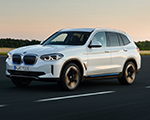
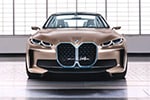
Every major EV model in BMW’s lineup showed weakness. The i4, the brand’s most popular electric vehicle, fell 40.8% in Q4 and 14.1% for the full year. The i5 was hit even harder, with a 67% Q4 decline. The iX, BMW’s electric SUV, dropped 35.7% in Q4 and 18.2% for the full year.
This mirrors declining EV adoption across the U.S. market more broadly, particularly as consumers became more cautious about electric vehicle pricing and charging infrastructure concerns heading into 2026.
Plug-in Hybrids Fill the Gap

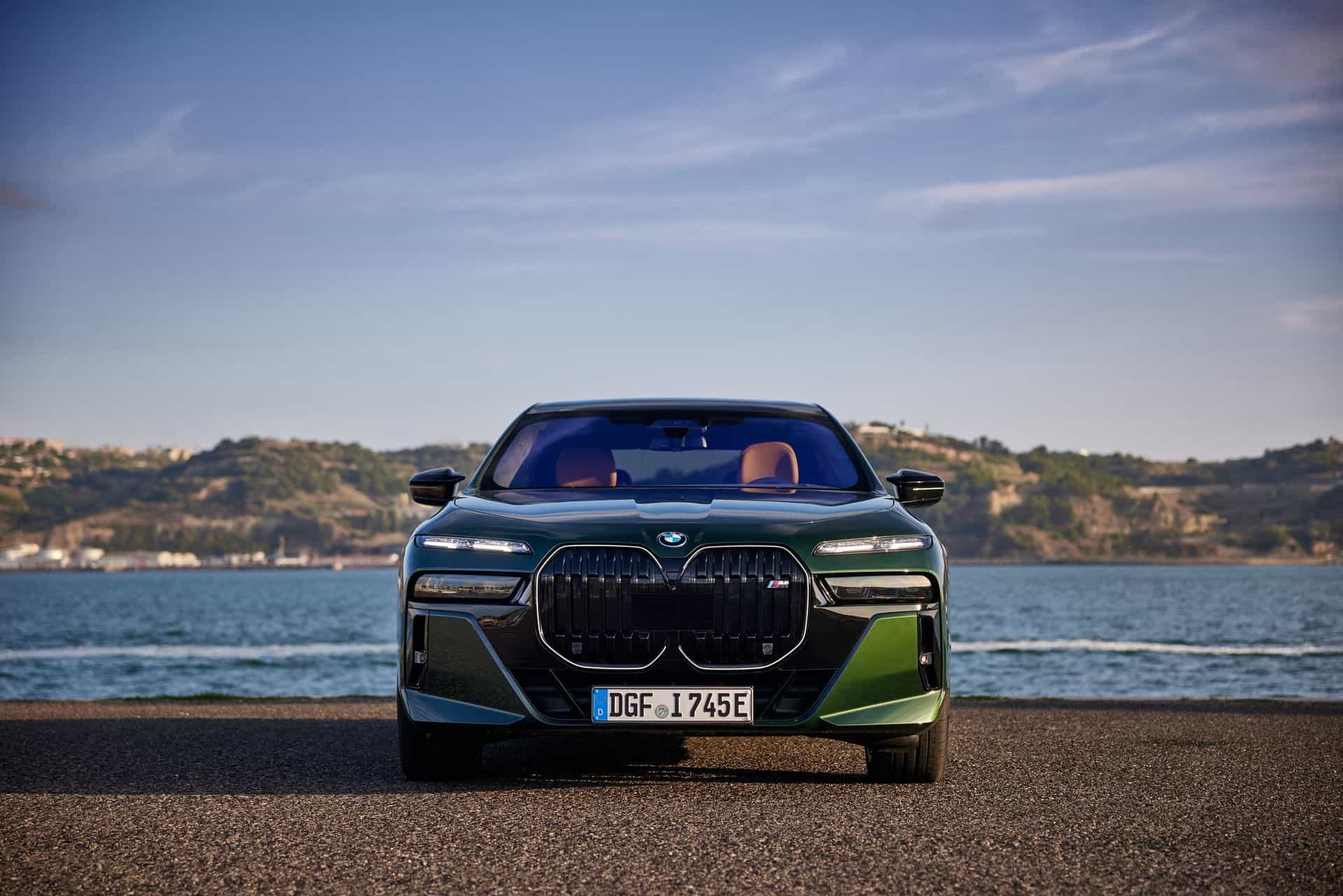
While pure electric sales declined, demand for plug-in hybrid vehicles surged. BMW sold 25,351 PHEVs in 2025, a significant 30.7% increase over 2024’s 19,398 units. In Q4 alone, PHEV sales reached 7,141 vehicles, though this represented a 25.6% decline from Q4 2024’s 9,592.
The contrast is striking: as consumers backed away from fully electric vehicles, they increasingly opted for the flexibility of plug-in hybrids. For BMW, this shift reflects the market reality that many buyers aren’t ready to commit fully to battery electric powertrains.
Light Trucks Drive Overall Growth

BMW’s overall sales growth was buoyed by light truck sales, which rose 4.5% in Q4 and 4.4% for the full year. Passenger car sales, however, continued their industry-wide decline, dropping 13.6% in Q4, though they managed a 5.1% full-year gain.
BMW frames the results optimistically, highlighting the brand’s “technology-open approach” and upcoming product launches. The company plans to introduce the all-new iX3 to the U.S. market later in 2026, along with the recently launched Neue Klasse platform rollout globally.
The iX3 arrives at a critical moment. With EV demand softening, BMW needs a compelling new electric model to reverse the decline in BEV sales. Whether the iX3 can reverse these trends—or whether consumers will continue favoring plug-in hybrids—will be a key storyline for 2026.