Article Summary
- Technical improvements to the S58 and S68 engines have enabled BMW to keep both in production for many years to come.
- The inline-six will power the next-generation G84 M3 Sedan, due in 2028. Another M3 Touring may happen, but it hasn't been confirmed yet.
- BMW will put the larger V8 in M Performance versions of the 7 Series and X5, both due next year.
With emissions regulations getting tighter around the world, you’d think BMW’s biggest engines are living on borrowed time. However, nothing could be further from the truth. The S58 and S68 have both been updated to comply with Euro 7, so they’ll be sticking around for many years to come. How many? It’s hard to say, but both are expected to survive well into the 2030s.
In BMW’s own words, the large-displacement engines will be here “for a long time to come,” according to the man in charge of the M division. Speaking with Bimmer Today on the sidelines of the 2026 Goodwood Festival of Speed, Frank van Meel expressed BMW M’s long-term commitment to the inline-six and V8. Engineers have managed to secure their future, even under Europe’s stringent emissions legislation, through a variety of technical measures.
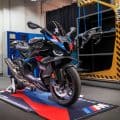
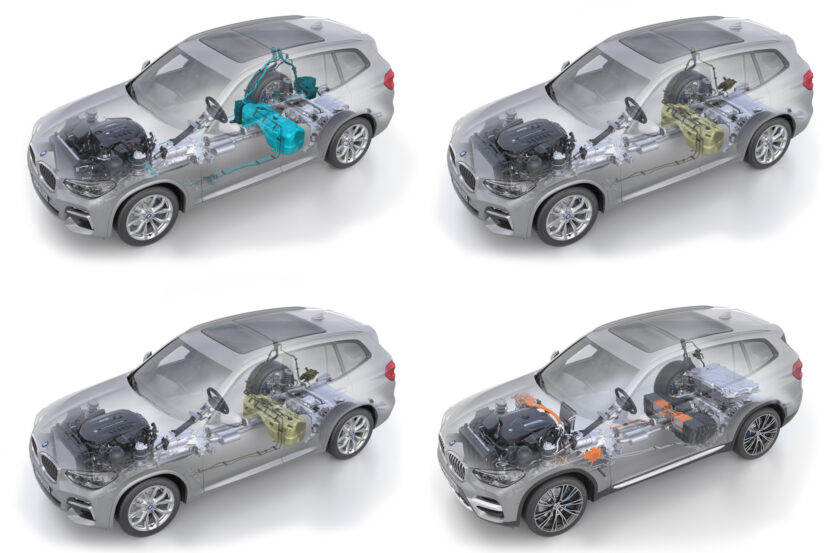
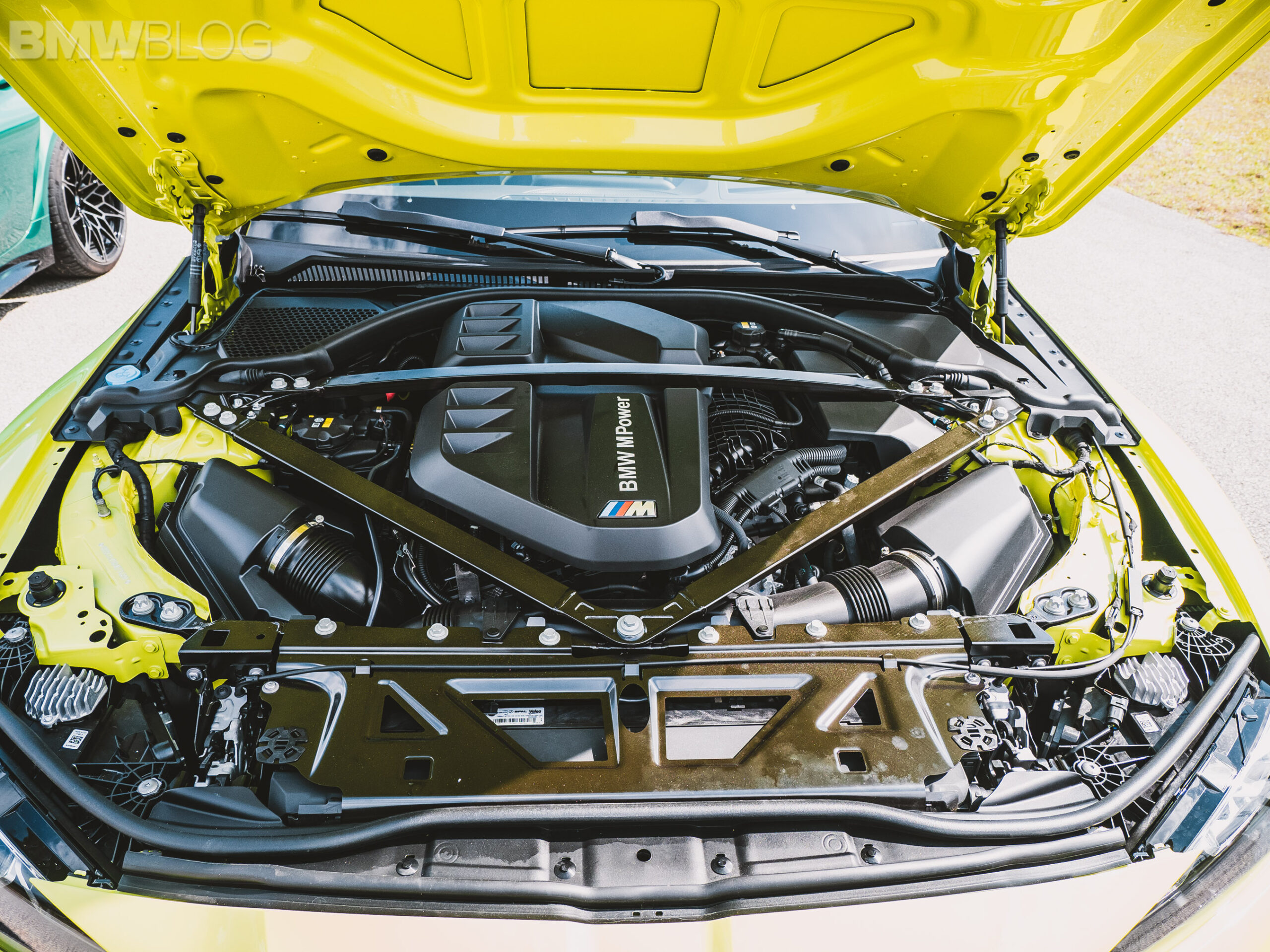
The 3.0-liter engine in Europe now uses something called “M Ignite,” essentially a pre-chamber integrated into the cylinder head. Additionally, the inline-six features a higher compression ratio and turbochargers with variable turbine geometry. Fuel consumption is lower than before, especially when the cars are driven hard. The M3 and M4 are already rolling off the assembly line with the updated S58, with the M2 set to follow in August.

During the same interview, the M boss explained that the S68 is not receiving the smaller engine’s M Ignite technology. Instead, the V8 is switching to the Miller combustion cycle to boost efficiency. BMW has also revised the engine management system and improved the exhaust aftertreatment to cut CO2 emissions. Additionally, the cooling system has been upgraded. As with the inline-six, these engine tweaks are not coming to US-spec cars.
The Inline-Six Keeps All Horses. The V8 Loses A Few
While the inline-six’s output remains unchanged in the M2, M3, and M4, the V8 has lost some horsepower. However, BMW has fully offset the combustion engine’s power loss by increasing the electric motor’s output. Consequently, combined output in the M5 and XM Label remains unchanged for both the sedan/wagon duo and the SUV. The updated M5 entered production in March, while the XM Label followed a month later.
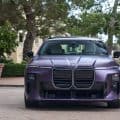
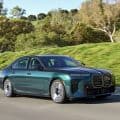
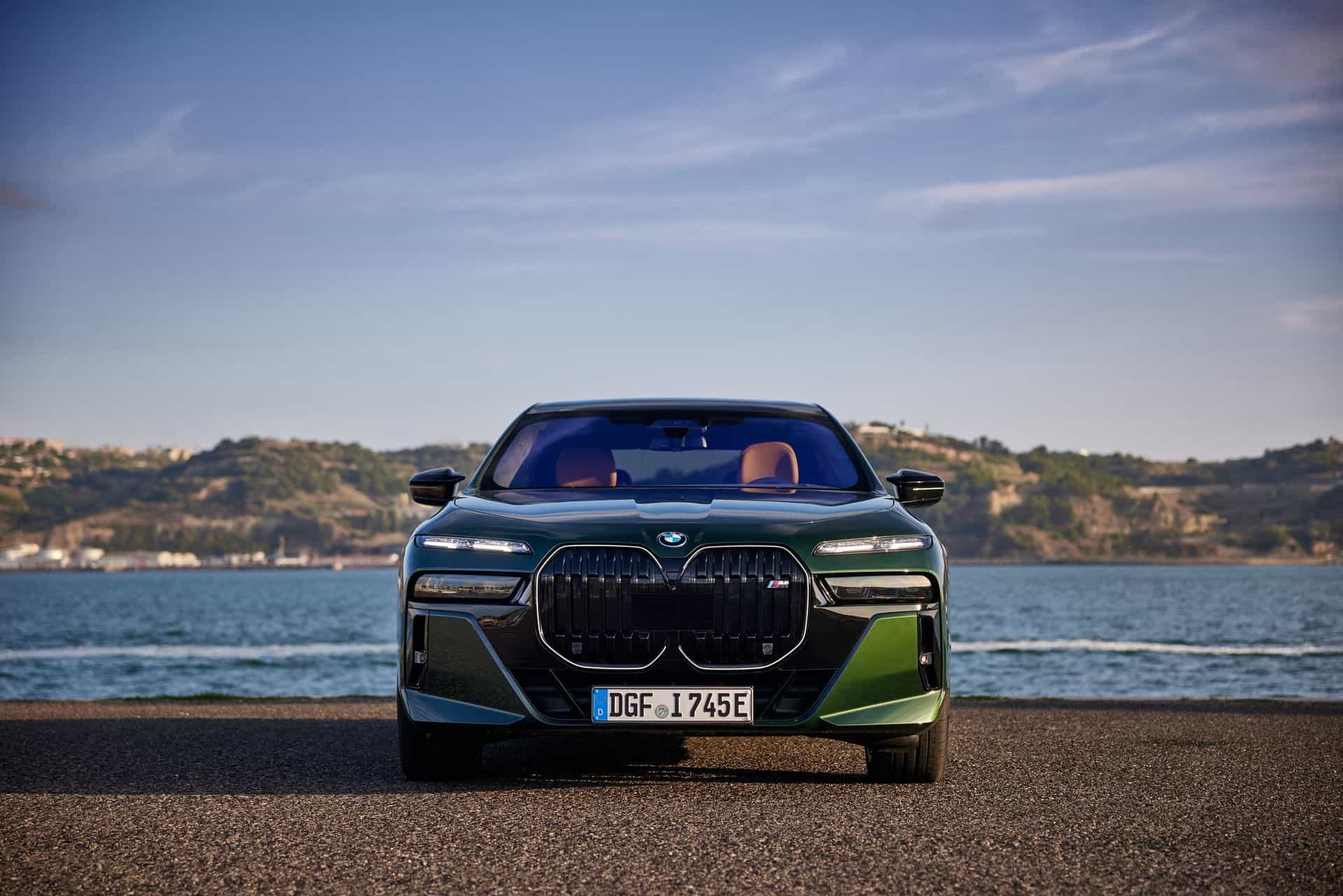
Several upcoming M Performance and M models will use these two engines. The V8 will power the X5 M60, the M760, and the ALPINA 7 Series from 2027, including in Europe. Arriving next year as well, the second-generation X7 is also expected to receive an M60 variant. Then, in 2028, the next X6 should also get the M Performance treatment, with a full-fat M to follow.

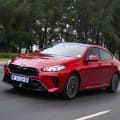
The inline-six will power the next-generation M3, where it could be paired with a mild-hybrid system. Before that, the new 3 Series arrives later this year in M350 guise with the B58 engine, reportedly producing more than 400 horsepower. With BMW developing a new 3 Series Touring, there’s hope for both M Performance and full M versions of the long-roof model, although the company has yet to confirm either.
While the future of BMW M cars with combustion engines remains bright despite increasingly strict emissions regulations, we’re beginning to wonder whether output differences between European models and those sold elsewhere will become more pronounced. For several years, some M Performance models have already been detuned in Europe, and as the rules become even stricter, that trend could continue. Looking at the bright side, at least the S58 and S68 aren’t going anywhere anytime soon.
Source: Bimmer Today