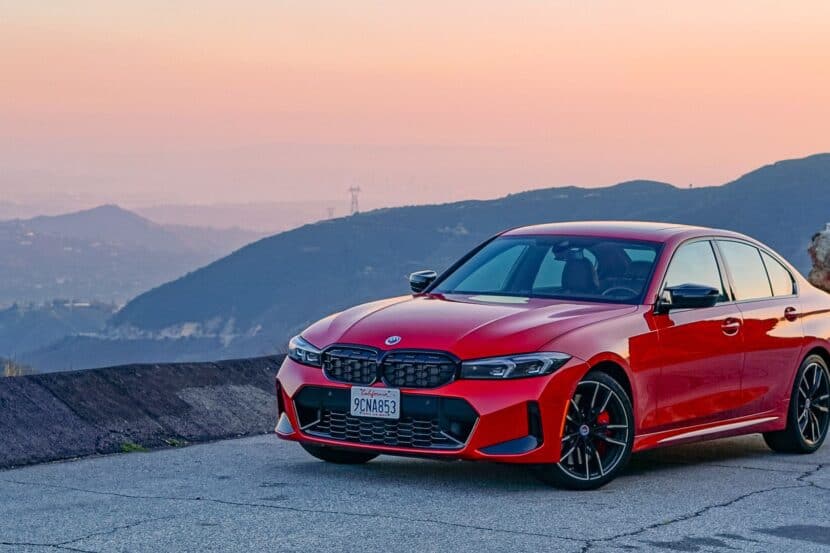
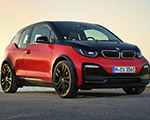
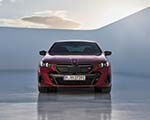
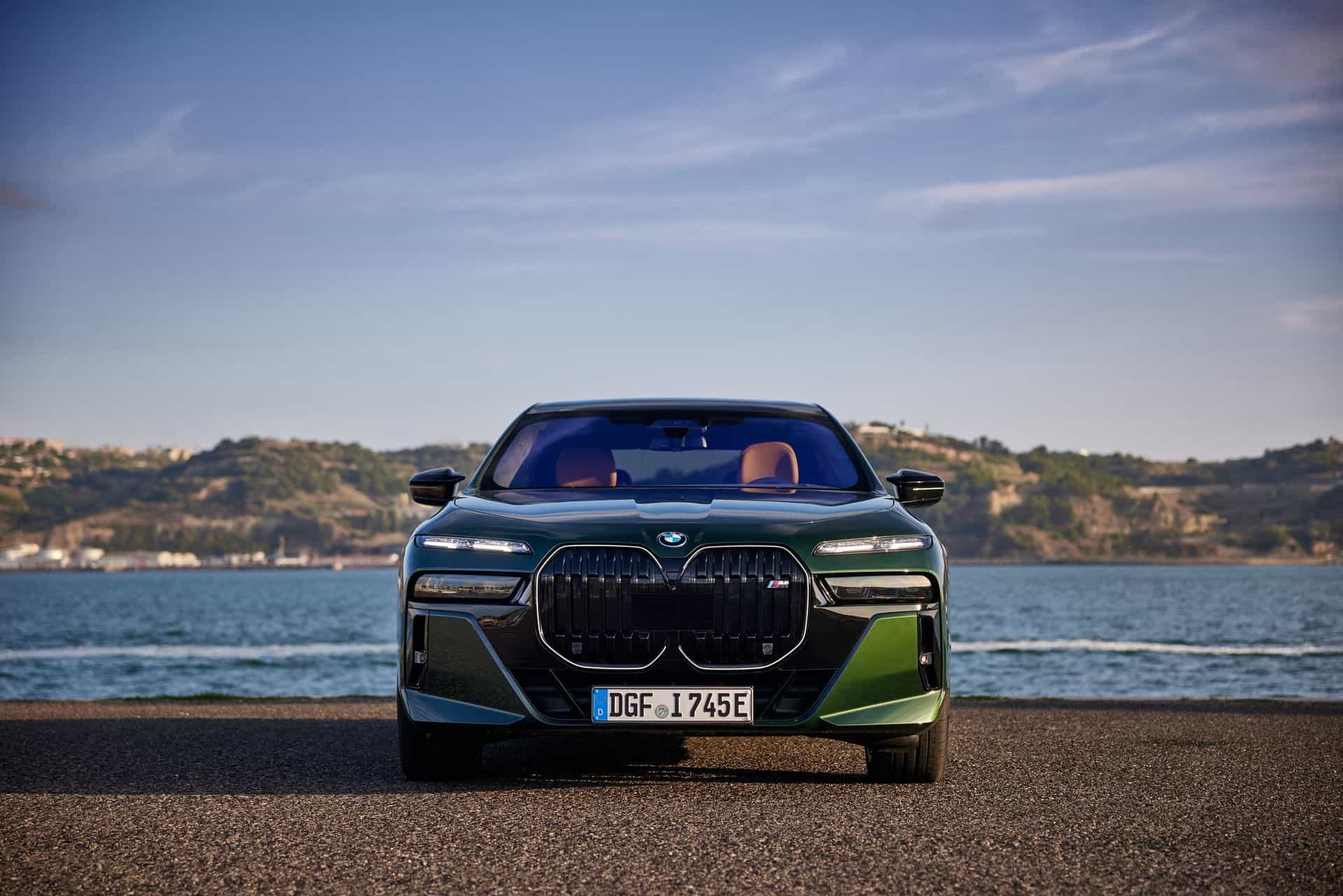
The BMW 3 Series and Mercedes-Benz C-Class have a storied and long-running rivalry. It continues into the age of electrification with the debut of the electric Mercedes-Benz C-Class and one of BMW’s earliest Neue Klasse models, the i3 sedan. The new C-Class offers a lot of new tech, new takes on the famed “Hyperscreen,” and several other notable features. Overall, it’s Mercedes’ most competitive EV yet. But can it really stand up to the mighty electric BMW 3 Series?
Exterior Design

Despite occupying similar slots in their respective brands’ hierarchies, the BMW i3 and electric C-Class are clearly designed with different customers in mind. The BMW’s sharp lines and pointed edges immediately contrast with the Benz’s rounder surfacing. However, in a departure from past EV designs from the automaker, the Mercedes C-Class EV also looks much more “normal” than cars from the EQ lineup. In the front, the electric C-Class sports a prominent grille and three-pointed star. Aside from that, the car looks perfectly pedestrian to our eyes. Which isn’t a bad thing considering how some of the brand’s current EVs look.
In back, the electric Mercedes C-Class inherits lighting clearly inspired by the radical AMG GT XX. Early comparisons range from an updated mid-2000s VW Passat (which we think is kind of dead-on) to the Chevy Impala of the same era. We think that’s a bit of undue harshness. It’s a good look and even avoids a lightbar, which would by now instantly date the car. The C-Class EV stretches 5 inches (127 mm) longer than the i3 with a 2.6-inch (66 mm) longer wheelbase. It’s wider, too, but just by 1.1 inches (28 mm). For reference, the BMW i5 is still significantly larger, stretching 199.2 inches (5,060 mm) compared to the Merc’s overall length of 192.2 inches (4,882 mm). Truly, the electric C-Class is a tremendous step forward for the brand’s EV styling. We’re even inclined to call the exterior a tie between the two. Whereas the i3 is much more aggressive, the C-Class EV sort of calls the i4 to mind and we’re okay with that.
Interior Design

The refreshingly refined exterior design translates well into the cabin. The new electric C-Class offers an almost painfully simplistic interior that’s largely dependent on a truly massive center screen. The MBUX Hyperscreen lives up to its name, offering 39.1 inches (99.3 mm) of touchscreen real estate. The new EV C-Class continues to offer ample interior lighting, along with familiar circular air vents that look pretty good flanking the screen. The materials look to be top-notch; Merc claims Nappa Leather and vegan interior bits are available. We’re inclined to call BMW’s Neue Klasse design the better of the two here; although it’s largely, again, a matter of opinion. Benz’s screen-dominated cabin just doesn’t quite do it for us.
Performance

The electric Mercedes C-Class debuts in C400 4MATIC guise first. It offers 482 horsepower and 590 pound-feet (800 Nm) of torque. Meanwhile, BMW’s dual-motor setup offers 463 horsepower and 475 pound-feet (645 Nm) of torque in i3 xDrive50 guise. The Merc’s added size imply the car’s quoted 3.9-second zero-to-60 time won’t be too far from the i3. After all, the current M340i xDrive scoots to the same speed in 4.1 seconds according to BMW, with just 386 horsepower. Regardless, comparing performance at this early stage is a bit silly. AMG and BMW M versions — with a lot more power — will no doubt change the story as both models age.
Invariably more important to some buyers is range. The car’s 94.5-kWh battery offers an estimated 762 kilometers of WLTP range compared to the i3’s nearly 900 kilometers. A range-optimized model will eventually come to market, although range is still supposedly relegated to around 800 kilometers. Since WLTP and EPA testing is drastically different, there’s not really a way to equate these for U.S. buyers. But right now, the i3 offers a good bit more range than the Merc. The BMW can also charge up to 400 kW charging, whereas the EV C-Class tops out at 330 kW.
Technology

Mercedes technically offers three different versions of its Hyperscreen. However, the screen appears to be the same size regardless of what you option; only touch-capable real estate and information displayed seems to change. Merc doesn’t have any direct answer to BMW’s panoramic display. Perhaps unexpectedly, however, the EV C-Class offers some unexpected tech edges that could really make the new C quite good to drive. Chiefly, rear-wheel steering and air suspension, two features conspicuously absent from the i3. Aside from that, the two offer similar levels of technology. Voice commands, phone integration, app interactions, and more are all simply standard equipment these days.
It the EV Mercedes-Benz C-Class the BMW i3 killer Stuttgart needs? We’re not so sure, but we do think this is a huge improvement from the brand’s previous electric offerings. What do you think?