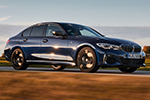
Every automaker has that one car. The model that transcends the metal it’s made of and becomes something closer to mythology. For Porsche, it’s the 911. For Ferrari, the F40. For BMW, there’s really only one honest answer, and it’s the car that celebrates its 40th birthday this year: the M3.
That’s a bold statement when you consider everything BMW has produced over more than a century of making automobiles. So let’s back it up.
Before We Get to the M3, Let’s Acknowledge the Contenders

Any serious discussion about BMW’s most important car has to start with the Neue Klasse. When BMW introduced its four-door sedans in 1962 — compact, elegant, and driver-focused — the company was in genuine financial trouble. The Neue Klasse quite literally saved BMW from collapse. It established the blueprint: rear-wheel drive, inline engines, a cockpit oriented around the driver. Without it, there might not be a BMW as we know it today.
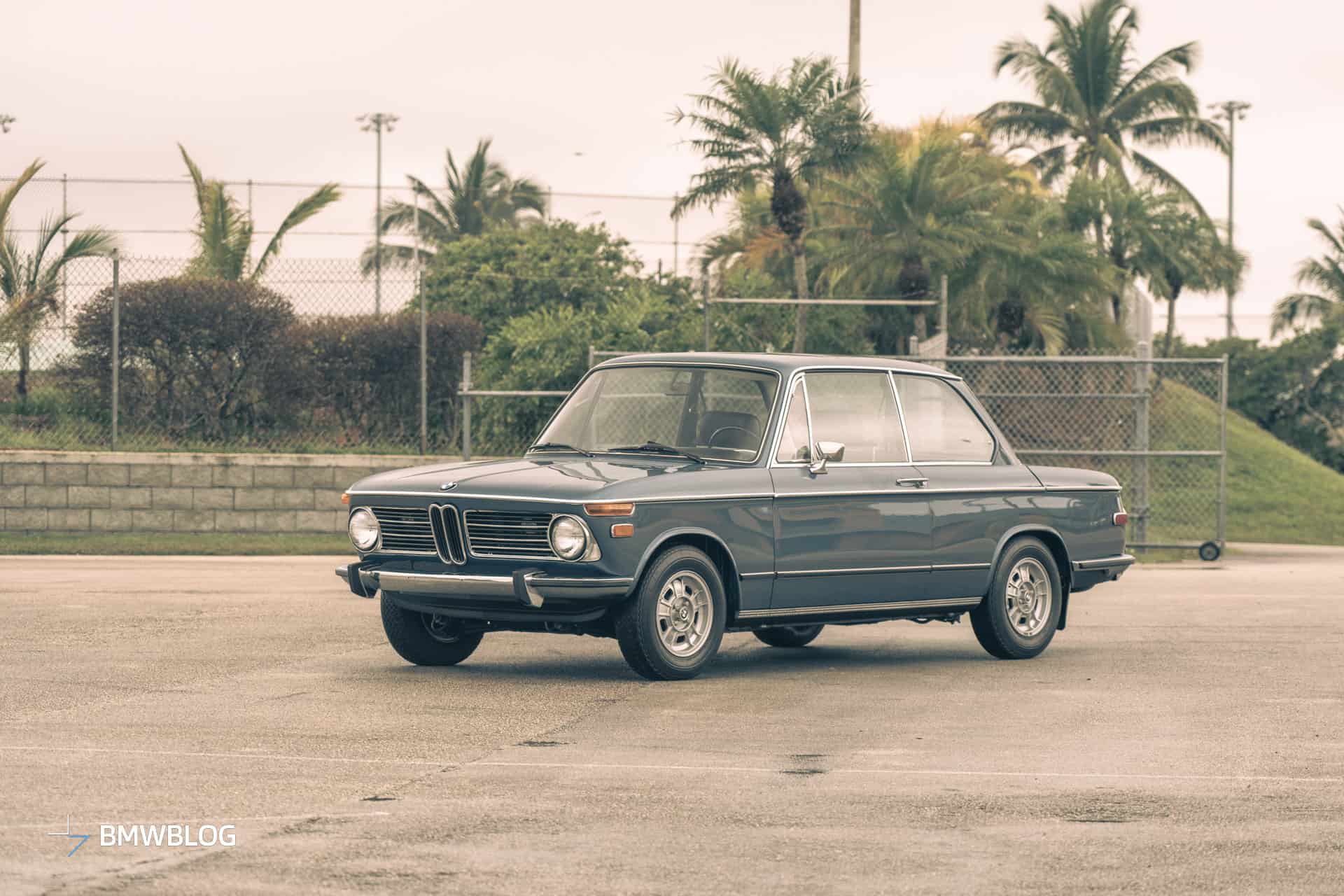
Then came the 2002. If the Neue Klasse saved BMW financially, the 2002 gave it a soul. The little two-door punched so far above its weight that American enthusiasts, who had grown up worshipping muscle cars and big-block V8s, suddenly started paying attention to a small Bavarian sedan. The 2002 turbo was Europe’s first turbocharged production car. Road & Track loved it. Car and Driver loved it. BMW’s reputation as a builder of drivers’ cars was cemented.
And yet — neither the Neue Klasse Class nor the 2002 is what comes to mind when someone says the word BMW. Not to enthusiasts. Not to the general public. Not to the engineers at rival automakers who spend their careers trying to build something that can compete with it.
That honor belongs to the M3.
The Car That Defined the Brand
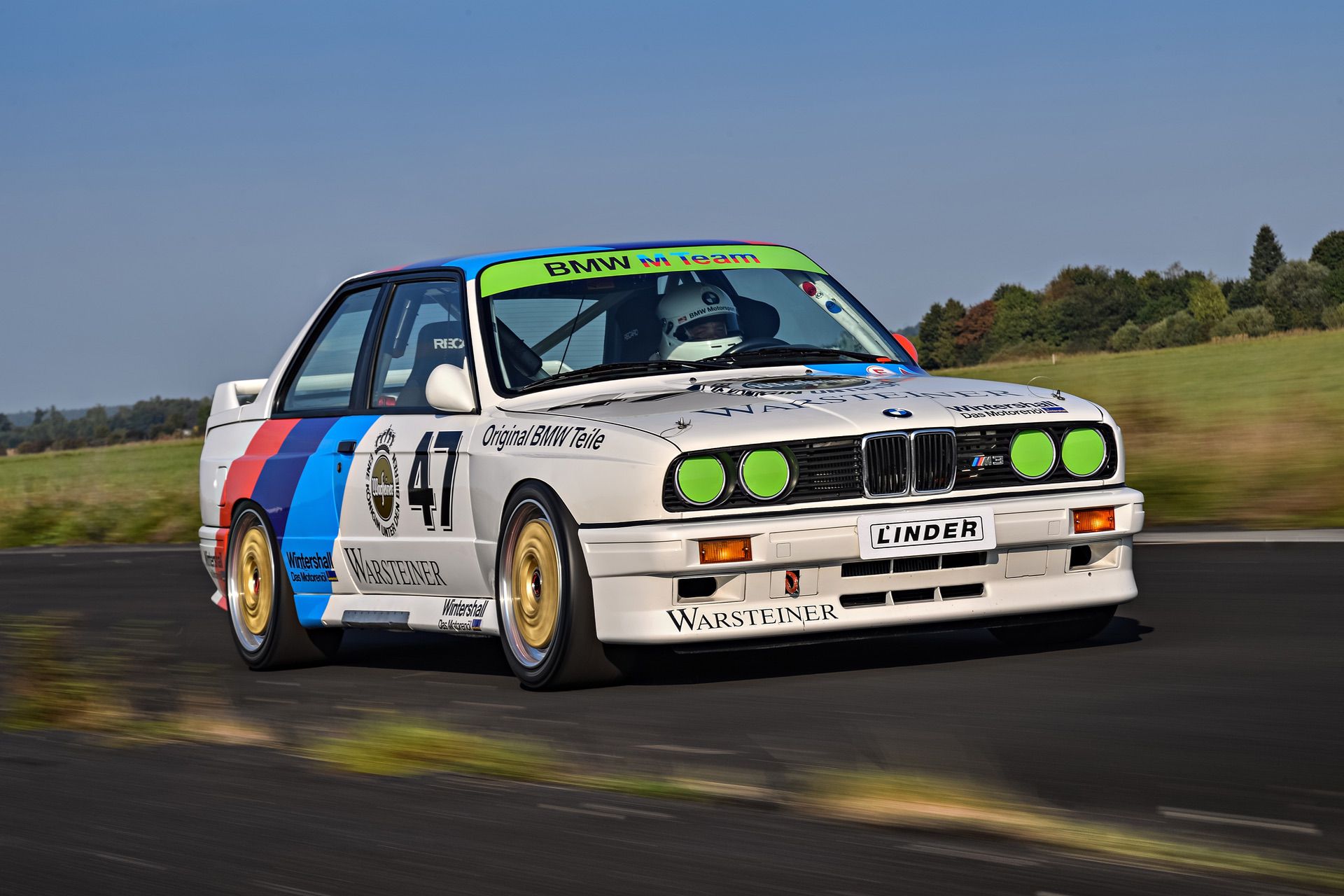
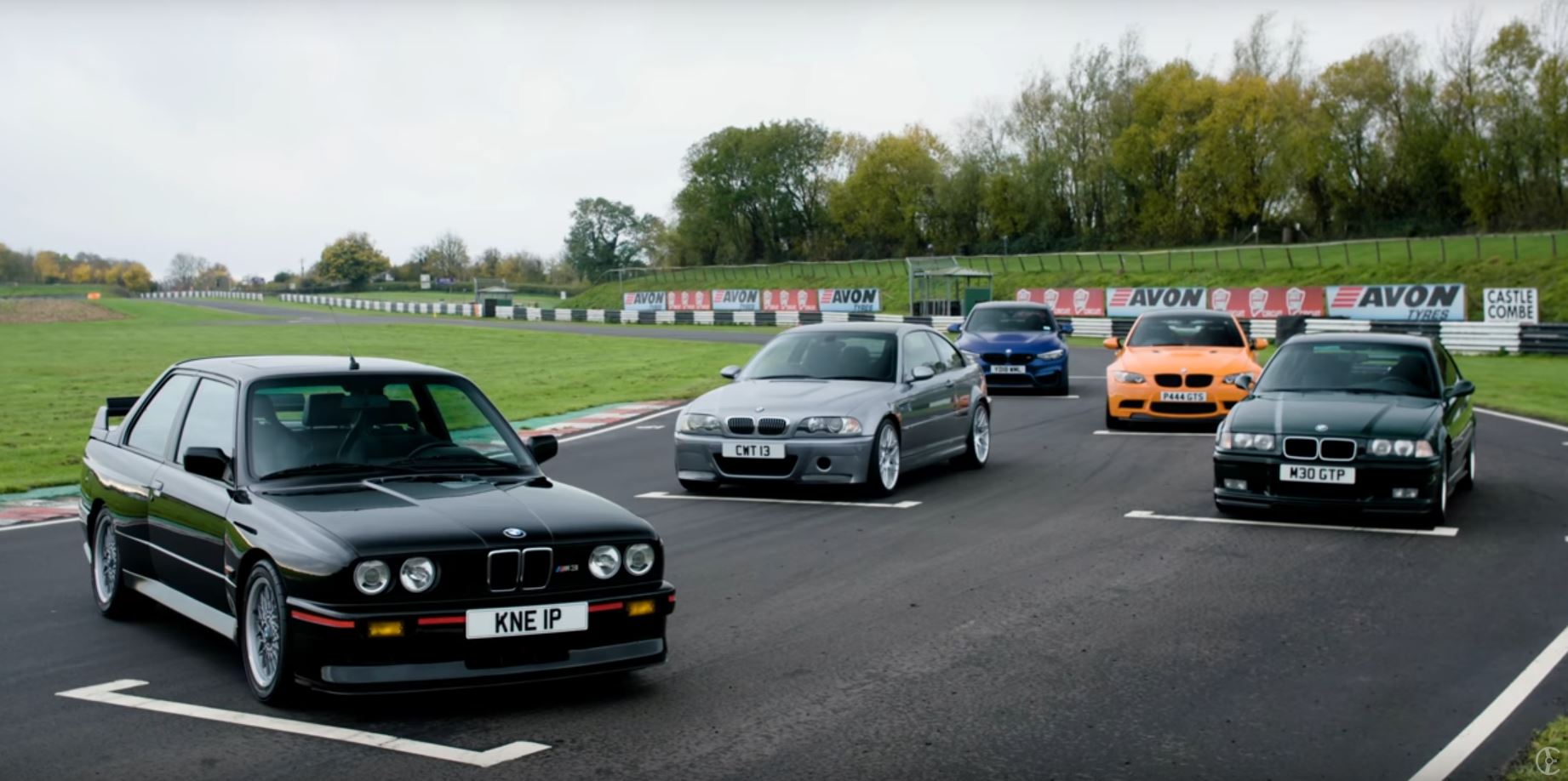
When the E30 M3 arrived in 1986, it came from a very specific brief: BMW needed a homologation special to go racing in the Deutsche Tourenwagen Meisterschaft (DTM) and Group A rallying. The rules required a minimum number of road cars to be built, so BMW Motorsport went to work on a street-legal racing machine. The result was a narrow, high-revving, stripped-back sports sedan with a four-cylinder engine that screamed to 8,000 rpm — unlike anything BMW had built before, and unlike anything anyone else was building.
It won the DTM. It won the European Touring Car Championship. It became one of the most successful touring cars in motorsport history. And more importantly for BMW’s future, it became the aspirational car for an entire generation of enthusiasts.
That’s the thing about the M3. From the moment the E30 debuted, owning one meant something. It wasn’t just a fast BMW — it was the fast BMW. Every subsequent generation has carried that weight, and every subsequent generation has delivered.
The Benchmark That Everyone Else Uses

Here’s perhaps the most telling proof of the M3’s status: when other automakers set out to build their own performance sedans, they don’t benchmark a generic fast car. They benchmark the M3.
When Cadillac developed the ATS-V — its bid to prove that American luxury brands could play in the same league as the Europeans — engineers flew to Germany, rented M3s, and drove them exhaustively. The M3 was the target. When Alfa Romeo was developing the Giulia Quadrifoglio, a car many consider the most emotionally exciting sports sedan of the modern era, they did the same. The M3 was the number they had to beat.
Think about that for a moment. These are engineers from two completely different continents, two completely different automotive cultures, working for two companies with their own proud racing histories — and they both independently arrived at the same conclusion: if you’re not as good as the M3, you haven’t made it.
That’s not a coincidence. That’s a benchmark.
The Name That Belongs to One Thing
There’s a simple test you can run right now. Open a new browser tab and type “what does M3 stand for?” into Google. The results won’t be dominated by Apple’s M3 chip, which powers some of the best computers on the market. They won’t lead with cubic meters, the standard unit of volume measurement with M3 as its abbreviation. They’ll lead with BMW. Page after page, result after result, the M3 is the M3.
That is extraordinary brand equity. Apple is one of the most valuable companies in the history of capitalism. The metric system is universal. And yet when the world types those two characters into a search engine, their mental model defaults to a Bavarian sports sedan.
When you say “the M3,” nobody asks you to clarify. Nobody says “which M3?” The naming convention is so clean, so singular, so deeply embedded in automotive culture that it functions almost as a proper noun — less a model designation and more a proper name for something iconic.
In that sense, the M3 is to BMW exactly what the 911 is to Porsche. The 911 has evolved continuously since 1963, been criticized by purists at nearly every step, and yet remained the definitive Porsche no matter what. The M3 has done the same. From the four-cylinder E30 to the naturally-aspirated-V8 of the E92, from the inline-six resurrection of the F80 to the controversial but ultimately brilliant S58-powered G80, the M3 has changed and grown and occasionally divided opinion — but it has never lost its identity.
The Aspirational Car
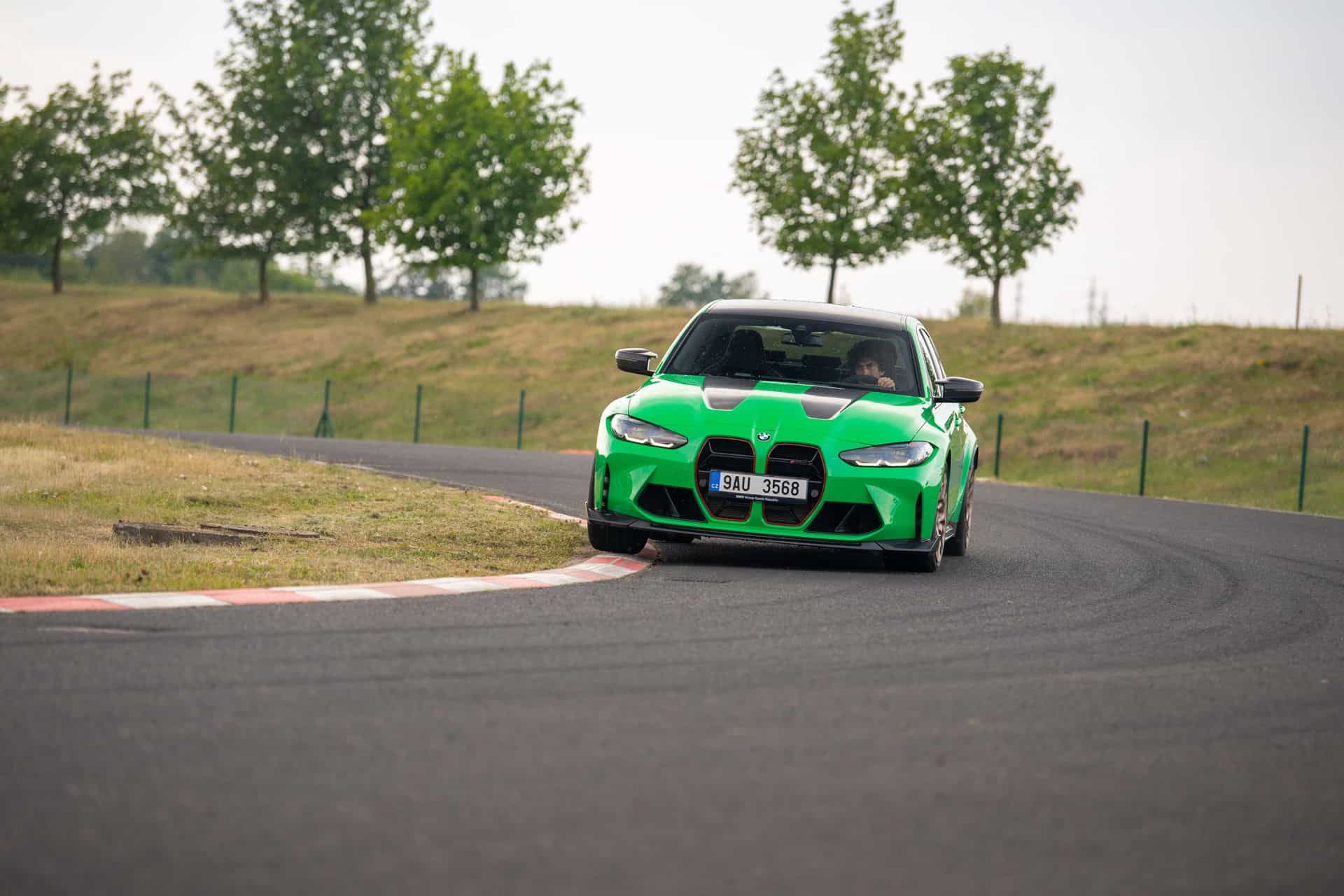
Ask BMW enthusiasts — real ones, the kind who spend weekends on track days and argue about tire compounds at dinner — what car they want most. Not what they drive. What they want. The answer is almost always the M3.
It doesn’t matter whether they drive an M240i or a 330i or a well-worn E46 they bought for weekend fun. The M3 is the destination. It’s the car that represents everything BMW M GmbH stands for in one package: a proper four-door sedan that a family can live with on Monday and that can embarrass supercars on Saturday. That dual nature — the everyday usability combined with genuine performance credentials — is what makes the M3 so uniquely compelling. It’s not a compromise. It’s a synthesis.
The 911 holds a similar place in Porsche’s world. But Porsche has always been a sports car company. BMW is, at its core, a maker of sports sedans — and the M3 is the purest expression of that mission. In some ways, the M3 is a more complete argument for BMW’s identity than the 911 is for Porsche’s, because it proves that performance and practicality don’t have to be mutually exclusive.
Forty Years and Still Untouchable

In 2026, the M3 turns 40. That’s four decades of motorsport heritage, of driving benchmark tests, of being the car that every talented engineer at every rival company quietly wishes they were allowed to build.
The Neue Klasse saved the company. The 2002 gave it a reputation. But the M3 gave BMW something rarer and harder to manufacture than any car component: it gave the brand a soul that resonates across generations, across cultures, and across 40 years of automotive history.
No other BMW has done that. No other BMW could.
Happy birthday, M3. You’ve earned it.