Germany’s Handelsblatt reported on Tuesday that BMW and the European Commission are in active negotiations over a minimum pricing model that could replace the current EU tariffs on the German carmaker’s Chinese-manufactured MINI electric vehicles. According to two people familiar with the matter cited by the business daily, BMW and Brussels are working toward a price undertaking deal — a confidential minimum import price that the carmaker would commit not to fall below when selling the vehicles in Europe. Both BMW and the Commission declined to comment on the report.
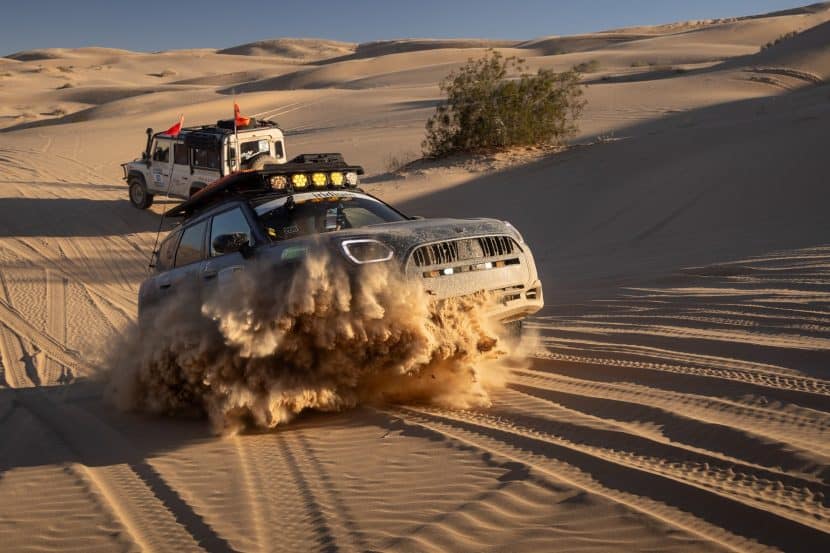
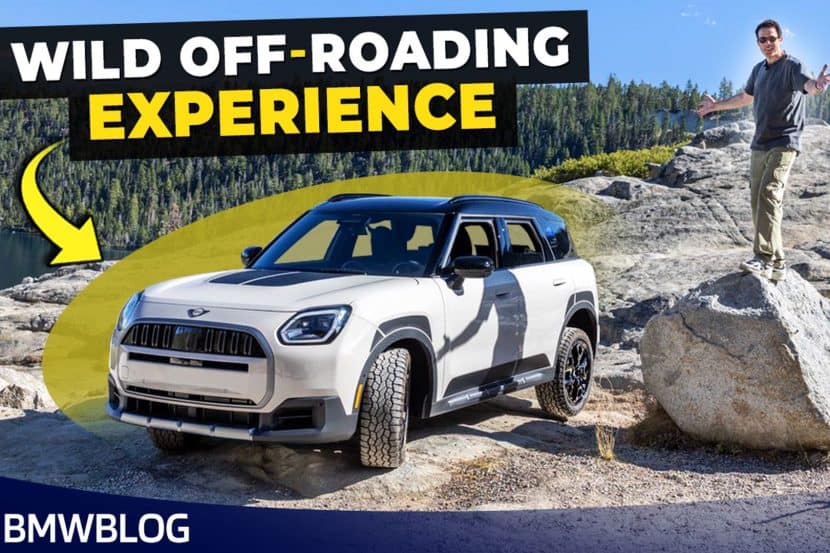
The two models at the center of the talks are the electric MINI Cooper and the electric Aceman, both produced at the Spotlight Automotive plant in Zhangjiagang, China — a 50-50 joint venture between BMW Group and Great Wall Motor. The EU imposed a 20.7% countervailing duty on these vehicles in October 2024, following an anti-subsidy investigation into Chinese-made EVs. Stacked on top of the standard 10% EU auto import tariff, that puts a combined ~31% duty burden on every Mini EV shipped from China to Europe.
Following VW’s Lead
The blueprint for BMW’s approach was set by Volkswagen just two weeks ago. On February 11, 2026, the EU granted SEAT/Cupra’s all-electric Tavascan SUV — also made in China, by VW’s Anhui joint venture — a full exemption from the countervailing duty, making it the first China-made EV to secure individual relief from the October 2024 tariffs. Under that deal, Cupra committed to a confidential minimum import price and an annual volume cap, while VW pledged investment in EV-related projects inside the EU. The Tavascan now faces only the standard 10% EU duty rather than the combined ~31% burden.
BMW is seeking the same treatment for its MINI EVs. The company is also separately challenging the tariffs through legal proceedings alongside other automakers, keeping both diplomatic and judicial avenues open.
A Difficult Year in China

The tariff negotiations are unfolding against a backdrop of mounting pressure in BMW’s most important market. In 2025, BMW Group delivered 625,527 BMW and MINI vehicles in China — a significant drop from the 714,500 units delivered in 2024, which itself had fallen 13.4% from the year before.
China remains BMW’s single largest market globally, but it was the only major region where deliveries declined in 2025. The culprit is well understood: aggressively priced EVs and extended-range vehicles from Chinese brands like BYD, XPeng, and Li Auto steadily pushing into the premium segment.
BMW has announced plans to restructure its dealer network in response, closing underperforming outlets and converting some to service-only centers by mid-2026. There are bright spots — BMW M sales rose 27.9% in China in 2025, crossing 10,000 units for the first time — but the broader volume trend is one the company is working hard to reverse.
Looking ahead, BMW plans to bring around 20 new products to China in 2026, headlined by the first Neue Klasse models, which represent a ground-up reimagining of the brand’s EV architecture.
New Leadership in China
BMW also recently announced a leadership change in China. Christian Ach will become President and CEO of BMW Group Region China on April 1, 2026, stepping in from his role as CEO of BMW Germany. In that position, Ach led BMW to reclaim market leadership over Mercedes-Benz and Audi in its home country, and he previously spent nearly eight years running MINI Germany — making his deep familiarity with the MINI brand and its European customer base particularly relevant at this moment.