Article Summary
- Alpine’s 2026 exit turns Hypercar’s momentum into a sustainability debate, showing how quickly OEM programs can become optional even with strong grids.
- BMW’s WEC/IMSA approach with the M Hybrid V8 and WRT is built for continuity, but the class remains vulnerable to cost, control, and BoP perception.
- If prototypes thin out, GT racing becomes the most defensible factory-adjacent platform, while F1 and EV series face their own identity and relevance questions.
The short answer is, nothing. The longer, allow us to dive right in. Alpine walking away from WEC Hypercar after 2026 should scare the series a little, even if the press releases don’t show it. Because this isn’t happening in some bleak, empty-cycle moment where everyone’s already packing up. It’s happening while WEC is still enjoying the afterglow of its resurgence—full grids, big brands, proper attention again. Alpine’s plan is to shut the Hypercar programme down at the end of 2026, which means they’re effectively admitting, midstream, that the long game no longer makes sense for them.
We’ve already had the other warning sign that things are changing in the motorsport world. Porsche deciding to end its factory WEC Hypercar effort after 2025 was the first reminder that even the most Le Mans-coded name on the entry list can decide the cost-versus-control equation isn’t worth it anymore. If Porsche can do the “thanks, we’re out” routine, anyone can.
So yes, the 2026 grid still looks like something you’d frame on the wall. Ferrari, Toyota, Cadillac, BMW, Peugeot, Aston Martin, Alpine for one last season, and Genesis arriving with serious intent. The official provisional entry list even reads like proof that the top class has finally stabilized: BMW M Team WRT is there with two M Hybrid V8s, car #15 and #20, and Genesis is already slotted in with two Hypercars of its own.
What’s BMW Doing?

From a BMW angle, that’s where this gets interesting. BMW is doing WEC the “grown-up” way. The M Hybrid V8 isn’t some one-off vanity project built to win a single Le Mans and then disappear into a museum. It’s a cross-Atlantic platform. It’s a two-championship play. And it’s being run by a team that knows endurance racing isn’t won with vibes. WRT keeping the Hypercar driver line-ups steady signals something you rarely get in modern factory racing: continuity.
But even BMW isn’t immune to the bigger problem WEC has always carried around in its pocket: perception. Hypercar has delivered the grid. It has delivered the spectacle. What it still struggles with is the constant, exhausting background noise of “is this real racing or is it managed?” Balance of Performance is necessary to keep a field like this together. It’s also the easiest way to make a manufacturer might feel like they’re paying to be part of a show they don’t fully control.
Now fold in the other piece of your question: where does motorsport go next if the big categories start losing their pull?
F1 Has Its Own Challenges Now
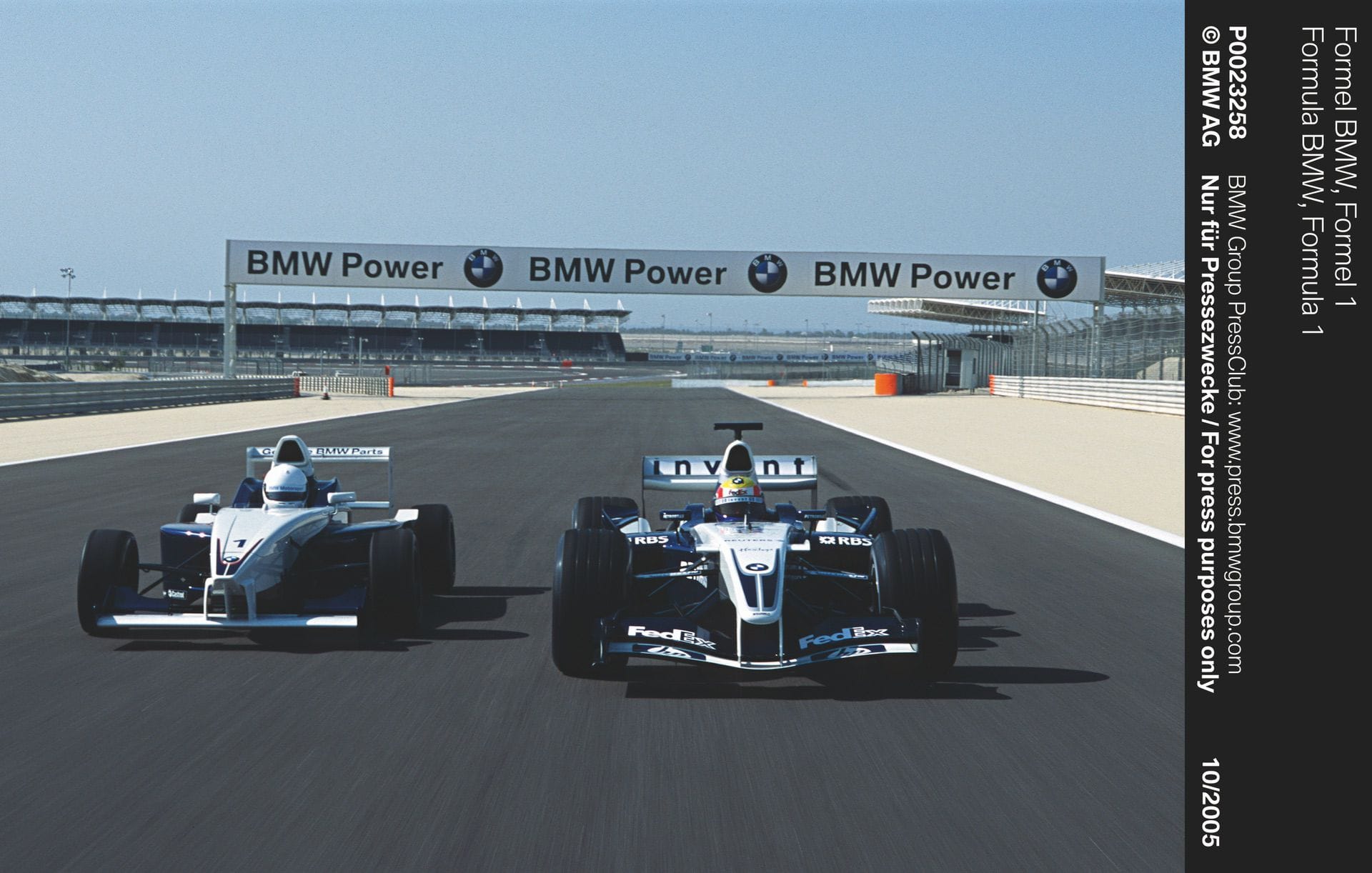
Formula 1 is still the pinnacle in terms of attention, money, and cultural gravity. But the sport is also walking straight into a rule set that drivers themselves are describing as energy-management theater. Verstappen’s latest take after running the 2026-generation car was brutal—“not fun,” and his “Formula E on steroids” line is exactly the kind of quote that sticks because everyone knows what he means. If the world’s biggest racing series is leaning harder into harvesting, deploying, and managing instead of flat-out commitment, that doesn’t just affect F1. It affects every OEM’s marketing brain: are we sponsoring a sport people love for its purity, or are we sponsoring a sport that increasingly needs a glossary?
BMW isn’t going back to F1. As much as we’d love to see them race on biggest motorsport stage in the world, it just doesn’t make sense for them. From both a marketing and financial perspective because you don’t “dip a toe” in modern F1. You mortgage the building.
Which brings us to the most likely outcome: motorsport doesn’t get a single new “next.” It gets a rebalancing.
What’s Next For Motorsport?

WEC Hypercar probably doesn’t collapse, but it almost certainly becomes more fluid—more “who’s in this cycle,” less “who’s here for a decade.” The brands that stay will be the ones with a clear internal justification that survives leadership changes. BMW currently has that, because the M Hybrid V8 program is tied into IMSA and because WRT gives it operational stability that a factory-only approach often lacks.
The question isn’t whether BMW is committed today; it’s whether WEC remains compelling enough as a global shop window to keep that commitment easy to defend two years from now.
And that’s where GT racing quietly becomes the safety net for everyone, including BMW.
GT Racing Is Fun

GT works because it’s still understandable. It’s still relatable. It’s still recognizably connected to the cars people buy, obsess over, finance, modify, and argue about online. If Hypercar is the moonshot, GT is the mortgage: steady, scalable, and less vulnerable to the “this is all BoP anyway” cynicism that can poison a top class. For BMW specifically, the GT program is also a brand translation exercise that actually lands. An M4 GT3 is a racing car, yes—but it still looks like something that belongs to the same family as the car outside your local dealer.
As for the EV question—EV sales slowing doesn’t mean the world suddenly rediscovers V10s and throws Formula E into the sea. What it does mean is that the tidy “everything goes electric immediately” narrative is cracking, and once that happens, manufacturers start hedging. Hybrids stay. Sustainable fuels get louder. Multiple powertrains coexist longer than expected. And motorsport, inevitably, follows that fragmentation.
So if you’re asking what’s next, the uncomfortable answer might be: more churn, not a new golden constant.
The opportunity for BMW is to use the window while it’s open. Win in prototypes while the world is watching, because those wins still mean something at Le Mans. Keep IMSA strong because the American market cares about those storylines. And never let GT slip, because GT is the category you can still justify when the boardroom gets impatient with expensive, complicated, politically messy top-class racing.