Article Summary
- The E30 M3 proved that intelligent engineering beats raw power. Its 195 hp naturally aspirated 2.3-liter four-cylinder from a 1,200 kg chassis set the template for every M car that followed.
- Dominating the WTCC, DTM, British Touring Car Championship, and 24 Hours of Spa, the E30 M3 was essentially unbeatable. In race trim, it produced up to 360 hp—proving road and race could be one.
- Nearly 18,000 road cars sold. Jay Z gifted DJ Khaled one. Kith collaborated on a one-off. Goodwood featured it prominently. The E30 M3 transcended "classic car" to become a genuine cultural artifact.
The BMW M3 E30 showed up in 1986 and basically changed everything. It wasn’t the fastest car ever built, it didn’t have the most power, and it certainly wasn’t the most refined. But it was the car—the one that made everyone realize what BMW M was actually supposed to be about.
Here’s what happened: BMW M needed a race car for the DTM, and the rules required a production version. Instead of just dropping a race engine in a regular 3 Series and calling it a day, they did something way more interesting. They built a road car that was so laser-focused, so genuinely engineered from the ground up as a performance machine, that it basically became the template for every M car that followed. Forty years later, we’re still measuring other cars against what the E30 M3 figured out.
Born in 1986
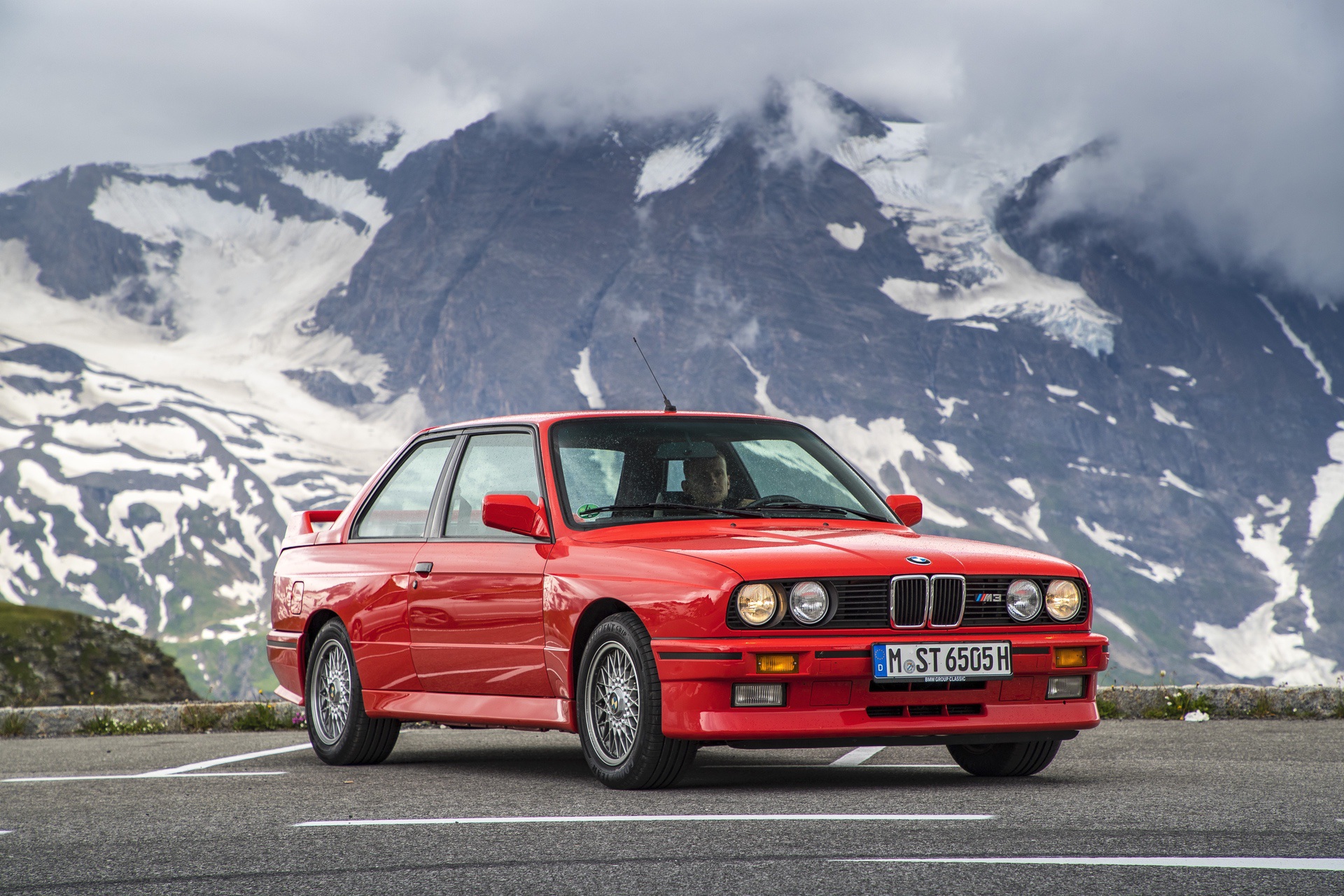
The E30 3 Series showed up in 1982 and was pretty good—good-looking, modern, capable. But it didn’t have an M car. BMW had the M535i for the 5 Series, sure, but nothing that took all that racing knowledge and stuck it in a compact sedan where regular enthusiasts could actually buy one.
BMW M needed a homologation car for racing—specifically for the World Touring Car Championship. Group A regulations required at least 5,000 road-legal units to be sold within twelve months for homologation eligibility. So the engineers at M headquarters got to work on something radical: a lightweight chassis with a naturally aspirated 2.3-liter four-cylinder. The result was a car that weighed just over 1,200 kg, made 200 hp (195 with emissions equipment), and basically rewrote the rulebook for compact sport sedans.
The 2.3-liter version launched in 1986, featuring 16 valves and producing either 200 hp unregulated or 195 hp with catalytic converter. That engine became iconic. And it still is. Starting in 1988, BMW offered the M3 as a convertible variant alongside the coupe, proving the platform’s versatility while maintaining the same engineering excellence.
The Engine That Changed Everything

This is where the E30 M3 gets interesting. That four-cylinder wasn’t just powerful for its time—it was a masterclass in how to extract everything from a small displacement engine. The 2.3-liter S14 made 200 hp in its unregulated form, but when BMW added a catalytic converter for emissions compliance, it dropped to 195 hp. Independent intake and exhaust cam timing, 16 valves with titanium valve springs, forged pistons—it all sounds technical until you actually drive the thing.
At 6,750 rpm, the motor sang with a mechanical, unapologetic noise that modern turbocharged cars simply can’t replicate. The power came on urgently after 4,500 rpm and kept building all the way to the limiter. Zero to 100 km/h came in 6.7 seconds with a top speed of 235 km/h.
195 hp out of 2.3 liters naturally aspirated. Modern drivers look at that number and shrug. Drive an E30 M3 and you understand why enthusiasts still talk about this car like it’s a religion.
The Evo Revolution
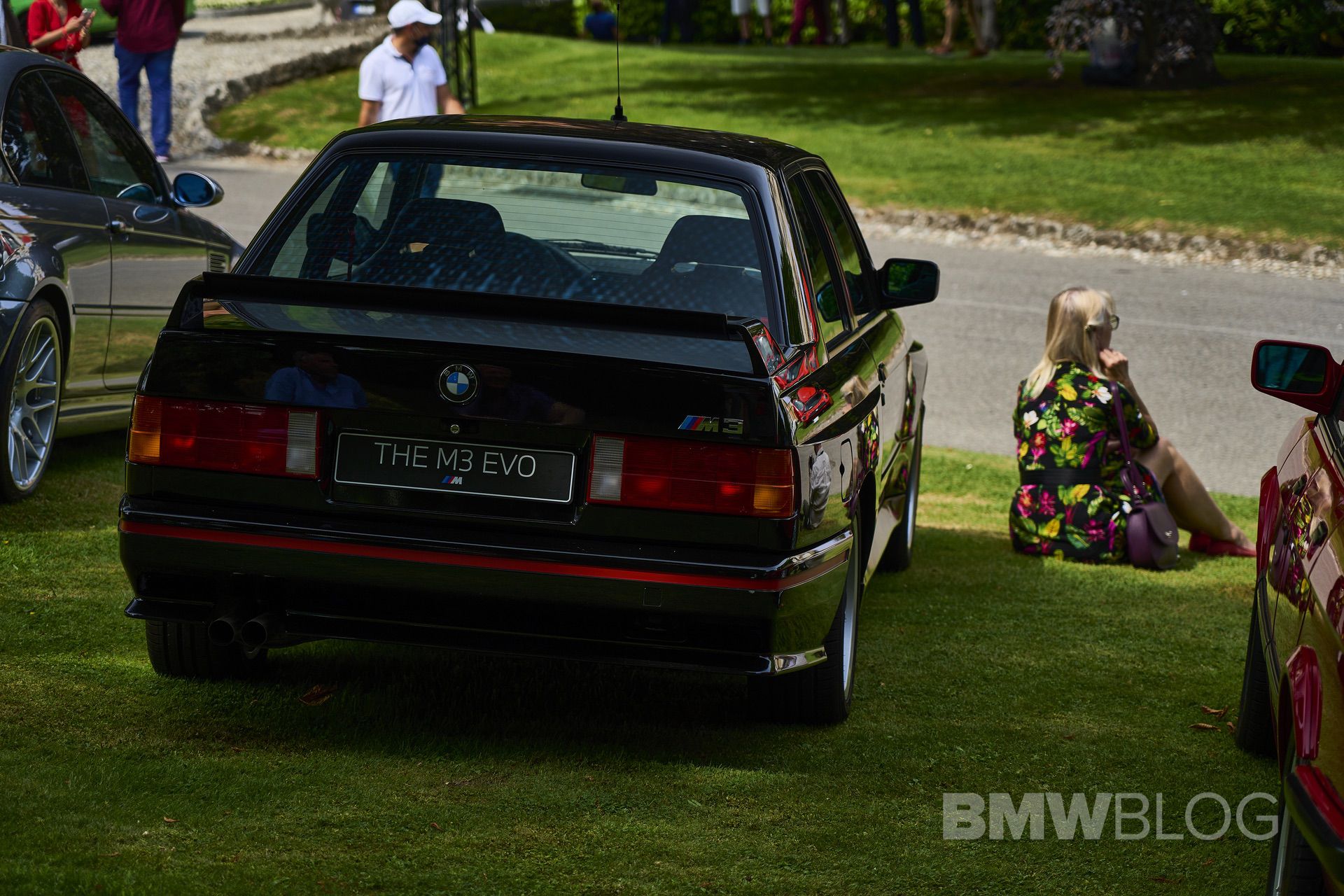
As the M3 evolved, the engine grew with it. In 1987, the Evolution variant arrived with 215 hp. By 1988, the Evolution II pushed to 220 hp. The final evolution came in 1990 with the Sport Evolution—a 2.5-liter delivering 238 hp, making it the most powerful road-going E30 M3 ever built. Only 600 of these were produced, which is why they command serious money today. More power? Obviously. More accessible power delivery below 4,000 rpm? Absolutely.
The Touring Car Dominance Everyone Forgets About
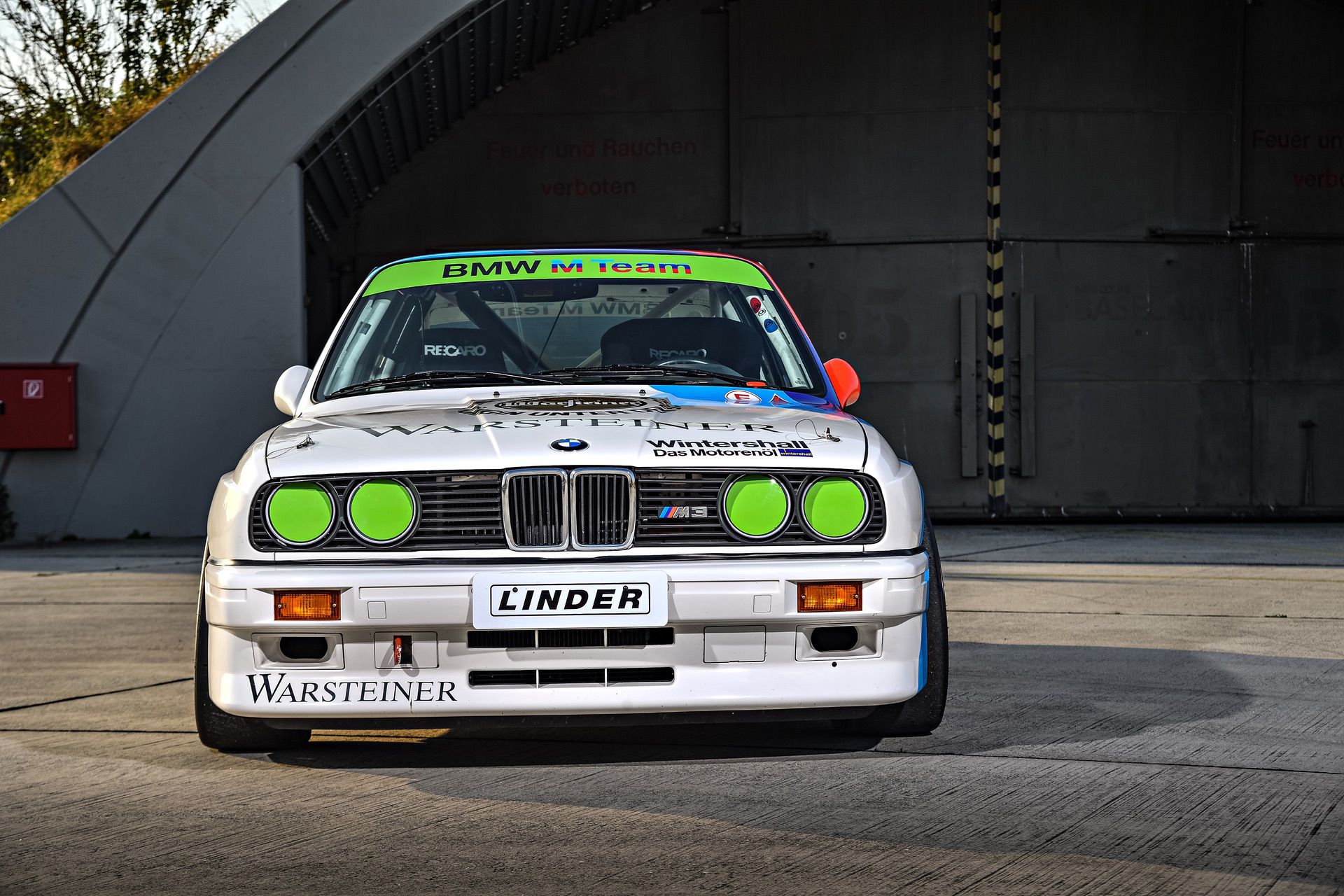
Here’s something important: on the racetrack, the E30 M3 was essentially untouchable. Not in some nostalgic, “it was amazing back then” way—we mean genuinely competitive against much larger-engined rivals. The Deutsche Tourenwagen Meisterschaft saw the M3 dominate for years. The British Touring Car Championship? M3s won there too. Group A racing? Competitive. The reason wasn’t just engineering genius (though it was that). It was that BMW M took everything they learned on the racetrack and put it directly into the road car.
The suspension geometry wasn’t a road compromise with racing bits—it was a racing setup adapted for the street. The brakes were race-spec Brembo systems. The transmission ratios reflected DTM priorities. The differential settings matched what they needed on track. Every single component fed into one philosophy: make it work on track first, then make it work on the road. Or as they would say in America: Race on Sunday, sell on Monday.
The Chassis: What Made the Difference

The rear suspension remained identical to the standard E30 3 Series. But the front end received several modifications that made all the difference. Instead of mounting the anti-roll bar to the control arms like the regular 3 Series, BMW M created tabs on the struts themselves as attachment points. This simple change gave a better steering feel and created more direct leverage. They also increased the castor angle through offset control arm bushings, sharpening how the car responded to input. Bigger front wheel bearings handled the extra lateral forces. The rear subframe bushings got thick spacers on top to reduce flex under hard driving.
Weight distribution was nearly perfect 50/50 front-to-rear. The fuel tank held just 63 liters—deliberately small to save weight, even if it meant regular fillups on a road trip. Everything was engineered toward a singular purpose: make it light, make it balanced, make it responsive.
The Convertible: Expanding the Vision

Starting in 1988, BMW M proved the E30 M3 platform could handle open-air driving without compromising the engineering. The M3 Convertible arrived with the same commitment to performance—reinforced chassis, the same suspension geometry, identical power delivery.
Early convertible examples made 195 hp, while later variants received the 215 hp Evolution engine, making them every bit as capable as their coupe counterparts. The convertible added a different dimension to the driving experience—the mechanical feedback remained identical, but now you got the sensory overload of engine note, wind noise, and road vibration all at once. For drivers who wanted everything the E30 M3 offered but with the sky removed, it was the perfect answer.
The convertible remained exclusive to European markets and never made it to the United States, adding to its collectibility today. Finding a well-preserved M3 Convertible is increasingly difficult, and enthusiasts recognize them as equally important members of the E30 M3 family.
The Sport Evolution: The Final Statement
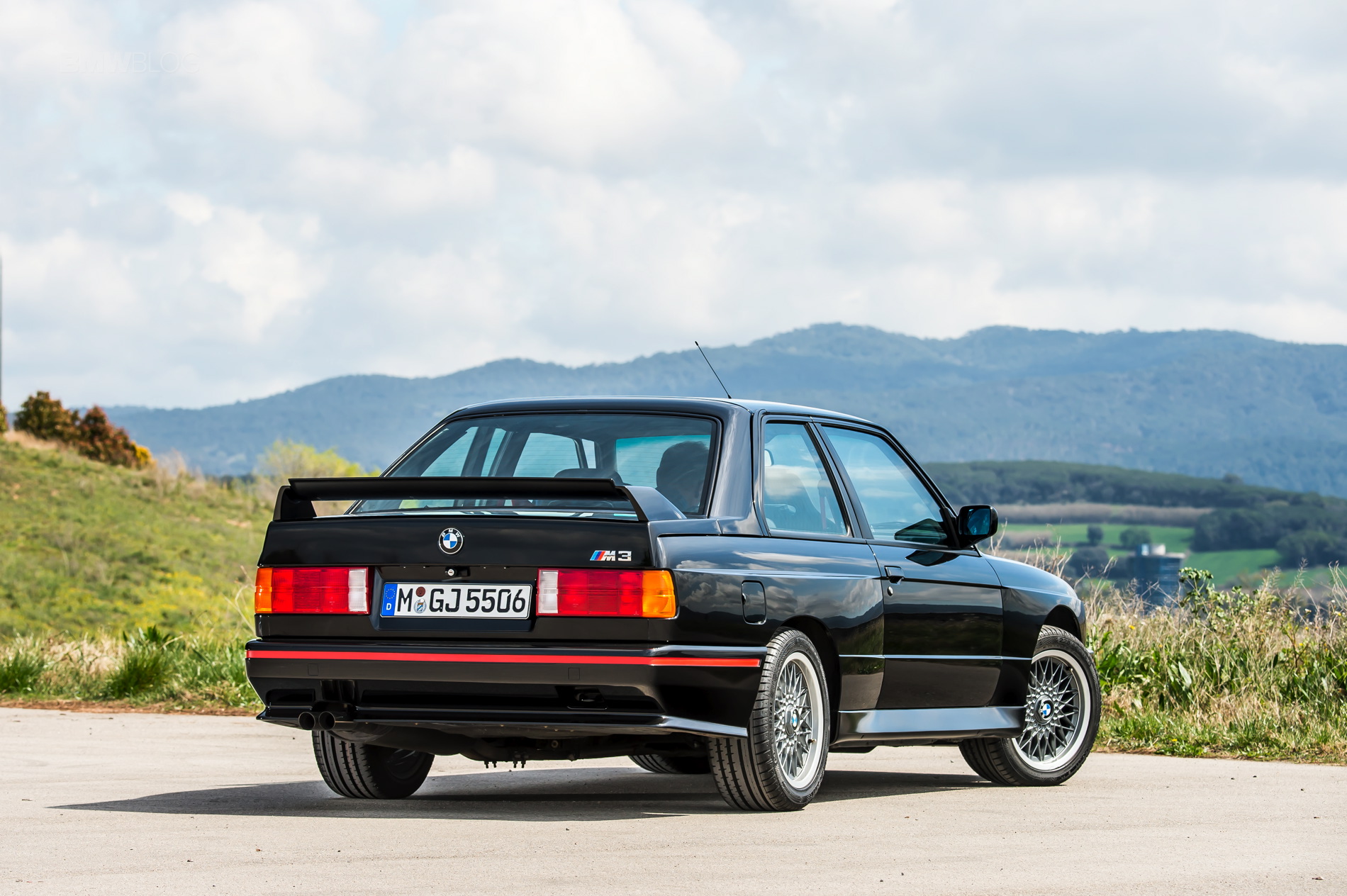
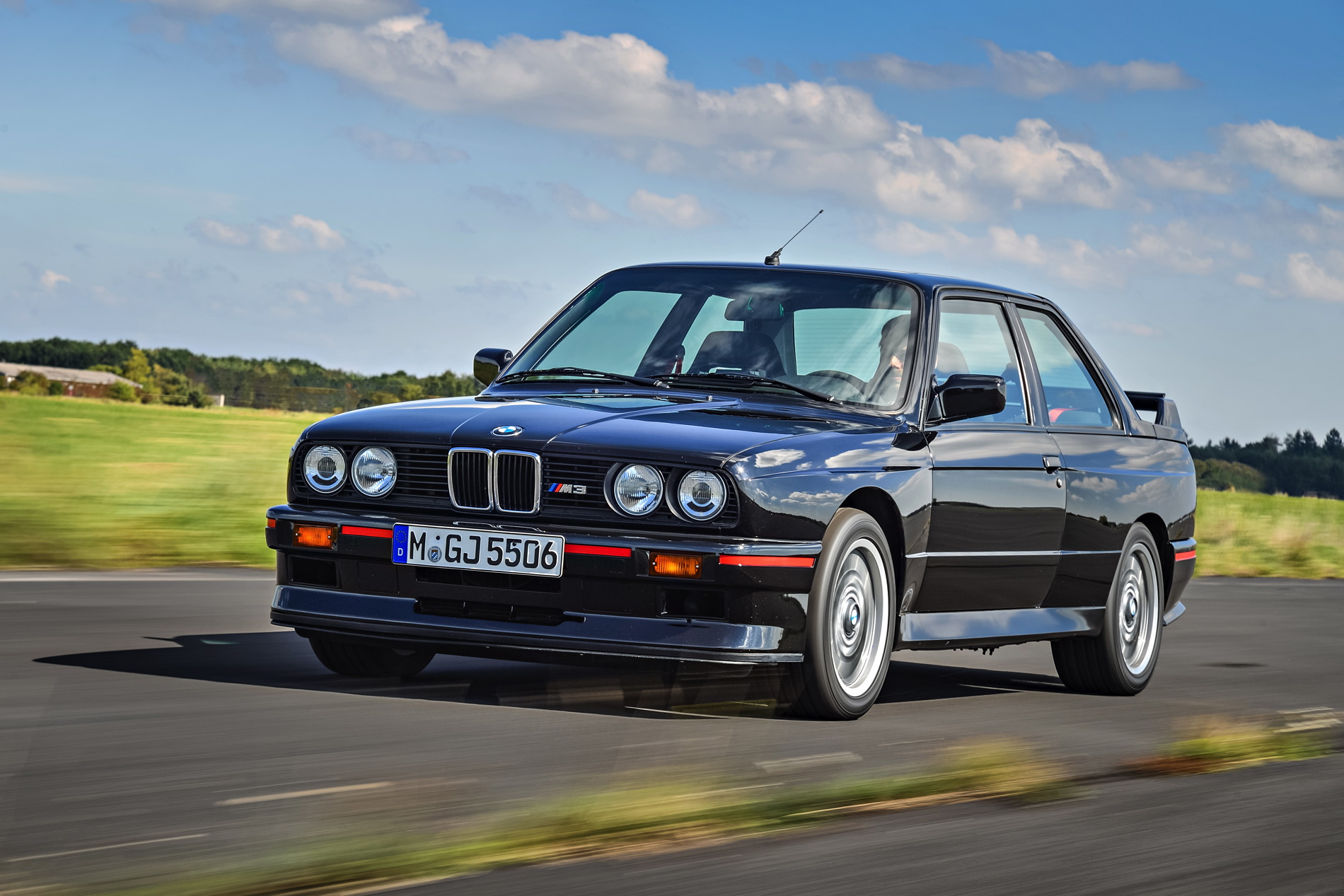
By 1990, the competition was catching up. The original M3 had dominated for years, but regulations were evolving and rivals were becoming competitive. BMW M’s answer was the Sport Evolution—the final and most powerful E30 M3 variant. With the 2.5-liter engine producing 238 hp, adjustable front aprons, and a one-piece racing seat, the Sport Evolution gave the E30 M3 an edge against its competitors.
Only 600 examples were built before the production cycle ended in 1991, making the Sport Evolution the rarest and most coveted E30 M3 variant today. It came exclusively in two paint finishes—Brilliant Red and Glossy Black—adding to its collectible status. The Sport Evolution represented the absolute peak of what the E30 M3 platform could deliver, and owners of these cars know they have something genuinely special.
Production Timeline
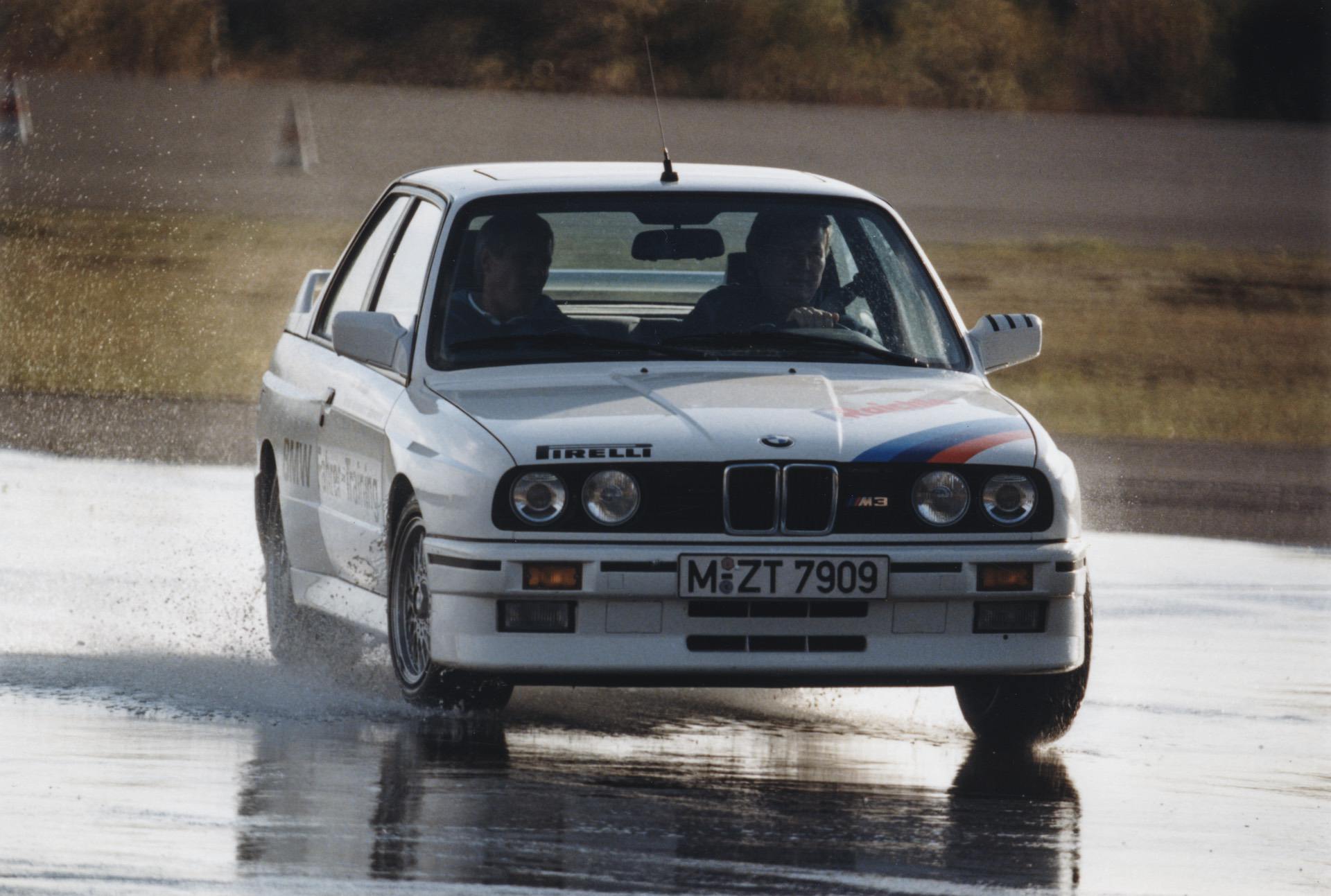
The E30 M3 stayed in production from 1986 through 1991. Nearly 18,000 were built—enough to be meaningful, rare enough to be special. North American cars only got the naturally aspirated 2.3-liter variants, which honestly is fine because we got the engineering excellence anyway.
Geographic variants made things interesting. European customers could choose between various power outputs depending on year and model variant. Japan had different regulations. These constraints actually added to the car’s character—you couldn’t spec the perfect M3 everywhere; every market got a slightly different interpretation.
Special editions added another layer of collectibility. The M3 Europameister (148 units, 1988) celebrated the European Touring Car Championship victory and came exclusively in Macao Blue, each signed by race driver Roberto Ravaglia. The M3 Cecotto (505 built with 215 hp) achieved similar cult status, with 25 special “Ravaglia” editions among them.
Today, E30 M3s command real money globally. In the United States, well-maintained examples run $45,000 to $75,000 depending on condition, year, and variant. The rare Sport Evolution models—with only 600 built—push well past $100,000. In Europe, prices sit around €40,000-€60,000 for standard models, with Evos commanding significantly more. These aren’t supercar prices, but they reflect genuine scarcity and desirability, not speculation.
The Influence Over The Sports Car Segment
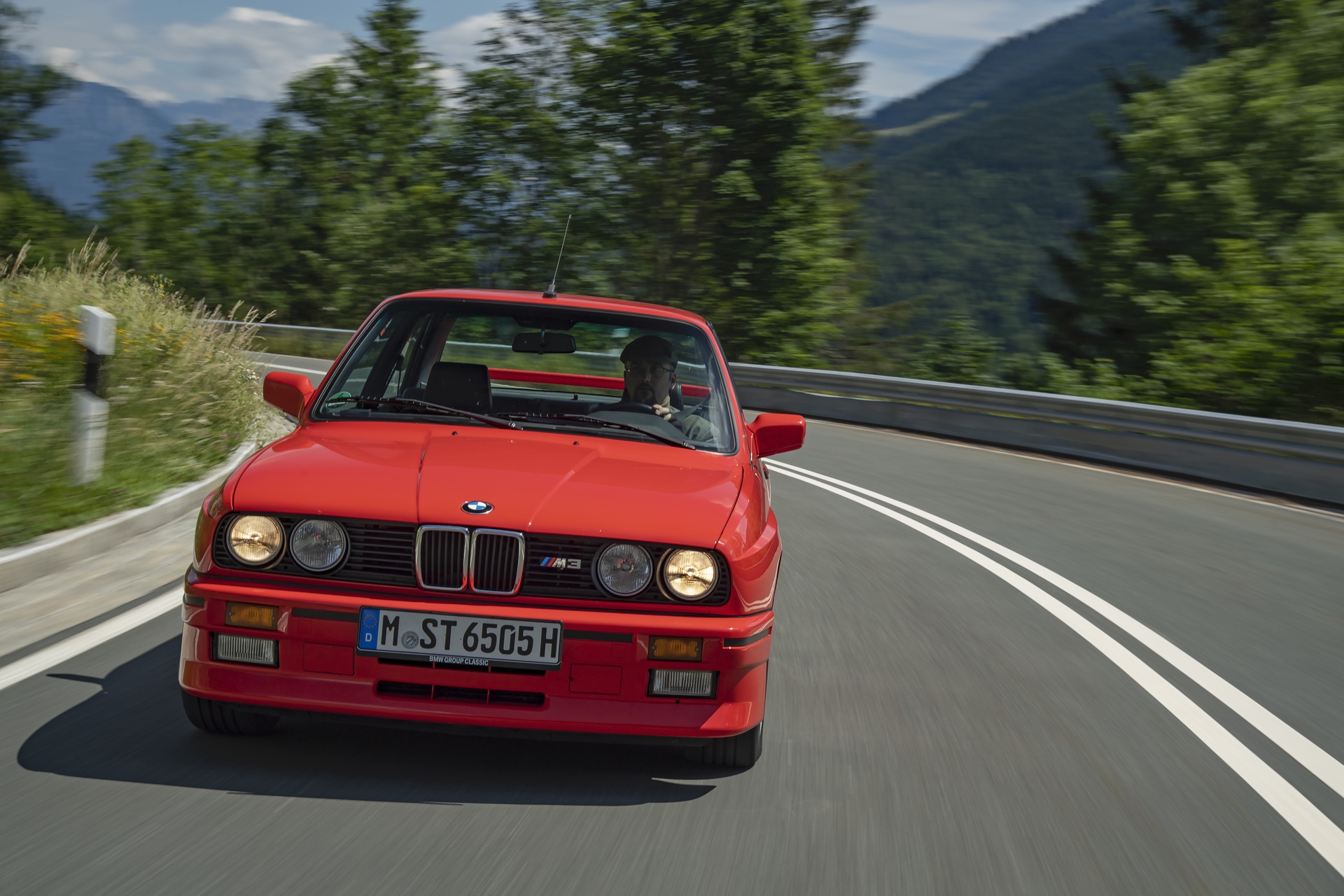
The E30 M3 forced the entire industry to reconsider what a compact sport sedan could be. Before 1986, these cars were modified economy sedans. The M3 proved that focused engineering could create something fundamentally different.
Within a few years, competitors had their own interpretations. The Audi Sport Quattro S1 E2 offered all-wheel drive and turbocharging. The Mercedes 190E 2.5-16 Evo II brought Swabian precision. The Lancia Delta Integrale Evo was a practical family car that could embarrass supercars.
Yet the E30 M3 remained the reference point. Its DNA influenced the 1989 Audi RS 2 Avant, the 1992 Porsche 968 Club Sport, the 1993 Lotus Carlton. Every subsequent M car carried forward what the E30 M3 had proven.
The Cult Status Nobody Saw Coming
Here’s something that would have seemed impossible in 1990: the E30 M3 has become a cultural icon beyond just car enthusiasts. We’re talking celebrity collector status. Recently, DJ Khaled got one as well as a gift from Jay Z, which tells you everything about how these cars are now viewed in the cultural mainstream. Mike Epps has one. These aren’t gear-head celebrities who happen to have E30 M3s; these are cultural figures who specifically wanted this car because of what it represents.
The E30 M3 transcended being a car and became a symbol of authentic, uncompromising engineering in a world increasingly filled with compromise. The fact that it appeals equally to car people and cultural icons says something profound about what BMW M created.
The Kith Collaboration: When Fashion Met M
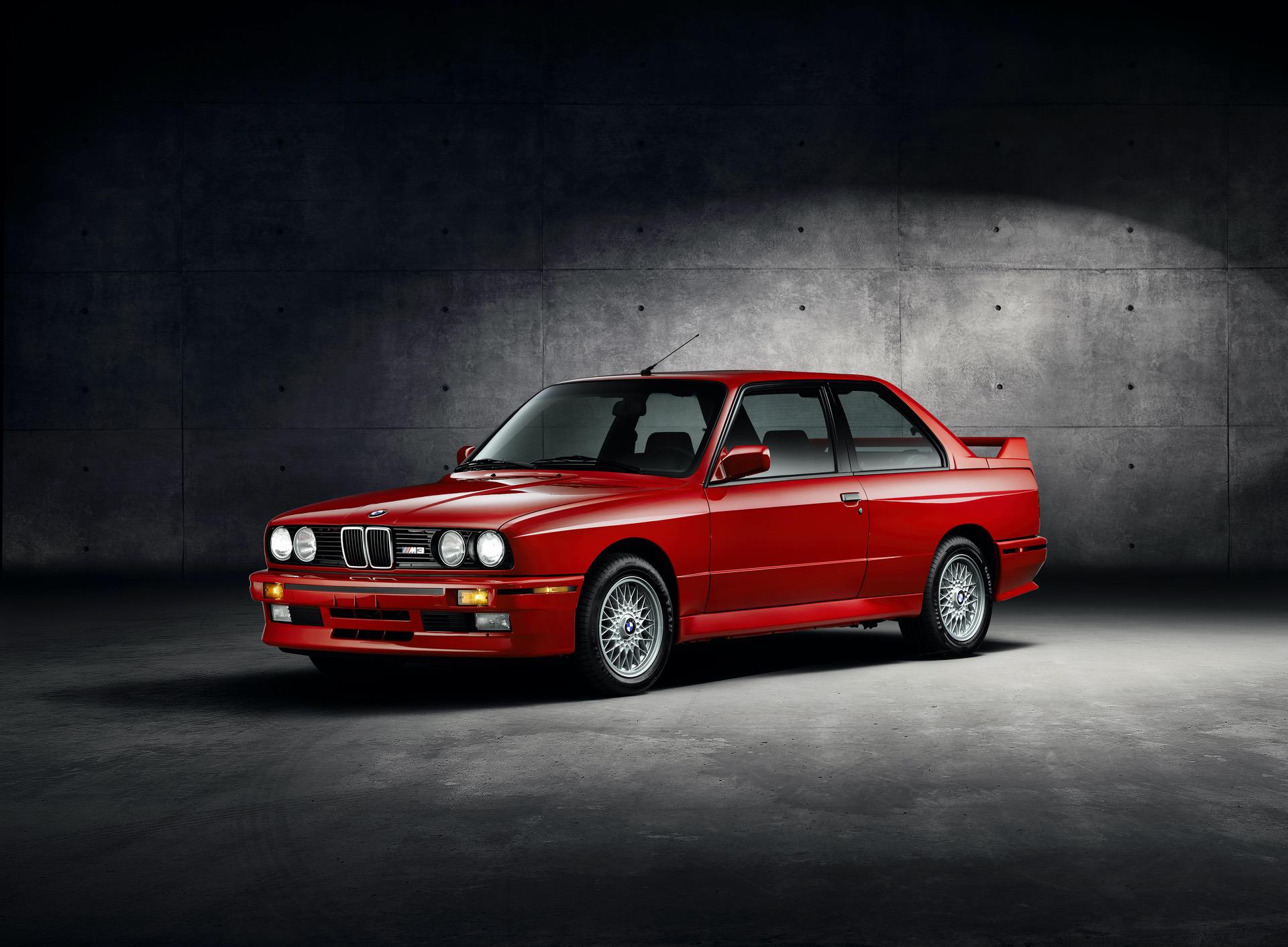
In 2021, Kith—the New York-based luxury streetwear brand—collaborated with BMW M on something special: a one-off E30 M3 that blended fashion sensibility with automotive engineering. It was a project that could have easily veered into gimmick territory. Instead, it proved the E30 M3’s cultural reach had extended far beyond traditional enthusiast circles.
The Kith E30 M3 was mechanically authentic—a real, functional performance machine, not some art-piece recreation. But it carried Kith’s visual language, proving that the E30 M3 was now relevant enough to collaborate with brands operating entirely outside the automotive world.
That collaboration signaled something important: the E30 M3 had achieved a cultural status usually reserved for iconic sneakers or vintage fashion pieces. It was collectible not just as a car but as a cultural artifact.
BMW Actually Celebrating What They Built
2026 marks the 40th anniversary, and BMW isn’t letting it pass quietly. The company is organizing proper celebrations, including a significant presence at the Goodwood Festival of Speed—where the E30 M3 will take a featured role in the festivities. Expect factory support, historic races featuring period-correct examples, and probably some surprises. Goodwood celebrated the M1 properly when its anniversary came around; they’ll do the same for the E30 M3 because it’s genuinely important.
Forty years later, the E30 M3 still hasn’t slowed down. And judging by how many of these cars are being restored, driven hard, and coveted by both enthusiasts and cultural figures, it shows no signs of stopping.