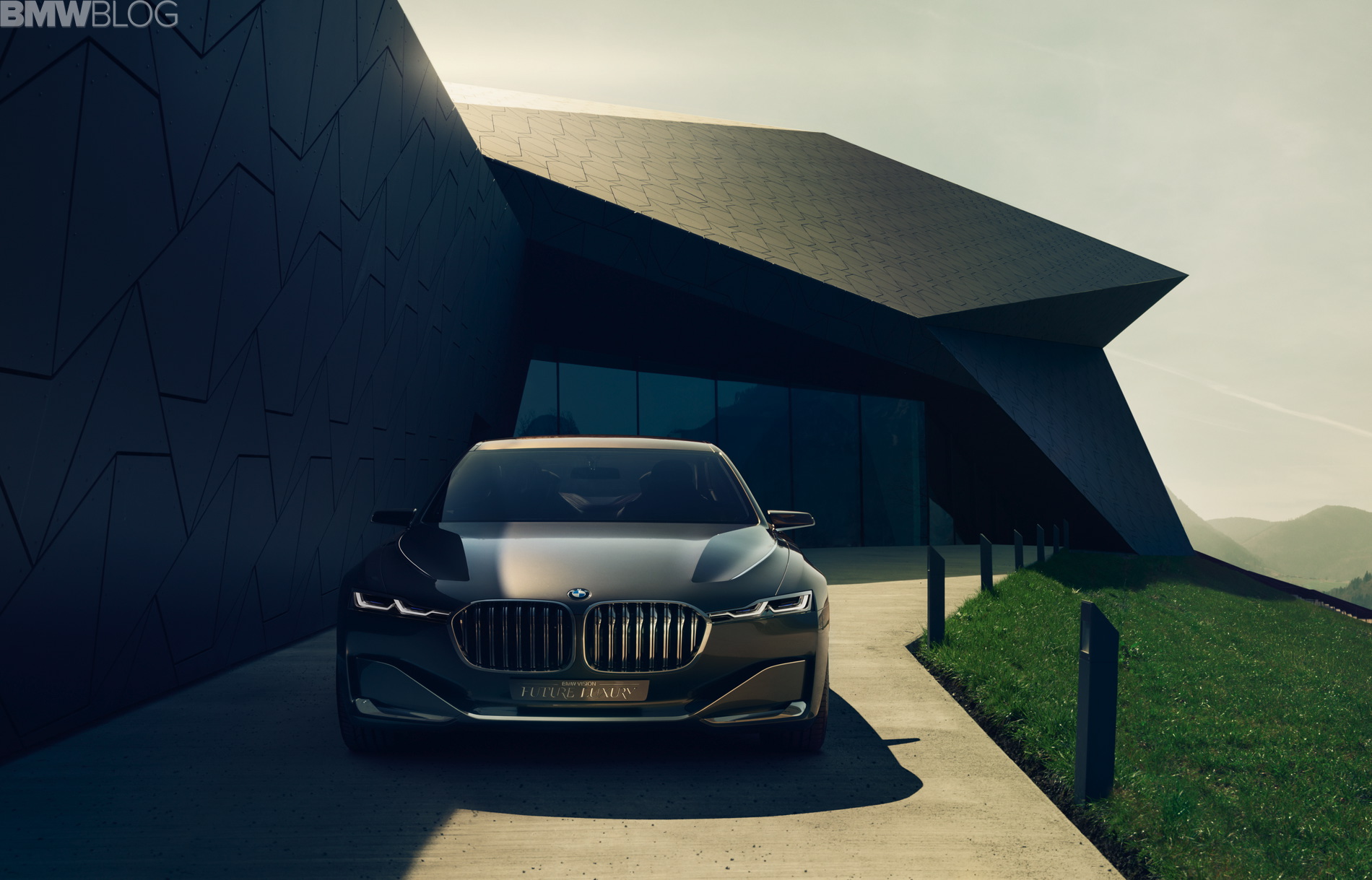
BMW showed the Vision Future Luxury in 2014, and the first reaction most people had was simple: why doesn’t BMW build this? The proportions were right, the surfaces were clean, and it looked like a flagship without trying to shout. But the real reason the car is worth revisiting now isn’t just the styling. It’s how many details in this concept turned into themes BMW kept coming back to—especially on the 7 Series and other big, high-end models.
The Grille That Got There Early
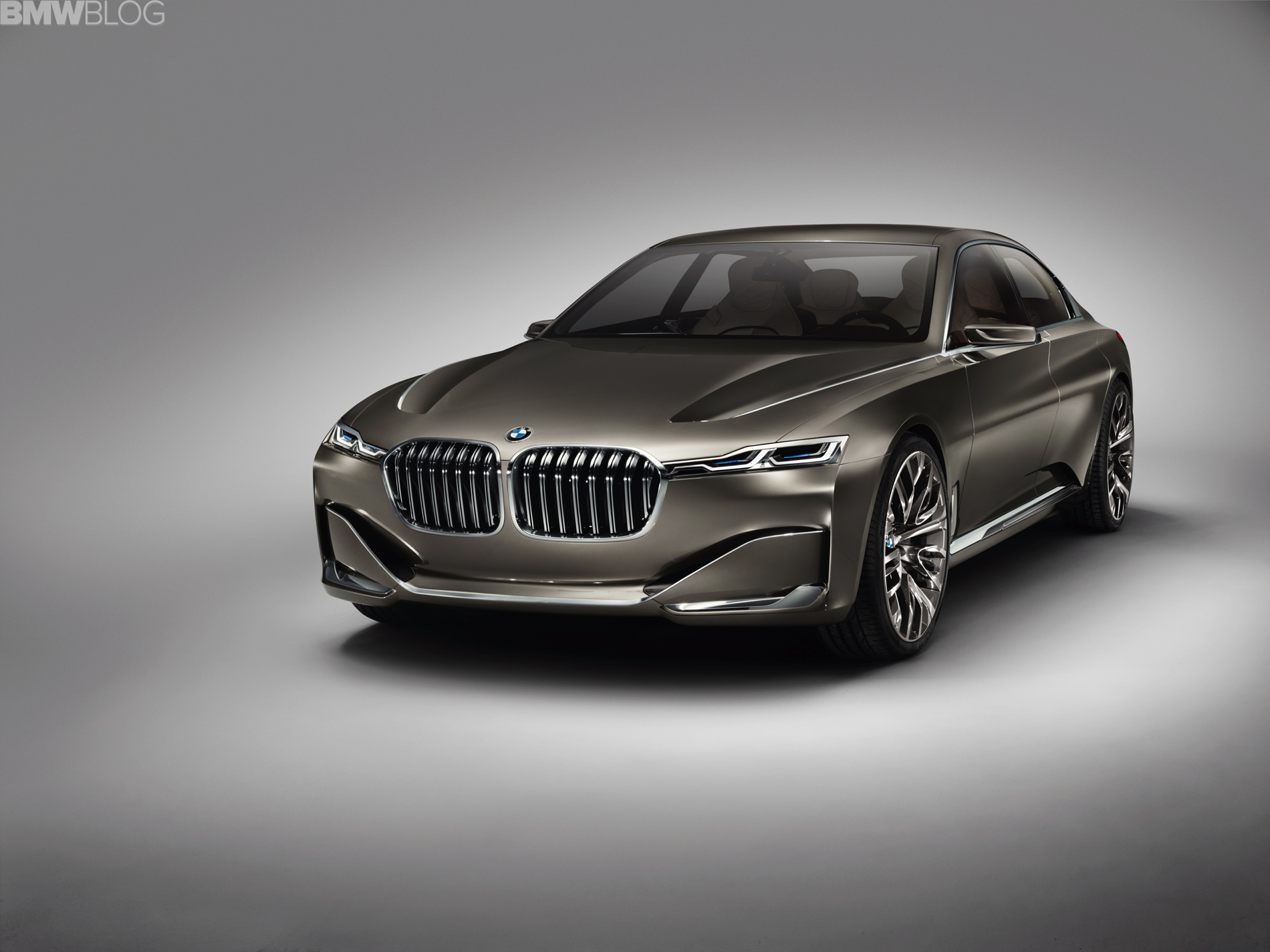
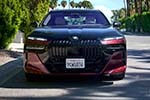
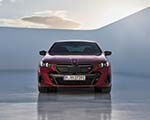
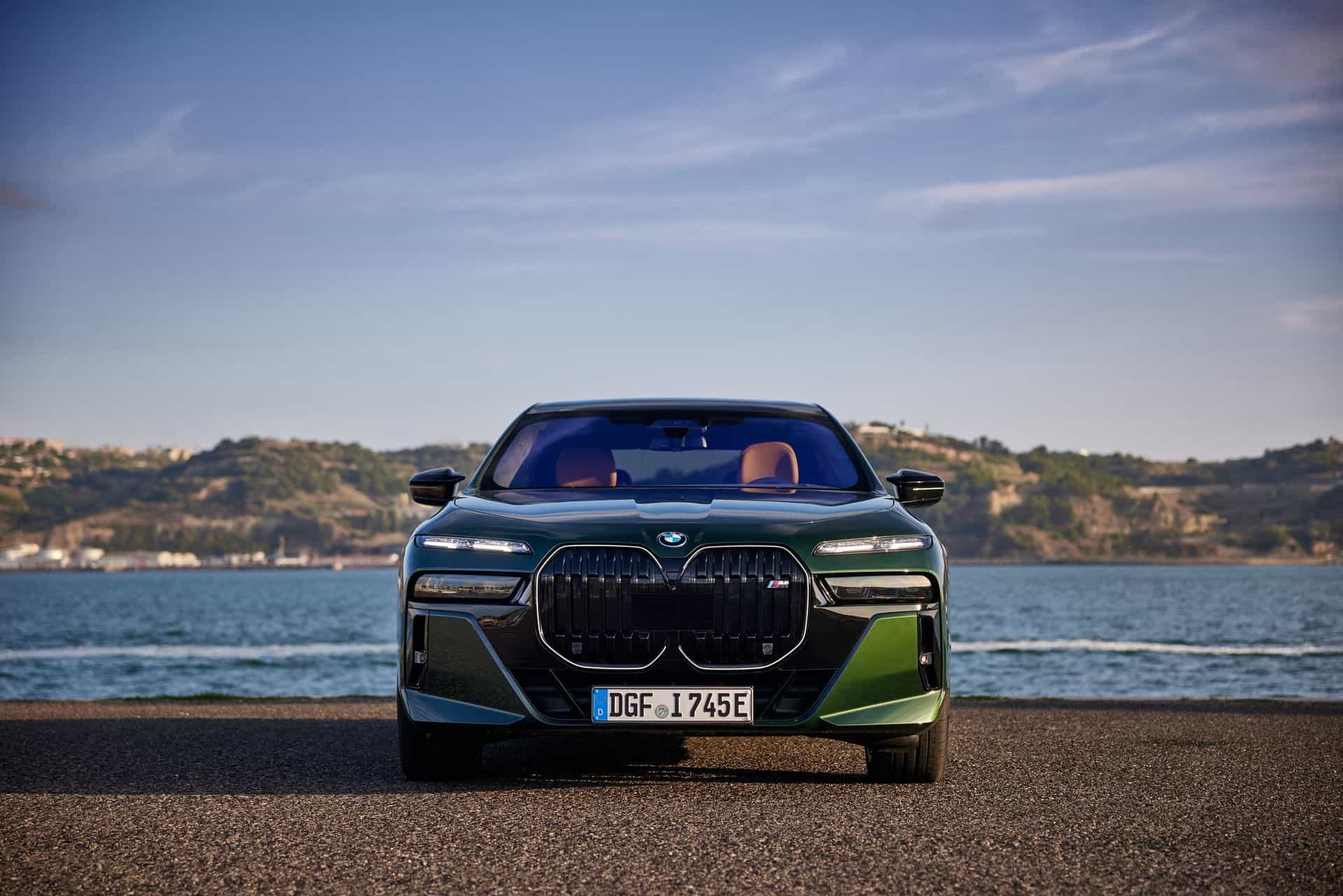
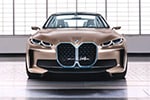
In 2014, BMW’s kidney grilles were still mostly restrained. Vision Future Luxury wasn’t. It pushed the kidneys larger and more dominant, basically treating the grille as the centerpiece of the front end. That matters because a few years later, BMW’s flagships moved in exactly that direction. The 7 Series and several other models leaned into a bigger, more upright “face,” and whether you love it or hate it, this concept shows BMW had already explored the look long before it became a production reality.
Headlights That Are Now Seen Across Multiple BMW Models
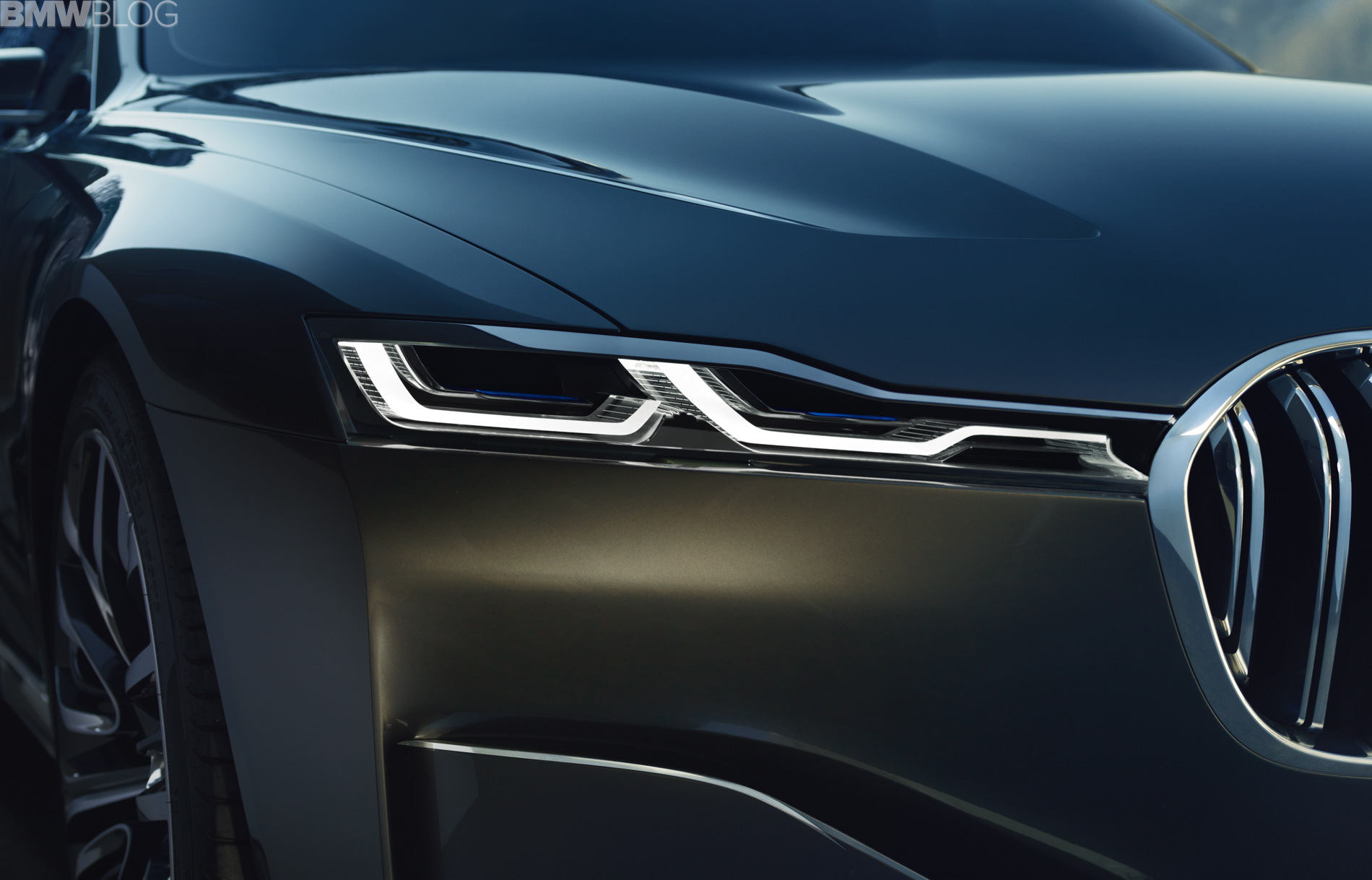
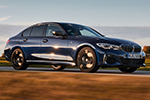
The headlights were another big step for the time. BMW had its signature two-light identity, but Vision Future Luxury made it thin, sharp, and highly graphic—very different from what you’d see on showroom BMWs in 2014–2015. Today, that kind of split, multi-element “double” headlight theme feels completely normal across the brand. In a lot of ways, it’s closer to what you see now on cars like the M3 and M4 than anything BMW was selling back then. The concept didn’t invent modern BMW lighting, but it’s an early example of BMW using the headlights as a design signature instead of just hardware.
Slim taillights That Look Like Today’s Trend
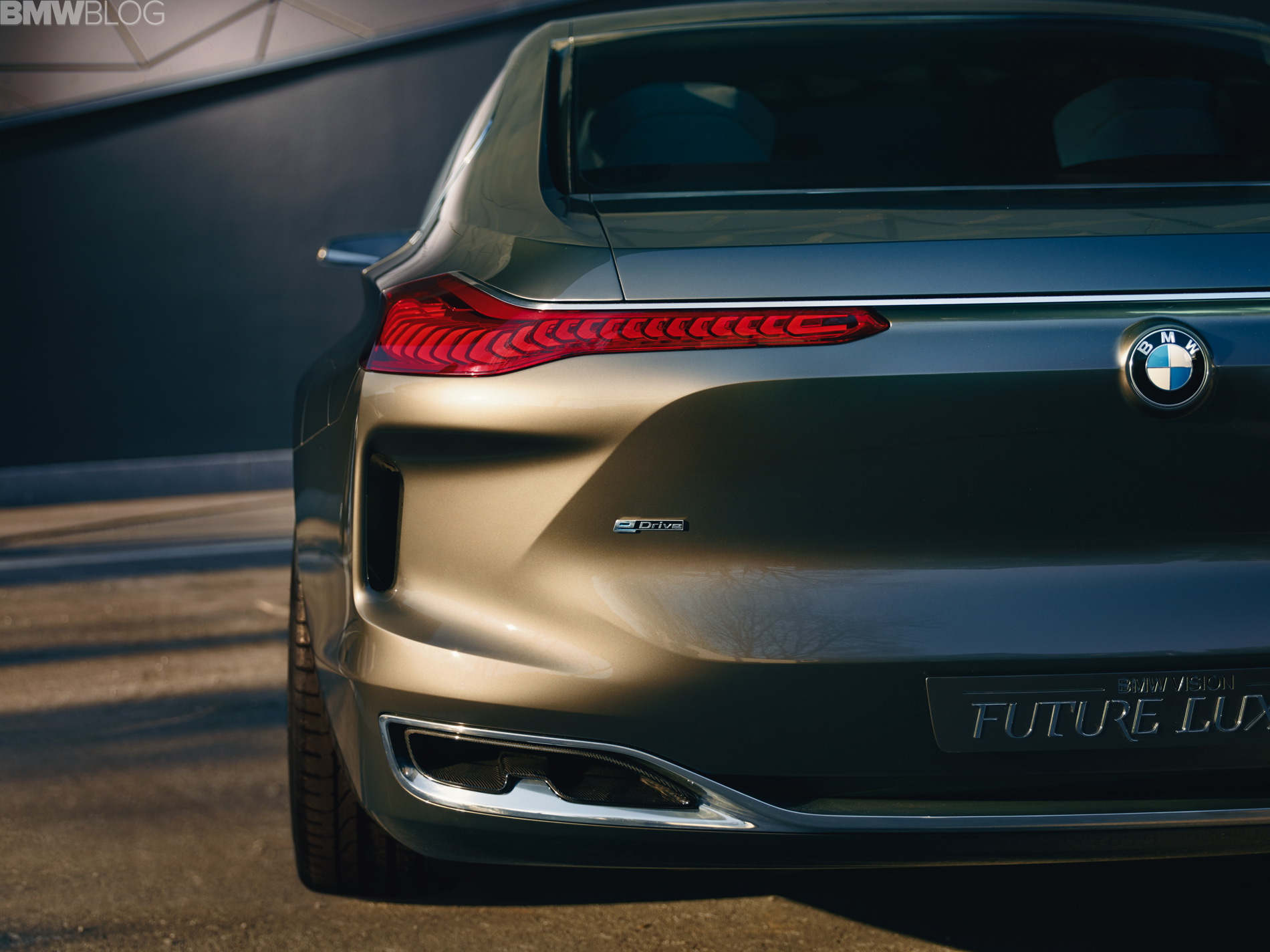
Around back, the taillights are almost shockingly slim. That’s the point: BMW was already chasing a thinner, more technical rear-light look, and it’s a feature you can spot on several current BMWs. The concept also leaned into OLED thinking for rear lighting—one of those “future tech” moves that wasn’t just for show, because it enables shapes and thinness you can’t really pull off with traditional lamp packaging.
The Interior Ideas That Actually Showed Up Later
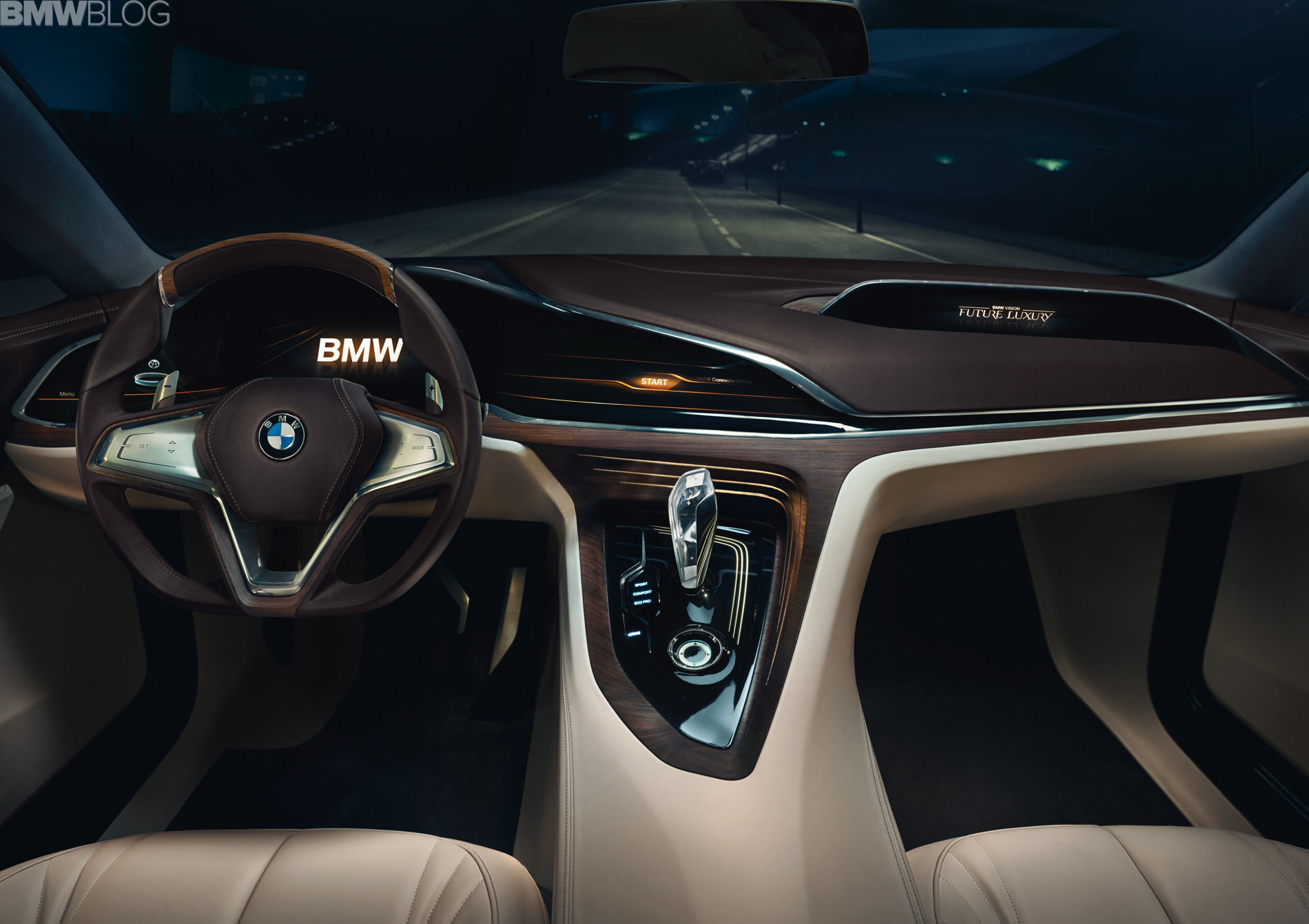
The cabin is where this concept starts to feel less like fantasy and more like a planning document. You can see the direction BMW would later take with:
- A sportier, flatter-bottom steering wheel shape
- Haptic-style controls on the wheel instead of old-school button clusters
- A fully digital instrument layout
- Rear-seat screens and a tablet-like control device for passengers to manage media and functions
That last point is the big one. Rear-seat tech and “executive lounge” priorities are now baked into BMW’s flagship approach—especially the newer 7 Series where the rear cabin isn’t treated like an afterthought. Vision Future Luxury was already building that logic into the concept: if you’re buying the top sedan, the rear passengers should have real control and real comfort.


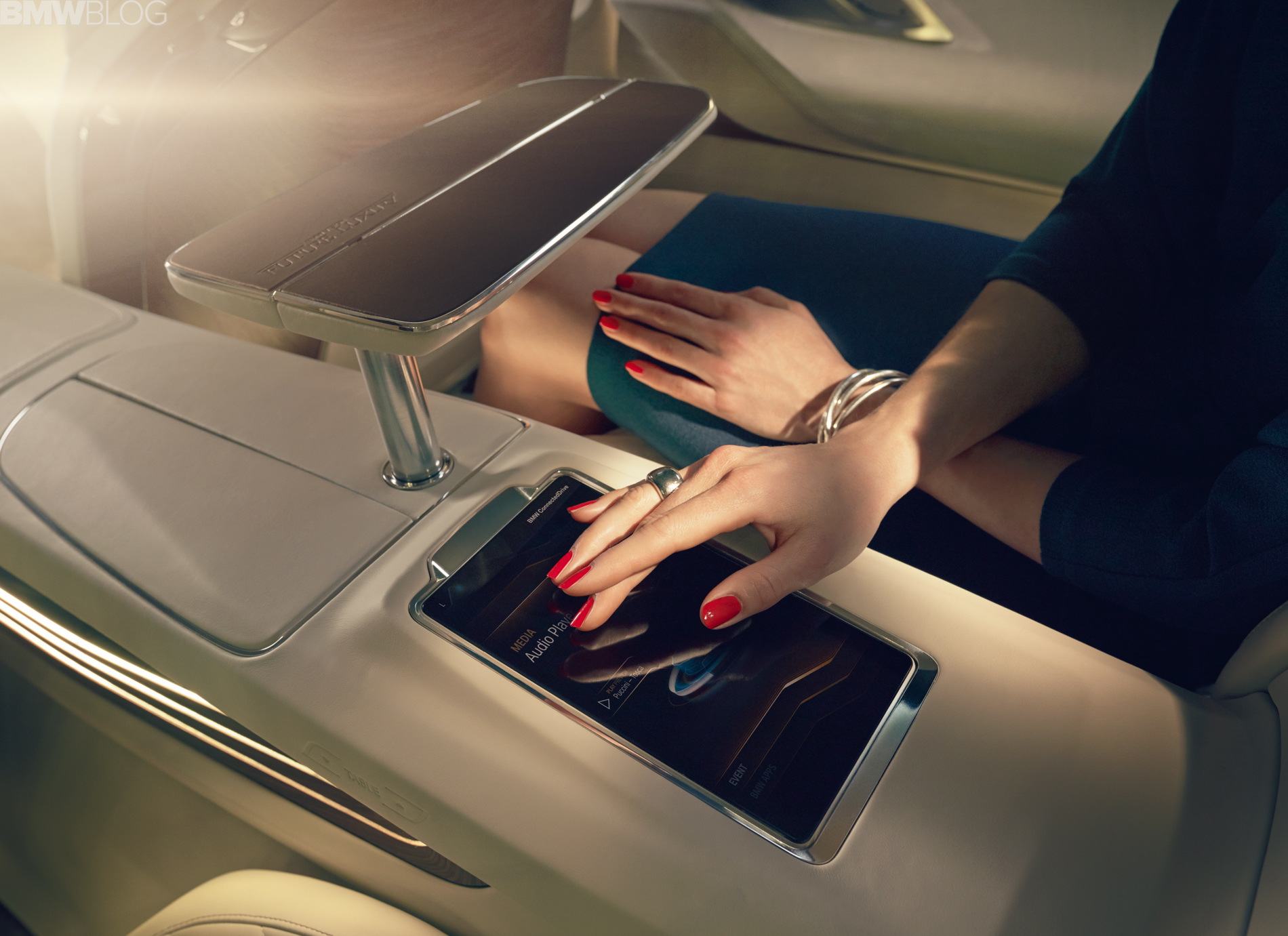
And yes, the rear seating layout feels like an early nod to the kind of “two-seat, first-class” vibe BMW later leaned into with things like captain’s chair layouts in the X7. Different vehicle, same idea: space and separation can feel more premium than simply squeezing in more seats.
The Crystal Controls Before BMW Sold Them
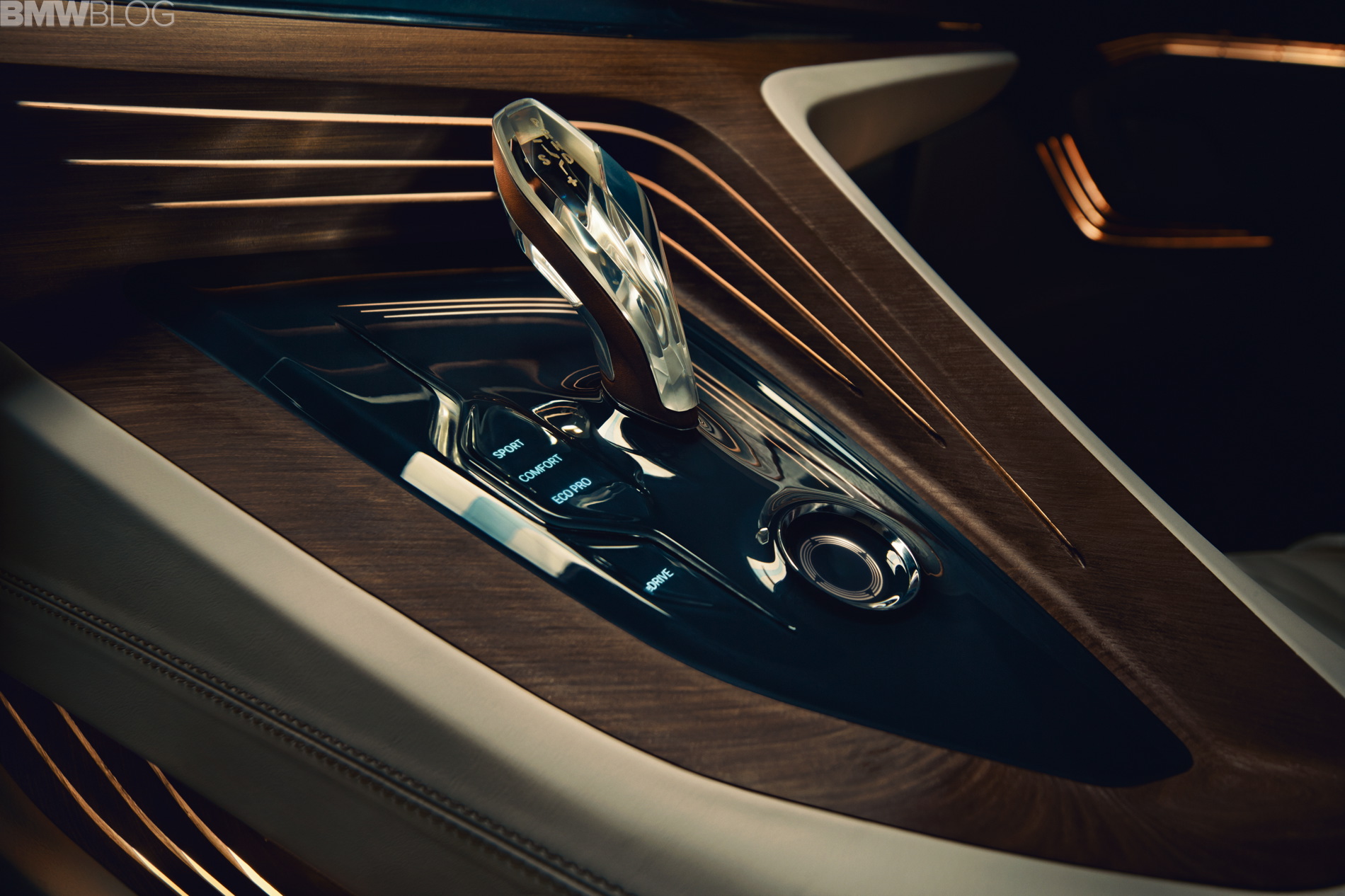
There’s also a detail that’s easy to miss until you remember it became a real option: the crystal-look shifter and iDrive controller. BMW later turned that idea into production with its glass control packages on high-end models. In the concept, it wasn’t trying to be futuristic—it was trying to make the touch points feel special in a very literal, physical way.
The Passenger Screen: BMW Was Thinking About It Back Then
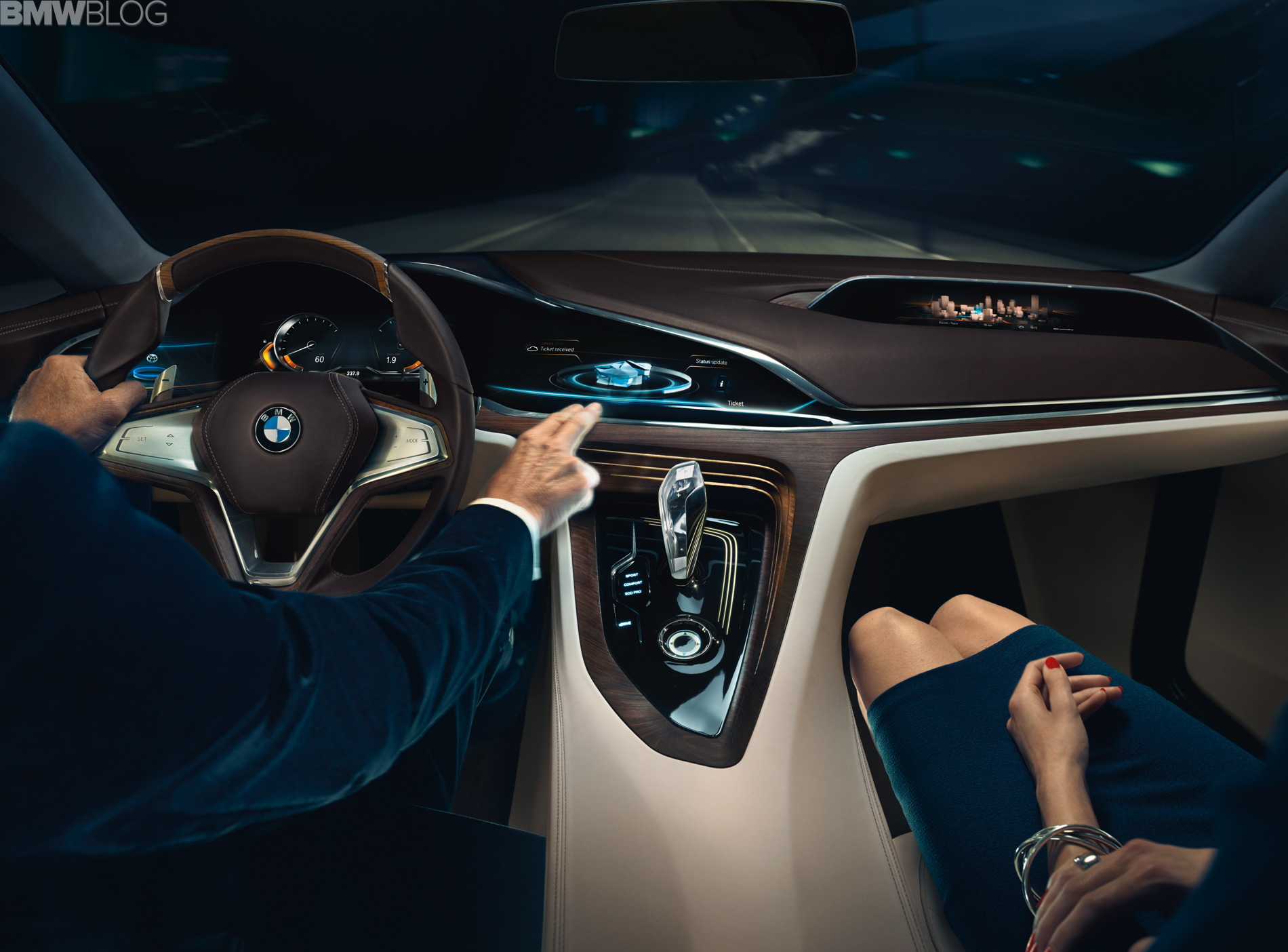
One of the most interesting “tells” in this concept is how it treats the front passenger. The cabin layout clearly assumes the passenger is part of the interface experience, not just someone sitting next to the driver. That’s especially relevant now, because a dedicated front passenger display has been rumored for upcoming high-end BMWs as soon as 2026.
Whether that exact feature arrives on schedule or not, the concept makes the broader point: BMW has been experimenting with the idea for a long time. These things don’t appear overnight.
The Coach Doors That Still Haven’t Happened

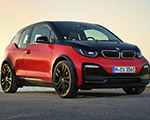
The coach (rear-hinged) doors are the one crowd-pleaser BMW still hasn’t brought to a flagship sedan. They’re dramatic, they make entry and exit feel like an event, and they instantly separate a concept from a normal production car. BMW has used rear-hinged door solutions before—most famously on the i3—but the “big luxury sedan with coach doors” idea remains stuck in concept land. Probably for practical reasons. Still, it’s the kind of detail that makes you wish BMW would take a risk once in a while on a limited-run halo car.
BMW Tends To Follow Through On Their Ideas
Vision Future Luxury is remembered as a beautiful BMW concept, and it is. But the more honest reason it holds up is simpler: it was packed with ideas BMW actually followed through on.
Big kidneys. Slim double headlamps. thin taillights. A screen-led cabin. Rear-seat tech and comfort as a priority. Even the crystal-look controls. Put it next to today’s flagship BMWs and it doesn’t feel like a weird relic—it feels like an early chapter.
And that’s what a good concept car is supposed to be. Not a spaceship. Just a clear look at what the brand is already working toward.