Article Summary
- AMG's dedicated all-electric SUV packs three motors with a combined output of 1,153 horsepower and 1,475 pound-feet (2,000 Nm) torque.
- Two battery options offer usable capacities of 106 kWh and 128 kWh, with the larger pack promising up to 435 miles (700 kilometers) of WLTP range.
- At 2,695 kilograms (5,941 pounds), it's one of the heaviest production vehicles to ever carry the three-pointed star.
These are dark times for the AMG traditionalist. Not only has Affalterbach gone ahead and developed its first SUV entirely in-house, but it has also decided to ditch the combustion engine altogether. Yes, the people who gave us thunderous V8s and tire-shredding performance machines now want us to get excited about an electric SUV. And not just any electric SUV, but one that can fake a V8 soundtrack when the silence gets a little too uncomfortable.
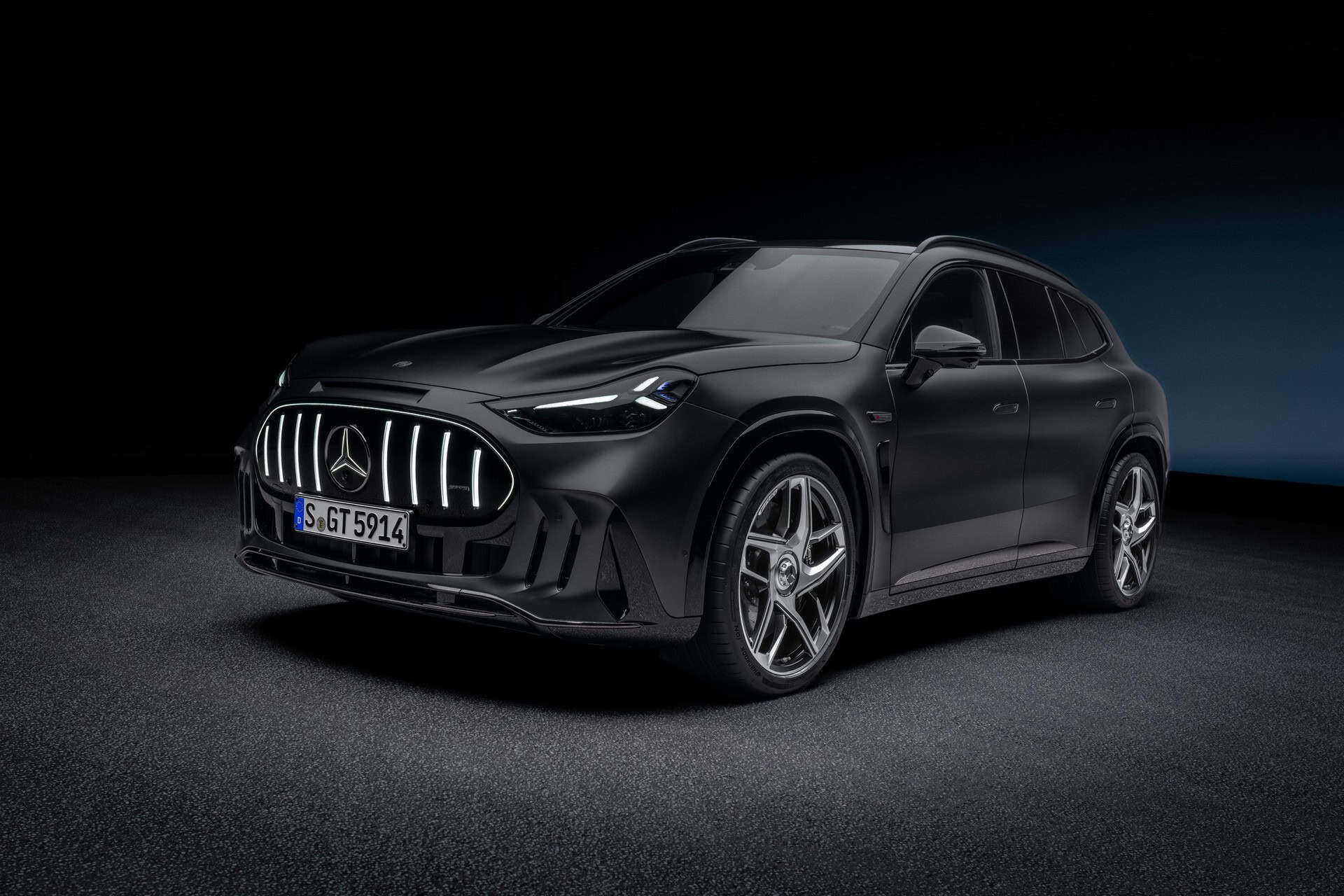
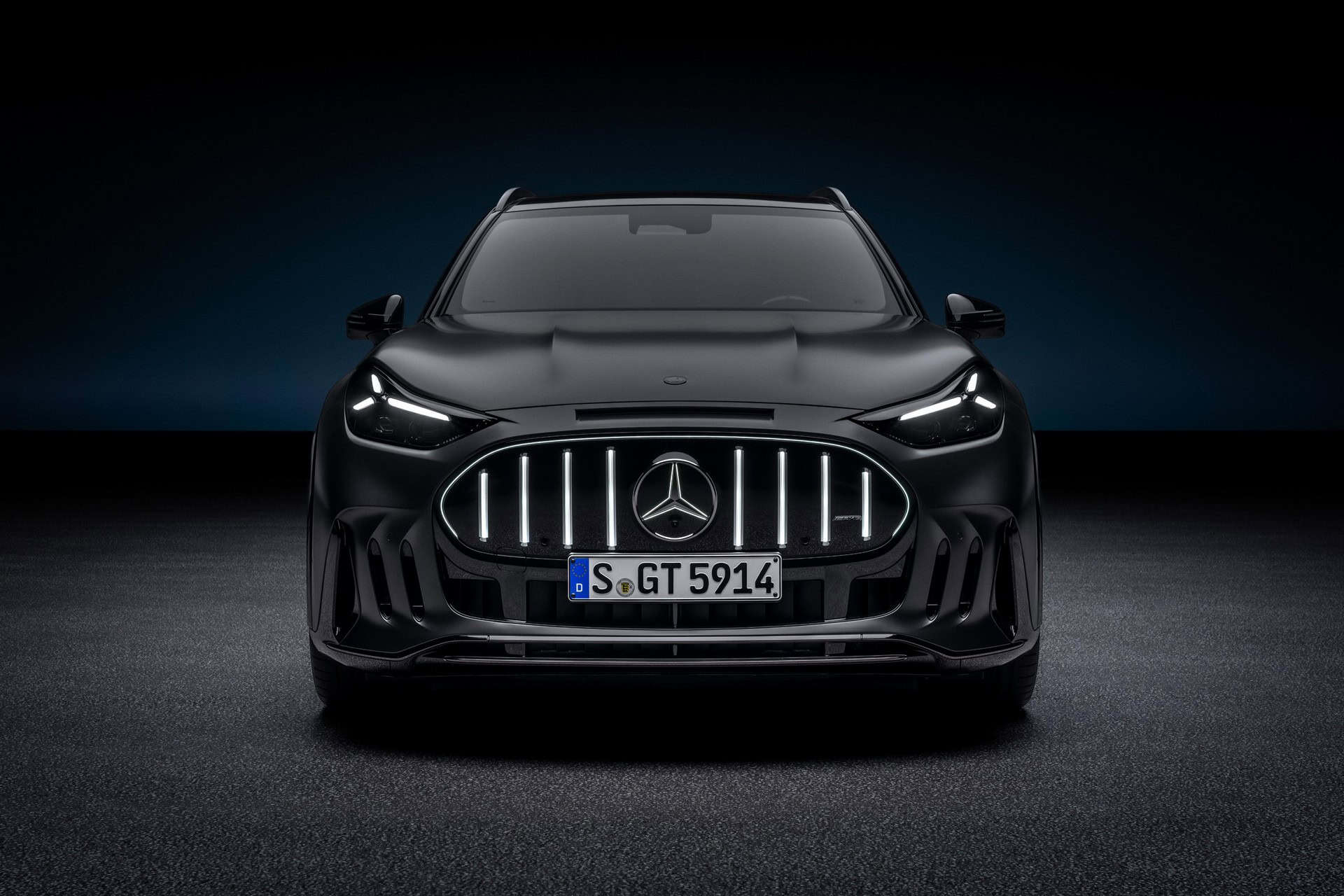
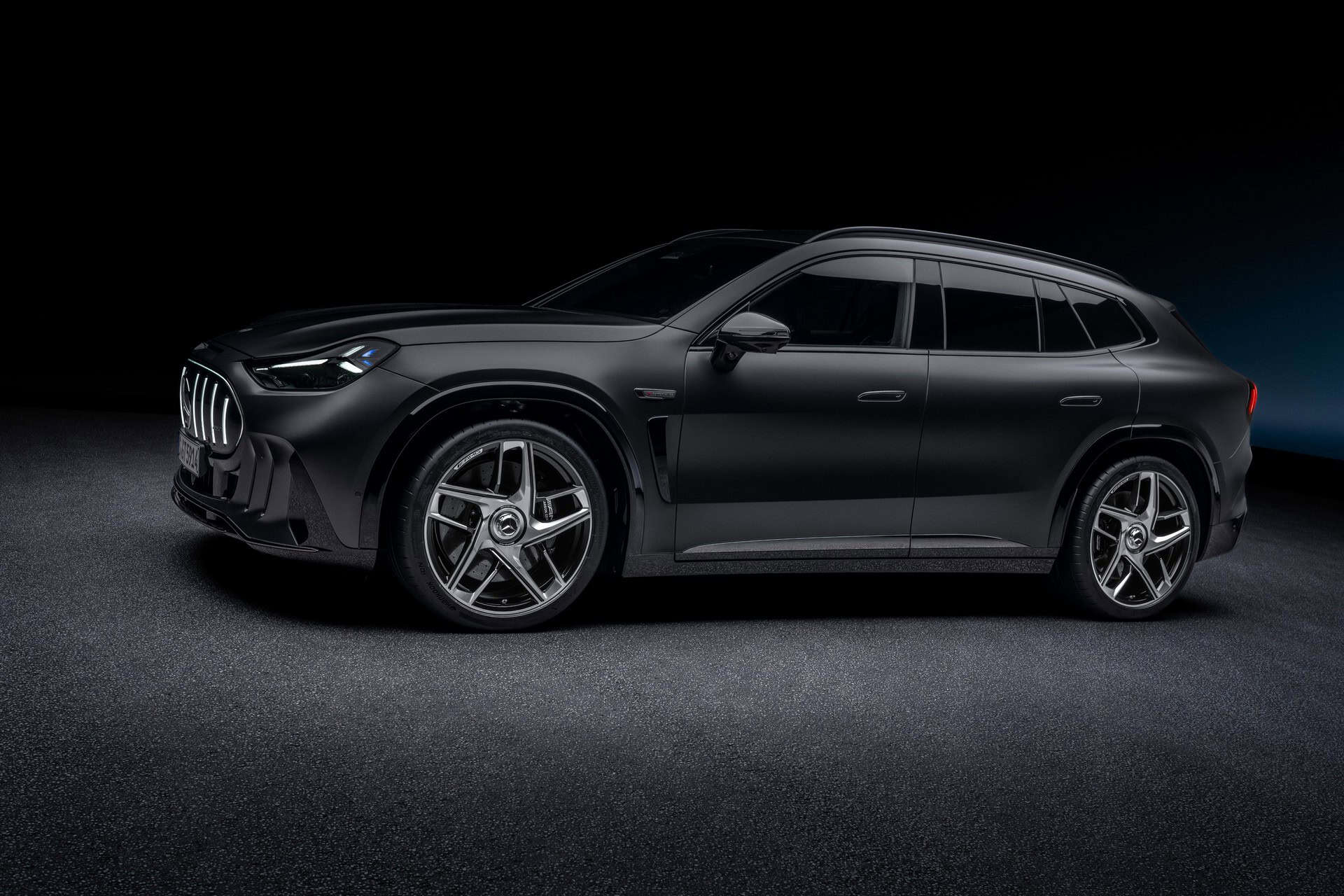
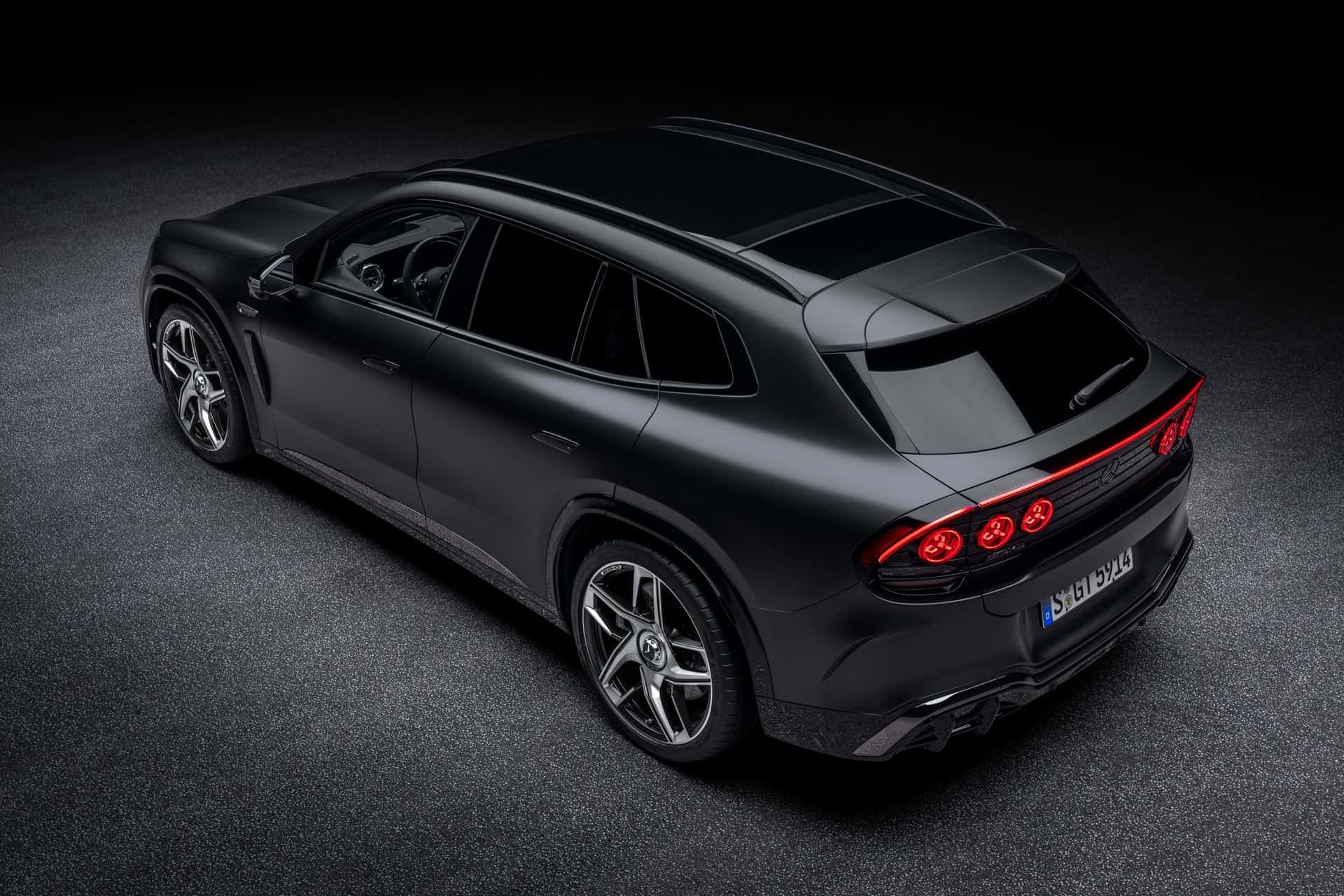
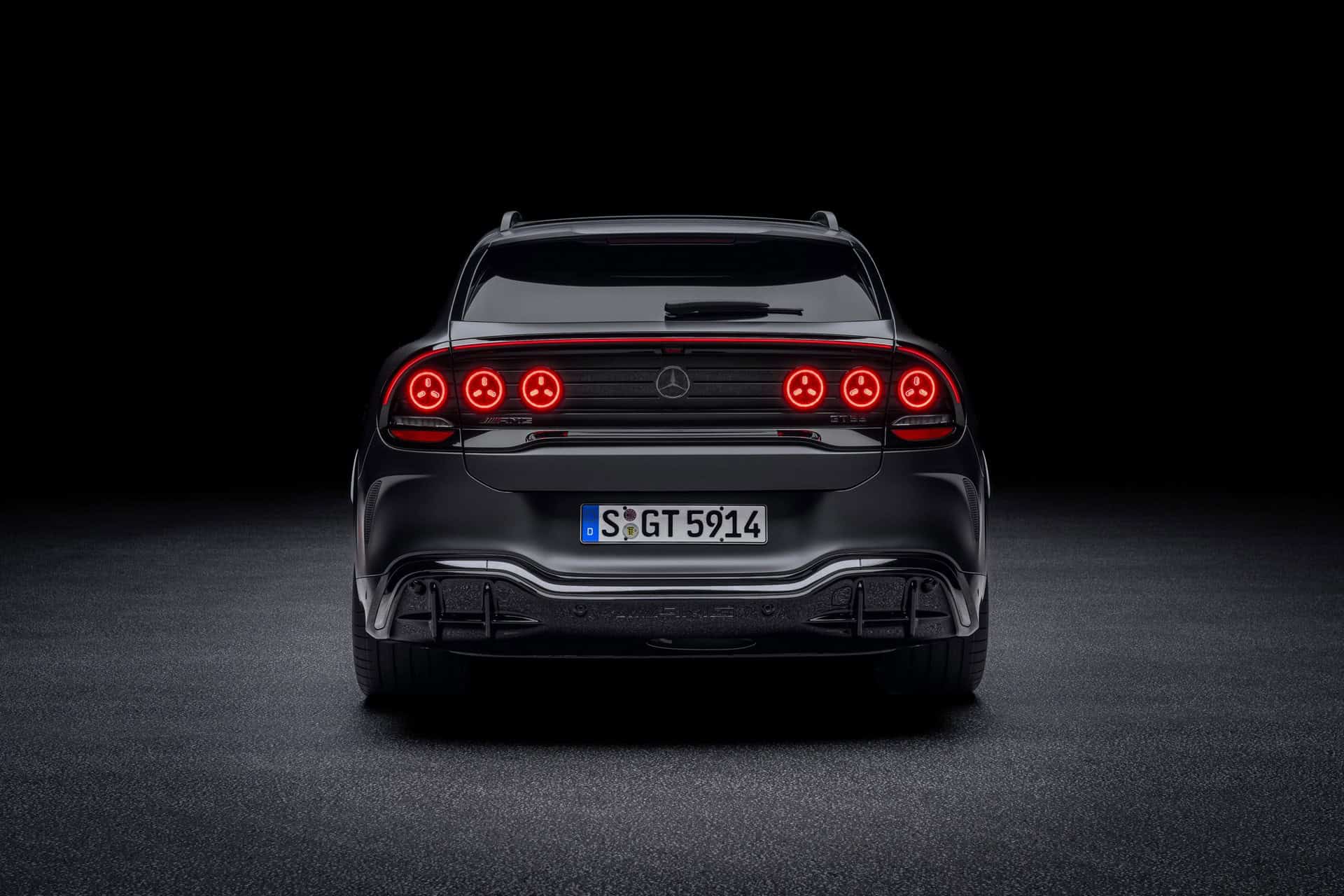
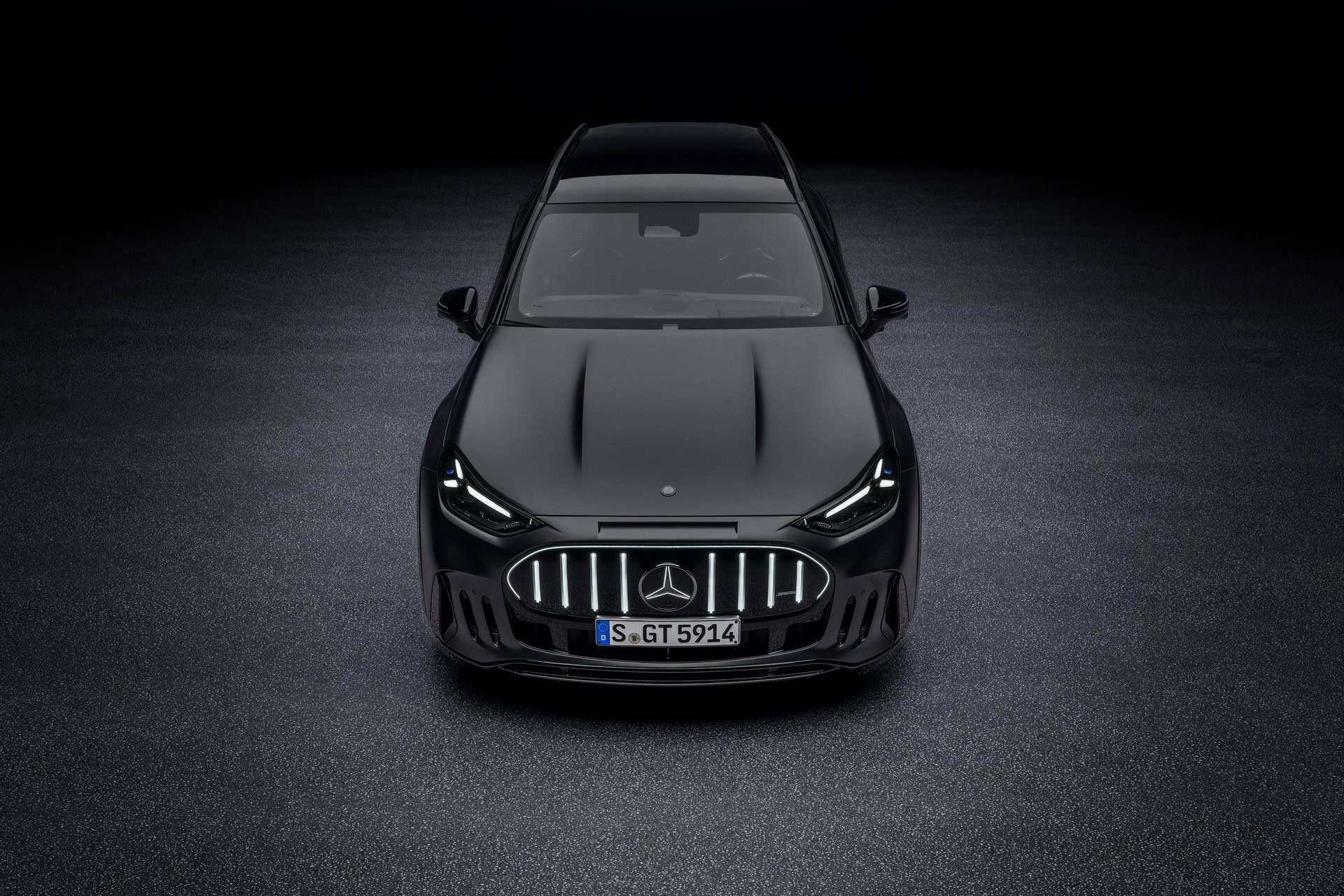
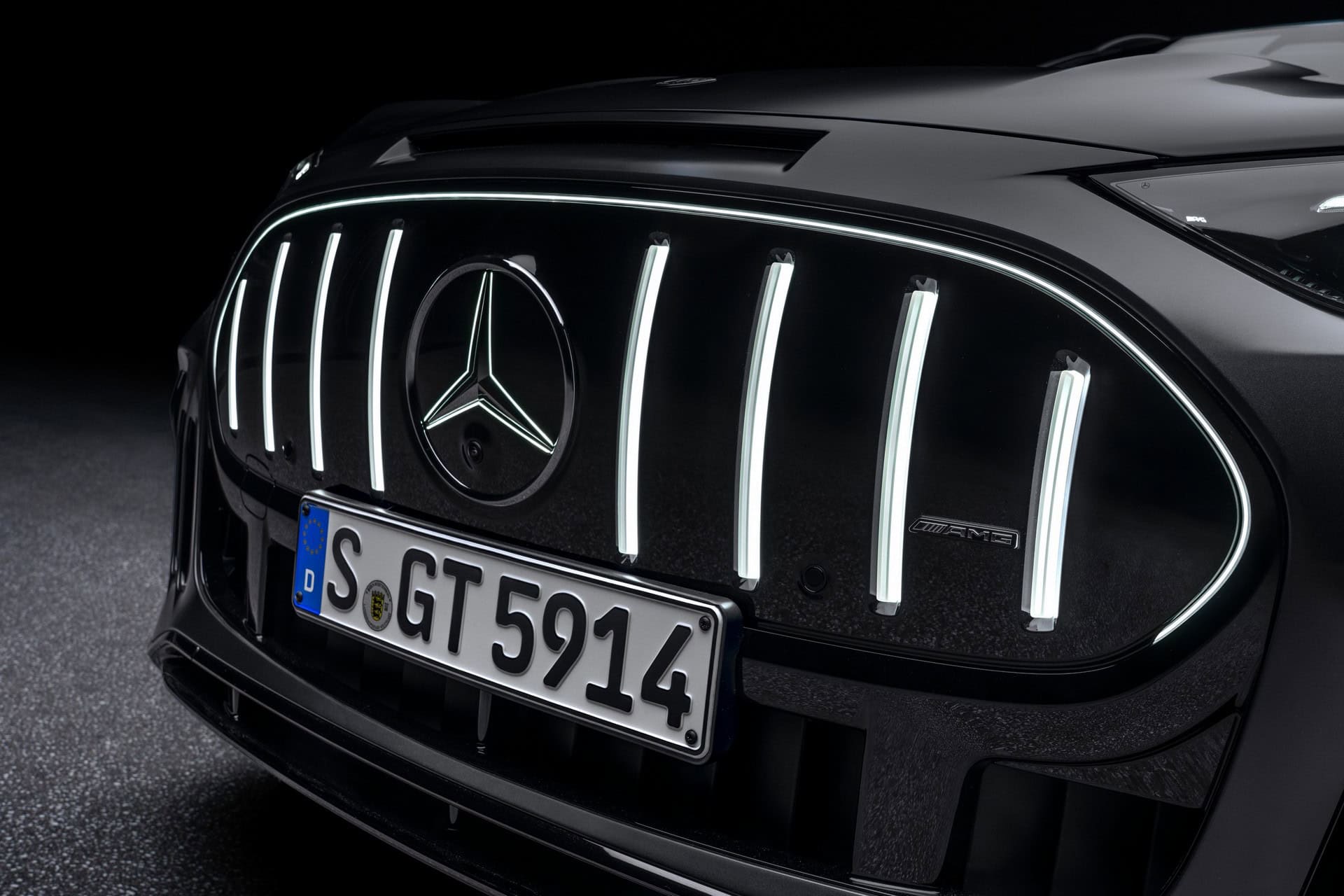
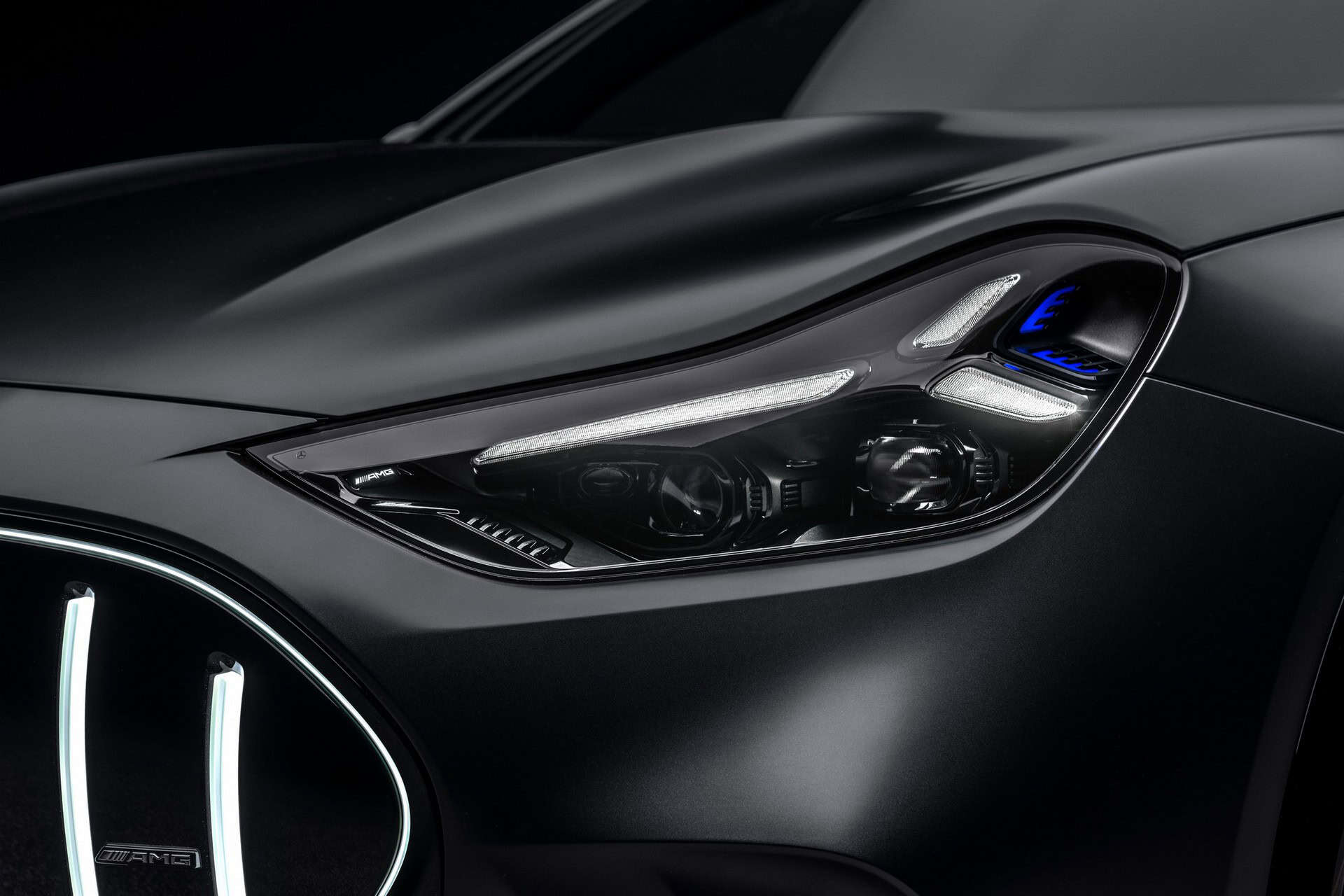
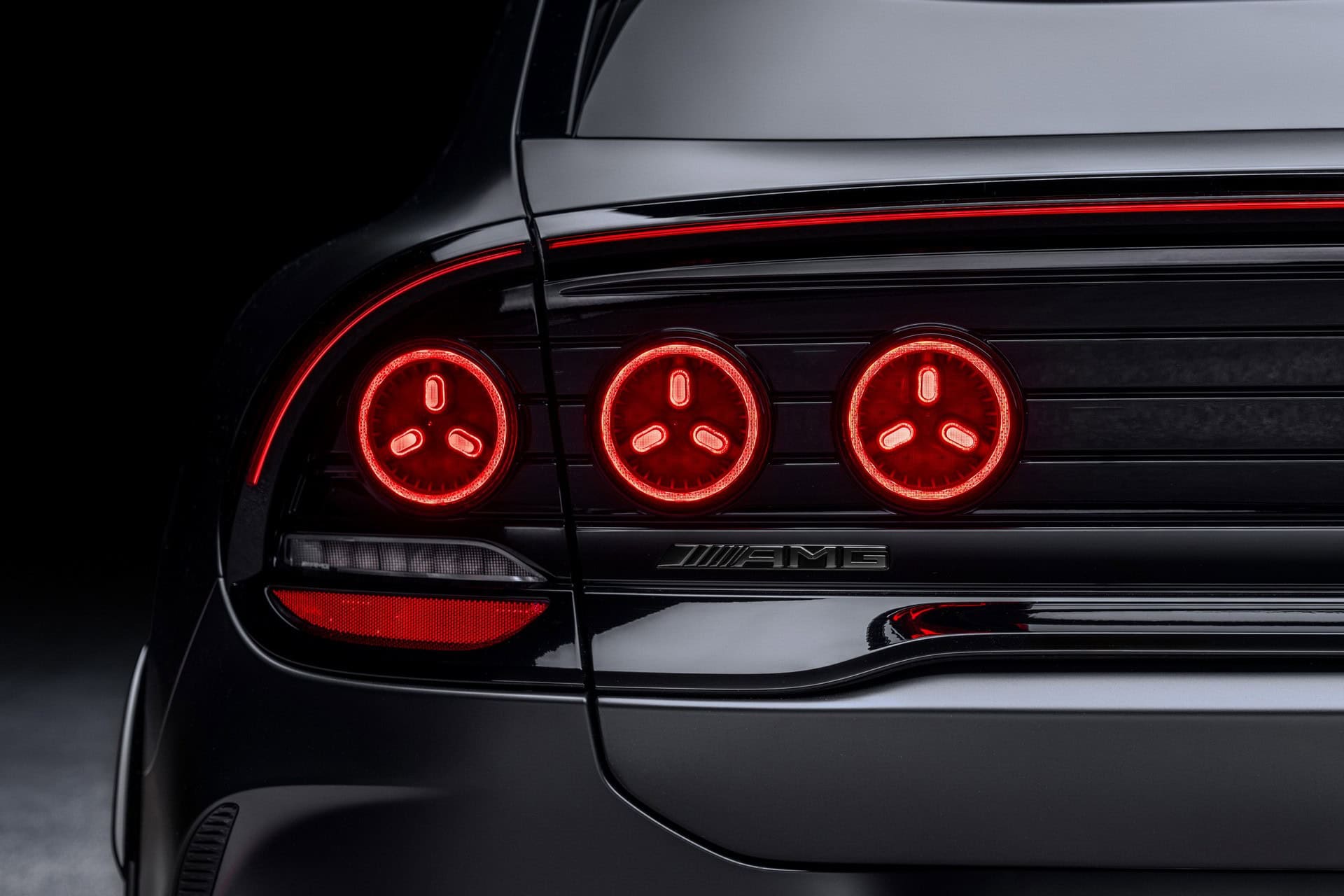
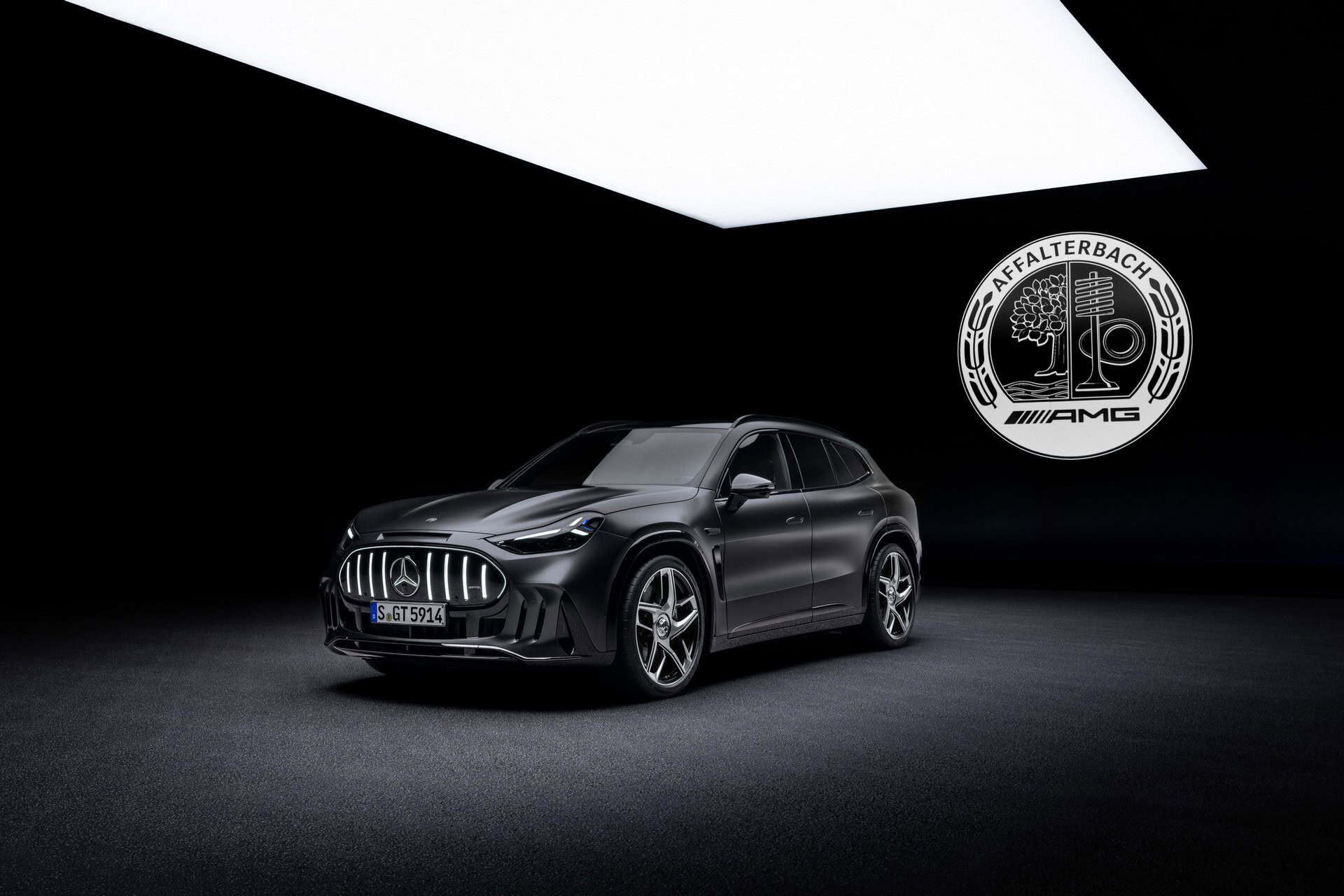
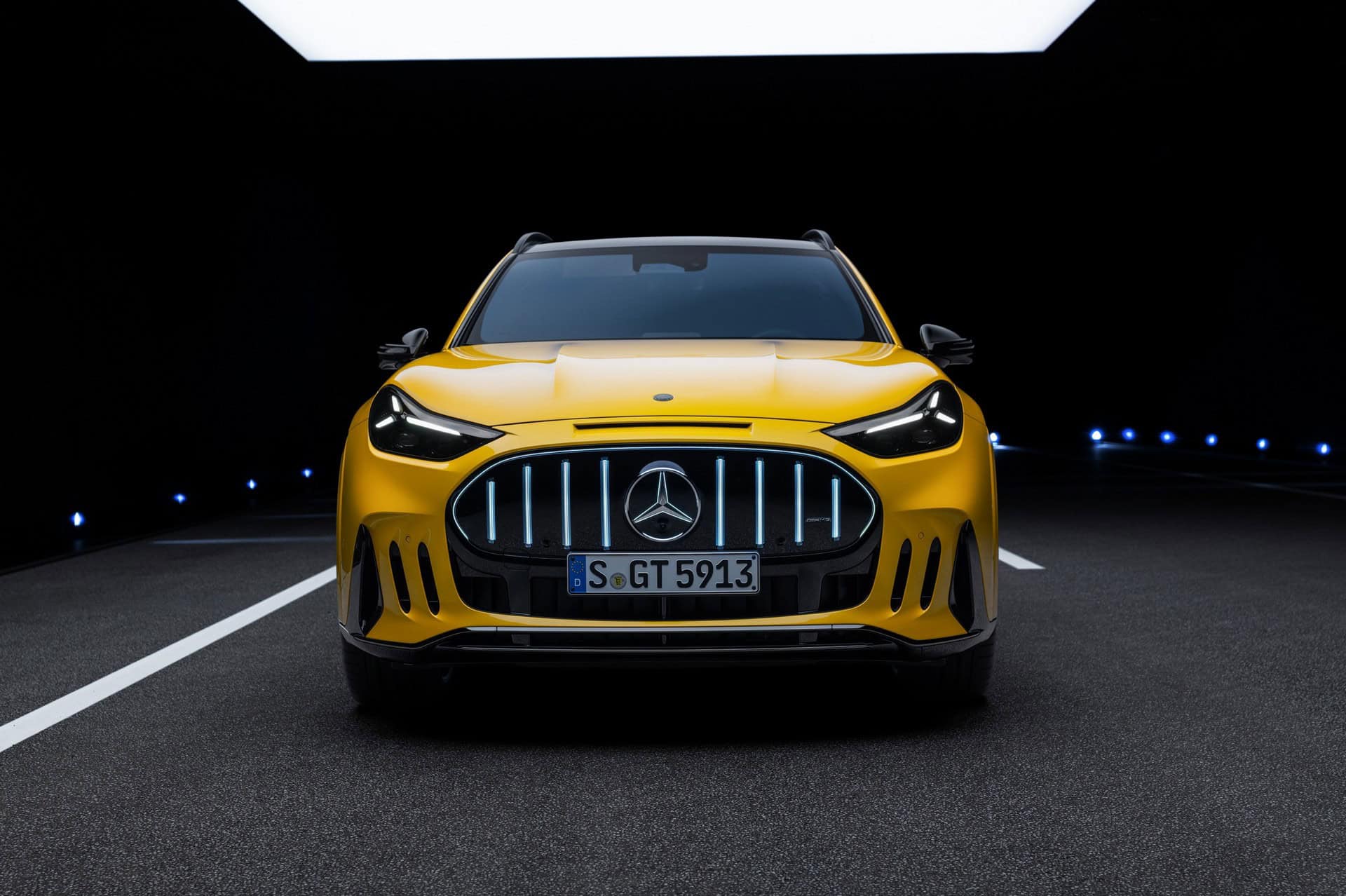
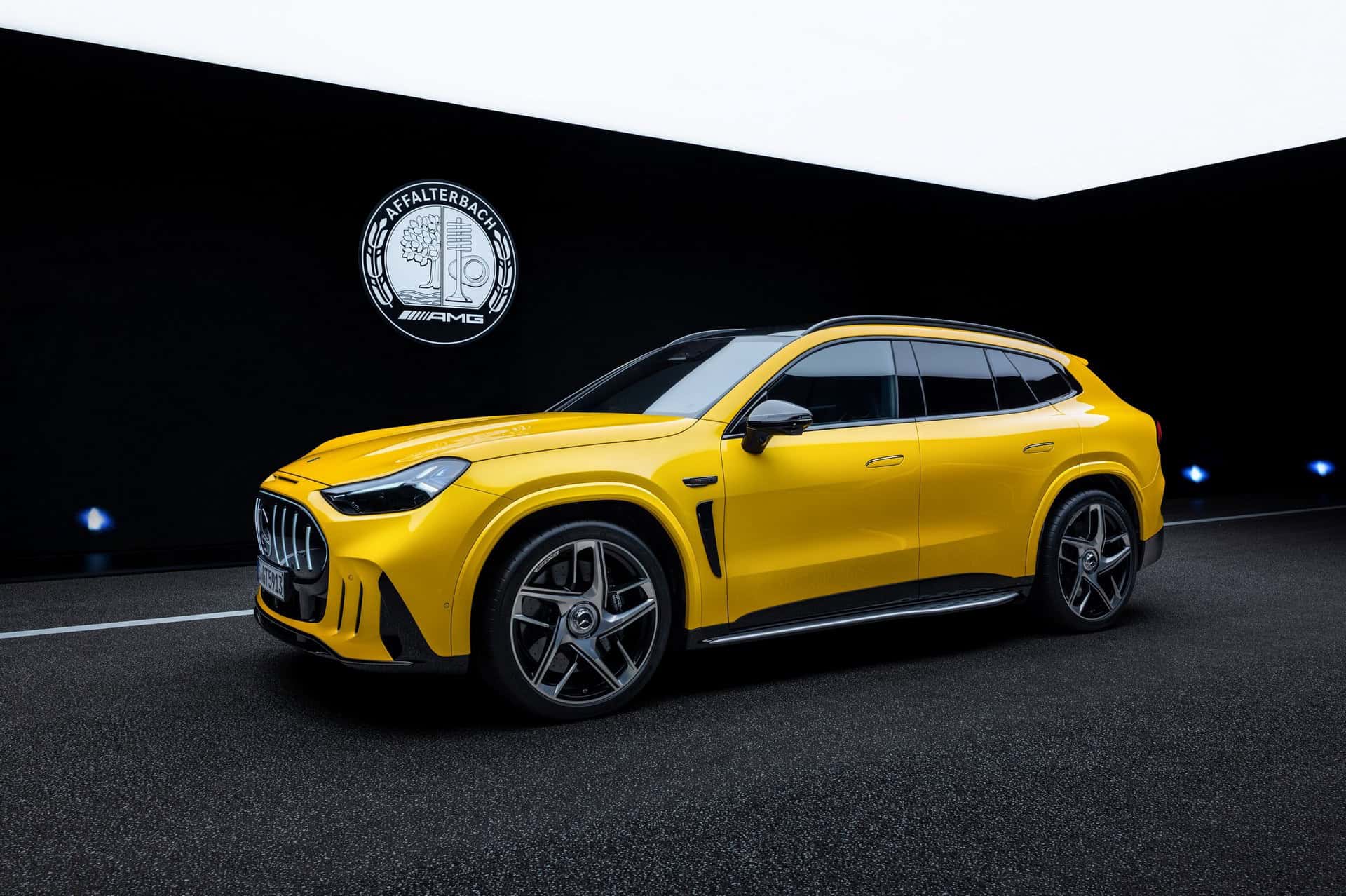
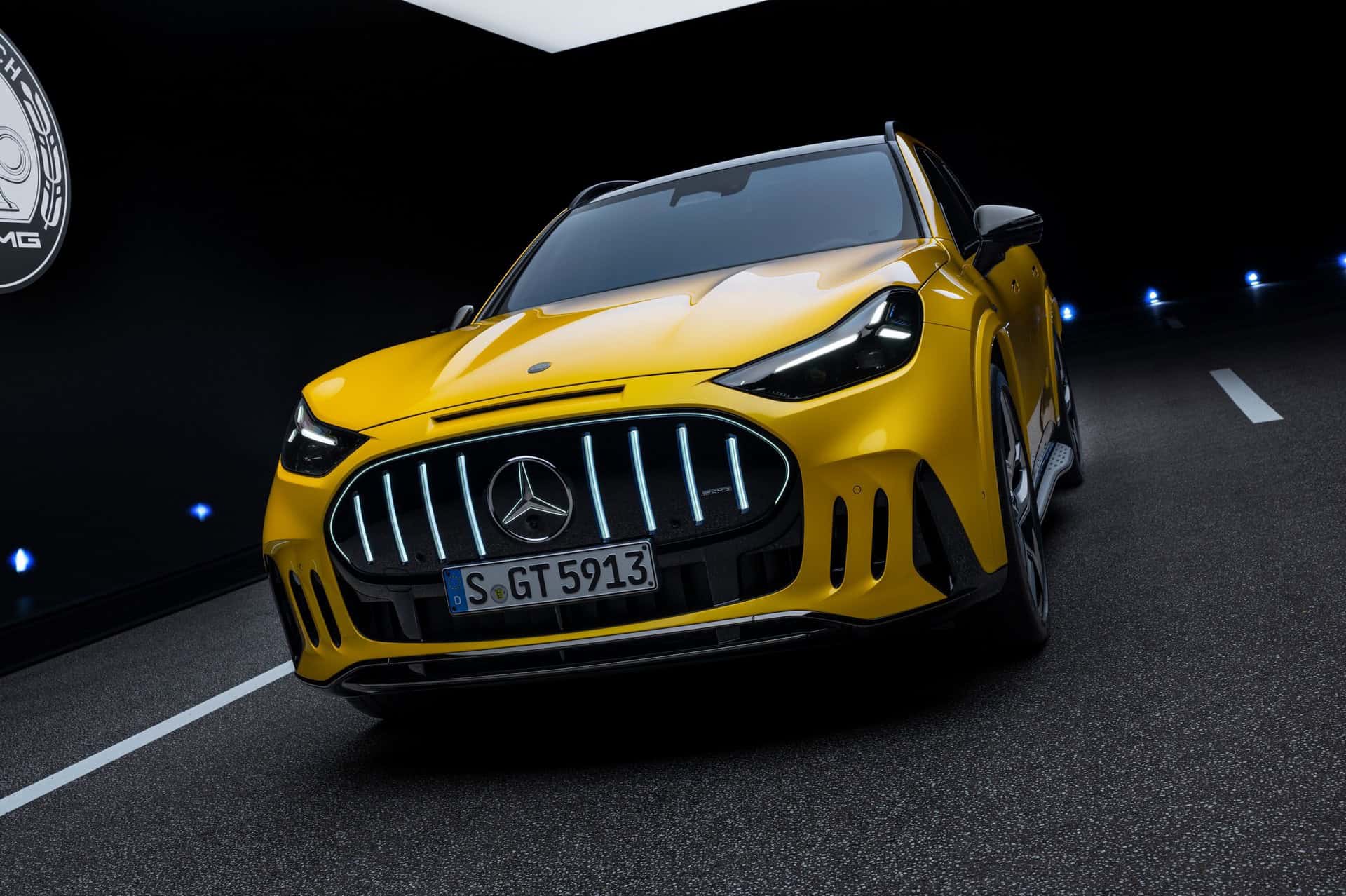
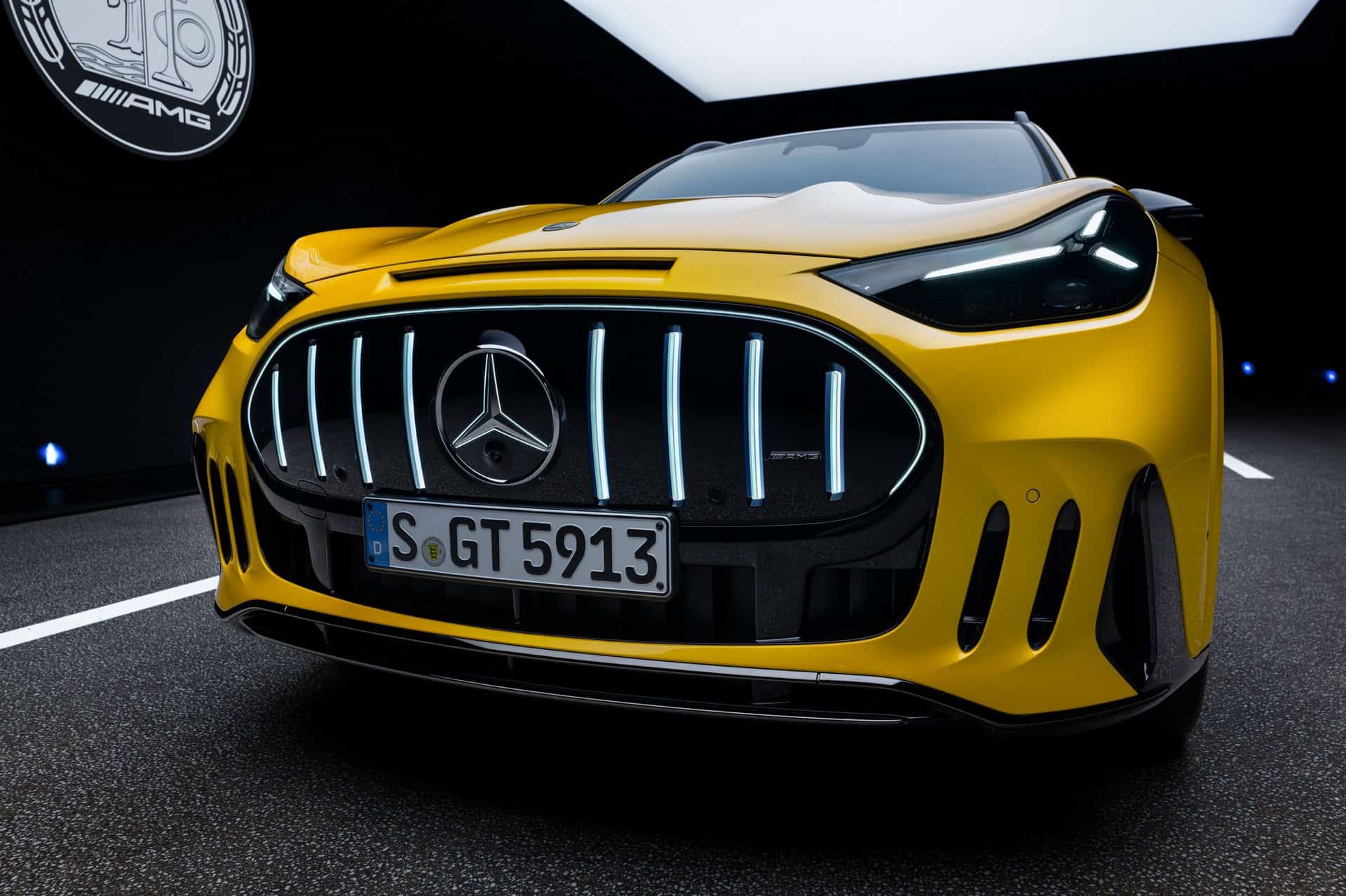
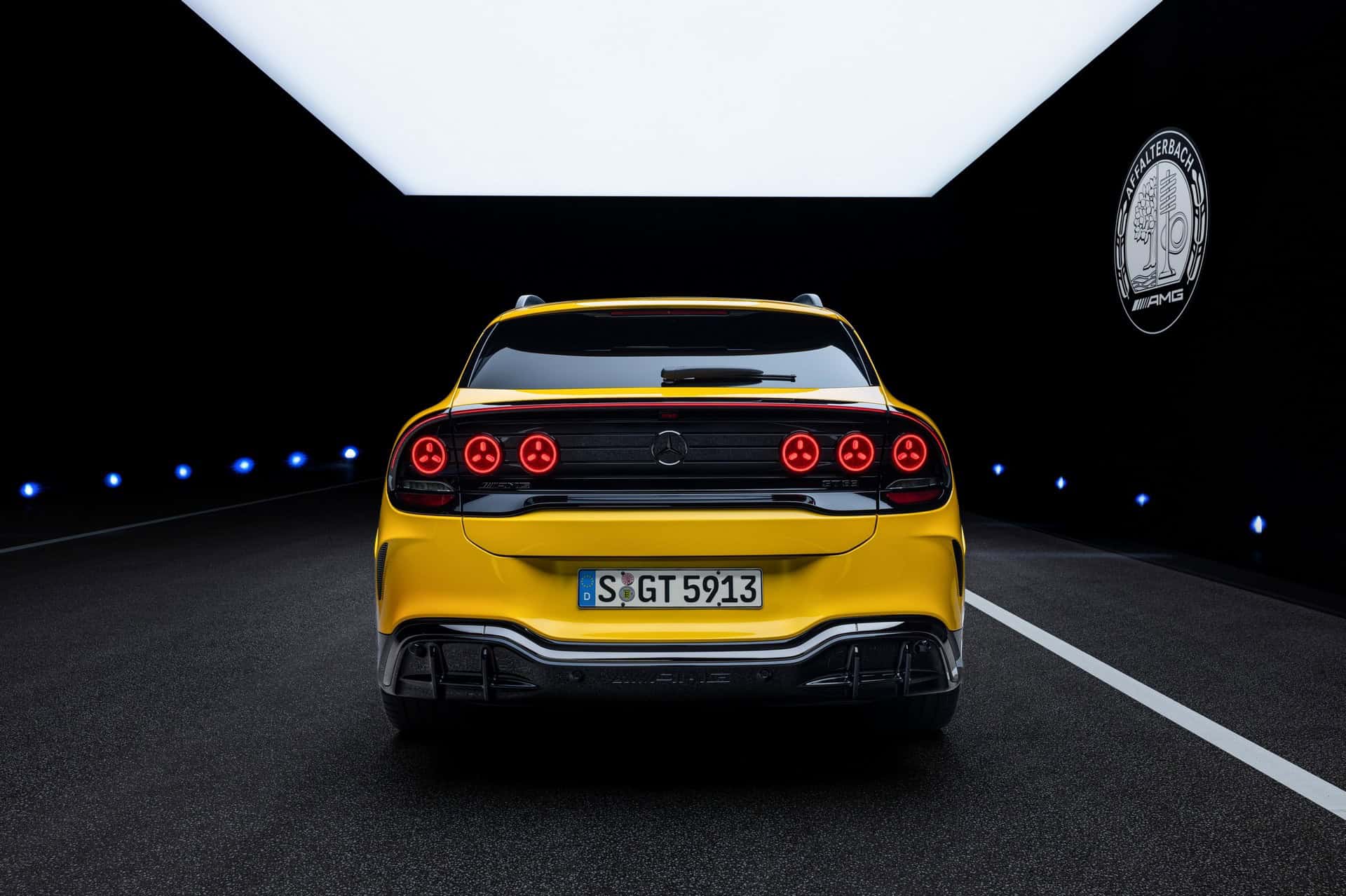
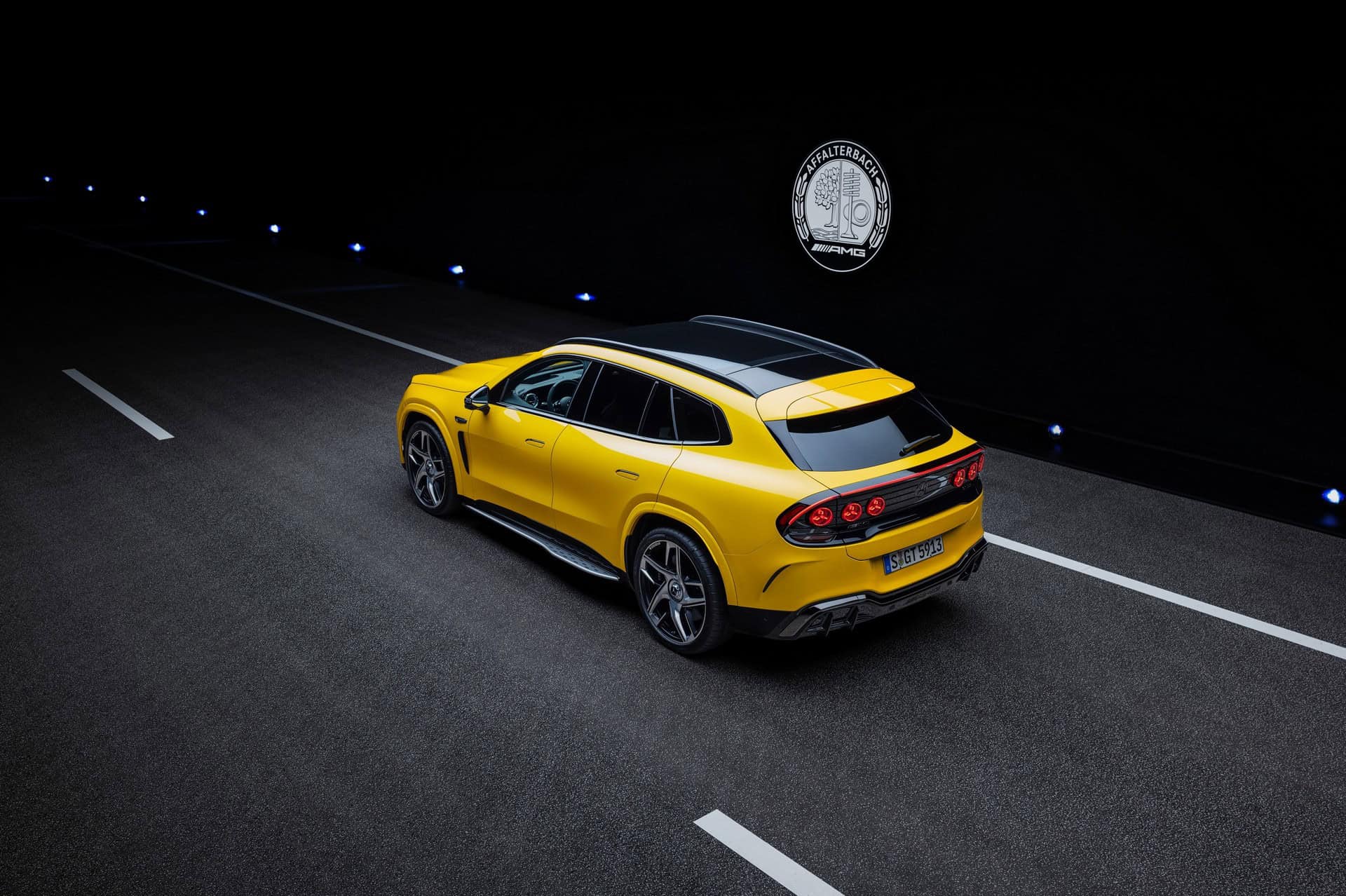
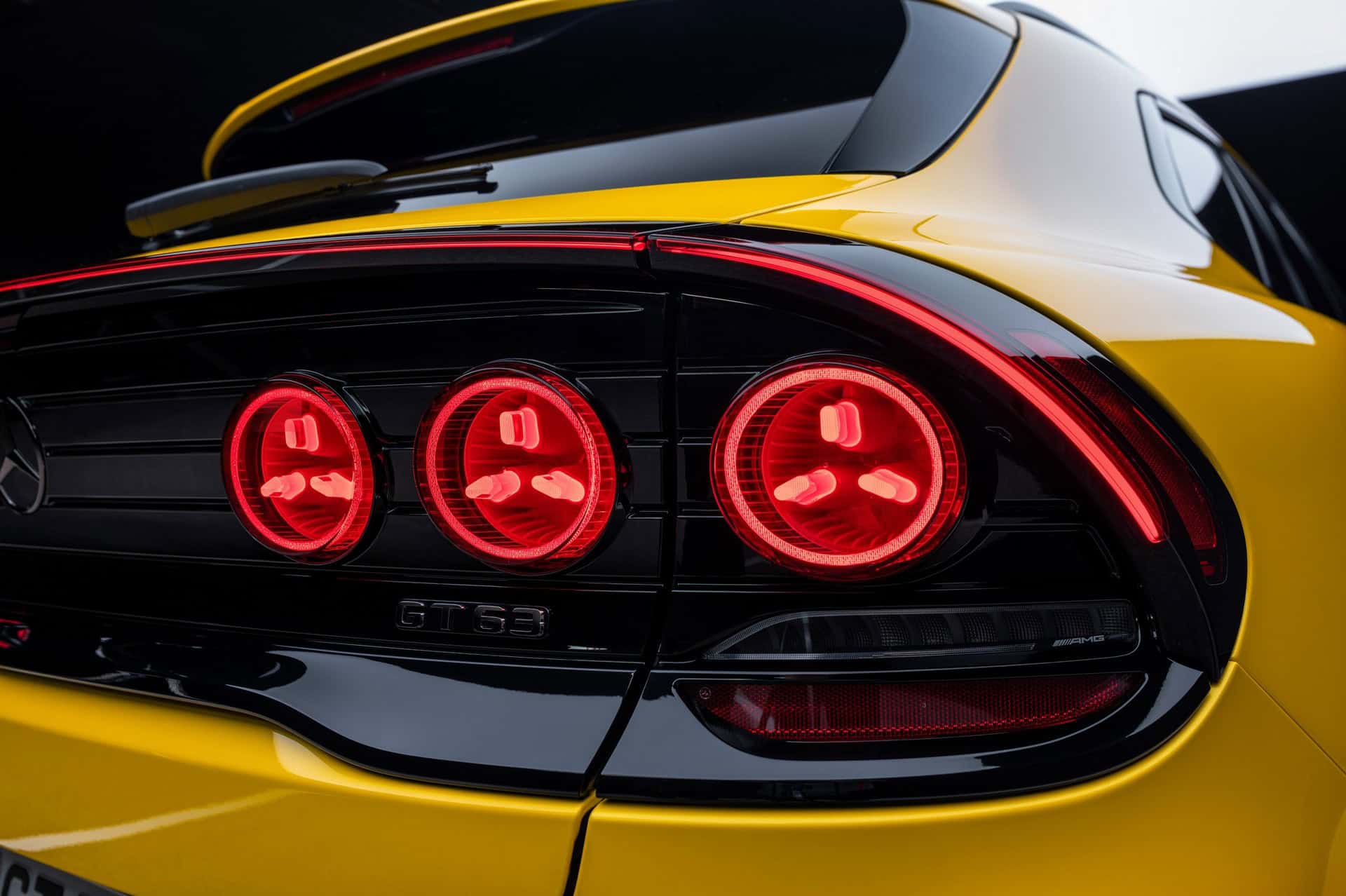
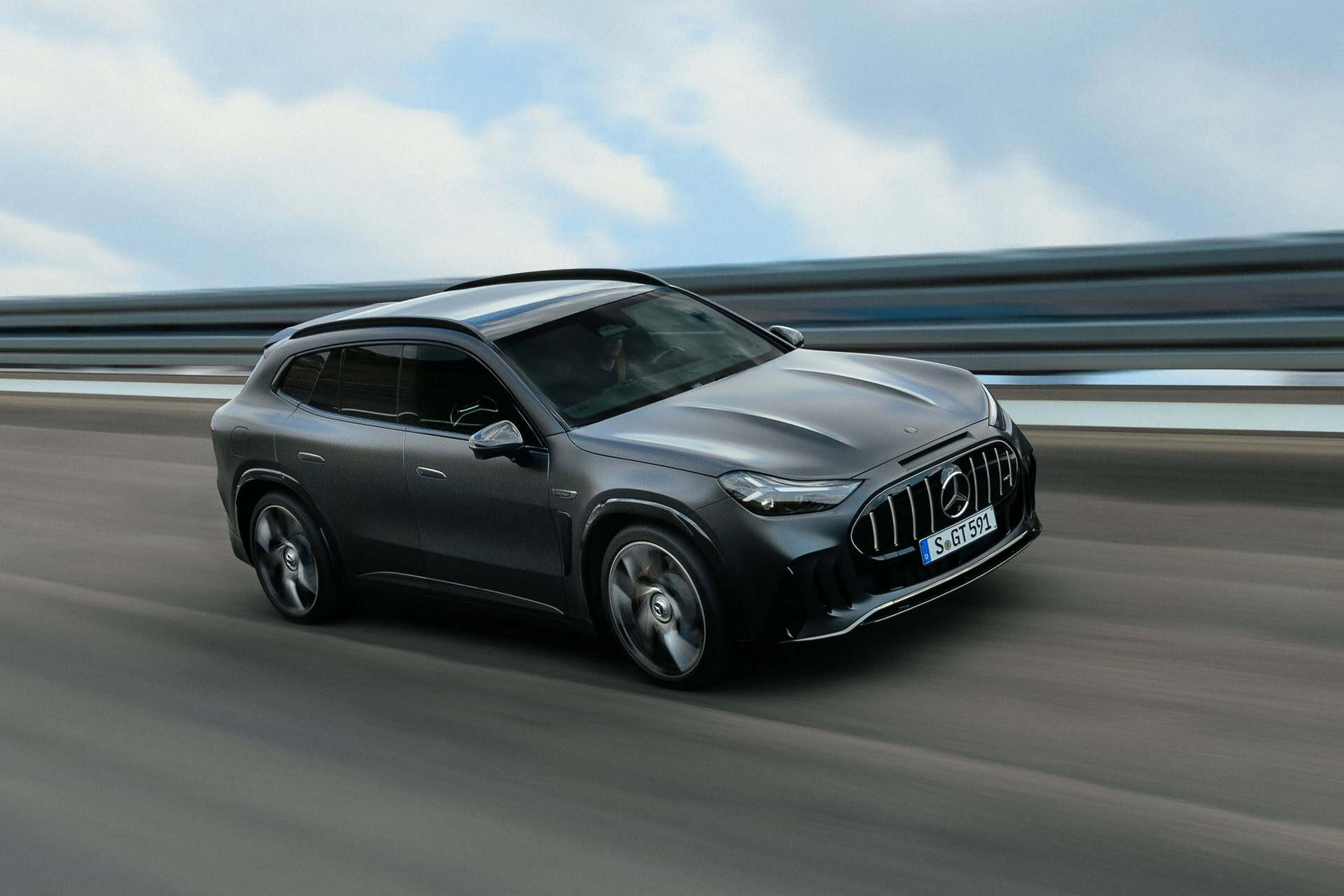
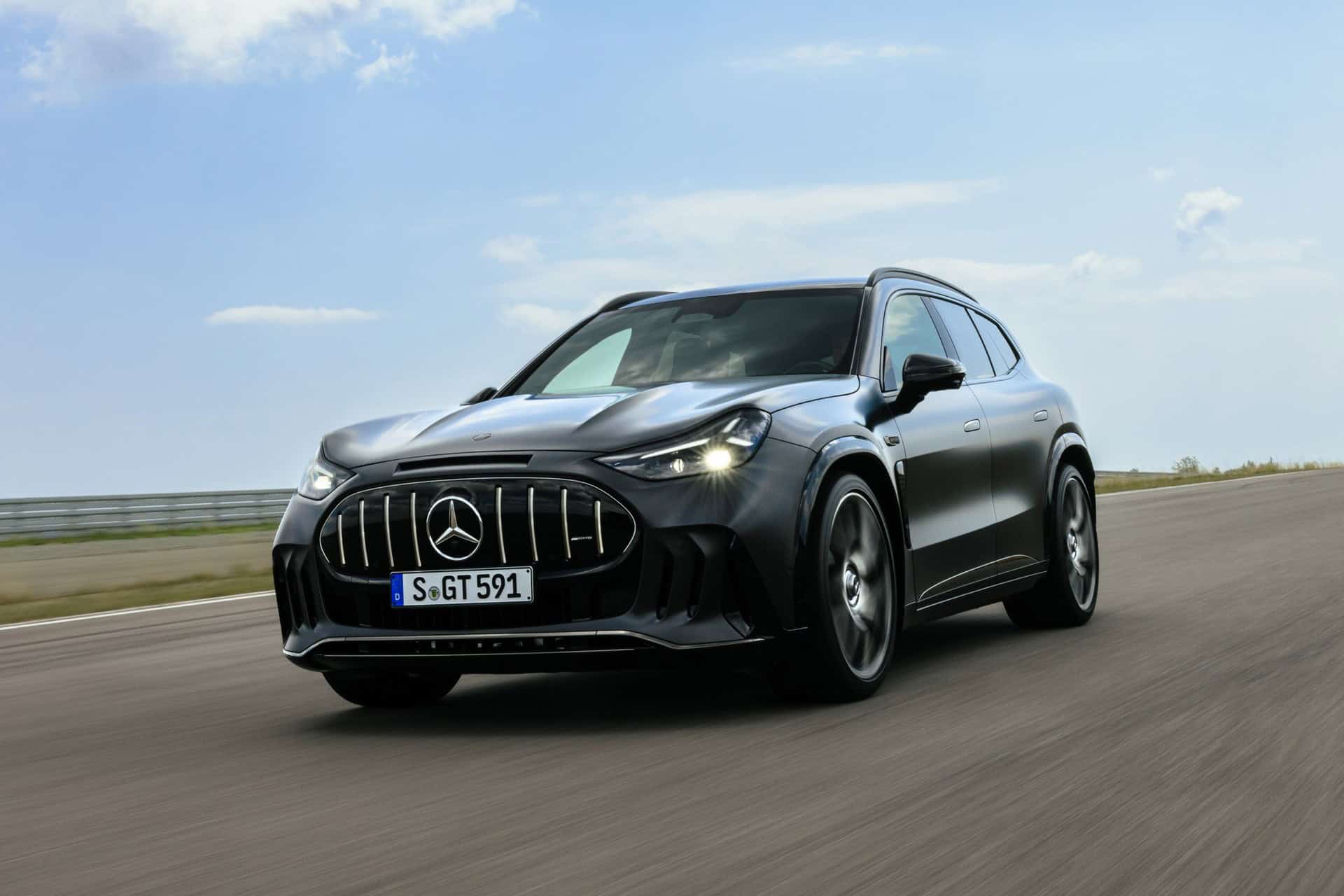
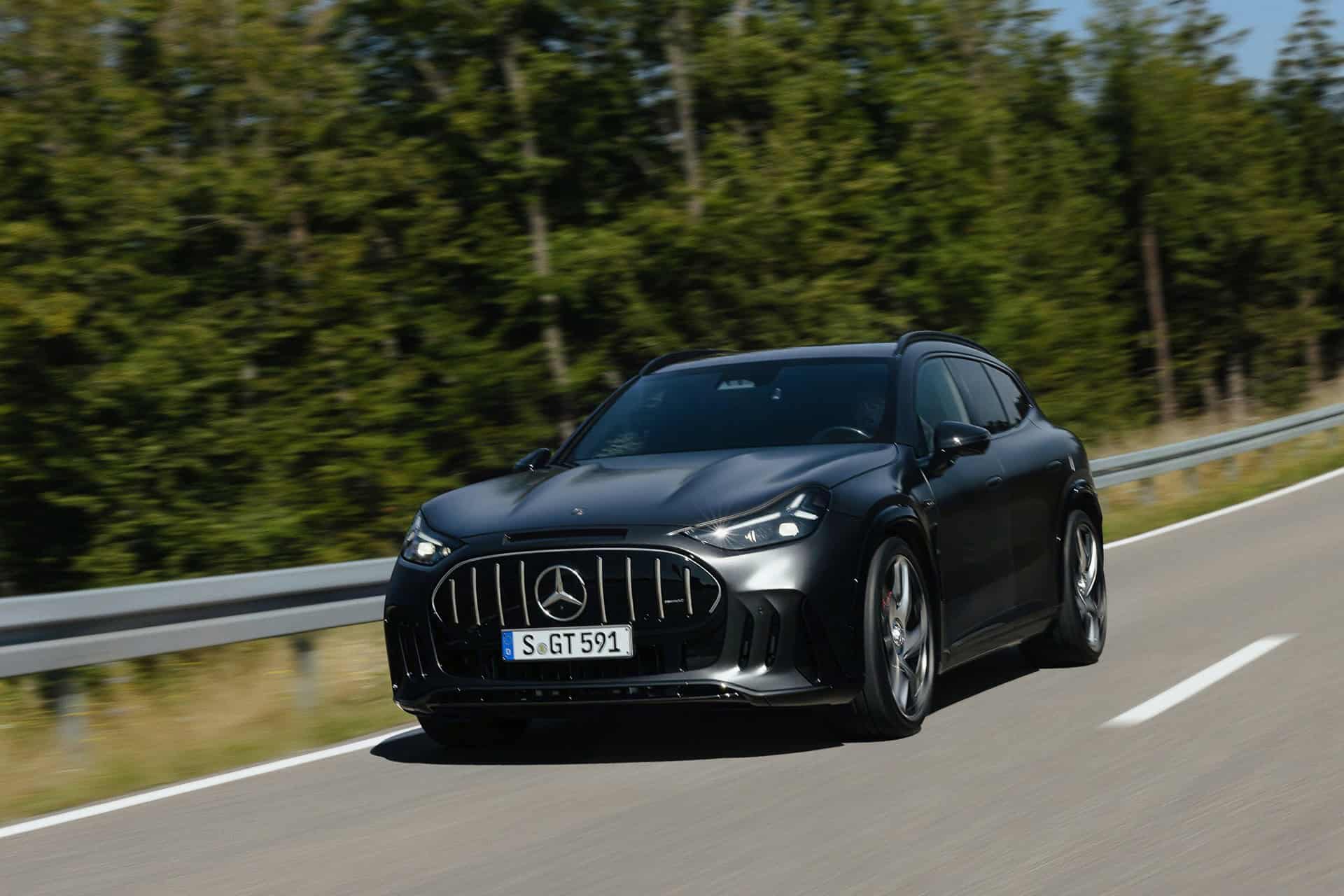
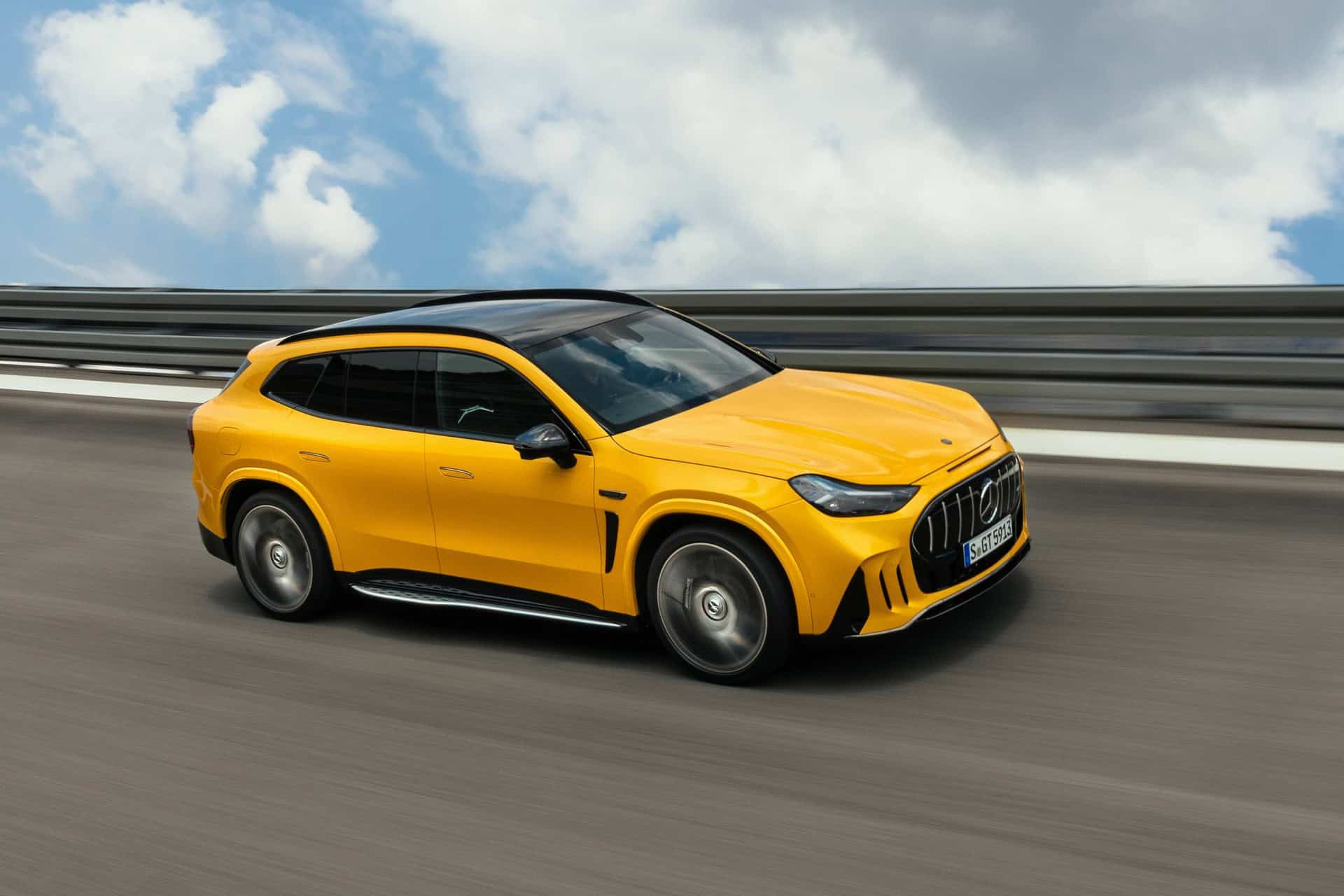
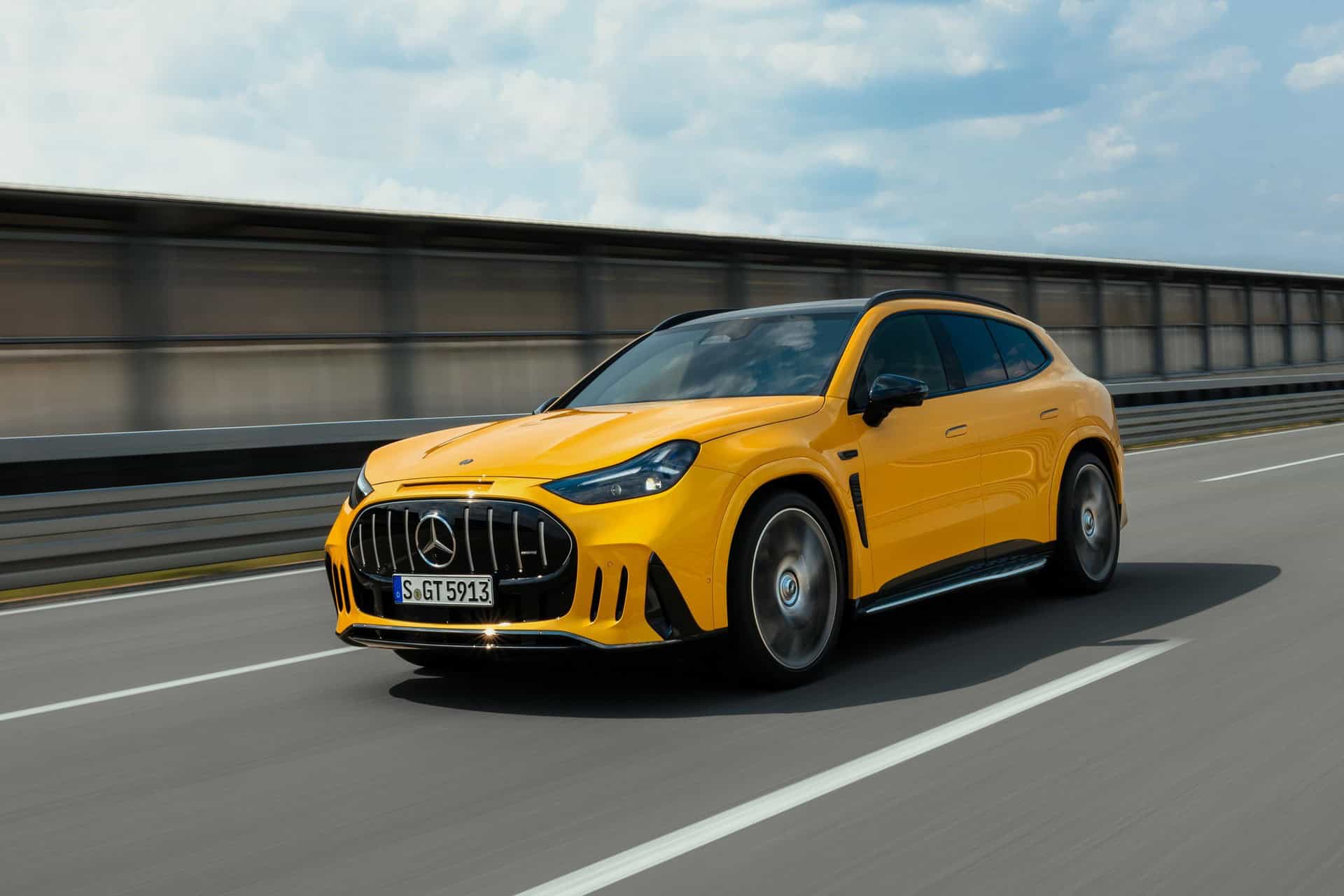
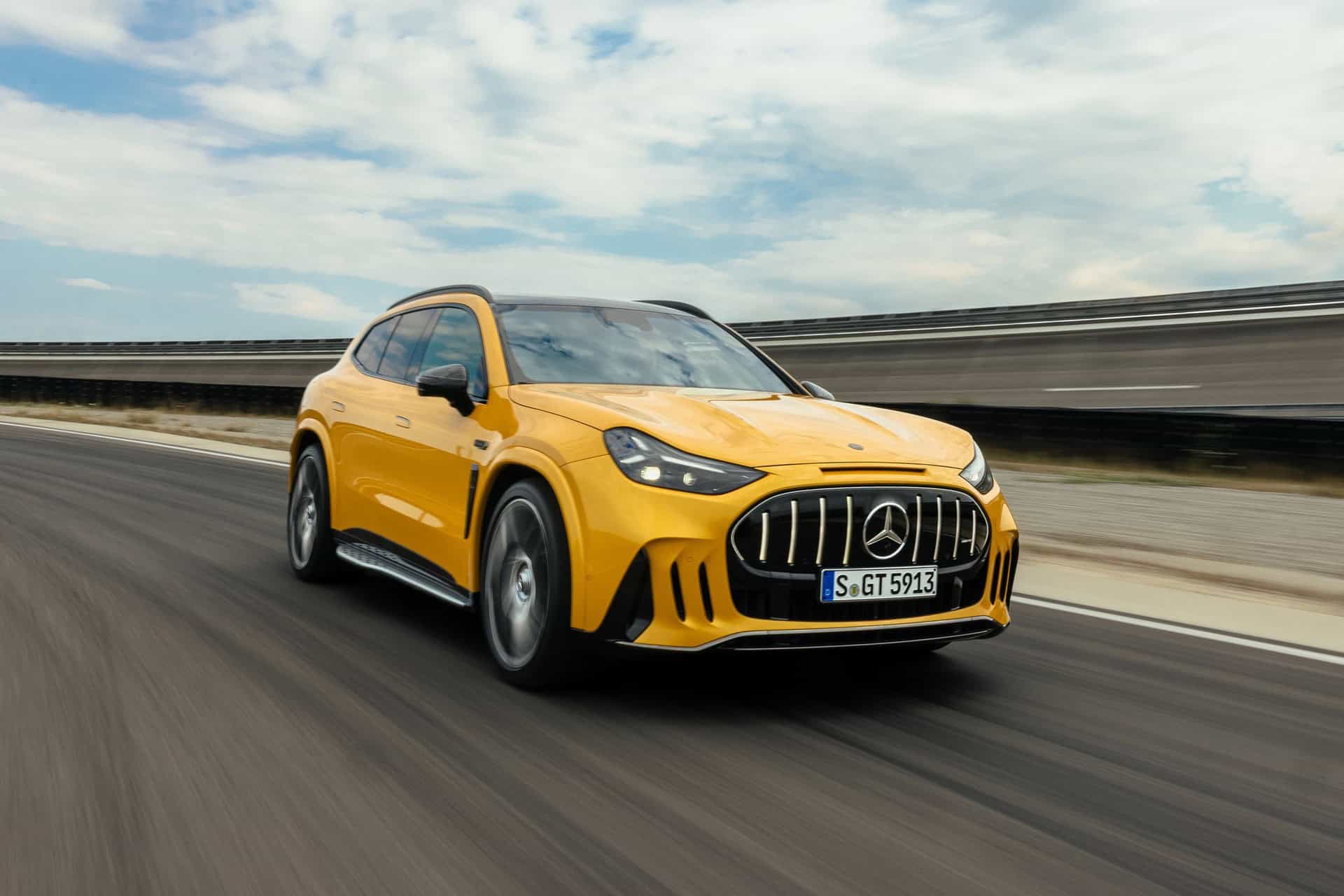
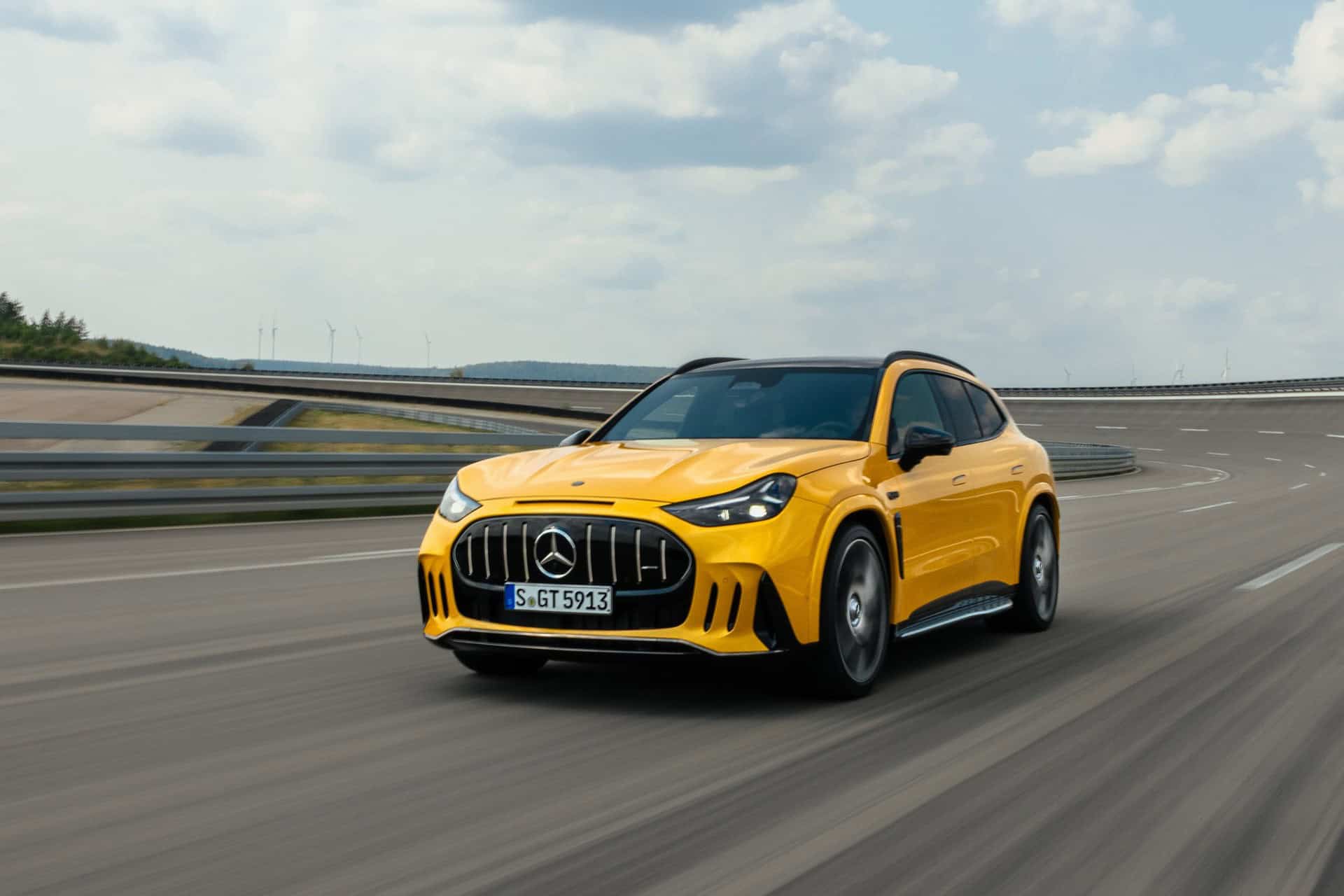
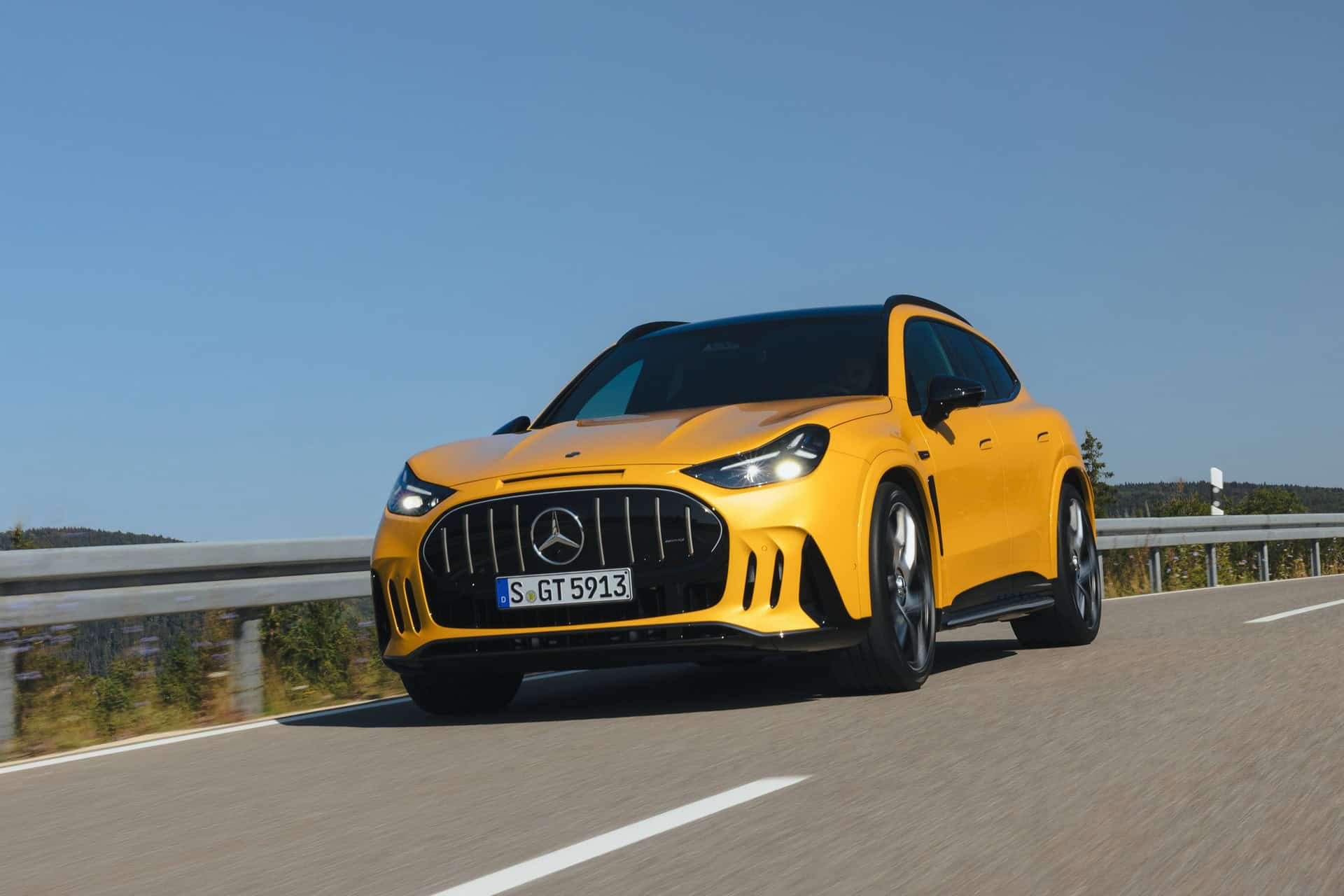
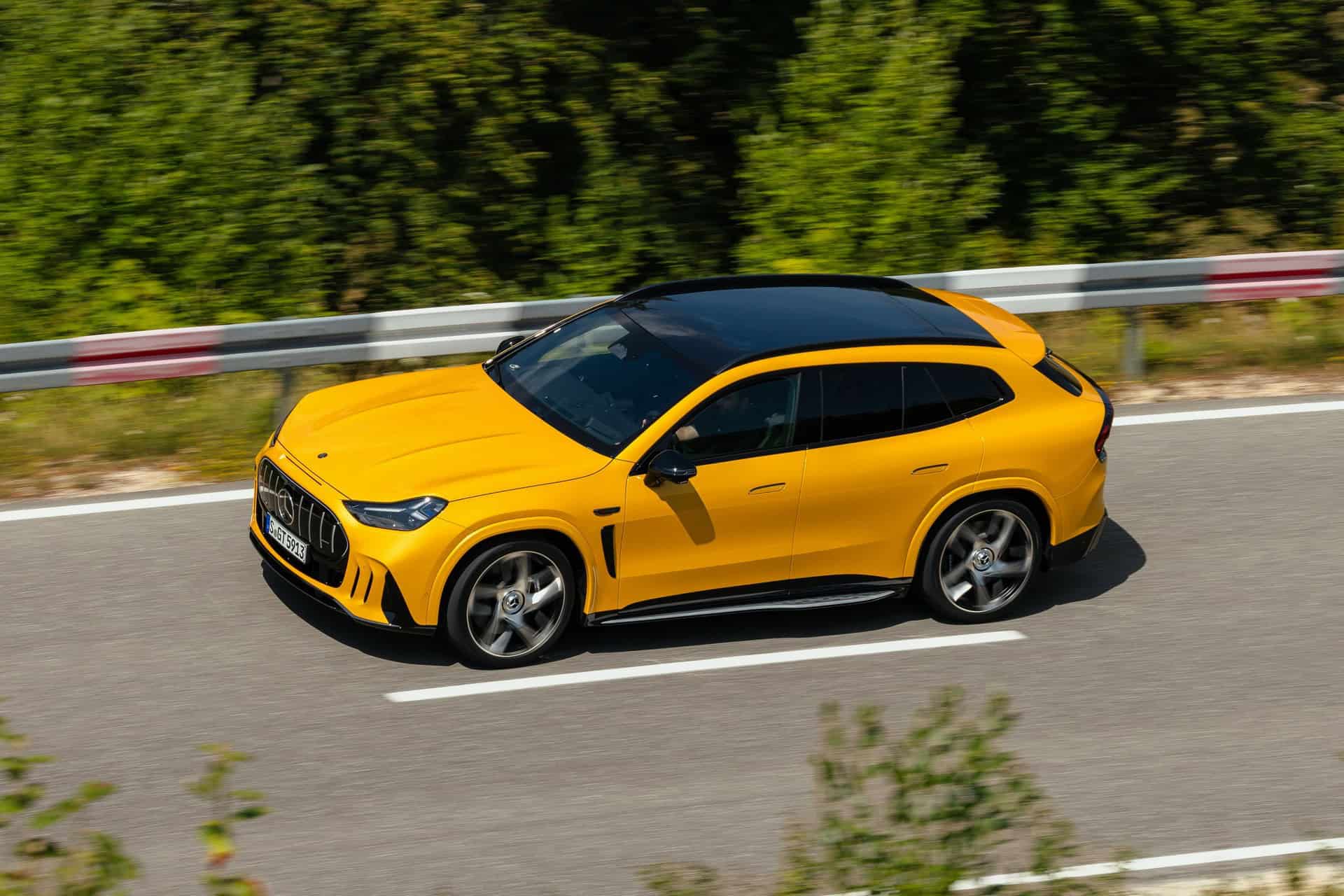
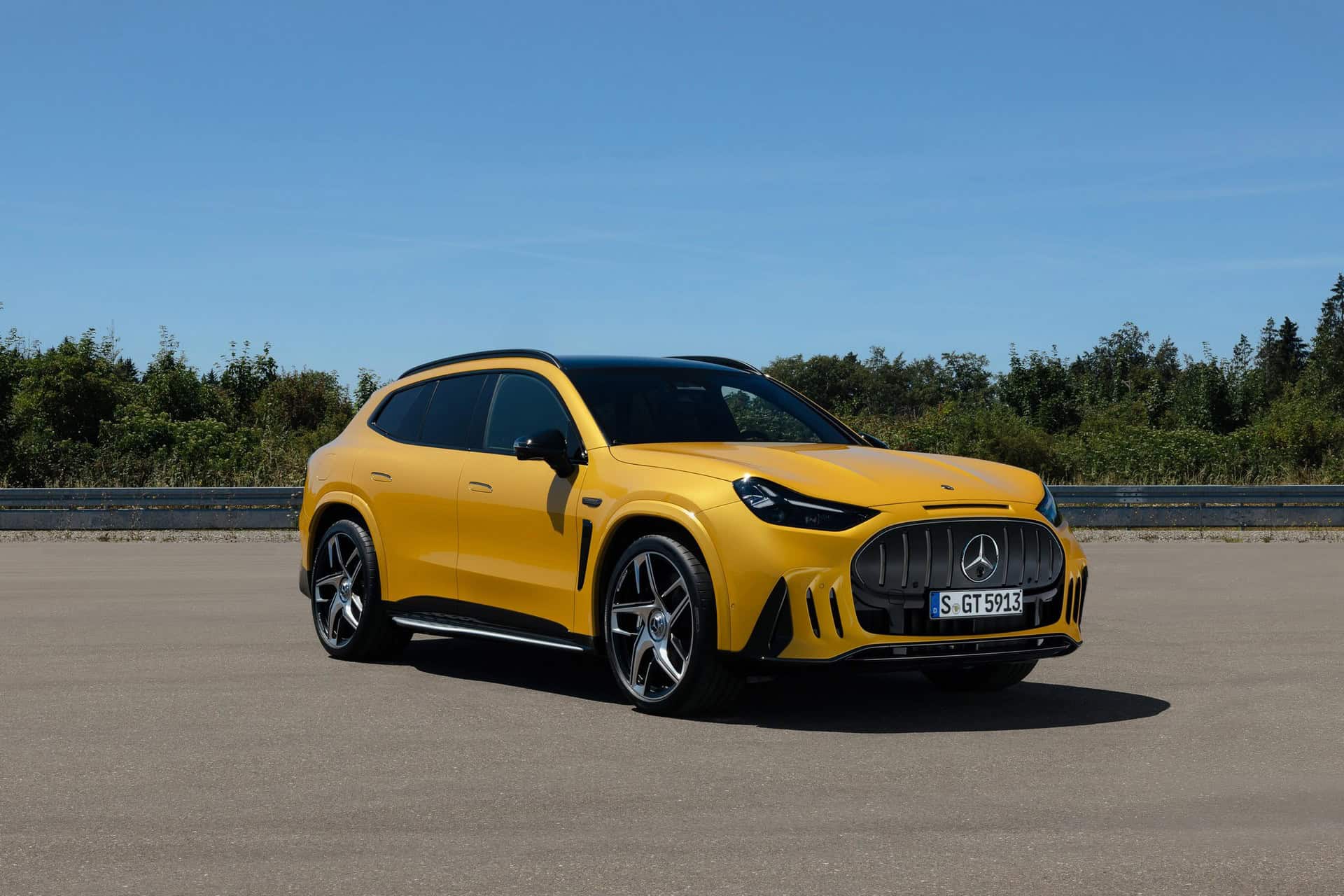
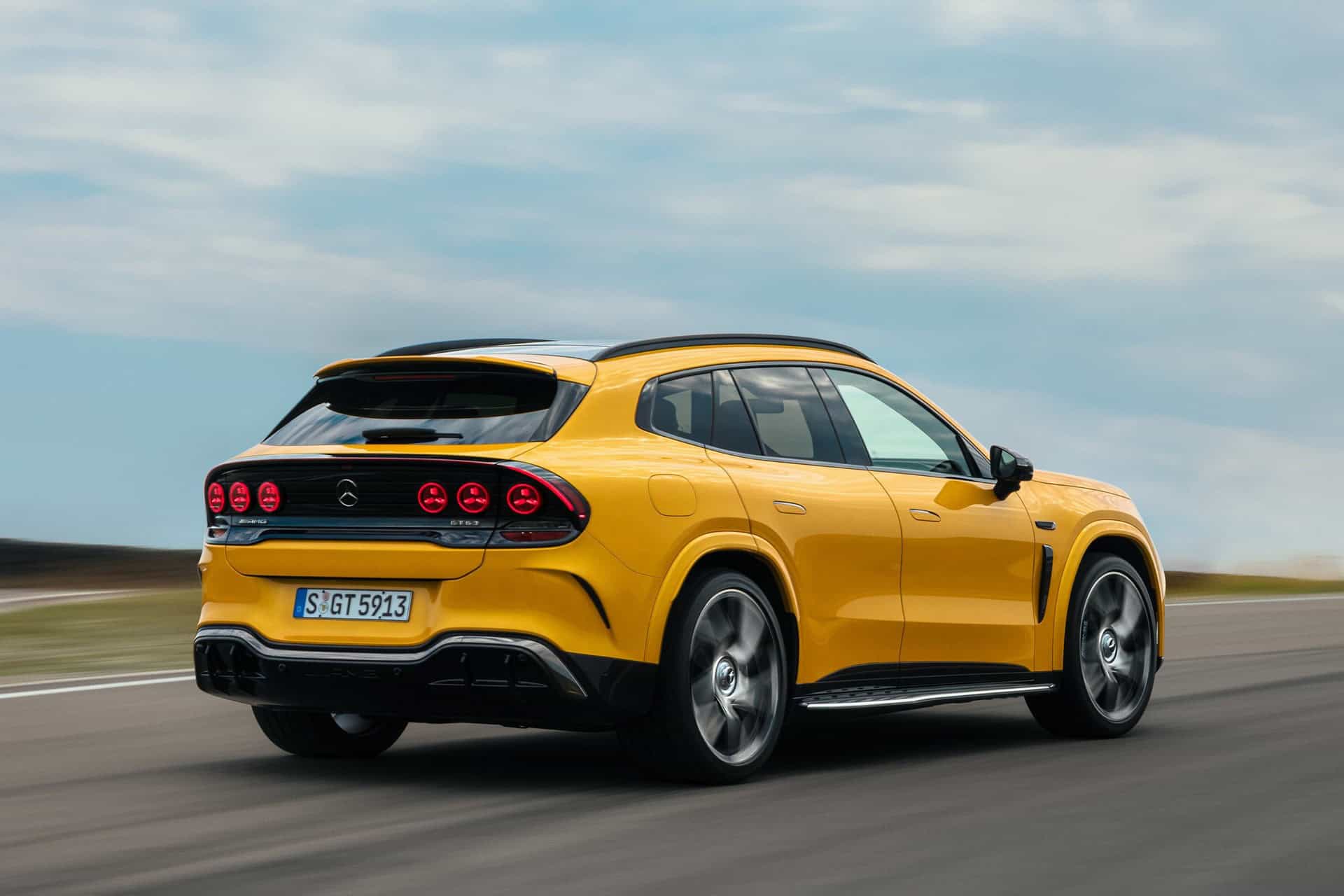
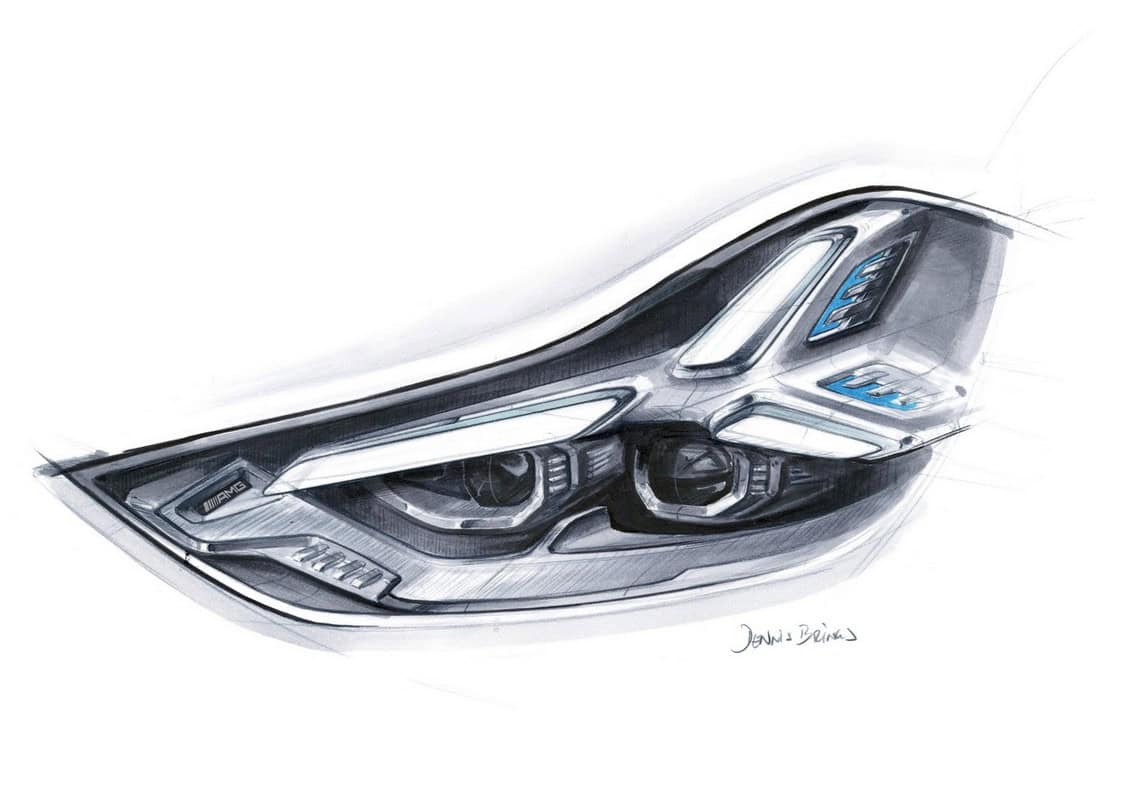
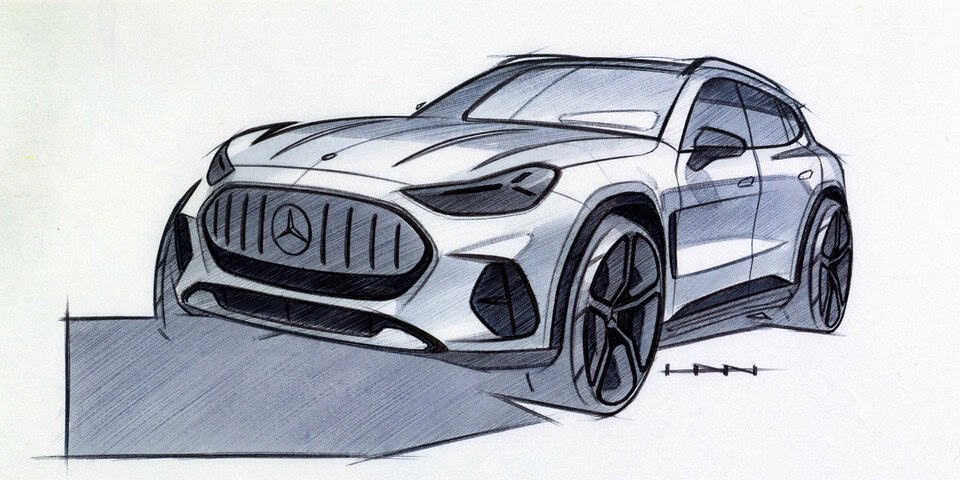
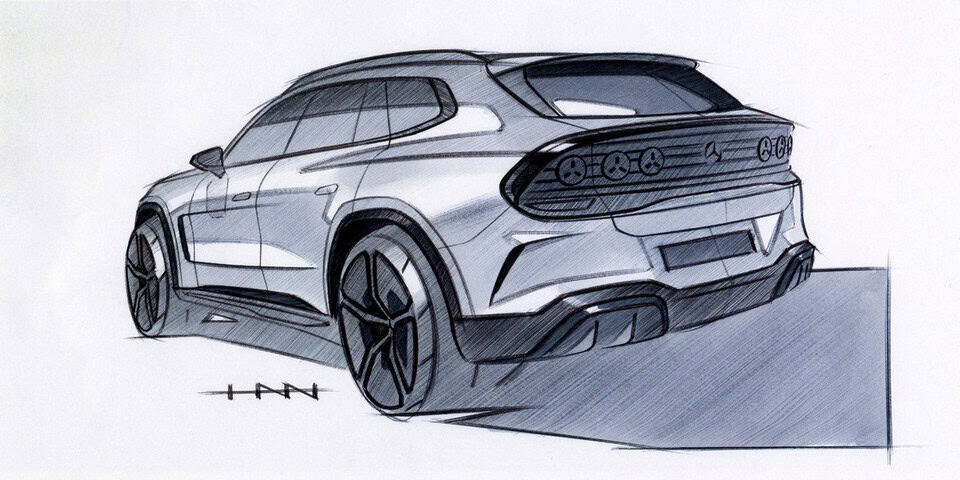
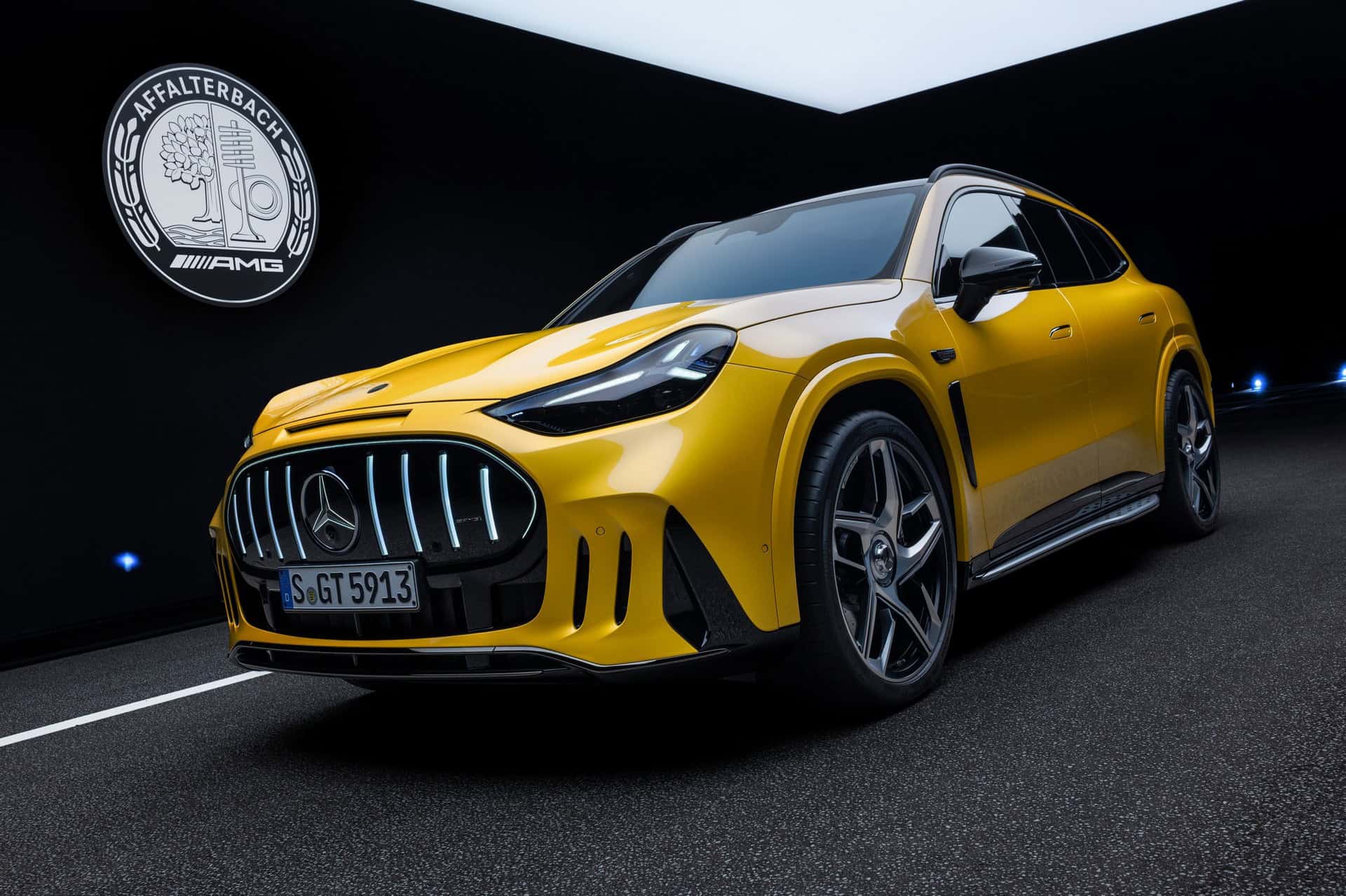
Simply called the Mercedes-AMG GT SUV, it arrives a couple of years before BMW reportedly slaps the M badge on an all-electric X5. Essentially an SUV version of the Mercedes-AMG GT 4-Door Coupe revealed earlier this year, it shares the same design language, screen-heavy interior, and hardware as its low-slung sibling. It rides on the AMG.EA platform, developed from the ground up for high-performance AMG electric vehicles.
The new Mercedes-AMG GT SUV will launch in three versions: GT 53, GT 55, and GT 63. The entry-level model uses two synchronous electric motors, one on each axle, producing a combined 536 hp and 800 Nm (590 lb-ft) of torque. That’s hardly a slow starting point for the lineup. The GT 55 steps things up with three axial-flux electric motors delivering 805 hp and 1,860 Nm (1,372 lb-ft).
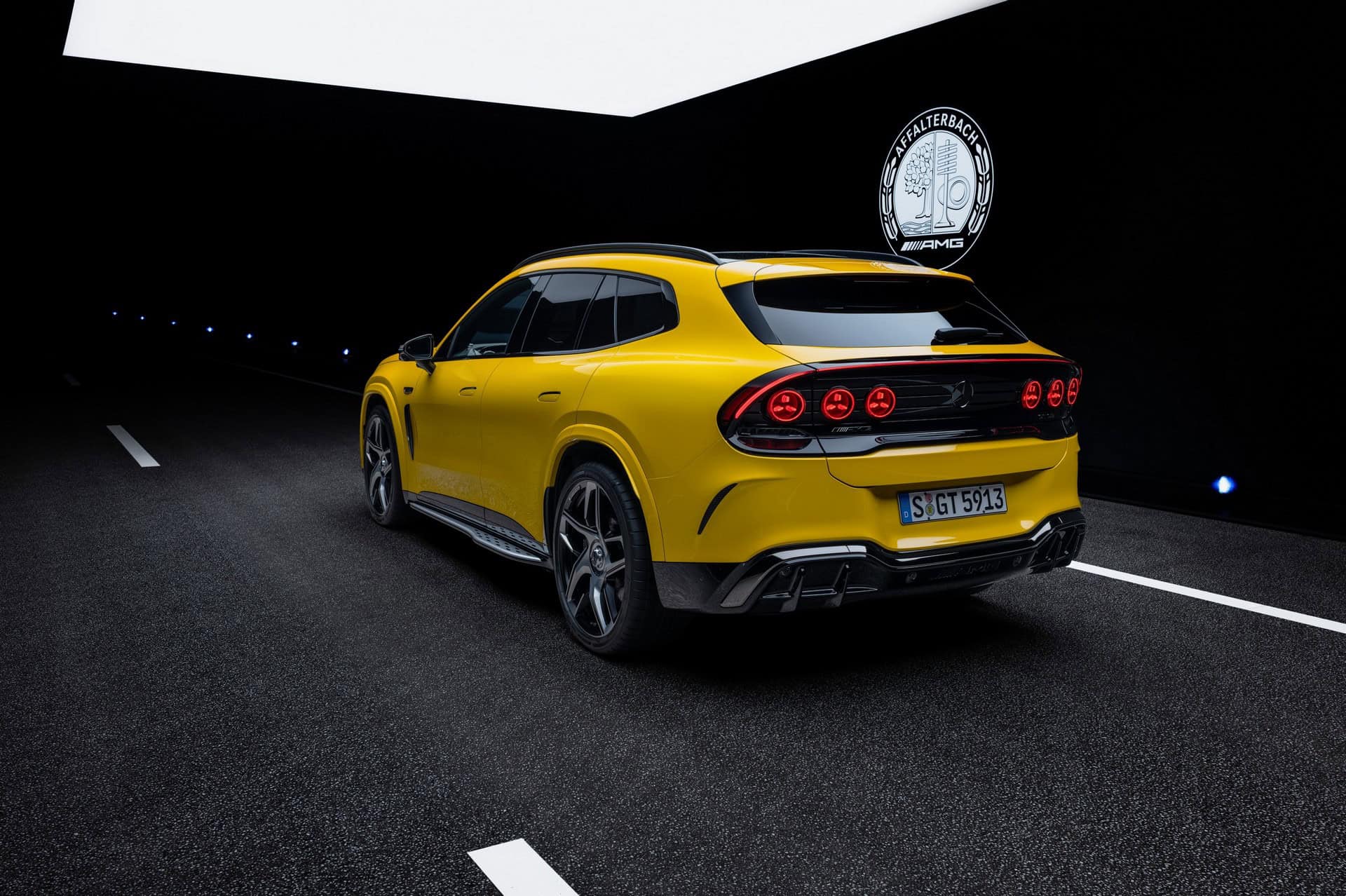
An SUV That’s Supercar Powerful And Quick
At the top of the range, the GT 63 cranks output up to a monumental 1,153 hp and 2,000 Nm (1,475 lb-ft). Both higher-performance models use two rear-axle motors, allowing more precise torque distribution between the rear wheels. The flagship sprints to 62 mph (100 km/h) in as little as 2.7 seconds. Keep accelerating, and you’ll reach 124 mph (200 km/h) in 6.8 seconds, with the top speed electronically limited to 168 mph (270 km/h) when equipped with the optional Driver’s Package.
Those figures put the GT 63 SUV firmly in supercar territory. The catch, of course, is that you’re achieving them in a vehicle measuring more than five meters (16.7 feet) long and weighing up to 2,695 kilograms (5,942 pounds). Physics hasn’t been repealed, but AMG is clearly hoping to negotiate with it.
Mercedes-AMG isn’t just chasing impressive acceleration figures. The company also wants its electric SUV to deliver repeatable performance without overheating after a couple of enthusiastic launches. To that end, the GT SUV gets an 800-volt electrical architecture and a high-performance battery featuring cylindrical cells with direct oil cooling.
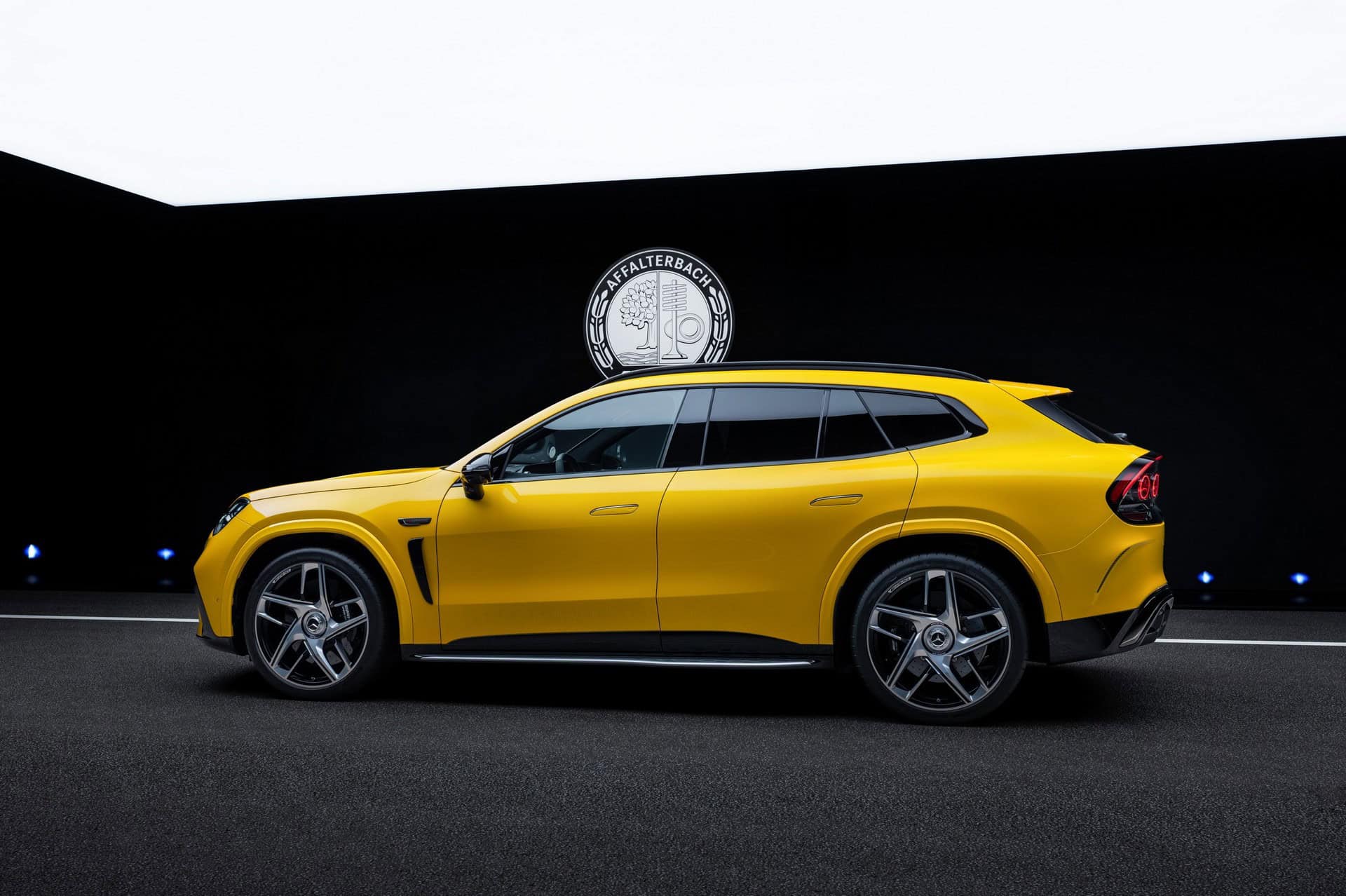
The AMG GT SUV Goes 415 Miles On A Single Charge
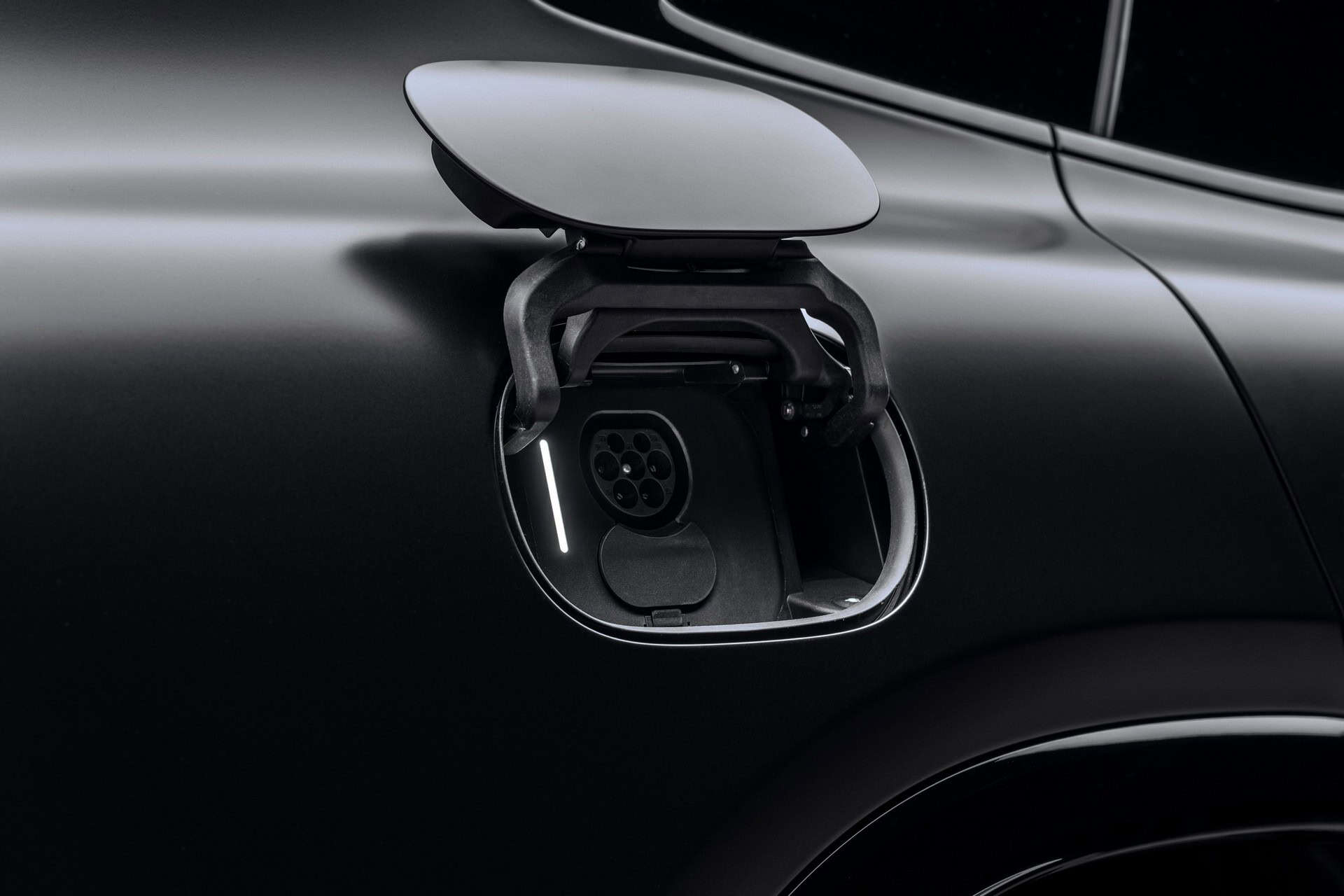
There are two usable battery capacities: 106 kWh and 128 kWh. The smaller pack supports DC charging at up to 600 kW, while the larger battery raises the maximum to an eye-watering 710 kW. Under ideal conditions, the system can add up to 450 kilometers (280 miles) of WLTP range in just 10 minutes.
A 10-to-80% charge takes approximately 11 minutes with the smaller battery and 12 minutes with the larger one. The GT 63 offers a maximum WLTP range of up to 700 kilometers (435 miles), depending on the battery configuration. The GT 53, meanwhile, can cover up to 668 kilometers (415 miles) on the European test cycle.
Naturally, those charging figures depend on finding a compatible high-power station that can deliver the advertised output. That’s a fairly big caveat, considering how rare 710-kW chargers remain. Still, the technology should help make charging stops less painful as the infrastructure catches up.
Active Suspension And Rear-Wheel Steering
A powerful electric drivetrain is one thing, but making a heavy SUV handle like a proper AMG is another. Mercedes-AMG has developed a new suspension system with active pitch and roll stabilization. Rather than relying solely on conventional anti-roll bars, the system uses active hydraulic elements to control body movements while balancing comfort and handling.
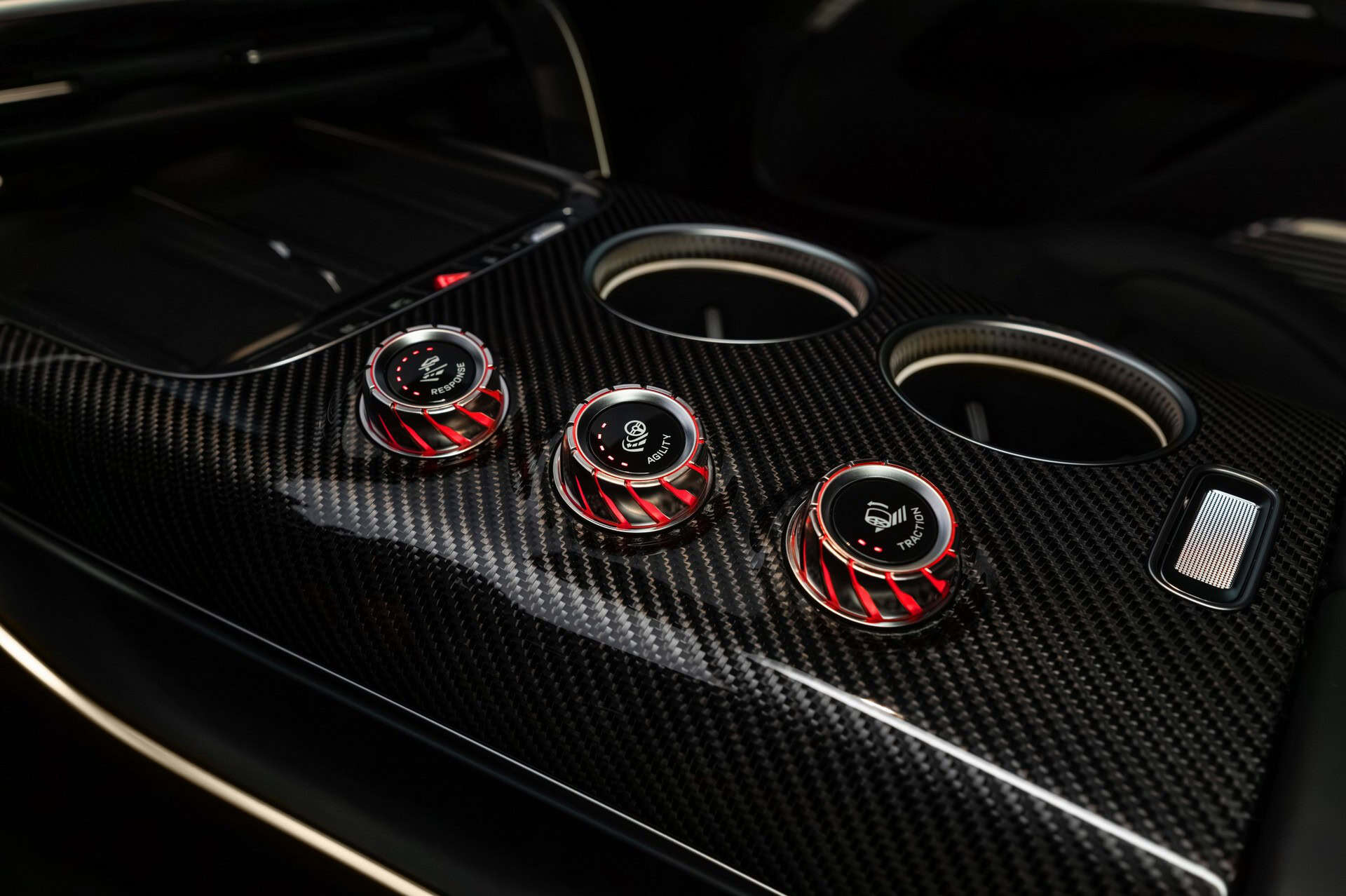
Rear-wheel steering also helps the GT SUV feel more agile than its dimensions and hefty weight might suggest. The fully variable all-wheel-drive system distributes torque between the axles as needed. At the same time, the three-motor versions can vary torque between the rear wheels to improve traction and cornering behavior.


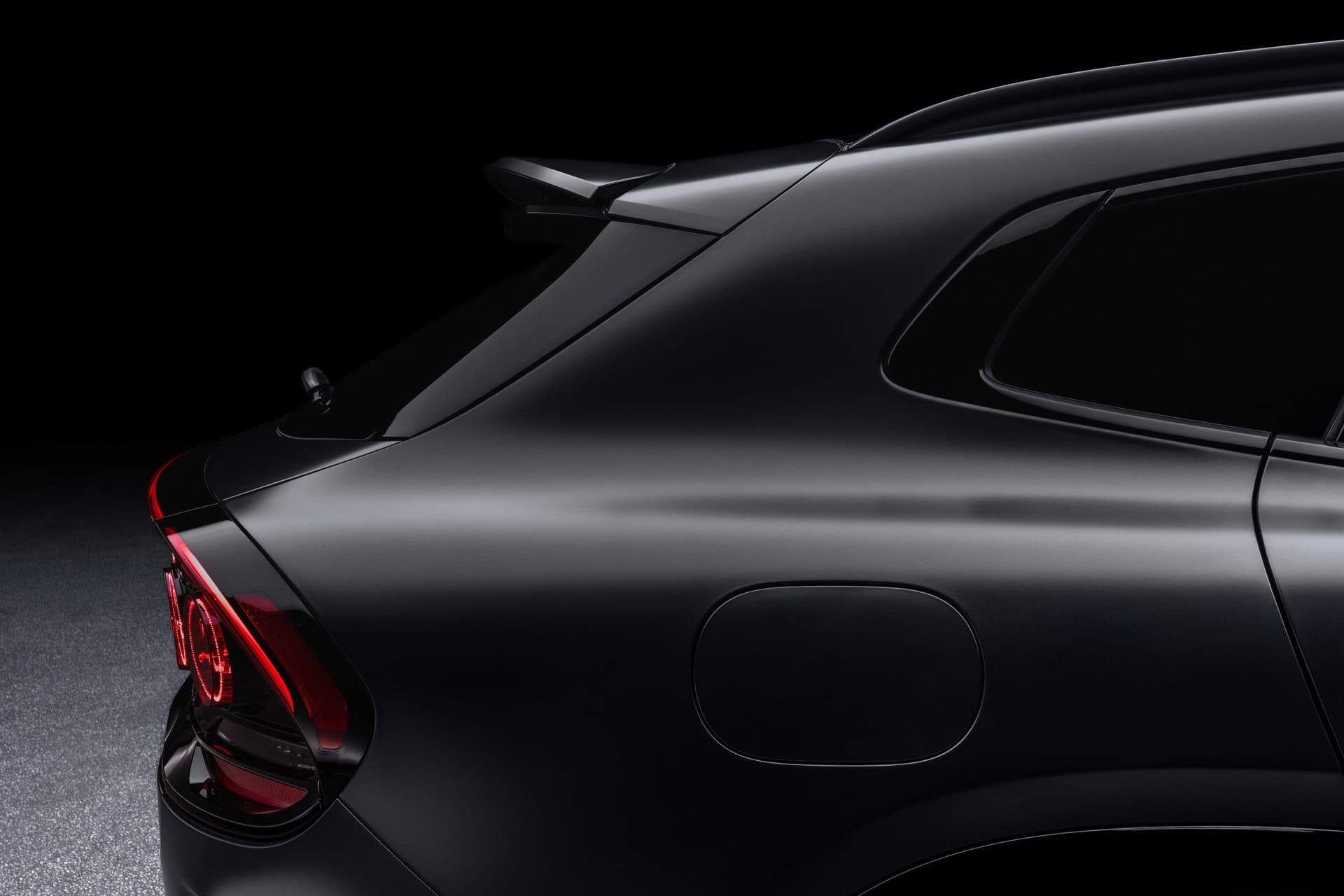
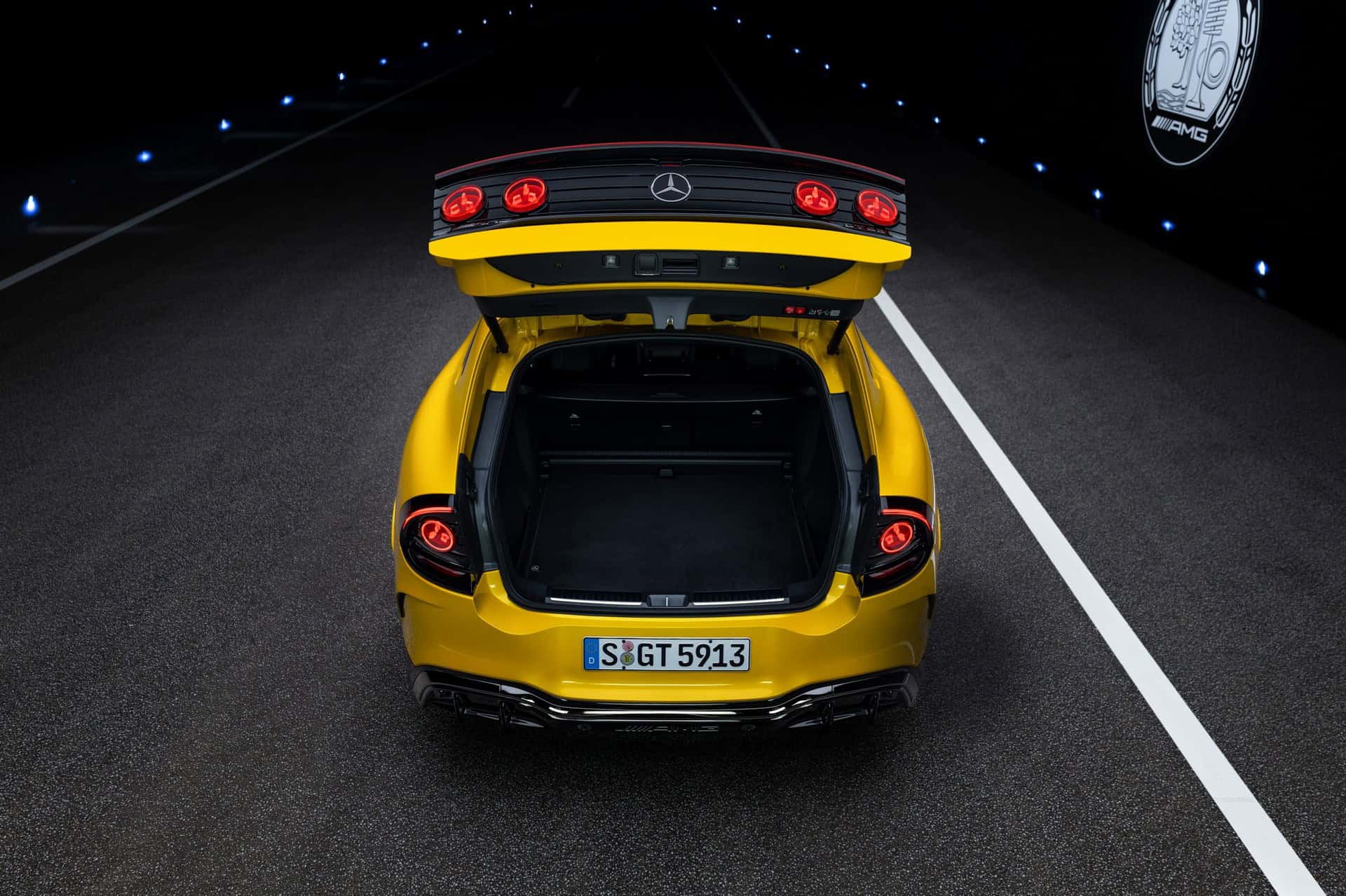
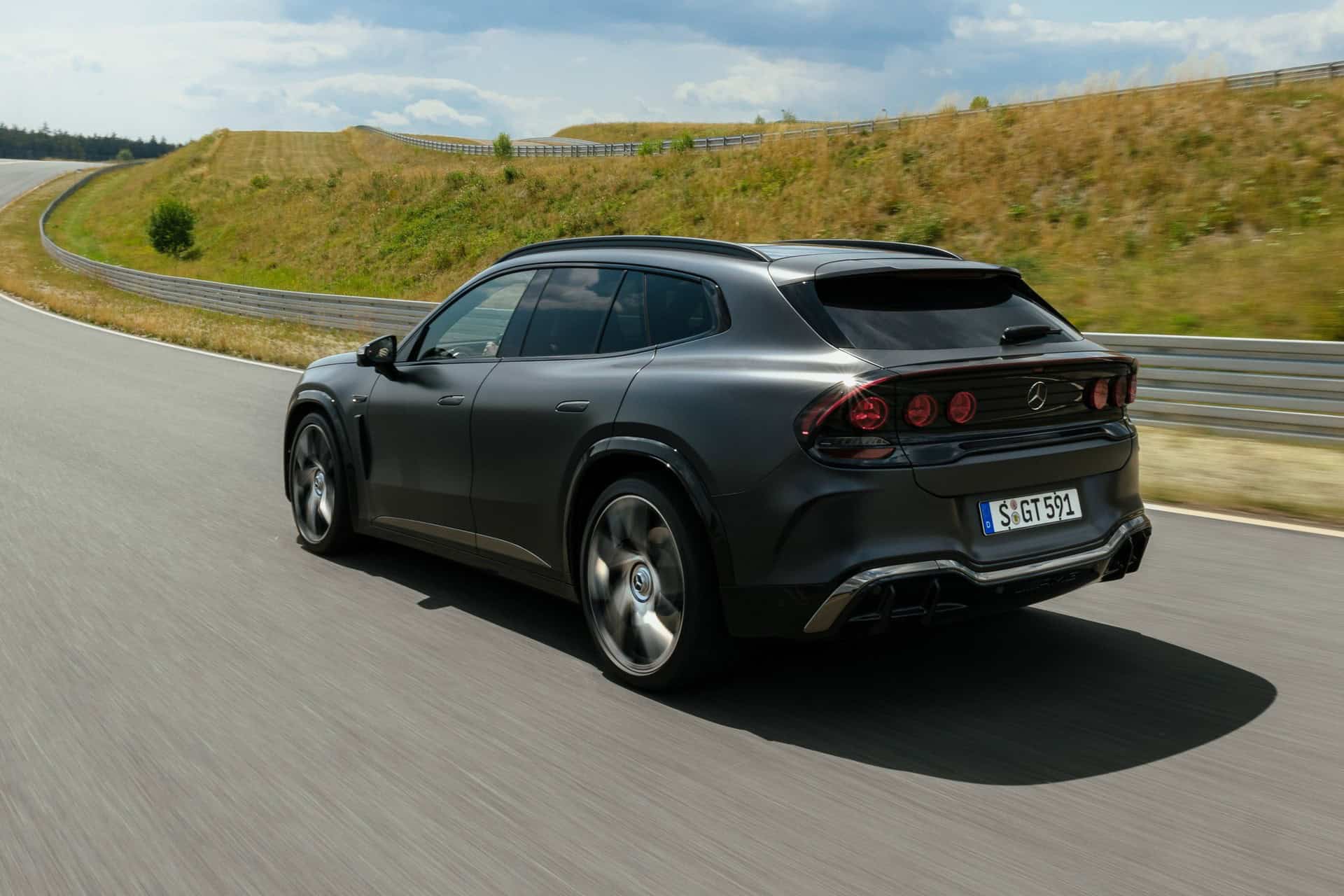
Aerodynamics also play a role. An active roof spoiler and adjustable aerodynamic elements manage airflow depending on speed and driving conditions. The body has a drag coefficient of 0.27, an impressive figure for a performance SUV with such a wide stance and muscular proportions.
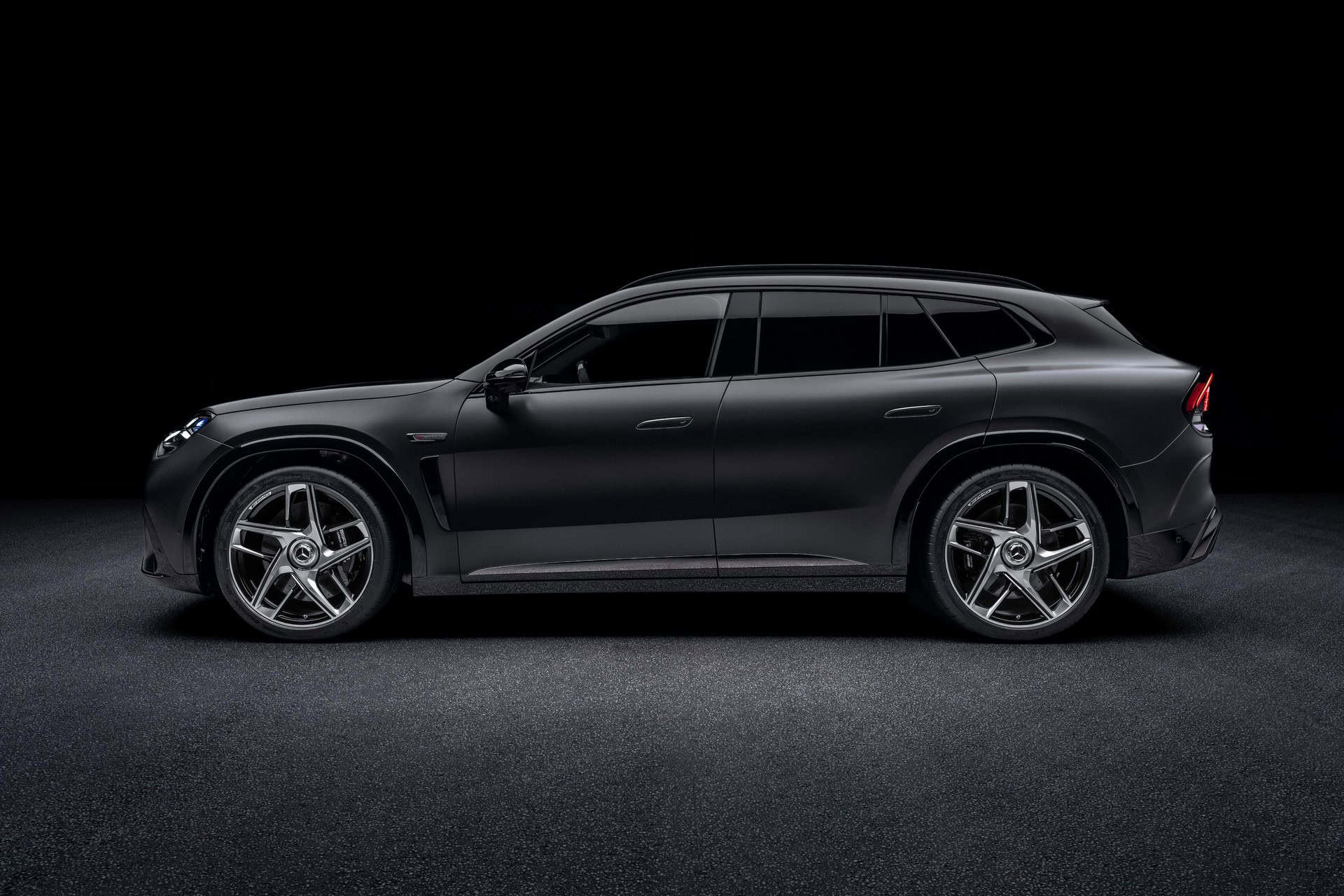
The GT SUV measures 5,084 millimeters (200.2 inches) long, 2,001 mm (78.8 inches) wide, and up to 1,656 mm (65.2 inches) tall, with a wheelbase of 3,040 mm (119.7 inches). In other words, this isn’t some compact crossover wearing an AMG badge. It’s a sizeable machine that aims to deliver sports-car responses without sacrificing everyday usability.
Faking A V8 Soundtrack
Here’s where things get interesting for the AMG faithful. Mercedes-AMG has gone to considerable lengths to make the electric GT SUV sound and feel more like a traditional performance car. The company offers a simulated V8 soundtrack for the GT 55 and GT 63, while the base GT 53 gets a synthetic six-cylinder sound.
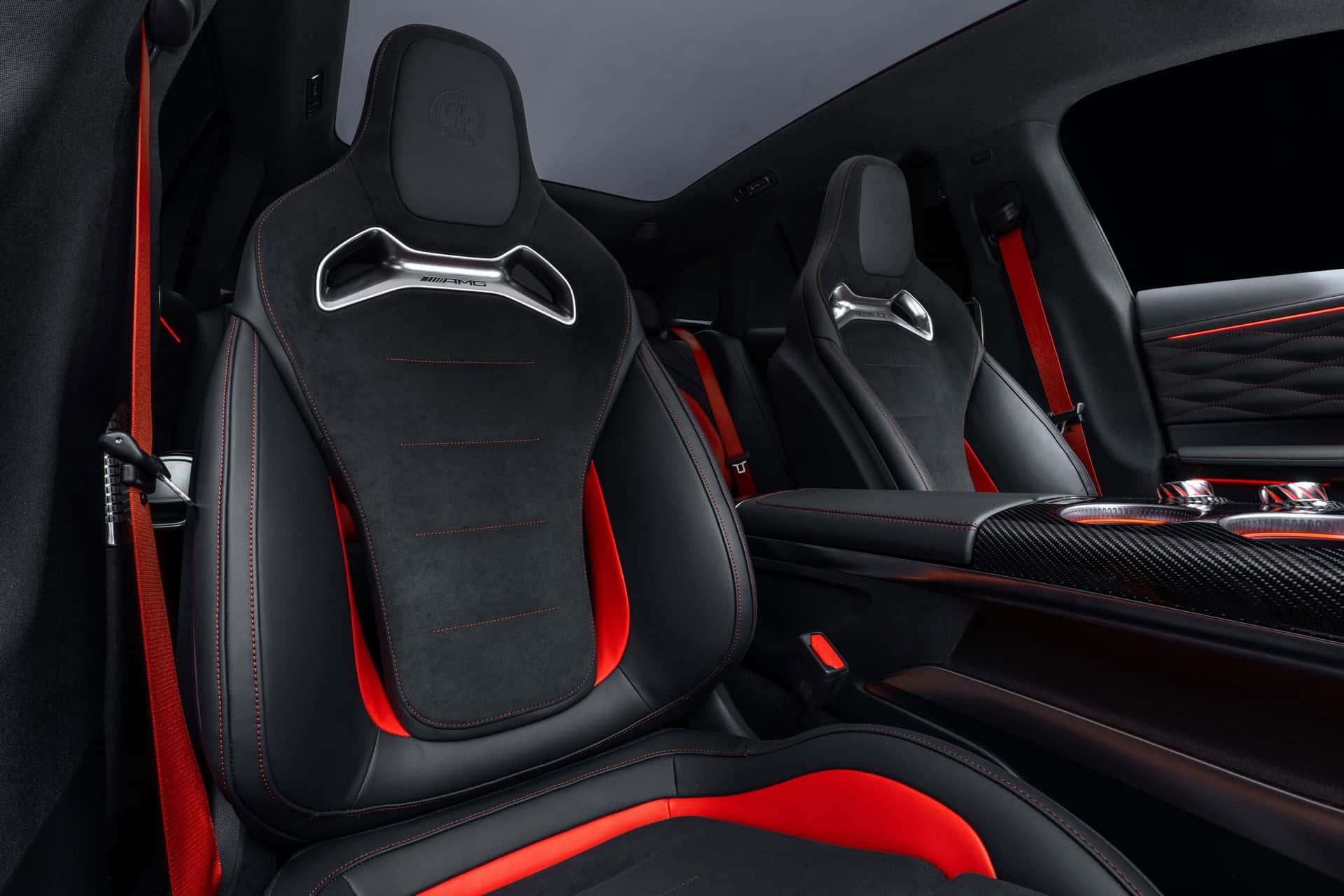
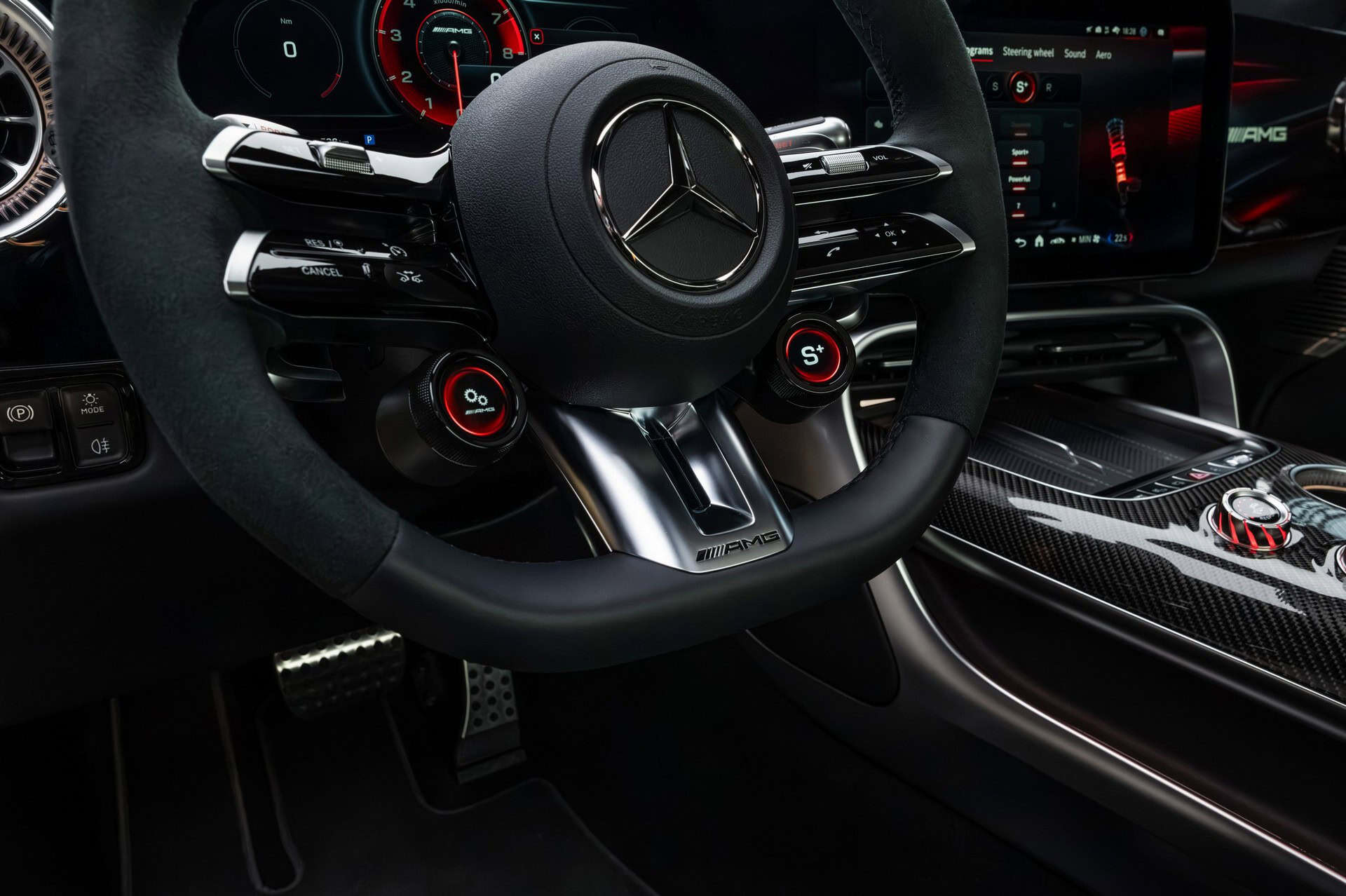
The experience goes beyond piping artificial engine noises through the speakers. The package also includes simulated gear changes, steering-wheel paddles, and seat vibrations, giving drivers more sensory feedback than a conventional EV. What a time to be alive, right?
Some enthusiasts will appreciate the effort, while others may wonder why an electric vehicle needs to pretend it’s burning gasoline. After all, a genuine AMG V8 has never struggled to make its presence known. But with combustion engines gradually disappearing from the performance-car landscape, Mercedes-AMG clearly believes there’s still a market for the theater, even if the soundtrack is now generated electronically.
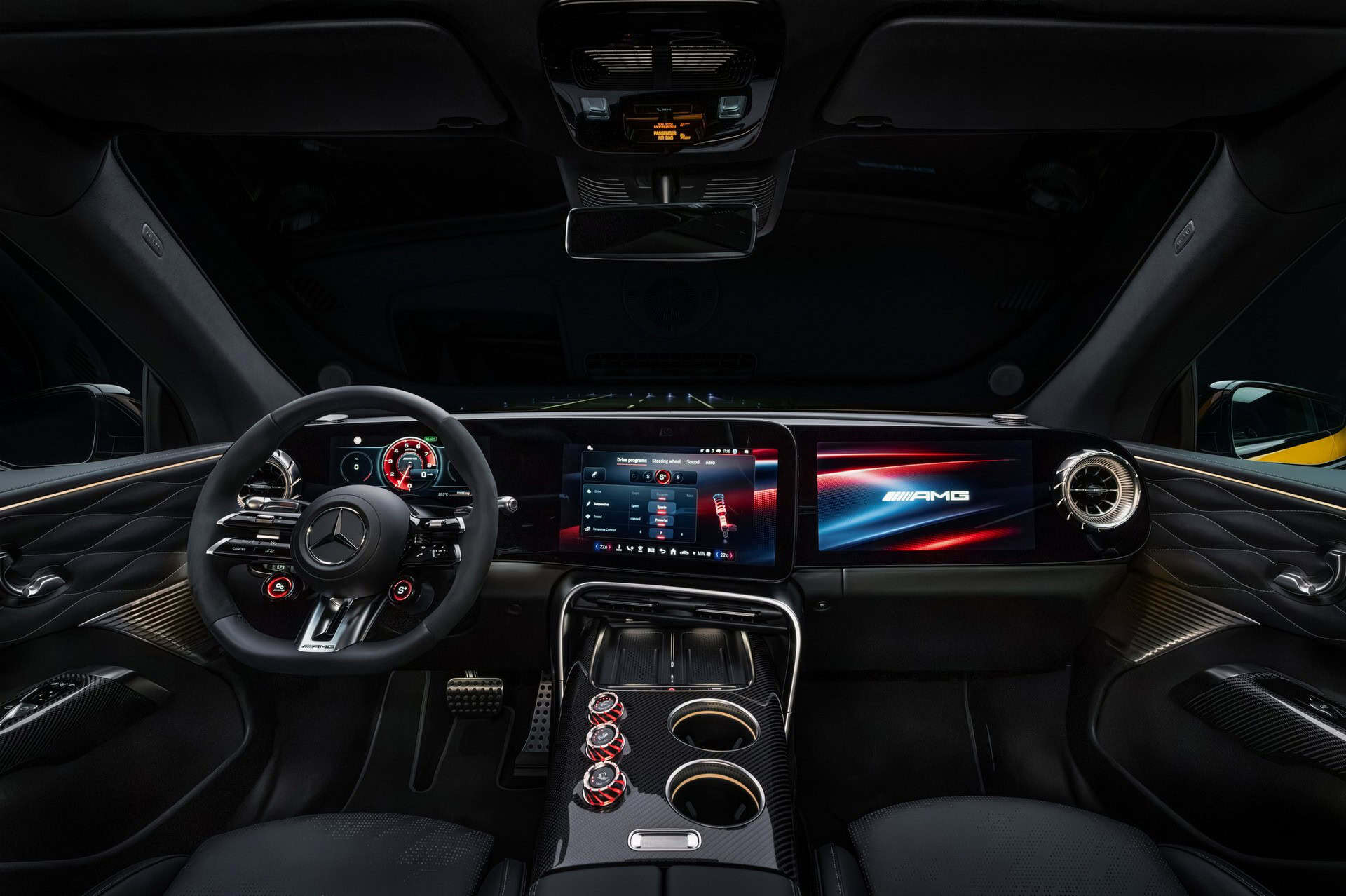
A High-Tech Cabin With Room For The Family
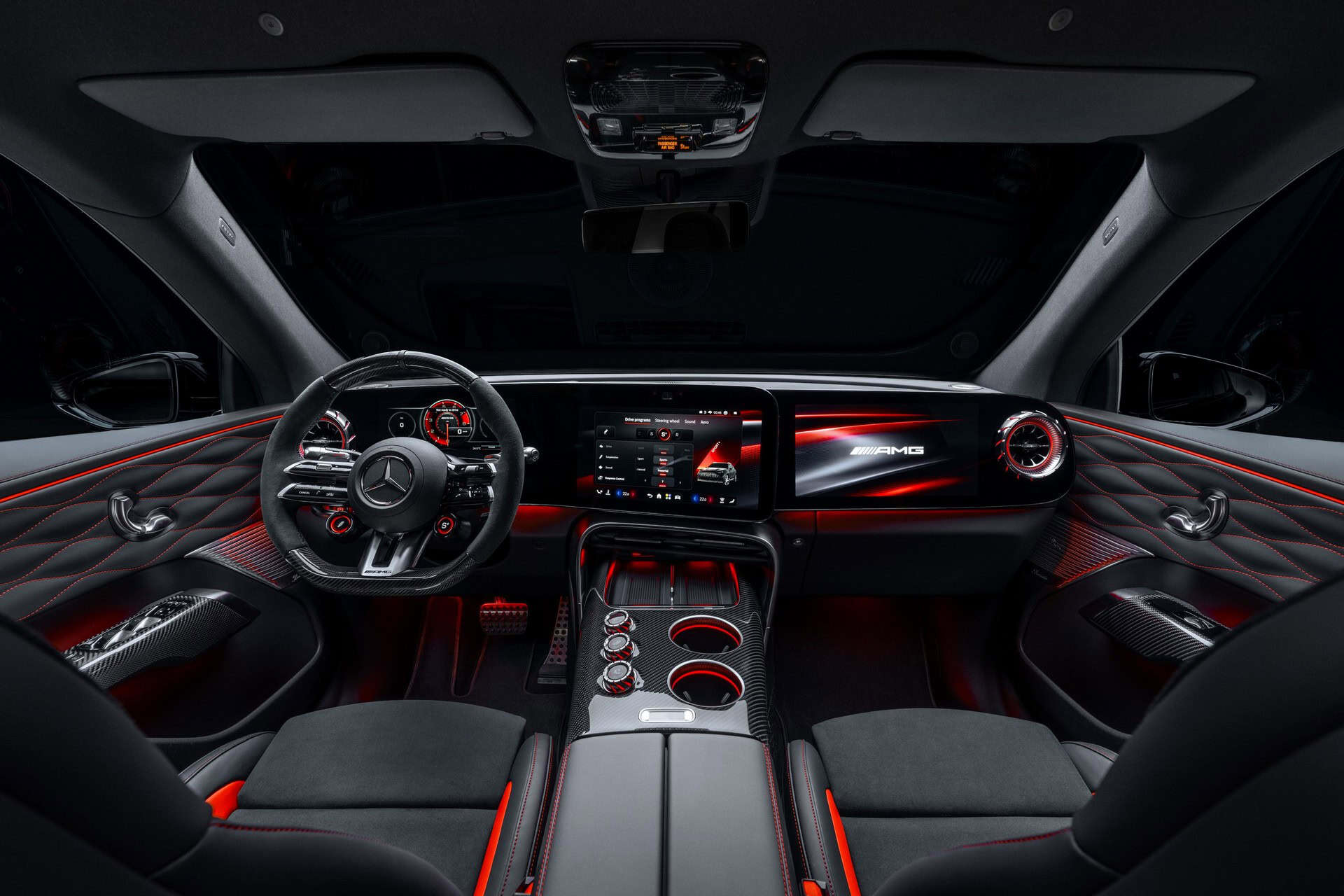
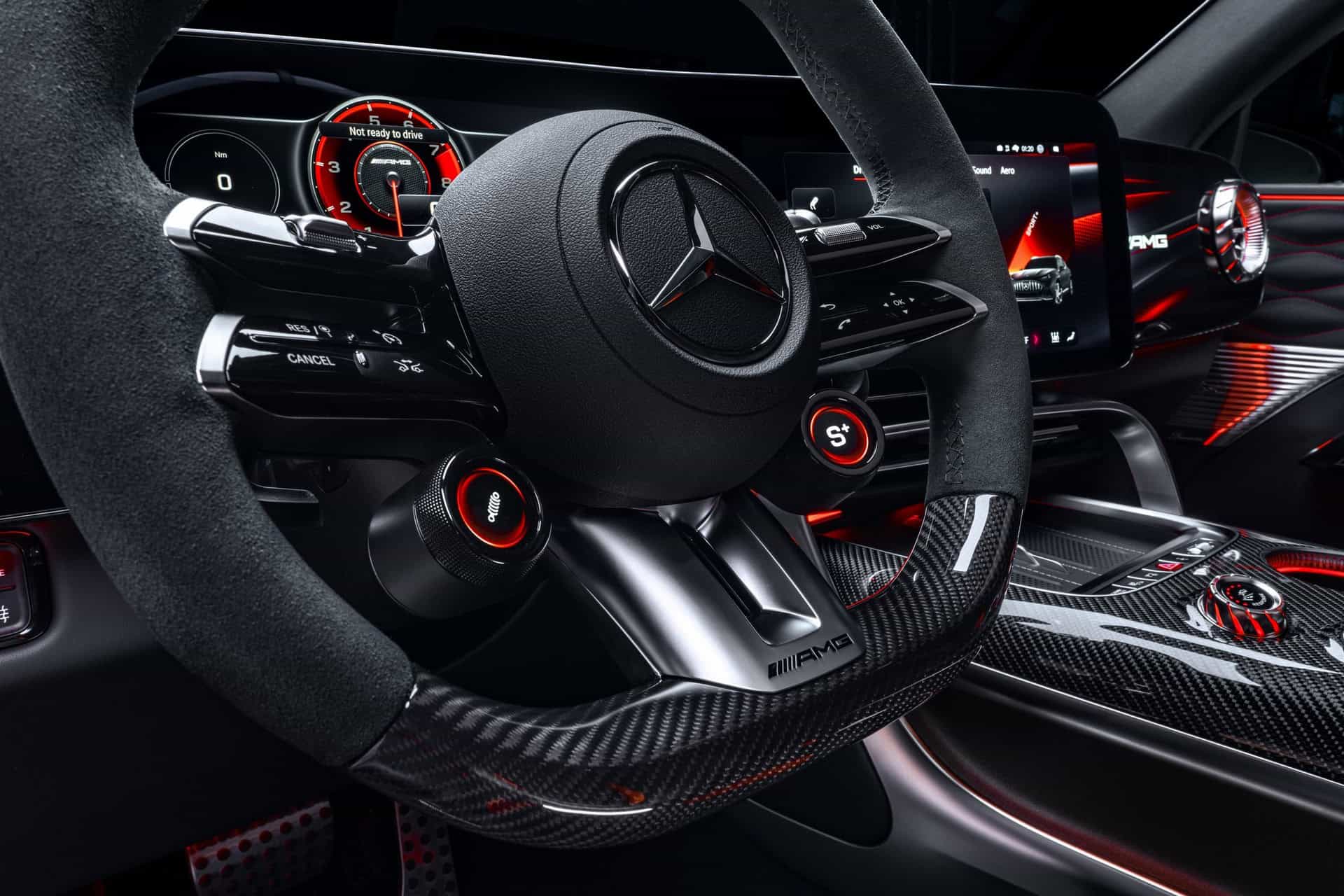
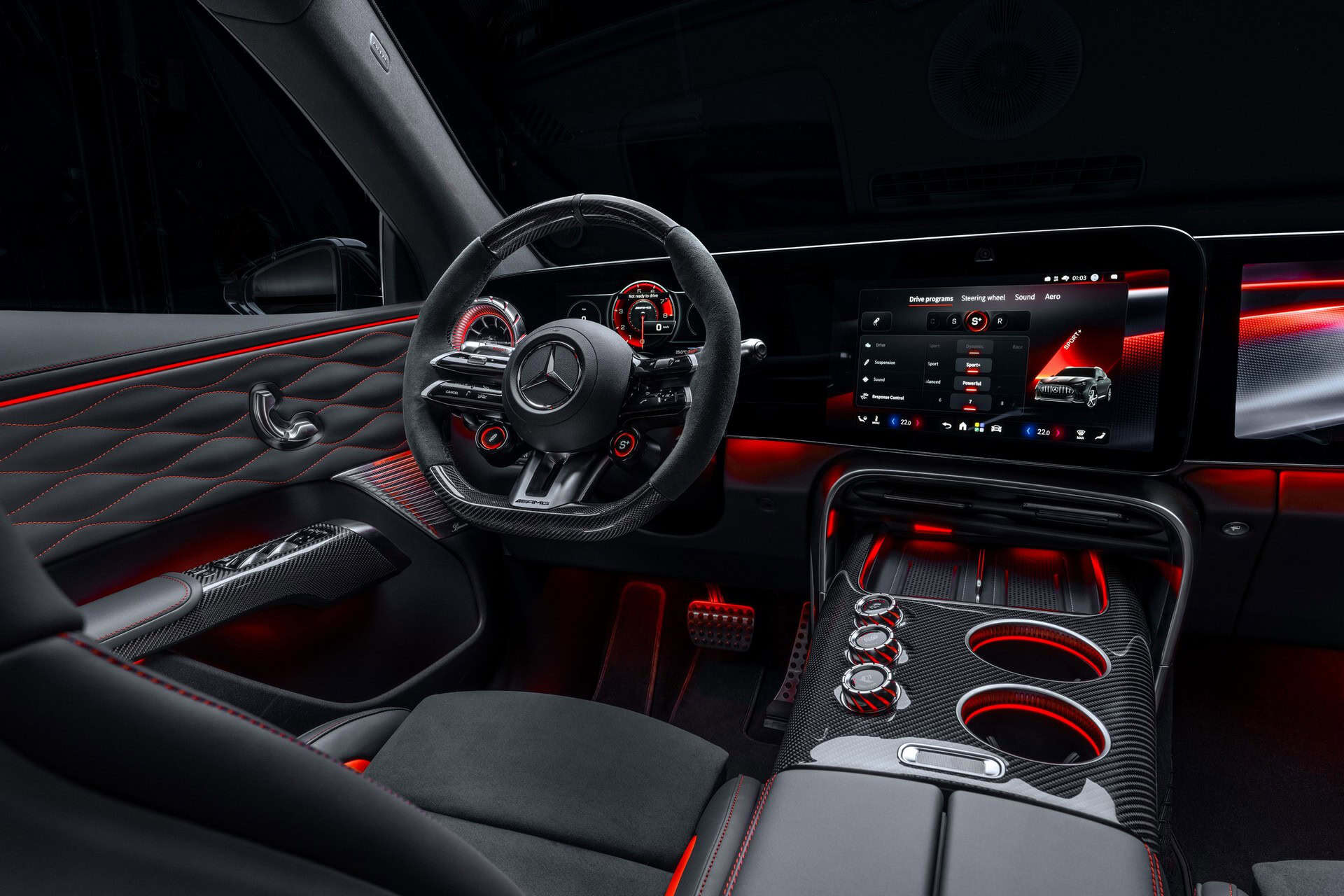
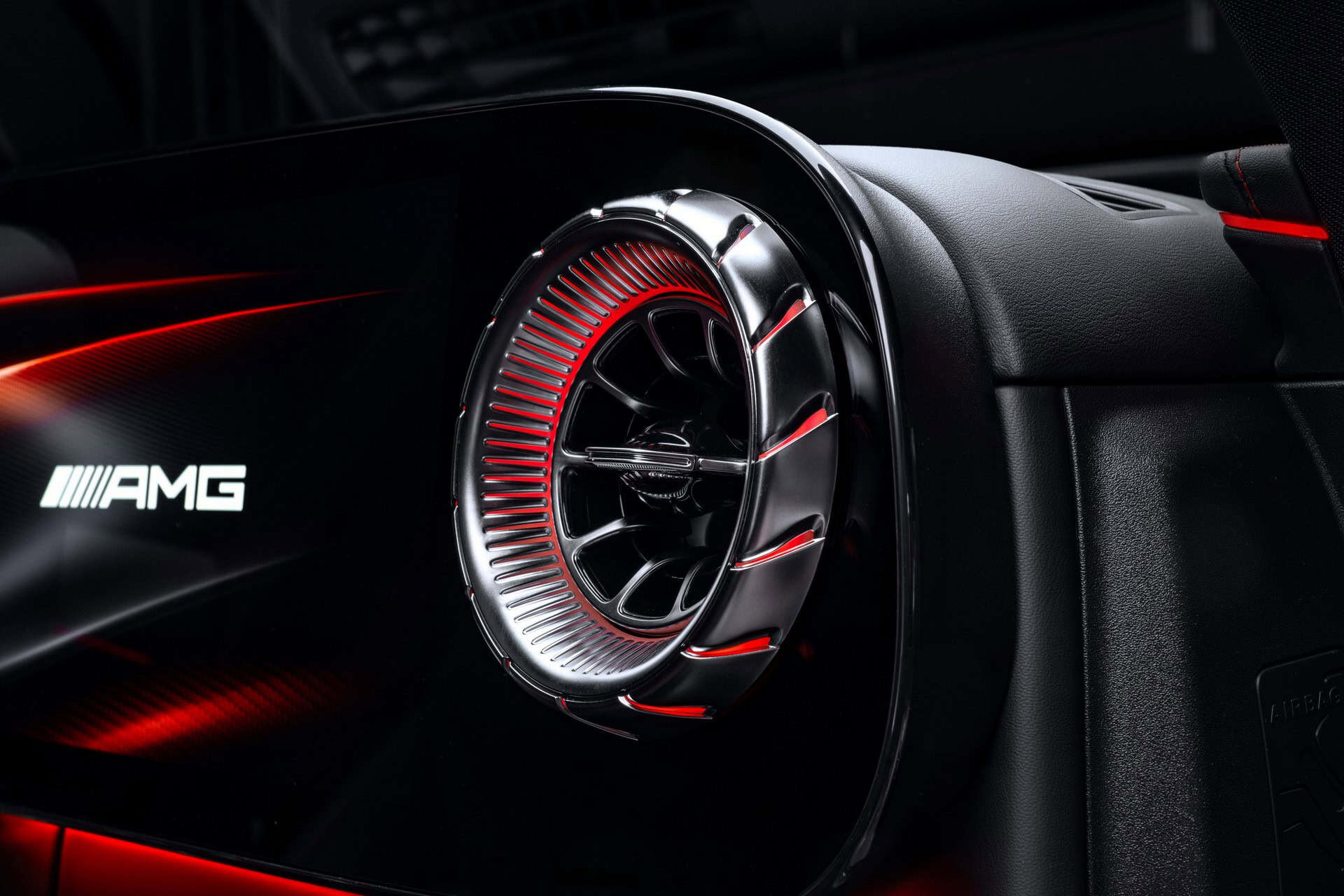
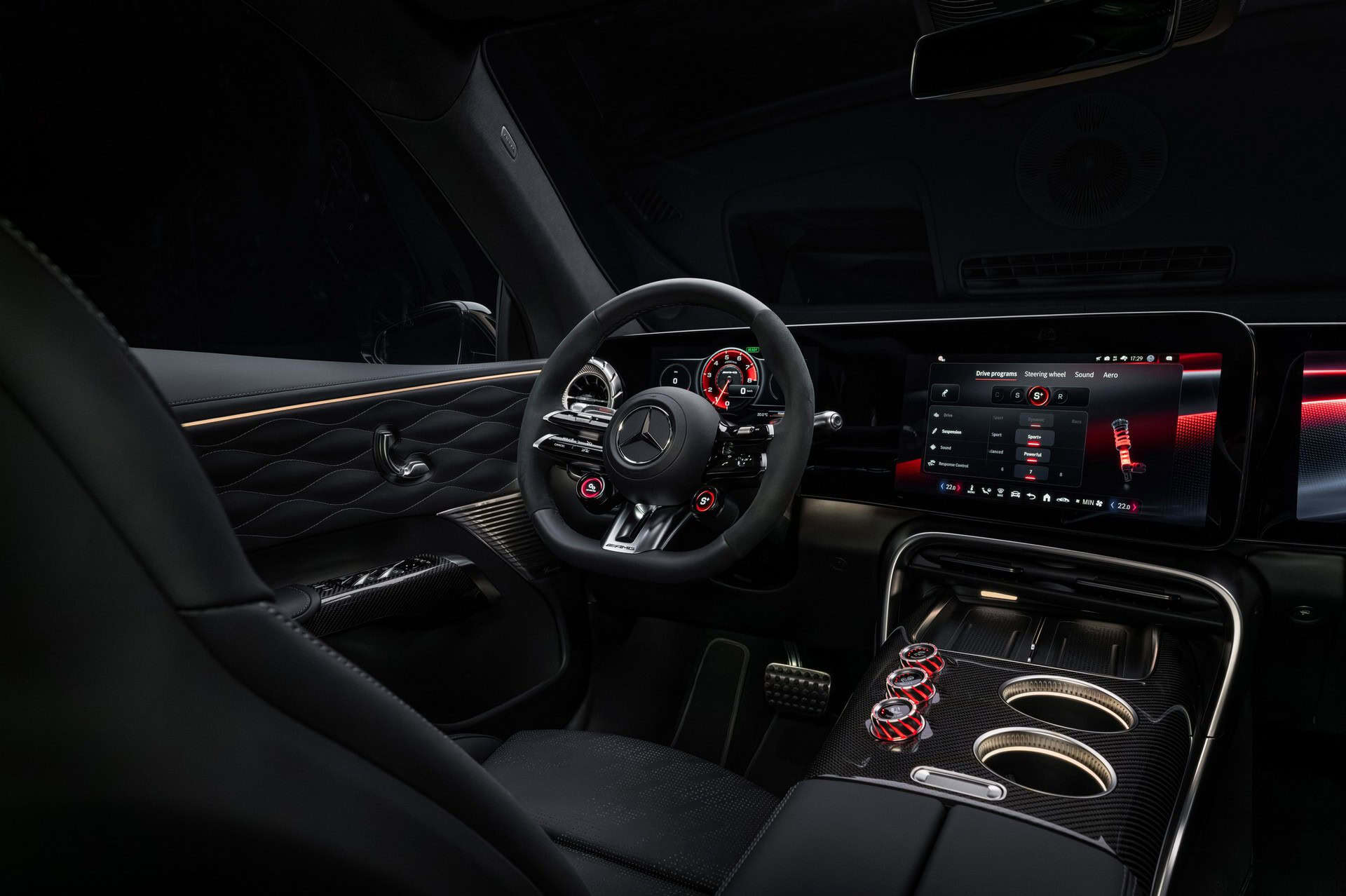
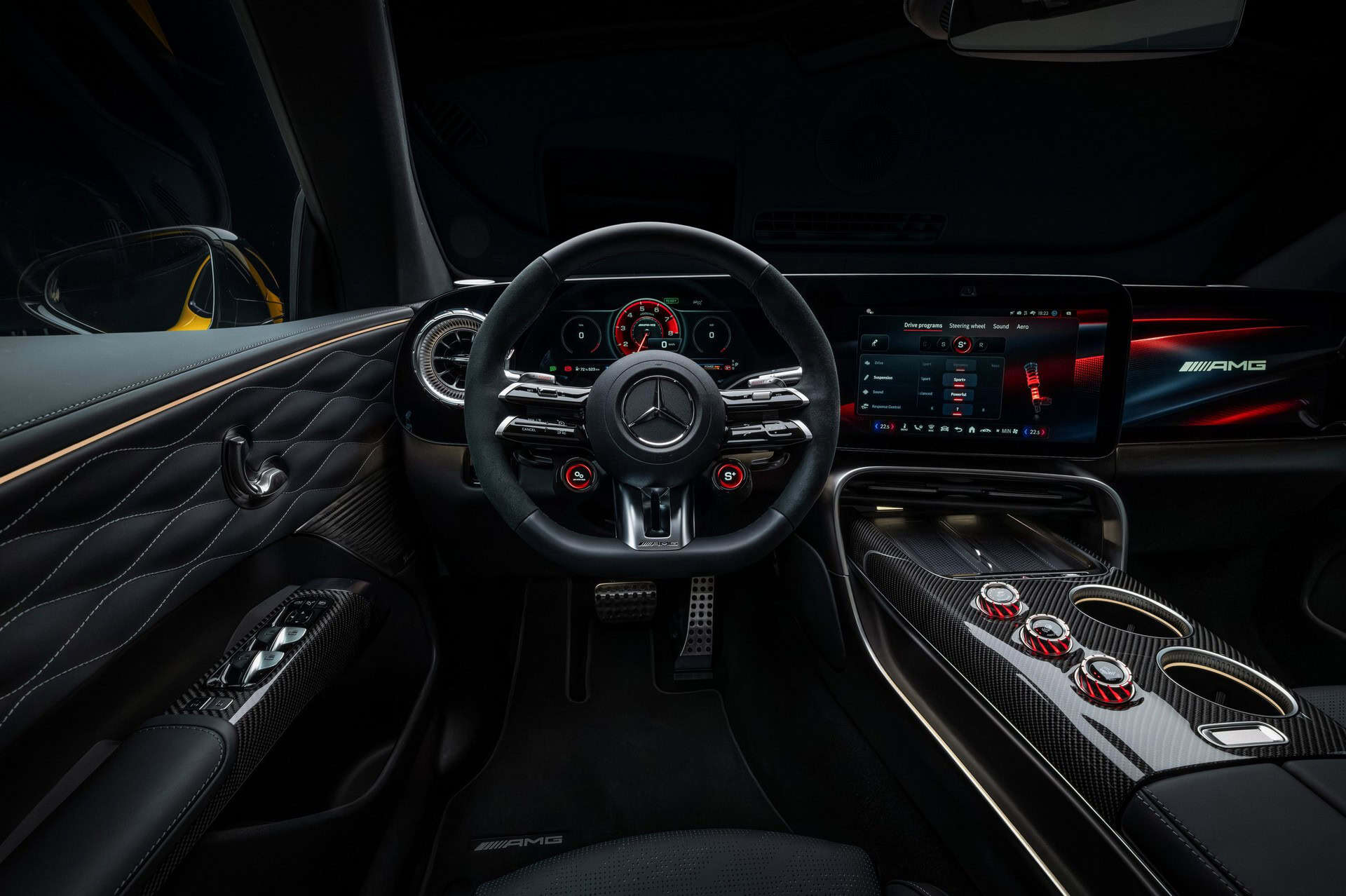
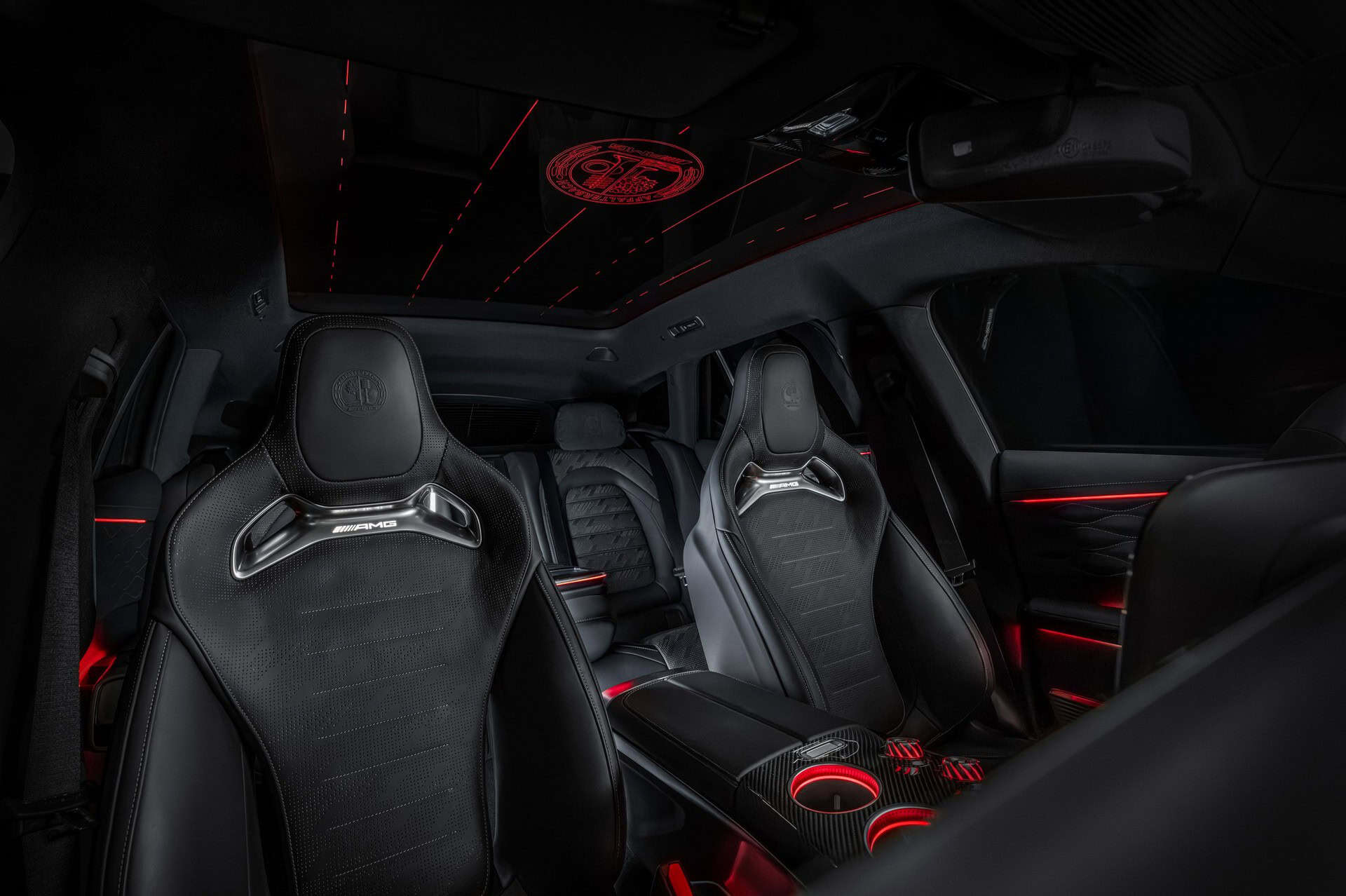
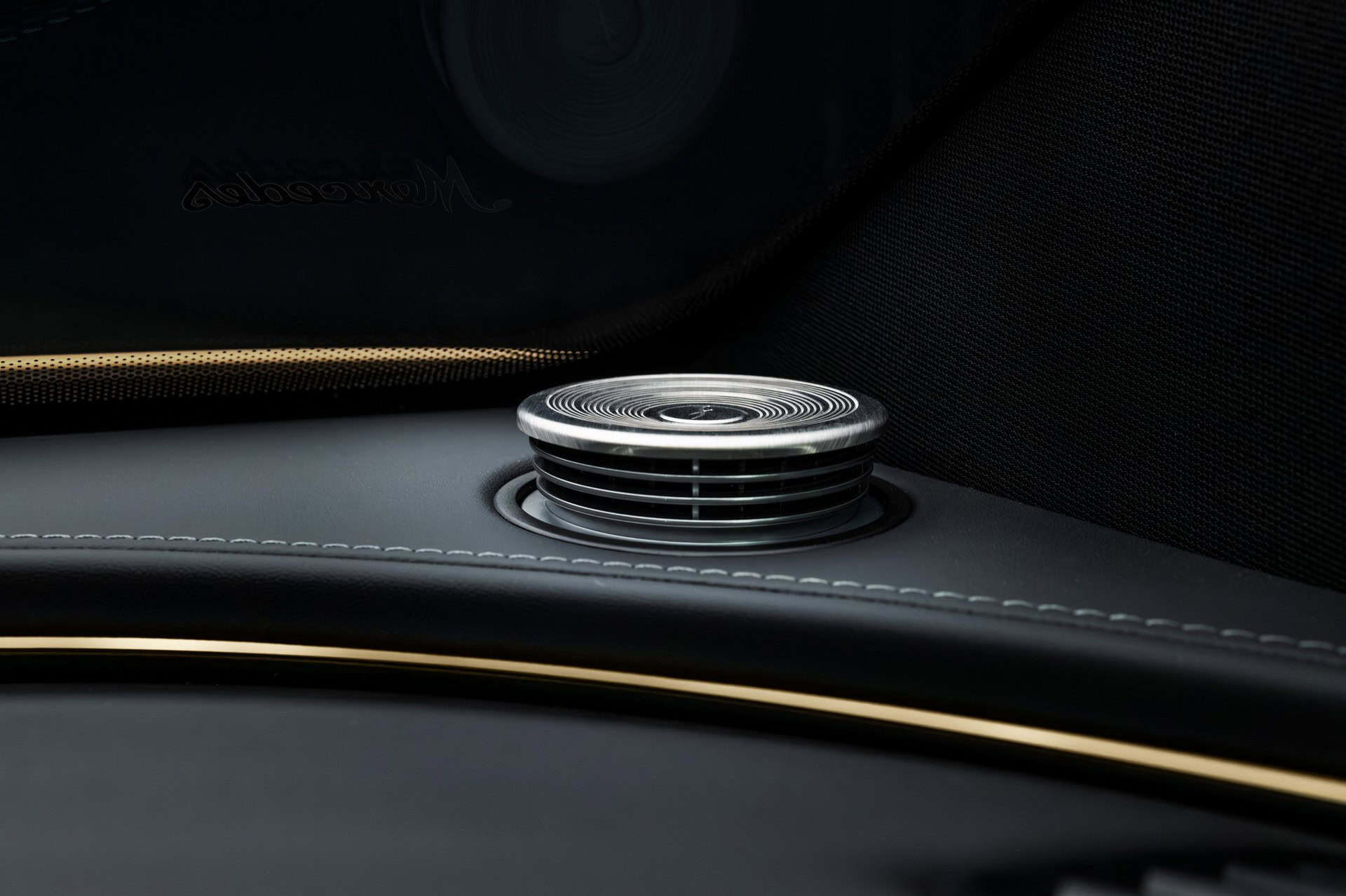
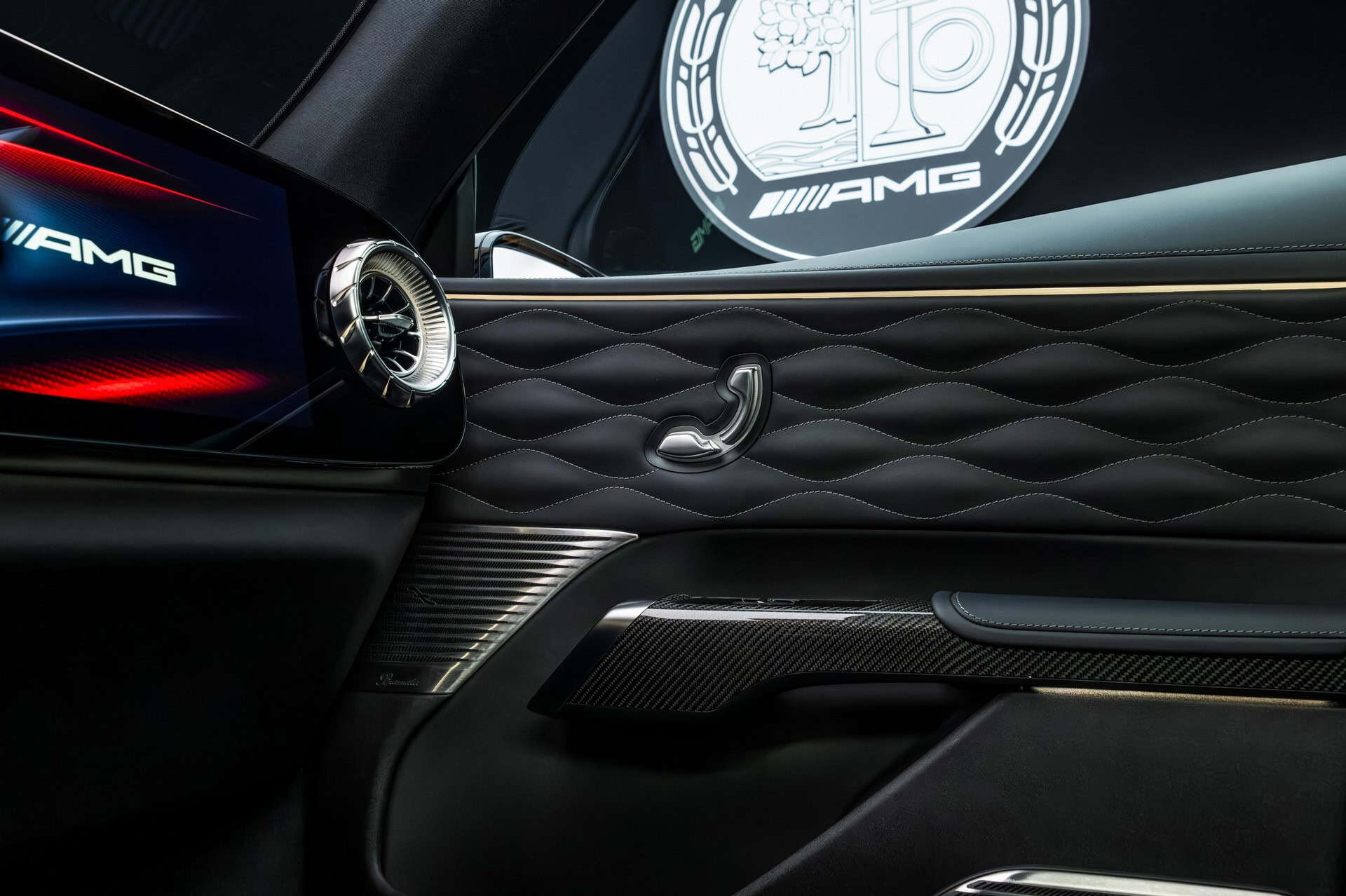
Inside, it’s a veritable screen fest. A 10.2-inch digital instrument cluster sits ahead of the driver, while a 14-inch central touchscreen handles infotainment. An additional 14-inch display for the front passenger is available for those who want to turn the dashboard into a digital billboard.
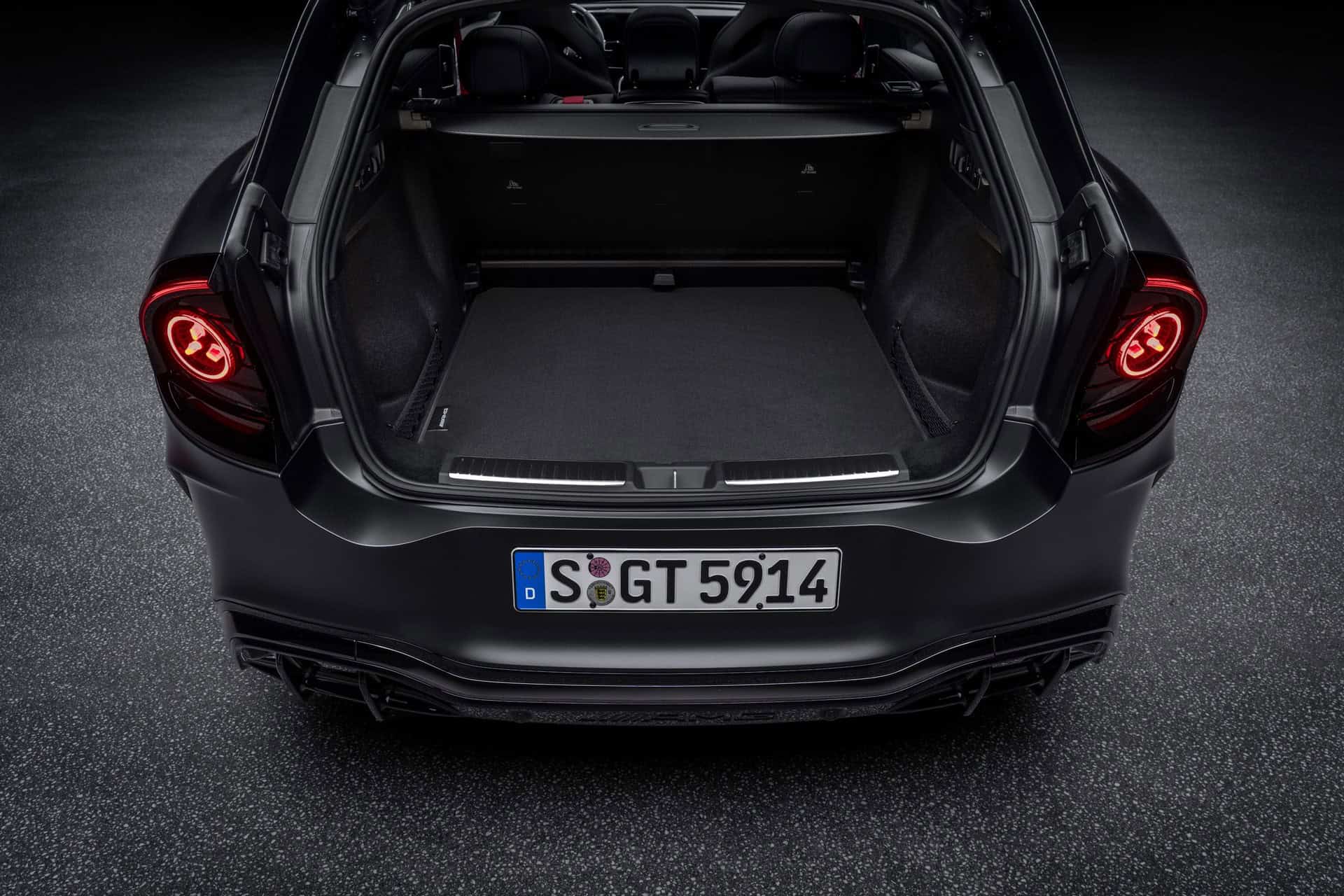
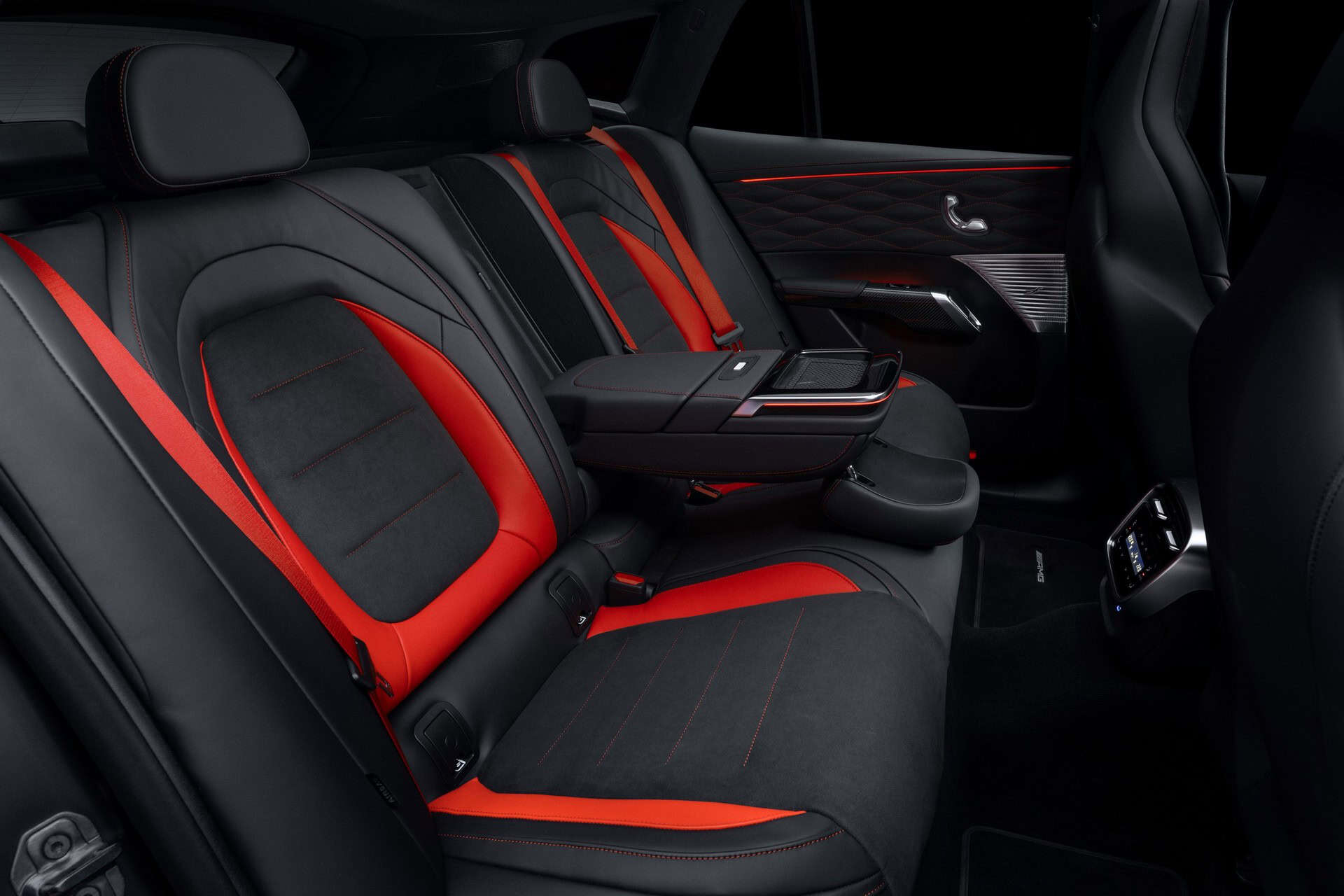
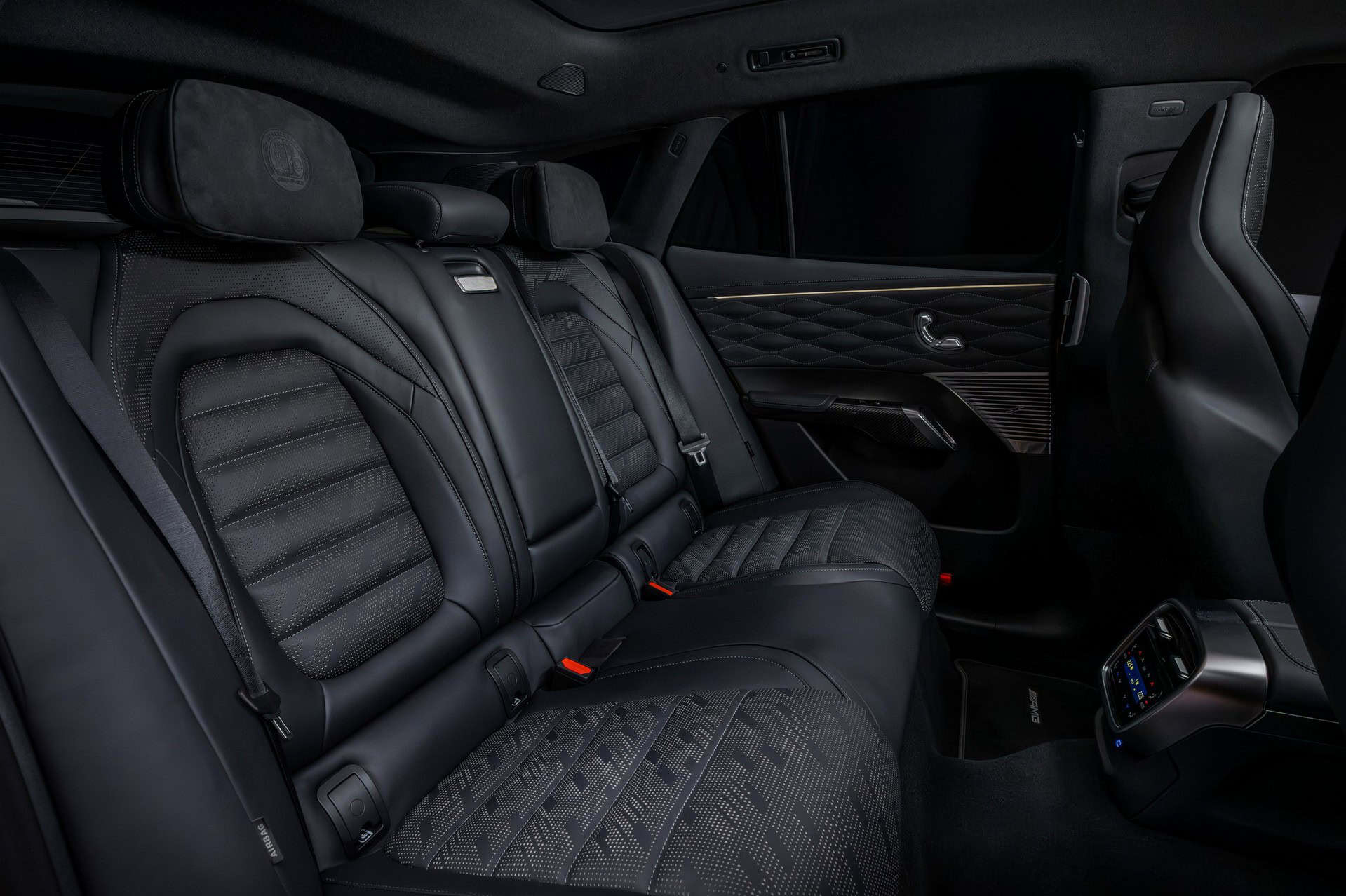
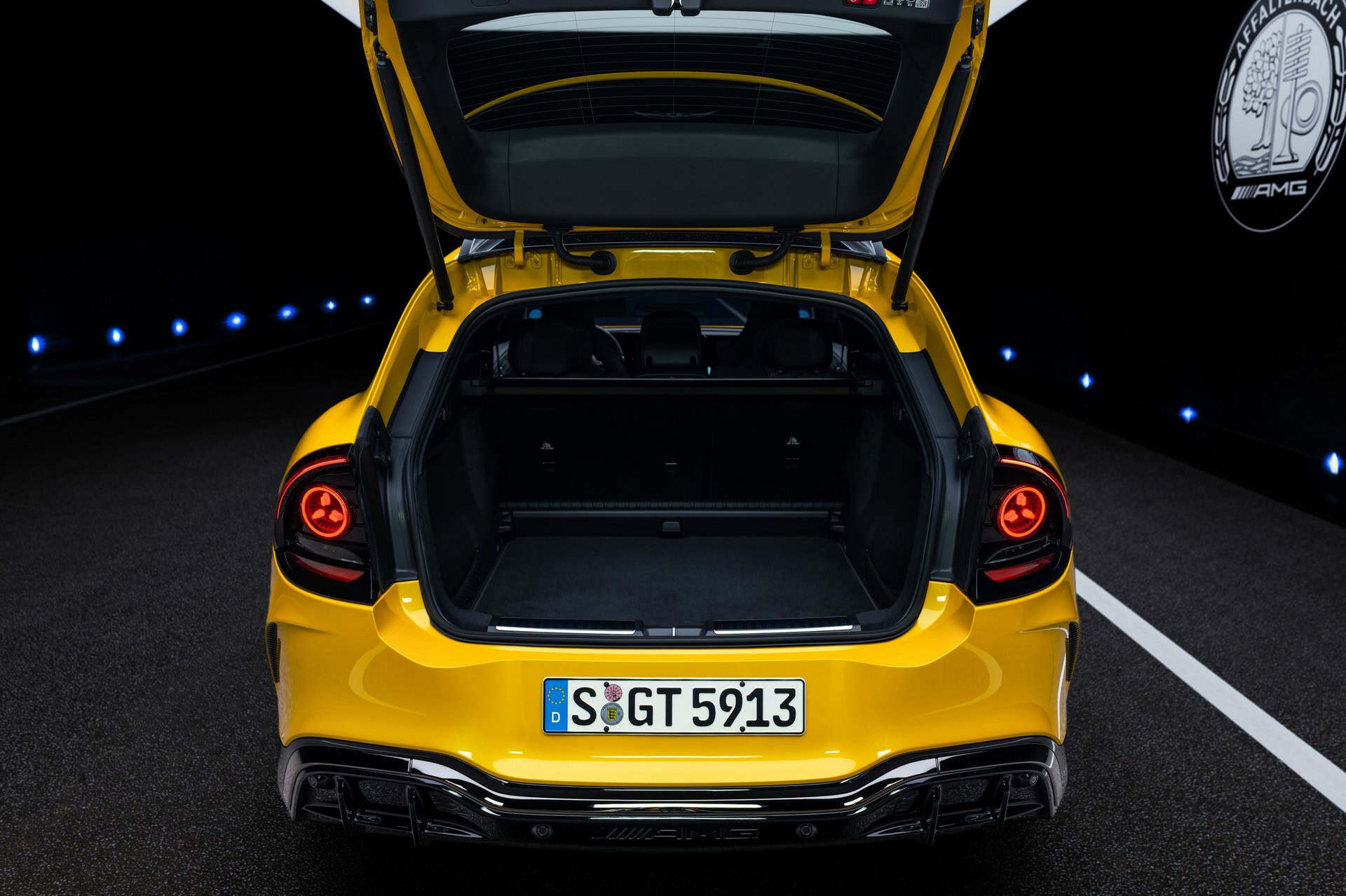
Practicality hasn’t been forgotten. The SUV offers 607 liters (21.4 cubic feet) of luggage space behind the rear seats, expanding to 1,740 liters (61.4 cubic feet) when the rear seats are folded. There’s also a 111-liter (3.9-cubic-foot) front storage compartment and a separate 78-liter (2.8-cubic-foot) frunk.
The sloping roofline gives the GT SUV a sportier silhouette than a traditional boxy SUV, but Mercedes-AMG insists it still offers generous passenger space and easy access. An optional panoramic glass roof adds another touch of luxury.
How Much Will It Cost?
Mercedes-AMG will open orders for the GT 53 SUV in Germany on October 20, with prices starting at €113,050. The more powerful GT 55 and GT 63 versions will follow in spring 2027, with pricing yet to be announced.
The new electric SUV is scheduled to arrive at U.S. dealerships in summer 2027 as a 2028 model year vehicle. Mercedes-AMG hasn’t released American pricing yet, but the range-topping version won’t come cheap.
BMW’s Electric X5 M Isn’t Coming Until 2028
An electric X5 M (G95) remains an anticipated rival, not a confirmed direct competitor. Still, prototypes have been spotted, and the prospect of a high-performance electric SUV from Munich makes this an interesting development for BMW fans.
Based on our sources, the X5 M will arrive in 2028 alongside a V8-powered version, echoing the M3 strategy, with both inline-six and electric models in the pipeline.