Article Summary
- 73% of Americans surveyed say 75 miles or less is enough for their daily driving, yet 42% want at least 300 miles of EV range.
- 72% consider driving range a deciding factor when shopping for an electric vehicle.
- 53% say they'd be more likely to consider an EV if it could add 150 miles of range in just 10 minutes.
Americans want electric cars that can travel hundreds of miles on a charge, even though most don’t really need nearly that much range for their daily commute. That’s one of the key findings from a new BMW survey, which suggests range anxiety remains a major concern for potential EV buyers despite advances in battery technology.
The automaker asked Big Village to conduct an online survey of 1,005 U.S. adults last month to understand their attitudes toward electric vehicles. The results paint an interesting picture: 73% of respondents said 75 miles or less would be enough for their daily driving, yet 42% want at least 300 miles of range before considering an EV. More specifically, 18% said they’d want 400 miles or more.
In other words, what drivers think they need and what they want from an electric car are two different things. Range also remains a deciding factor for 72% of respondents when shopping for an EV, suggesting that buyers still place considerable importance on the freedom to travel farther than their usual routines demand.
Americans Want Faster Charging, Too
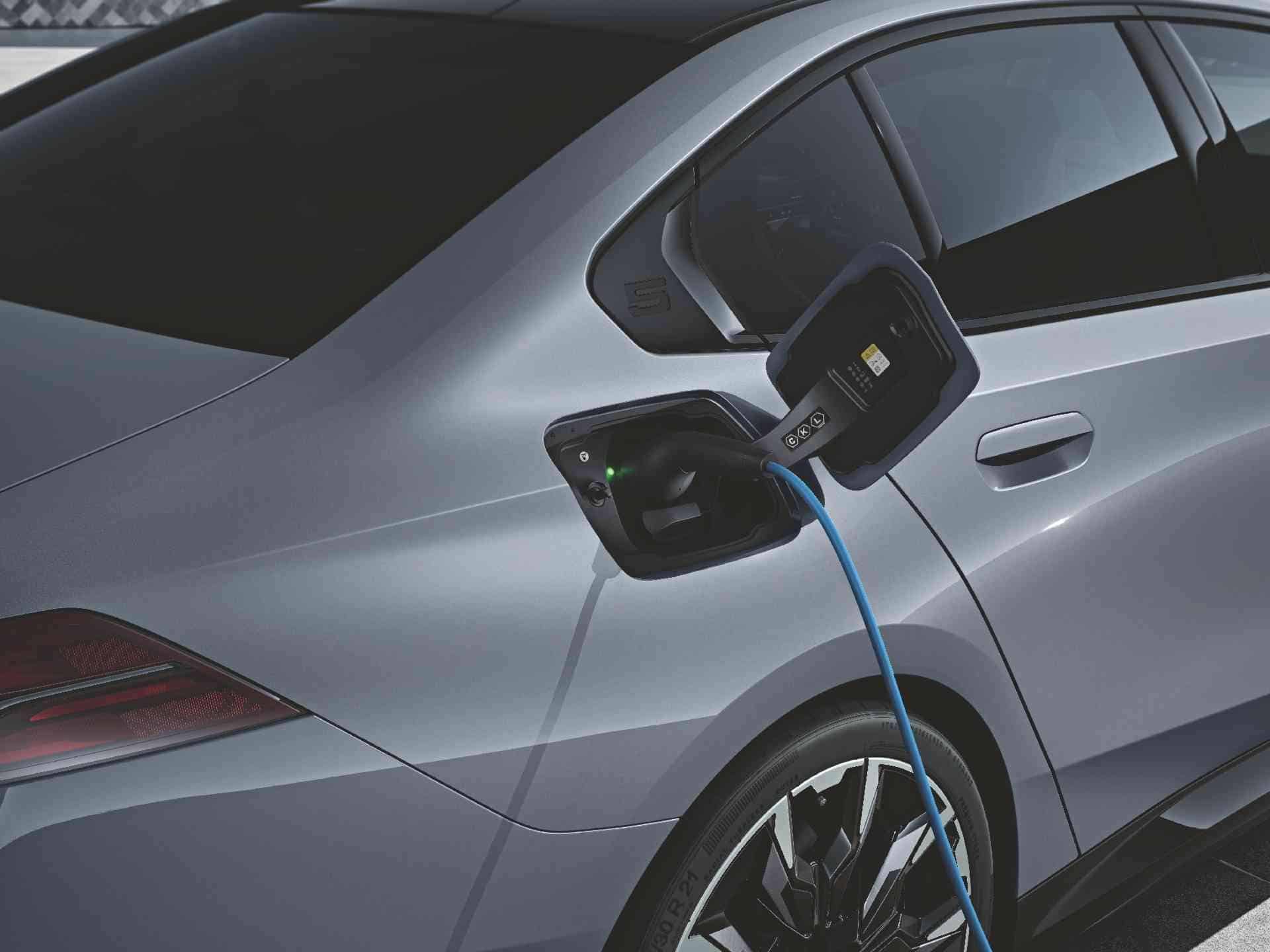
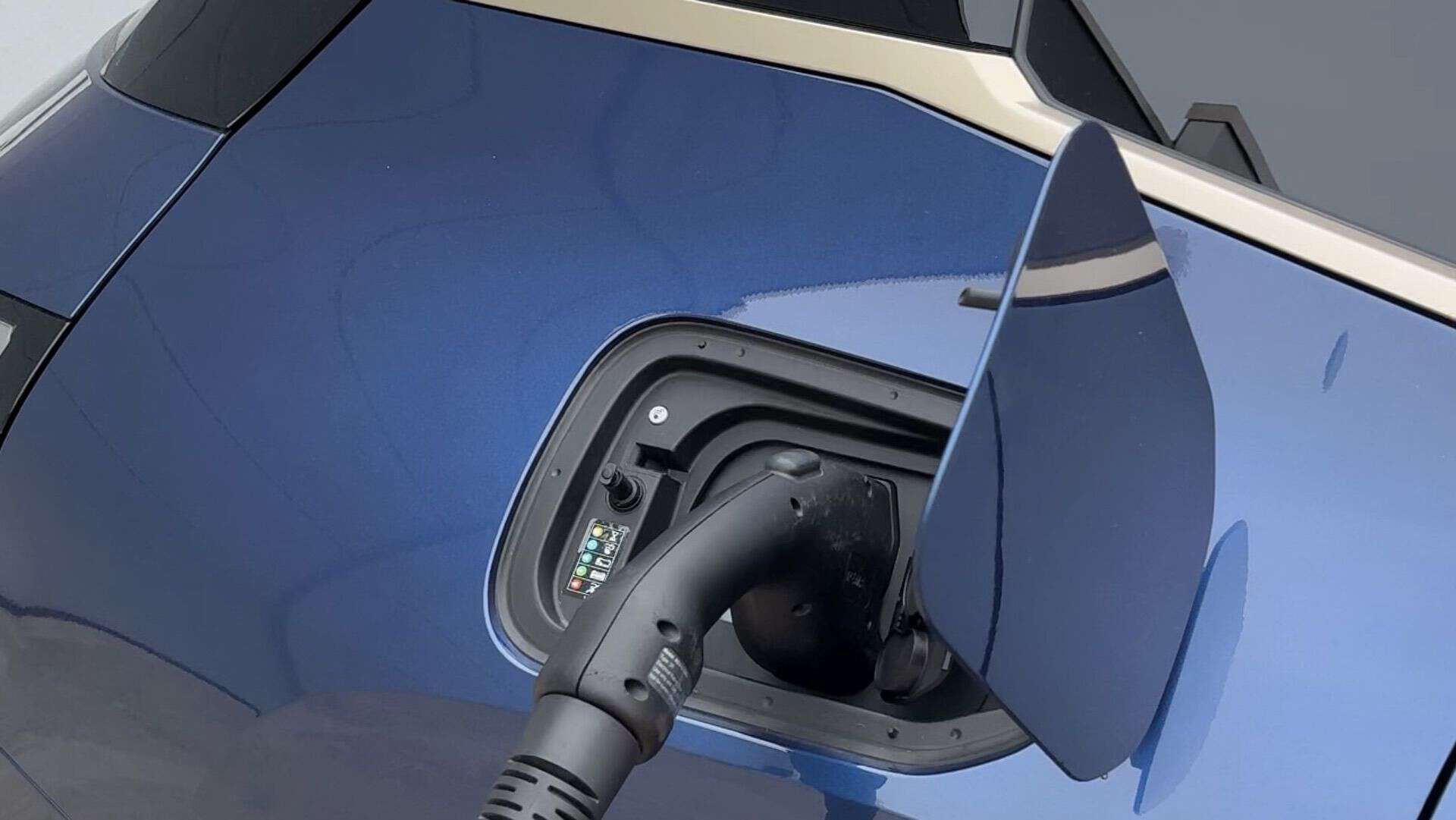
BMW’s survey suggests faster charging could help close the gap between expectations and everyday driving needs. Some 53% of respondents said they’d be more likely to consider an EV if it could add approximately 150 miles of range in just 10 minutes at a fast-charging station.
That figure rose to 70% among Gen Z respondents and 65% among Millennials, compared with 52% among Gen X and 30% among Baby Boomers. Younger drivers appear particularly interested in reducing charging stops to just a few minutes rather than spending half an hour or longer plugged in.
Charging-time expectations are also becoming more flexible. According to the survey, 55% of Americans now consider 30 minutes or less an acceptable charging time, up from 48% in 2025. Meanwhile, 76% said they’d accept a charging stop of up to an hour, compared with 71% last year.
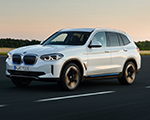
BMW is already exceeding those expectations with the new iX3. At an 800-volt DC fast-charging station, the electric SUV can add an estimated 185 miles of range in 10 minutes, surpassing the 150-mile benchmark that would make an EV more appealing to many respondents.
Price Remains The Biggest Obstacle To EV Adoption
Range isn’t the only thing keeping American drivers from electric mobility. Upfront purchase price was the most frequently cited barrier to EV ownership, with 51% of respondents pointing to cost.
Battery longevity and replacement costs came next at 31%, followed by charging time at 26%. Driving range and public charging availability each concerned 24% of respondents, while 23% cited a lack of convenient home-charging access.
Interestingly, 27% of Americans said lower ownership and operating costs would encourage them to consider an EV. Performance, advanced technology, and environmental benefits each attracted 19% of respondents. That suggests electric cars appeal for more than just their potential to reduce emissions, although the initial purchase price remains a major hurdle.
The used-car market could help. Some 55% of respondents said they’d consider a certified pre-owned or used electric vehicle if the savings were substantial enough.
Despite these hurdles, BMW found that 68% of Americans would consider buying an electric vehicle. Only 56% now view EV buyers as early adopters, down from 62% in 2025. That shift suggests electric cars are gradually becoming a more familiar option rather than a niche choice for technology enthusiasts.
There’s also a growing appreciation for performance. Some 38% of respondents believe EVs accelerate faster than comparable gasoline-powered cars, a perception shared by 47% of Gen Z and 49% of Millennials. Among Baby Boomers, that figure drops to 25%.


What Are People Doing When The EV’s Battery Is Charging?
BMW also asked what people might do during a 20- to 30-minute public charging stop. Calling or texting friends and family topped the list at 43%, followed by grabbing coffee or something to eat at 41%. Another 36% would relax or read, while 29% would stream entertainment or play a game.
More importantly, 57% said they’d be more likely to consider an EV if it could supply backup electricity to their home during a power outage. BMW’s new iX3 supports bidirectional charging, including Vehicle-to-Home functionality, when paired with suitable home-charging equipment.
Of course, a survey commissioned by an automaker with a growing electric lineup should be viewed in context. Still, the findings highlight a familiar industry challenge: convincing buyers that an EV fits their lifestyle while making the technology affordable and convenient.
BMW’s own products are moving in that direction. The Spartanburg-made electric iX5 is expected to deliver up to 435 miles of EPA-estimated range in the United States, while the iX3 demonstrates how quickly charging technology is advancing. The electric i3 sedan and the recently revealed iX4 are also on the way. Hopefully, Americans will also get the i3 Touring when it launches in 2027, though we’ve heard it might not get a US visa after all.
The irony is that most Americans surveyed don’t need anything close to 300 miles for their daily driving. But buying a car isn’t just about the commute. People want the freedom to take a spontaneous road trip without planning every stop around a charger. Until charging infrastructure, charging speeds, and prices make that flexibility feel effortless, automakers will have to keep giving customers the range figures they want, even when their daily routines suggest they could get by with considerably less.
Who knew Americans would be so demanding, right?