Article Summary
- A Stage 1 tune moves the N54 into the mid-300-hp range at the crank with no hardware changes; the N52 tops out around 250-260 hp with significant work.
- The N52's failure list is short and predictable; the N54 rewards owners who budget $1,500-$2,000 upfront for known deferred items.
- If you have incomplete service history, buy the 328i -- the N52 punishes neglect far more slowly than the N54.
You’re standing in front of a 2007 BMW 328i and a 2009 335i. The 328i is $8,500 with 89,000 miles. The BMW 335i is $10,200 with 102,000 miles. The seller on the 335i is motivated. The twin-turbo one always sounds more exciting on paper. Here’s what you actually need to know before you write a check.
What You’re Actually Choosing Between

The N52 is a 3.0-liter naturally aspirated inline-six that makes 230 horsepower and 200 lb-ft of torque in the U.S.-market 328i. It has Valvetronic variable valve lift, double VANOS, and a lightweight magnesium-aluminum block, but no turbocharger, no high-pressure direct-injection fuel system, and no intercooler plumbing to worry about. It is not the most powerful version of the N52 family, but it is one of the simpler and more forgiving BMW six-cylinders of the modern era.
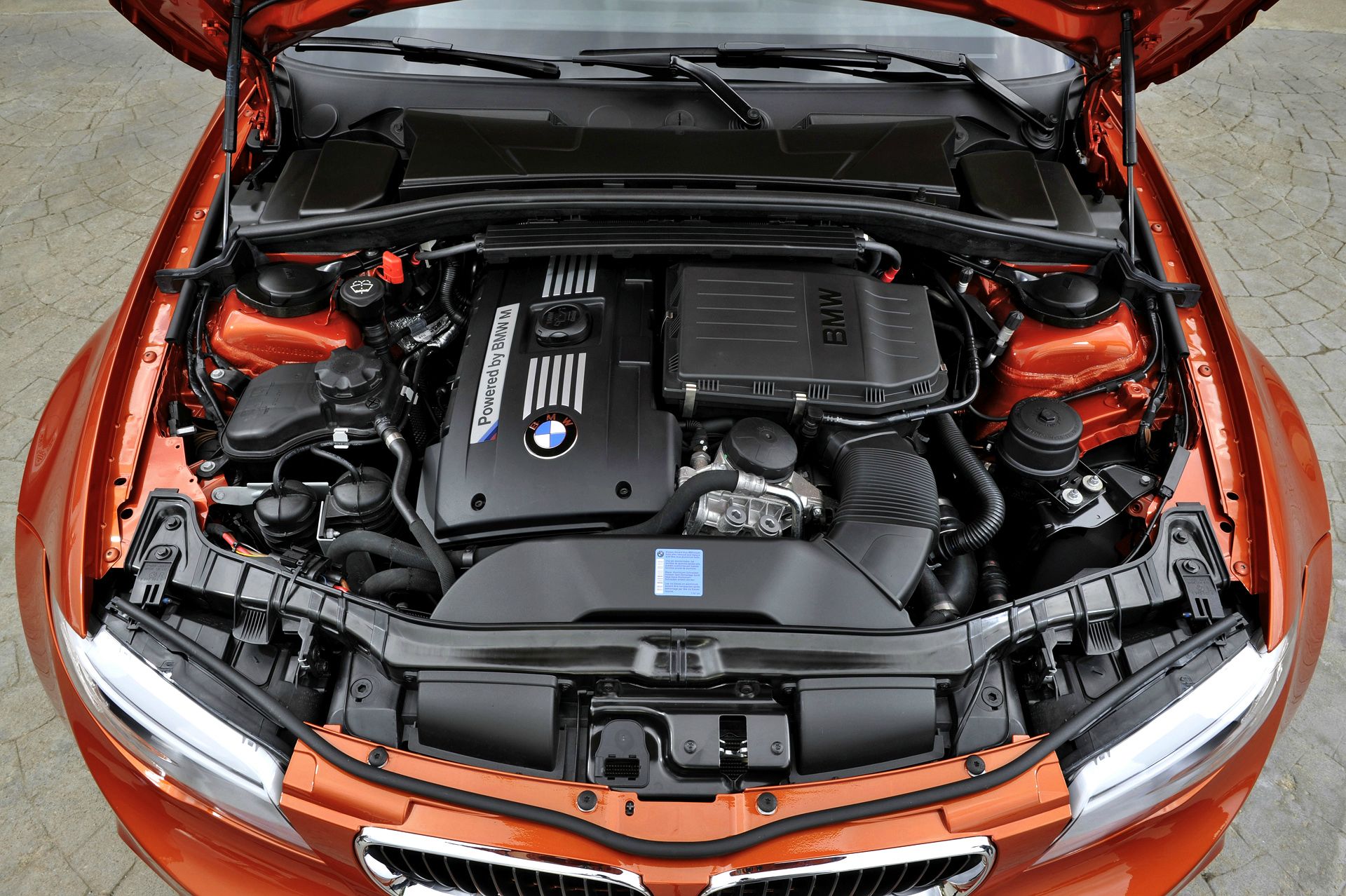
The N54 launched in the 335i Coupe for the 2007 model year and was BMW’s big return to turbocharged gasoline performance. In the 335i, it is a 3.0-liter twin-turbocharged inline-six rated at 300 horsepower and 300 lb-ft of torque. It is the engine that helped launch BMW’s modern forced-induction era, and it has a reputation in both directions: tuners love it, but neglected examples can get expensive quickly.


Tuning Ceiling
This is not a close competition. The N54 is one of the most tunable engines BMW has ever put in a road car. A basic 91-octane Stage 1 flash can move a healthy N54 into the mid-300-hp range at the crank with no major hardware changes. Add upgraded turbo inlets, an aluminum charge pipe, and downpipes and you’re into 400-plus territory. A true single-turbo build on the N54 can push past 600 whp on the stock block. The engine has been developed so thoroughly by the aftermarket that there is a roadmap for almost every power level and budget.
The N52 tunes like most naturally aspirated engines tune: modestly. With a three-stage intake manifold conversion, headers, and a proper tune, a U.S. 328i N52 can get closer to 250 to 260 horsepower, but the gains are incremental rather than transformative. There is no dramatic jump waiting for you.
If you want to tune, buy the 335i. Full stop.
Maintenance Costs Per Mile

This is where the 328i earns its keep over the long run. The N52 follows a predictable maintenance script. The cooling system is the main event: the electric water pump and thermostat are plastic and they will fail, usually somewhere between 80,000 and 120,000 miles. Budget roughly $900 to $1,400 at an independent shop, less if you DIY. The oil filter housing gasket leaks on higher-mileage cars. The valve cover gasket and PCV system need attention eventually. VANOS solenoids can gum up if oil changes are skipped — cleaning or replacing them is not a major expense. An N52 with documented oil changes and a cooling system refresh is a car you can drive to 200,000 miles without much drama.
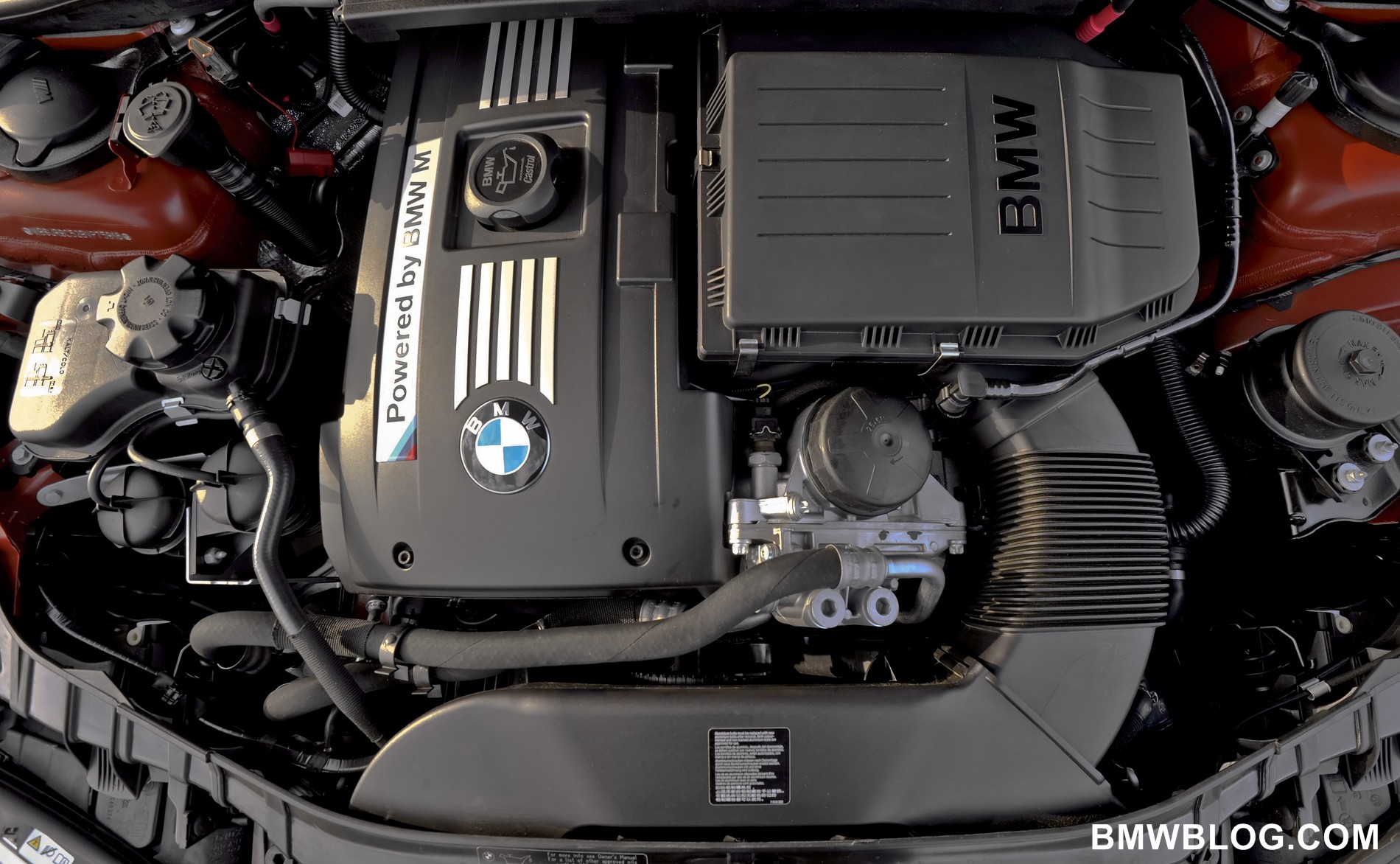
The N54 requires a more active approach to ownership. Its high-pressure fuel pump is a well-documented weak point — BMW extended HPFP coverage on many N54 cars to 10 years/120,000 miles, but most examples are now outside that window. If it has not been replaced, budget closer to $800 to $1,200 installed. In fact, I had to replace the HPFP in my own 1M at just around 25,000 miles.
Wastegate rattle is very common as mileage climbs, especially on early cars, though severity varies. The charge pipe has a factory plastic fitting that cracks; an aluminum replacement is around $100 and you should do it before it fails. And I can attest to this: it also broke in my 1M at 33,000, but I chose to go again with the OEM part so we will see how it goes.
The boost solenoid vacuum line deteriorates and causes boost control issues. Fuel injectors are another pain point: failed or leaking piezo injectors can cause rough running, misfires, and over-fueling, and replacements must be coded to the car. The water pump and thermostat are the same story as the N52, except on an engine making 300 horsepower under boost. Add carbon buildup on the intake valves — a consequence of direct injection with no port wash — that requires periodic walnut blasting. Add oil leaks from the valve cover, oil filter housing, and oil pan. On tuned cars or cars that see hard use, coils and plugs wear faster than you’d expect.
None of these are individually catastrophic. Together, they add up. The community norm for buying a new-to-you N54 is to budget $1,500 to $2,500 upfront to address known deferred items before you trust the car. That is not a sign the engine is bad. It is a sign the engine rewards owners who treat it as a performance machine rather than an appliance.
Forgiving Of Deferred Maintenance: N52 By A Wide Margin

If you’re buying used with incomplete service records and no idea how the previous owner treated it, the N52 gives you more margin for error. Its failure modes are slower and more forgiving. A leaking oil pan gasket will smell bad and leave spots on your driveway before it becomes an engine problem. Dirty VANOS solenoids will rattle and run roughly before they strand you.
The N54 has components that fail on schedules of their own. Some of those failures can strand you; others compound into more expensive repairs if ignored. Rod bearings are worth mentioning, but they are not the N54’s defining failure the way they are for the S54 or S65. On a stock, well-maintained N54, rod bearings are not usually the first thing to worry about. The concern rises with low oil level, extended oil intervals, fuel dilution from leaking injectors, poor tuning, or sustained high-power use. If you catch bearing wear early, repair is expensive but survivable. If a bearing spins, the conversation quickly becomes engine replacement.
For most buyers evaluating an N54 with unknown history, the HPFP, injectors, turbos, and cooling system are the practical concerns — not rod bearings specifically. But the overall picture is the same: the N54 punishes neglect faster and more expensively than the N52.
Common Failures
N52: electric water pump and thermostat, oil filter housing gasket, valve cover gasket and PCV, oil pan gasket, VANOS solenoids, occasional eccentric shaft sensor or Valvetronic-related issues.
N54: high-pressure fuel pump, piezo injector failure and leakage, turbo wastegate rattle, charge pipe fitting, boost solenoid vacuum line, electric water pump and thermostat, intake valve carbon buildup, valve cover and oil filter housing and oil pan leaks, coils and plugs on tuned examples, bearing issues on neglected or heavily tuned cars.
The N52 list is shorter. The N54 list is thorough enough that serious buyers print it out before their pre-purchase inspection.
What’s The Verdict?
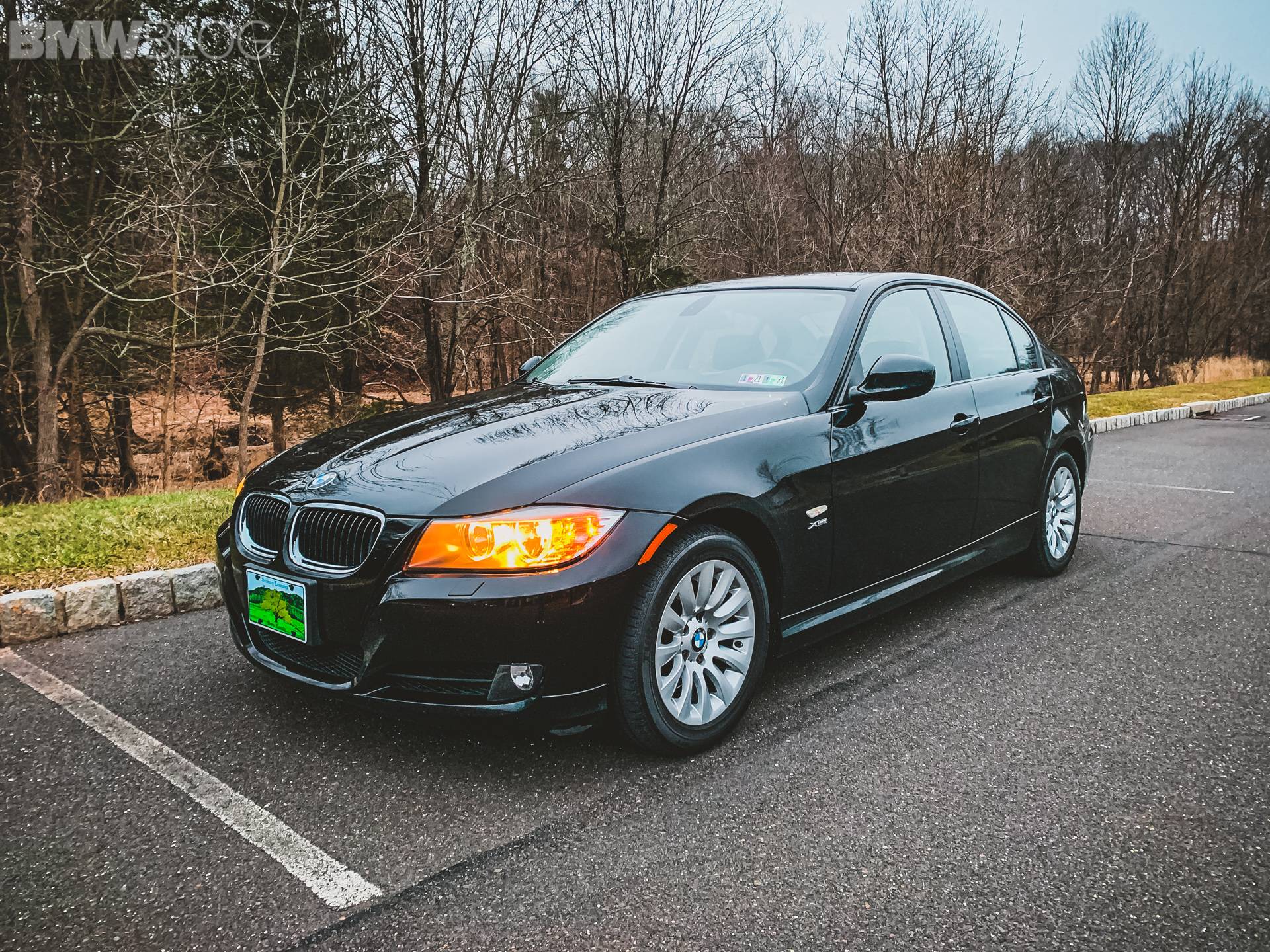
Buy the 328i if you want a car that will quietly go about its business, you’re not interested in tuning, or you’re buying with incomplete service history and need to hedge against what the previous owner did or didn’t do. The N52 is not exciting. It doesn’t pretend to be. But it is honest, and it will reward you for treating it normally.
Buy the 335i if you have budget for initial catch-up maintenance, you want the tuning ceiling, or you simply want 300 horsepower and are willing to learn the engine’s personality. A healthy, sorted N54 is a genuinely impressive machine. The gap between a neglected N54 and a maintained one is larger than with almost any other BMW engine from that era, which means service records matter more than the asking price.
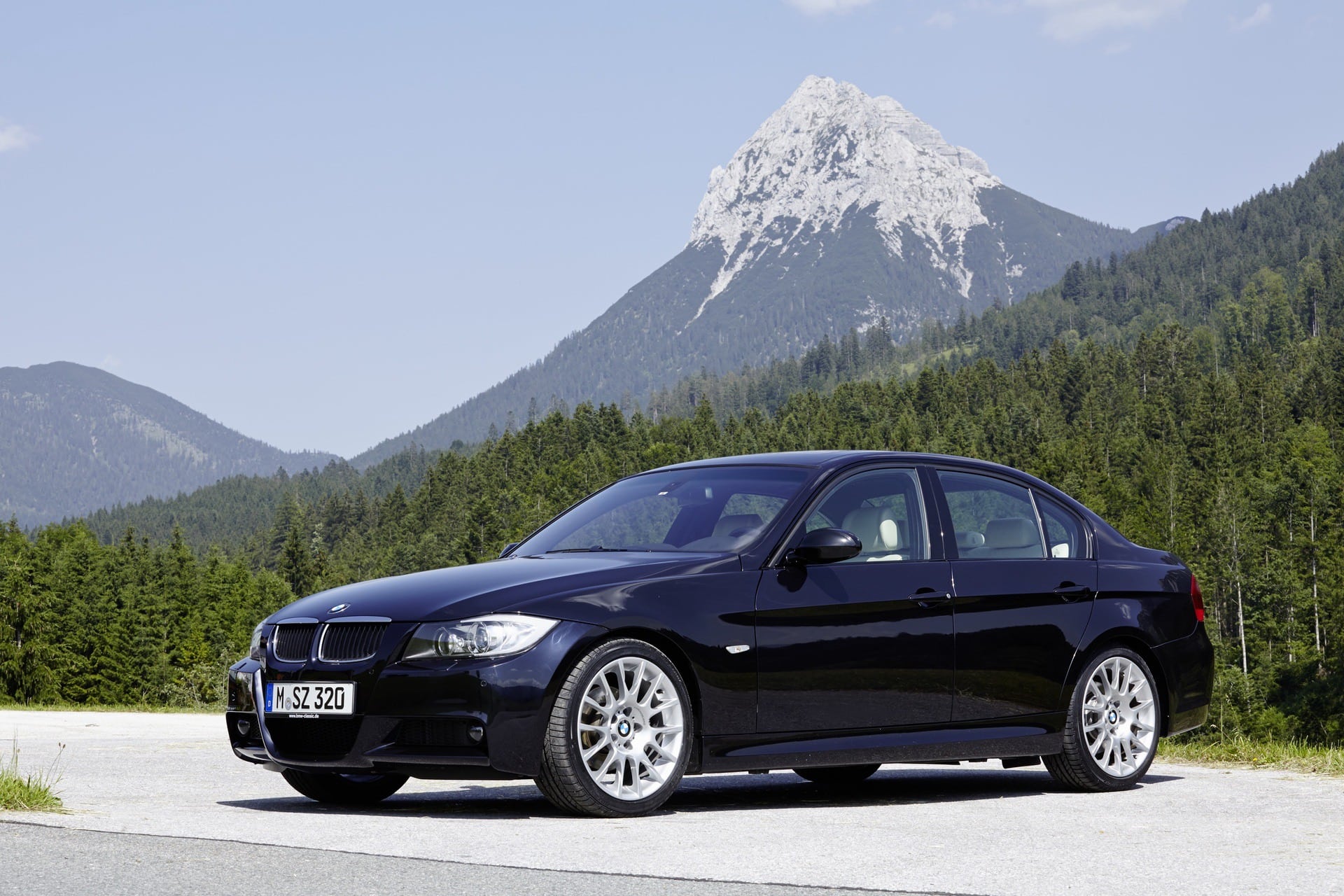
The $1,700 difference between the two cars you’re looking at is not enough to make the 335i the obvious choice. What makes it the right or wrong choice is whether you’re prepared to spend another $1,500 to $2,000 on known deferred items before you trust it. If you are, buy it. If you’re not, the 328i will give you years of unremarkable, reliable transportation — which is sometimes exactly what a used BMW needs to be.