Article Summary
- The i3 is 15 mm wider and 25 mm taller, while the M350 is 5 mm longer overall and about 345 kg (761 lb) lighter.
- A 6-foot-7 passenger fit in the M350’s back seat with about 2 cm of headroom, but not in the i3, whose battery raises the floor.
- The M350 reaches 60 mph in 3.9 seconds to the i3’s 4.5, despite making 26 hp less.
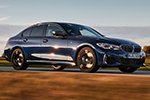
The 2027 BMW i3 50 xDrive and the 2027 BMW M350 xDrive are both the new BMW 3 Series, but they’re built on different platforms and start $4,400 apart in the US. The electric i3 costs $61,500 and the gas-powered M350 costs $65,900, both before a $1,350 destination charge.
Both wear BMW’s Neue Klasse design language and share most of their cabin layout, but the hardware underneath has almost nothing in common. The i3 (NA0) uses the dedicated Neue Klasse EV architecture, with a 108.7-kWh battery under the floor. The M350 xDrive (G50) uses an updated version of the CLAR platform from the outgoing G20 3 Series, with a 3.0-liter inline-six up front and a transmission tunnel down the middle.
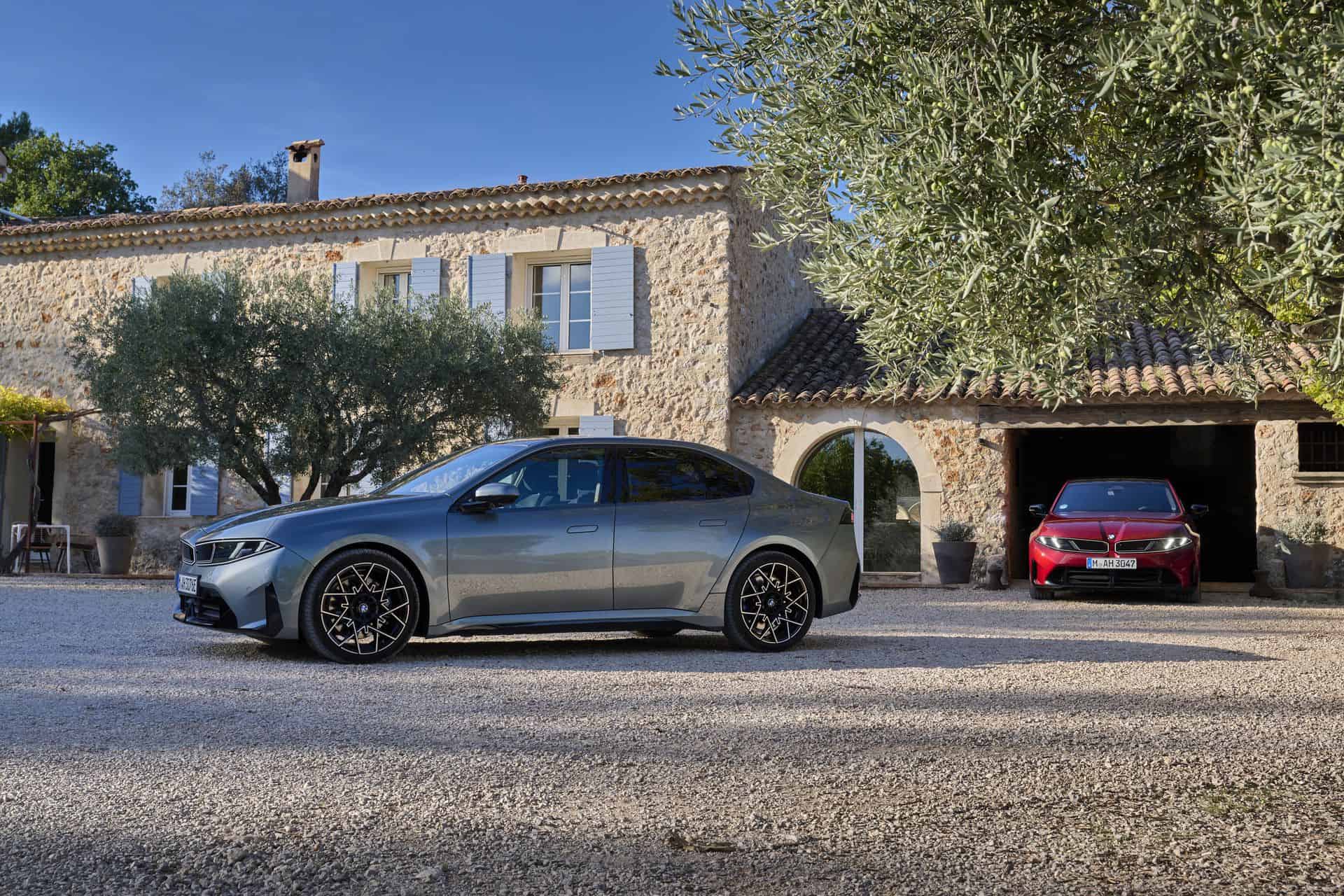
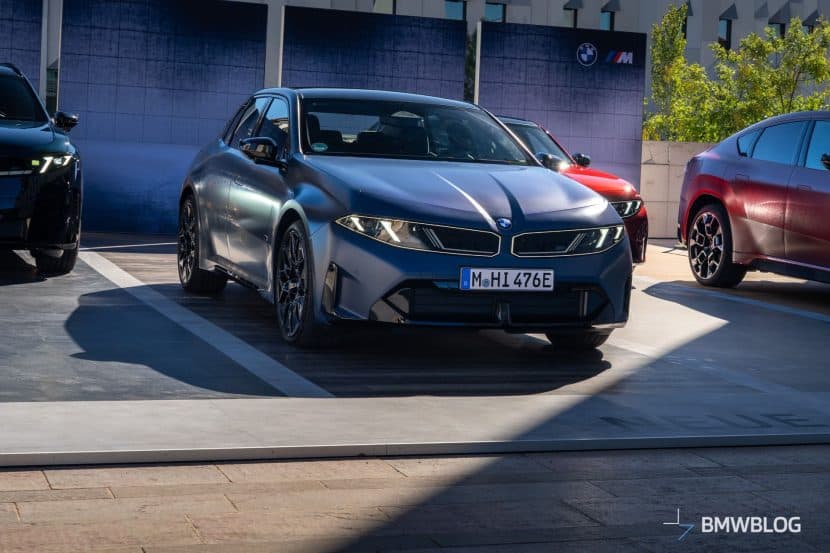
We had both cars parked side by side, so this comparison covers what shoppers ask about most: exterior size and proportions, interior space front and rear, cargo, wheels and tires, and US pricing.
What’s The Difference Between The BMW i3 And M350?
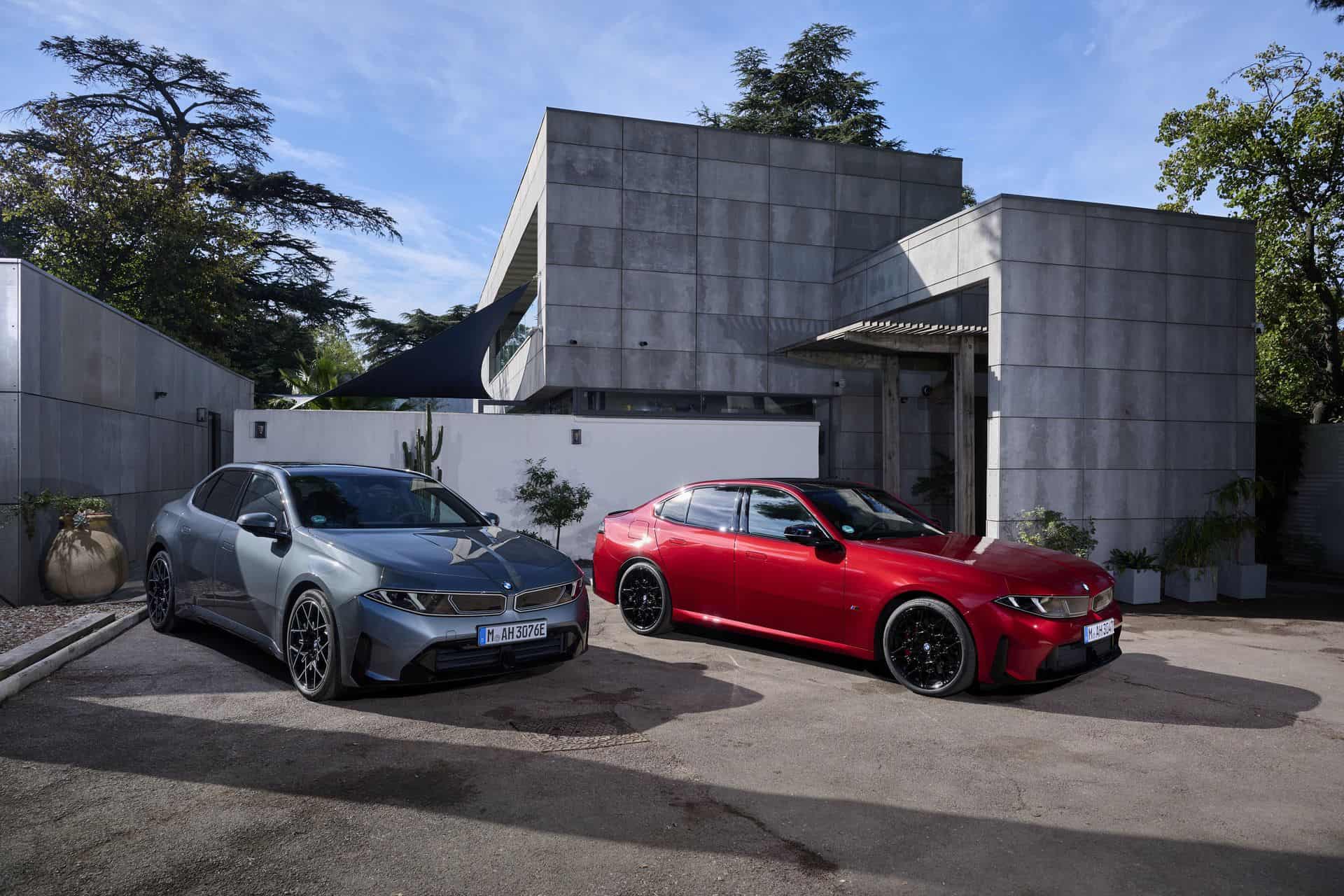
The i3 is the second Neue Klasse model after the iX3, and it gets the full sixth-generation eDrive hardware: an 800-volt architecture, an electrically excited synchronous motor on the rear axle, an asynchronous motor up front and a 108.7-kWh battery. US-spec cars make 463 hp and 476 lb-ft, and BMW estimates 446 to 468 miles of range ahead of EPA certification. Munich has been building it since August.
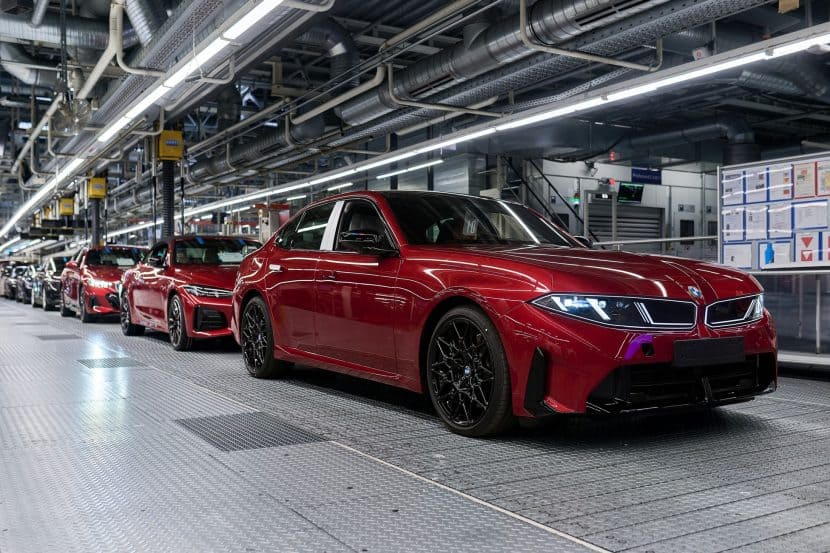
The M350 sits on CLAR (Cluster Architecture), which BMW evolved for the G50 rather than replacing it. Its 3.0-liter inline-six works with a 13-kW (18-hp) electric motor built into the eight-speed Steptronic Sport transmission, for 437 hp and 428 lb-ft in US trim. xDrive is standard and there is no manual. BMW started G50 production in Dingolfing on November 3.
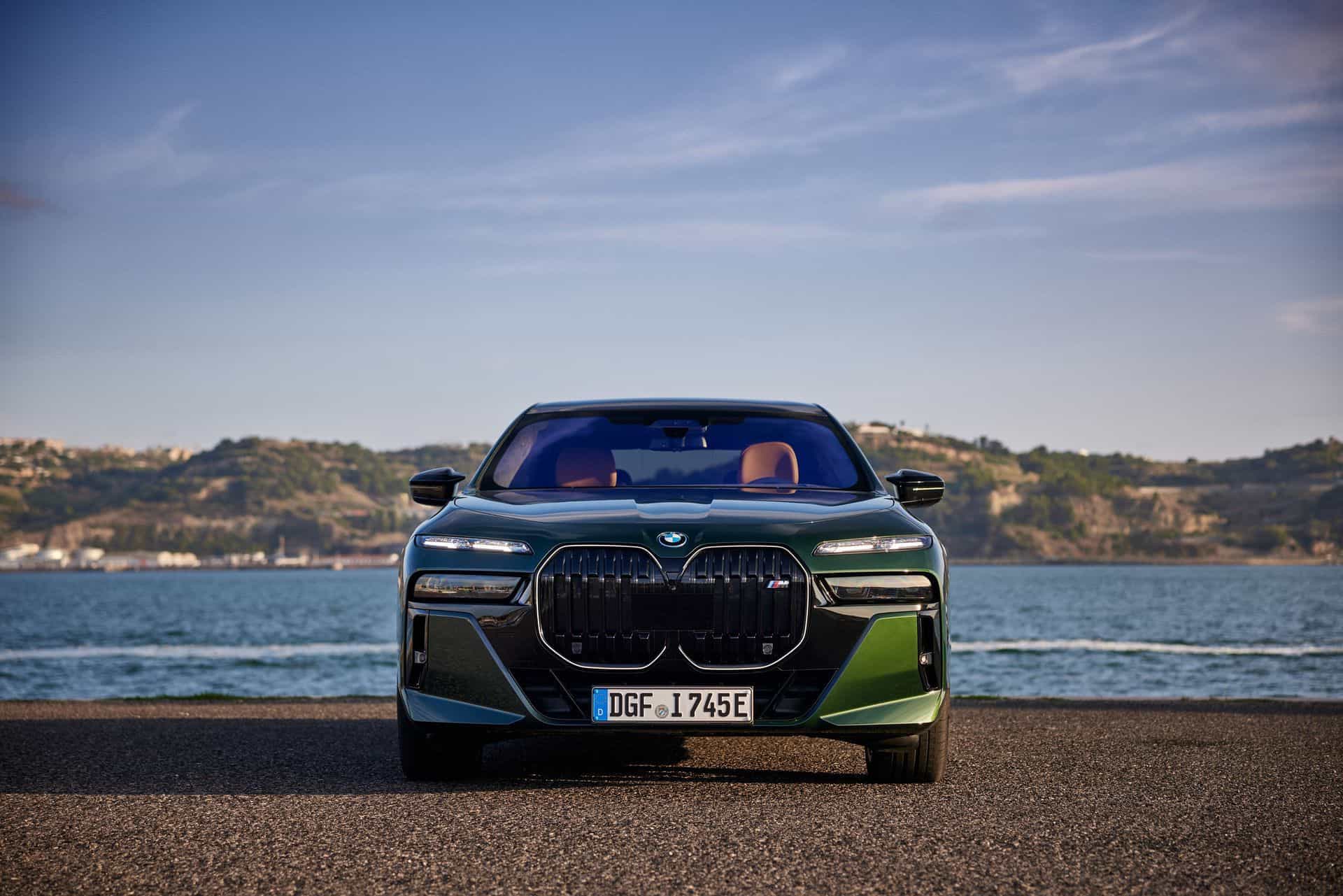
What the two share is mostly what you see and touch: the exterior design language, the BMW Panoramic Vision strip along the base of the windshield, the 17.9-inch Central Display and BMW Operating System X. What they don’t share is where the heavy parts go. CLAR has to make room for an engine ahead of the cabin and for a transmission and driveshaft running through the middle of it. Neue Klasse puts most of its mass in a flat pack under the floor, and nearly every difference below traces back to that.
BMW i3 vs. M350 Size And Specs: Same Length, Different Proportions
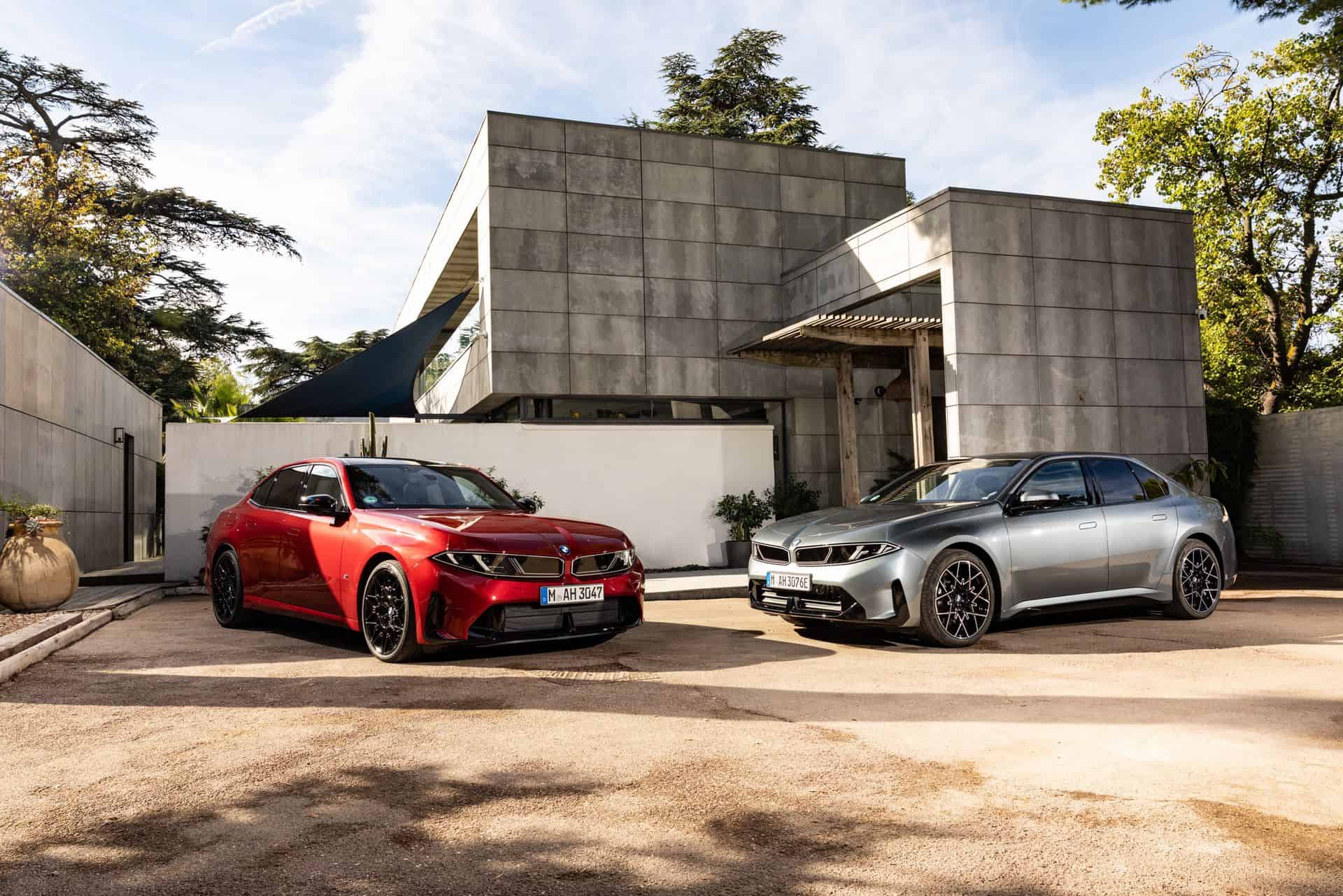
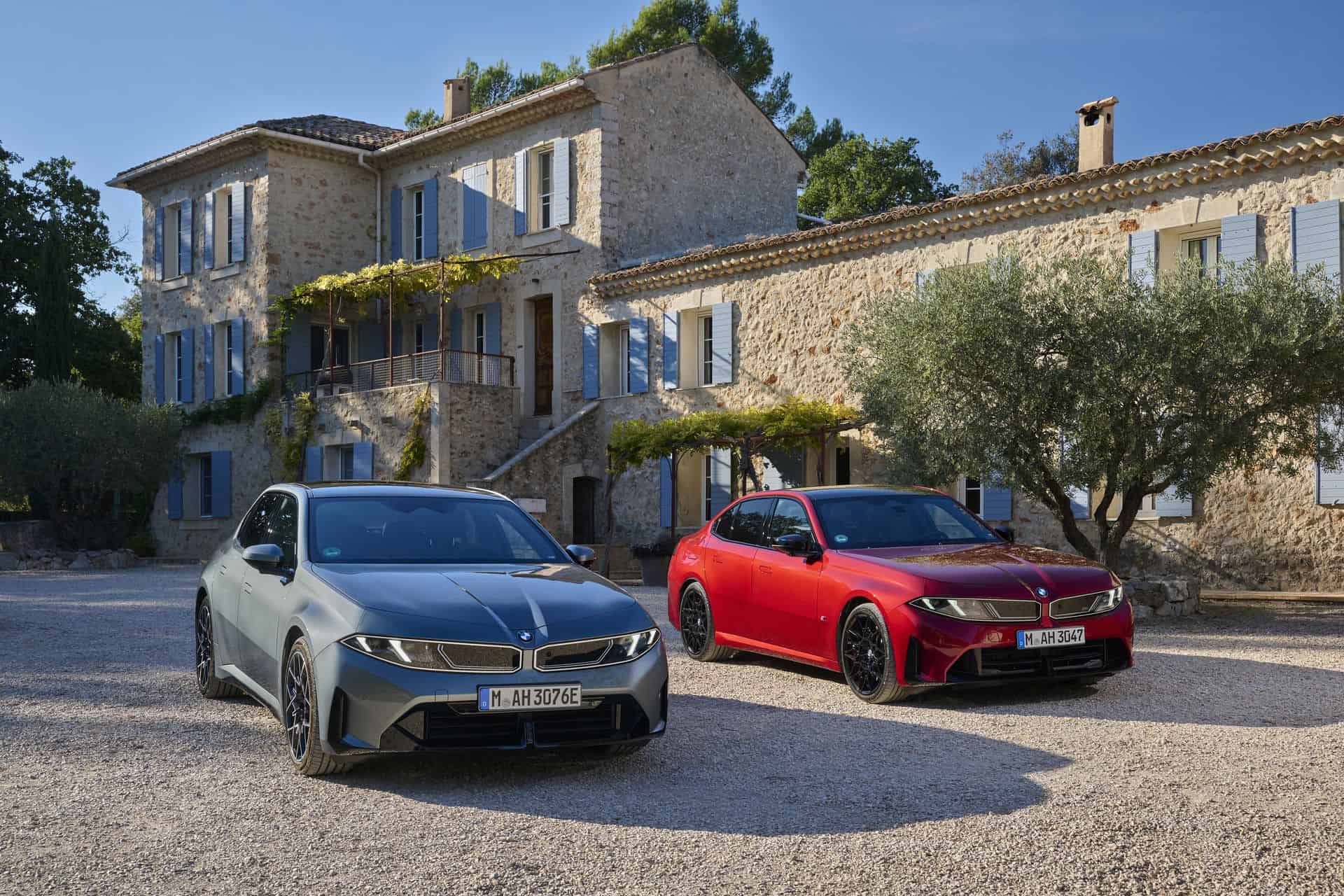
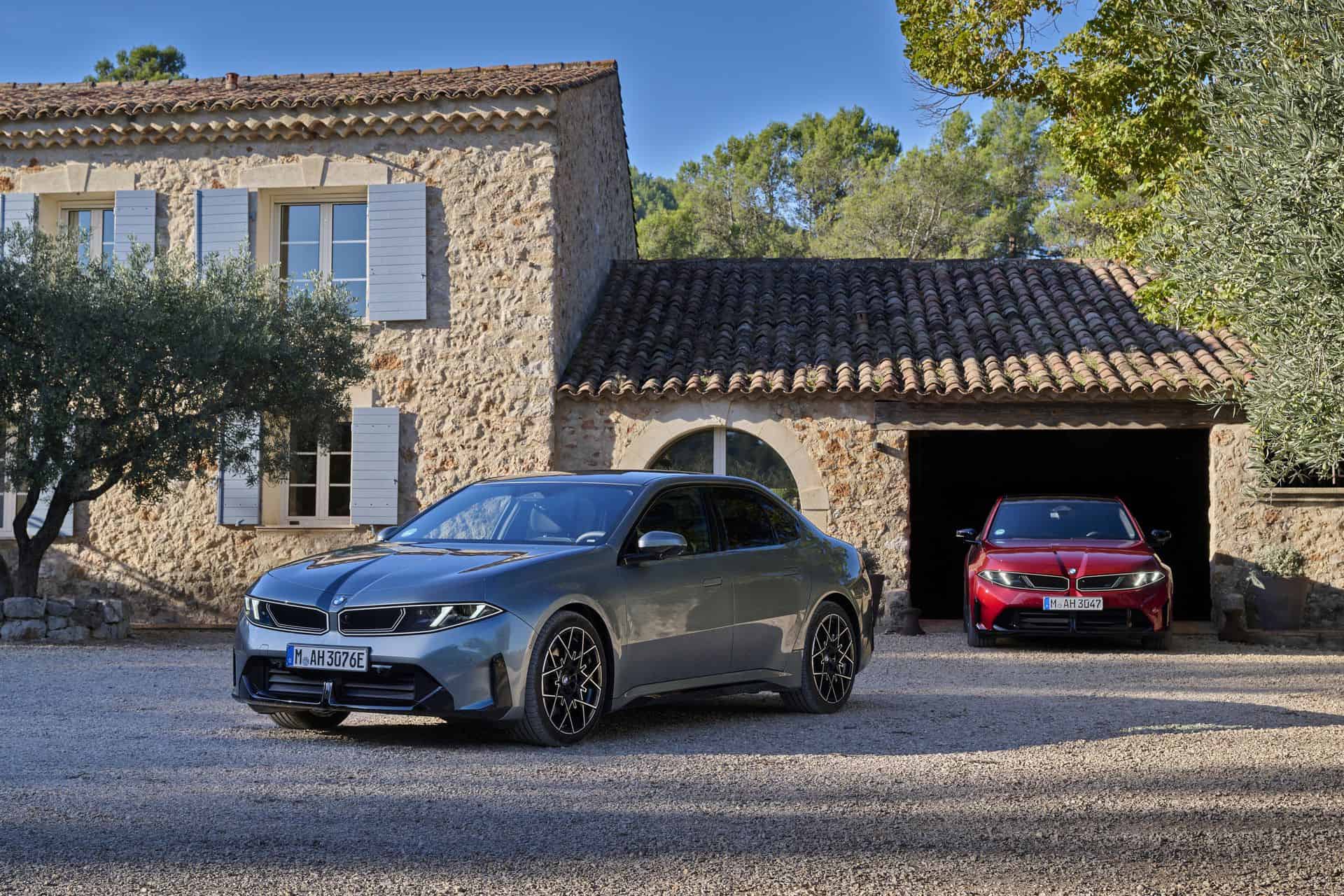
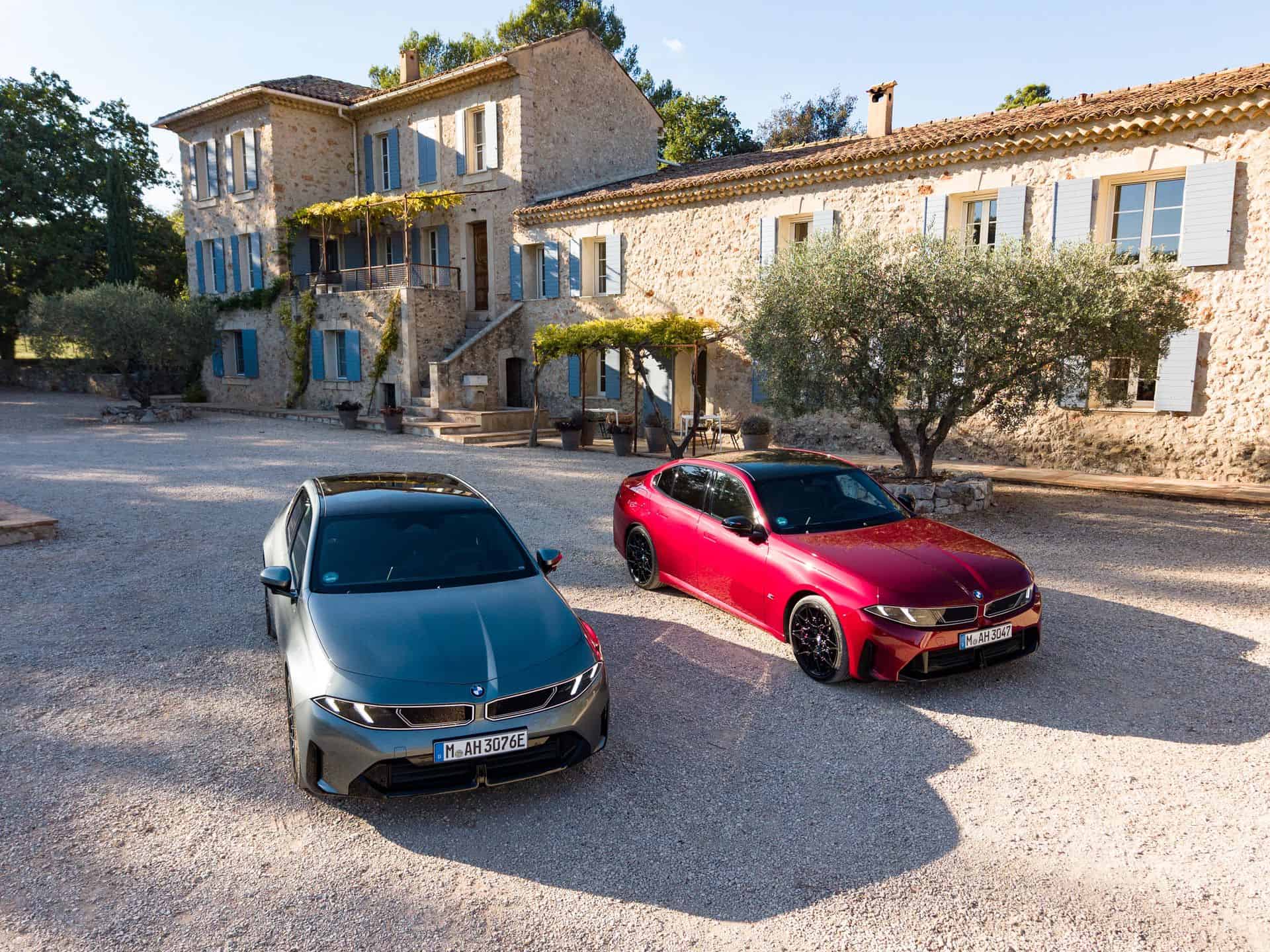
Overall length is a dead heat, with the M350 just 5 mm longer. How each car spends that length is not. The M350’s wheelbase is 37 mm shorter, so its overhangs are 42 mm (1.7 inches) longer combined, and BMW says the extra length sits in the front end, where the inline-six lives. The i3 pushes its wheels further toward the corners, is 15 mm wider and stands 25 mm taller, which is what packaging a battery between the axles instead of an engine ahead of one looks like.
| Specification | BMW i3 50 xDrive (NA0) | BMW M350 xDrive (G50) |
|---|---|---|
| Platform | Neue Klasse | CLAR |
| Length | 4,760 mm (187.4 in) | 4,765 mm (187.6 in) |
| Width | 1,865 mm (73.4 in) | 1,850 mm (72.8 in) |
| Height | 1,480 mm (58.3 in) | 1,455 mm (57.3 in) |
| Wheelbase | 2,897 mm (114.1 in) | 2,860 mm (112.6 in) |
| Weight | 2,205 kg (4,861 lb), First Edition | 1,860 kg (4,101 lb), DIN |
| Cargo | 420 L (14.8 cu ft) + 31 L (1.1 cu ft) frunk | 450 L (15.9 cu ft) |
| US output | 463 hp, 476 lb-ft | 437 hp, 428 lb-ft |
| 0-60 mph | 4.5 sec | 3.9 sec |
| Base MSRP | $61,500 | $65,900 |
Design: What Sets The M350 Apart From The i3
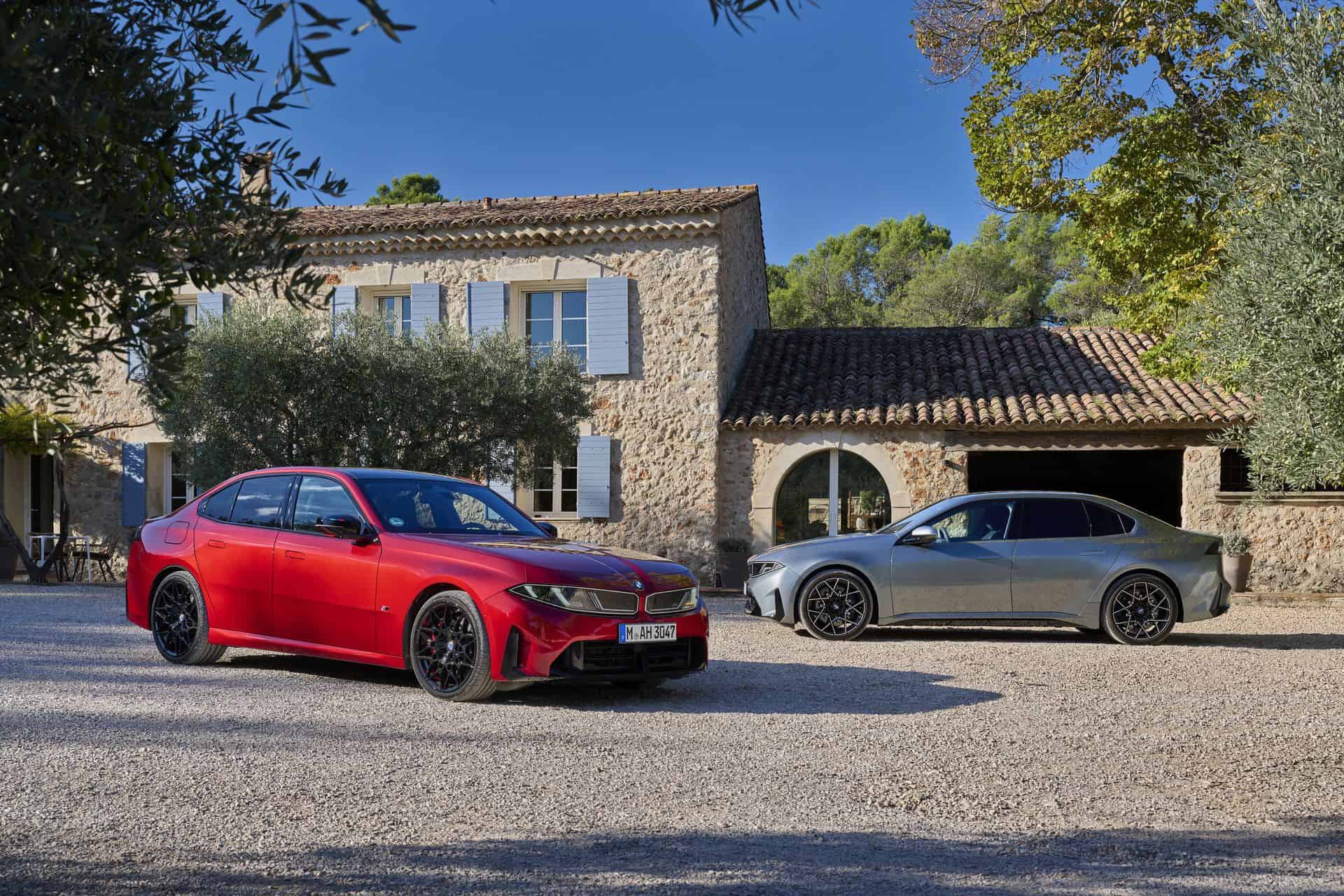
The four-cylinder 3 Series hides its pipes, so the M350 is the only combustion 3er with visible ones. The i3 has a trick of its own on the roof: it offers a body-color steel roof, while every combustion 3 Series comes with a panoramic glass roof and no alternative.
Interior: The M350’s Transmission Tunnel Narrows The Front Seats
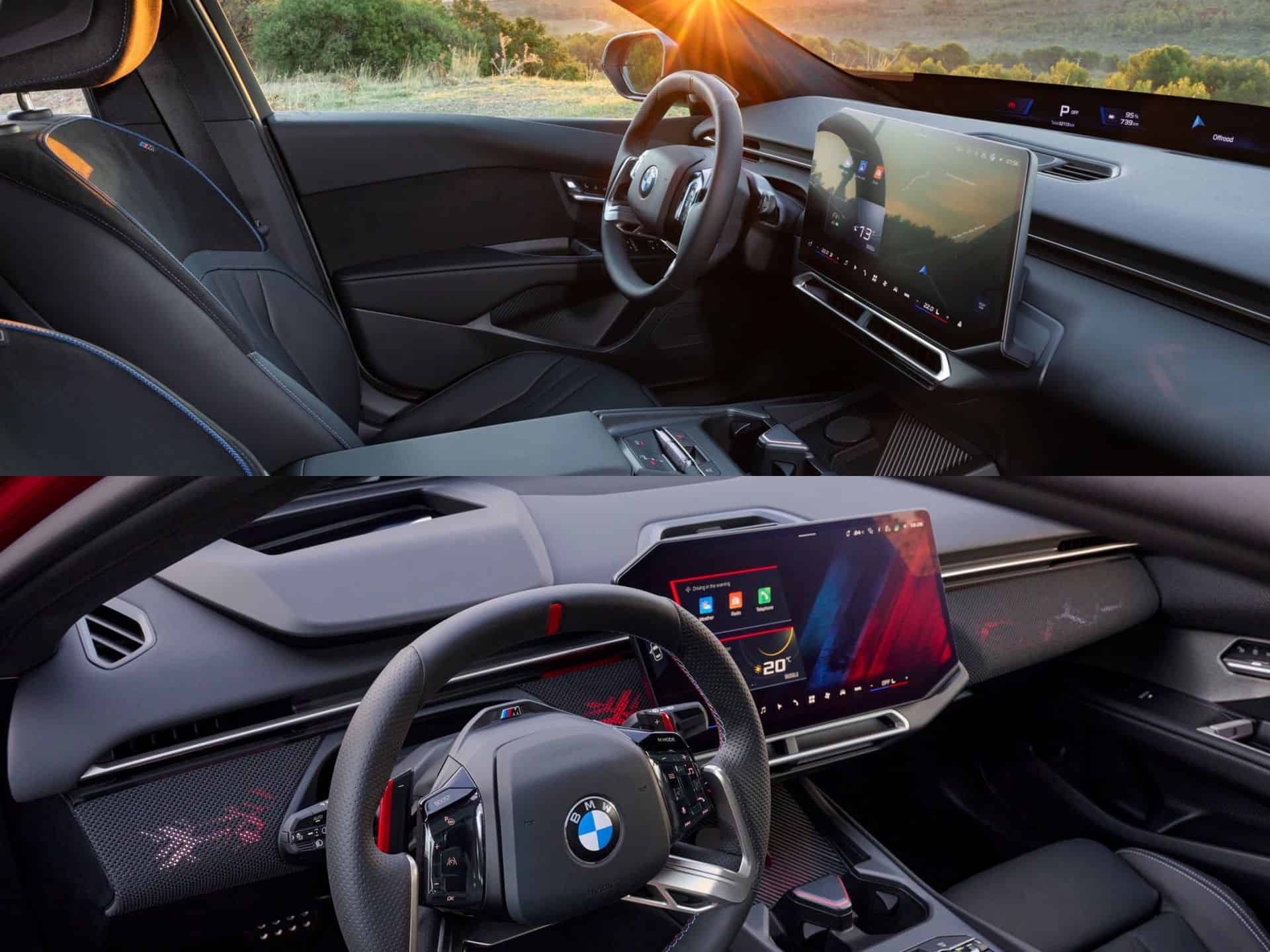
BMW mostly carried one cabin across both cars. The M350 keeps the i3’s Panoramic Vision display and the driver-angled 17.9-inch Central Display, so the differences are the ones the hardware forces on it. The biggest is the center tunnel. The i3 doesn’t need one, while the M350 has to cover a transmission and a driveshaft, and that pushes its front seats outward and makes them slightly narrower than the i3’s.
The second difference sits where the dashboard meets the windshield. The top of the M350’s dash is shaped differently from the i3’s: it has a hump right behind the steering wheel which houses the Head-Up display.
Which Has More Rear-Seat Room, The i3 Or The M350?
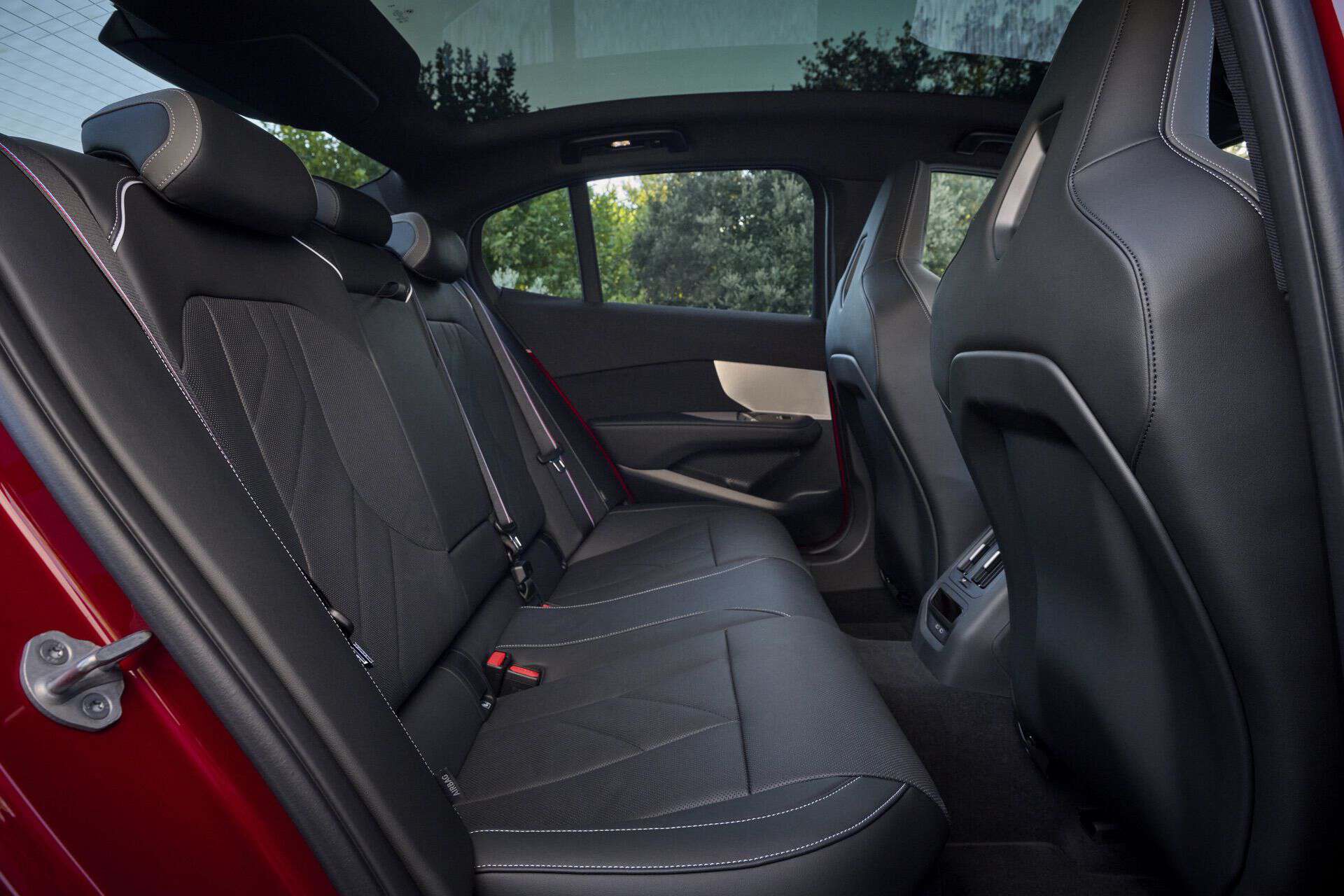
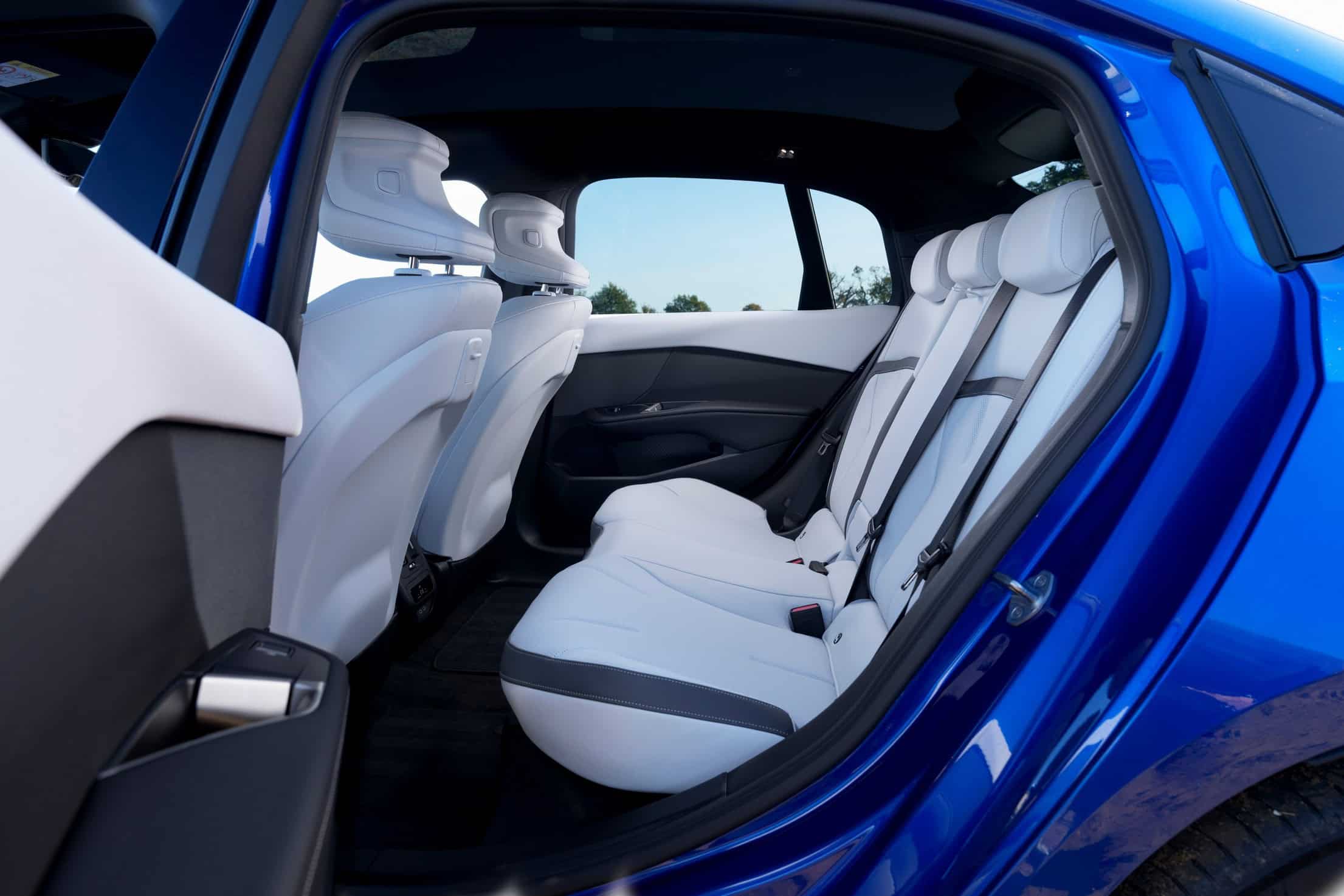
The M350, by a margin the spec sheet won’t show you. Our 6-foot-7 passenger sat in the back of the M350 with about 2 cm (0.8 inches) between his head and the headliner, and his knees had decent room. That’s tight, but it’s a fit, and few sedans this size can say that about someone that tall.
In the i3, he didn’t fit, and his knees had nowhere to go. The cause is the battery. The pack sits under the cabin floor, which lifts the floor, and BMW raised the i3’s roof 25 mm over the M350’s to compensate. For a passenger that tall, the extra roof height doesn’t make up for the higher floor.
At 6-foot-2, I had plenty of room up front in the i3. In the back, I had about 3 to 4 cm (1.2 to 1.6 inches) of headroom in the i3, compared with 6 to 7 cm (2.4 to 2.8 inches) in the M350, and my knees didn’t fit in the i3 either. That’s the most surprising result of this comparison, given the i3’s longer wheelbase, and it’s the one anyone who carries adults in the back should check in person before ordering.
Which Has More Cargo Space? The i3’s Frunk Makes It A Tie
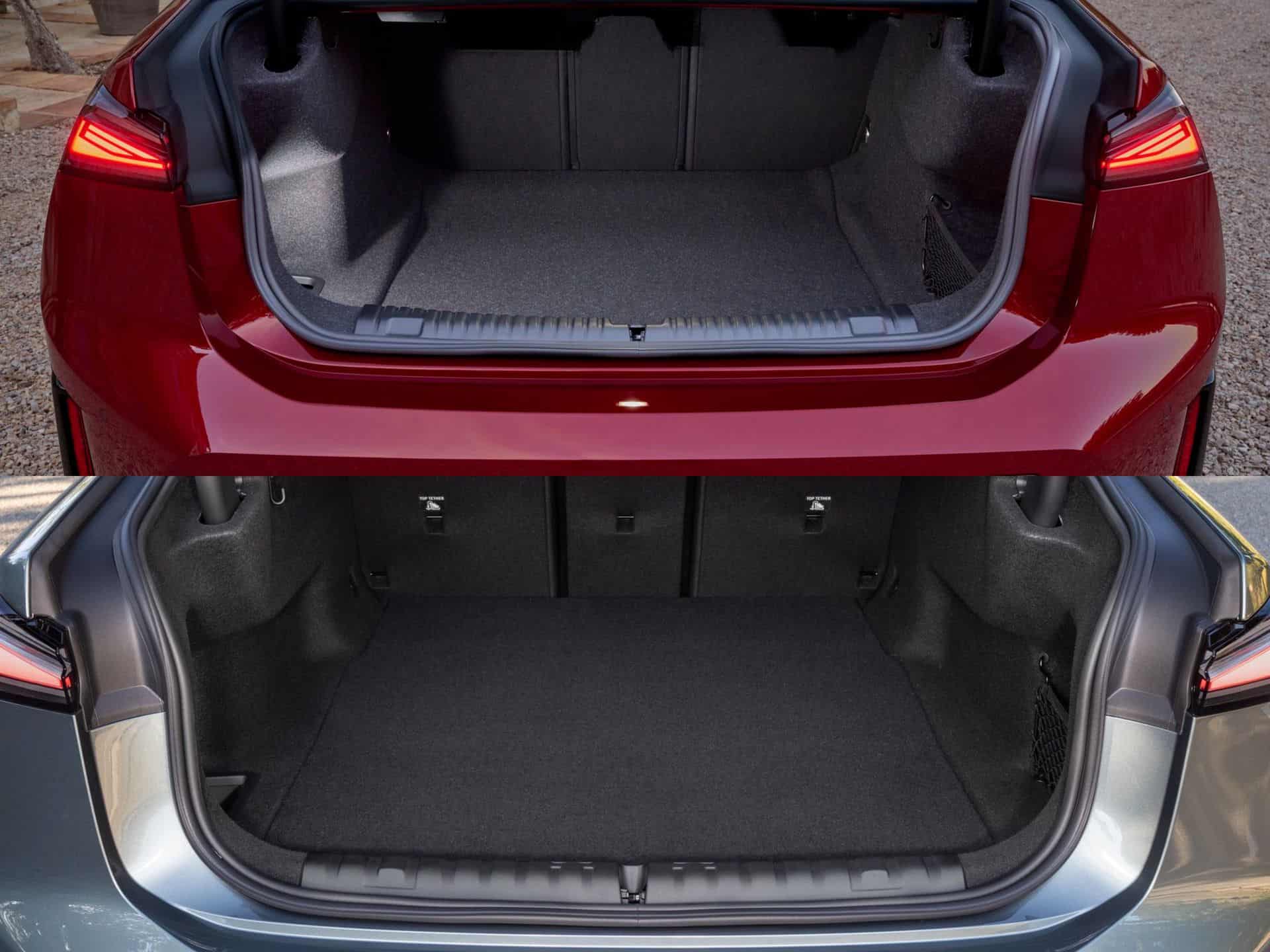
The M350’s trunk holds 450 liters (15.9 cubic feet), 30 liters more than the i3’s 420 liters (14.8 cubic feet). The i3 wins it back under the hood, where a 31-liter (1.1-cubic-foot) frunk brings its total to 451 liters, one liter more than the M350.
That bonus comes with a catch. BMW USA says the frunk is where the charging cable and the tire repair kit live, so on most days it’s already partly spoken for.
Wheels And Tires: The i3 Goes To 21 Inches, The M350 Stops At 20
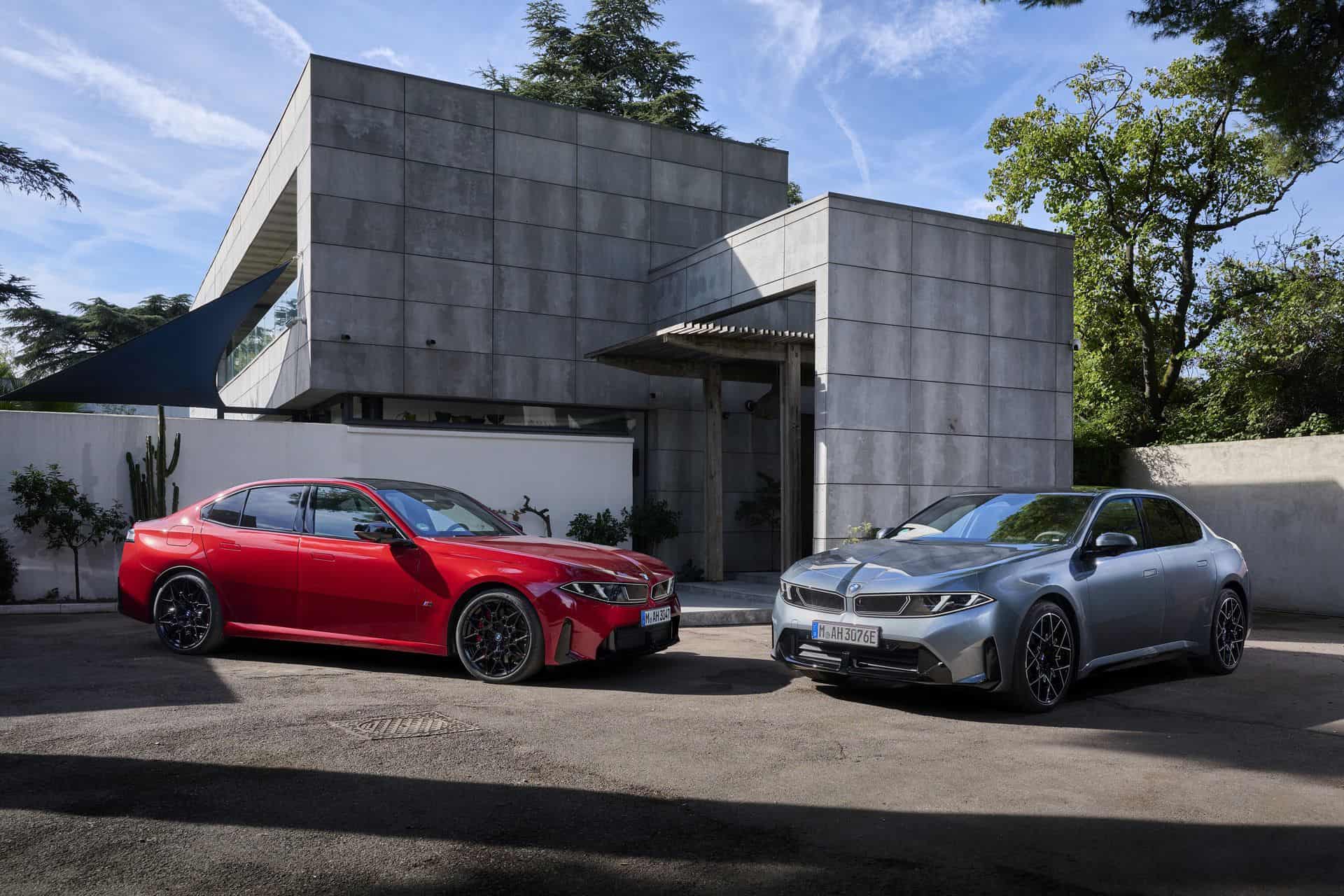
Both cars start on 19-inch wheels, but the i3 goes bigger. Most of its 20-inch designs cost extra, same for the 21-inch M Aero Trigon wheels. The M350 tops out at 20 inches.
The tire layouts differ too. The M350’s 20-inch sport tires are staggered, 245/35 R20 up front and 275/30 R20 at the rear, which suits a car whose Drift Moment mode will send all of its power to the rear wheels once it arrives in a 2027 software update. The i3’s standard 19-inch fitment is listed with the same 255/45 R19 tire at all four corners, so owners can rotate them front to rear, and BMW’s configurator data shows it only goes staggered on the 21s.
The big wheels barely dent the i3’s range, at least by BMW’s estimates: 468 miles on 19-inch or 20-inch summer tires, and 460 miles on the staggered 21s.
How Much Do The i3 And M350 Cost In The US?
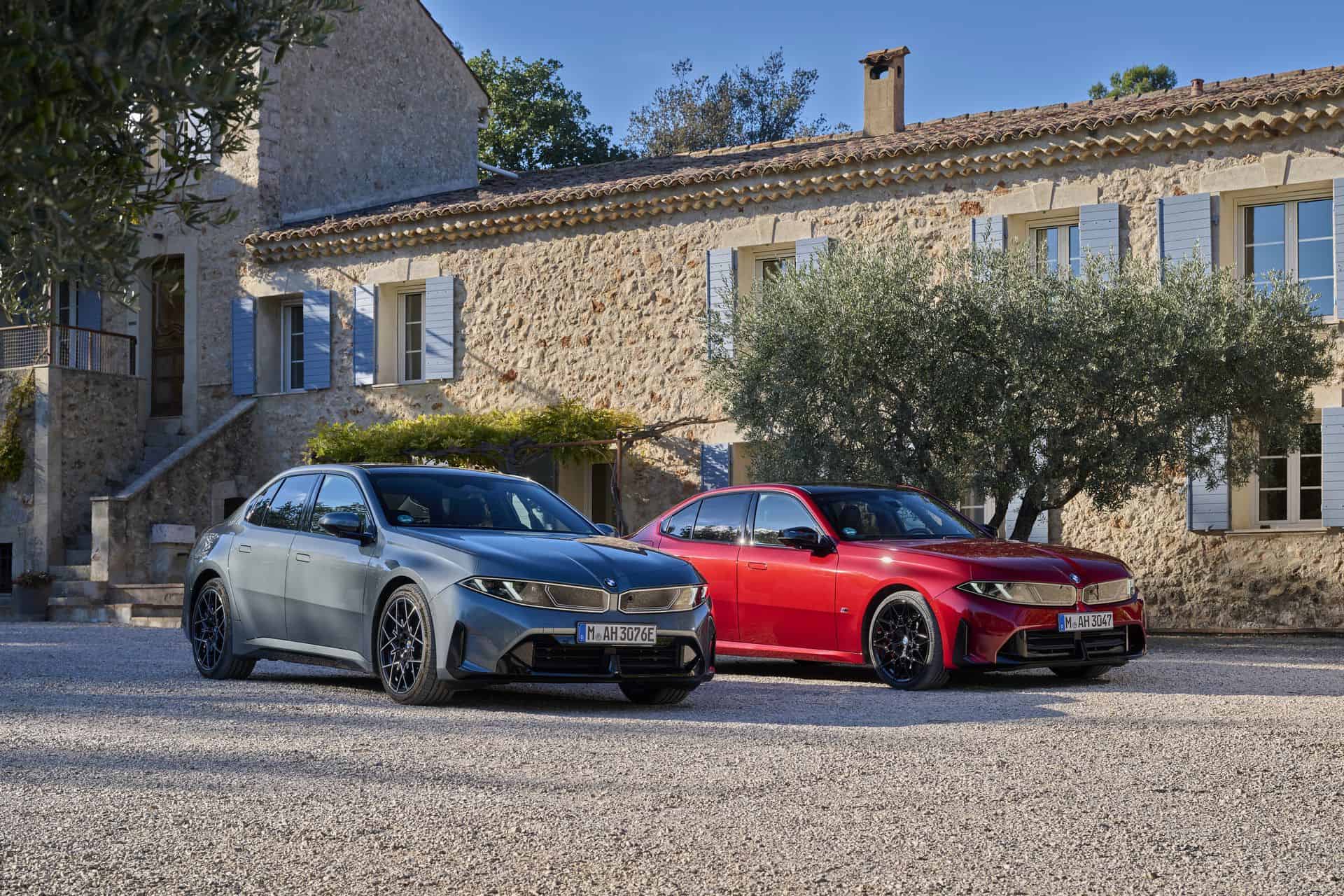
The i3 50 xDrive starts at $61,500 and the M350 xDrive at $65,900, both before a $1,350 destination charge, which puts them at $62,850 and $67,250. The electric car is $4,400 cheaper and has 26 hp more. The M350 is quicker anyway, reaching 60 mph in 3.9 seconds to the i3’s 4.5 by BMW’s figures, and by BMW’s European numbers it weighs about 345 kg (761 lb) less.
The price gap shrinks once you equip the i3 more like the M350, which gets adaptive M suspension and M Sport brakes as standard. On the i3, M Sport Professional ($3,200) brings the M Sport brakes, and Adaptive M Suspension adds $950. That takes the i3 to $65,650, $250 under the M350’s base price. Even then, the M350 keeps Drift Moment, which BMW reserves for M Performance models, and standard Harman Kardon audio.
For context, the four-cylinder 330 starts at $49,900, or $51,900 with xDrive. An i3 M60 xDrive joins the range later in 2027, with pricing to come.
i3 Or M350: Which New BMW 3 Series Should You Buy?
If you regularly carry adults over six feet in the back, the M350 is the 3 Series to buy, and our rear-seat test wasn’t close. It’s also the quicker car on paper and the only new 3 Series with a six-cylinder, which will settle the question for plenty of enthusiasts.
For everyone else, the i3 is the easier recommendation. It costs $4,400 less, makes more power, ties the M350 on total cargo once you count the frunk and carries BMW’s estimate of up to 468 miles of range. The trade is a back seat that’s tighter for tall people than its longer wheelbase suggests, so sit in the back of both before you sign anything.
BMW gave both cars the same name and nearly the same face. You decide the rest.