Article Summary
- BMW Motorrad's new M 1000 RS borrows its inline-four engine from the M 1000 RR.
- The hyper naked bike weighs just 196 kg (432 lbs) with a full tank of fuel.
- It accelerates from 0 to 100 km/h (62 mph) in 3.2 seconds.
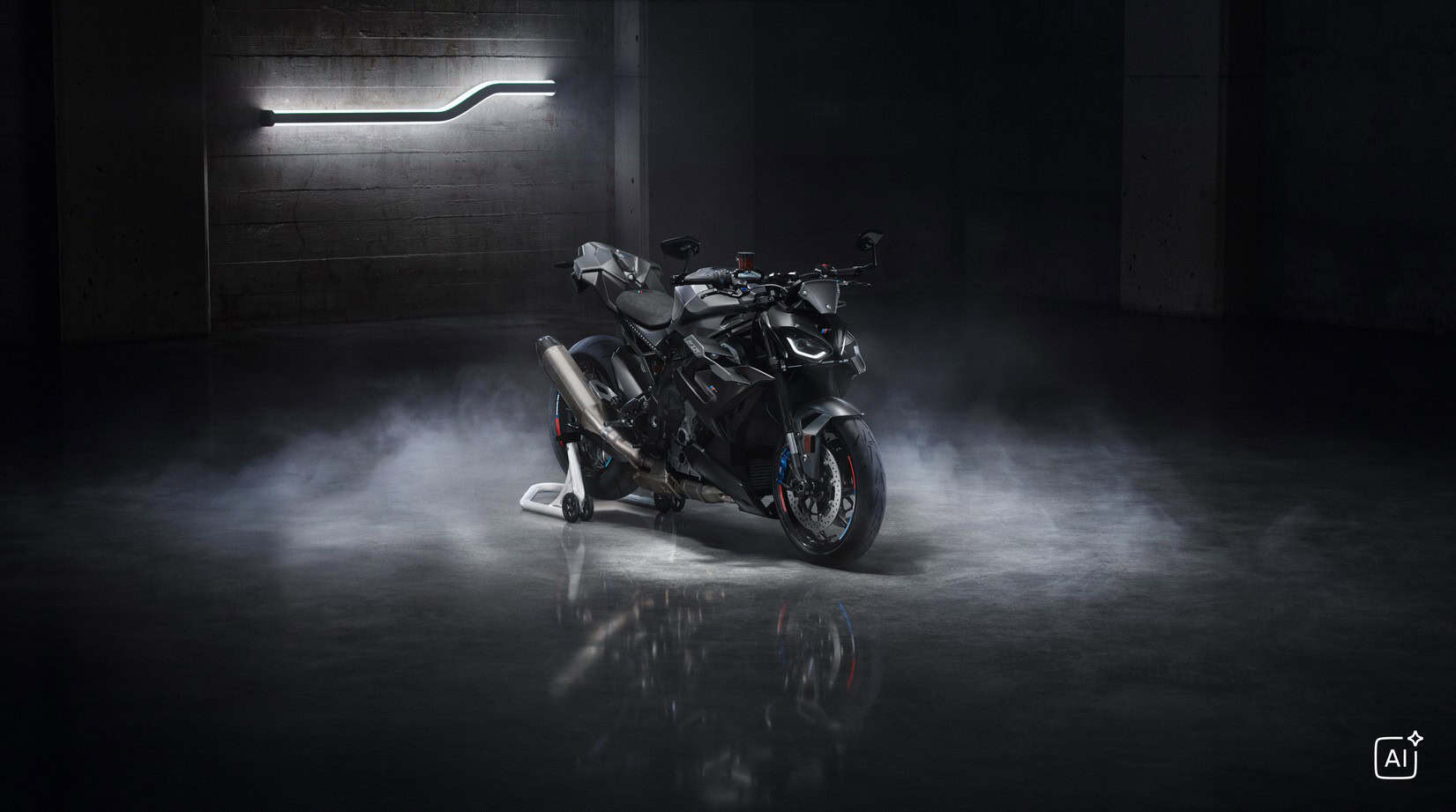
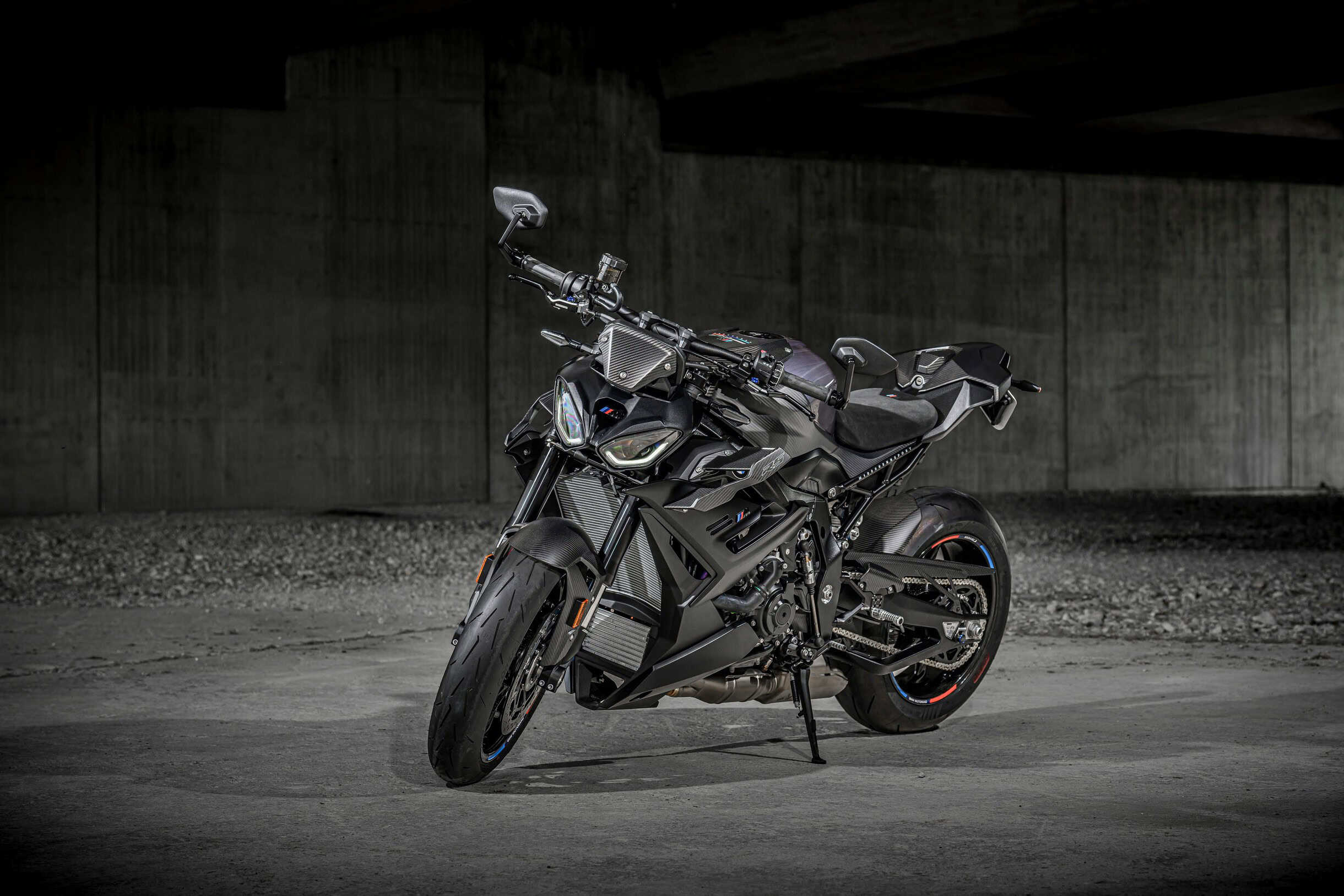
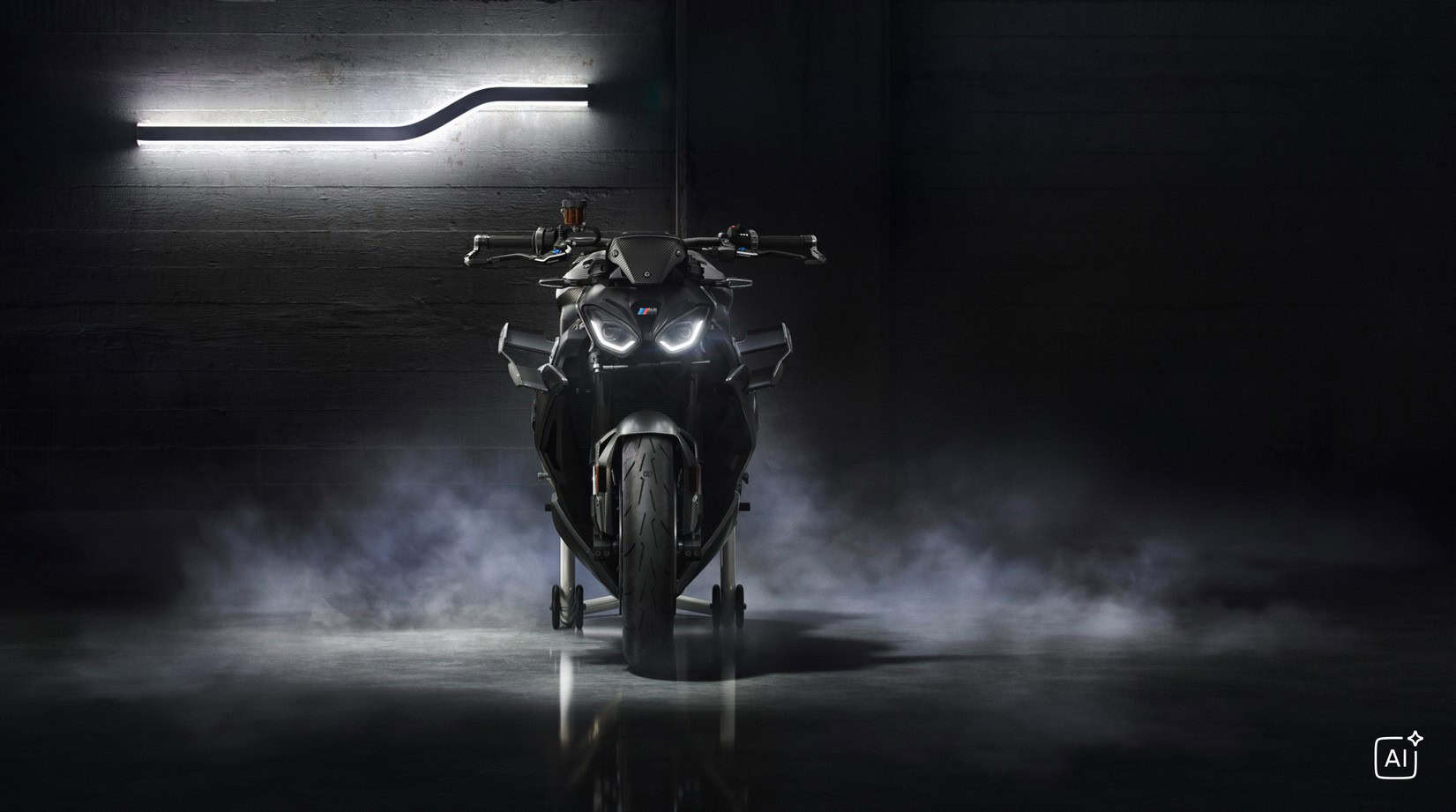
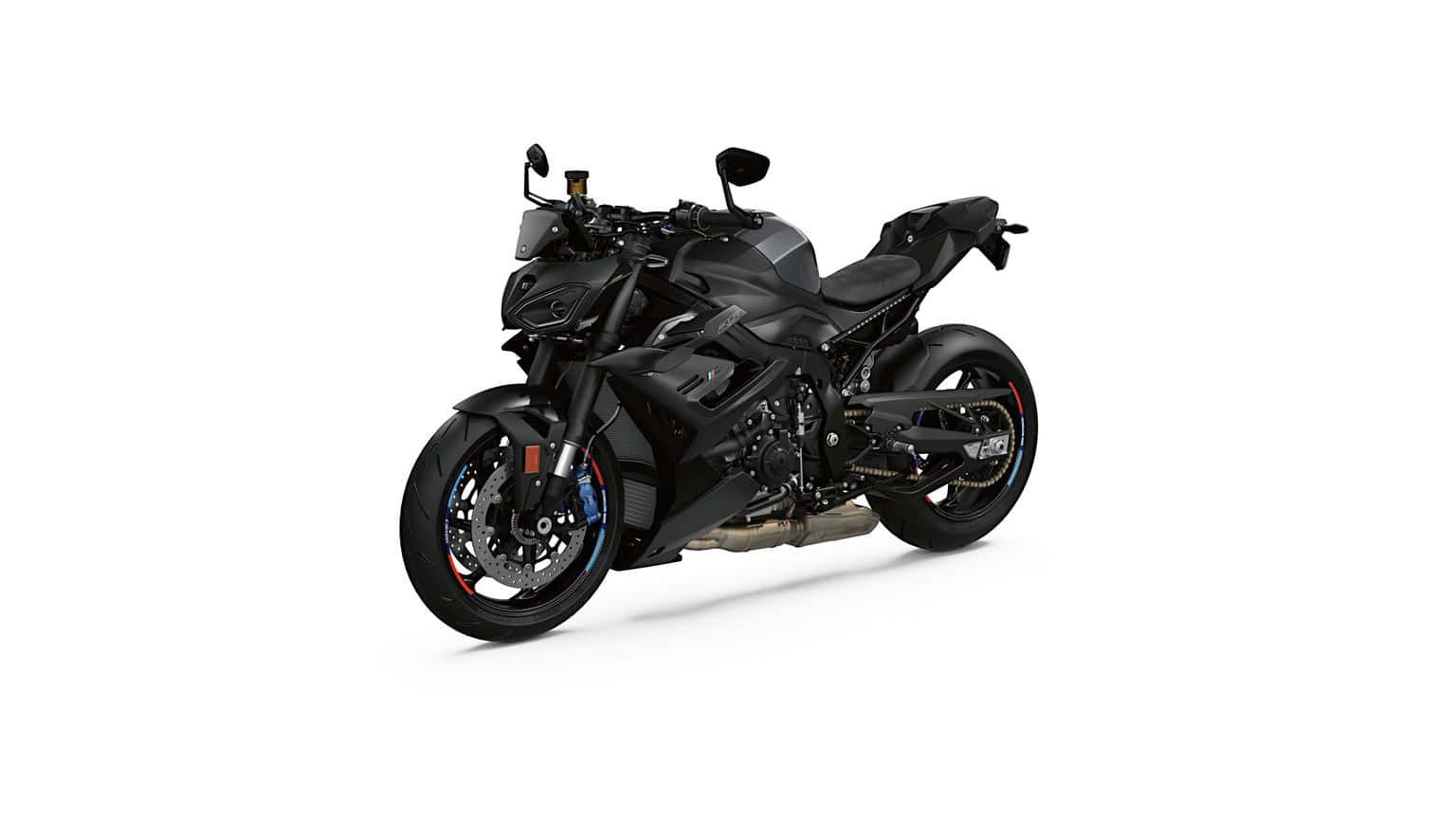
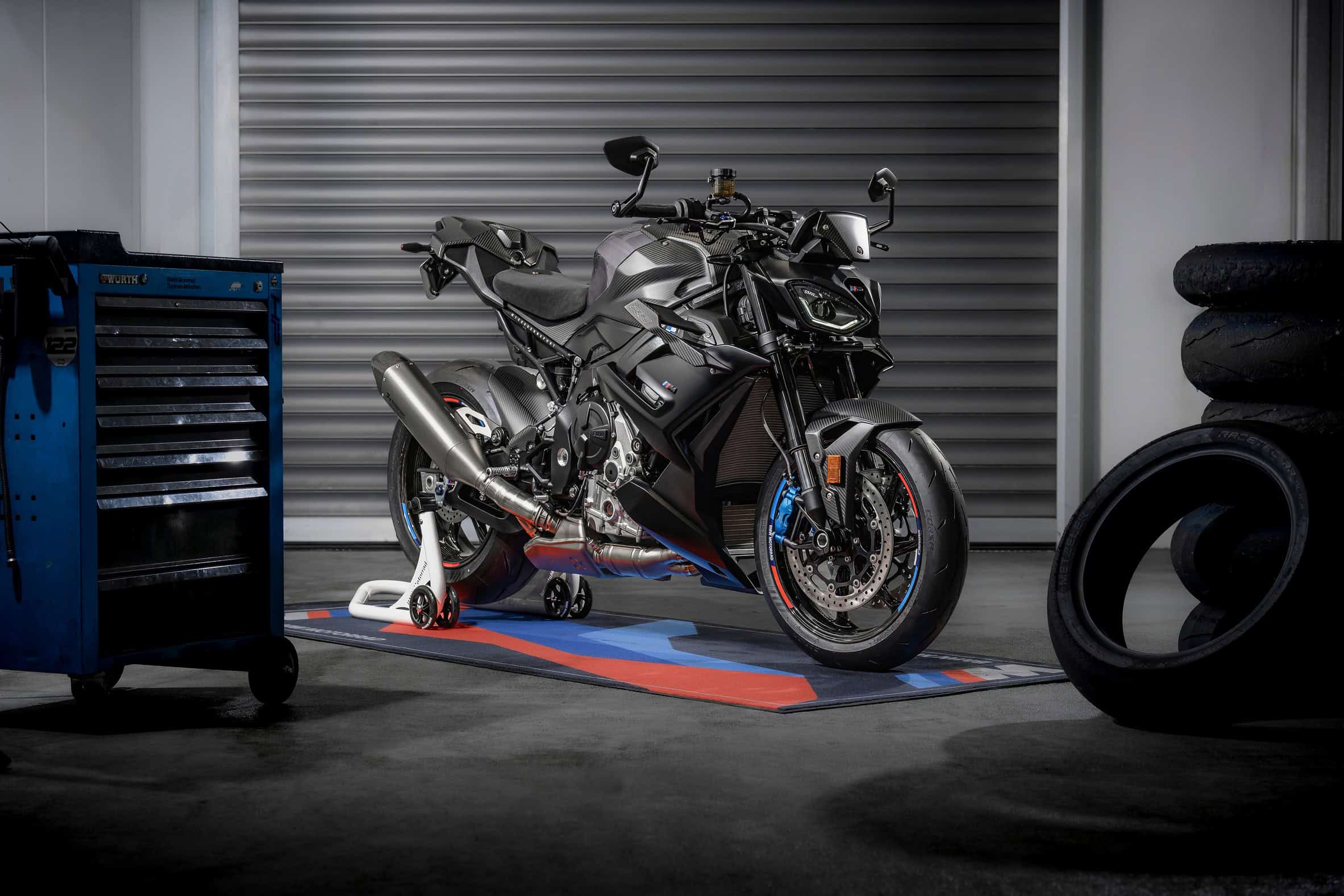
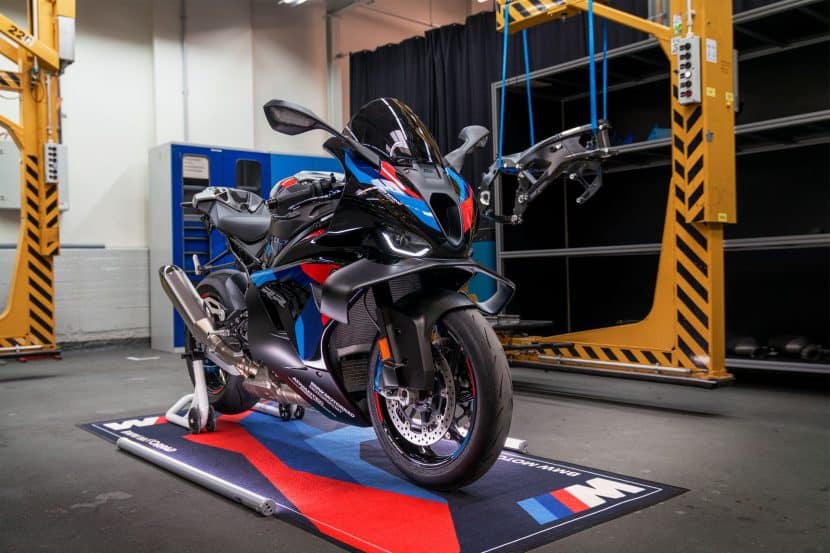
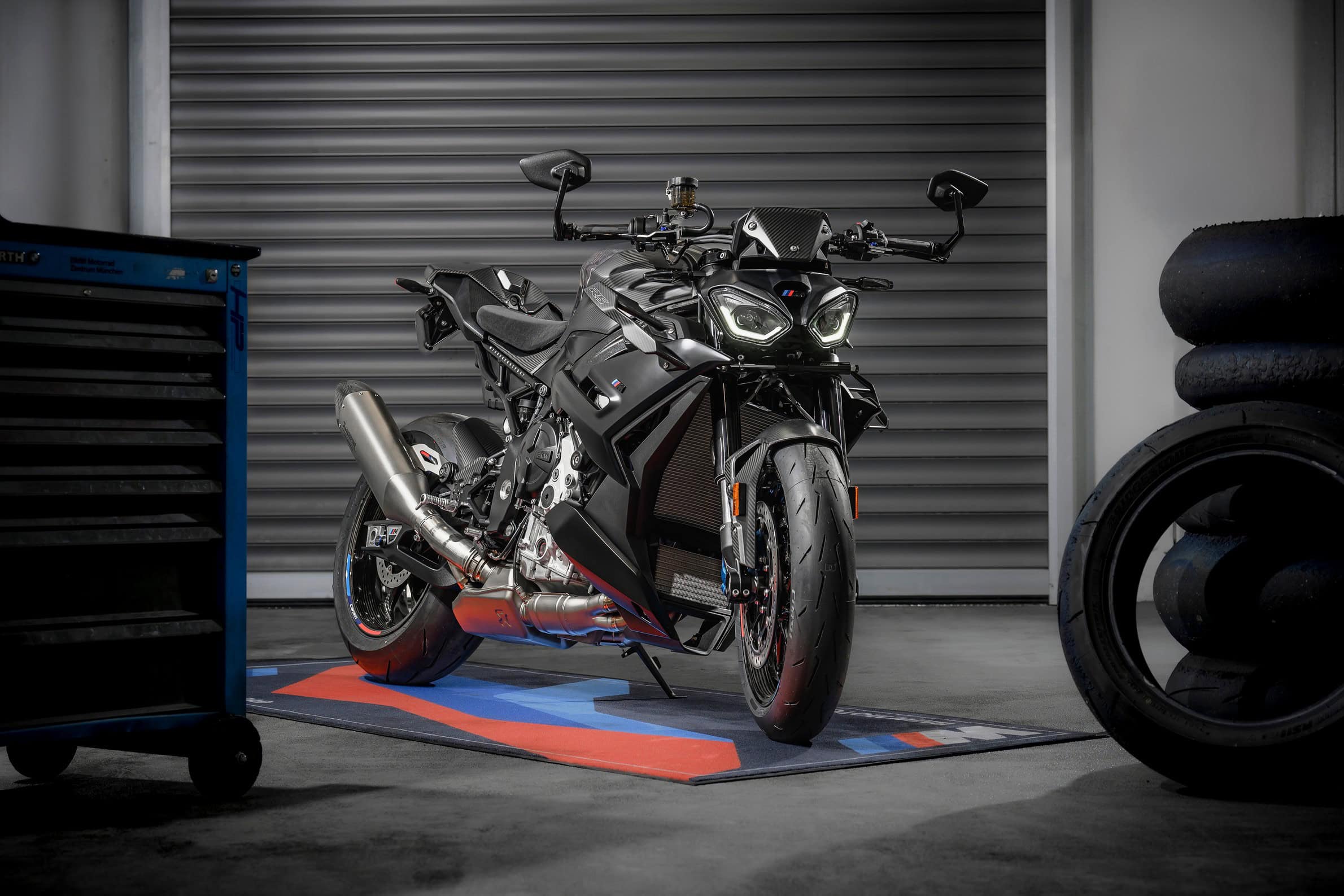
Here’s a quick reminder that not everything with an M badge has four wheels. BMW Motorrad has been selling M-branded bikes since 2020, and now there’s a new, albeit temporary, member of the family: the M 1000 RS. The Rennsport (German for motorsport) name appears on a limited-run hyper naked bike that’s about as close as you can get to a road-going racing machine without a full fairing.
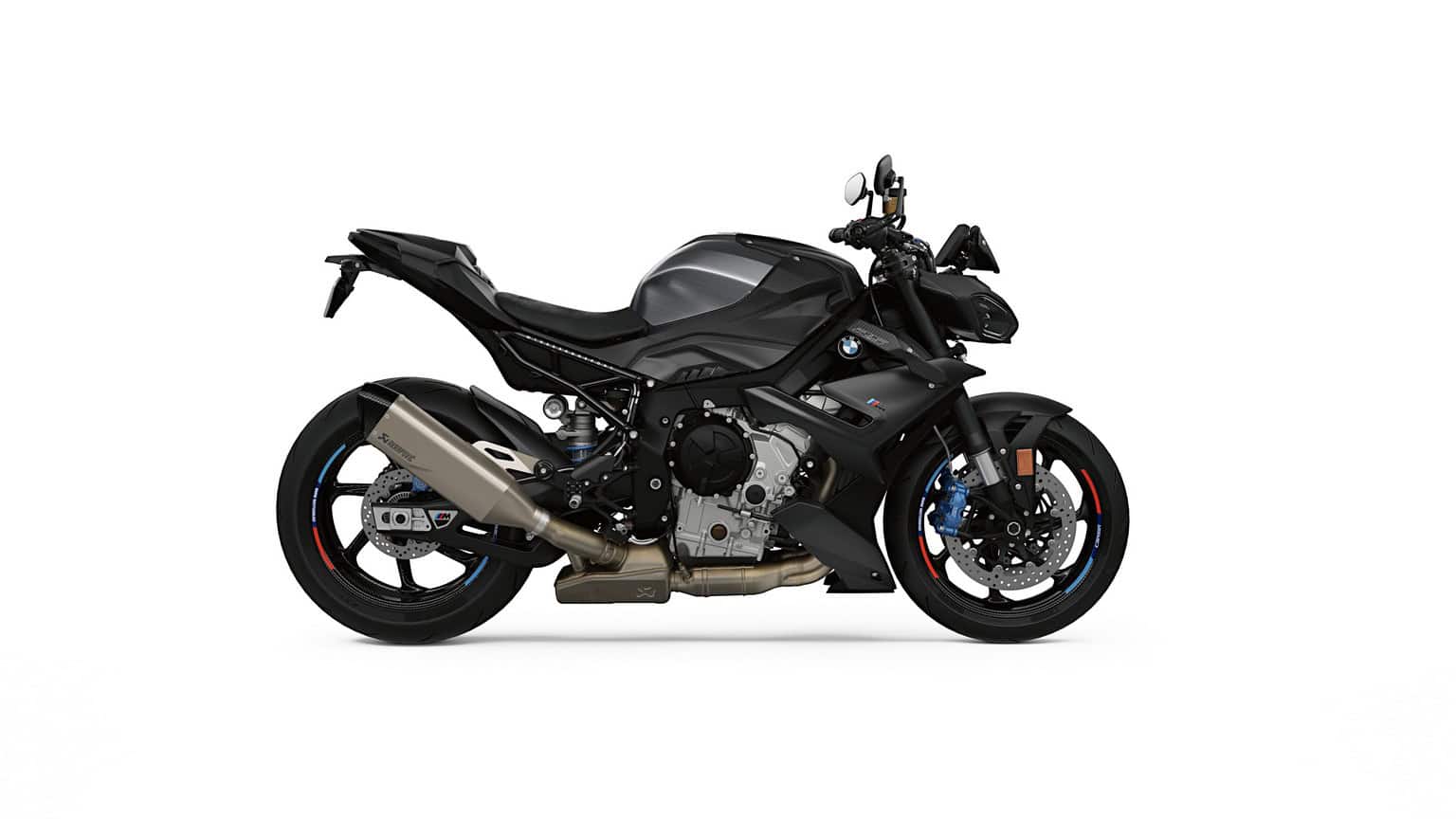
For those unfamiliar with the terminology, a naked bike is essentially a motorcycle without the extensive bodywork that covers the mechanical components of a traditional sportbike. Also known as a roadster, this type of motorcycle typically features an exposed engine, minimal fairings, and a more upright riding position. The idea is to deliver an engaging riding experience without the aggressive ergonomics of a full-blown superbike. However, the hyper naked category takes things considerably further, combining that relatively relaxed riding position with performance that wouldn’t look out of place on a racetrack.
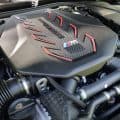
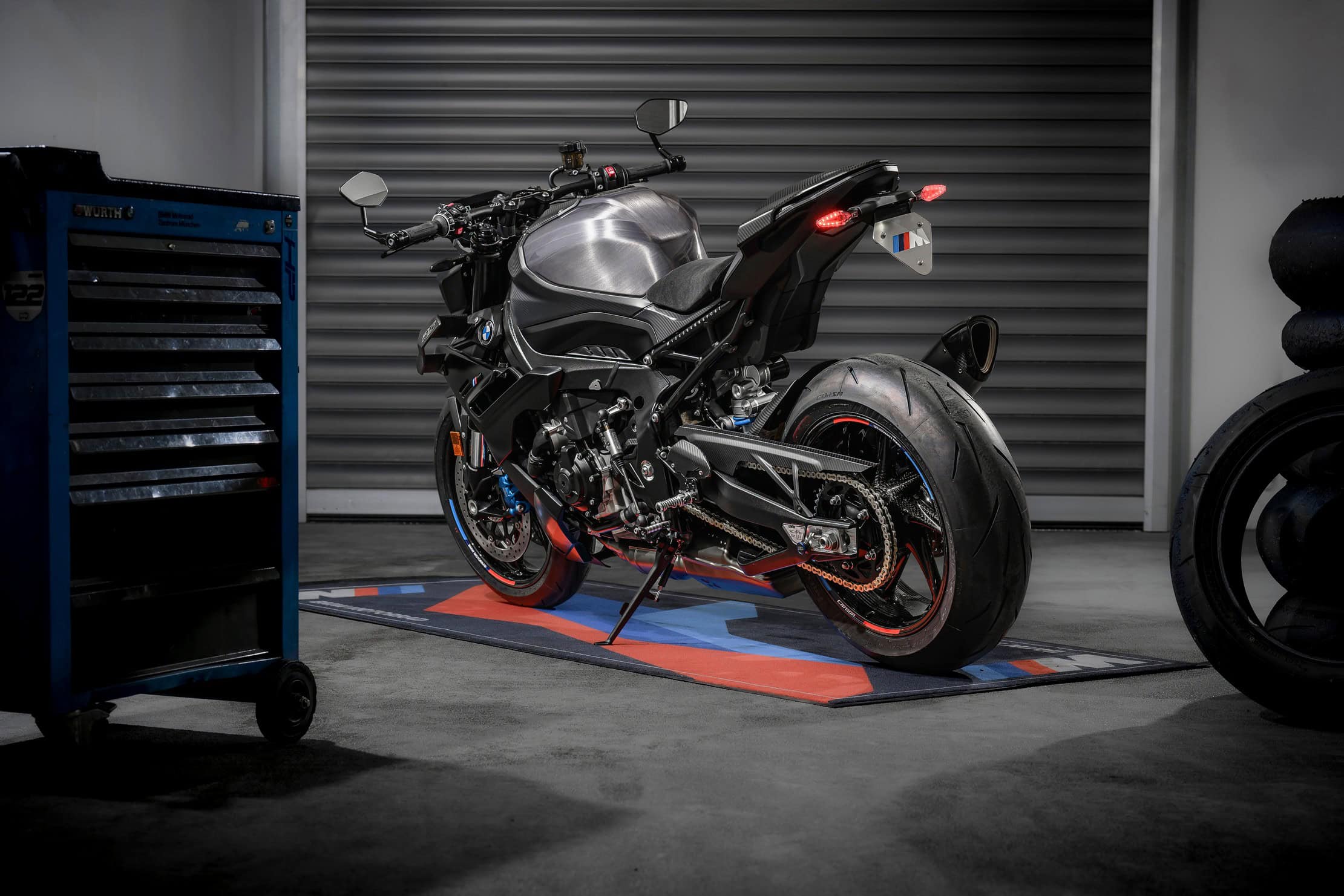
That’s precisely what BMW Motorrad has attempted with the M 1000 RS. Its 999cc inline-four engine comes from the M 1000 RR superbike and delivers 218 hp in global specification, enough to earn the title of “the world’s most powerful hyper naked bike.” Peak torque stands at 113 Nm (83 lb-ft), while maximum power arrives at 14,500 rpm. That’s an extraordinary amount of power for a motorcycle that weighs just 196 kilograms (432 pounds) with a full tank of fuel.
It’s Slightly Slower And Less Powerful In The US
However, a couple of minor differences separate the European and American versions. BMW quotes 205 hp at 13,000 rpm for the U.S.-spec M 1000 RS, with the lower output stemming from the need to comply with EPA noise regulations. The American version also has a slightly lower top speed of 174 mph (280 km/h), compared with 176 mph (283 km/h) globally. Both versions need just 3.2 seconds to reach 62 mph (100 km/h).
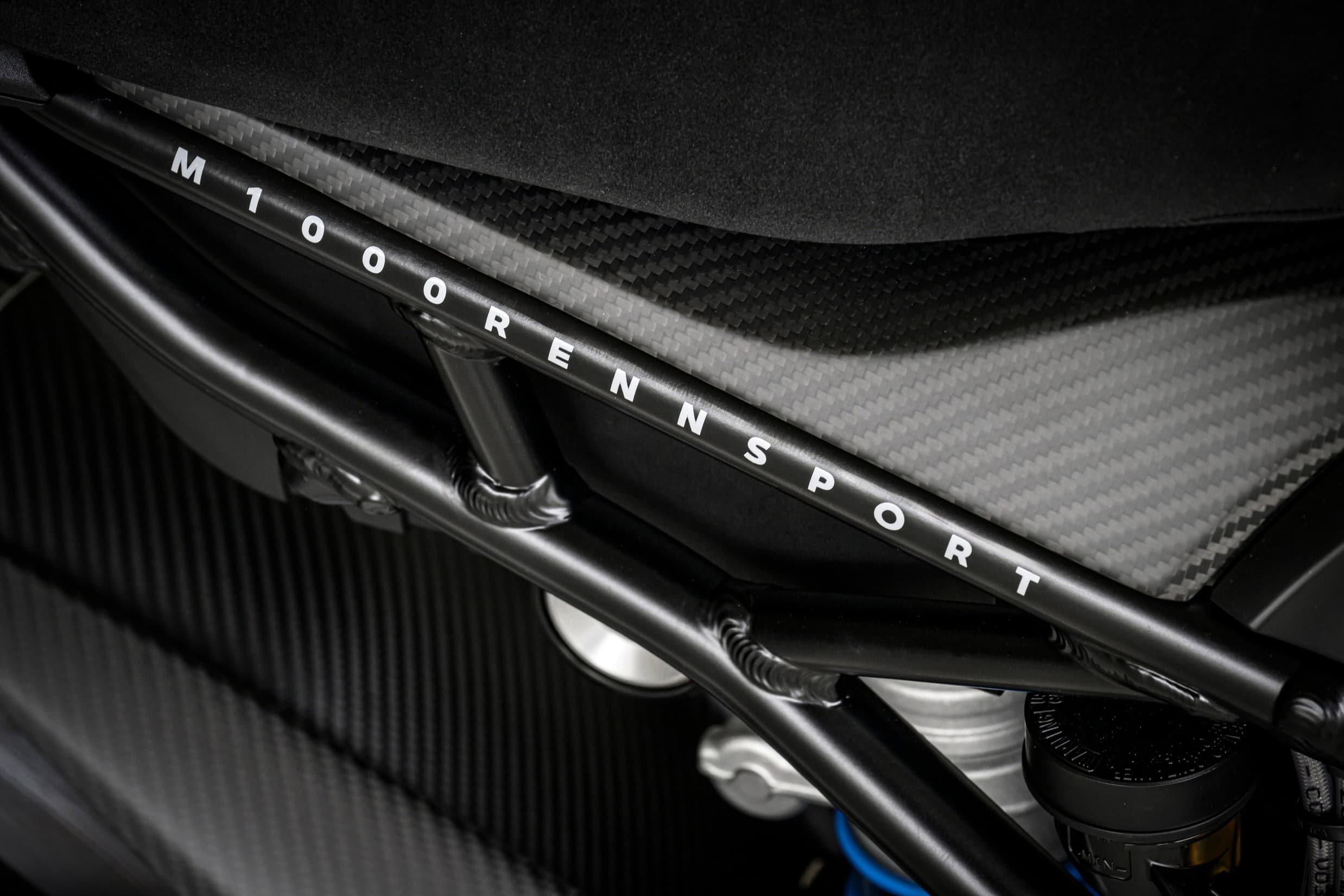
BMW didn’t simply transplant the M 1000 RR’s engine into a naked motorcycle and call it a day. The M 1000 RS builds on the M 1000 R equipped with the M Track Package, adding several components borrowed from its fully faired sibling.
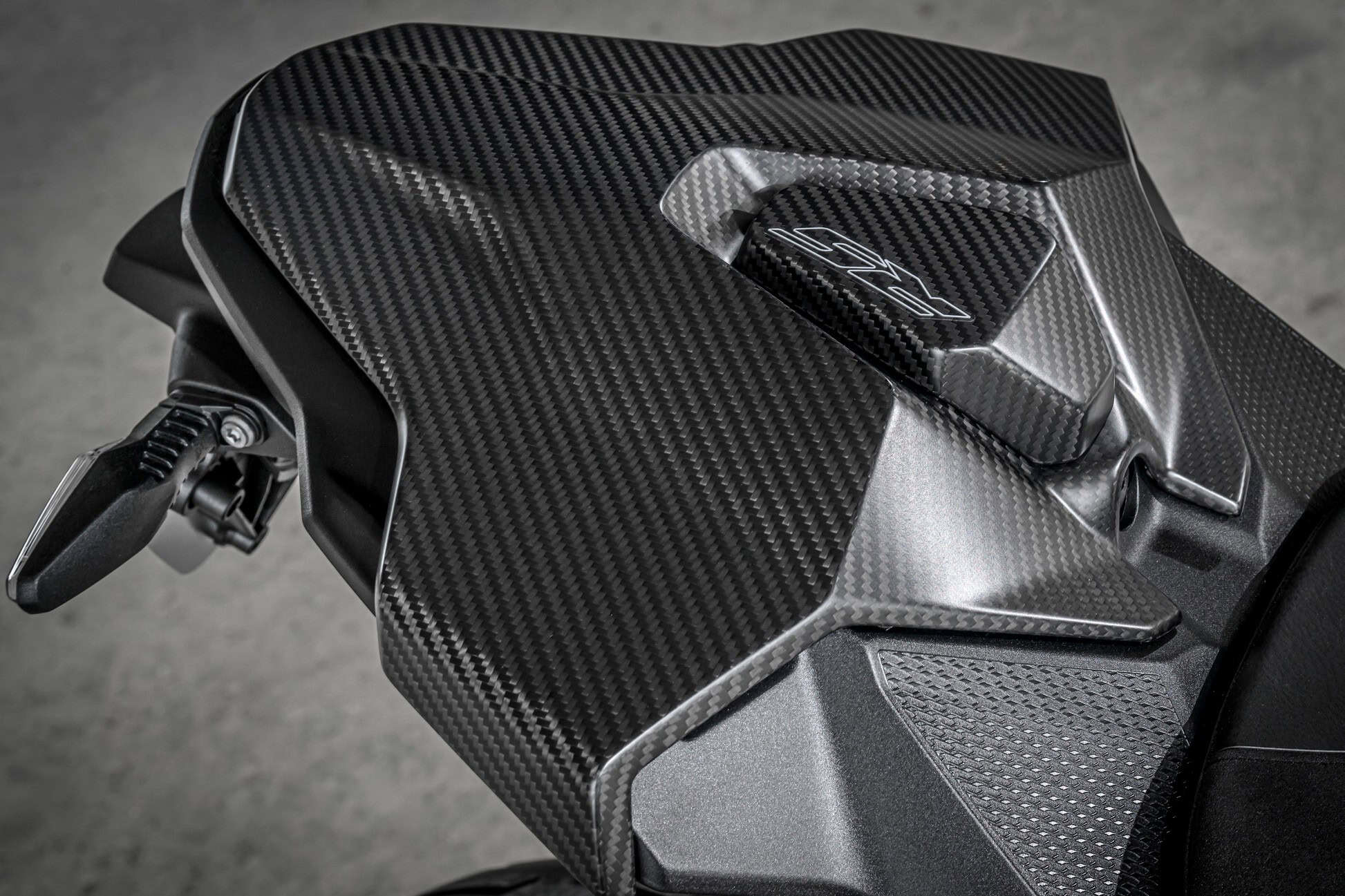
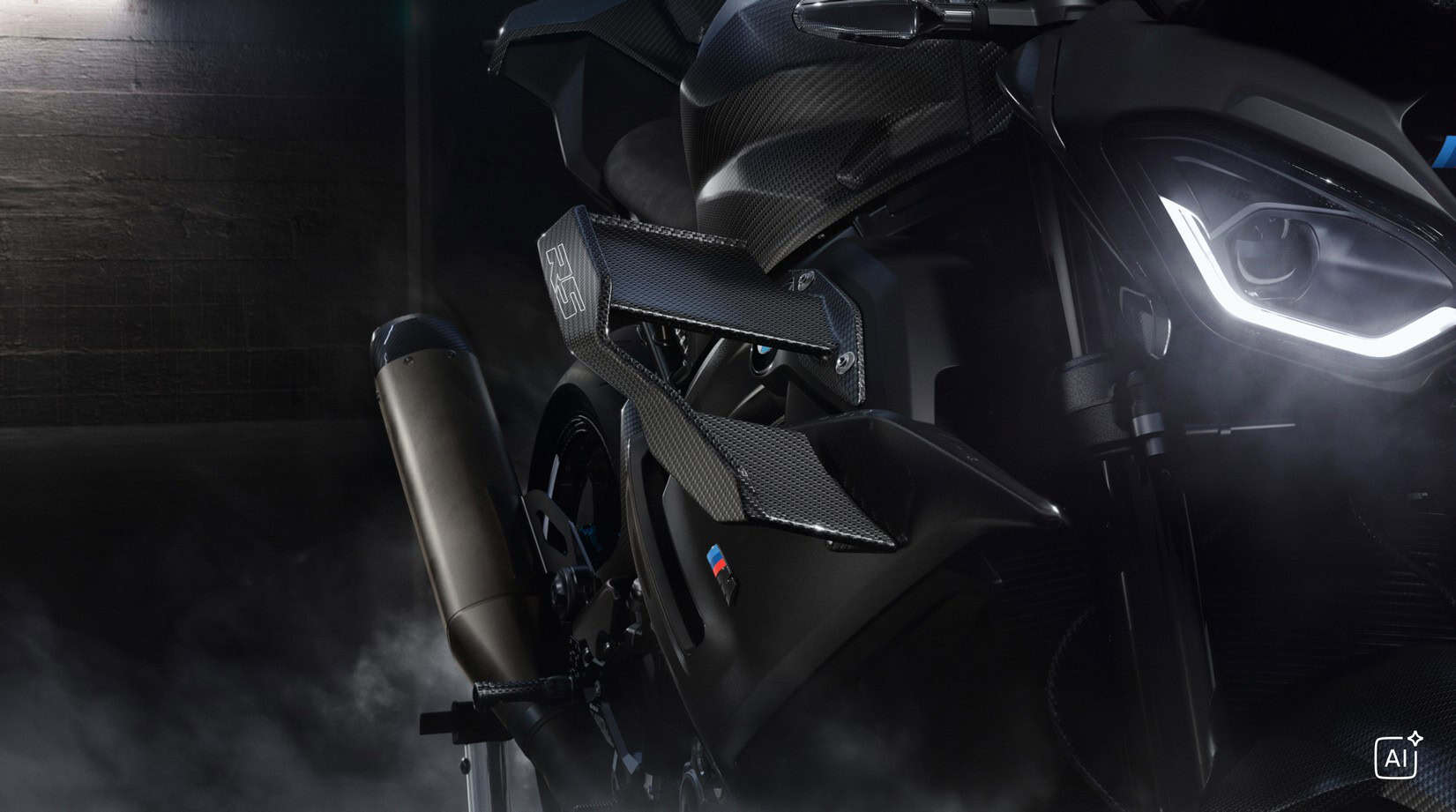
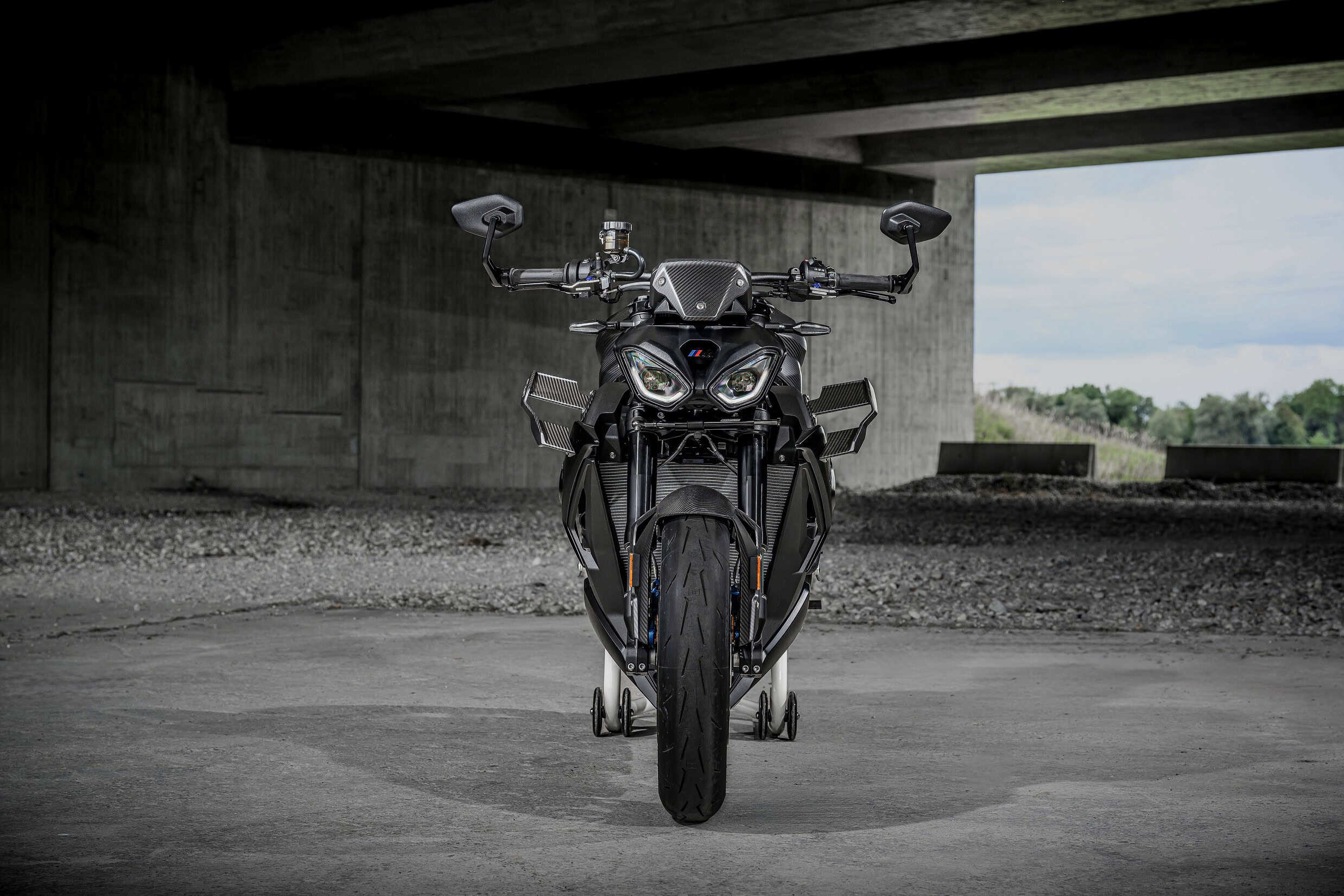
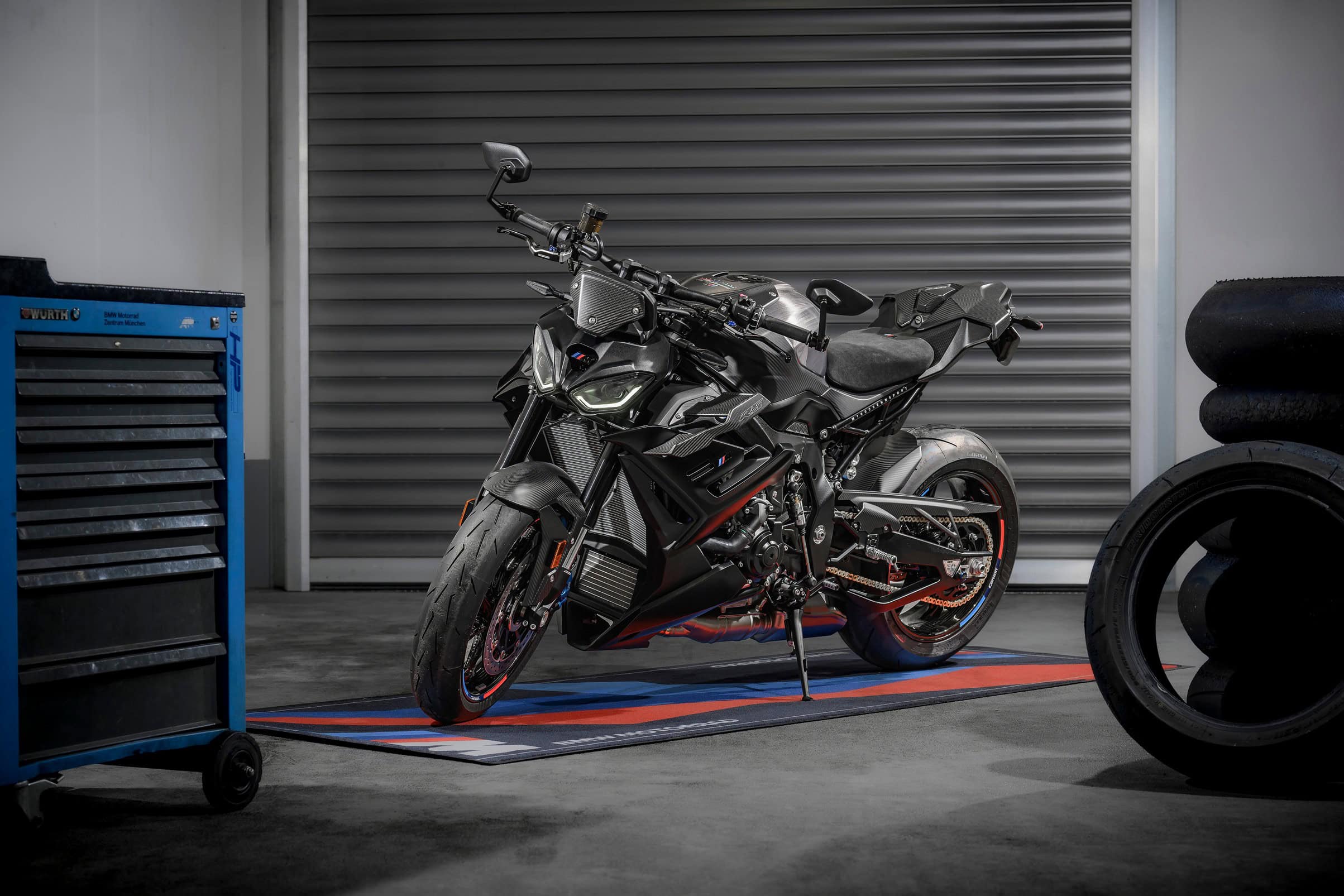
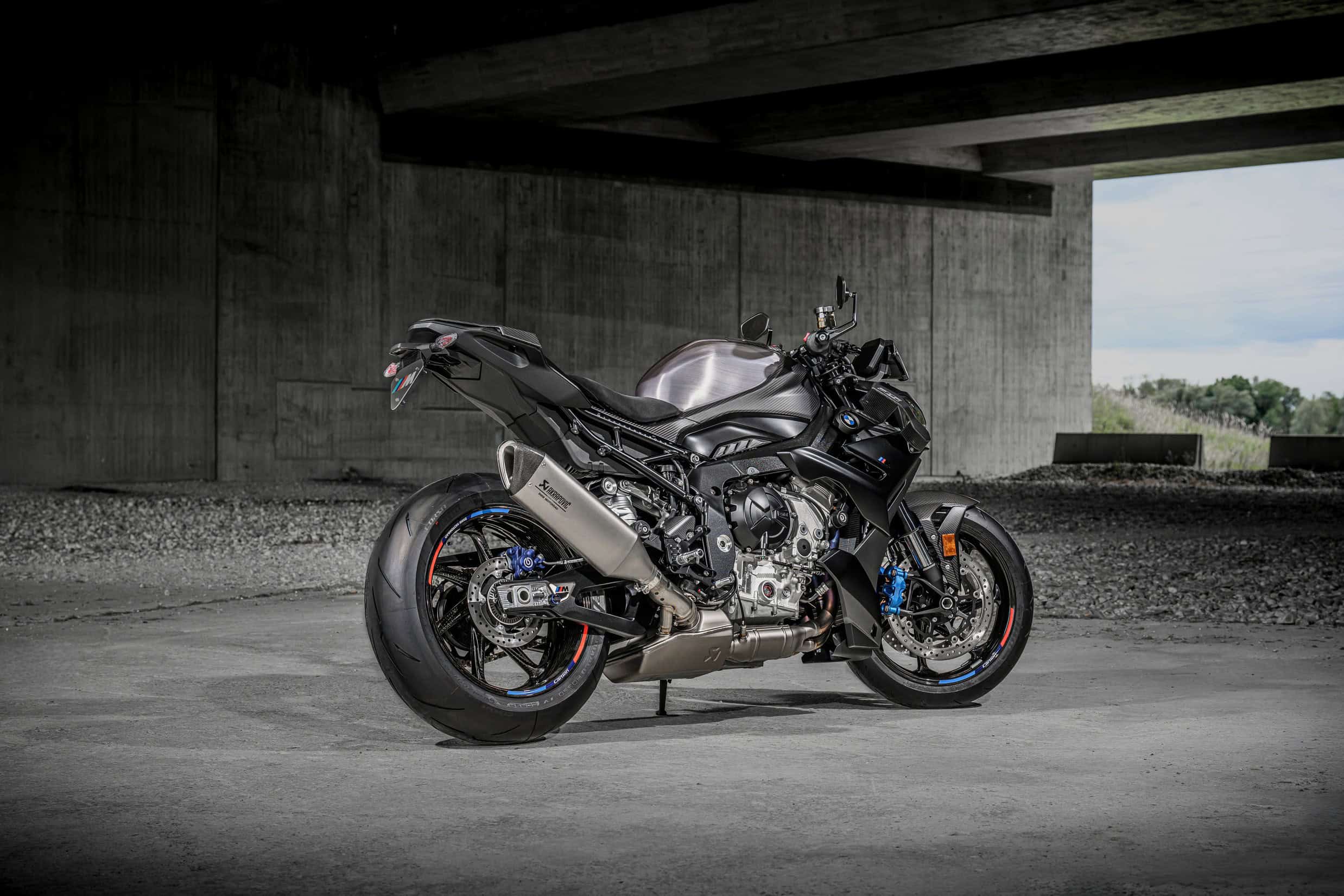
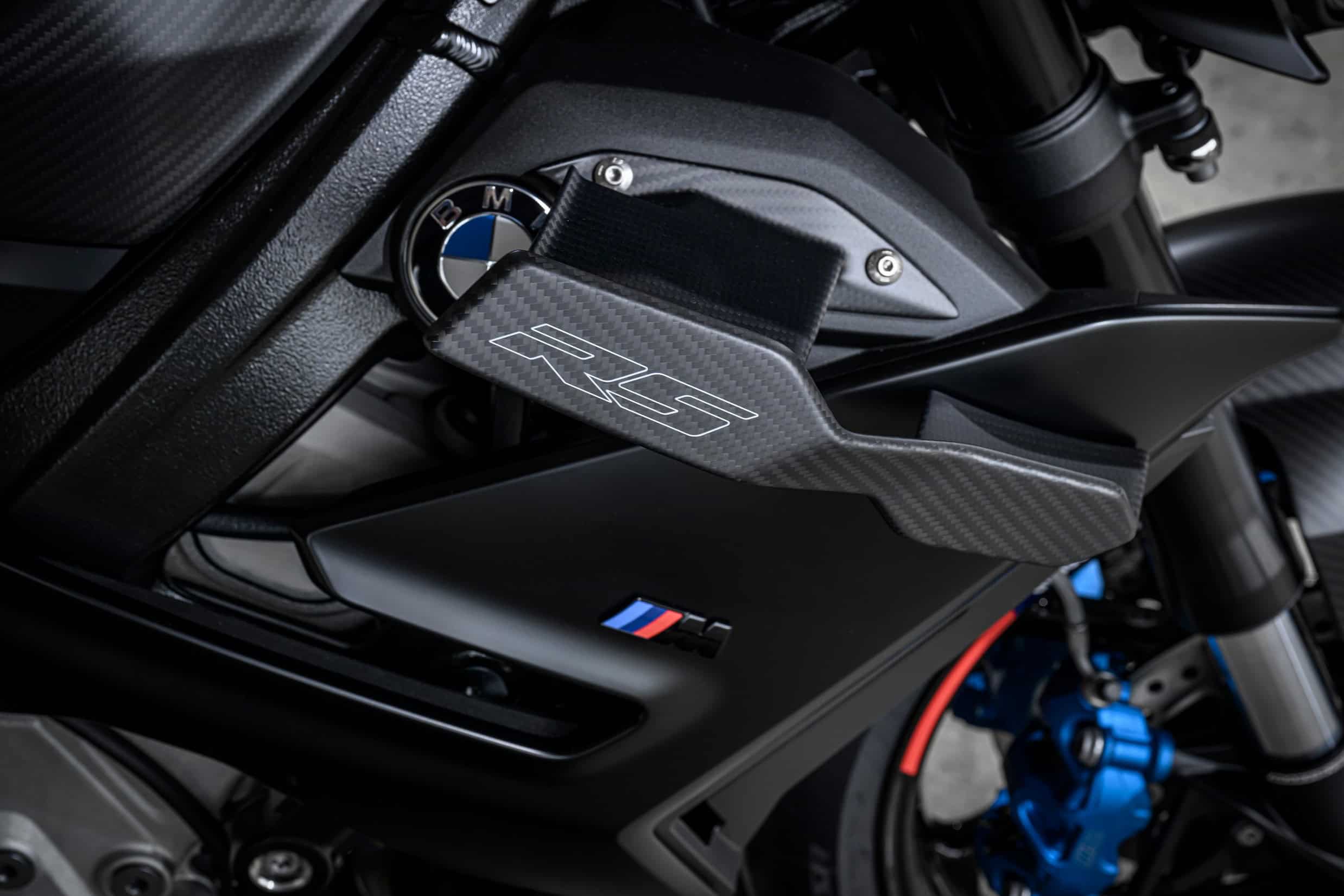
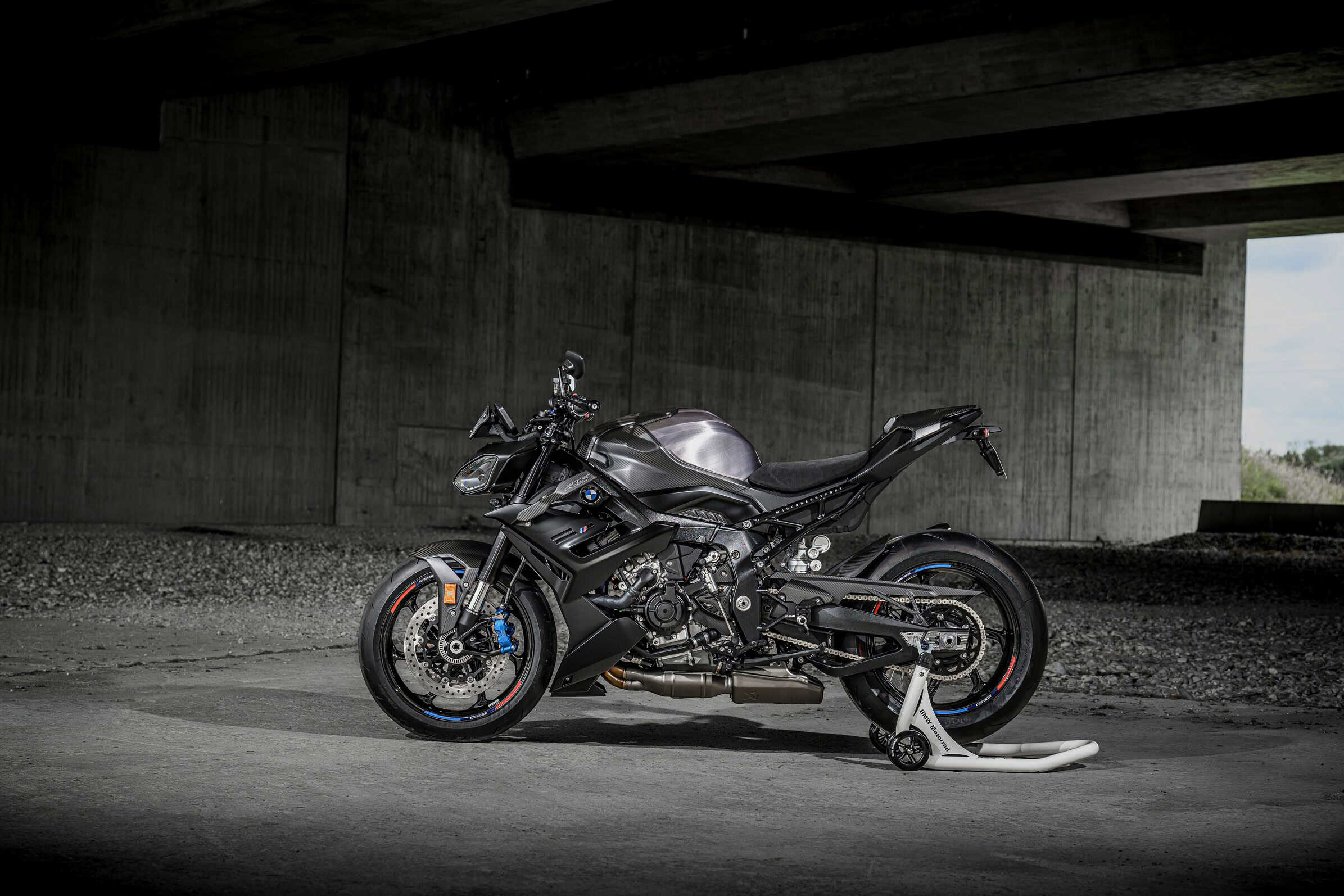
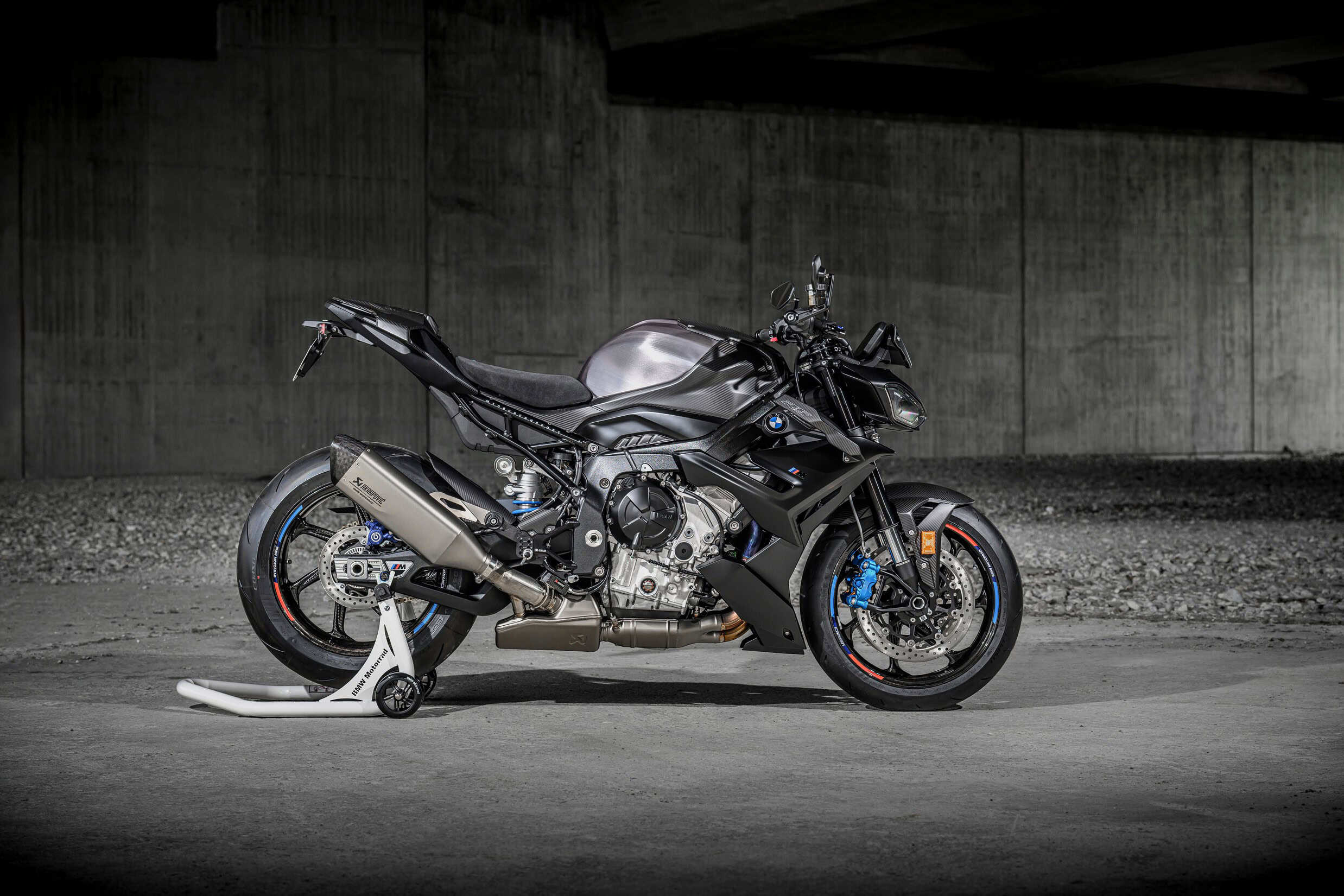
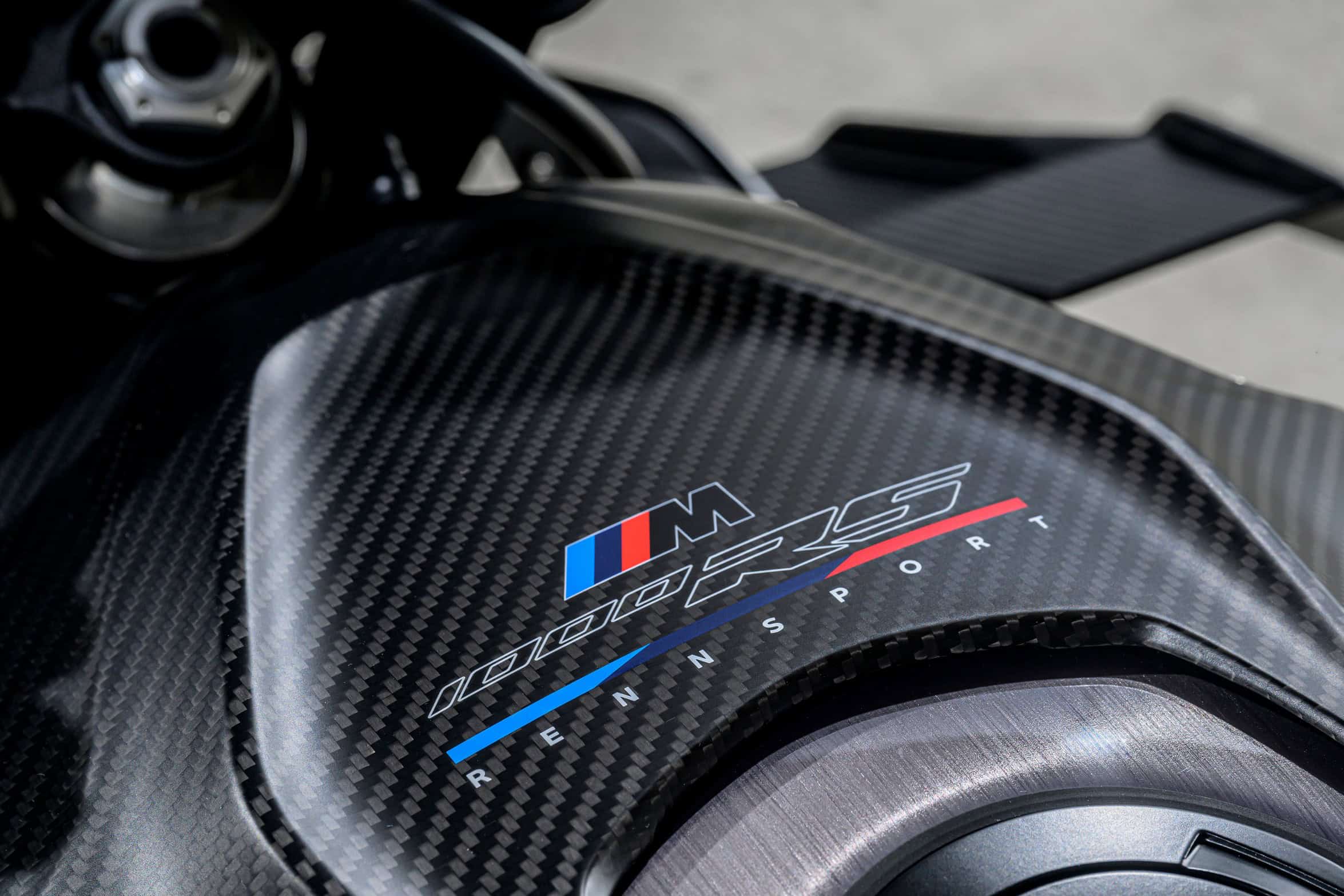
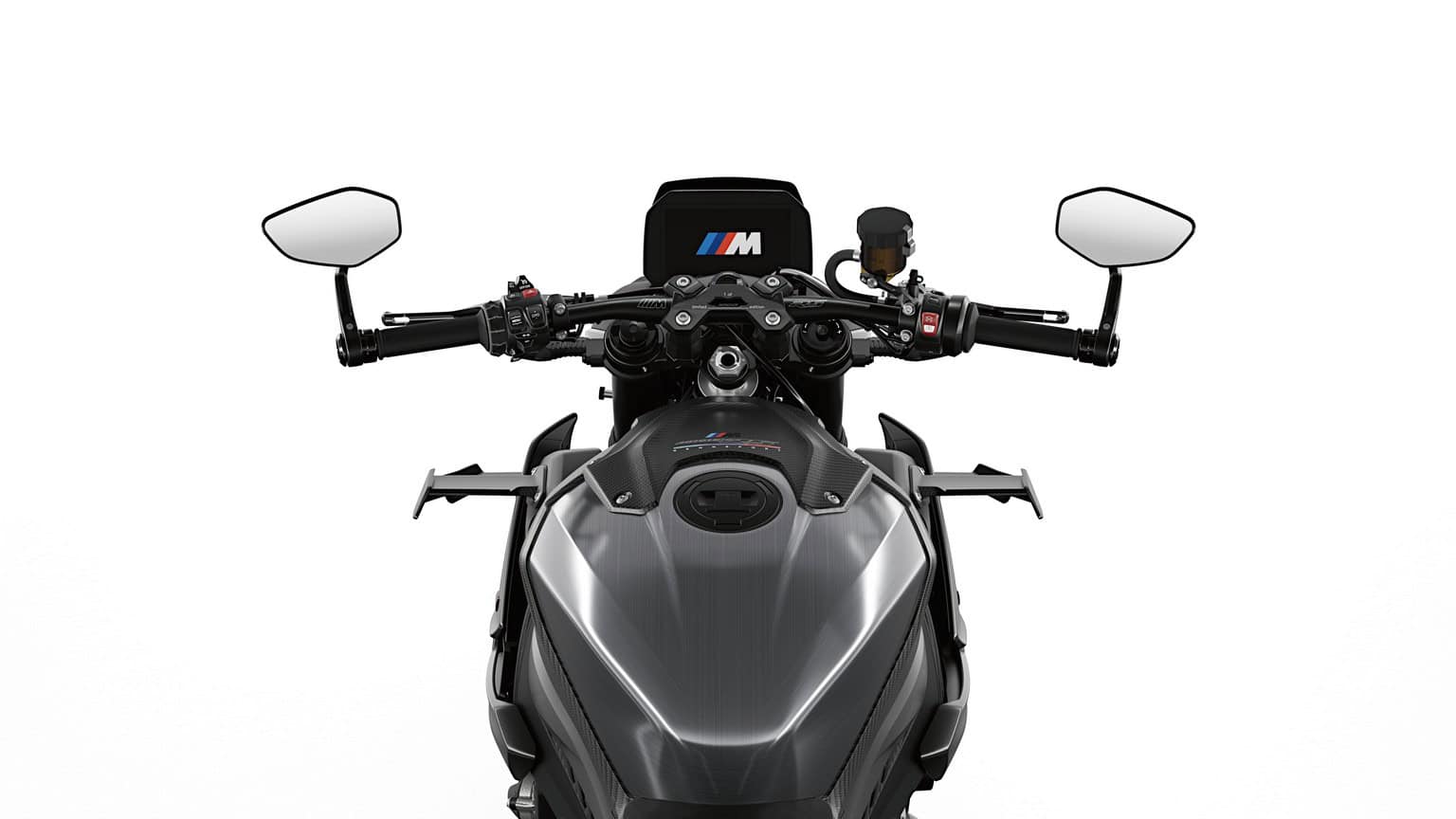
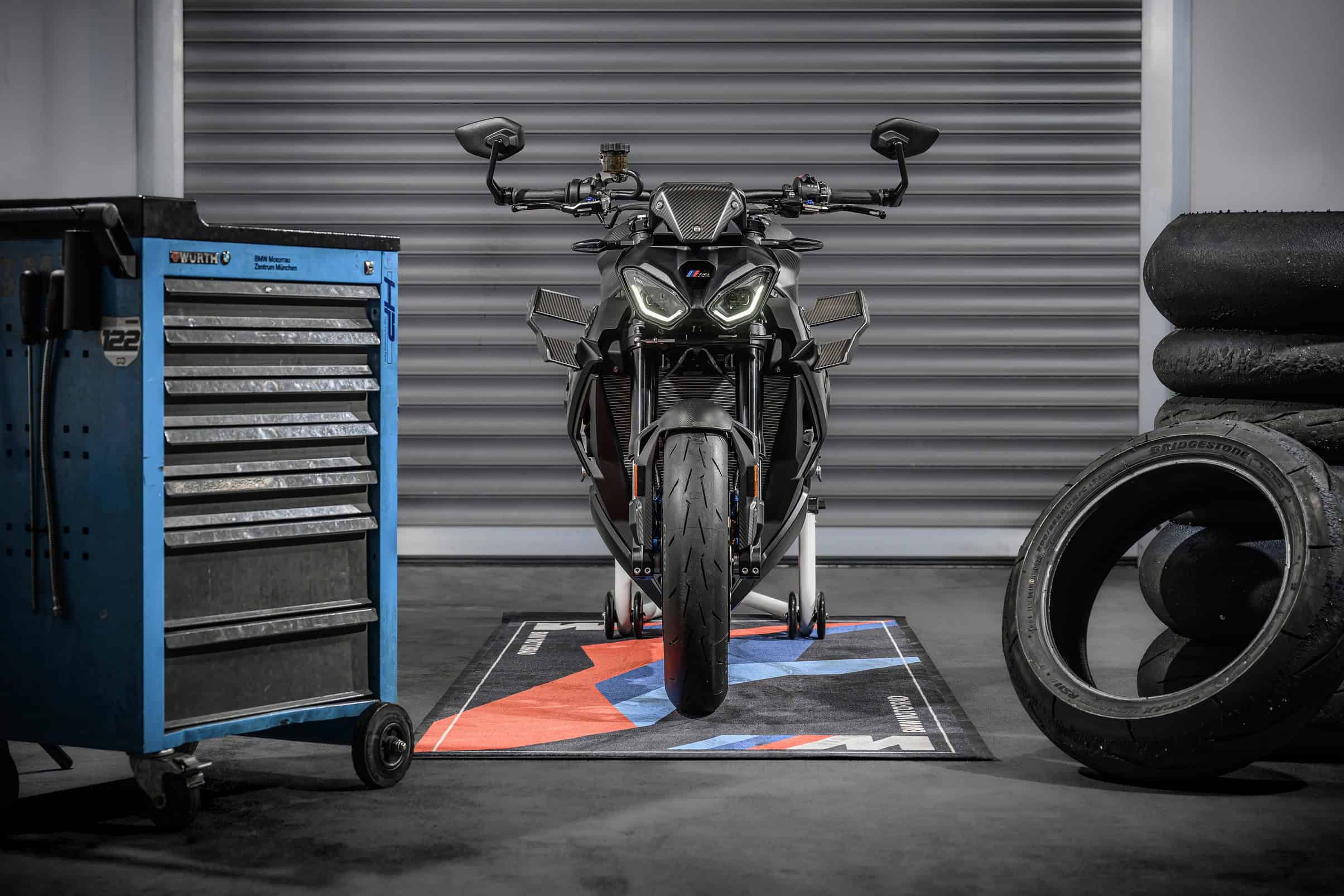
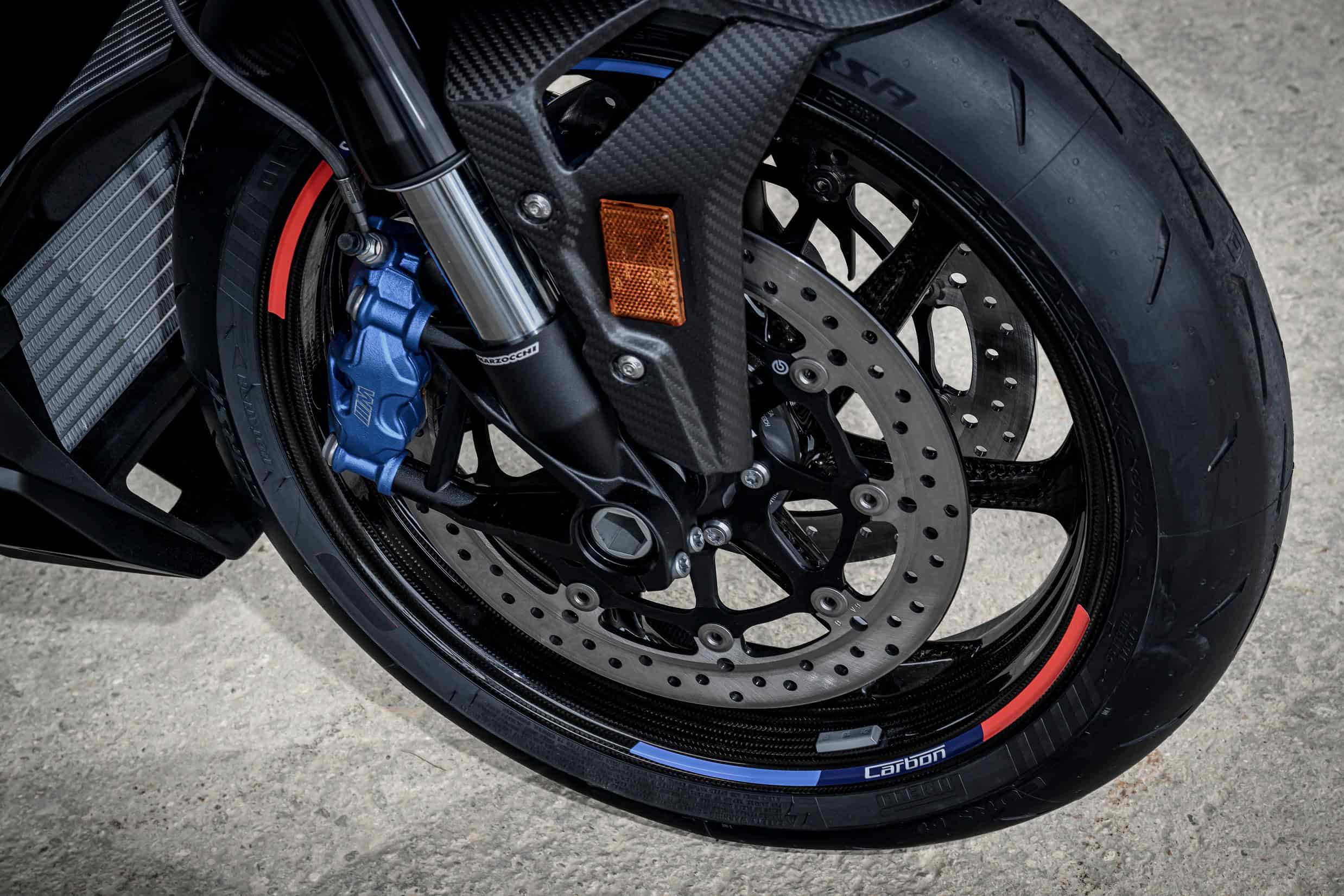
Highlights include a full titanium M exhaust system, which saves 1.6 kilograms (3.5 pounds) compared with the conventional setup. Matte carbon-fiber winglets with RS lettering provide aerodynamic functionality while giving the front end a distinctly racing-inspired appearance. The rear section also comes directly from the M 1000 RR, further emphasizing the connection between the two motorcycles.
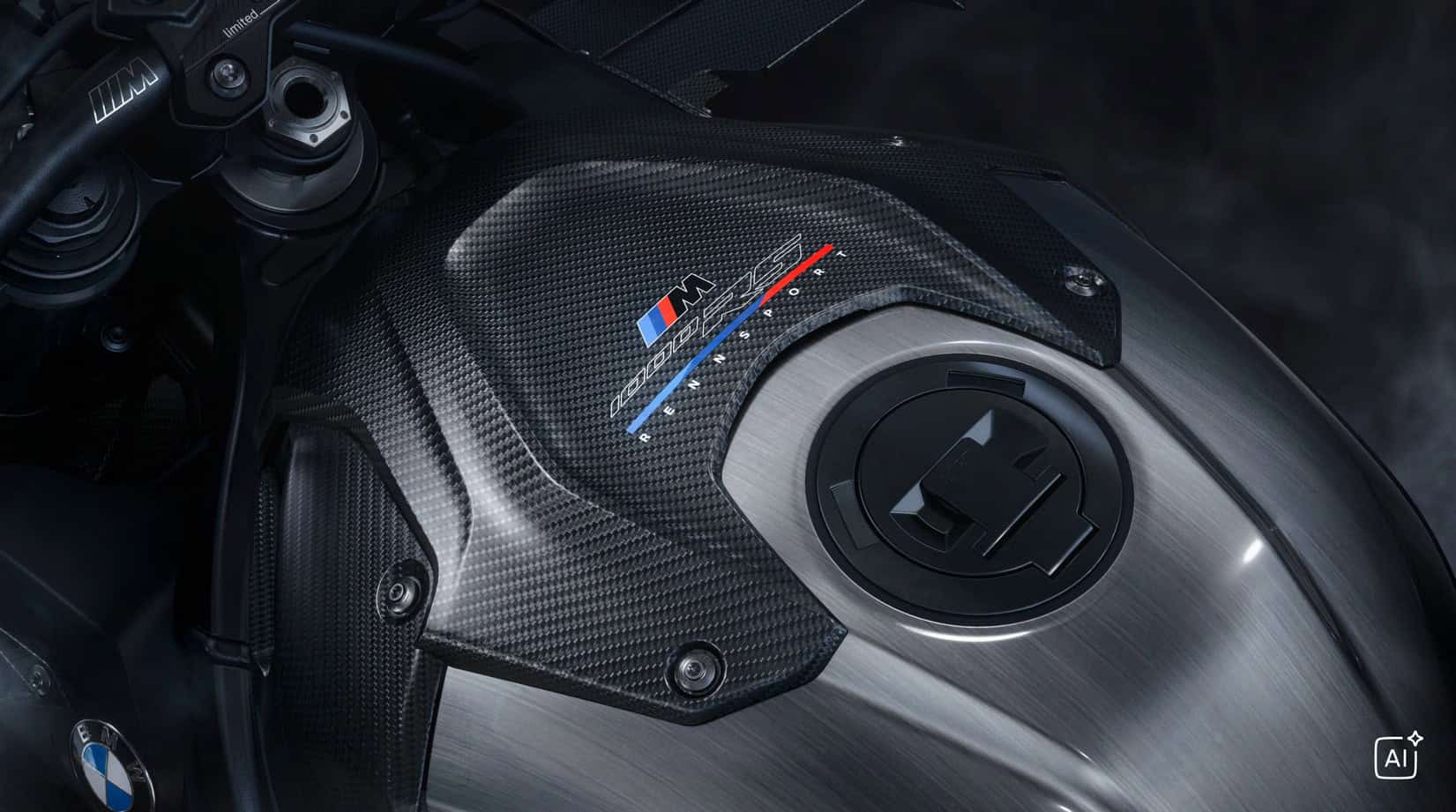
Other carbon-fiber components, a brushed aluminum fuel tank, and exclusive graphics contribute to the motorcycle’s dark, understated appearance. BMW also fits a high-grip seat with an Alcantara look and M embroidery, adding another exclusive touch.
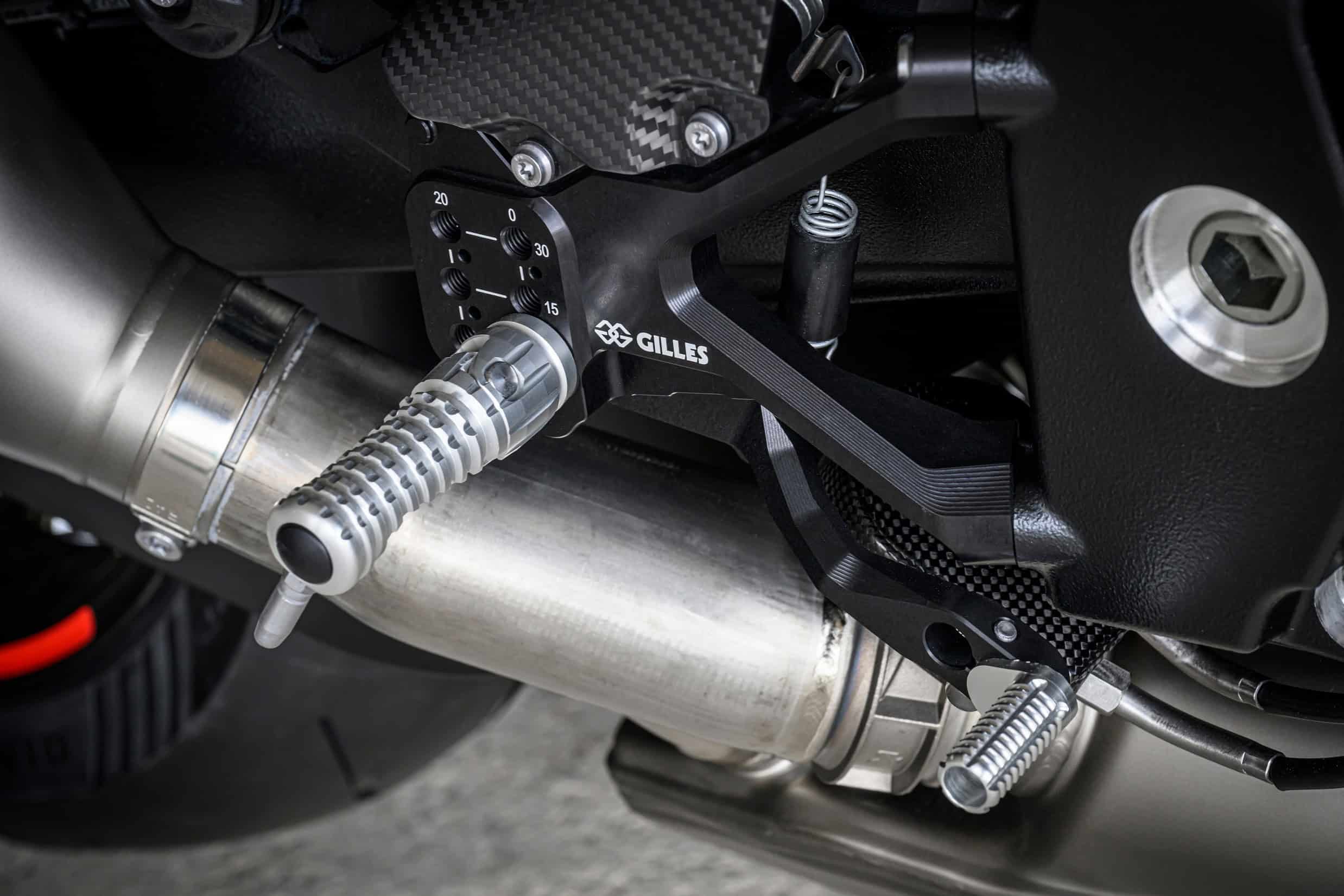
The riding position gets special attention, too. BMW installs the M rider footrest system from the M 1000 RR and raises the seat compared with the M 1000 R. The result is a more forward-focused riding position that reinforces the RS’s sporty character.
BMW M 1000 RS: Low Production, High Price
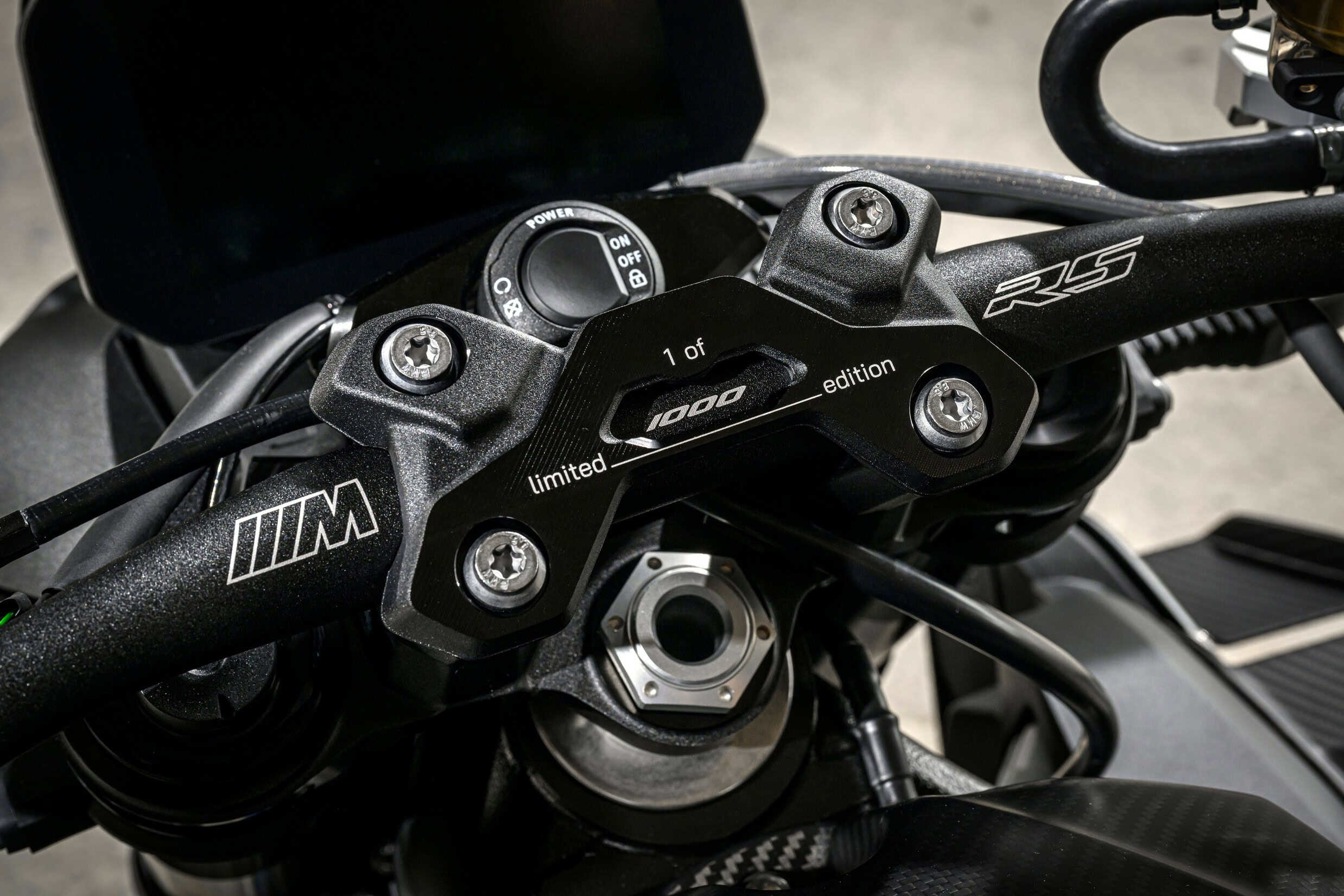
As you’d expect from something wearing the M badge, exclusivity comes at a price. BMW will manufacture just 1,000 examples of the M 1000 RS worldwide, with a limited number allocated to the United States.
In Germany, the motorcycle costs €40,000, including VAT, with deliveries scheduled to begin in March 2027. American customers will pay $38,395 before destination and handling fees. BMW Motorrad USA expects the M 1000 RS to arrive in the first quarter of 2027, with preorders available through a dedicated program.
That’s serious money for a motorcycle, but the combination of superbike hardware, a 196-kg curb weight, and limited production makes this an unusually focused proposition. The M 1000 RS takes the hyper naked formula to another level, giving riders superbike performance without having to crouch behind a massive front fairing.
With production capped at 1,000 units worldwide, don’t expect to see one at every traffic light.