Article Summary
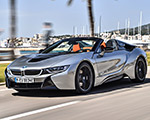
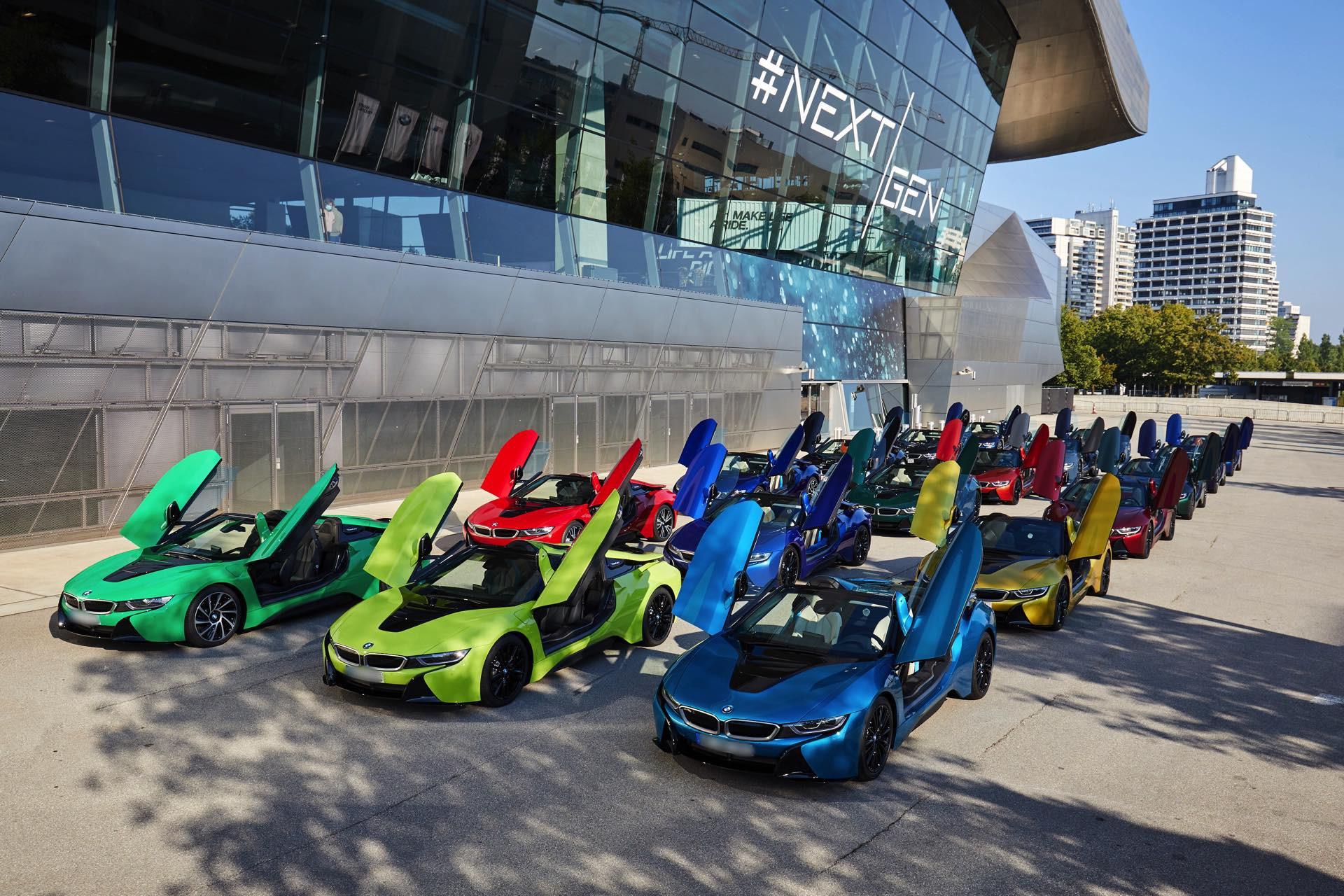
- Launched in 2013, the i8 was BMW’s first production model to use a plug-in hybrid powertrain.
- With a few exceptions, most of BMW’s current lineup is available with a PHEV powertrain.
- Even as BMW remains laser-focused on EVs, the automaker believes plug-in hybrids still have a future.
200,012. That’s how many cars with a plug-in hybrid powertrain BMW sold in 2025. Demand jumped 20% compared to the previous year, allowing PHEVs to account for 8.1% of all vehicles with a roundel sold last year. It shows that while pure EVs are booming, many customers still want the peace of mind of having a gas engine as a backup.
The plug-in hybrid story began at the same time as the EV one, in 2013. BMW launched the quirky i3 small hatchback and the exotic i8 in the same year. Thirteen years later, the German luxury automaker has sold two million fully electric cars and 1.5 million plug-in hybrids. Last year, more than one in four models sold by the Munich-based company was electrified, as PHEVs and EVs combined for a 26.1% share of total shipments.
BMW may have given you the impression that Neue Klasse is strictly about EVs, but that’s not actually the case. Look no further than the new X5 (G65), which will be offered as a plug-in hybrid alongside the iX5. In fact, there are now two versions: the familiar 50e and an M Performance model, the M60e. The next-generation 3 Series, debuting in the coming months, is also widely expected to keep the PHEV setup alive.

Which BMW Models Don’t Have A Plug-In Hybrid Version?
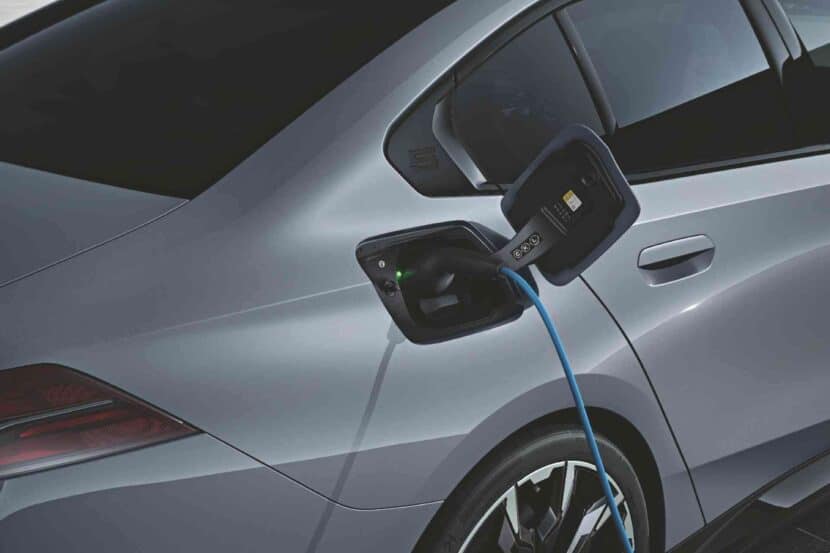
A closer look at BMW’s lineup shows that only a handful of models aren’t available with a charging port on the side and an engine under the hood. The 1 Series and 2 Series Gran Coupe continue without a plug, while it wouldn’t make much sense to electrify the 2 Series Coupe. The swoopy X2 used to have an xDrive25e in its first generation, but its successor is ICE-only, sitting alongside the iX2.
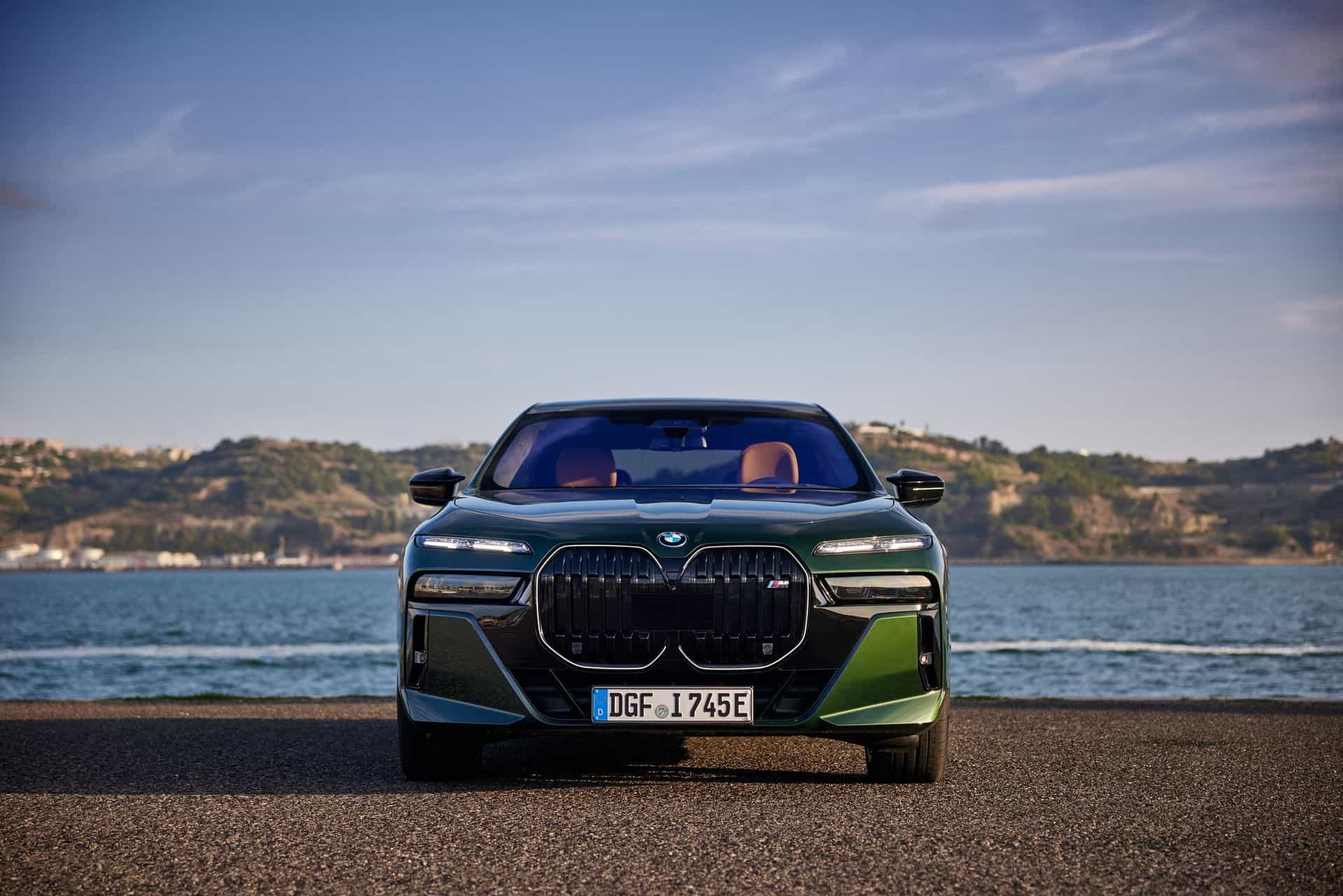
Moving up a segment, we don’t see any logic in offering a plug-in hybrid 4 Series, regardless of body style. Climbing the BMW ladder further, the next X6 and X7 won’t go down the PHEV route either, at least according to our sources. The iX was always going to be electric-only, and since it’s unlikely to stick around beyond 2028, BMW definitely won’t re-engineer it to accommodate a gas engine.


But BMW has seen the future, and it believes the role of combustion engines will continue to decline. By 2030, the company estimates that half of its sales will come from pure EVs. It’s still sticking to an ambitious target announced a few years ago: EVs accounting for more than 50% of its deliveries by the decade’s end.
However, getting there won’t be easy. Last year, zero-emission cars accounted for just 17.9% of total BMW Group sales, including the MINI and Rolls-Royce brands.