BMW returning to Formula 1 has felt like an enthusiast fantasy for years. But suddenly, the idea could be at least slightly less absurd. Formula 1 may be preparing for a major engine rethink by the end of the decade, with FIA President Mohammed Ben Sulayem pushing for a return to V8 engines as early as 2030. As he told EPSN: “It’s coming. At the end of the day, it’s a matter of time.”
BMW in F1: A Triumphant Return?
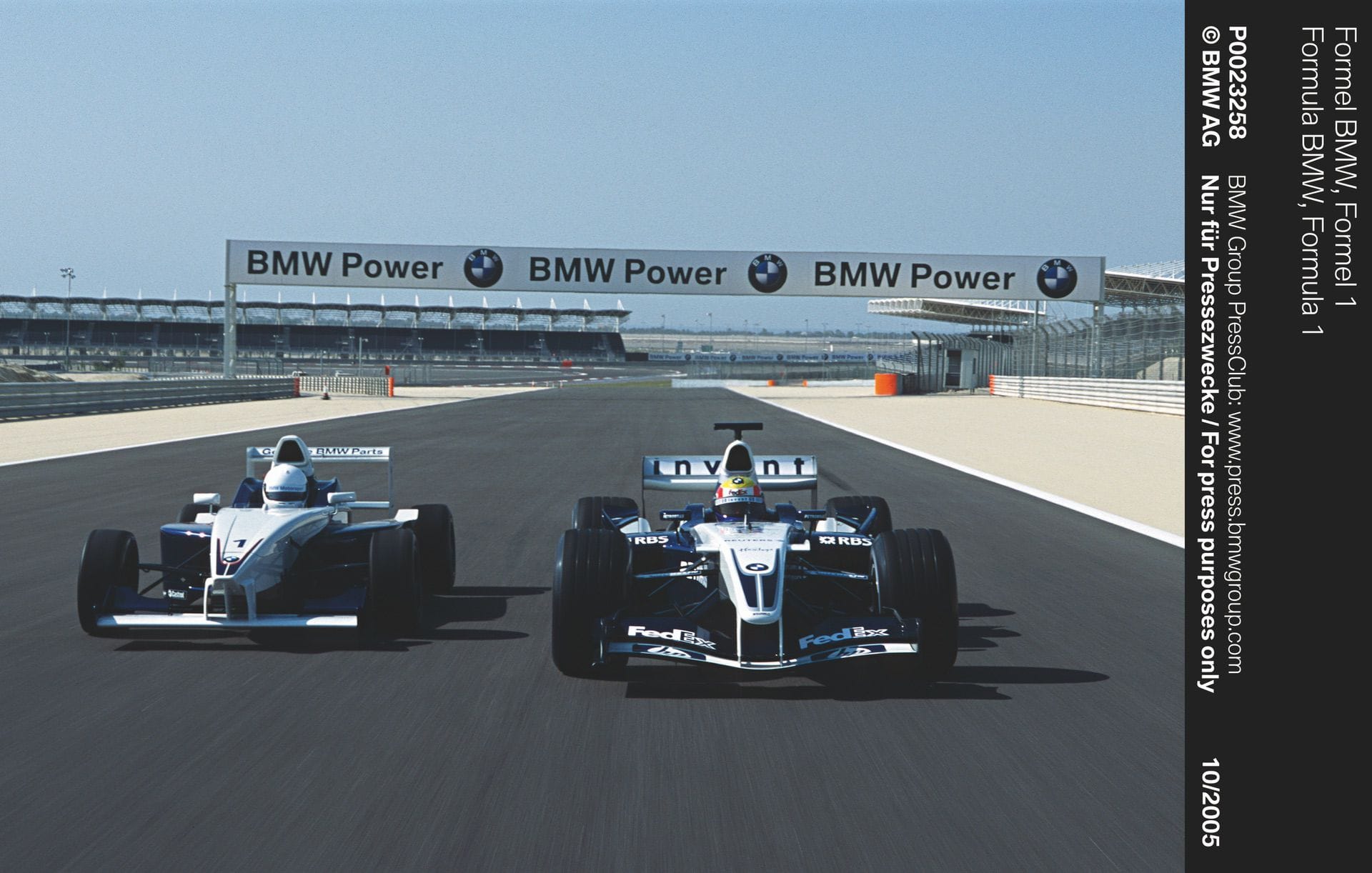
BMW’s last F1 chapter ended during a very different era. The brand left Formula 1 after the 2009 season, just before the sport entered the turbo-hybrid V6 age that has defined modern Grand Prix racing. Since 2014, F1 has leaned heavily into complex hybrid technology, and the 2026 regulations pushed the electrical side even further. But that complexity has become part of the current criticism. Cars can’t go “flat-out” as often, and packaging arguably trumps driving ability. The theater and sound of V8 (or even better, old-school V10) engines gave fans a little bit more drama, too. Lewis Hamilton even once described the cars as “ridiculously complex,” claiming drivers “need a degree” to get the most from the car.
However: even the date is still a bit of a sticking point. “In 2031, the V8. The FIA will have the power to do it, without any votes from the [engine manufacturers],” Sulayem told Reuters. “That’s the regulations. But we want to bring it one year earlier.” The possible 2030 change would not be a full throwback, either. Sulayem described the target as a simpler, lighter, louder V8 formula with minor electrification. “You get the sound, less complexity, lightweight,” he said of the proposed V8s, adding that it would come with “very, very minor electrification.” And that’s the part that should make BMW fans pay attention.
BMW M Hybrid V8: The Blueprint for F1?
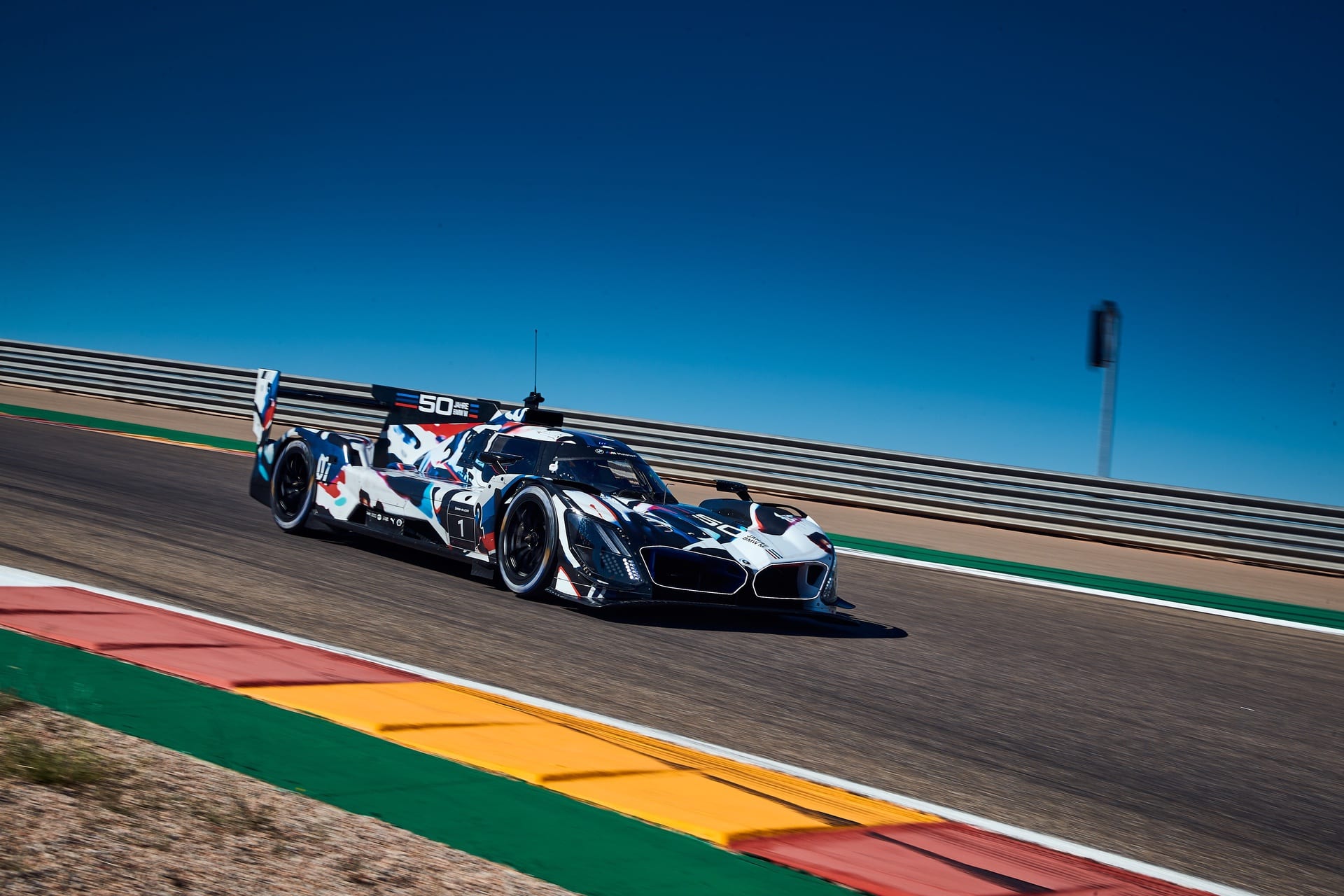
BMW already has relevant experience here. The BMW M Hybrid V8 competes in top-level prototype racing in IMSA and the FIA World Endurance Championship, including the 24 Hours of Le Mans. It relies on the P66/3 eight-cylinder turbo engine paired with an additional electric drive, with the combustion engine based on the DTM unit used in the BMW M4 DTM in 2017 and 2018. In other words, BMW M is already racing a high-performance hybrid V8 on the world stage.
Of course, an LMDh prototype engine is not an F1 power unit. Formula 1 remains vastly more expensive, politically complicated, and technically specialized. A BMW return would also require a serious strategic reason beyond nostalgia. The company would have to see F1 as useful for brand image, performance technology, electrification messaging, or all three. That calculus becomes much more appealing if the rules shift away from ultra-complicated V6 hybrids and toward something closer to BMW M’s existing racing vocabulary.
There are still some gut checks here. If BMW wanted to enter as a power unit manufacturer, the groundwork would need to begin years in advance. A more plausible path could be a technical partnership, branding tie-up, or future works-style collaboration rather than BMW immediately launching a full factory F1 team.
Furthermore, CEO Frank van Meel said as recently as last summer that a BMW return to F1 wasn’t really in the cards for BMW M. “From Formula One, to learn things and transfer them to series-production cars is almost impossible. It’s too far away,” he said. Still: a future with BMW in F1 is arguably the most tangible it’s been in 15 years. Sometimes a reason to hope is all you need.