Article Summary
- The base 2027 BMW 7 Series takes 6.9 seconds to reach 62 mph (100 km/h), making it slower than the 740d xDrive.
- The 735 is one of only two remaining 7 Series versions sold with rear-wheel drive.
- BMW won't sell the new 735 in Europe or North America.
As someone with a mild obsession for base models, even I was surprised when BMW put four-cylinder engines in the previous-generation 7 Series. Yes, in some parts of the world, the flagship luxury sedan was offered with 2.0-liter four-pots running on gasoline or diesel. Thankfully, that hasn’t been the case with the “G70,” and the recently facelifted model also comes exclusively with six-cylinder engines.
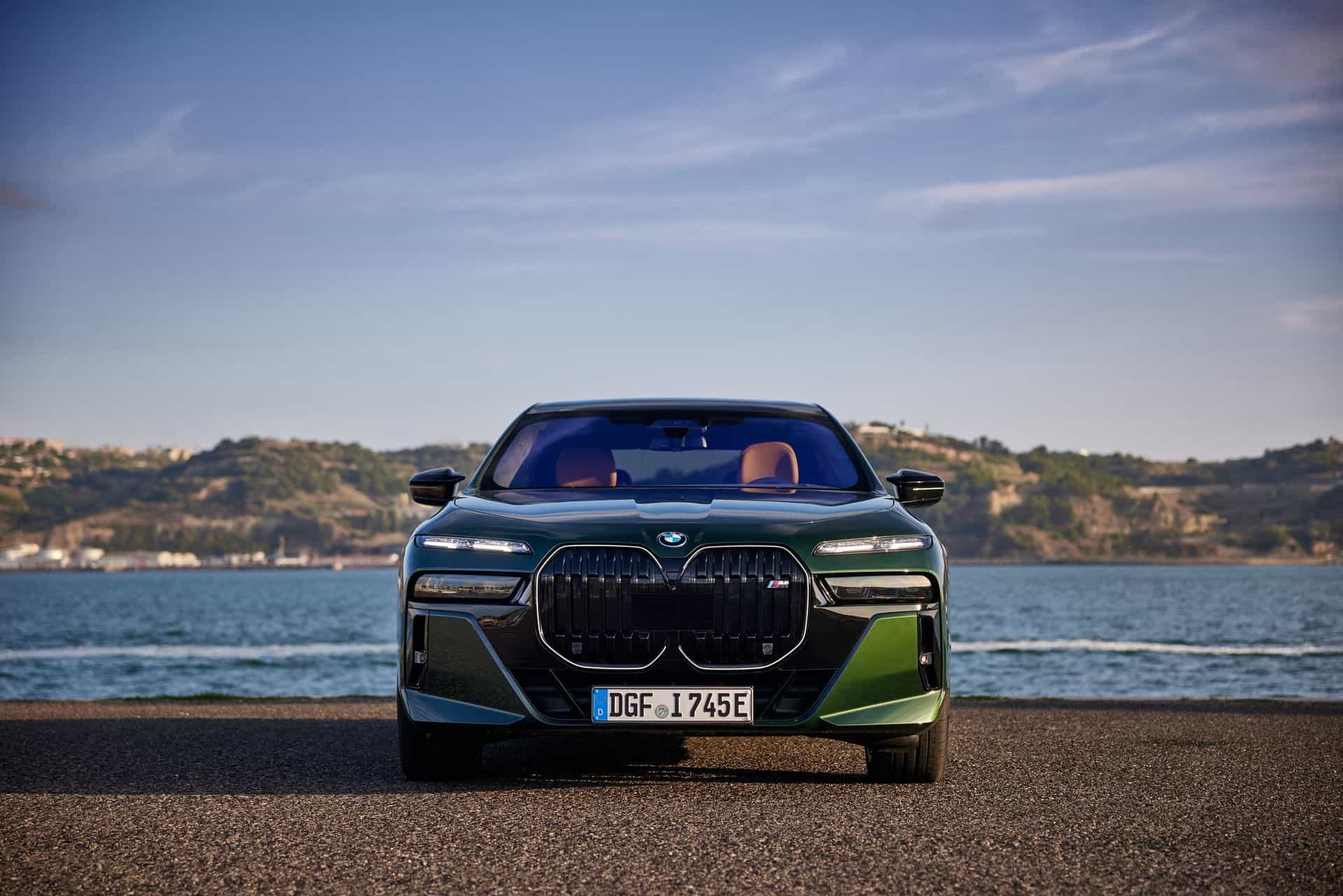
While there’s no sign of B47 or B48 units, the entry-level 7 Series certainly won’t set your pulse racing. Known as the 735, the base 7er is limited to a handful of markets outside Europe and North America. Expect to see it in certain Asian regions, where it will make do with a detuned version of the B58 engine. The turbocharged 3.0-liter inline-six features mild-hybrid tech and produces a combined 282 horsepower and 425 Newton-meters (313 pound-feet).
While those figures would be strong in a compact car, the 7 Series is a behemoth. As such, it won’t be breaking any Nürburgring records anytime soon. BMW quotes a 0-62 mph (100 km/h) sprint in 6.9 seconds, making it the slowest-accelerating version money can buy. Even the 740d xDrive is considerably quicker, completing the run in 5.7 seconds.

The 735 is one of only two rear-wheel-drive versions available in the facelifted lineup, the other being the 740. That model will also have limited availability, as it won’t be sold in Europe. Instead, BMW offers a 740 xDrive on the Old Continent, making it the first gasoline-only G70 there to be available exclusively with a gasoline engine.
Although it sits at the bottom of the range, the 735 is electronically capped at 155 mph (250 km/h), just like its more powerful siblings. Buyers in this segment may not prioritize fuel costs, but this base version aims to be impressively efficient. BMW claims a combined fuel consumption as low as 7.7 liters per 100 km in the WLTP cycle.

At the other end of the gasoline 7 Series lineup, a beefy V8 variant will arrive in 2027. Unlike the 760i it replaces, it’s headed to Europe. Logic tells us it’ll deliver well above the 394 horsepower of the 740 xDrive. With M Performance branding, output could even surpass the 536 hp produced by its predecessor. Expect a twin-turbo, 4.4-liter “S68” engine, possibly paired with mild-hybrid technology.
Just as four-cylinder engines aren’t making a comeback, the V12 is sadly gone for good. Its return in the upcoming BMW ALPINA 7 Series can also be ruled out. Consequently, buyers will have to step up to a Rolls-Royce to get the venerable “N74” engine. The twin-turbo 6.75-liter unit will be made Euro 7-compliant, ensuring it survives for years to come despite Europe’s increasingly strict emissions regulations.