

Article Summary
- The European Commission wants to keep its current CO₂ formula through 2029 for plug-in hybrids with at least 80 km of electric range.
- A study of roughly 920,000 plug-in hybrids found that their real-world CO₂ emissions averaged 3.5 to 4.6 times the official figures, depending on the registration year.
- Most of BMW's models currently make the cutoff, but tightening standards have already proven worrisome.
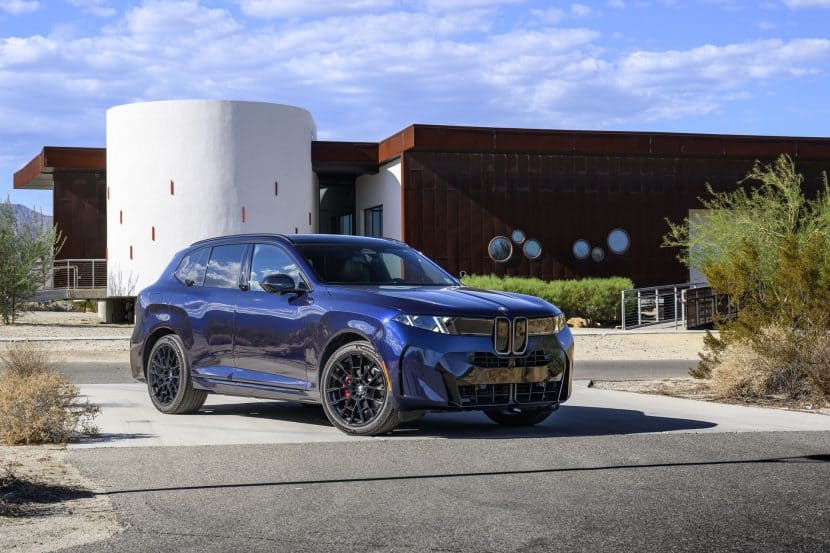
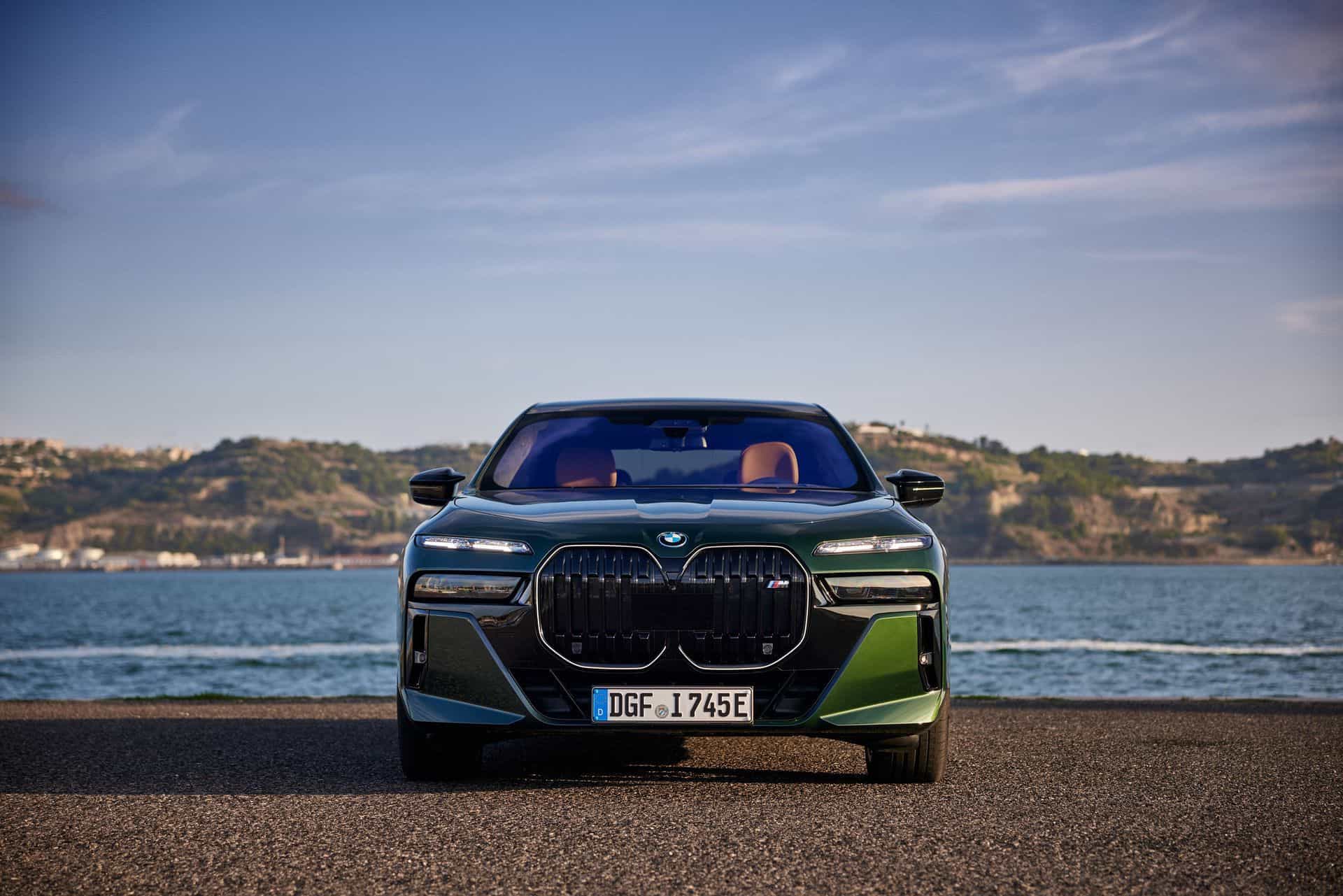
BMW’s new X5 arrived just in time for a change of heart in Brussels. The European Commission wants to give automakers until 2030 before it tightens the way Europe calculates CO₂ emissions for plug-in hybrids. As Reuters reports, the Commission wants to keep the 2025 rating formula through the end of 2029 for cars that manage 80 kilometers of electric range. The proposal still needs formal approval. If adopted, it would apply retroactively from November 29, 2026, the day the tougher calculation was due to take effect.
Range: More Than a Number

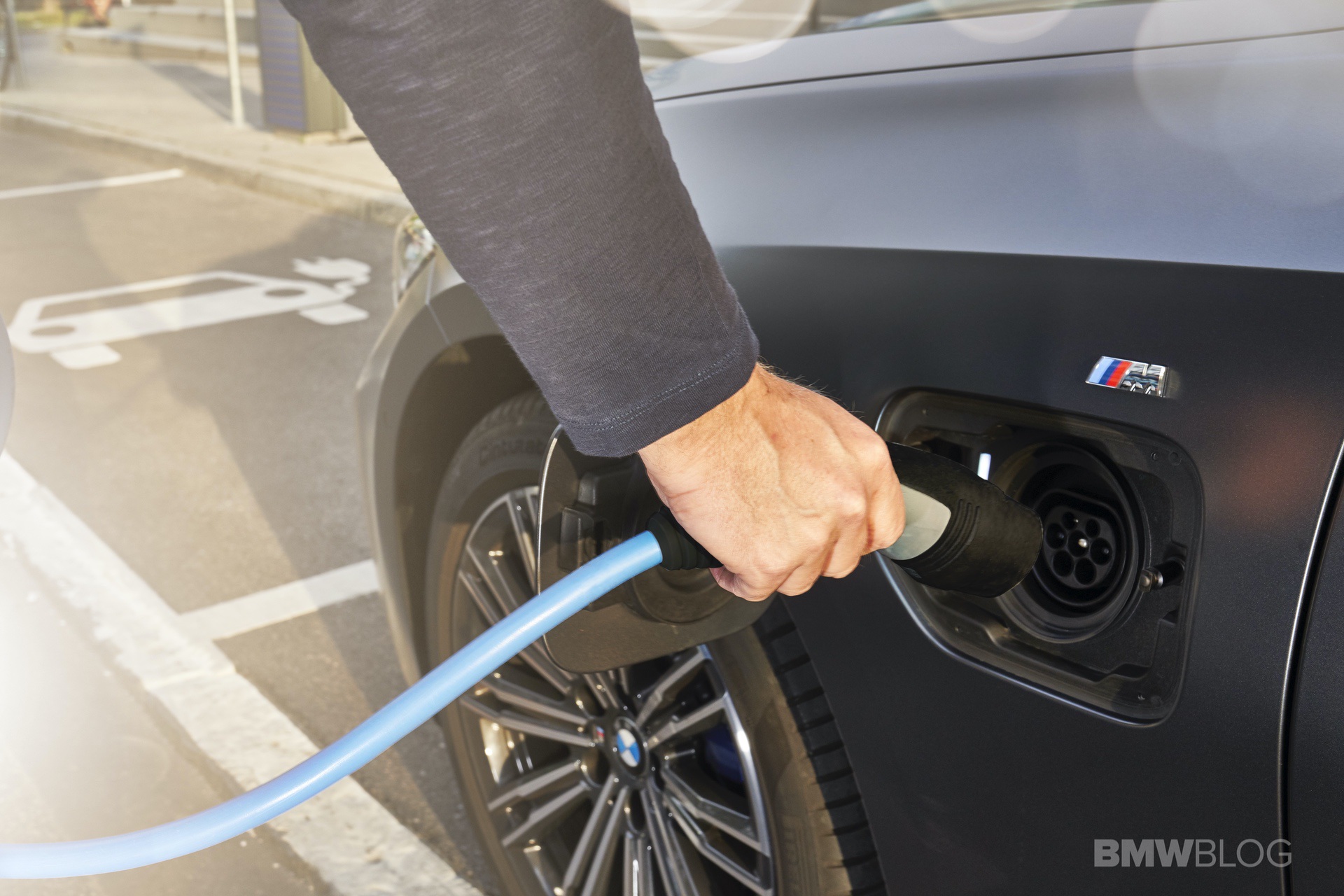
The tricky part about putting an emissions figure on a plug-in hybrid is figuring out what happens after the car leaves the showroom. Assigning one value to cover every possible driving style is hard work. A 530e owner who plugs in every night can cover a lot of ground before the gas engine fires up. Meanwhile, someone driving more aggressively could burn through the car’s electric range in no time at all. Europe’s official test accounts for that by estimating how much driving happens on electricity, called a “utility factor.” The problem is that owners charge less often than the formula assumes.
A September study from the International Council on Clean Transportation looked at onboard data from roughly 920,000 plug-in hybrids registered in Europe between 2021 and 2023. Depending on the registration year, the cars emitted an average of 3.5 to 4.6 times their official CO₂ figures. Delaying the adjustment would let BMW keep counting its longer-range hybrids toward its European fleet average with their current, potentially more generous figure. BMW finished 2025 at an estimated 90 grams per kilometer against a target of 92.9, so even a few grams matter across the fleet.
Which BMW Plug-In Hybrids Make the Cut?

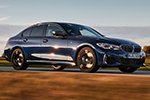
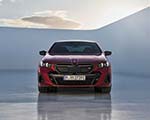
The EU claims utility factors will only be frozen for vehicles that cover “at least 80 kilometers.” In short: that’s most of them, so estimates for BMW’s vehicles should largely go unchanged through 2030. BMW Germany rates the new X5 50e xDrive at 93–106 km and the X5 M60e xDrive at 90–99 km on the combined WLTP cycle. Further down the lineup, the X3 30e xDrive starts at exactly 80 km. The 5 Series accounts for six versions on its own, and all clear 80 km as either a sedan or a Touring. The next-generation 3 Series plug-in doesn’t arrive until next year.
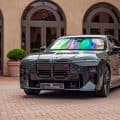
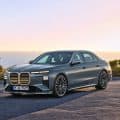
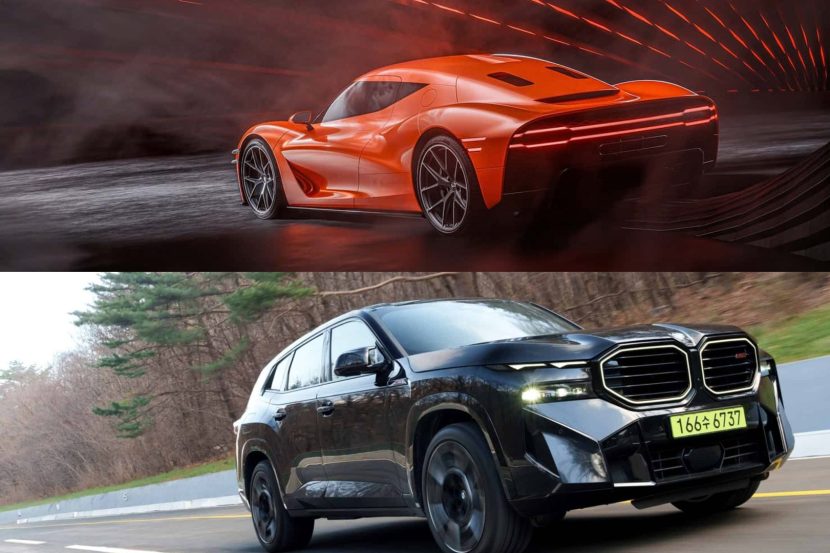
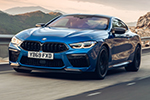
The xDrive25e and xDrive30e both span 76–83 km. The same goes for the 750e xDrive (79–88 km) and M760e xDrive (78–84 km). At BMW M, the six-cylinder XM 50e makes it across the board at 80–85 km. Even the “regular” XM sneaks in, managing between 77 and 83 km. Meanwhile, the G90 M5’s almost identical powertrain illustrates how different calculations get different results. It’s WLTP estimate is based on a newer, “weighted” average. It’s only rated for up to 69 km of range. Touring models manage just 66 km.
The M5’s weighted average shows just how big of a difference a revised utility factor makes. Take a plug-in hybrid that covers 100 km in charge-depleting mode. Europe’s original formula assumed it would spend about 90% of its driving distance in that mode. The 2025 revision cut that estimate to roughly 66%. The next adjustment would bring it down to about 44%, illustrating BMW’s stakes in the delay. Looks like the automaker has at least a few more years.