Article Summary
- The new BMW 3 Series has gained weight due to a heavier 48-volt mild-hybrid system, a panoramic glass roof, and additional structural reinforcements.
- The European-spec M350 xDrive weighs 1,860 kg (4,101 lbs), up 135 kg (298 lbs) compared to the previous M340i xDrive.
- The new 3 Series is heavier due to a combination of mild-hybrid tech, a panoramic glass roof, and stricter crash regulations.
The new 3 Series has gained weight compared to its predecessor, but the increase isn’t due to a single major change. We spoke with a BMW product manager, who explained that several factors contribute to the extra kilos, including a heavier mild-hybrid system, a panoramic glass roof, and additional structural reinforcements needed to meet stricter crash regulations.
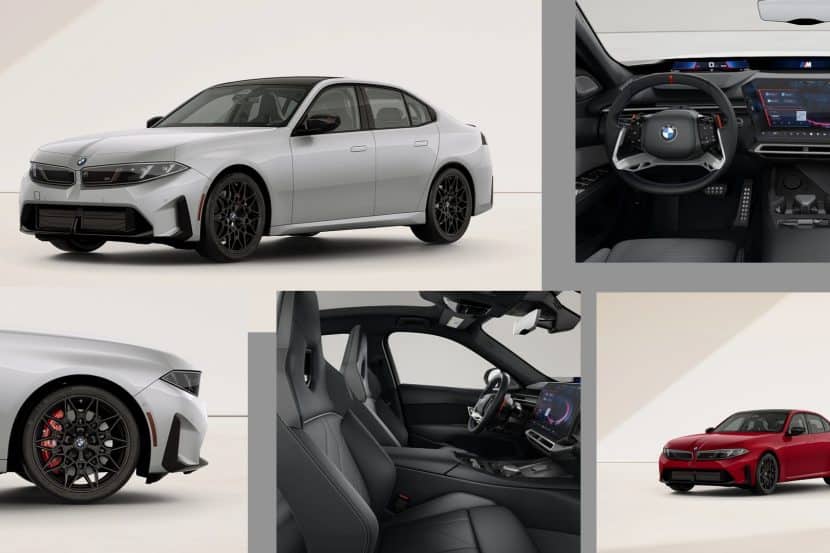
The eighth-generation 3 Series ditches diesel and retains conventional gasoline engines, but BMW has upgraded the powertrains with a new 48-volt setup. The system benefits both four- and six-cylinder engines by assisting acceleration and recovering energy during braking. However, the hardware also adds weight, more so than before.
The panoramic glass roof is another contributor. Although it brings more natural light into the cabin, the glass assembly weighs more than a conventional metal roof. Buyers can’t avoid this trade-off because the Skyroof is standard across the lineup. We should also mention it’s a one-piece panel, so no section slides open anymore.

It All Adds Up
Then there are stricter crash regulations. Automakers must continually adapt their vehicles to meet evolving safety requirements, and the G50 is no exception. Additional structural reinforcements help the new 3 Series meet those demands, but they inevitably add mass.
The G50 shows how incremental changes add up when an automaker develops a new generation of an established model. The new 3 Series has also grown, with the eighth generation slightly longer, wider, and taller than its predecessor.
BMW has also stretched the wheelbase, increasing the distance between the front and rear axles. While these dimensional changes can improve cabin space, stability, and overall proportions, they also make it harder to keep weight in check.
As for how much weight the 3 Series carries, the new M350 xDrive tips the scales at 1,860 kilograms (4,101 pounds) in European specification. That’s before you add the driver. Its predecessor, the M340i xDrive, weighed 1,725 kg (3,803 lbs), marking a significant increase of 135 kg (298 lbs) from one generation to the next. The gap is even wider when comparing the rear-wheel-drive 320i, which has gained 165 kg (364 lbs) with the generational switch.


The Plug-In Hybrid 3 Series Will Further Add Weight
The 3 Series will get even heavier next year when BMW adds a plug-in hybrid to the G50 lineup. Confirmed for 2027, the electrified model will replace the G20-based 330e, which uses a 19.5-kWh battery pack to deliver up to 63 miles (101 kilometers) of electric range under the WLTP cycle.
BMW hasn’t disclosed the new PHEV’s battery capacity or electric range yet, but improvements in battery technology should allow it to travel farther on electric power alone. The larger battery and additional electrification hardware will inevitably add weight, making the new 3 Series even heavier.
With a G51 Touring and, hopefully, a G88 M3 Touring expected later this decade, the 3 Series is about to get even heavier. However, that’s the way the cookie crumbles in today’s heavily regulated automotive industry.