Article Summary
- The new X5 and next-generation X7 will continue offering diesel engines well into the 2030s.
- BMW estimates the new X5 with a six-cylinder diesel can cover 1,200 kilometers (745 miles) on the highway before refueling.
- The smaller four-cylinder B47 engine continues to power a wide range of BMW models.
The diesel engine is suffering a spectacular downfall in Europe. In its heyday, the oil-burner accounted for a little over 50% of new-car sales on the continent. But a lot has changed since the mid-2010s, when diesel vehicles reigned supreme. The rise of hybrids and EVs has convinced people to move away from diesel in favor of greener alternatives. At the same time, stricter emissions regulations are forcing automakers to gradually phase out the once-popular engine type.
Today, diesels account for just 6.5% of new-car registrations in Europe through June, according to data published by the European Automobile Manufacturers’ Association (ACEA). While Europe has traditionally been the most important market for diesels, there’s a big world outside the old continent. Australians have historically favored diesels as well, especially in larger vehicles driven outside cities, where the diesel engine remains the undisputed efficiency king.
As things stand, there’s still scope for the diesel engine to carry on. BMW is planning to extend its lifespan for many years to come. In an interview with GoAuto, the company’s head of product and market planning for Australia said the B57 engine powering the X5 and X7 is not going anywhere. According to Brendan Michel, the 3.0-liter engine is projected to continue in the two large luxury SUVs “well into the next decade.”

Diesel Lives On In The X5, X7, And Likely The X6
The X5 just switched generations, going from G05 to G65. The X7 will do the same in 2027, transitioning from G07 to G67. Although it wasn’t mentioned during the interview, the next-generation X6 (G66), reportedly due in 2028, is also expected to feature the latest B57. In Europe, the engine has been reworked to meet Euro 7 regulations, resulting in a substantial power loss for the new X5 40d xDrive.
We haven’t forgotten about the smaller B47, a four-cylinder with a 2.0-liter displacement that remains available in compact-to-midsize cars. Through most of the previous decade, Munich also offered an even smaller three-cylinder, 1.5-liter diesel. The B37 powered the smallest BMWs and several MINI models. The remaining diesel engines aren’t exclusive to SUVs, as they’re also available in other body styles. For example, next year’s 5 Series LCI should offer the B47 and B57 in both the sedan and wagon. Facelifted this year, the 740d continues.


The Diesel Engine Is The Efficiency Champion On The Highway
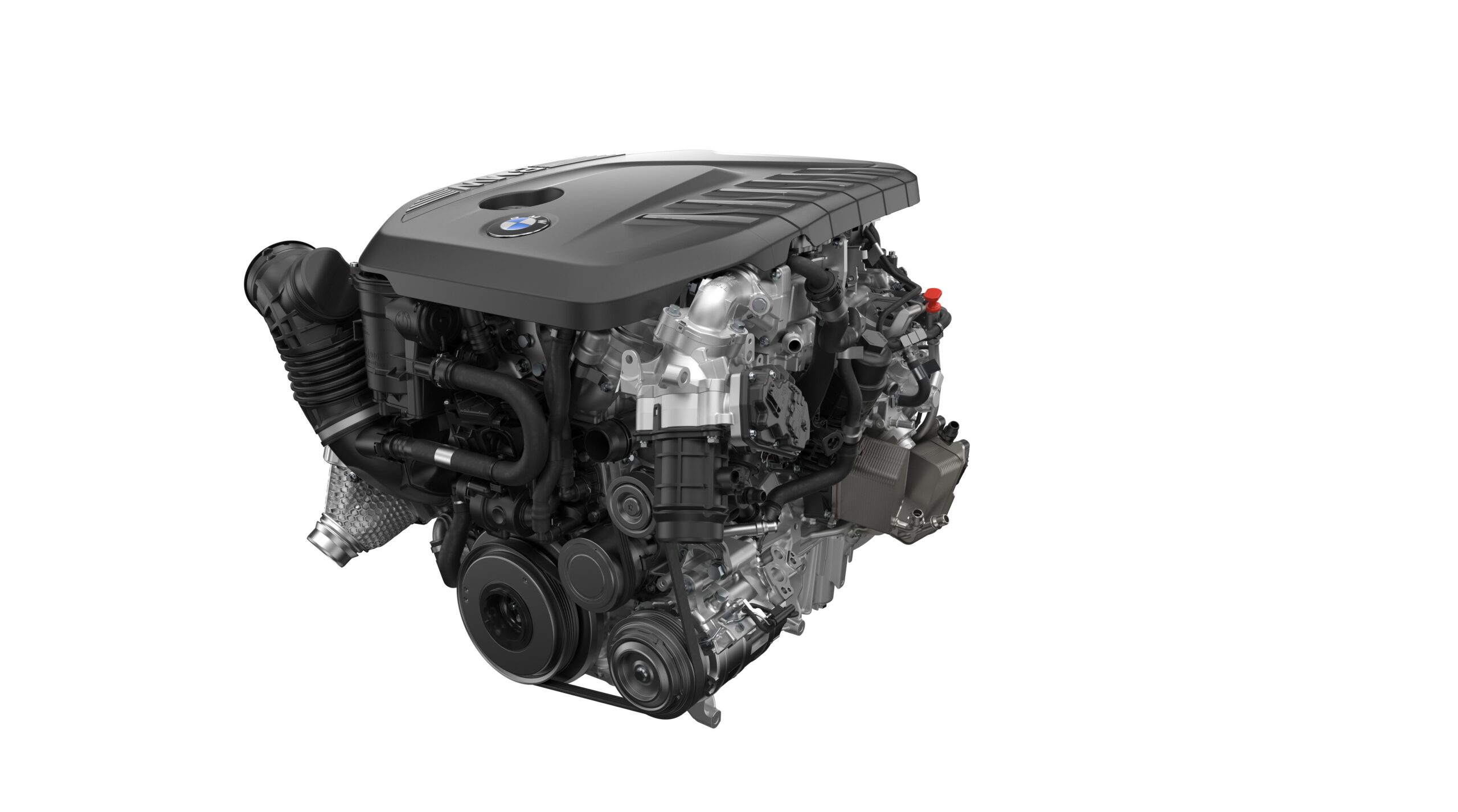
As for why the B57 is sticking around, it all boils down to its ability to crunch miles outside the urban jungle. According to Michel, an X5 with the inline-six running on what is colloquially known as devil’s fuel can cover 1,200 kilometers (745 miles) on the highway. He emphasized that’s far more than any EV to date, including the new iX3 and iX5. The electric SUVs are rated at 805 kilometers (500 miles) and 845 kilometers (525 miles), respectively. However, those figures come from the combined WLTP cycle. Drive the iX3 or iX5 exclusively on the highway, and the real-world range will likely be significantly shorter.
The B47 also remains a solid choice for those who rack up highway miles. Similarly, there are no signs pointing toward its retirement yet. BMW has been all about the “Power of Choice” for many years, and while diesel is the most vulnerable powertrain to extinction, it still has plenty of life left. Judging by what mainstream automakers are doing, there’s a good chance diesel will disappear from smaller cars first before eventually getting the axe in heavier, more expensive models.
Source: GoAuto | Photos: Samuel Zaťko / Instagram