Article Summary
- The BMW i4, i5, i7, and iX all retain significantly less value after five years than comparable gas-powered BMWs.
- The i7 performs worst, retaining just 26.4% of its value, compared with 38.2% for the gas-powered 7 Series.
- Heavy depreciation hurts new EV buyers but creates compelling used deals on models like the BMW i4 M50 and iX.
BMW’s EVs are getting better, faster, and easier to live with. But according to iSeeCars’ 2026 resale value data, the used market still doesn’t view them as favorably as their gas-powered counterparts. Across the board, BMW’s electric models retain noticeably less value after five years than the closest gas model in the lineup. Some of that comes down to EV-specific concerns: battery age, charging speed, range expectations, and an ever-improving technology. Some of it is simply luxury-car depreciation doing what luxury-car depreciation does. Here’s how BMW EVs really depreciate over five years when compared to their gas-powered counterparts.
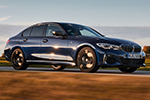
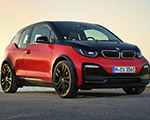
BMW 4 Series vs. BMW i4

The BMW 4 Series retains 49.5% of its value after five years, while the BMW i4 retains just 35.5%. The i4 should have a few things working in its favor. It shares a lot conceptually with the 4 Series Gran Coupe, giving buyers a relatively familiar shape and cabin experience. But the resale data suggests familiarity only goes so far when an electric powertrain is involved. Gas engines still make buyers more comfortable, apparently. The i4, meanwhile, must contend with the usual EV questions: range degradation, charging habits, battery health, and newer models that may offer more range or faster charging. But, if anything, the low value retention makes the i4 arguably one of the best EV buys on the secondhand market. Especially if you consider the excellent i4 M50.
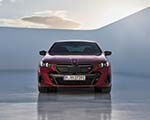
BMW 5 Series vs. BMW i5
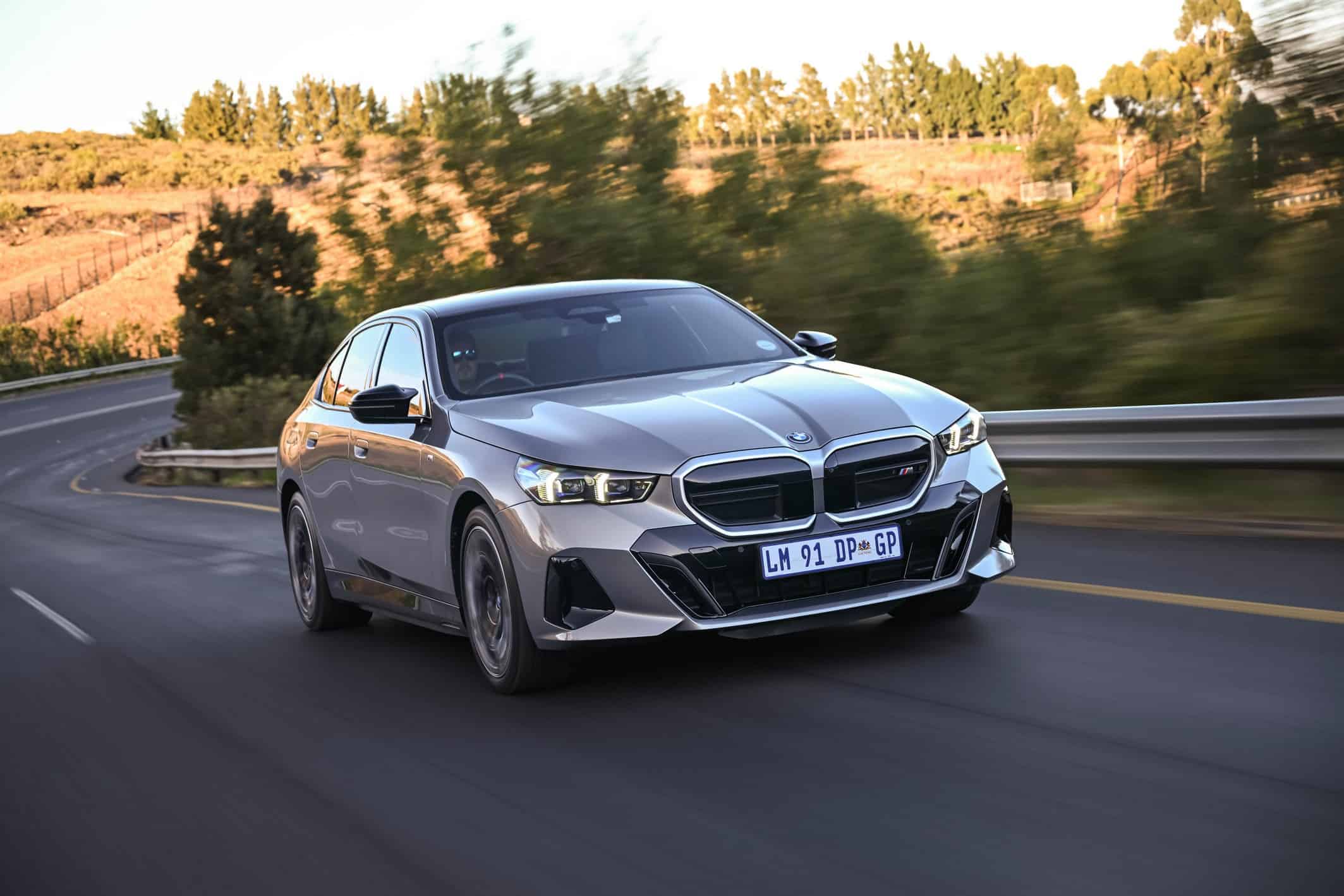
The 5 Series retains 44.1% of its value after five years, while the i5 retains just 30.0%. That gives the gas-powered 5 Series a 14.1-point advantage, which is nearly identical to the gap between gas and electric 4 Series models. Noticing a trend here? It’s arguably more notable in the 5 Series’ case since even the gas model isn’t exactly a resale-value home run. Anyway, it’s a tale as old as time (and one we’ll see illustrated even more clearly in our next entry): larger luxury sedans depreciate the heaviest. The 5 Series and its EV counterpart are no exception. The i5 has the tougher job. It combines big-sedan depreciation with EV depreciation. Buyers evaluating a used i5 are considering range, charging infrastructure, battery age, and whether newer EVs will make the car feel dated more quickly. That is a lot for any buyer to process.
BMW 7 Series vs. BMW i7

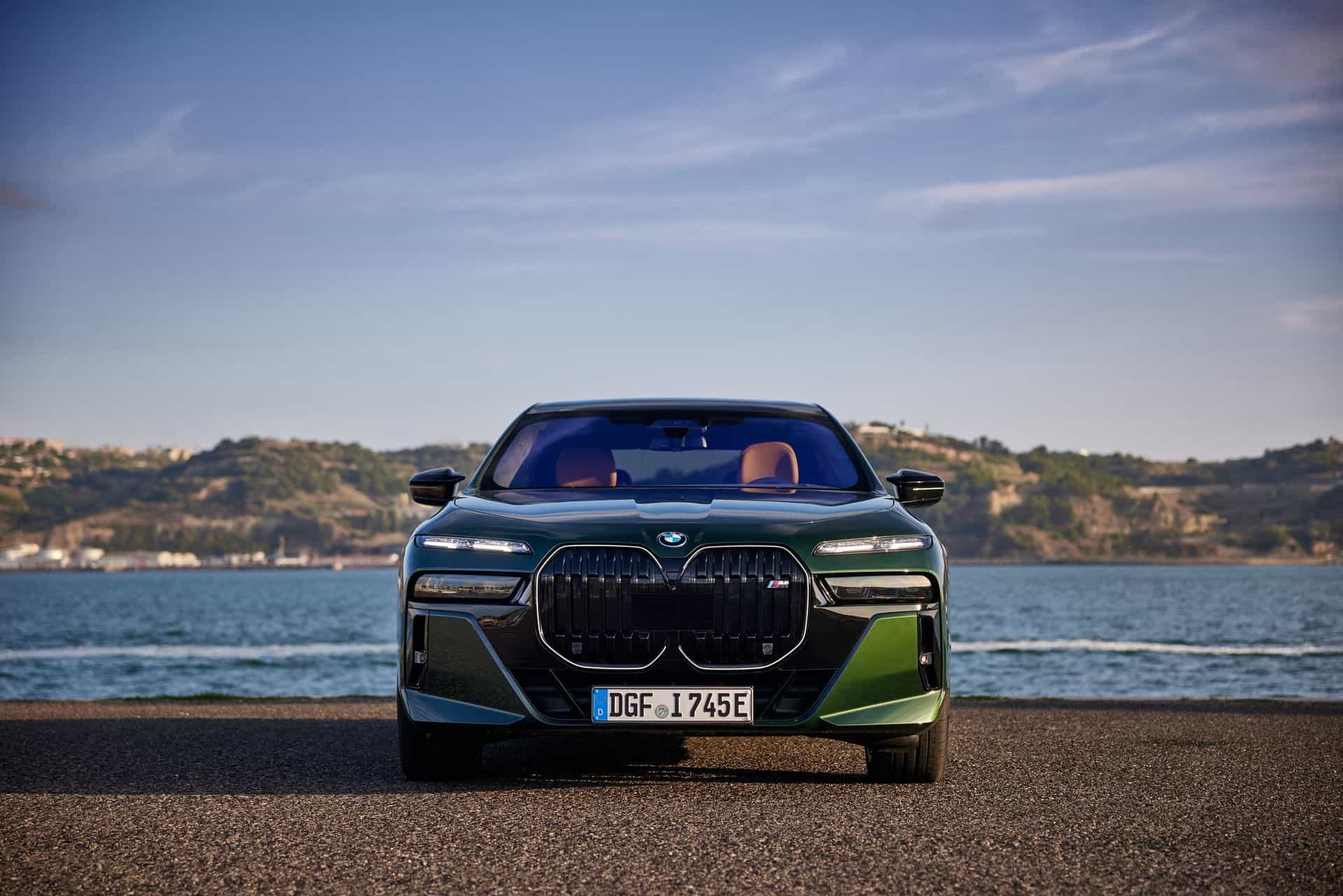
As we saw with the 5 Series, larger sedans have a rough go when it comes to deprecation. Maybe it won’t surprise you, then, that the gas 7 Series retains just 38.2% of its value after five years. The i7 keeps only 26.4%. In fact, the BMW i7 was the BMW that held the least value over five years according to iSeeCars’ data set. Big luxury sedans depreciate hard because they are expensive new, loaded with technology, and often bought by customers who want the newest flagship experience. Five years later, that same technology can look expensive, complicated, or outdated. The gas 7 Series is already fighting that battle. Factor in the electric powertrain — still a niche, albeit a growing one — and the going gets even rougher. The BMW 7 Series facelift earlier this year could make older models depreciate even harder in the coming years.
BMW iX vs. BMW X5 and X7

The BMW iX doesn’t have a direct Series counterpart, unfortunately. However, it sits close enough to the X5 that we think a comparison has some merit. We’ll include the larger X7 for reference, too. The BMW iX retains 31.4% of its value after five years. The gas-powered X5 retains 46.9%, while the X7 retains 44.4%. That means the iX trails the X5 by 15.5 points and the larger, more expensive X7 by 13 points. This basically mirrors what we see across Series comparisons; so, ultimately, no big surprises here. The iX has plenty of strengths; after all, there’s a reason BMW plans to produce the Neue Klasse EVs alongside the older SUV, at least through 2027. It is quick, quiet, comfortable, efficient, and technically impressive. But its polarizing design, high original price, and EV-specific depreciation pressures all work against it on a larger scale.
The pattern is impossible to miss: BMW’s gas-powered models hold value significantly better than their closest EV counterparts in 2026. Probably not a tremendous surprise, but it’s worth following up, as these values have meaningfully moved since last year’s comparison between EV and gas models. For example: the i7 retains roughly 3% more value this year than before; the iX, 2% more. It’s an interesting anecdote and perhaps nothing more, but it could be the start of a broader trend. We’ll have to see what next year brings!
Data from iSeeCars