Article Summary
- The BMW M2 is the strongest resale performer in BMW’s entire lineup, retaining 67.8% of its value after five years.
- BMW coupes and convertibles generally outperform comparable sedans, with the M4 Coupe, 2 Series Coupe, Z4, and 4 Series Coupe ranking high.
- Larger and electrified BMW cars struggle most, with the i5, i7, 7 Series Plug-in Hybrid, and i4 showing some of the steepest depreciation.
BMW’s reputation in the U.S. arguably began with its novel take on what a sedan could be. Fast forward so many years later, and SUVs dominate headlines and sales figures. But BMW still has a flourishing portfolio of sedans, coupes, and convertibles to choose from. It’s a wide range, too, spanning sub-compacts to six-figure executive sedans and everything in between. As a result, resale values cover a similarly wide range.
We consulted iSeeCars’ 2026 resale data for an idea of just how substantial the gap has become. Some models, especially smaller coupes and M cars, remain surprisingly strong after five years. Others, namely larger sedans and electrified variants, take a much harder hit. Here, we break the data down by nameplate to see how each BMW sedan, coupe, convertible, and roadster holds its value in 2026.
BMW 2 Series

The 2 Series is one of BMW’s strongest resale performers, and the numbers make it easy to see why. The 2 Series Coupe retains 63.6% of its value after five years, putting it near the very top of BMW’s entire lineup. The older 2 Series Convertible also does well at 55.7%, which is impressive for a model that hasn’t been on sale for quite a while. The 2 Series Gran Coupe’s depreciation curve, like its powertrain and aesthetics, shares little with the coupe bearing the same name. It retained just 51.7% of its value.
The M2 is the real star, though. It retains 67.8% of its value after five years, making it the best-performing BMW in iSeeCars’ entire 2026 ranking. No surprise, when you consider the M2 is the most affordable M car and arguably the most faithful to the badge’s initial intent.
BMW 3 Series

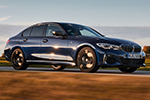
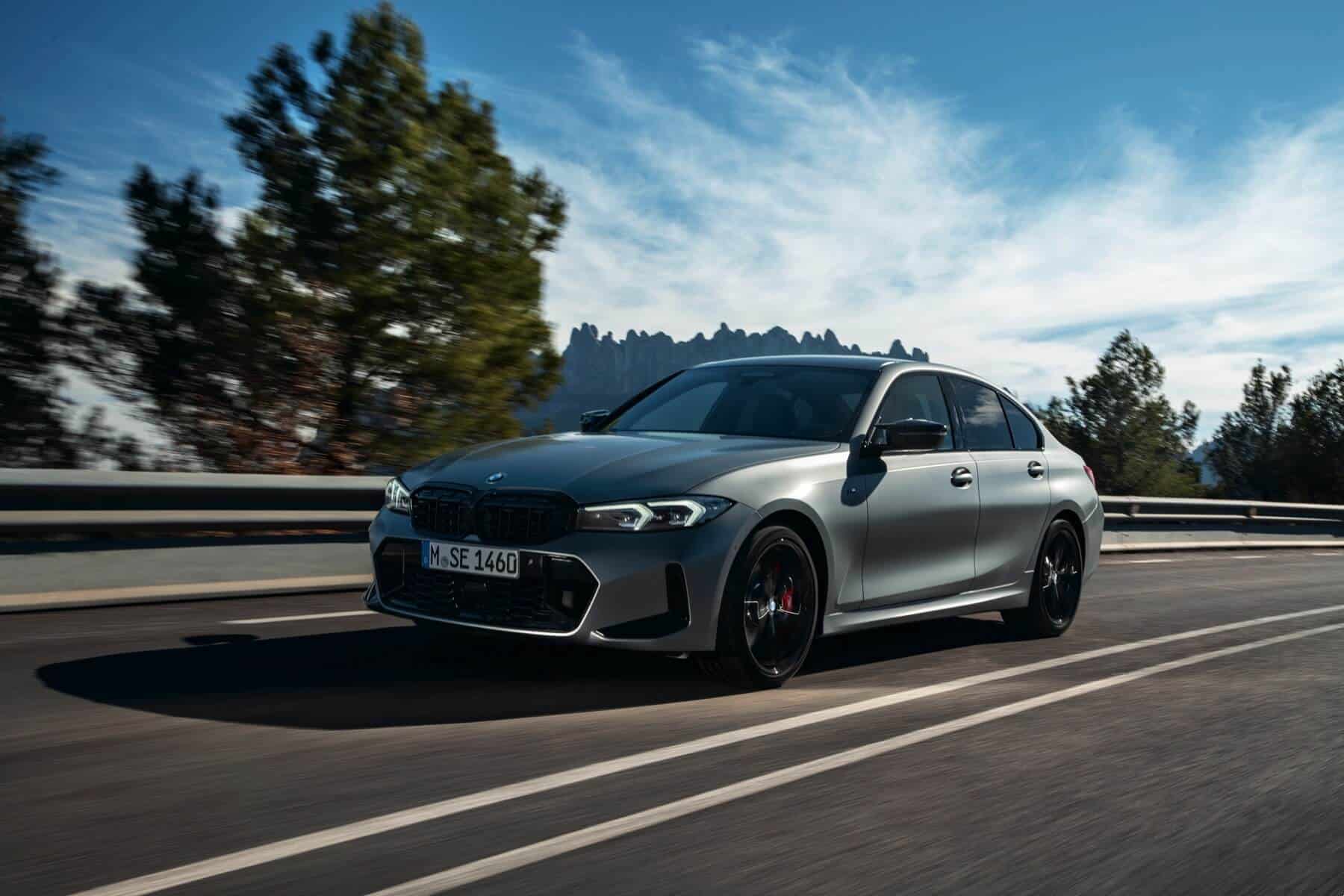
The 3 Series holds up reasonably well, retaining 53.2% of its value after five years. That’s solid for a mainstream luxury sedan. It remains BMW’s benchmark car for a reason: practical, familiar, comfortable, and still genuinely fun in the right configuration. Used buyers know what a 3 Series is, and that helps keep demand steady. Even if there’s no real shortage on the supply side.
The M3 is close behind at 52.5%. That may seem surprising given the M3’s importance to BMW M, especially when the M4 Coupe sits much higher. But the M3 is also the more broadly useful car, and that can make it feel a little less specialized in resale-value terms. The 3 Series Plug-in Hybrid trails both at 49.9%, which is not disastrous, but it does suggest used buyers remain more cautious around electrified luxury sedans. The hardware may be useful, but complexity and battery-related concerns still weigh on secondhand values.
BMW 4 Series
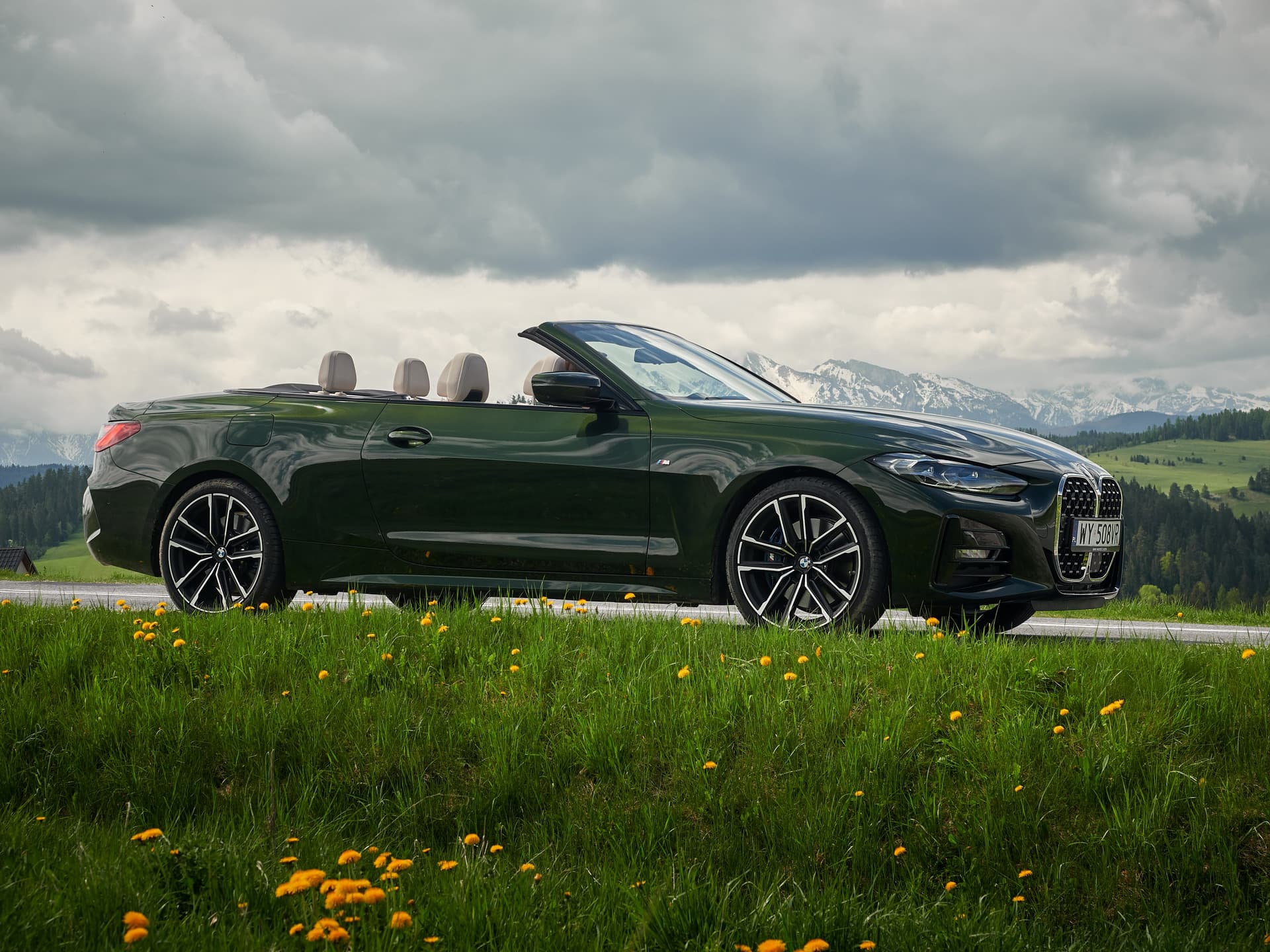
The 4 Series family is one of the clearest examples of body style affecting resale value. The 4 Series Coupe retains 59.8% of its value after five years, far better than the four-door 4 Series Gran Coupe at 49.5%. The 4 Series Convertible also performs well at 54.3%. The electric i4 fared worse, retaining a paltry 35.5% of its value over five years. Apparently, buyers are willing to pay more for the more emotional versions of the 4 Series formula.
The M4 strengthens that point. The M4 Coupe retains 64.5% of its value after five years, making it the second-best BMW overall in the iSeeCars ranking. It also sits well ahead of the M3, despite sharing much of the same hardware. The coupe is less practical, but more specific, and used buyers who shop for a used M4 know exactly what they want. The M4 Convertible also holds up well at 55.2%, proving that open-top performance still has meaningful appeal when attached to a proper M car.
BMW Z4

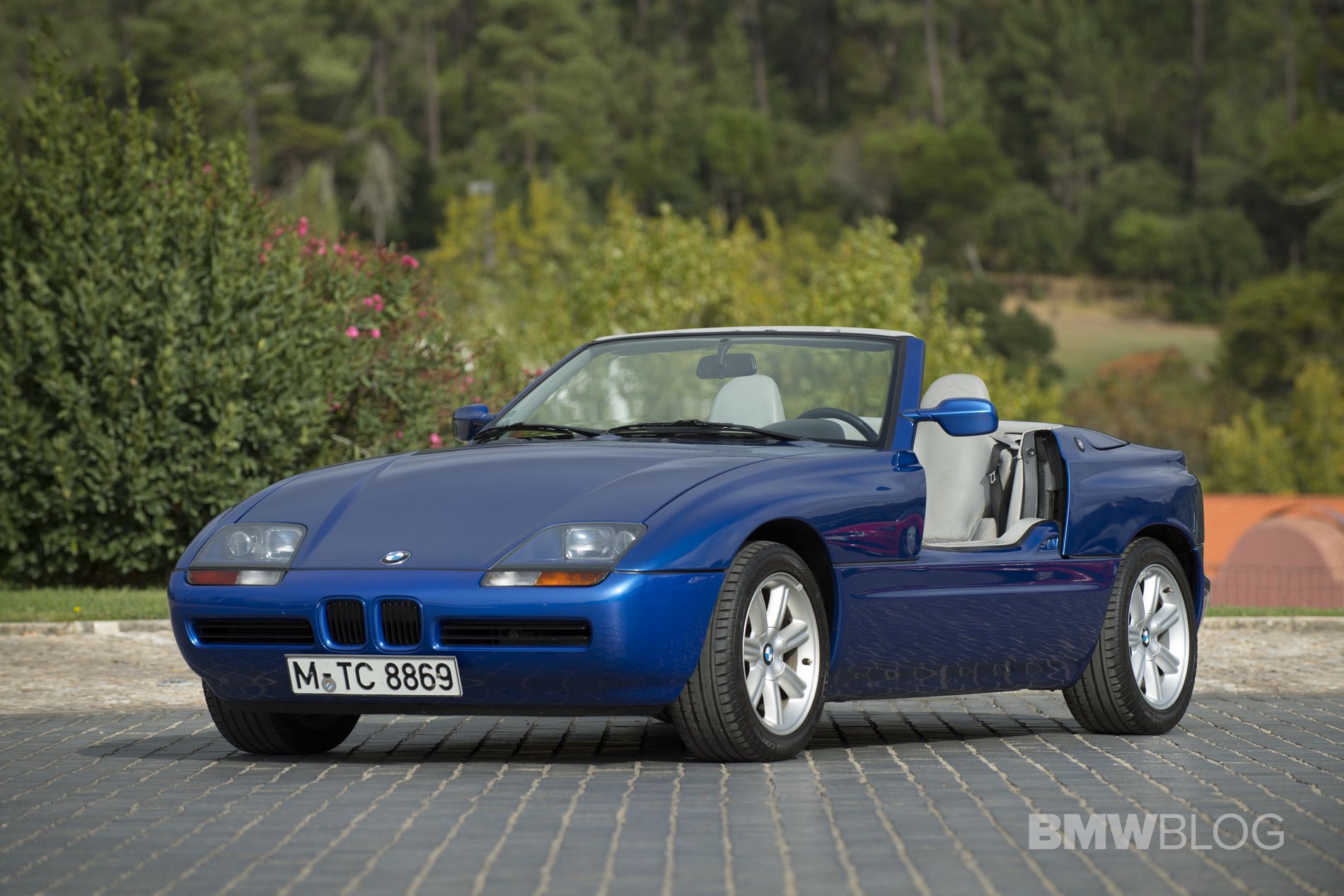
The BMW Z4 retains 56.5% of its value after five years, which is strong for a two-seat roadster in a market dominated by SUVs. Like the M4, though, the Z4 benefits from being immediately recognizable in intent and purpose. It’s a fun and fast drop-top; no family-friendly facades here. The Z4’s position may only get more interesting as time goes on. Small luxury roadsters are becoming rare, and BMW is no longer flooding the market with them. The Z4 M40i, especially with the manual transmission, is indeed a rare treat in today’s marketplace. It’s unlikely the segment will see meaningful expansion any time soon, which means Z4 stock is always going up.
BMW 5 Series
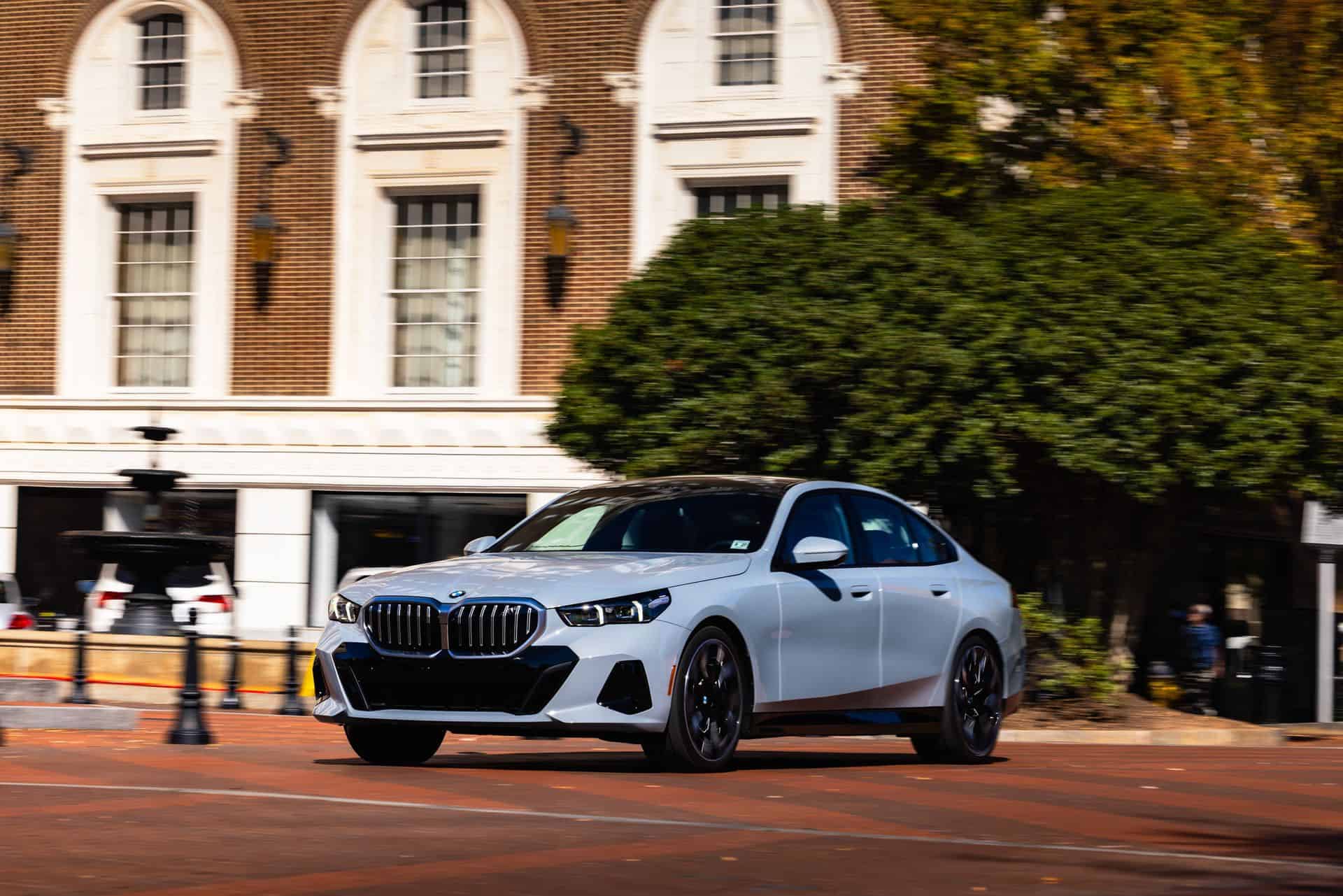
The 5 Series does not fare nearly as well as BMW’s smaller cars. The regular 5 Series retains 44.1% of its value after five years, while the 5 Series Plug-in Hybrid falls to 40.8%. The i5 performs even worse at 30.0%, showing how hard the used market can be on large, expensive EV sedans. The 5 Series is expensive new, often heavily optioned, and aimed at buyers who tend to want the newest technology and latest design. Once it becomes a used luxury sedan, the market gets more cautious. Add electrification, especially full EV hardware, and resale becomes more and more difficult.
The M5 does better at 47.7%, but even that is not especially strong compared with BMW’s smaller M cars. Interestingly, iSeeCars lists the M5 Touring at 51.1%, while the M5 sedan is much lower at 44.4%. It’s not too surprising to me; firsthand experience during my M5 Touring review illustrated clearly that the Touring is the one you really want.
BMW 7 Series

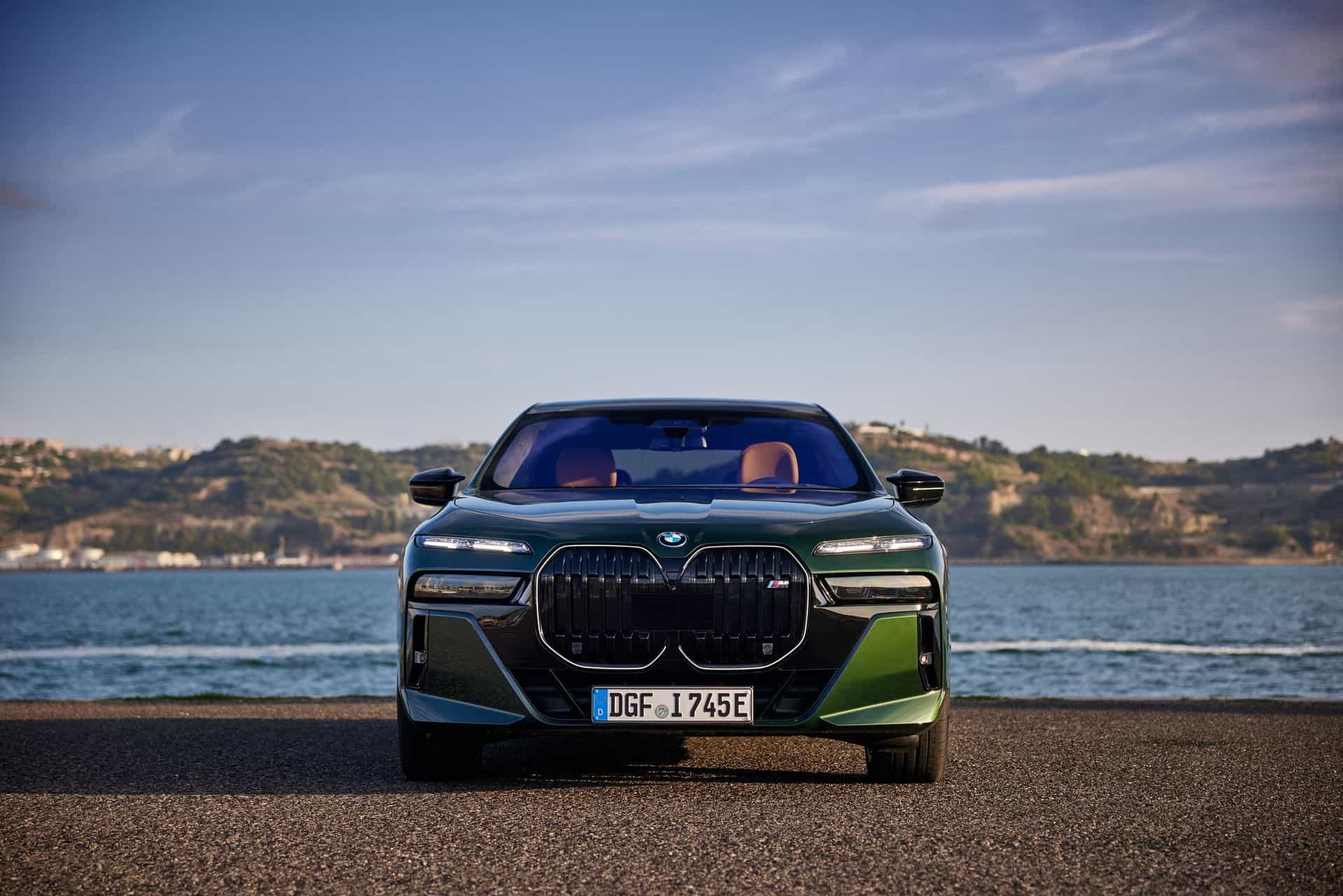
The 7 Series is exactly where you would expect a big luxury sedan to be: near the bottom. The regular 7 Series retains 38.2% of its value after five years, while the 7 Series Plug-in Hybrid is even lower at 34.9%. The i7 is weaker still, retaining just 26.4% of its value after five years. That makes it the lowest-ranking BMW in iSeeCars’ 2026 resale data.
Large luxury sedans depreciate hard because they are expensive new, packed with complicated technology, and often bought by customers who want the newest version. Once they hit the used market, the same features that made them impressive when new can start to look expensive, dated, or risky. The i7 faces that same problem with the added pressure of EV depreciation. For secondhand buyers, any 7 Series can become a bargain. For original owners, it is one of the toughest hurdles.
BMW 8 Series
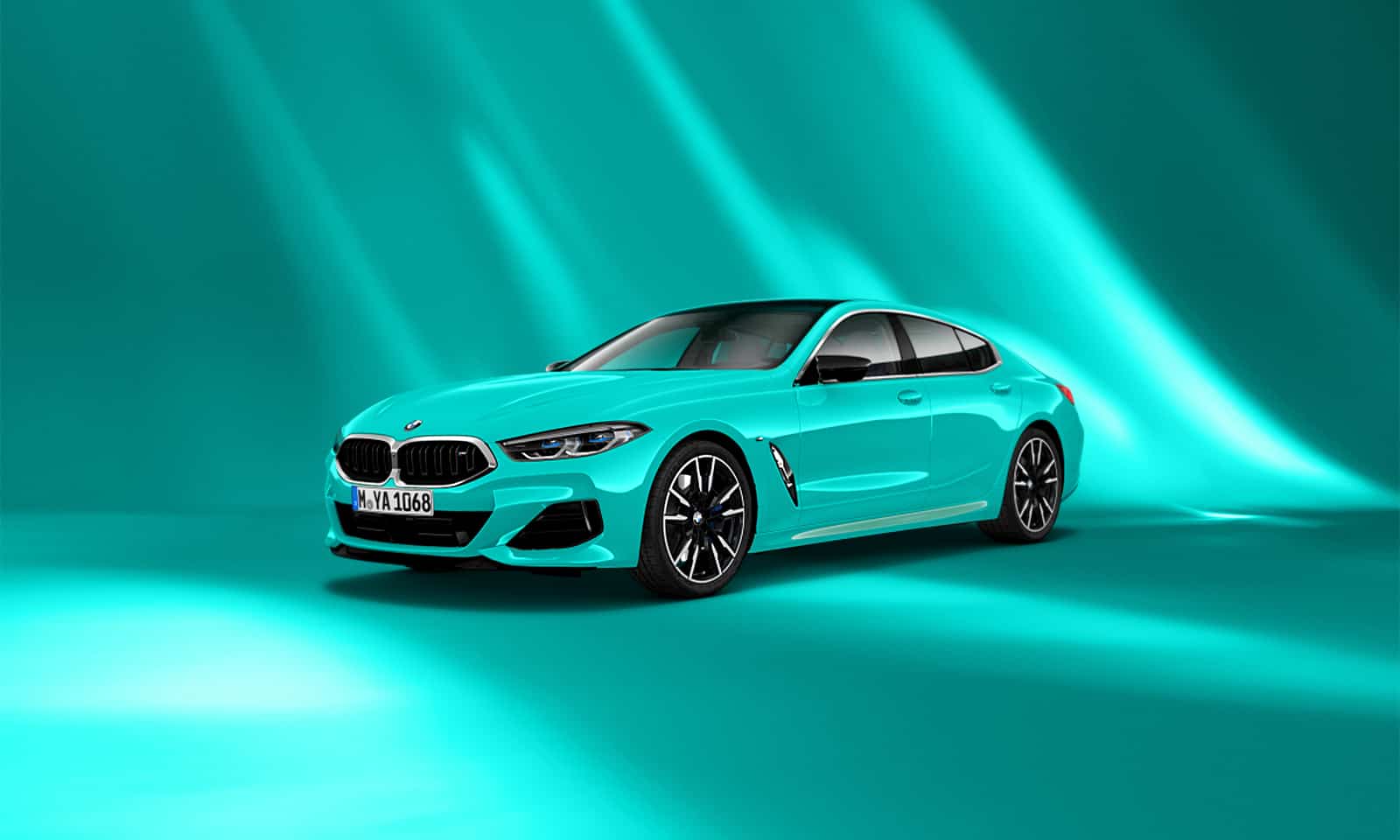
The 8 Series is a mixed bag, and the body-style breakdown matters. The 8 Series Coupe retains 52.5% of its value after five years, which is surprisingly strong for a high-priced luxury coupe. The 8 Series Convertible is close behind at 51.0%. The four-door 8 Series drops to 44.3%, showing how quickly values can soften once you move away from the more desirable body styles.
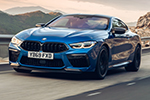
The M8 follows a similar pattern. The M8 Coupe performs best at 52.6%, just edging the regular 8 Series Coupe and the M3. The M8 Convertible retains 50.3%, while the M8 Gran Coupe listing sits at 45.6%. The M8 Coupe has a clear identity: big V8 grand tourer with huge performance and a lot of presence. The less specific the configuration is, the harder it becomes to hold value.
SUVs claimed the sales throne long ago, but sedans, coupes, and convertibles aren’t out to pasture just yet. In fact, BMW’s Q2 2026 sales proved that there’s definitely still a place for these more traditional body styles. While SUVs took the lion’s share of sales, the smaller vehicles still made up nearly 40% of BMW’s total sales. Whether you were one of nearly 40,000 U.S. shoppers that picked up a BMW coupe, convertible, or sedan last quarter or are still considering a purchase, taking resale values into account is a good call. Overall, the numbers show that sticking to cars with the clearest purpose is a safe bet. The best news? Apparently, you can’t go wrong with the full-on M model.
Source: iSeeCars