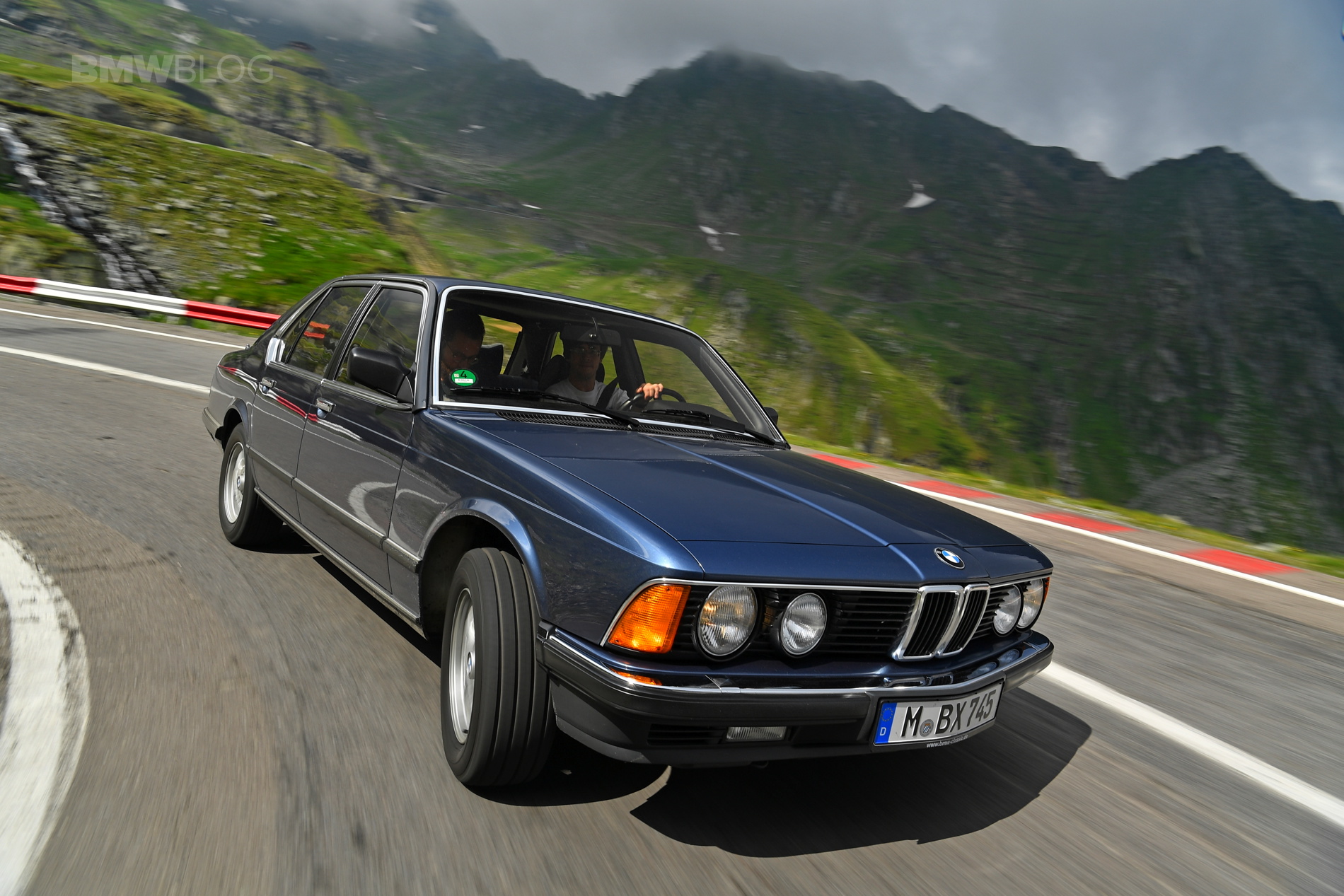
Forty years ago, BMW introduced a car that redefined what the brand’s flagship could be. Launched in 1986, the E32 7 Series marked a turning point for BMW, blending traditional driver-focused engineering with new levels of luxury, technology, and performance. Four decades later, the E32 stands as one of the most important sedans in the company’s history. More importantly, it was one of the clearest signals that BMW was ready to dominate even the very top of the luxury market.
The E32 BMW 7 Series Debut and Design
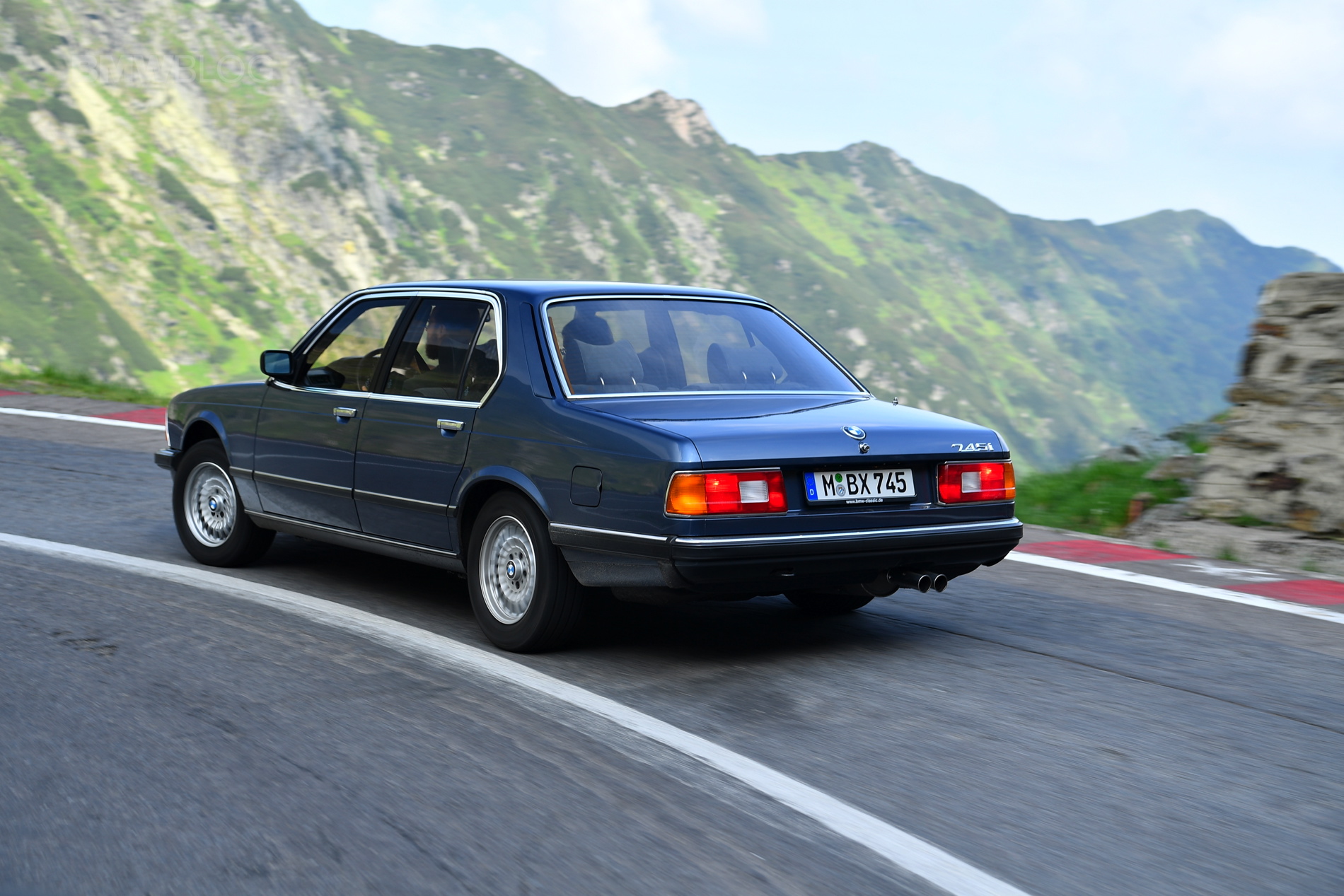
Replacing the E23, the E32 arrived at a time when BMW was rapidly expanding its identity. The brand had already proven it could build world-class sports sedans. But the new 7 Series launched with the clear intention of putting BMW at pole position in the full-size luxury segment. Clean, angular styling defined the car, which was engineered from the onset to accept a V12 engine — more on that later. The E32 BMW 7 Series links to some even more intriguing vehicles by way of its designer, Ercole Spada. The man previously penned the exotic Aston Martin DB4 GT Zagato and had a hand in the wild Ford GT70; he’d follow up the E32 with the E34 BMW 5 Series. The E32 was penned by both Spada and Hans Kerschbaum under the guidance of Claus Luthe.
But design was only part of E32 BMW 7 Series’ allure. Under the skin, the E32 pushed the brand forward in several ways. It was the first BMW to offer a V12 engine in the modern era, with the 750i and 750iL introducing the M70 engine. At the time, a German V12 sedan was an extraordinary statement, putting BMW in direct competition with the most prestigious luxury cars in the world. V12s were only the icing on the cake, though. The E32 also pioneered BMW’s modern V8; the M60 V8 debuted as BMW’s first V8 engine since the 1960s. The E32 also introduced technology that would become standard for the segment across the industry. Features like double-pane glass and projector (and later, in 1991, HID) headlamps appeared first on the E32. It was the first BMW available with traction control, and also offered a range of amenities ranging from a fax machine to a drink cooler and more.
The E32’s Legacy
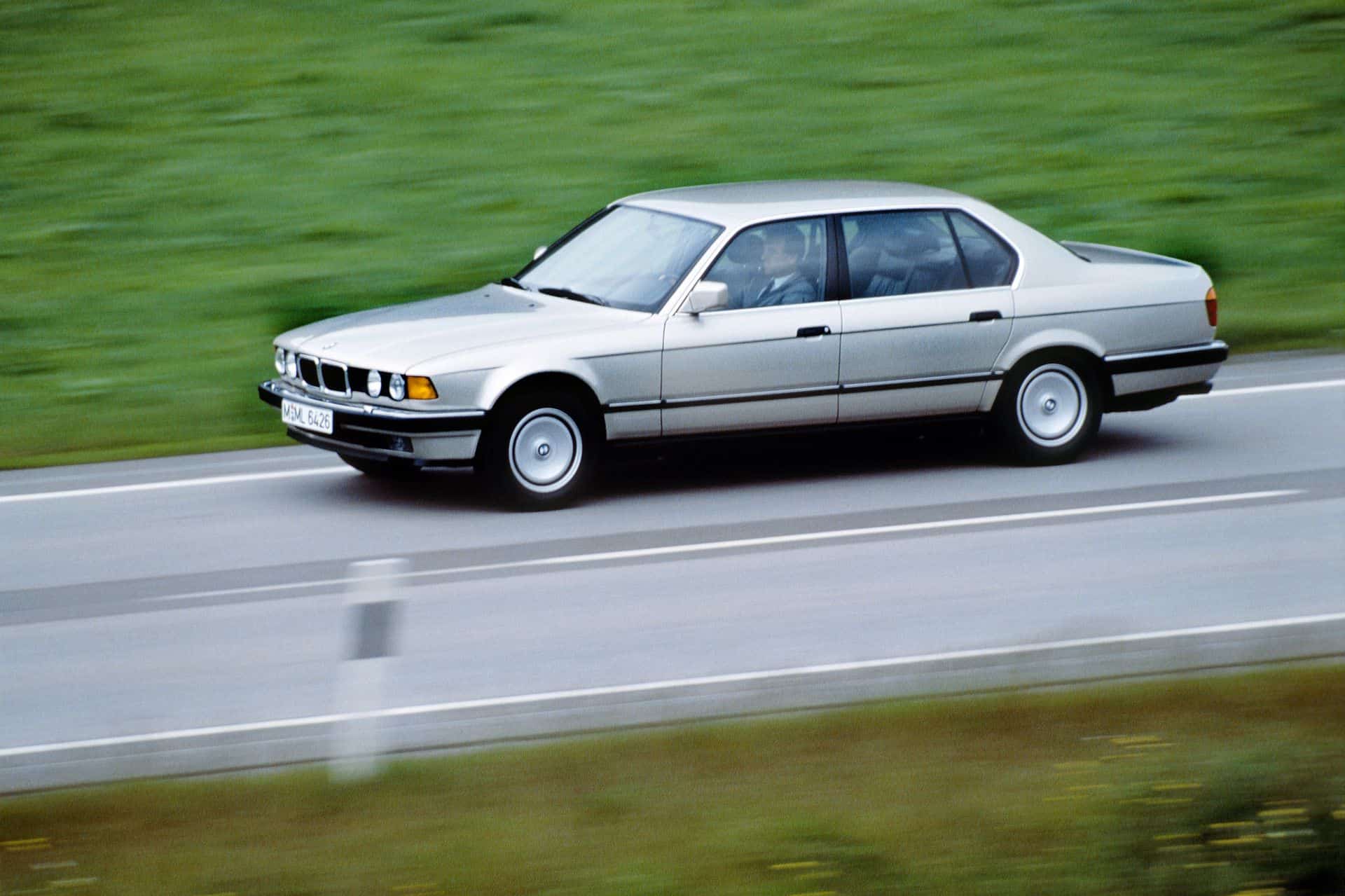
In period, critics liked the E32. Praise primarily came for its handling and stability, areas bigger sedans often struggled with. Today, the E32 occupies an interesting place in BMW history. It isn’t as universally celebrated as the E38 7 Series that followed. However, it laid much of the groundwork that made later 7 Series models so successful. More importantly, it showed that BMW could grow into a true luxury brand without abandoning the driving dynamics philosophy that built its reputation.
Buying an E32 7 Series to drive today is a mixed bag. Both V8 and V12 models can be brutal to upkeep — especially long wheelbase cars that touted a hydraulic SLS (self-leveling suspension) system. Converting to a standard spring setup is usually cheaper but still might be daunting for less committed DIYers. All variants can fall prey to missing pixels in the dash, failing Servotronic steering, and HVAC failures. However, as far as “vintage” BMWs go, the E32 remains relatively affordable. Even rare, unique, and well-kept examples top out around $30,000.
Of course, since the E32 is still a less agile car (intentionally, of course), drivers often overlook the car in favor of some of its smaller contemporaries. But that’s a bit of a shame. For one, its V12 is an inextricable part of BMW history at this point. BMW acknowledged as much with the rare “Final V12” 7 Series back in 2022. And even forty years on, the E32 remains a solid balance of comfort and performance. It’s a reminder of a moment when BMW’s ambitions got bigger. The cars did too, but that’s simply the price of progress, it seems.