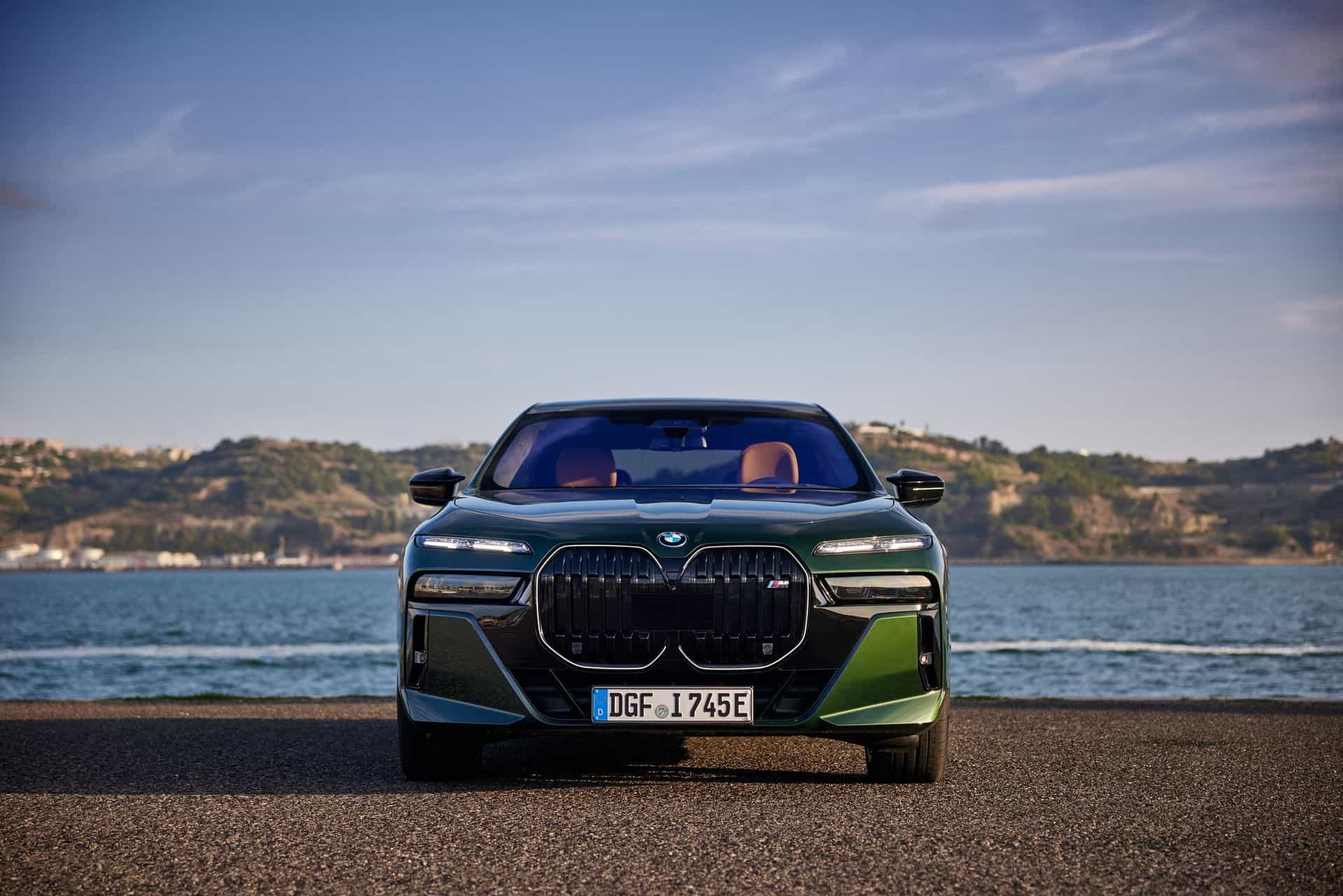
BMW’s slow but inevitable transition toward the North American Charging Standard (NACS) is picking up speed in the United States. We already learned the 2026 BMW i5 M60 would be BMW’s first U.S. model to ship with a native NACS port, but some sources state that the Life Cycle Impulse versions of the BMW i7 and BMW i5 will also adopt the port when they arrive in America. For owners, this isn’t just a cosmetic hardware change. It fundamentally alters where the cars can charge and how usable they become on long trips.
The short version is simple enough: NACS means access to Tesla’s Supercharger network. And for anyone who has spent time bouncing between third-party CCS fast chargers in the United States, the benefits are obvious. BMW quietly acknowledged as much when it rolled out Supercharger integration via adapters earlier this month, giving existing BMW EVs access to more than 25,000 Superchargers across 2,000 stations. That system will continue for older vehicles, but the new port removes a layer of complexity and brings BMW fully into the North American charging mainstream.

The facelifted i7 and i5 is rumored to follow the same playbook as the i5 M60: a physical NACS inlet replacing the traditional CCS combo socket. Therefore, we also expect the same software integration in the My BMW app and the vehicle’s native charging interface. It means plug in, walk away, and let the car handle authentication and billing through Plug & Charge.
There’s also a broader product strategy here. BMW has already confirmed that all Neue Klasse models for North America, including the upcoming iX3, will be NACS-native. Those vehicles were engineered with a clean-sheet electrical architecture and seem destined to live entirely within a NACS-first ecosystem. By giving the updated i5 and i7 the same port, BMW avoids the awkward two-standard limbo for new cars.
NACS vs CCS
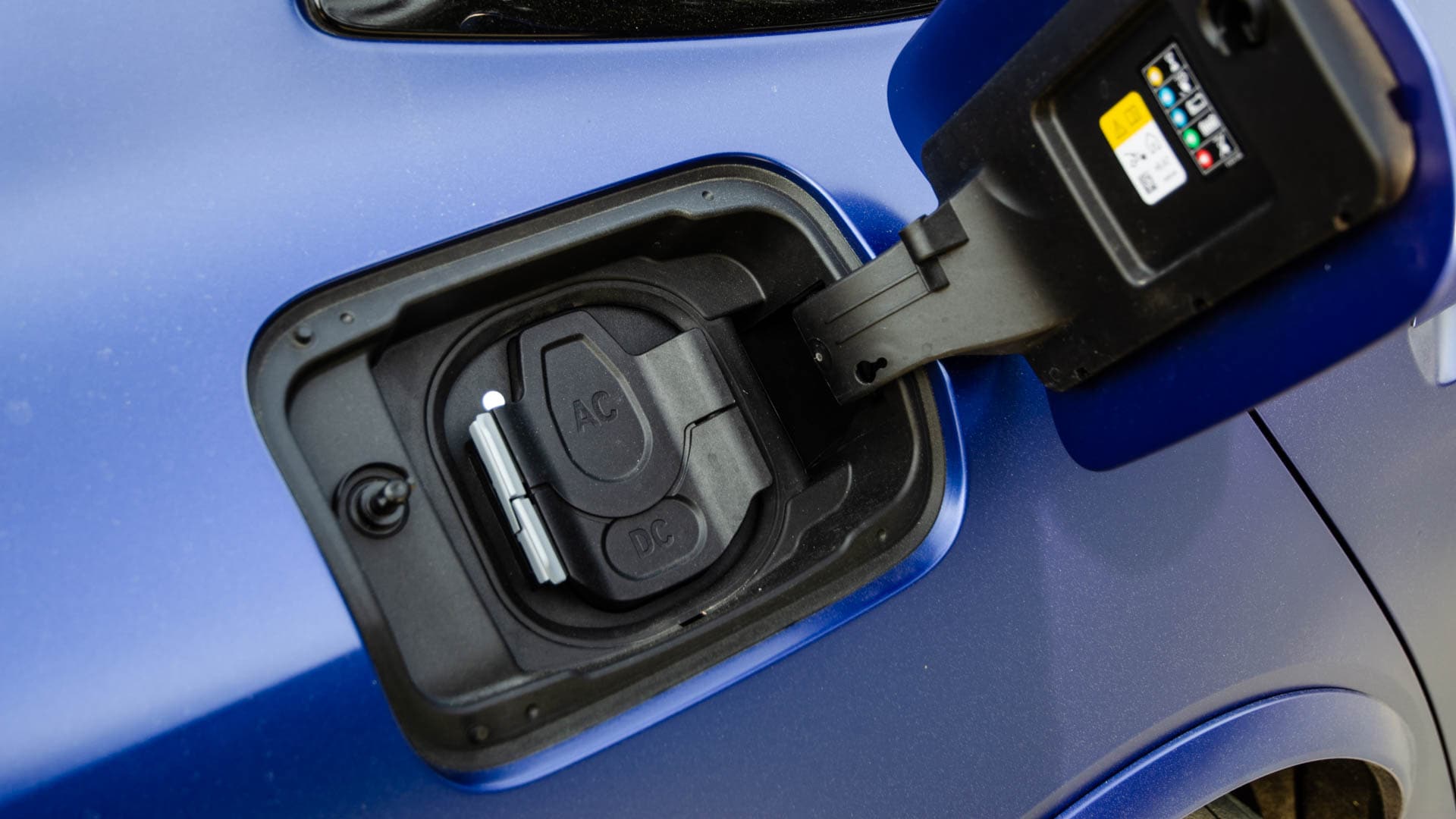
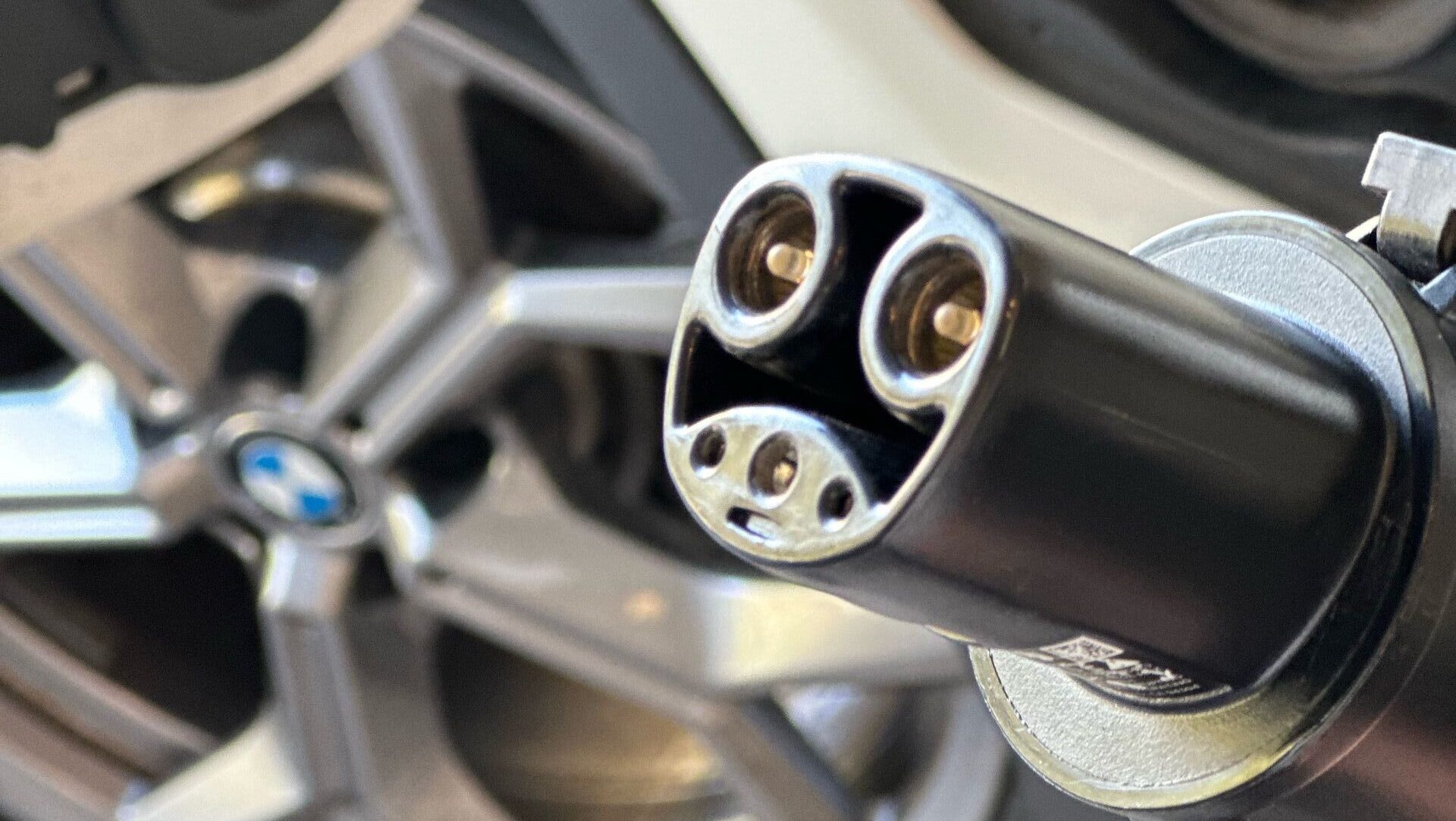
The technical differences between NACS and CCS help explain why the industry is sliding toward the Tesla-developed connector. NACS is physically smaller, lighter, and easier to handle, especially in cold weather when CCS plugs can feel like frozen garden hoses. It also integrates AC and DC charging into a single compact form factor rather than the oversized dual-section CCS inlet. Despite the smaller size, NACS supports the high power levels modern EVs expect. Tesla’s own V3 and upcoming V4 Superchargers routinely deliver charging speeds that fit comfortably within the window most BMW EVs can accept, and the communication protocol is fully compatible with ISO 15118-functionality like Plug & Charge.
CCS still has theoretical advantages on paper. Some CCS stations advertise peak outputs above 300 kW, and the open standard nature of CCS means multiple charging networks can innovate independently. But the reality on American roads is less glamorous. Tesla’s network remains denser, more reliable, and more predictable, particularly for cross-country travel. Access sells cars. BMW knows this, and the LCI updates simply align the hardware with real-world usage patterns.