Tesla debuted the Supercharger network of electric vehicle charging stations nearly 15 years ago — back in 2012. Although then regional to California, things have come a long way since then. Now, you can find Superchargers across North America and even in Europe and China. After years of wishing and hoping, BMW announced in 2023 that Supercharger access was coming to the Bavarian brand. That said: it’s a slow moving train, and the brand already pressed pause once nearly a year after the initial announcement came. But just today, BMW USA uploaded a video to its YouTube channel showcasing Supercharger access and, in the process, revealing a specific NACS adapter and giving more insight into when exactly Supercharger/NACS access arrives for some models.
NACS Adapter Recommendation and Charging Compatibility
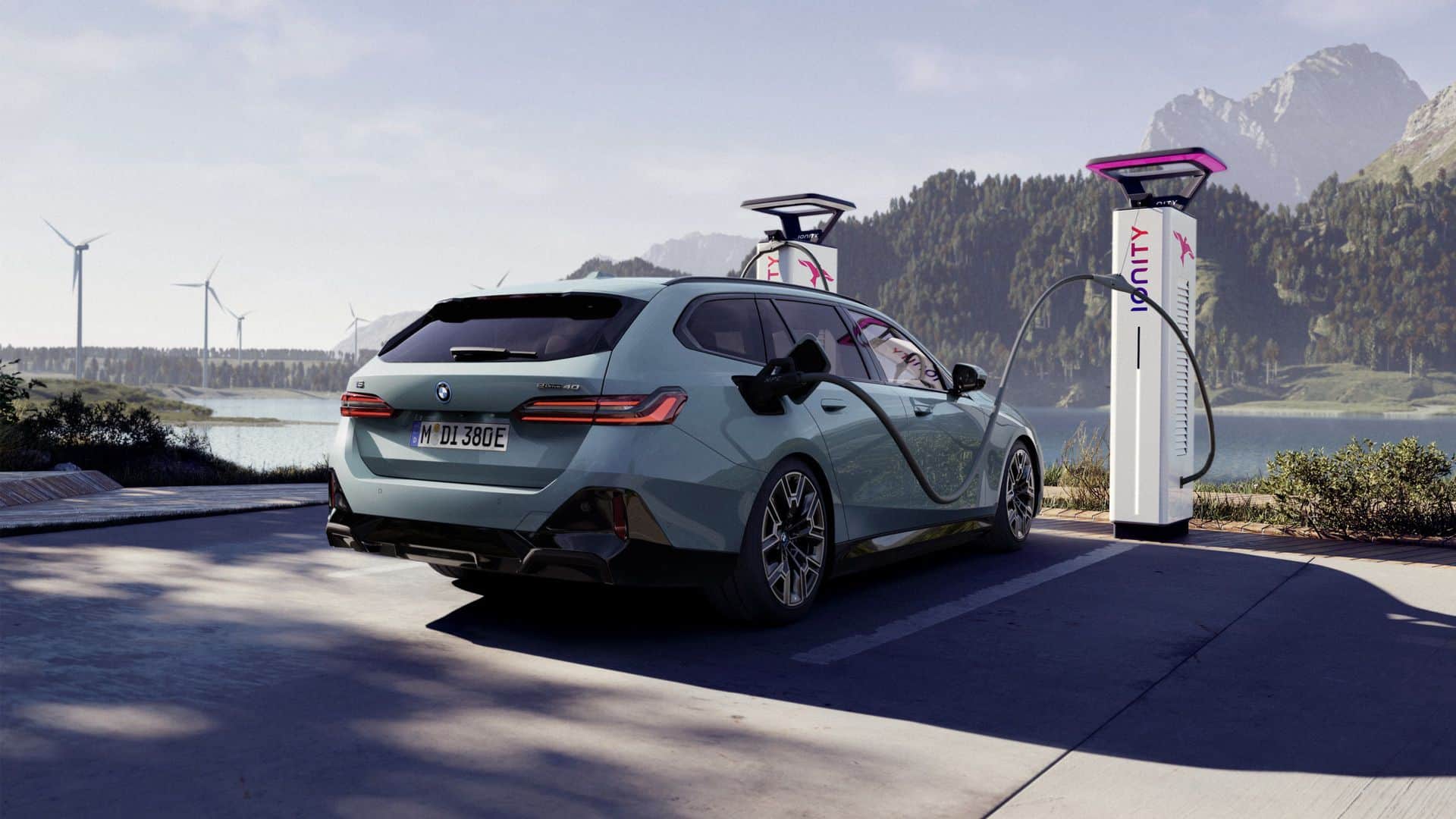
Before we get to a quick recap of the video, there are two important data points to cover. For one, the description links to a Lectron adapter. The NACS to CCS adapter for sale there costs $175 and touts that it is “engineered with BMW-grade precision.” It’s the most “official” endorsement of an adapter we’ve seen from the automaker so far. Secondly, the Lectron BMW landing page also highlights when Supercharger compatibility should arrive on some models. Both the 2026 BMW iX and 2026 BMW i5 xDrive40/eDrive40 are listed as models that will gain access “after receiving a Remote Software Upgrade in Spring 2026.” Doing a little bit of digging, though, reveals that some iXs and i4s have already begun to receive software update 11/2025.30 in the last few days. Which seems to be the requisite software for true Supercharger support.
Supercharging Your BMW EV: A How-To
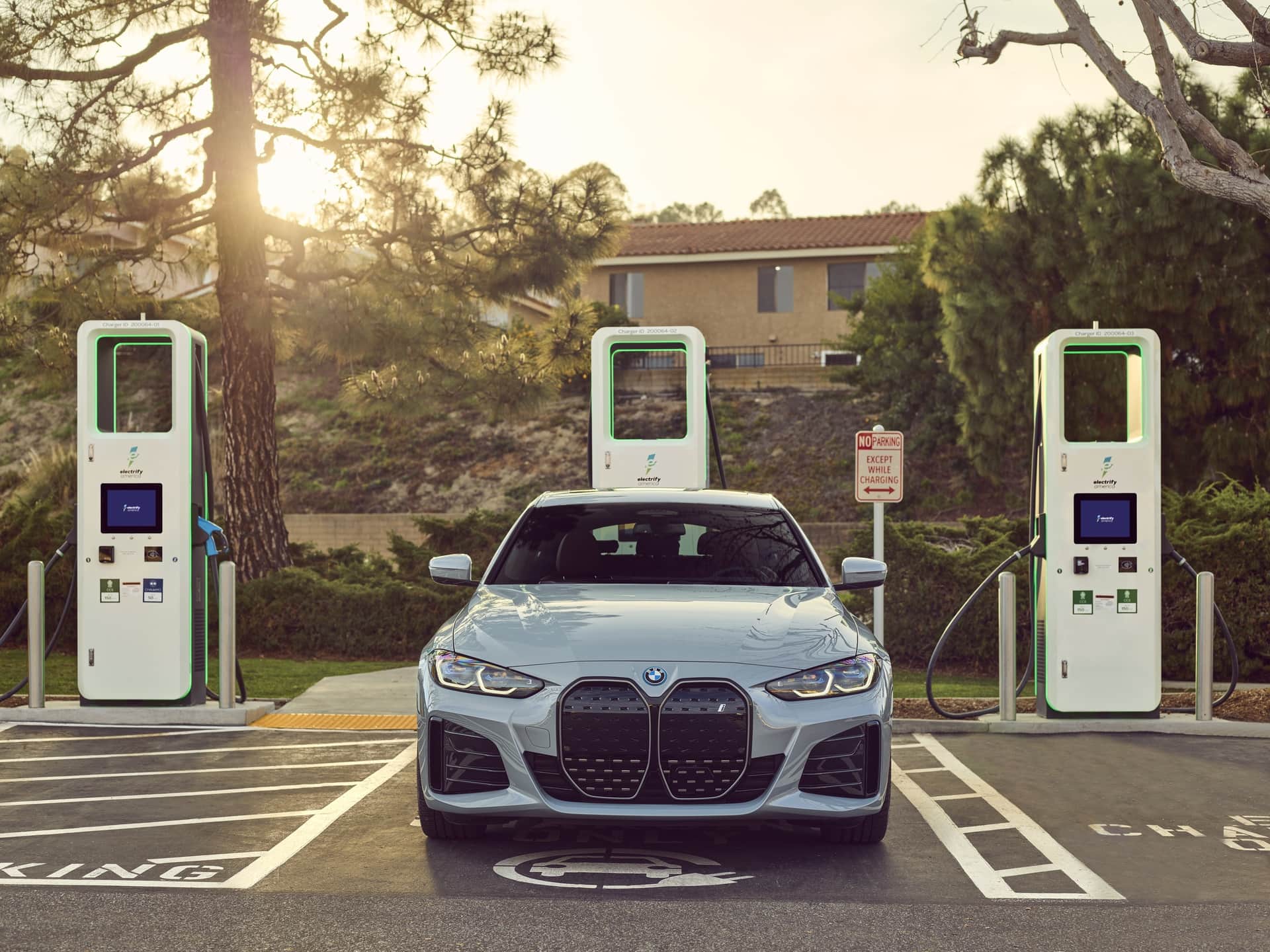
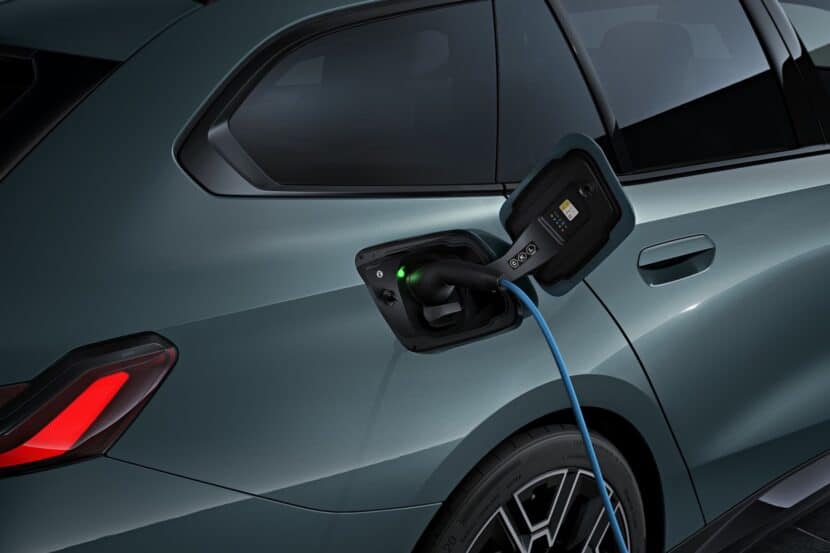
With that out of the way, BMW’s video illustrates how easy Supercharging your BMW EV can be — at least, after some setup. You’ll need to save your NACS adapter into your app settings in order to see NACS stations in route planning and charge station searches. Adding an adapter isn’t too hard, but it’s a requisite first step. You’ll also want “Plug & Charge” enabled (YouTube tutorial). If your car doesn’t use Plug & Charge, you can also initiate charging via the app. Getting to the physical charging, it’s more or less the same as charging at any other charging station. Plug it in and watch the lights on the charging port change.
The video goes on to show how to use both the NACS adapter itself — again, somewhat self-explanatory if you understand how an EV charges — and “Magic Dock” stations. You may already be familiar with the latter, since the term refers to any Tesla Supercharger with built-in NACS to CCS adapters. Frankly, other than the setting adjustments and adding the adapter, most of it looks pretty straightforward. You can watch below for the how-to; but arguably, your time might be best spent simply checking your EV for a software update!