Article Summary
- The 2027 X5 40 xDrive costs AU$145,900 before on-roads in Australia, about US$103,900, against $72,100 before destination in the US.
- Equipment that is standard in Australia and optional in America accounts for roughly US$11,350 of the difference.
- GST and Luxury Car Tax take about AU$27,000 out of the Australian sticker, which closes almost all of the remaining gap.
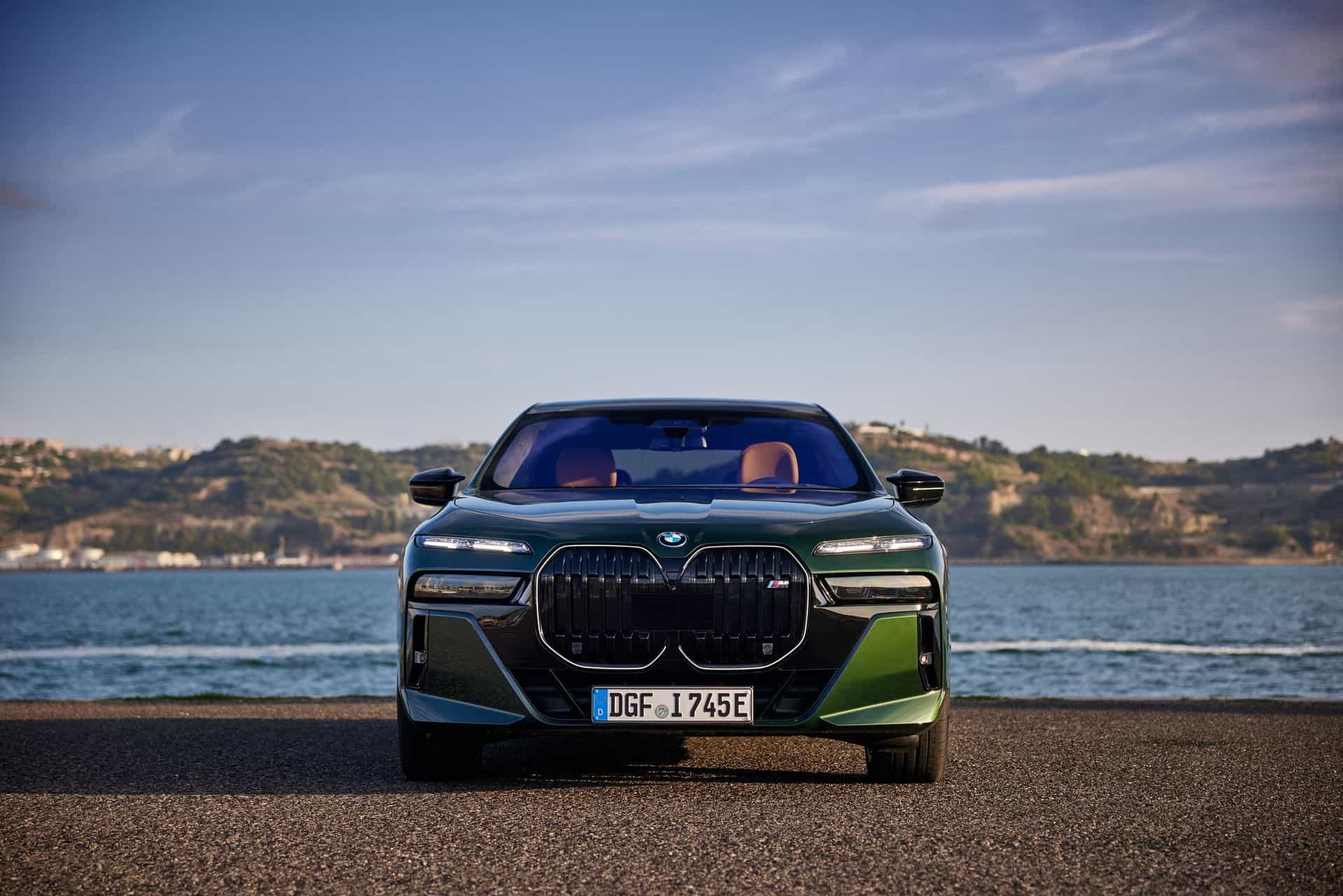
BMW Australia has priced the new X5 40 xDrive at AU$145,900 before on-road costs. At an exchange rate of 0.7122, roughly where the Australian dollar has sat this week, that works out to about US$103,900. The same car in the United States, the G65 X5 with the same 3.0-liter inline-six, starts at $72,100 before a $1,450 destination charge. Run the conversion the other way and the American car lands at about AU$101,200. Australians are paying roughly AU$44,700 more than the exchange rate says they should for an SUV that BMW builds in Spartanburg and ships to them. Australia also gets a diesel, the 40d xDrive, at AU$143,900 before on-roads, or about US$102,500. Neither Australian price is outrageous by local standards. The 40d is up AU$4,000 on the xDrive30d it replaces, and the petrol car is AU$2,000 up on the old xDrive40i, but certainly more expensive than comparable BMWs in America.
The Two Cars Are Not Equipped The Same Way

Before anyone calls it price gouging, the Australian X5 arrives with a lot of gear that Americans have to pay for. Standard in Australia: the M Sport package, adaptive M suspension, M Sport brakes with blue calipers, an 18-speaker Bowers and Wilkins system, ventilated and massaging front seats, a heated steering wheel, the BMW Passenger Screen, and Parking Assistant Professional.
In the US, almost all of that is optional. The M Sport Package is $3,250. The Climate Package, which brings the ventilated and massaging multifunction seats plus the heated wheel, is $2,800. The Technology Package carries the Bowers and Wilkins system at $1,450. The Passenger Screen only comes inside the $3,100 Luxury Package. The Parking Assistance Package adds another $750.
Tick all five and an American X5 40 xDrive sits at $83,450 before destination, or about AU$117,200. The match isn’t exact, since the US Luxury Package throws in automatic doors that cost AU$2,500 in Australia, and the Australian car needs a AU$2,300 Comfort Package to get the four-zone climate control that comes inside the US Climate Package. Close enough to work with, though. The AU$44,700 gap has just become about AU$28,700.
Then Comes The Tax

Australia charges 10 percent GST on the car, then adds Luxury Car Tax at 33 percent on every dollar of value above AU$80,809 for the 2026-27 financial year. The X5 40 xDrive claims 8.6 to 9.3 L/100km, so it gets nowhere near the fuel-efficient threshold of AU$91,661, which since July 2025 has required a claimed 3.5 L/100km or better. Work backwards from the AU$145,900 sticker and roughly AU$15,000 of it is Luxury Car Tax. Another AU$11,900 or so is GST. Strip both out and the car sits at about AU$119,000, which converts to roughly US$84,700.
The equivalently equipped American car, remember, is $83,450. The gap is down to about US$1,300, and BMW still has to put the thing on a boat. Equipment accounts for a bit more than a third of the difference, and Canberra takes almost all of the rest. And AU$145,900 is still the number before stamp duty, registration and CTP, which vary by state and push the real driveaway figure higher again.
The next time an American grumbles about a $73,550 X5, remember that an Australian hands the federal government about AU$15,000 in Luxury Car Tax for the privilege of the same engine.
A Tax On A Car Australia Does Not Build
The Luxury Car Tax arrived in 2000, designed to nudge buyers toward locally built cars. The last Australian-built car rolled off the line in 2017. The tax is still here, and it is being collected on an SUV assembled in South Carolina.
Australia signed a free-trade agreement with the European Union in March that scrapped the 5 percent import tariff on European-built cars and created a new AU$120,000 Luxury Car Tax threshold for zero-emissions vehicles. The tax itself survived. The Federal Chamber of Automotive Industries called the change incremental and said the underlying measure no longer reflects how the market works. The tariff cut does nothing for the X5 in any case, because it comes from the United States rather than Germany.
The iX5 and the X5 50e xDrive join the Australian lineup in the first quarter of 2027, pricing yet to be announced, and once that AU$120,000 EV threshold takes effect the electric one gets AU$39,000 more headroom before the tax starts biting than the petrol car does. An electric X5 that undercuts a six-cylinder one in Australia would be a strange outcome for a tax originally written to protect Holden.