Article Summary
- Rolls-Royce deliveries fell 18 percent to 1,069 cars, the steepest drop of any BMW Group brand.
- BMW will retire some Gen5-based EVs early because Neue Klasse demand forced extra production shifts.
- BMW cut its 2026 automotive EBIT margin forecast to between -0.5 and +0.5 percent, from 1 to 3 percent.
The BMW Group delivered 551,075 cars in the third quarter of 2026, down 6.3 percent from 588,140 a year earlier, and BMW blames China for the drop. Its sales there fell by a quarter, roughly matching the decline of the Chinese market overall, while deliveries grew 2.6 percent in Europe and 2.5 percent in the US. Through September, the Group stands at 1,707,802 deliveries, down 4.9 percent. MINI is the only Group brand ahead of last year, up 6.8 percent to 220,247 cars, while BMW, Rolls-Royce and BMW Motorrad are all down. The third quarter was also weaker than the first half: by our math, Group deliveries fell about 4.2 percent from January through June, so the decline sped up over the summer.
The figures come from BMW’s third-quarter results, released Wednesday in Munich along with a lower profit forecast for 2026 and a plan to retire some older electric models sooner than expected.
How Did BMW, MINI And Rolls-Royce Do In The Third Quarter?
Here’s how each brand did in the quarter and through the first nine months, compared with the same periods of 2025:
- BMW: 479,294 in Q3 (down 6.8 percent); 1,483,963 through September (down 6.4 percent)
- MINI: 70,712 in Q3 (down 2.4 percent); 220,247 through September (up 6.8 percent)
- Rolls-Royce: 1,069 in Q3 (down 18.0 percent); 3,592 through September (down 12.4 percent)
- BMW Motorrad: 46,605 in Q3 (down 12.5 percent); 149,452 through September (down 6.1 percent)
The BMW brand delivered 35,128 fewer cars than in last year’s third quarter, which accounts for nearly all of the Group’s decline of 37,065. That’s no surprise given that BMW-badged cars make up almost 87 percent of the total, but it means the brand itself is shrinking faster than the Group.
MINI’s lead for the year was built entirely in the first half. By our count, it grew nearly 12 percent from January through June, then slipped 2.4 percent in the third quarter, so the run that carried it into the summer has stalled.
Rolls-Royce had the worst quarter in percentage terms, delivering 235 fewer cars than a year ago. At Rolls-Royce volumes, a couple hundred cars move the percentage a lot, yet the direction is clear: its decline nearly doubled from the roughly 10 percent drop it posted in the first half.
BMW Motorrad followed the same pattern. Motorcycle deliveries fell about 3 percent in the first half and 12.5 percent in the third quarter, and BMW now expects the full year to finish slightly below 2025 instead of flat, as it had forecast earlier.
Why China Keeps Dragging BMW’s Numbers Down
BMW calls the Chinese market challenging and says its sales decline there tracked the market’s. Holding share in a shrinking market beats losing it, but it doesn’t help the Group’s total. BMW also blames strong competition, particularly in China, for a 6.5 percent drop in revenue from its car business in the quarter.
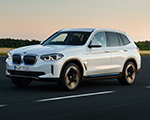
The answer BMW is counting on is the Neue Klasse. The iX3 LWB, the long-wheelbase version built for China, goes on sale there in November, and more Neue Klasse models will follow in China during 2027. Until they arrive, BMW is fighting for Chinese buyers mostly with the lineup it already has, which is how it got here.
Where BMW Is Still Growing, And How Much Of It Is Electric
Europe and the US are the two markets BMW points to for growth. Europe was up 2.6 percent in the third quarter and 4.5 percent through September, while the US grew 2.5 percent in the quarter and 3.4 percent for the year so far. The US gains came despite tariffs. Higher import duties cost BMW’s car business around 1.25 percentage points of margin in the third quarter, down from about 1.75 points in the same quarter of 2025, so BMW is still paying to sell cars in America, just a little less than before.
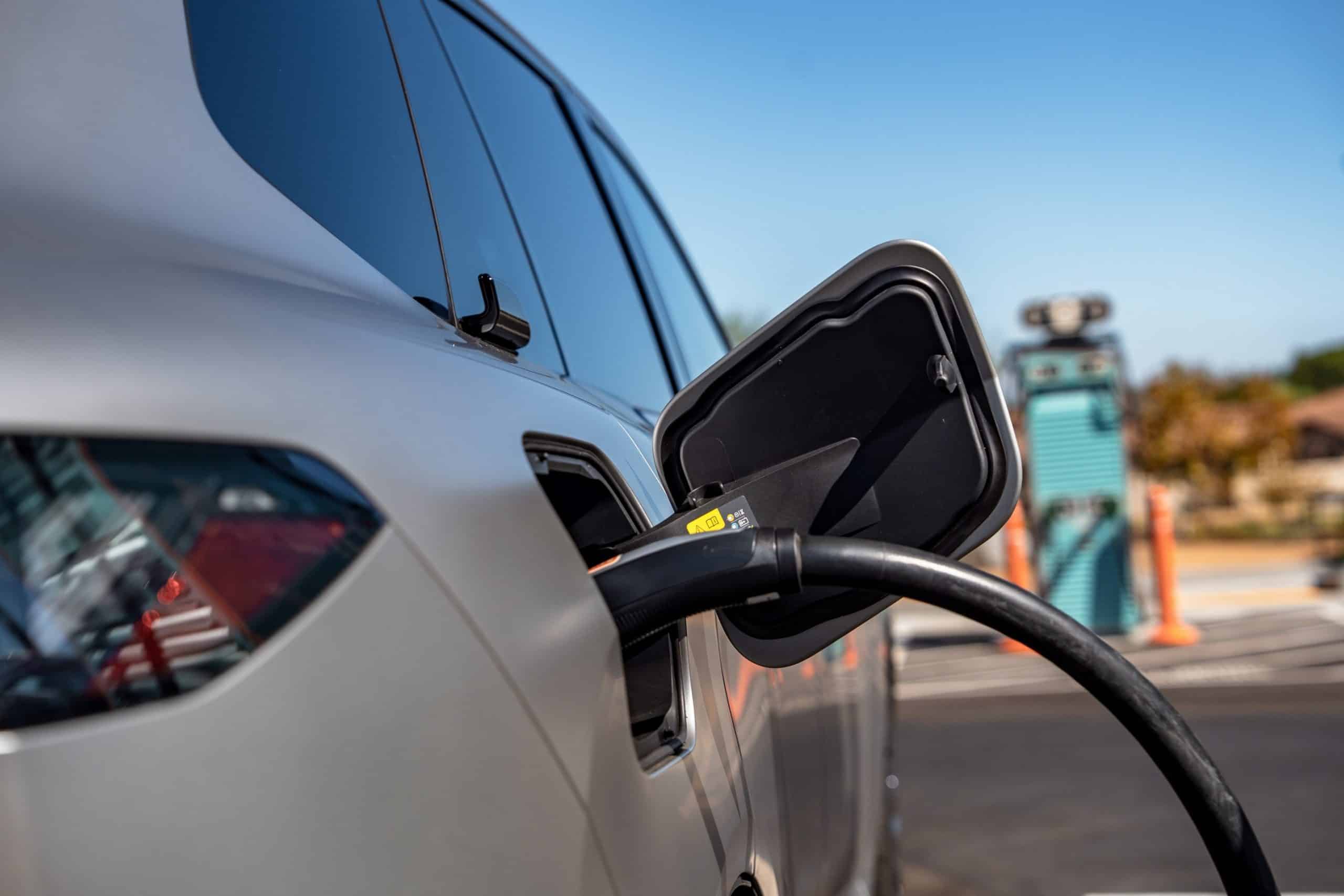
Fully electric cars made up 20 percent of the Group’s third-quarter deliveries worldwide, and adding plug-in hybrids lifts the electrified share to 27.4 percent. Europe is much further along. Of the BMW Group cars delivered there, 46.9 percent were electrified and 34.7 percent were fully electric, so more than one in three had no combustion engine at all.
What The Sales Drop Means For BMW’s 2026 Profit Forecast
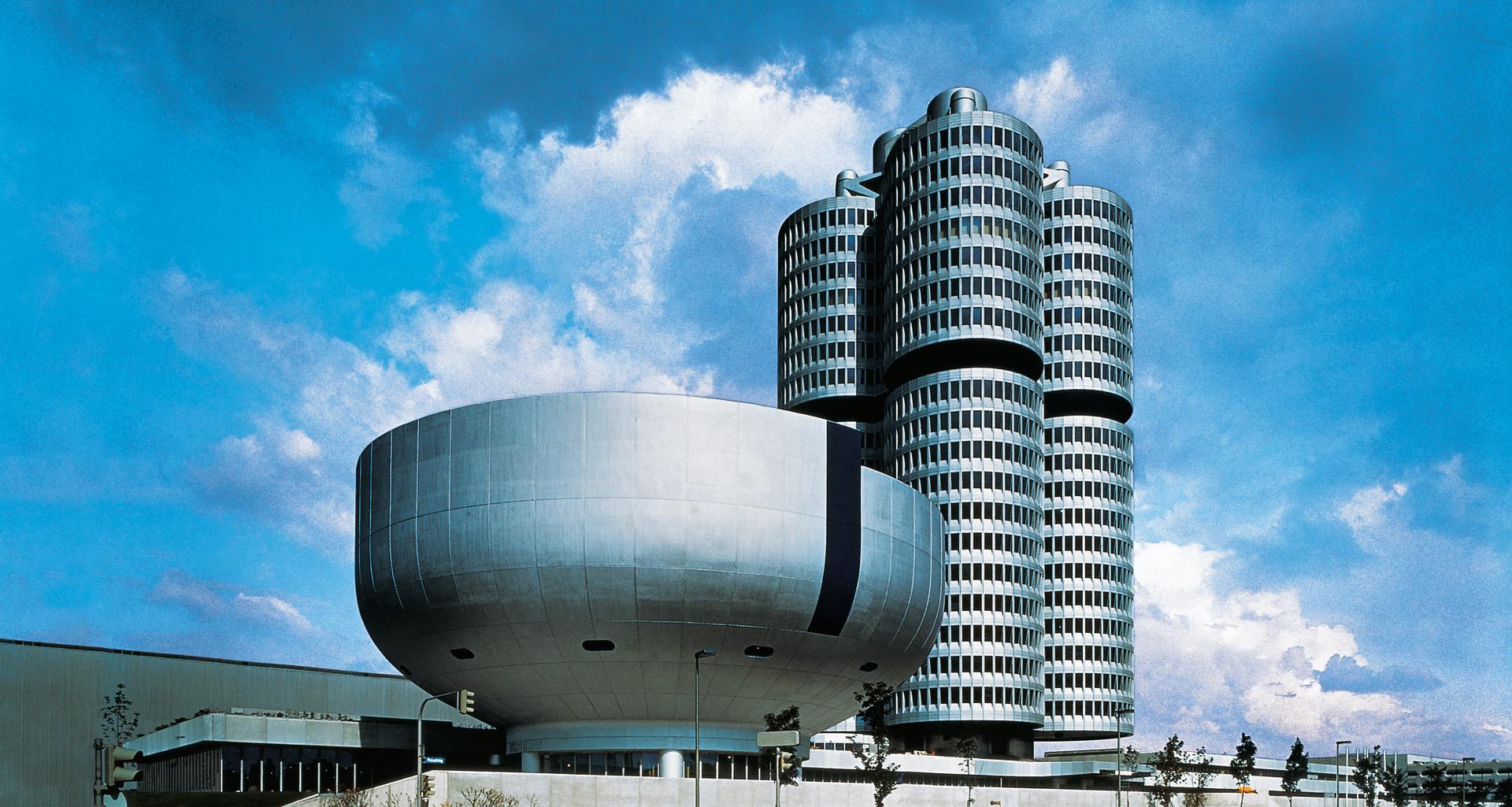
Group profit before tax came to €2.08 billion in the third quarter, down 10.6 percent, on revenue of €30.45 billion, down 5.8 percent. The car business earned €901 million before interest and taxes, down 39.7 percent, for a margin of 3.4 percent compared with 5.2 percent a year ago. It now expects its automotive EBIT margin to land between -0.5 and +0.5 percent for 2026, down from the 1 to 3 percent it had forecast.
The forecast includes about 2.5 points of drag from the portfolio and structural measures, on top of roughly 1.25 points from tariffs and 1.2 points from accounting charges on assets of its Chinese joint venture, BMW Brilliance Automotive. Before restructuring costs, BMW still expects an automotive operating margin above 2 percent, and it kept its forecast of more than €2.5 billion in automotive free cash flow. Full-year car deliveries should come in moderately below 2025.