It’s no secret: $10,000 doesn’t go as far as it used to. But in 2026, there are still plenty of great options if you’re searching for a BMW. And that stays true whether you’re an enthusiast looking for a bit of a project or someone looking for something decidedly more practical. Covering everything from SUVs to two-seater M cars, the low five-figure (and high four-figure) marketplace is a surprisingly diverse slice of BMW’s portfolio. Here are the best options in 2026.
F36 BMW 430i
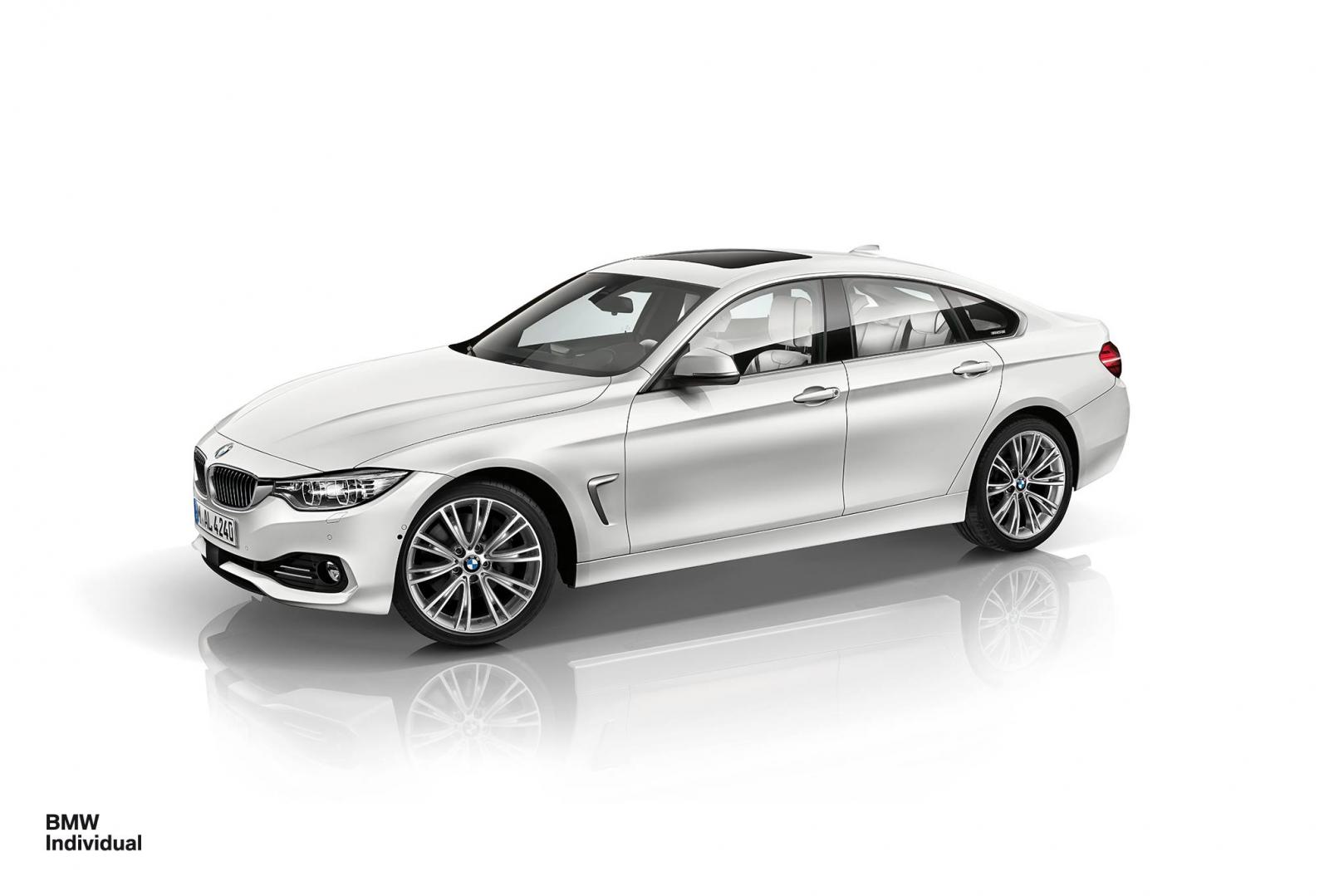
At around $10,000, the F36 430i sits in a sweet spot: modern enough to feel current but depreciated enough to be attainable. I’m far from a badge snob, but the numbers on the back really matter here. Springing for a 430i, rather than an earlier 428i, means the car shipped with the excellent B48 engine, rather than the N20. While the later N20s aren’t typically too bad to deal with, the B48 is objectively the better mill. The quicker 435i (N55 inline-six) usually sits just outside this budget—and frankly, it’s a weaker value than the cheaper, more abundant F30 335i. The cool liftback design gives it a solid edge over the contemporary 3 Series. What’s more, it’s one of the more accessible B48 cars. Frankly. These cars are probably a little bit underrated and are a pretty good catch at $10k.
F30 BMW 3 Series
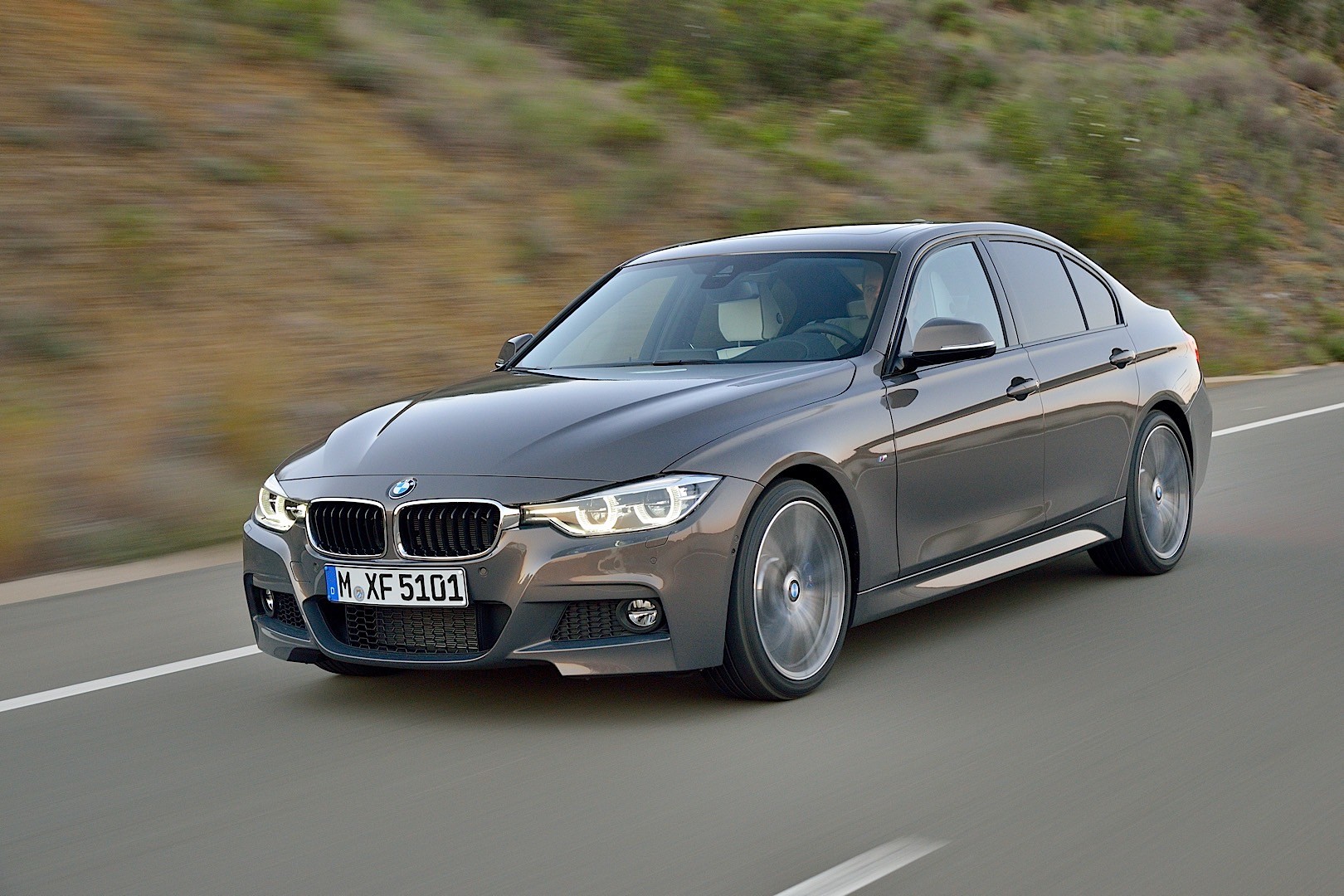
The F30 is arguably the default $10K BMW in 2026. You’ll find everything from base 320i models to higher-mileage 328i and even some early 330i examples. The N20-powered cars dominate this price range, offering strong performance but bringing known concerns: timing chain wear, oil filter housing gasket leaks, and occasional fuel system issues. Try to find a post-2015 model for the B48. The 335i — with its N55 inline-six engine — is worth considering. But reliability can be a mixed bag at this price, with common issues like coolant system failures, oil leaks, and aging turbo components. However, for enthusiasts, the extra performance will be well worth it. Bottom line: great all-rounders, but maintenance history might matter more than spec.
E82 BMW 1 Series

The E82 1 Series feels like a throwback, and that’s precisely the appeal. The 128i, powered by the naturally aspirated N52 inline-six, is the safer long-term bet. It’s relatively robust, though oil leaks (valve cover, oil filter housing) are common with age. The 135i coupe is the enthusiast pick, packing either the N54 or N55 turbocharged six. Performance is strong, but so are the potential headaches: high-pressure fuel pump issues, turbo wear, and general turbocharged BMW quirks. Especially when considering early N54 engine cars, The nice thing about the E82 1 Series is that, regardless of engine choice, you get one of the best-handling BMWs of the modern era.
F25 BMW X3
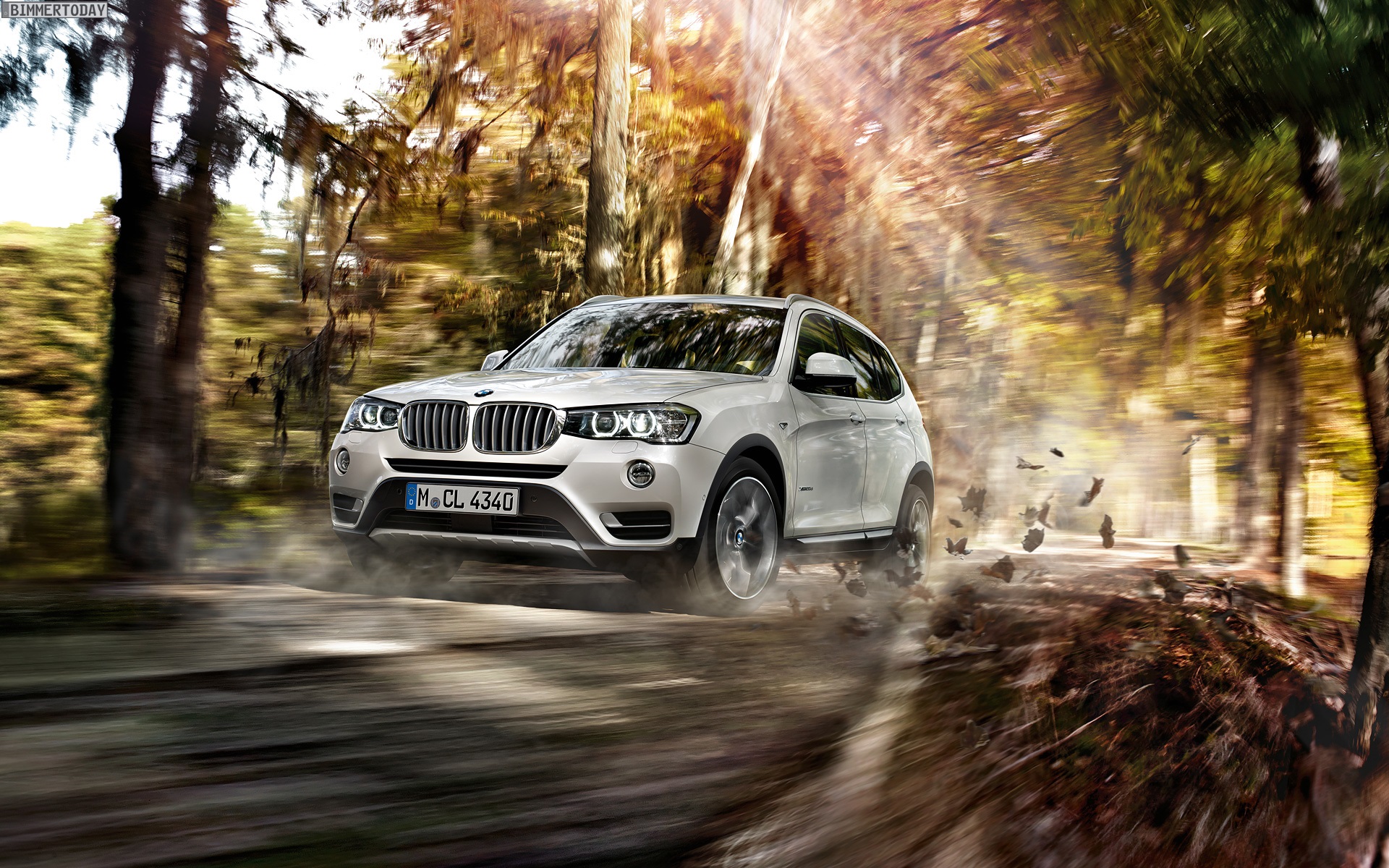
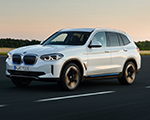
This is one of the best values on this list. The F25 X3 delivers genuine practicality, BMW driving dynamics, and upscale features for compact crossover money. Most examples in this range are xDrive28i models with the N20 engine. While the driving experience is solid, that engine isn’t flawless — timing chain issues, oil leaks, and occasional fuel pump problems are well-documented concerns. Still, a well-maintained example offers a lot of car for the money. If you need space and versatility without sacrificing too much driving feel, the F25 punches well above its price point. It’s a solid balance: the X3 car is generally cheaper to own than the larger BMW X5, and offers more usable space than the smaller (and front-wheel drive-based) X1.
Enthusiast Sandbox: E36, E39, E46

The E36, E39, and E46 arguably offer peak analog BMW driving feel, but even the best examples will need a bit of TLC to keep (or get) running. Cooling systems (radiators, expansion tanks), suspension bushings, and aging rubber components are almost guaranteed maintenance items. The E46 (and to lesser extent, E36) in particular can suffer from rear subframe cracking. It’s rare on non-M versions but requires pretty specialized knowledge to be correctly remedied. Done right, and owned with expectations in line, these cars deliver an experience modern BMWs can’t replicate. But you’re buying into upkeep as much as the car itself. The nice thing is that there’s no shortage of resources on these cars, so it’s easy to get up to speed on just how much dedication owning one of these cars might take.
F10 BMW 5 Series
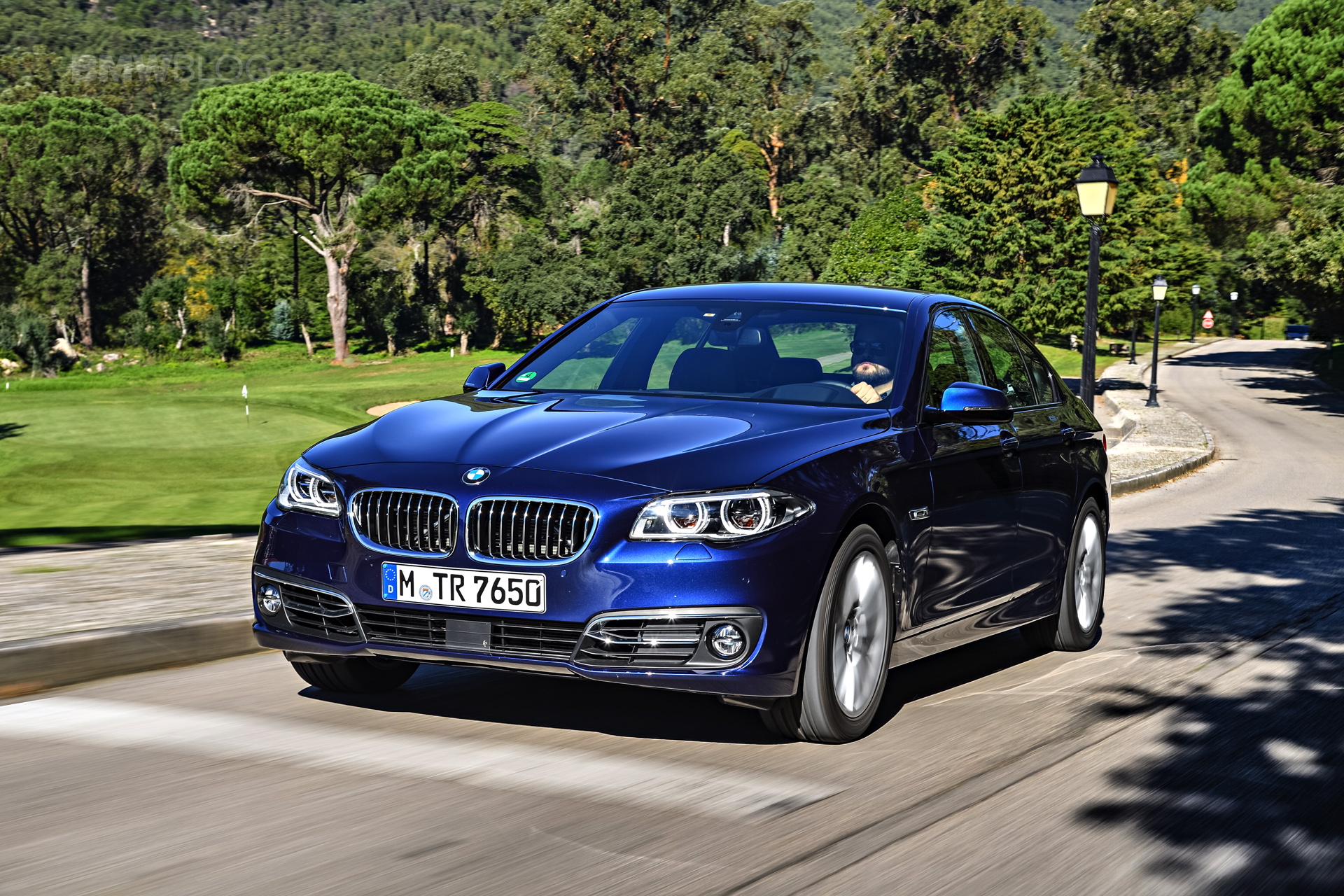
The F10 5 Series brings genuine executive-car presence into $10,000 territory, and that alone makes it compelling. Most examples you’ll find are higher mileage 528i or 535i models, with the latter offering a more fitting powertrain for the chassis. The N55-powered 535i delivers smooth, effortless performance, but at this price, expect typical aging BMW concerns: oil leaks (valve cover, oil filter housing), cooling system wear, and potentially tired turbo components. Beyond the engine, the F10 can rack up costs in other areas — adaptive suspension components, and electronic quirks. Still, if you want comfort, space, and a proper luxury feel, it’s hard to beat.
BMW M Roadster (1998-2000)

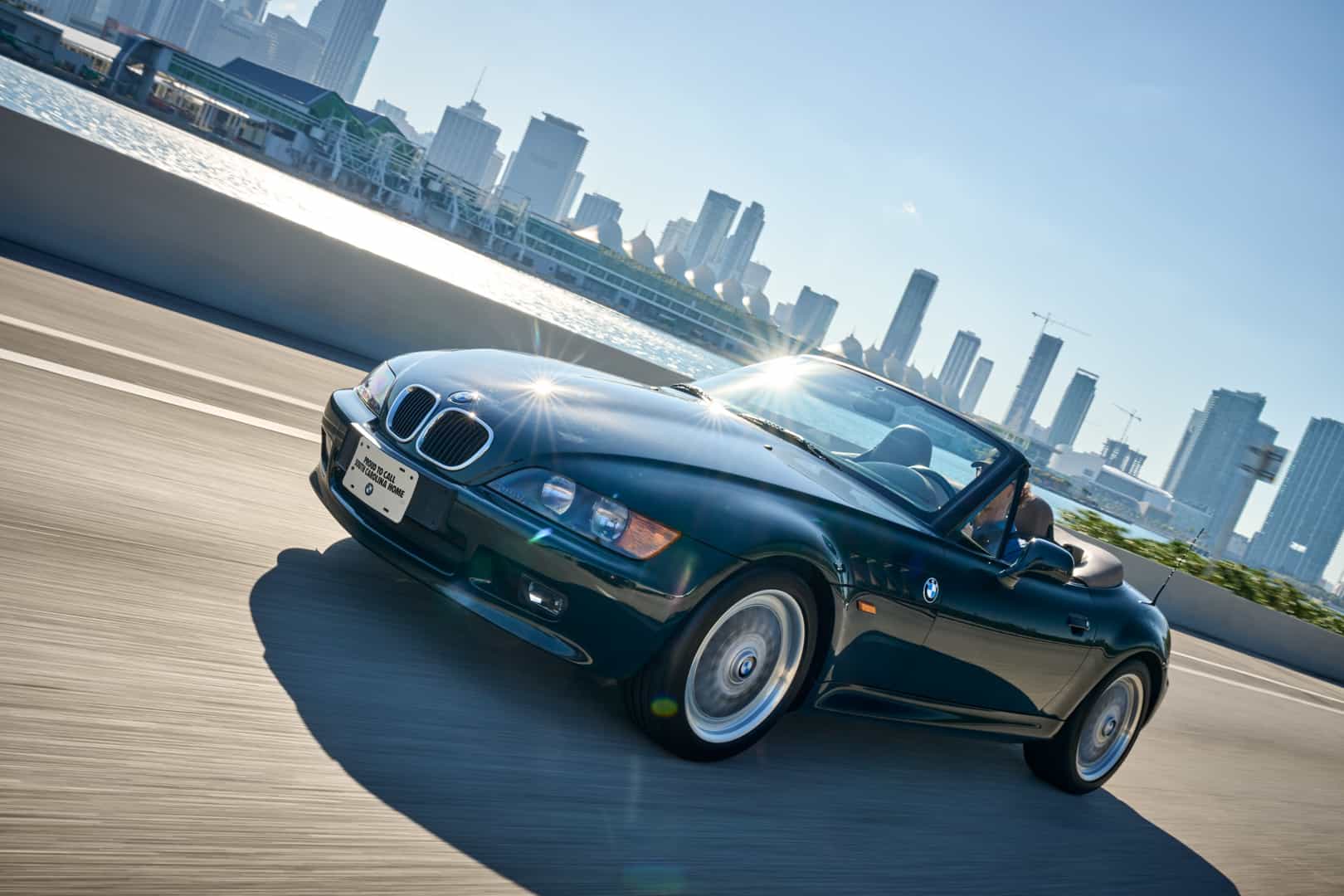
If you want something special, the M Roadster (E36/7) delivers. Higher-mileage examples, incredibly, still flirt with the $10K mark. Powered by the S52 inline-six (in U.S. cars), it’s relatively robust compared to later M engines, though cooling system maintenance and VANOS issues can surface over time. Rear subframe and trunk floor concerns — shared across the Z3 platform — are worth inspecting closely. Unlike most cars here, this isn’t about practicality, but character. While anything at this price point will likely stay far from “collector” valuation, that also means you can feel free to drive your M Roadster as far and as often as you’d like, without worrying about an “investment.” It’s worth noting that while the S52-based M cars are pretty reliable, you’ll likely need to put some money into a car at this price point. As the owner of the mechanically nearly identical M Coupe, I think the M Roadster is an amazing value at $10k. But you’d better do your research.
There are some cars we left off the list — but generally, for good reason. For example, that $10,000 7 Series probably isn’t the best call. Nor is that early BMW X5. Of course, enthusiasts and those with a higher-than-average risk tolerance might disagree, and that’s totally fine — you already know what you’re getting into. Regardless, there’s no shortage of good picks to choose from here. Happy hunting.