Article Summary
- BMW is open to the idea of bringing back the range-extender technology as long as it sees there's demand.
- Although it has the technical capabilities to bring the REx back, BMW hasn't decided whether it's worth pursuing.
- If the range-extender EV does return one day, it would still have to be fun to drive, despite its less conventional drivetrain.
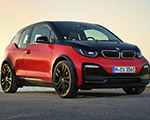
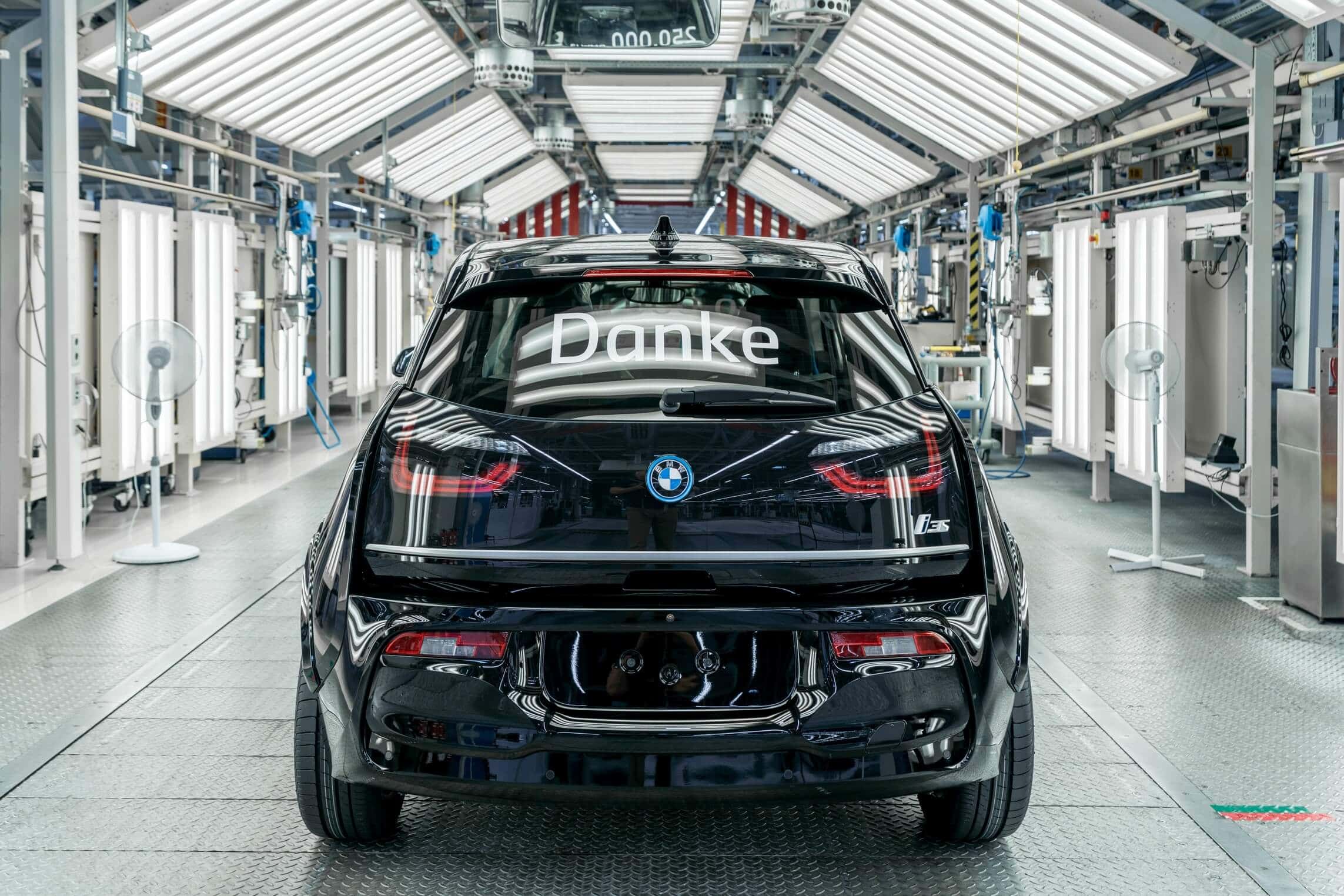
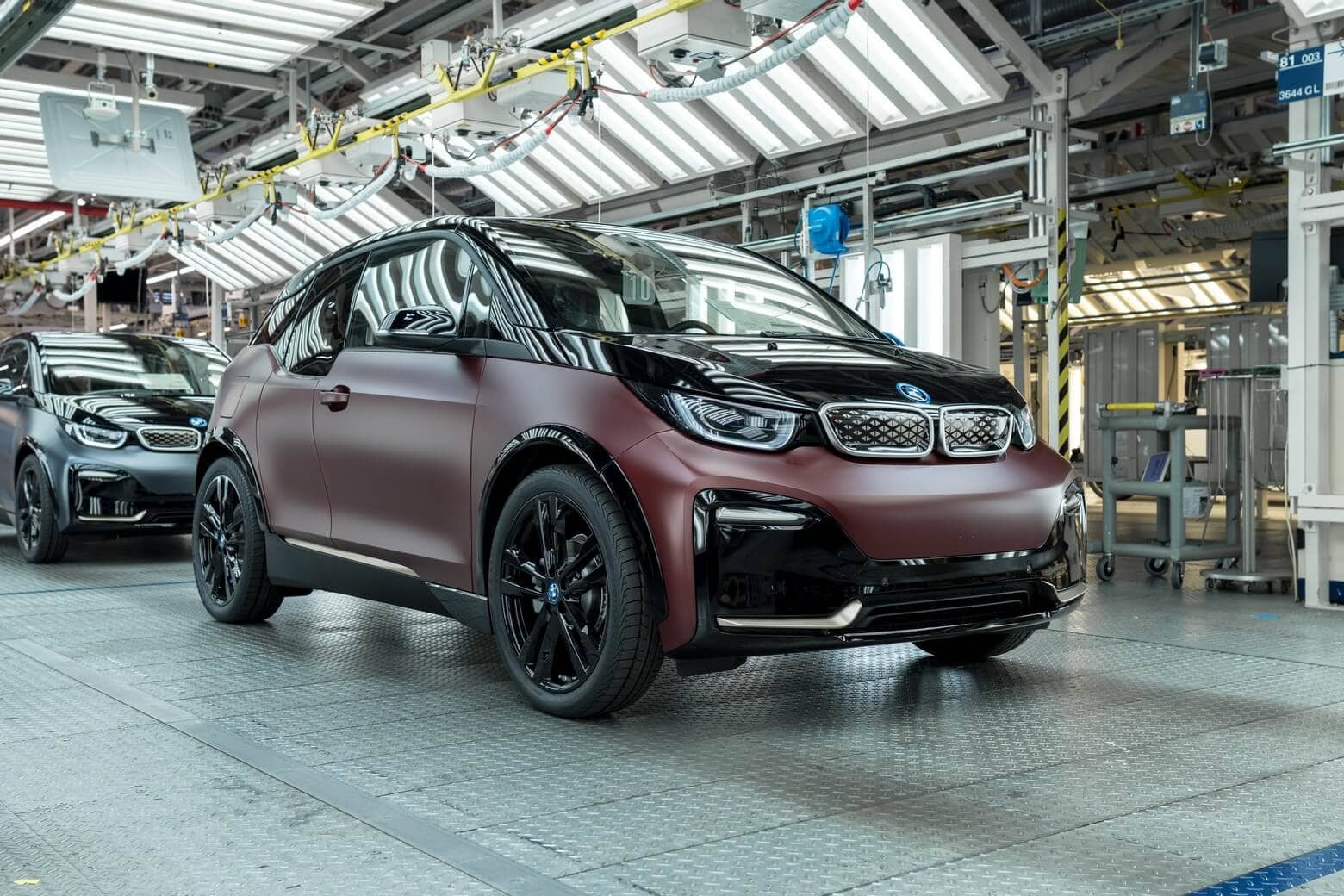
Along with the Chevrolet Volt, the BMW i3 was among the first production cars to feature a range-extending gasoline engine. However, BMW has since abandoned the technology in favor of plug-in hybrids and battery-only EVs. The lesser-known i3 launched in China a few years ago is a long-wheelbase 3 Series Sedan without an REx. Similarly, the new, global i3 unveiled this week for the Neue Klasse lineup doesn’t have a gas engine either.
But while the range-extender EV has come and gone, BMW is open to bringing it back one day. However, it would only happen under certain conditions. At the i3 sedan’s launch, the company’s product chief explained what would be required for the REx to return. Bernd Körber told us there has to be enough demand to warrant its return. That said, he cautioned that the situation is a bit murky at this point:
“In theory, we are capable of REx if we want to do so. Yes, it’s a segment. By nature, being technology open means we’re looking into these topics, but no decisions have been made. It’s a little bit unclear where REx is moving. Because in the United States, some car manufacturers went into EVs and they saw EV isn’t working and decided to go toward REx because it’s easy to derive an REx from an EV.”
“It’s not an intended development. It’s more like, what do we do to move with the market? So, let’s see whether that is sustainable. We have no concerns, if we see an REx market development, we would go there. The question would be the characteristics of the REx, because we have certain prerequisites when it comes to how does a BMW drive. We would have to look into the drivetrain that we can tune toward being something we can put our brand on – that would be our requirement.”
Körber rhetorically asked whether the potential return of the REx would be “something that also fits the ultimate driving machine in that segment?”
Earlier this month, BMW’s R&D boss also touched on range-extenders, but from a different angle. In the Q&A session that followed the Group’s annual conference, Joachim Post wondered whether there is a need for REx. After all, the new i3 goes 805 kilometers (500 miles) on a single charge. With 400-kW charging enabling quick “refills” not too different from an ICE car, the REx might be overkill.
Nevertheless, BMW is smart enough to recognize that ultra-fast chargers are still few and far between globally. Moreover, charging networks remain severely underdeveloped in some regions. Consequently, having a gas engine as a backup might make sense in certain scenarios. An REx could potentially mean a smaller battery pack and, therefore, a lighter vehicle. On the flip side, it would bring an extra layer of complexity by installing a gas engine.

These discussions about bringing back REx don’t come out of thin air. Bloomberg reported last November that BMW is potentially considering the technology for its largest vehicles. It followed a previous article in the German business newspaper Automobilwoche about the iX5 (G65) possibly gaining a range-extender gas engine, bringing its total driving range to 1,000 kilometers (621 miles).
If it does return one day, the range extender would likely be a small-displacement combustion engine such as the B38 or B48. BMW could also borrow an engine from its Motorrad division, as was the case with the original i3 and its two-cylinder, 647-cc engine from a maxi-scooter. However, the i3 hatch was a small car with a tiny battery, so an SUV as large and heavy as the X5 would likely need a bigger gas engine/generator to properly support a much larger battery and deliver meaningful range benefits.
With or without a range extender, the next X5 will certainly offer a fifth drivetrain option. In addition to gasoline, diesel, plug-in hybrid, and battery EV variants, the “G65” will receive a hydrogen fuel cell version in 2028.