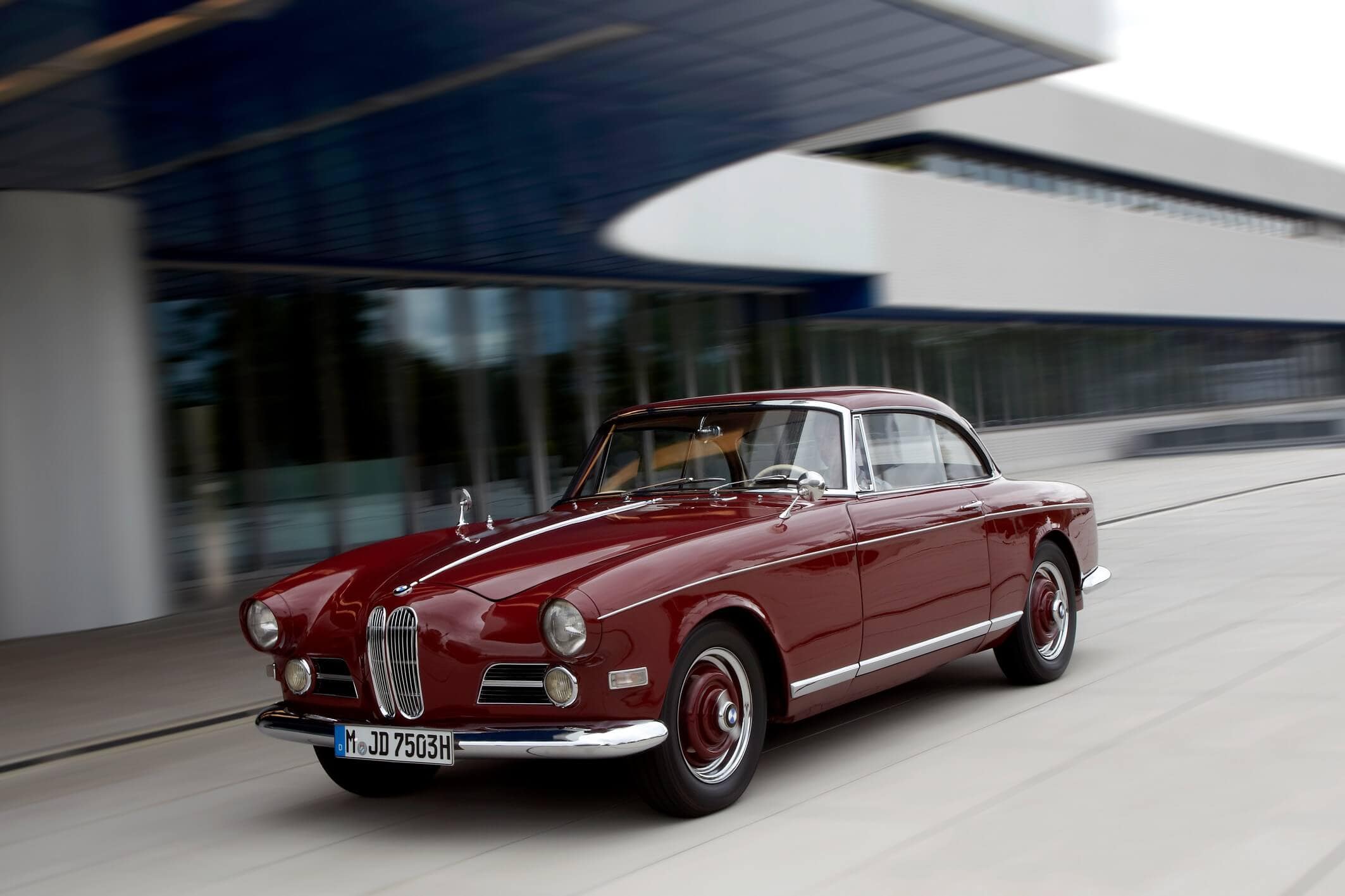
These days, “modern” BMWs get a lot of attention. Primarily, stuff that came after the advent of the 02 Series and Neue Klasse — essentially, anything after the mid-1960s. But there are exceptions, perhaps most notably the BMW 507. But alongside that extremely well-known (and similarly ill-fated) model, there was another: the BMW 503. Despite sharing a lot with the 507 — a target demographic and debuts at the Frankfurt Motor Show in 1955 to start — it was a much different car that was important to the brand for its own unique reasons. Despite its debut in 1955, production and sales started in 1956. That makes the BMW 503 70 years old this year.
The Mercedes Gullwing Fighter: BMW Introduces the 503
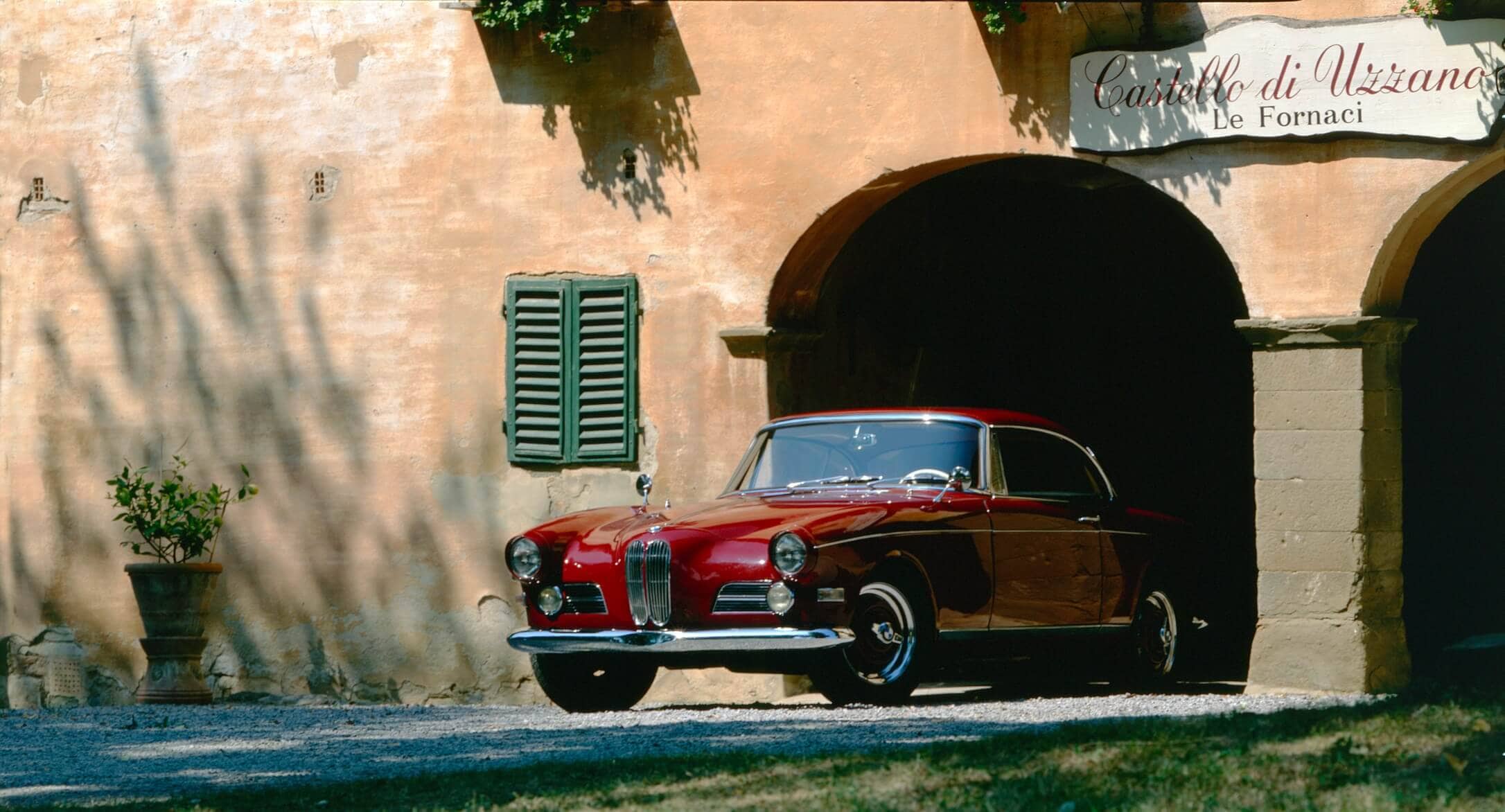
Perhaps predictably, the BMW 501 and BMW 502 preceded the 503. Both are luxury cars, the latter of which enjoys a lightweight, aluminum-block V8. The aluminum V8 was light and powerful for its day, and it got some people at BMW thinking: wouldn’t this be perfect in a sports car body? Approval for the project came in 1954 hot on the heels of the Mercedes-Benz 300 SL’s debut at the New York Auto Show. Designer Albrecht von Goertz was tasked with finding a fitting design. Not only did he do so for the 503, but the 507 as well, which would also end up with the aluminum V8.
While the 503 was very much its own car, engineers were tasked with using as much as possible from the 502 sedan. The cars shared steering systems and suspension components, and only minor changes accompanied the existing aluminum V8. By 1957, all models got disc brakes as a standard upgrade. Like the V8, this was a fairly cutting-edge development for the era. The 503’s styling and 2+2 seating configuration set it apart from the 502 and 507, respectively, with a mixed focus on luxury and performance that also helped it carve a unique identity.
High Price, High Stakes: Why the 503 Faded
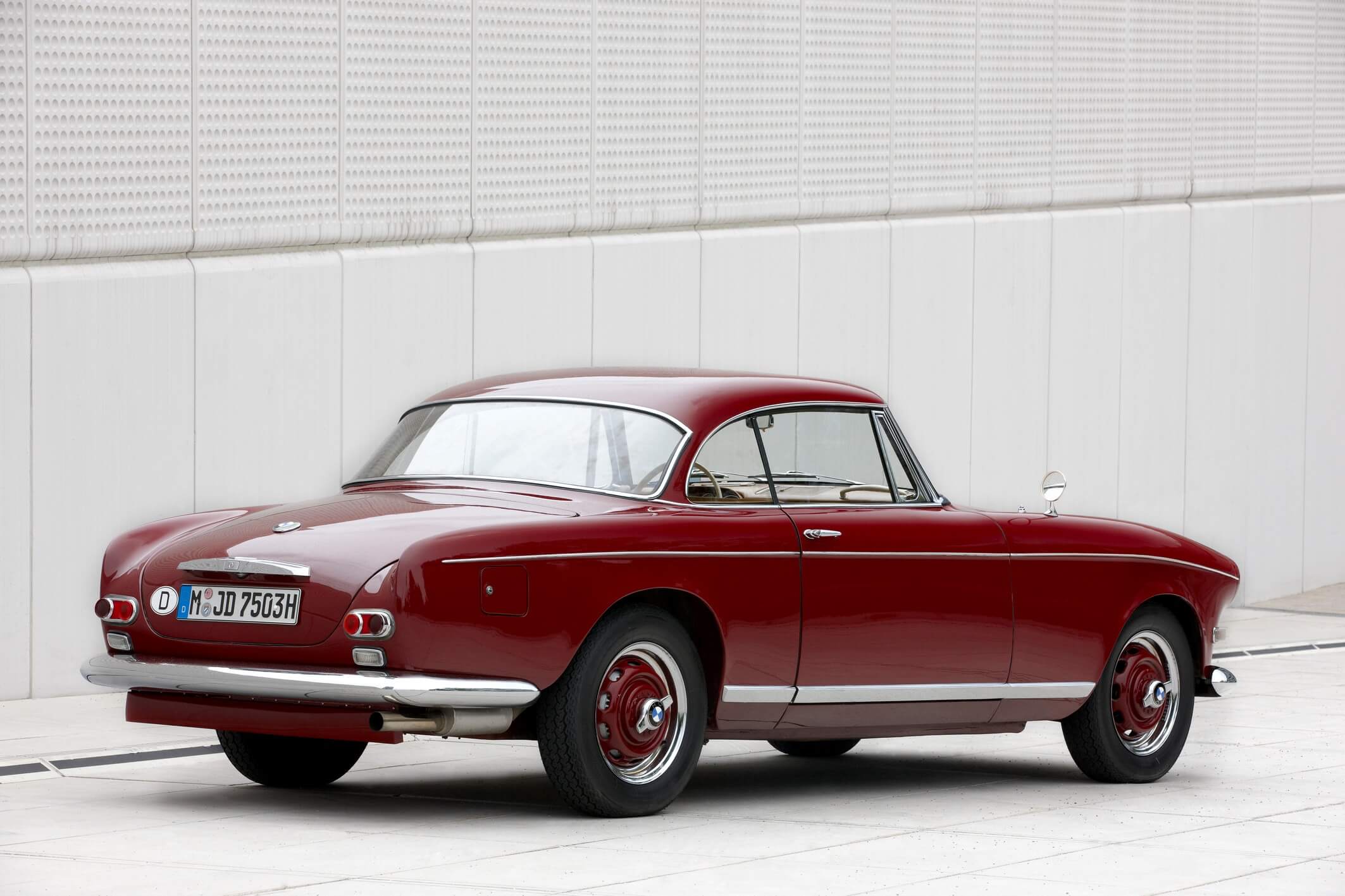
Of course, a unique identity didn’t facilitate any tangible sales benefits. When comparing the BMW 503 and BMW 507, it’s clear neither was a commercial success. Its start price outstripped even the “halo car” 507; shockingly, it still managed to out-sell it. A price tag that equals nearly $100,000 today meant the audience for the 503 was small. Only 273 coupes and 139 convertibles ever came into the world; just six were right-hand drive (three of each body style).
Seventy years later, the 503 is relatively overlooked. That’s not to call it inexpensive: great examples still climb into deep six-figure sums. But the 507 is still the king of the auction block — blame its evocative design and inextricable history with superstars including Elvis Presley. It’s worth noting that Max Hoffman, BMW’s then sole stateside distributor, wanted the 503’s pricing to be decidedly more reasonable; $5,000 in 1955, which is somewhere around $60,000 in today’s money. But even if the 503’s price was more palatable, it would’ve faced a struggle for anything resembling “widespread” adoption. With limited service and sales centers and considerably more powerful engine options from more accessible domestic automakers, the 503 would’ve always been a hard sell. But it does make you wonder: what underrated BMW will be selling for half a million dollars 70 years from now?