Article Summary
- In an SUV-dominated world, the i3's classic sedan proportions honor the BMW models that built the brand: the 1500, 2002, and E30.
- Built on the Neue Klasse architecture with 800V charging (400kW+), Gen6 batteries, and optimized packaging, the i3 makes no compromises for internal combustion.
- With a lower center of gravity than the iX3, the same three-supercomputer system, and sedan packaging, the i3 could be the most engaging electric BMW yet.
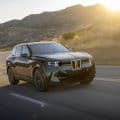
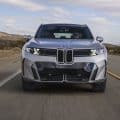
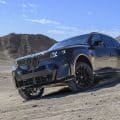
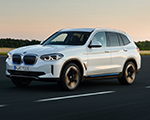
The BMW iX3 is making waves right now, and for good reason. It’s a very tech-capable electric crossover that promises to bring BMW’s driving dynamics into the EV era with impressive specs and real-world capability. But if you’ll allow me to be honest for a moment: the iX3 isn’t the car keeping me up at night. That honor belongs to its sedan sibling, the BMW i3.
Yes, I know — in a world absolutely dominated by SUVs and crossovers, getting excited about a sedan might seem quaint, even contrarian. But hear me out. The i3 sedan isn’t just another electric four-door. It could be the car that defines BMW’s future, the one that reminds us why we fell in love with the Ultimate Driving Machine in the first place.
In Defense of the Three-Box Sedan

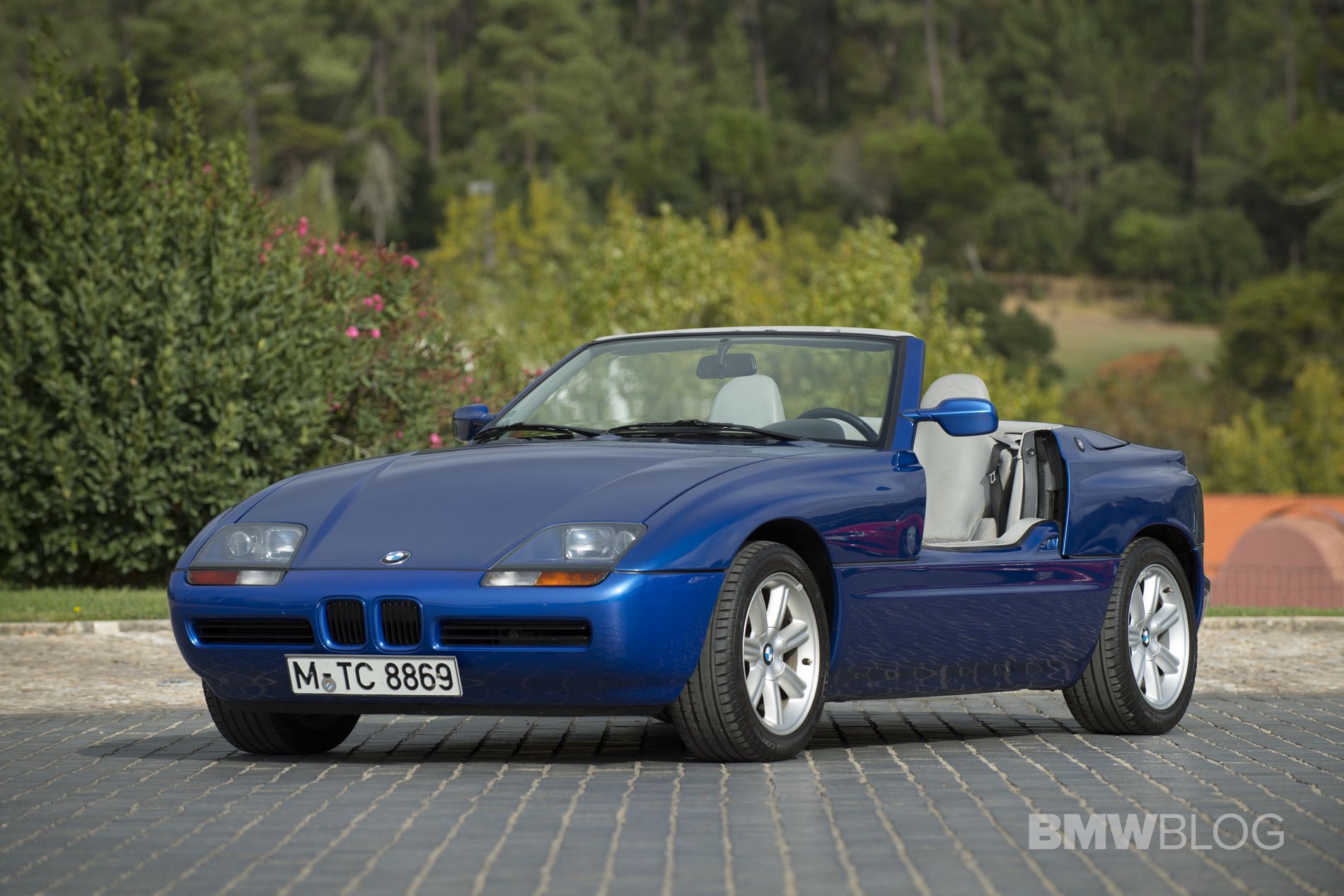
Let’s start with the elephant in the showroom: sedans are rare these days. Crossovers have taken over, and I get the appeal — space, versatility, that commanding driving position. But sedans, particularly BMW sedans, are what put this brand on the map. The original BMW 1500 that saved the company in the 1960s? A sedan. The iconic 2002 that established BMW’s sporting credentials? A two-door sedan. The E30 3 Series that defined a generation? Sedan.
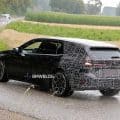
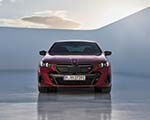
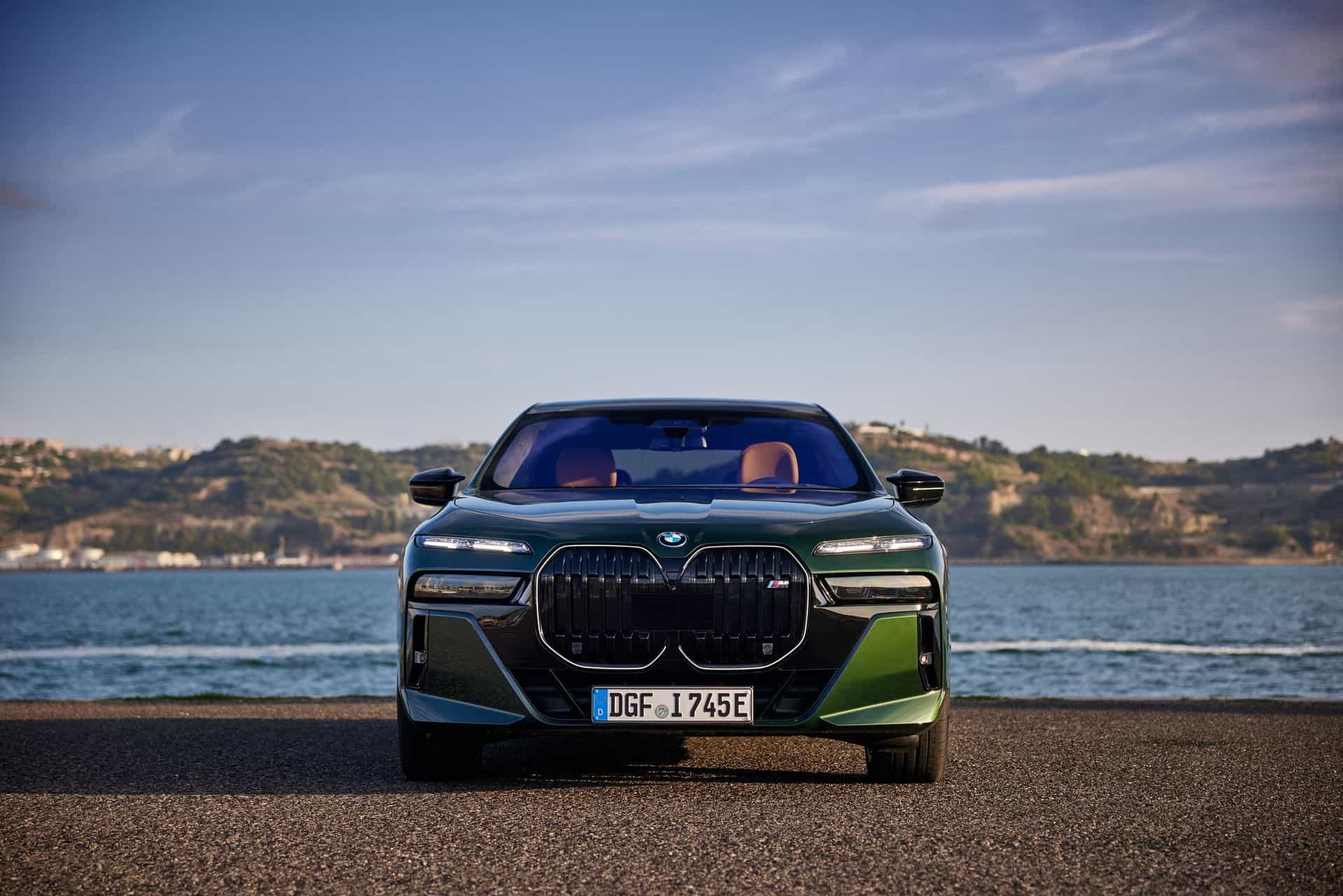
The new i3 continues this legacy with what BMW calls a “2.5 box design” — a modern interpretation of classic sedan proportions that pays homage to those legendary cars. In an era where every electric vehicle seems to be either a bloated crossover or a swoopy coupe-SUV thing, the i3’s clean, purposeful sedan shape is refreshingly honest. It says: I’m here to drive, not to make a fashion statement.
Built for Electrons, Not Compromises

Here’s where things get technically exciting. The i3 is based on BMW’s Neue Klasse architecture, which is EV-first, not EV-also. Unlike conversion vehicles — cars built on platforms designed to accommodate multiple powertrains — the i3 doesn’t make compromises. We’ve already seen hints of this in the Vision Neue Klasse concept: better packaging, more interior space, optimized weight distribution.
The platform brings an 800-volt architecture capable of charging at over 400 kW. That’s lightning-fast, even by 2026 standards. Combined with BMW’s sixth-generation battery technology, we’re likely looking at impressive range figures — possibly exceeding what the iX3 offers. Why? Simple physics: if the i3 is roughly similar in size or smaller than the iX3, with better aerodynamics (sedans typically have lower drag coefficients than SUVs) and lower weight, it should be significantly more efficient.
The Ultimate Electric Driving Machine

Now we get to the heart of the matter: how it drives. I had the privilege of driving the iX3 as a prototype, and I came away impressed. The chassis dynamics, the steering feel, the way it manages its weight — it was genuinely engaging. And here’s the thing: if a taller, heavier crossover can drive that well, imagine what the i3 will be like. And that’s exactly what I stated six months ago.
The i3 sedan benefits from a lower center of gravity — physics that can’t be negotiated away. It shares the same three-supercomputer architecture as the iX3, including the “Heart of Joy” system dedicated to driving dynamics. With power expected to match or exceed the iX3’s output, this car should be an absolute riot to drive. Lower weight, better weight distribution, more responsive handling — everything points to a car that will remind you why BMW earned the “Ultimate Driving Machine” tagline.
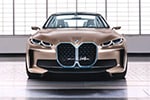
Consider the current i4. It’s built on the CLAR platform, essentially a conversion architecture that was designed to accommodate internal combustion engines, plug-in hybrids, and full EVs. Despite these compromises, the i4 drives phenomenally well. Now imagine what BMW can achieve with a purpose-built EV platform and sedan packaging. The i3 could genuinely be the ultimate electric sedan.
A Defining Moment in BMW History?

I realize this might sound hyperbolic, but stay with me a bit more: the i3 could be as significant to BMW’s history as the 1500, the 2002, or the E30. Those cars defined what BMW stood for in their respective eras. The 1500 established the company as a maker of sporting sedans. The 2002 proved that small could be exciting. The E30 perfected the formula and became a cultural icon.
The i3 has the opportunity to do the same thing for the electric era. It could be the car that proves electric vehicles don’t have to sacrifice driving engagement for efficiency, that sedans still have a vital role to play, that BMW can transition to electrification without losing its soul. Fifty years from now, enthusiasts might look back at the i3 as the moment BMW successfully reimagined itself for a new age.
Sure, today we’re still in love with combustion-powered BMWs because…sound, but 50 years from now, the automotive landscape might look different and driving dynamics will once again set apart some companies.
Give Me the Sedan
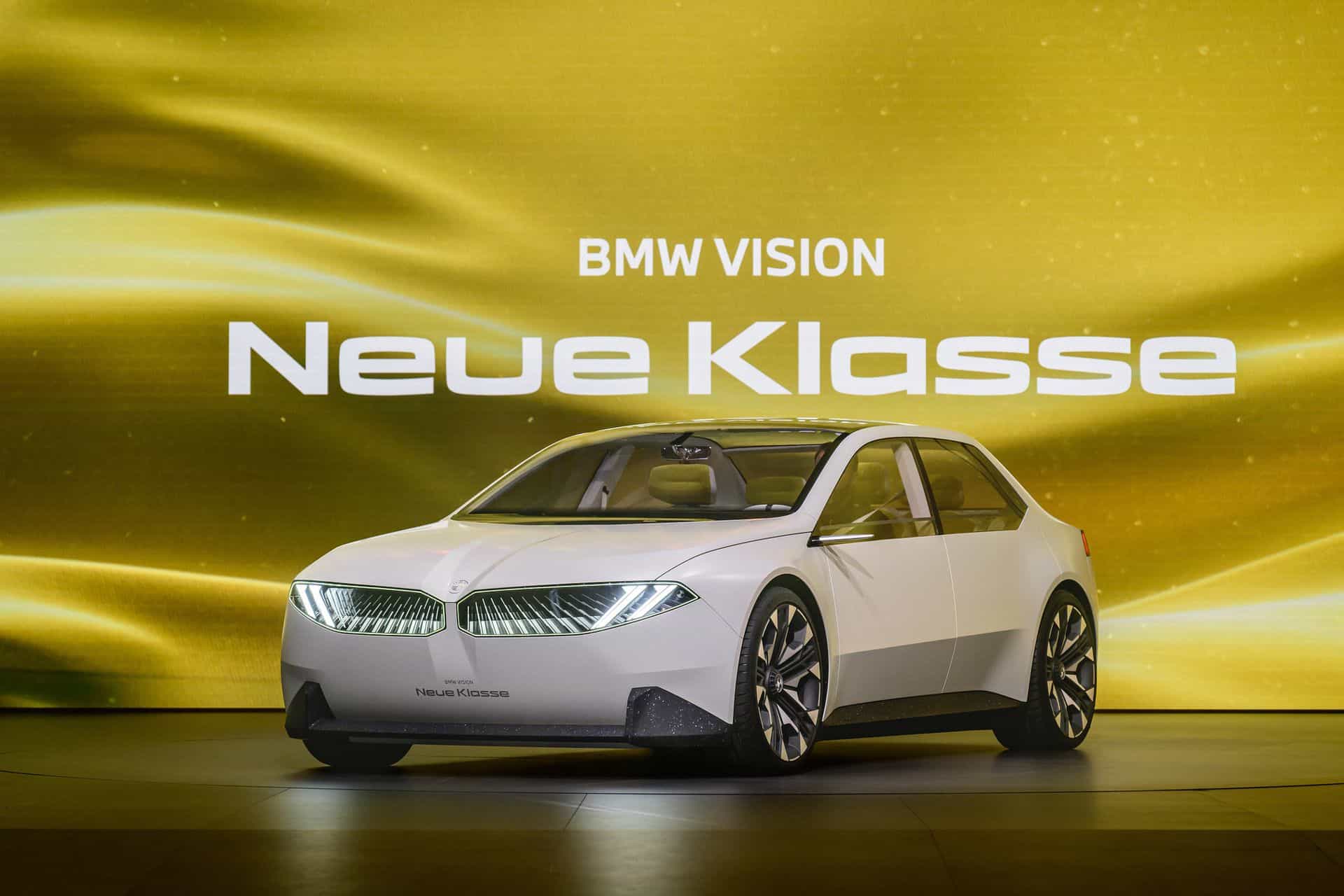
The upcoming BMW i3 represents everything I love about BMW: purposeful design, cutting-edge technology in service of driving pleasure, and the courage to prioritize engagement over practicality. So yes, the iX3 is impressive. I’m genuinely excited for people who buy one — they’ll love it. But when it comes time to make my choice? Give me the fun BMW. I’m willing to take fewer kids and fewer bags with me.
The iX3 might be the buzz today, but the i3 is the future I’m betting on. And I can’t wait to drive it.