Article Summary
- BMW adds Samsung SDI and LG Energy Solution to its Gen6 battery cell supplier network.
- CATL, EVE Energy, and Samsung SDI will supply cells in Europe, while LG joins the North American supply chain.
- Five new high-voltage battery assembly facilities are being established in Germany, Hungary, China, the United States, and Mexico.
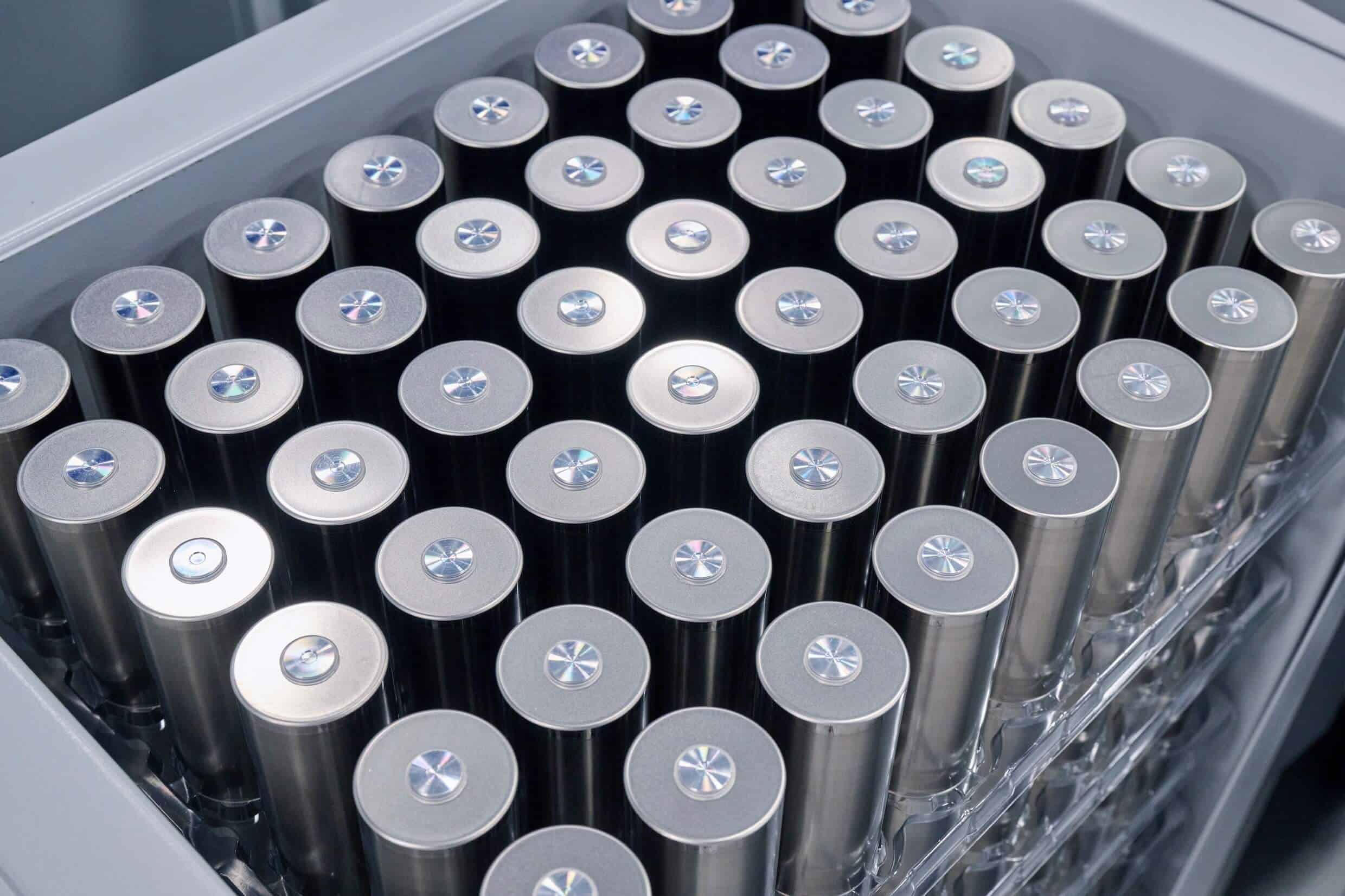
BMW is doubling down on its local-for-local strategy by expanding its battery supply chain in Europe and North America. The German automaker has signed new agreements with Samsung SDI and LG Energy Solution to source sixth-generation (Gen6) cylindrical battery cells from their existing facilities in both regions.
The partnerships will take effect near the decade’s end, further diversifying BMW’s supplier network while strengthening regional production capabilities. The idea is straightforward: source components as close as possible to where the vehicles are built. Besides reducing transportation distances, this approach improves supply security and helps create jobs in the markets where BMW operates.
The latest agreements add two major names to an already extensive battery supplier portfolio. In Europe, BMW will source Gen6 cells from CATL, EVE Energy, and Samsung SDI. Across the Atlantic, LG Energy Solution will join the company’s American supply network.

BMW Doesn’t Want To Put All Its Batteries In One Basket
BMW is deliberately avoiding dependence on a single battery manufacturer, instead spreading its procurement across several established technology partners. It’s a sensible move in an increasingly competitive electric vehicle market, where securing a reliable supply of battery cells is just as important as developing the technology itself.
The localization strategy doesn’t stop at sourcing cells. BMW has also established five new facilities dedicated to assembling Gen6 high-voltage batteries, all located close to its vehicle manufacturing plants. They are in Irlbach-Straßkirchen in Lower Bavaria, Debrecen in Hungary, Shenyang in China, Woodruff in the United States, and San Luis Potosí in Mexico.
By keeping battery suppliers, assembly facilities, and vehicle factories relatively close to one another, BMW wants to build regional ecosystems that are less vulnerable to disruptions in global logistics. It’s also a way to strengthen local industrial infrastructure, safeguard jobs, and lower transport costs.
Of course, building these ecosystems isn’t as simple as opening a few factories. BMW acknowledges that battery cell localization requires substantial investment, long-term partnerships, and favorable political conditions. Building competitive manufacturing operations takes time, especially with a technology as complex as modern battery production.

BMW Is Also Investing In Its Own Battery Expertise
Interestingly, BMW isn’t leaving everything to its suppliers. The company continues to develop its own expertise through three dedicated competence centers in Bavaria. The Battery Cell Competence Center in Munich focuses on researching future cell technologies. At the same time, the Cell Manufacturing Competence Center in Parsdorf investigates how to produce those cells efficiently and to the highest quality standards.
A third facility in Salching, the Cell Recycling Competence Center, is also developing BMW’s direct recycling approach to recover valuable raw materials and feed them back into the production process. Although Encory GmbH will build and operate the center, BMW retains ownership of the intellectual property behind the recycling technology.
BMW’s latest announcement is another reminder that the transition to electric mobility isn’t just about developing better motors, bigger batteries, and faster charging capabilities. Securing the materials and manufacturing capacity needed to build those batteries matters just as much.
With Samsung SDI and LG Energy Solution joining CATL and EVE Energy in its supplier portfolio, BMW is taking another step toward a more diversified and geographically balanced supply chain. The Neue Klasse era isn’t just changing what BMW builds, but also how and where it makes the components that go into its electric vehicles.
BMW Also Has A Tie-up With Rimac
BMW’s battery strategy also extends beyond its traditional supplier network. The company is working with Croatian technology specialist Rimac, which helped integrate the latest cylindrical cells into the facelifted i7, making the electric 7 Series the first result of their collaboration. Two more cars are in the pipeline, and while BMW hasn’t identified them yet, one could be next year’s i5 facelift. This partnership shows that the automaker is willing to tap into outside expertise when it makes sense, even as it continues developing its own battery technologies and production capabilities.