Article Summary
- The M3 ZA0 will retain the durability and track capability expected of an M car, letting owners drive to the circuit, push hard, and drive home.
- The concept's centerlock wheels are unlikely to make it to production, as M CEO Frank van Meel acknowledges they're impractical for everyday use and require specialized tools.
- Natural-fiber components will replace carbon fiber in some areas, reducing manufacturing-related CO₂ emissions by 40%.
BMW is months away from electrifying its most iconic performance car, but the next-generation M3 won’t abandon the characteristics that have defined the nameplate for decades. Speaking with IMSA President John Doonan at the Rolex Monterey Motorsports Reunion, BMW M CEO Frank van Meel confirmed that the upcoming electric M3 will feature artificial sound and simulated gear shifts to make driving more engaging.
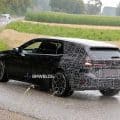
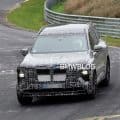
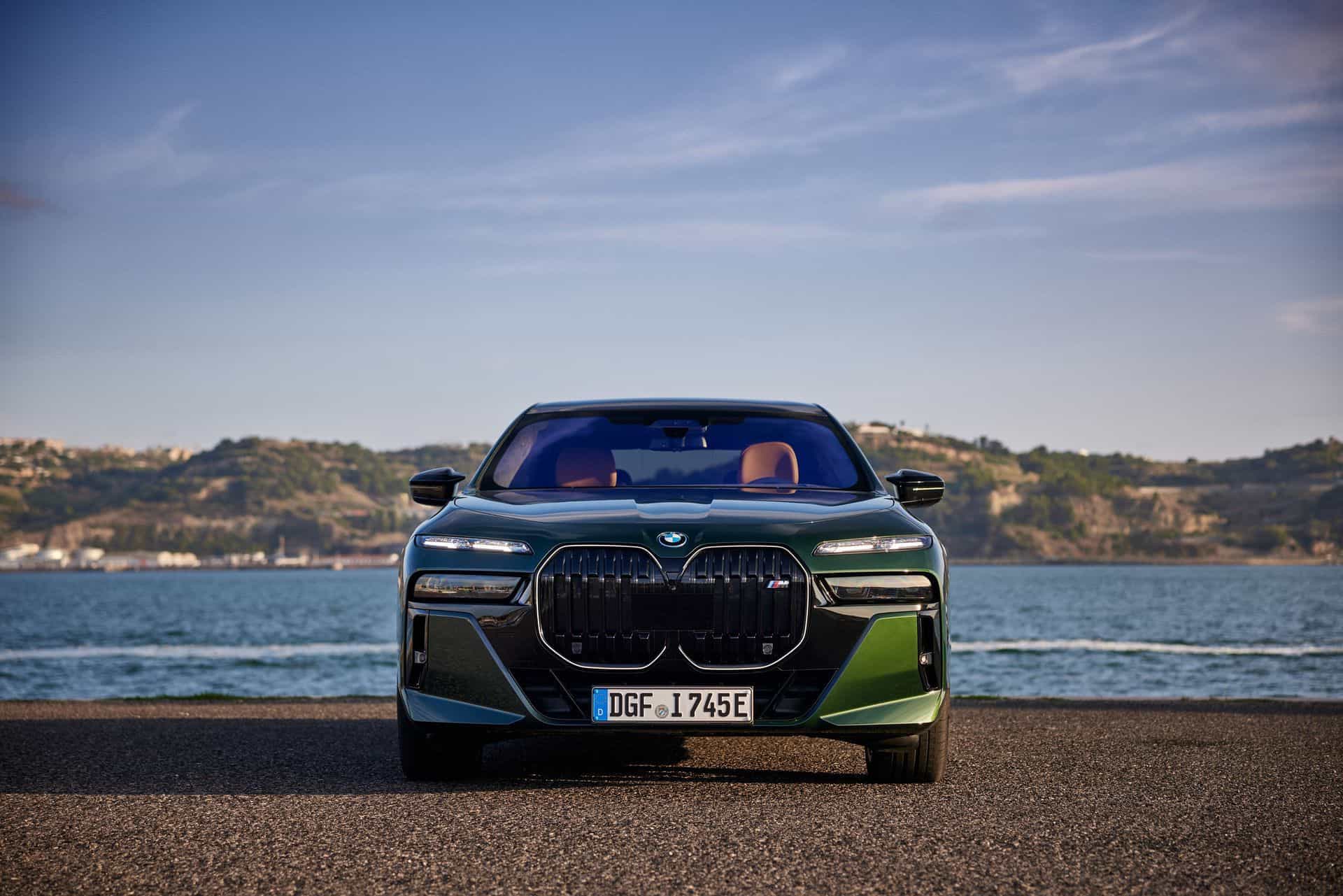
The executive discussed the M Concept Neue Klasse, which previews the design and technology of the electric M3 expected to arrive in 2027. From its motorsport-inspired exterior to its driver-focused interior, BMW wants the electric performance sedan (codenamed ZA0) to feel unmistakably like an M car.
“That’s why it will have a sound, and it will also have the possibility to shift between different stages,” van Meel explained, addressing whether an electric car can deliver the same emotional connection as a combustion-powered model.

Simulated Gear Changes Serve A Purpose
The idea is to replicate the feedback drivers get from a traditional performance car. Drivers will be able to shift down, hear the “revs” rise, and use the simulated gear changes to better judge what the car is doing on a track. BMW wants to preserve that connection between the driver and the machine, even without a combustion engine.
BMW isn’t abandoning gasoline engines, either. Van Meel reiterated that the company will continue offering both electric and combustion-powered M cars, leaving customers to decide which type of powertrain suits them best: “The problem of choosing will be up to the customer, not up to us.”
During the same interview, van Meel also explained how BMW is translating its motorsport experience into the next generation of road-going M models. The concept features yellow lighting inspired by BMW’s GTP race car, while its flow-through hood draws inspiration from the M4 GT3 and serves both aerodynamic and cooling purposes.
Even the details around the wheels reflect the car’s racing influence. The concept uses center-lock wheels, a setup normally reserved for motorsport because it requires specialized tools and isn’t particularly practical for everyday road use. BMW previously offered center-lock wheels from the factory on the ultra-exclusive 3.0 CSL and made them an official accessory for the M2, M3, and M4.


Carbon Fiber Is On Its Way Out
The concept’s sustainability credentials extend beyond its electric powertrain. BMW has replaced carbon fiber with natural-fiber components, a material already used in the company’s GT4 race cars. According to van Meel, the material delivers comparable weight, durability, and strength while reducing manufacturing-related CO₂ emissions by 40%. It also gives designers greater freedom to create different patterns and shapes.
More importantly, the mayor of M Town said the electric M3 will retain the durability expected of the nameplate, letting owners take the car to a track, drive it hard, and return home without worrying about whether it can handle the punishment.
BMW M Has Heard These Complaints Before
The transition to electric power will undoubtedly spark debate among enthusiasts, but van Meel pointed out that BMW M has faced similar skepticism during previous changes to the M3’s powertrain.
When BMW moved from a four-cylinder engine to a six-cylinder, some questioned the additional weight. The subsequent switch to a V8 prompted concerns about the car’s balance, while the later adoption of turbocharging raised fears about turbo lag and throttle response. In each case, van Meel argued, the newer generation ultimately proved itself behind the wheel.
The electric M3 will have to overcome a different set of objections, particularly from enthusiasts who associate the M3 with the sound and character of a high-revving gasoline engine. Simulated shifts and artificial sound won’t necessarily win everyone over, but BMW is betting performance and driver engagement can bridge the gap.

BMW Isn’t Replacing Engines With Electric Motors
And the company isn’t limiting its future to electric cars. Van Meel stressed that combustion-powered M models will remain part of the lineup, giving traditionalists a reason to stick around. As previously reported, the six-cylinder M3 G84 is expected to land in 2028 with a mild-hybrid twist, but the manual gearbox may be gone forever.
For now, the M Neue Klasse concept offers an early look at how BMW plans to bring its motorsport DNA into the electric era. Whether the production car can deliver on those promises remains to be seen, but BMW M clearly isn’t interested in making an EV that’s quick only in a straight line.
Hopefully, BMW has also found a miraculous way to keep weight in check after adding a 100-plus-kWh battery pack…
Video: IMSA Official / YouTube