Article Summary
- The BMW i7 ranks last for resale value, retaining only 26.4 percent of its original price after five years.
- Nine of BMW’s 10 fastest-depreciating models are either fully electric or plug-in hybrids.
- The i5, iX, and i7 each lose more than two-thirds of their original value within five years.
Depreciation is unavoidable when buying a new luxury vehicle, but some BMWs shed value considerably faster than others. According to iSeeCars’ 2026 resale-value study, the weakest-performing BMW models retain between 26.4 and 43.6 percent of their original value after five years. That translates to depreciation of more than 56 percent for every vehicle on this list. It also reveals a clear trend: nine of the ten worst-performing models use either a fully electric or plug-in hybrid powertrain. iSeeCars says its figures are based on a statistical analysis of depreciation from each model’s original MSRP. The company analyzed more than 3 million vehicles for its five-year resale-value rankings.
BMW X5 Plug-in Hybrid: 56.4% Depreciation
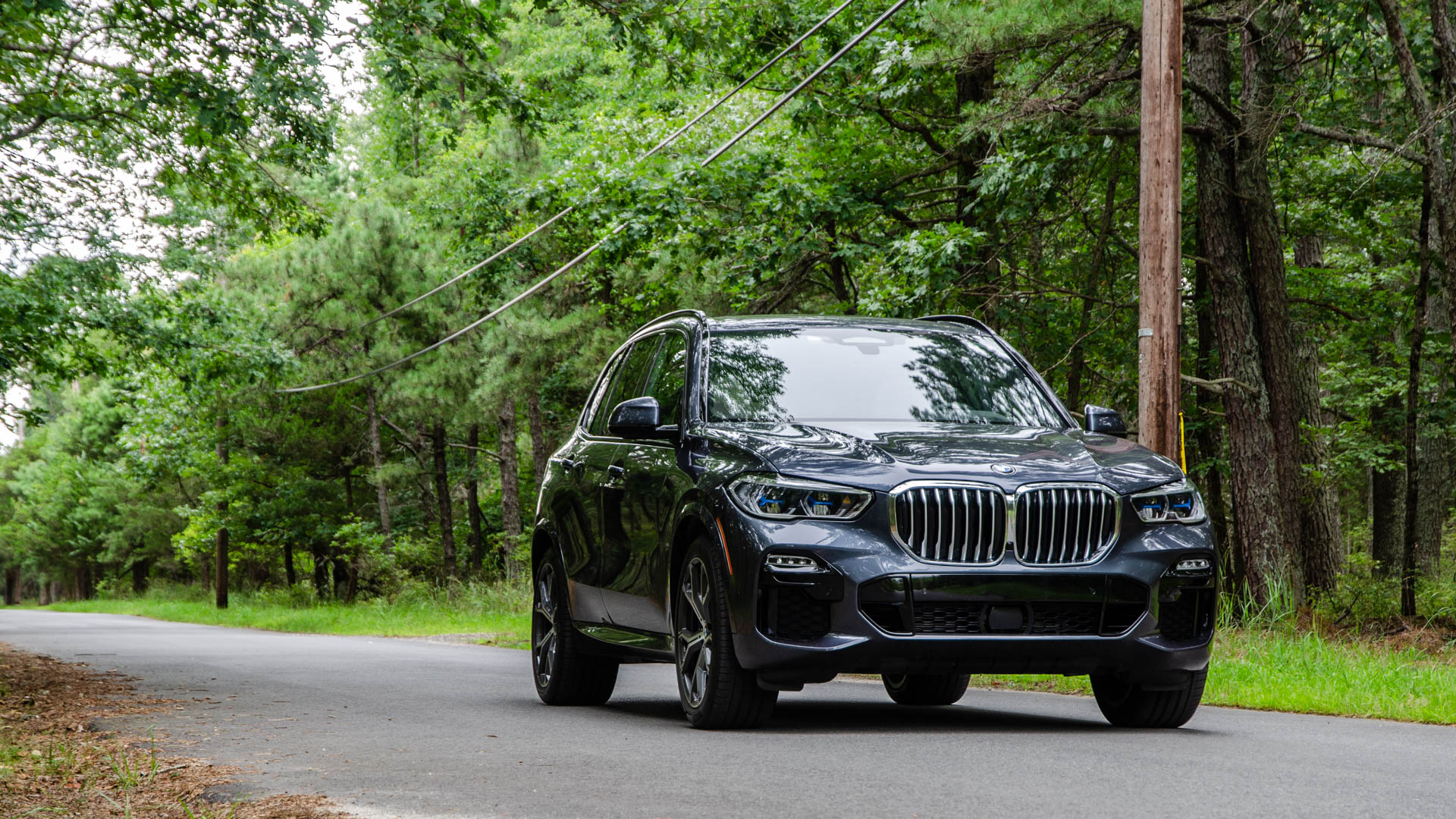
The plug-in hybrid BMW X5 retains 43.6 percent of its original value after five years, placing it at the top of this unfortunate list. That trails the conventional X5, which retains 45.2 percent according to the same study. The difference sounds small, but it amounts to thousands of dollars. It also continues the trend of BMW plug-in hybrids depreciating slightly faster than their gasoline-powered counterparts.
BMW XM: 58.1% Depreciation

The BMW XM retains an estimated 41.9 percent of its original value. That means nearly 60 percent of its substantial original price disappears over five years. Its high MSRP, unconventional styling, plug-in hybrid powertrain, and limited audience likely make the XM particularly vulnerable once it enters the used market. Fun fact: this percentage indicates that most BMW XMs lose around $93,000 of value in five years. That’s more than the base MSRP of almost every other BMW on this list!
BMW 5 Series Plug-in Hybrid: 59.2% Depreciation

The plug-in hybrid 5 Series retains 40.8 percent of its value after five years. By comparison, the standard 5 Series holds onto 44.1 percent. It isn’t an enormous gap, but buyers purchasing the electrified version new absorb a slightly greater depreciation penalty.
BMW 7 Series: 61.8% Depreciation

The conventional BMW 7 Series is the only non-electrified model in the bottom 10. It retains just 38.2 percent of its original value after five years. Large flagship luxury sedans have historically depreciated quickly. They carry high starting prices, expensive equipment, and technology that can feel outdated by the time the vehicle reaches its second or third owner. Interestingly, a base 7 Series could still have lost less value, in dollar amounts, than an XM. After all, their base MSRPs sit nearly $60,000 apart.
BMW i4: 64.5% Depreciation
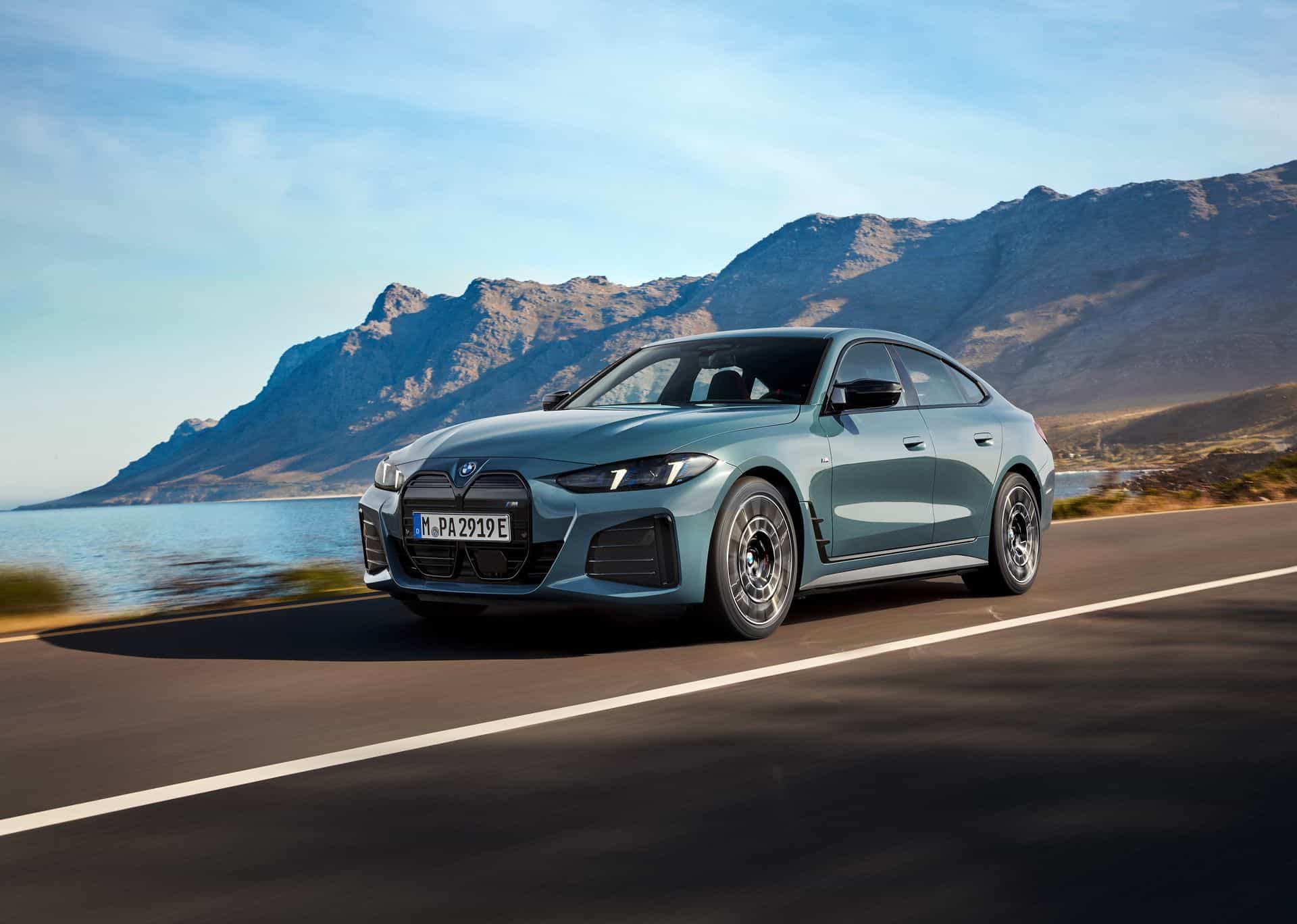
The BMW i4 retains 35.5 percent of its original value. That is considerably worse than the conventionally powered 4 Series models included elsewhere in the ranking. Rapid improvements in electric range, charging performance, and battery technology can make older EVs less attractive, even when the vehicle itself remains competitive.
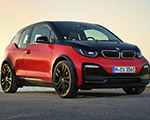
BMW i3: 64.9% Depreciation
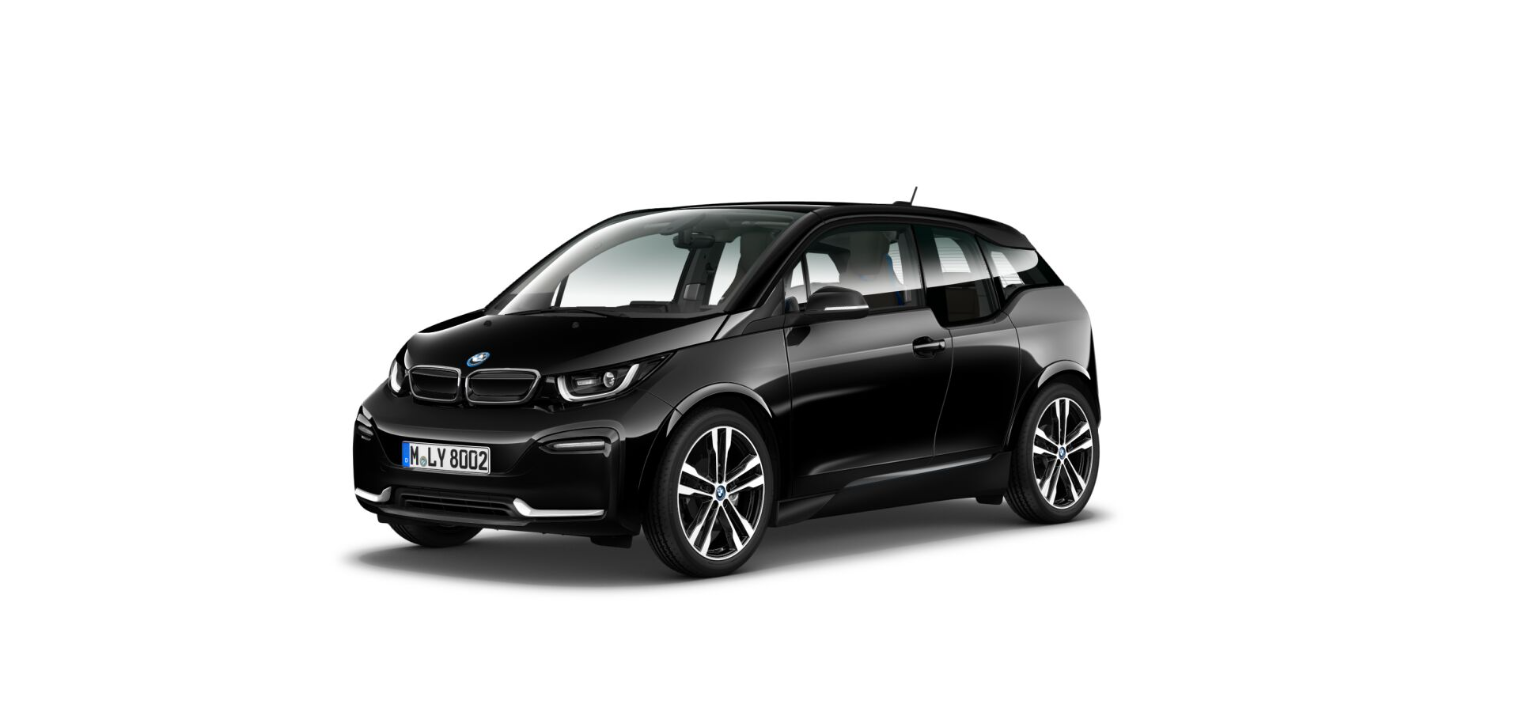
Despite developing something of a cult following, the electric BMW i3 retains only 35.1 percent of its original value after five years. Its unusual design, modest driving range, and discontinued status limit its mainstream appeal. On the other hand, that depreciation has made the carbon-fiber BMW one of the most affordable and distinctive used EVs available.
BMW 7 Series Plug-in Hybrid: 65.1% Depreciation

Combining a fast-depreciating flagship sedan with an aging plug-in hybrid powertrain does not appear to help resale value. The plug-in hybrid 7 Series retains 34.9 percent of its MSRP after five years. That is 3.3 percentage points below the conventional 7 Series, which already ranks among BMW’s weakest models for resale value.
BMW iX: 68.6% Depreciation

The BMW iX retains just 31.4 percent of its original value. Although it remains a comfortable, quick, and technologically advanced electric SUV, buyers on the used market are apparently unwilling to pay anything close to its original price. Its steep depreciation could make the iX increasingly appealing as a used luxury-EV bargain. Incredibly, the iX remains in production at least through 2027, so there’s plenty of time to score a bargain.
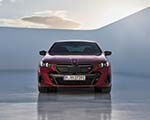
BMW i5: 70.0% Depreciation

The BMW i5 is projected to retain 30 percent of its original value after five years. That puts it well behind the gasoline-powered 5 Series and even the 5 Series plug-in hybrid. The i5 illustrates the difficult resale environment facing electric luxury sedans: buyers must account for both traditional luxury-car depreciation and rapidly changing EV technology.
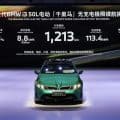
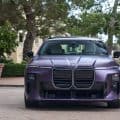
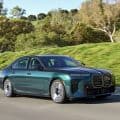
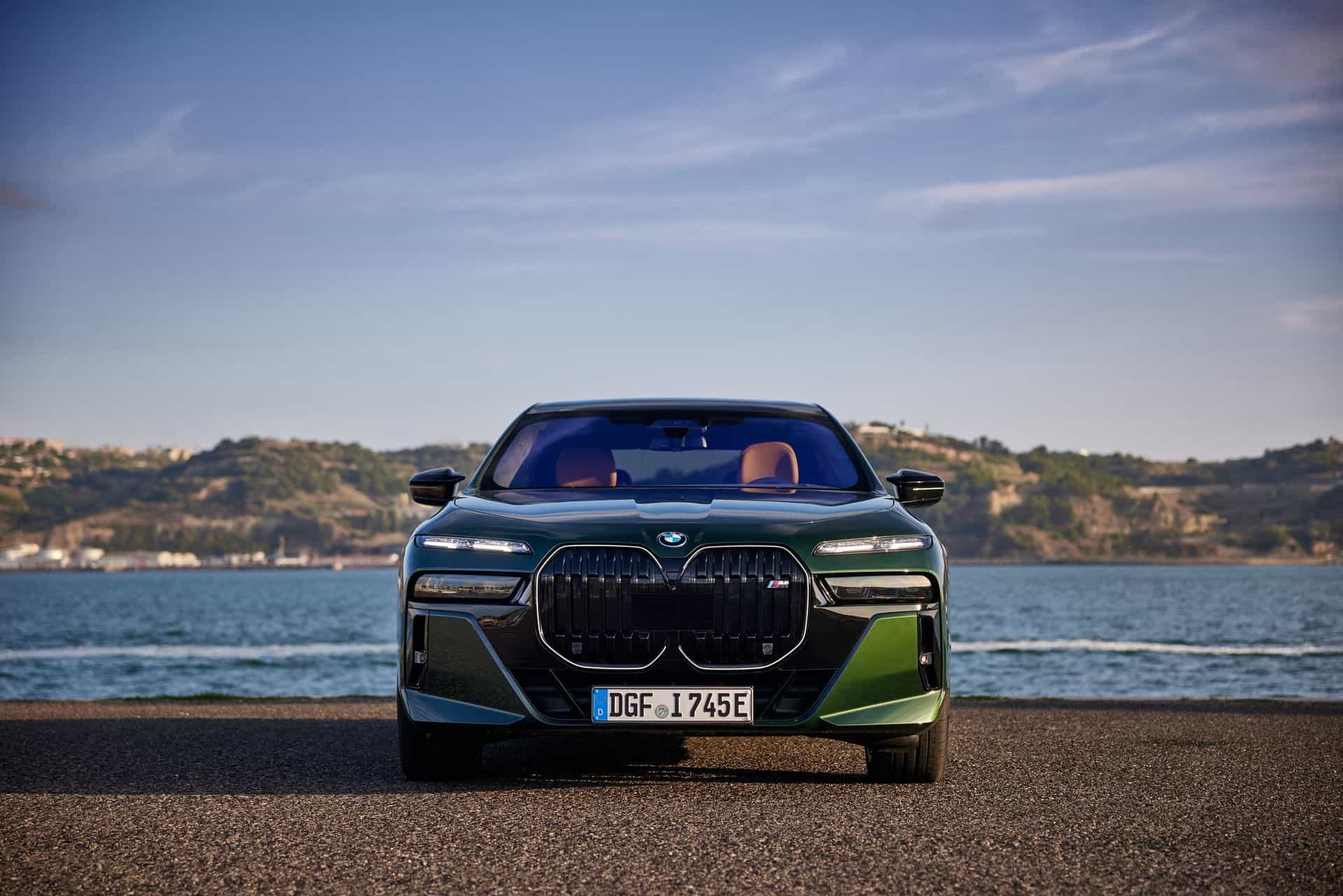
BMW i7: 73.6% Depreciation

No BMW loses value faster than the electric i7. According to iSeeCars, it retains only 26.4 percent of its MSRP after five years. For perspective, an i7 originally priced at $120,000 would retain approximately $31,680 under that depreciation rate. That represents a loss of more than $88,000, excluding taxes, options, financing, and ownership expenses. Which, amazingly, is still a smaller dollar figure than the king of the hill, the BMW XM. That said, it’s still a tremendous tumble in value. Chalk it up to the i7 combining nearly every characteristic associated with rapid depreciation. It’s an expensive flagship luxury sedan, a fully electric vehicle, and a technology-heavy product competing in a quickly evolving market.
Electrification Comes With a Resale Penalty
The broader takeaway is difficult to ignore. Five of the bottom 10 BMWs are fully electric, while another four are plug-in hybrids. The regular 7 Series is the lone model powered exclusively by an internal-combustion engine. It’s important to make a distinction here: high depreciation doesn’t make a car bad. Perhaps a dubious investment, but many of the cars featured on this list are some of the best-driving vehicles in their segment. For example, the X5 hybrid is easily the best PHEV SUV on the road today. And the underrated BMW i3 (and its cult following) showing up here further proves the point. More than anything, this can be a useful tool for shoppers deciding between leasing and purchasing.