BMW has offered one of the clearest signals yet that Euro 7 isn’t going to automatically wipe out its combustion portfolio — and, by extension, that Rolls-Royce’s V12 still has a path forward.
In comments given to Autocar, BMW development boss Joachim Post said the company expects it can meet Euro 7 requirements through targeted optimization of the exhaust aftertreatment system — specifically upgrades and refinements around items like the catalysts — rather than needing to develop entirely new internal-combustion engines at massive cost. The subtext is that BMW believes it’s already operating from a strong baseline, with modern engines designed to handle stricter emissions limits through hardware and calibration evolution, not a ground-up reboot.
The Market Is Shifting

Post also confirmed that BMW’s next line-up will continue to span four-, six-, eight-, and 12-cylinder engines. That matters because BMW itself no longer sells a V12 under the roundel — the last chapter effectively ended with the brand’s flagship luxury models — but the BMW Group still has one very high-profile home for twelve cylinders: Rolls-Royce. Post’s remarks explicitly keep the door open for that engine to continue, suggesting the regulatory hurdle of Euro 7 is manageable enough that it doesn’t force an immediate end to the V12 at Goodwood.
This comes in contract with previous statements. In 2023, former Rolls-Royce CEO Törsten Müller-Ötvos told Car Magazine “We also made the decision that this car you could not get electric and combustion. The Spectre is only electric. All future Rolls-Royces, new ones, will be only electric, whilst maintaining what Rolls-Royce stands for. This should be the most dynamic RR ever in history. And it is.”
But with the market shifting back to combustion-powered cars, it makes sense the British luxury market plans to keep their V12s alive. Post’s comments reinforce the idea that Rolls-Royce can broaden its EV offering without having to immediately erase the V12 from the order book.
Unlikely To See A V12 In A BMW Car
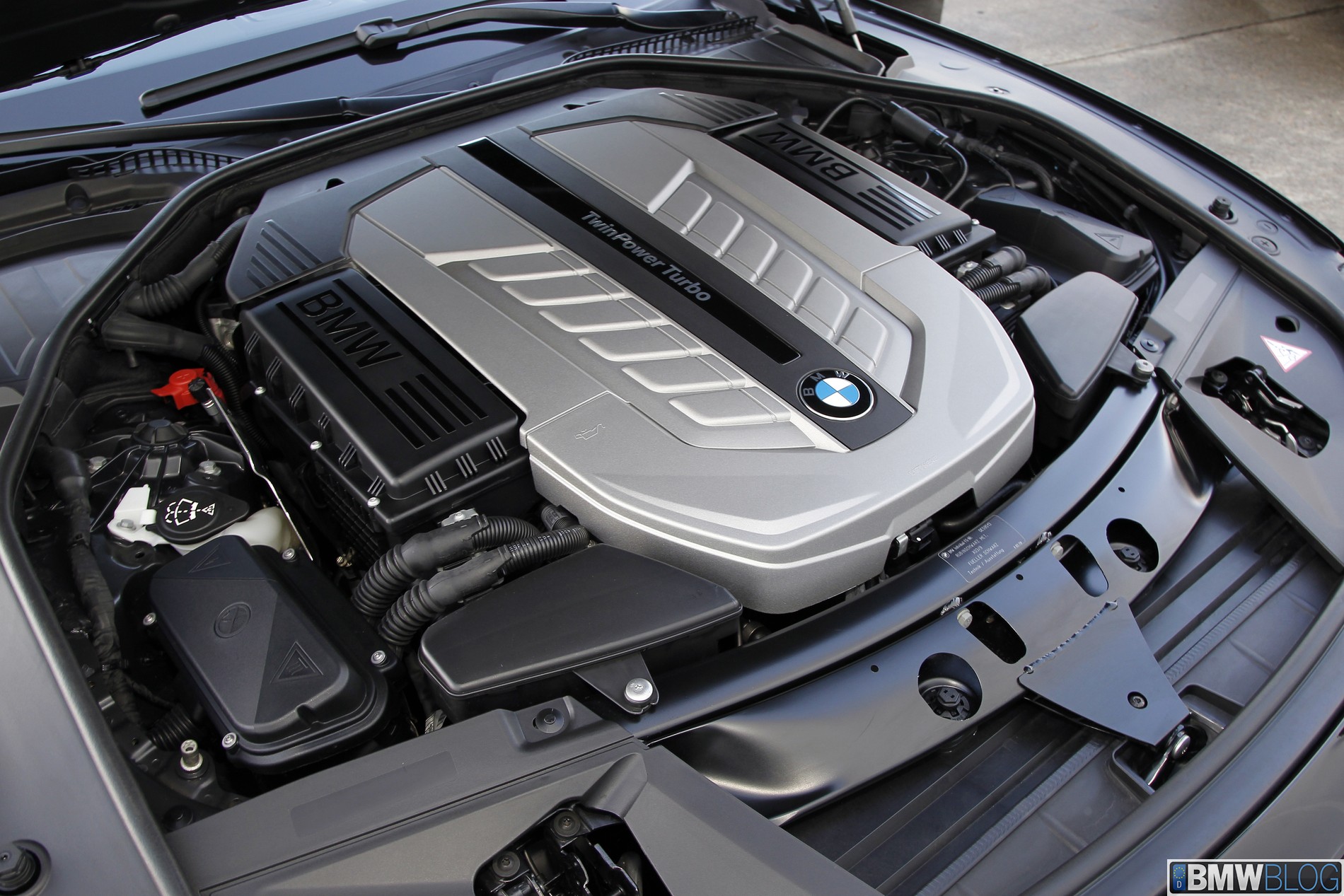
At the same time, it’s important not to misread this as a sign BMW is preparing a V12 comeback of its own. If anything, the opposite is more likely. BMW’s mainstream business case for twelve cylinders has largely evaporated: demand is niche, the engineering effort is hard to justify against tightening regulations and corporate fleet targets, and BMW can already deliver flagship-level performance with its six- and eight-cylinder engines — increasingly assisted by hybrid systems — while EVs take over more of the halo and technology narrative.
[Source: Autocar]